
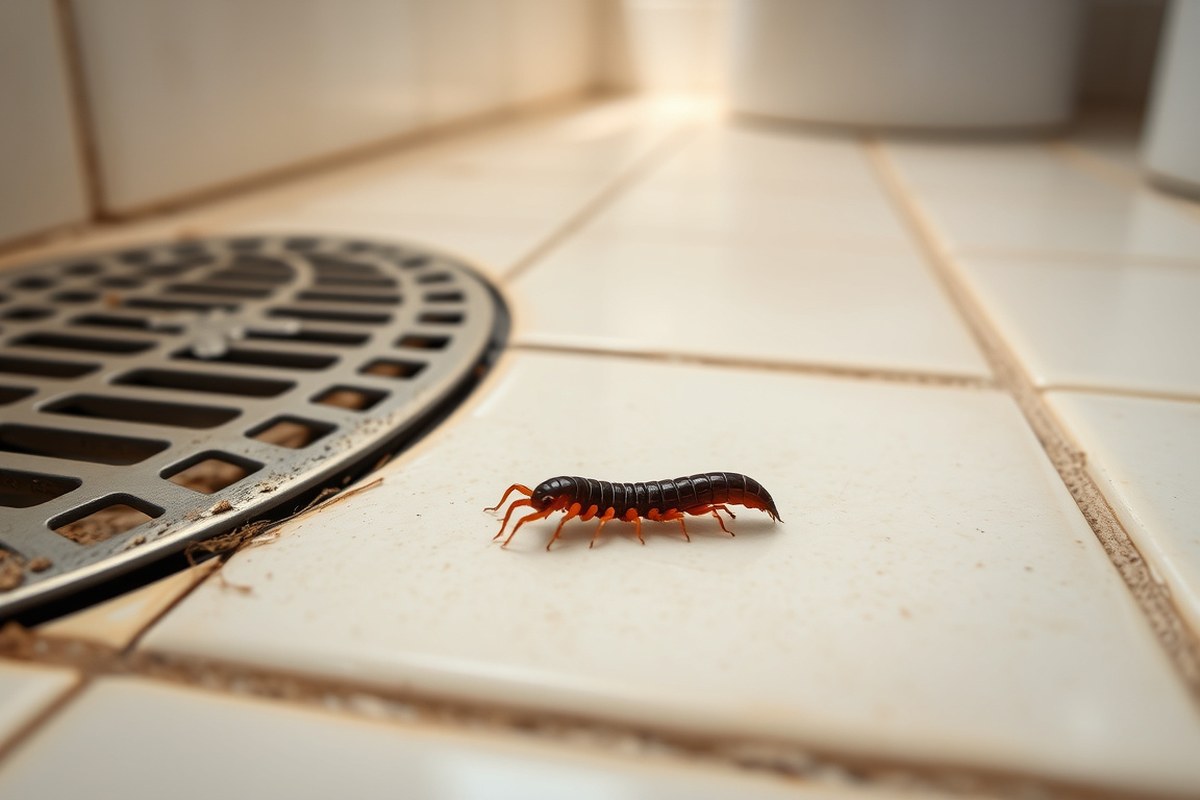
Can Pest Control Get Rid of Centipedes? What Actually Works for Your Home
Yes, pest control can get rid of centipedes, but successful elimination depends on thorough inspection, targeted treatments, and ongoing prevention. Professional exterminators use methods like perimeter insecticide sprays and moisture control to reduce centipede habitats effectively. You should expect multiple treatments spaced over a few weeks because centipedes hide in cracks and damp areas, making a single visit rarely sufficient.
This information suits homeowners, renters, and property managers dealing with centipede issues who need clear guidance on treatment options, safety measures, and costs. You’ll learn how professional services differ from DIY attempts, what preparing your home involves, typical timelines, and how to avoid future infestations by addressing both the insects and their environment.
Key Takeaways
- Professional pest control uses targeted insecticides and habitat modifications to effectively reduce centipede populations in and around homes.
- Centipede inspections identify moisture sources, entry points, and food sources to create a customized treatment plan for lasting control.
- Multiple treatments spaced over weeks are often necessary to address centipede life cycles and fully eliminate infestations.
- Inform your pest control provider about pets and children to ensure safe product choices and proper application timing.
- Remove clutter, seal cracks, and fix leaks before treatment to improve pesticide effectiveness and prevent centipede hiding spots.
- Professional treatments generally outperform DIY methods by using stronger, longer-lasting products and expert application techniques.
Can Pest Control Companies Reliably Eliminate Centipedes?
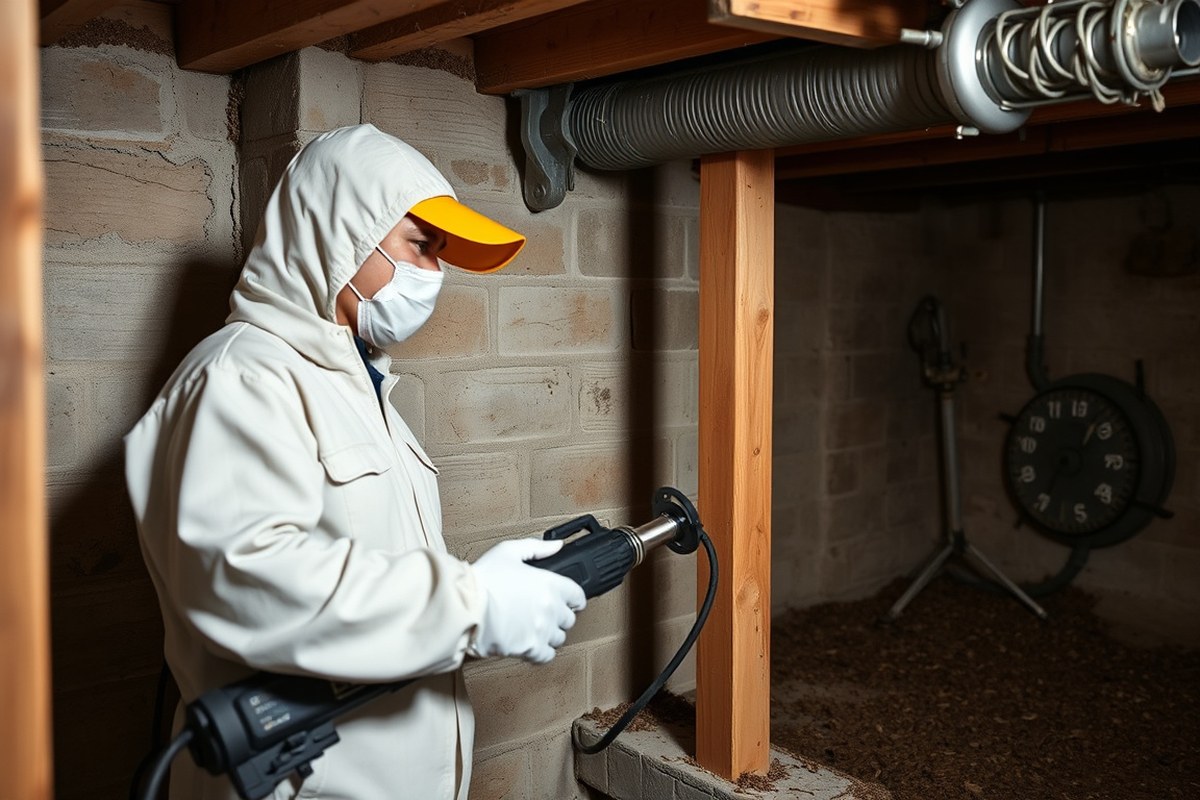
Professional pest control companies can reliably reduce or eliminate centipede infestations, but success depends on several factors. Centipedes require moisture, shelter, and prey to thrive, so treatments focus on removing these conditions alongside direct extermination. Professionals usually combine targeted pesticide application with structural corrections that reduce humidity and block entry points. This dual approach improves effectiveness compared to treatments that only use chemicals.
The effectiveness of professional treatment varies with the extent of the infestation and the property’s condition. Centipedes hide in damp basements, wood piles, cracks, and under debris, so thorough inspection and treatment of these areas are essential. Professionals use insecticides designed to kill centipedes on contact and prevent their return. Treatments often include interior and exterior sprays alongside dust or bait formulations applied to less accessible spaces. Treatments that miss hidden nesting spots or do not include property maintenance measures tend to have limited long-term success.
Several factors affect how well pest control companies perform against centipedes. High humidity and excessive moisture inside or outside a home provide ongoing attractants. Addressing leaks, poor drainage, and excess vegetation near the foundation helps reduce reinfestation. The structural condition of the home also matters; cracks, gaps, and poorly sealed vents allow centipedes easy access. Persistent infestations often mean these entry points were missed or are difficult to seal without repairs. Homeowners who maintain cleanliness, remove clutter, and reduce moisture increase their chances of lasting control.
The timing and frequency of treatments influence success as well. Centipedes molt and reproduce under certain environmental conditions, meaning single treatments frequently fail to eliminate all life stages. Professionals typically recommend multiple visits spaced a few weeks apart to catch newly hatched centipedes before they disperse. The overall reduction improves with scheduled follow-ups until the population drops below nuisance levels.
Costs vary depending on property size, infestation severity, and treatment methods used. Companies may charge $100 to $300 for a typical centipede treatment, with follow-ups adding to the total. More extensive moisture control and structural repairs often increase costs but improve results. Some cases require ongoing maintenance treatments during wet seasons for lasting relief.
How Do Professional Treatments for Centipedes Work?
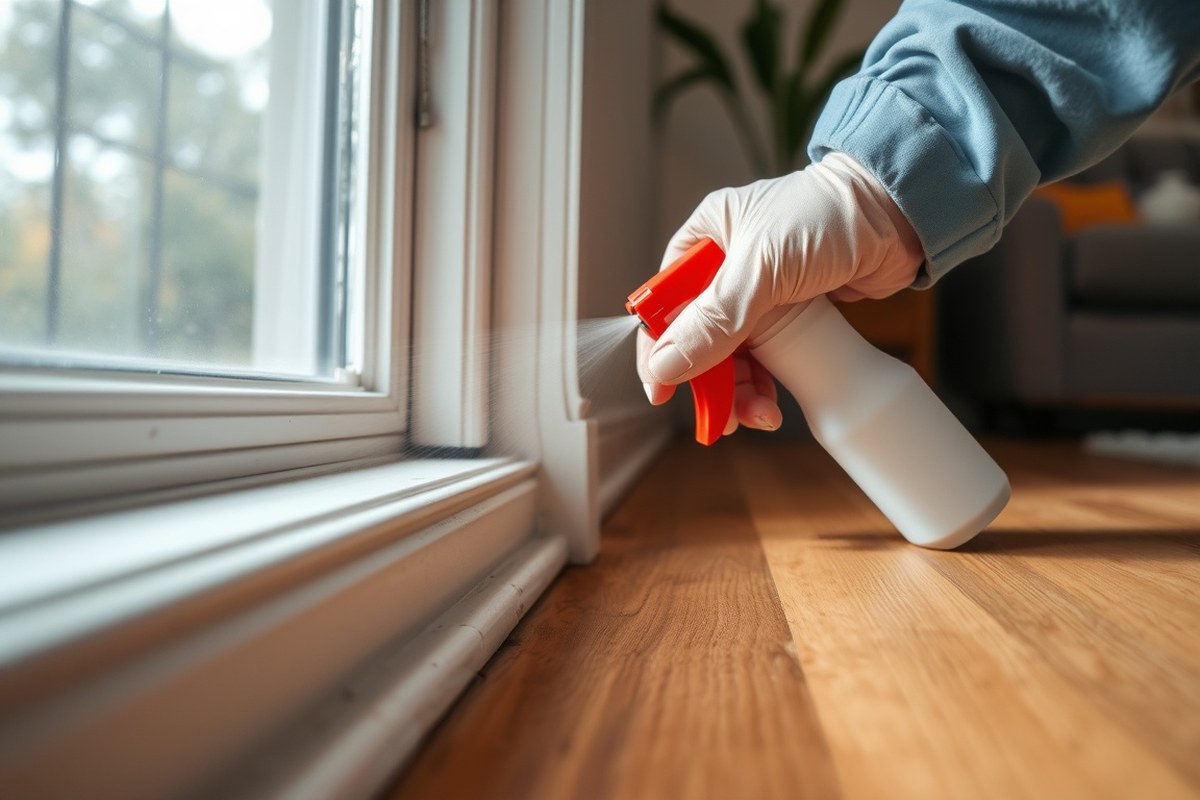
Pest control treatments for centipedes work mainly by targeting their hiding places and disrupting their movement and food sources. Professional methods focus on reducing the population through chemical barriers, traps, and changing the environment to make it less inviting. These treatments differ from those for insects like ants or cockroaches by focusing on eliminating moisture and shelter that centipedes rely on.
Chemical Treatments and Residual Sprays
Professionals often apply residual insecticide sprays to areas where centipedes hide or enter the home, such as baseboards, cracks, foundation walls, and around doors and windows. These treatments use chemicals that kill centipedes on contact or when they crawl over treated surfaces later. Typical active ingredients might include pyrethroids, which have a lasting effect for weeks, breaking the hiding and travel routes centipedes use.
This method matters because centipedes are fast-moving and nocturnal, spending most of the day in dark, damp crevices. The residual spray keeps these areas toxic without requiring a direct kill on sight, which is hard with these secretive pests. Applying chemicals correctly requires a professional to know exactly where to spray, how much to use, and how to avoid overspray near pets and children.
In some cases, dust insecticides are added to hard-to-reach spaces like wall voids or under floorboards. These kill centipedes that burrow or hide in deeper spaces. Such treatments are specific to centipedes’ behavior and differ from sprays used on flying or surface pests which focus more on direct immediate kills.
Baiting and Trapping Strategies
Unlike ants or cockroaches, centipedes are not attracted to sugary or protein baits, so traditional baiting is less effective. Instead, professionals often use physical traps to capture centipedes as they move about. Sticky traps placed in dark corners, under furniture, or along baseboards can catch wandering centipedes, helping to reduce their numbers and monitor infestation levels.
Trapping plays a supporting role by giving a clear picture of where centipedes are most active, which helps target chemical treatments better. It also physically removes some pests without chemicals, which can be useful in sensitive environments. However, traps alone rarely eliminate an infestation since centipedes can reproduce and find shelter elsewhere in the home.
Habitat Modification and Exclusion Tactics
Professionals also recommend changes that reduce centipede-friendly conditions. This includes sealing cracks and crevices in foundations, vents, and around doors to block entry points. Eliminating excess moisture by fixing leaks, improving ventilation, and reducing indoor humidity can remove the damp environments centipedes need.
They advise removing clutter and debris near the home’s exterior and inside since centipedes hide under leaves, wood piles, stones, and inside boxes. Clearing these items reduces harborage and food sources like insects, which centipedes feed on. Habitat modification is an ongoing process and the key to long-term success; chemicals alone don’t solve the problem if conditions remain favorable.
Keep outdoor sprinklers from soaking your home’s foundation to reduce ground moisture that draws centipedes inside.
What to Expect During a Centipede Pest Control Inspection
A centipede pest control inspection begins with a thorough visual examination inside and around your home to spot centipede activity and potential nesting sites. Technicians focus on areas where centipedes are most likely to hide and look for clues like shed skins or dead insects. Identifying entry points and underlying moisture problems helps target treatments effectively.
Identifying Typical Centipede Hiding Spots
Centipedes prefer dark, damp places where they can hunt for insects and stay protected. Technicians start by checking basements, crawl spaces, and closets because these locations often have the right conditions for centipedes. They inspect under sinks, behind appliances, and inside boxes or piles of clutter that provide cover.
Outside, inspectors examine mulch beds, leaf piles, and woodpiles near the foundation since these serve as common outdoor hiding spots. Garage corners, window wells, and spots beneath decks are also carefully inspected because centipedes can easily enter from these points. The technician uses a flashlight and sometimes a moisture meter to detect hidden areas.
- Look behind baseboards and inside cabinets in damp rooms
- Check under bathroom and kitchen sinks for leaks and centipedes
- Inspect basement corners and around foundation cracks
- Search exterior mulch, leaf litter, and woodpiles within 10 feet of the home
- Examine crawl spaces and vents for signs of centipedes
- Look around window wells and door thresholds
- Identify cluttered areas where centipedes can hide
Using these targeted checks helps locate active centipede hiding spots, allowing for focused treatment rather than general spraying.
Checking Moisture and Structural Conditions
Moisture plays a key role in centipede infestations because these pests need damp environments to survive. Inspectors check for leaks in plumbing, roof drips, or condensation around windows and walls. Areas with poor drainage that cause water to pool near the foundation also receive attention.
Structural conditions affecting moisture retention, such as cracked foundations, missing gutter downspouts, or damaged window seals, are documented during the inspection. Repairing these issues often reduces centipede harborage by drying out their preferred habitats and disrupting their breeding conditions.
Technicians may use moisture meters to measure humidity levels inside walls, under floors, or in basements. Improve moisture readings signal a need for additional measures like dehumidifiers or plumbing repairs alongside pest control treatments.
Assessing Entry Points and Vulnerabilities
Finding how centipedes enter the home is critical to stopping new infestations. Inspectors carefully examine all potential entry points, including gaps around doors and windows, cracks in the foundation, utility penetrations, and vents without screens.
Residual gaps as small as 1/8 inch can let centipedes in. The technician checks weather stripping on doors and windows and looks for holes around pipes and wiring. Sealing these vulnerable areas with caulk, foam, or metal mesh is often recommended to block pest access after treatment.
Special attention is given to basements and crawl spaces, where centipedes often enter from the soil. Inspectors may recommend installing door sweeps, repairing damaged vents, or improving landscaping to direct water away and limit access.
How Long Does It Take and How Many Treatments Are Needed?
Getting rid of centipedes through pest control usually takes multiple treatments over several weeks. The exact timeline varies by infestation size, property conditions, and treatment method, but an initial visit followed by scheduled follow-ups is standard practice to ensure the population is controlled and eliminated fully.
Typical Initial Treatment Duration
The first pest control visit to address centipedes generally lasts from one to two hours. Technicians inspect problem areas, apply targeted insecticides in cracks, crevices, basements, and other hiding spots, and sometimes treat surrounding soil or exterior foundation areas. This initial treatment focuses on reducing the current centipede population and interrupting breeding cycles. It often includes bait placement or residual sprays designed to remain effective for weeks.
The result of the first treatment should be a noticeable drop in centipede sightings within a few days, but some survivors and eggs can still hatch later, which is why a single visit rarely eliminates them entirely. The thoroughness of the initial service directly affects how quickly results become apparent.
Recommended Follow-Up Schedules
Follow-up visits usually occur three to four weeks after the initial service. This allows time for eggs to hatch and any remaining centipedes to encounter the treatment residues. During follow-ups, technicians reapply insecticides in key areas and check for signs of ongoing activity. Most pest control companies recommend at least two or three total treatments spread over two to three months.
Additional follow-ups may be scheduled if the infestation was severe or if centipedes persist due to environmental factors like moisture or dense vegetation near the home. These visits ensure a continuous reduction and help identify any treatment gaps. Skipping follow-ups can lead to incomplete control and quicker re-infestation.
Variables Affecting Treatment Length
Several factors influence how long pest control treatments for centipedes take to fully work. The size and age of the infestation are primary variables; new or small infestations respond quicker than large, established ones. Properties with many entry points, clutter, damp basements, or heavy leaf litter cause centipedes to hide and multiply more easily, extending the treatment timeline.
The type of centipede species also matters since some are more resilient or reproduce faster. Environmental conditions, such as humidity and temperature, affect insecticide effectiveness and centipede activity levels. Treatments in winter might take longer to show results compared to warm months.
Your cooperation in reducing humidity, removing debris, sealing cracks, and eliminating other pests helps shorten the treatment period. On the other hand, untreated neighboring properties or ongoing moisture problems can cause re-infestations and require longer or repeated treatment cycles.
Safety Considerations for Pets and Children During Treatments
Professional centipede treatments pose some chemical risks to pets and children, but these can be minimized by choosing the right methods and following precautions. Pest control providers offer options designed to limit exposure and can advise on steps to keep your household safe before, during, and after treatment.
Common Chemical Risks and How to Avoid Them
Most chemical treatments for centipedes involve insecticides that can irritate skin, eyes, or respiratory systems of pets and children. These risks come from direct contact with wet sprays, residues on floors or walls, and drift if spraying outside. Pesticides can also contaminate pet bedding, toys, or play areas if not handled carefully. To avoid these hazards, professionals often use targeted applications rather than broad sprays, focusing treatment in cracks, crevices, and entry points. This strategy reduces the volume of chemical released into living spaces.
You can minimize exposure by asking your pest control provider about the specific products used and their safety data sheets. They can recommend keeping children and pets out of treated areas for the duration indicated on product labels, which often ranges from 2 to 24 hours. Ventilating your home after treatments also helps reduce lingering fumes. Avoid cleaning or wiping treated surfaces too soon, since this can remove protective barriers or spread insecticide residues.
Pet- and Child-Friendly Treatment Options
Some treatments are safer for households with pets and children because they use less toxic materials or non-chemical methods. Examples include baits that enclose insecticides inside tamper-resistant stations, dusts that remain dry and localized, or natural options like diatomaceous earth, which damages centipedes’ exoskeletons without harmful chemicals. Heat treatments and some trapping methods also pose no chemical risk. These alternatives may require multiple visits or more time to be fully effective.
Discuss your safety concerns upfront with your pest control company. Ask for concrete details, such as brand names and ingredient lists, and request that they use lower-toxicity products or physical control methods when possible. A credible provider should welcome collaboration and adapt the approach. They might suggest scheduling treatments during times when you can keep children and pets away for a full day or recommend temporary boarding for sensitive animals if needed.
Preparing Your Home to Ensure Safety
Preparation before treatment is a key step to protect your family and pets. You should remove pet food, water bowls, toys, and bedding from treatment areas and store them somewhere safe and clean. Cover fish tanks tightly to prevent contamination, and ventilate rooms as advised afterward. Create barriers to keep pets and children out of treated spaces, using gates or closing doors. If your home has toddlers who crawl or put objects in their mouths, consider removing rugs or children’s cushions to avoid pesticide residue settling there.
After treatment, be mindful not to clean treated surfaces until the recommended waiting period passes, usually specified by your pest control provider. If accidental exposure happens, contact your pediatrician or veterinarian immediately, and keep emergency numbers handy. You can say to your provider, “I have young children and pets that will still be in the home after treatment. Can you explain how you minimize chemical exposure and what safety steps I should follow before and after your visit?” This script helps ensure they address your concerns directly and detail the practical measures they take.
Always follow the pest control provider’s timing advice on re-entry to treated areas, and never allow children or pets into freshly treated zones until the products dry completely or the waiting period ends.
Preparing Your Home for Effective Centipede Pest Control
Preparing your home before a pest control technician arrives significantly improves the chances of effectively eliminating centipedes. You should focus on cleaning and decluttering, properly storing food and pet items, and reducing moisture where centipedes thrive. These steps allow treatments to reach affected areas and reduce the conditions that attract centipedes.
Clearing Clutter and Cleaning Affected Areas
Removing clutter gives the technician access to cracks, crevices, and hidden spaces where centipedes hide. Start by clearing piles of cardboard, boxes, firewood, and papers, especially in basements, closets, and storage rooms. Cleaning removes dirt, dust, and insect prey that support centipedes.
Use a vacuum with a hose attachment to clean floors, corners, baseboards, and under furniture. Wipe down surfaces with soap and water to remove residues. Avoid using oil-based cleaning products or wax finishes near treatment areas, as these can interfere with pesticide effectiveness.
- Remove all items from floor areas where treatment will occur
- Vacuum carpets, rugs, and floor edges thoroughly
- Clear shelves and cabinets, wiping down surfaces
- Move furniture away from walls to expose baseboards
- Dispose of old cardboard and debris outside the home
- Ensure garages and storage sheds are organized and clean
Cleaning should be done at least a day before the visit to avoid recontamination and allow floors to dry. Failure to clear clutter can hide untreated areas, leading to ongoing infestations.
Sealing Food and Pet Items Away
Centipedes do not feed directly on food but prey on other insects attracted by crumbs, pet food, and spills. Sealing food and pet items reduces insect prey populations, which lowers centipede activity. Store all foods in airtight plastic or glass containers before the technician arrives.
Pet food left out overnight should be removed. Transfer pet dry food into sealed containers and store wet food in the refrigerator until after treatment. Clean bowls and feeding areas to remove residues. Inform the technician about pets so they can recommend safe handling during treatment.
- Use plastic bins or glass jars with airtight lids for all pantry items
- Remove or secure pet food, both indoors and outdoors
- Wipe feeding areas to remove food particles
- Empty trash cans and use sealed liners
- Store birdseed and animal feed in sealed containers
Leaving food out increases the risk of pest carryover and can reduce treatment effectiveness by attracting additional insects.
Reducing Moisture Sources and Fixing Leaks
Centipedes prefer moist environments, so reducing humidity and leaks helps limit their shelter and breeding sites. Before the pest control visit, address plumbing leaks under sinks, around toilets, and in basements. Fix dripping faucets and remove standing water.
Improve ventilation in crawlspaces, attics, and bathrooms by using fans or dehumidifiers. Clear gutters and downspouts to keep water away from the foundation. Dry wet carpets, rugs, or damp building materials promptly.
- Inspect and repair plumbing leaks inside and outside the home
- Use dehumidifiers in damp basements and crawlspaces
- Clear clogged gutters and divert water away from the foundation
- Seal cracks and gaps where moisture enters
- Fix condensation problems on pipes and windows
Moisture control may require ongoing effort but directly supports treatment success by making your home less inviting to centipedes. Ignoring leaks and humidity can cause treatments to fail and infestations to return faster.
Professional vs. DIY Centipede Treatments: A Comparison
| Aspect | Professional Pest Control | DIY Treatment |
|---|---|---|
| Methods Used | Targeted insecticide sprays, dusts, baits; moisture control; deep inspection | Over-the-counter sprays, traps, natural repellents like diatomaceous earth |
| Effectiveness | Typically more thorough; reaches hidden areas and breeding sites | May reduce visible centipedes; often misses hidden or breeding spots |
| Cost Range | $150 to $300 per treatment depending on property size and infestation | Under $50 for sprays and traps; natural products vary by brand |
| Time to Results | Several days to a week; multiple visits often needed for full control | Immediate knockdown but frequent retreatment needed; limited residual effect |
| Safety Considerations | Technicians use EPA-registered products with controlled application | Risk of misuse; improper spray can expose pets and children to chemicals |
| Skill Required | Professional training in pest biology and treatment application | Basic knowledge sufficient; risk of missing problem areas without experience |
| When to Choose | Severe infestations or if DIY attempts failed | Mild infestations or budget constraints; best for early stages |
Professionals apply treatments after inspecting to find centipede harborage areas like basements and crawl spaces. Their insecticides have residual activity, reducing the population over weeks. They may also fix moisture issues to lower centipede attraction, something most DIY measures don’t address. This thoroughness justifies higher costs but usually yields longer-lasting control. DIY methods typically involve buying sprays labeled for crawling insects and applying them around baseboards, door thresholds, and entry points. You can also use sticky traps near wall edges to catch roaming centipedes. These approaches give quicker results with less upfront expense but require frequent repetition since the chemical residue wears off quickly and doesn’t tackle hidden nests. Safety risks arise if DIY chemicals are applied inside without following label directions, especially around children and pets. Professionals know how to apply products safely and in proper amounts. Some DIY natural remedies, like diatomaceous earth, pose less chemical risk but may be less effective alone. Choosing a DIY approach can make sense for small, localized centipede sightings or tight budgets. If infestation worsens or DIY steps don’t reduce sightings within a week, switching to a professional service is advised. Professionals have access to more potent formulations that reduce the chance of reinfestation and address underlying causes like humidity or structural gaps.
Why Centipedes Return and Troubleshooting Persistent Infestations
Centipedes can return after pest control treatments due to environmental conditions, incomplete treatment, or continuous entry points. Persistent infestations often happen because conditions that attract or sustain centipedes remain unchanged. Fixing ongoing problems means identifying these reasons and addressing them step-by-step.
Environmental Factors That Favor Centipedes
Centipedes thrive in moist, dark places with abundant shelter and food sources such as insects and spiders. If your property has soggy soil, leaky pipes, or dense mulch next to the foundation, these areas become ideal habitats, encouraging centipedes to hide and breed. Allowing clutter in basements, crawl spaces, or closets also provides them with places to shelter.
To reduce centipede attraction, lower moisture levels around the home by repairing leaks and improving drainage. Remove leaves, wood piles, and thick mulch that touch your house. Regularly clear gutters to prevent standing water and keep soil away from the foundation by grading landscaping.
- Fix leaking faucets, pipes, and roof leaks promptly
- Use dehumidifiers in basements and crawl spaces
- Remove organic debris like leaves or firewood near the house
- Seal cracks around windows, doors, and foundation
- Keep mulch layers less than 2 inches thick and away from walls
- Trim vegetation that touches the siding
These steps reduce moisture and hiding spots, making your home less hospitable to centipedes and increasing the chances that treatments will succeed and last longer.
Common Treatment Mistakes Homeowners Make
Many recurring infestations happen because treatment is incomplete or inconsistent. Homeowners sometimes apply insecticides only to visible spiders or centipedes, missing the entry points or surrounding habitats where these pests live. Using over-the-counter sprays without following detailed application instructions can reduce effectiveness as well.
Another common error is treating once and expecting permanent results. Centipede eggs and harborage sites require repeated treatments spaced properly, usually every 2 to 4 weeks initially. Failure to relocate and treat infested areas such as basements or crawl spaces leads to survival of some pests, causing reappearance.
To troubleshoot:
- Confirm that all potential entry points and habitats were treated
- Use professionally labeled insecticides applied per product guidelines
- Maintain a treatment schedule of multiple visits if pests continue
- Check for untreated damp areas or clutter harboring pests
- Avoid mixing pesticide products or overapplying, which can cause resistance
Following these instructions thoroughly reduces missed opportunities for pest survival and improves treatment success.
When to request a re-treatment
Request re-treatment if centipedes return in large numbers within a month of the initial service. Smaller numbers between treatments may be normal as the population declines, but significant re-infestation signals treatment gaps. Also ask for follow-up if you notice untreated areas inside or around your property.
Your pest control provider should explain their retreatment policy and timing upfront. Many companies offer a warranty period, often 30 to 90 days, during which they will return at no extra charge if pests persist. Keep records of sightings, locations, and numbers to show where ongoing activity occurs to help focus the technician’s efforts.
Treatments fail most often when the environment stays suitable and entry points remain open; re-treatments that include detailed inspection and repairs are essential for lasting control.
Be proactive about scheduling re-treatments rather than waiting for a large centipede population to build again. This habit keeps the infestation under control and avoids the higher costs and effort of eradicating a full-blown issue.
Cost Expectations for Professional Centipede Extermination
Professional centipede extermination typically costs between $150 and $400 per treatment. The exact price depends on your location, the severity of the infestation, and the size of your home. Investing in professional treatment avoids the repeated expense and limited effectiveness of DIY methods.
Average Treatment Costs by Region
Prices vary significantly across regions due to differences in labor rates and local pest control standards. In urban areas with higher living costs, a single centipede treatment might range from $200 to $400. Rural or less populated regions often see lower prices, sometimes between $150 and $250. Coastal areas can also experience higher fees because of increased moisture-related pest activity.
Smaller homes or apartments usually incur lower charges because technicians spend less time and use fewer materials. Larger homes or multi-unit buildings require more extensive application, which drives up the cost. Some companies offer flat rates for standard homes under 2,000 square feet, while others charge by square footage.
Additional Fees for Follow-Up or Heavy Infestations
Commonly, professional services include one initial treatment plus a follow-up several weeks later to address any surviving pests or eggs that hatch later. This follow-up is essential for centipedes because they reproduce quickly and hide in hard-to-reach areas. Follow-up treatments can cost an extra 50% or more of the original price, so expect an additional $75 to $200 if needed.
Heavy infestations with visible centipedes in many rooms or outdoor areas often require multiple visits or more potent pesticide applications. Companies may charge extra for retreatments, especially if structural changes or extensive moisture control is necessary. Asking if your quote covers these is important before scheduling service.
Comparing Costs to DIY Expenses
DIY centipede control products such as sprays, dusts, and traps typically cost $20 to $75 per application. Extensive use over months can add up to $150 to $300 annually. However, homeowners without knowledge of centipede behavior often miss critical hiding spots or fail to eliminate breeding conditions, making DIY less effective.
Professional exterminators provide thorough inspections, targeted treatments, and ongoing monitoring that DIY methods do not match. The additional cost can be justified by the potential for faster and more complete centipede removal, especially if you have a persistent problem or multiple pests involved. Consider your comfort with handling insecticides and the time you can dedicate to treatment follow-ups when deciding between options.
Post-Treatment Prevention to Keep Centipedes Away for Good
Keeping centipedes away after treatment relies on ongoing maintenance steps that cut off their shelter, food, and moisture sources. Simple changes inside and outside your home reduce the chance of reinfestation and extend the effectiveness of pest control products.
Reducing Indoor Moisture and Clutter
Centipedes seek damp environments, so controlling humidity anywhere inside is fundamental. Use dehumidifiers in basements or crawl spaces where moisture gathers. Fix leaky pipes and faucets quickly to avoid creating damp spots. Proper ventilation helps, too, make sure bathroom and kitchen fans vent outside and run them regularly during and after showering or cooking.
Clutter gives centipedes places to hide and breed, so keeping areas tidy removes potential shelter. Clear piles of laundry, stacks of boxes, or unused items near walls and corners. Use plastic containers with secure lids instead of cardboard to store belongings in basements or closets.
- Run dehumidifiers or fans in damp areas
- Fix leaks in plumbing promptly
- Use exhaust fans in bathrooms and kitchens
- Keep storage areas organized
- Store items in sealed plastic bins
- Vacuum regularly to remove insects they prey on
These steps lower humidity to below 50 percent, which centipedes avoid. Maintaining clutter-free floors and surfaces cuts down hiding spots and prevents quick reinfestation.
Sealing Cracks, Gaps, and Entry Points
Centipedes enter homes through small openings near doors, windows, and foundation cracks. Inspect exterior walls and foundations carefully. Use caulk or expanding foam to seal gaps around pipes, vents, and wiring. Weatherstrip doors and windows to close tight seals. Repair or replace damaged window screens to block entry.
Don’t overlook areas where the foundation meets wood siding or where the chimney connects. Even small gaps 1/8 inch wide can provide access. Seal these promptly to reduce ongoing migration from outdoors after treatment.
Perform this sealing annually or following high-wind storms that may damage exterior surfaces. Pay closer attention in older homes and buildings with settling foundations, which develop gaps more quickly.
Landscaping and Exterior Habitat Modification
Centipedes thrive in moist, shaded outdoor areas rich in leaf litter or mulch. Keeping the perimeter of your home clean and dry discourages them from gathering near your walls. Move firewood, mulch, and compost piles at least 20 feet away from your foundation. Trim back overgrown shrubs and tree branches that touch the house to reduce cool, damp hiding spots.
Proper grading directs water away from the foundation preventing moisture buildup. Ensure gutters and downspouts are clear and extend at least 5 feet away from the house. Avoid thick mulch layers against foundation walls; a 2-inch layer or less is better.
- Store firewood 20+ feet from the building
- Keep mulch less than 2 inches thick near foundation
- Trim shrubs and branches away from walls
- Grade soil to slope away from house
- Maintain clean gutters and extend downspouts outward
- Remove leaf litter and debris regularly
Exterior treatments often complement indoor pest control by reducing the source population. A professional might apply insecticides around the foundation, but you should maintain yard cleanup and moisture control routinely yourself to prevent new centipedes from moving in.
Step-by-Step Action Plan for Professional Centipede Control
Professional pest control can reduce and often eliminate centipedes, but success depends on thorough treatment and ongoing prevention. Follow these steps to prepare, work with your pest control service, and keep centipedes away.
- Before You Call a Professional: Remove clutter and seal gaps around doors, windows, and pipes to reduce centipede hiding spots and entry points. This improves treatment effectiveness by limiting accessible areas.
- During the Initial Inspection: Point out where you’ve seen centipedes and any moisture issues inside or outside your home. The technician will identify likely entry points and breeding areas to target treatment properly.
- Immediately After the First Treatment: Avoid entering treated areas for at least 4 hours, or as directed on product labels, to ensure pesticides settle and work effectively. Notify your technician if you have pets or children so they can recommend safe alternatives if needed.
- One to Two Weeks Post-Treatment: Monitor centipede activity to assess treatment progress. Some treatments take time to eliminate all pests, and multiple visits (often 2 to 3) spaced 7 to 14 days apart improve results.
- After Treatment Completion: Maintain dry conditions by fixing leaks and using dehumidifiers in damp areas. Centipedes need moisture to survive, so this reduces their chance to return.
- Ongoing Prevention: Keep your home clean, eliminate excess leaf litter and mulch within a few feet of foundations, and check door seals regularly. These steps block new centipedes from coming inside after treatment.
- If Centipedes Persist After Multiple Treatments: Request reassessment by your pest control provider to check for untreated entry points or hidden moisture problems. Persistent infestations often mean habitat or structural issues remain.
- Budget Planning: Expect costs to vary based on property size and treatment frequency, typically ranging from $150 to $300 per visit. Understanding pricing helps you plan for necessary follow-ups and prevention work.
Frequently Asked Questions
Can Pest Control Eliminate Centipedes Completely?
Professional pest control can significantly reduce centipede populations but may not guarantee permanent elimination without ongoing prevention because centipedes thrive in moist environments that can be hard to eliminate entirely. Regular treatments and moisture control improve results.
Do Pest Control Treatments Kill Centipedes Instantly?
Treatments often start working within hours but may take several days to kill all centipedes since they hide in cracks and under debris, making immediate elimination difficult. Follow-up visits help address survivors.
Will Pest Control Prevent Future Centipede Infestations?
Pest control treatments reduce numbers initially but preventing future infestations requires fixing moisture problems and sealing entry points to remove centipedes’ preferred habitats and pathways into your home.
Are Home Pesticides Effective on Centipedes?
Over-the-counter pesticides may kill some centipedes but professional-grade options and expertise usually provide better results because they target centipede habitats more accurately. Incorrect use may waste money.
Is It Safe to Stay Home During Centipede Pest Control Treatments?
Most centipede treatments are safe when you follow the applicator’s instructions, but waiting times vary depending on chemicals used. Pet and child safety guidelines should be followed strictly to avoid exposure.
How Do Pest Control Pros Identify Centipede Entry Points or Hiding Spots?
Technicians look for moist, dark places like basements, under sinks, and cracks, using infrared cameras or moisture meters in some cases. Identifying these allows targeted treatments that improve effectiveness.
Wrapping Up
Professional pest control can effectively reduce and often eliminate centipedes by targeting their hiding spots and food sources with treatments designed for long-lasting results. You can start by scheduling a thorough home inspection to identify entry points and moisture problems, which pests like centipedes rely on. Taking this step early allows the professional to tailor a treatment plan that improves your chances of a successful outcome while advising on specific prevention methods to keep them from coming back. Addressing these conditions promptly helps avoid repeat visits and ongoing infestations.




2 Comments