How to Get Rid of Millipedes: 8 Proven Ways for Fast, Lasting Control
To get rid of millipedes quickly, start by removing moisture sources and sealing entry points around your home. Use natural repellents or diatomaceous earth for safe indoor control, and consider perimeter sprays or professional treatments if infestations are heavy. Keeping your home’s humidity between 45-50% with a dehumidifier can prevent millipedes from returning long-term.
This information is for homeowners, renters, and property managers facing millipede problems. You’ll learn how to identify these pests, why they enter your home, effective removal methods, and strategies to avoid common mistakes for lasting control.
Key Takeaways
- Use a dehumidifier set to 45-50% humidity to quickly and effectively reduce millipede presence inside your home long-term.
- Identify millipedes by their worm-like segmented bodies with two pairs of legs per segment, unlike flat, many-legged centipedes.
- Millipedes enter homes seeking moisture, especially when standing water is within 2 feet of your house’s foundation.
- Remove excess moisture and seal cracks around doors, windows, and foundations to block millipedes from entering your home.
- Apply natural repellents and diatomaceous earth around entry points to safely reduce millipede numbers without harsh chemicals.
- Perimeter sprays kill millipedes on contact and can protect your home for up to three months, but are rarely fully effective alone.
1. How to Get Rid of Millipedes Inside Your Home Quickly and Safely

Millipedes rarely survive indoors more than a few days because homes tend to be too dry for their survival. This natural limit means aggressive chemical treatment inside is often unnecessary unless you face a continuous large influx. To remove millipedes quickly and safely, focus on immediate removal followed by moisture reduction and sealing entry points.
When you kill millipedes inside, the smell problem is usually minor and temporary if you act promptly. Dead millipedes can produce a faint odor and stain surfaces if not cleaned up. Removing them quickly prevents these issues and keeps your living space fresh.
Complete disappearance can take from 2 to 3 days indoors once you stop moisture and entry sources, as millipedes naturally expire or flee. Incorporate both natural and targeted chemical methods only if numbers stay high despite these steps. Follow these steps to get rid of millipedes inside your home efficiently:
- Remove visible millipedes by vacuuming or sweeping them up using a broom and dustpan. Dispose of the vacuum bag or empty the dustpan outside away from your home to avoid re-entry.
- Reduce indoor moisture by fixing leaks, using dehumidifiers, and ensuring good ventilation in basements, bathrooms, and crawl spaces. Millipedes seek damp environments, so drying out your home makes it less hospitable.
- Seal cracks and gaps around doors, windows, baseboards, and foundations. Use caulk or weather stripping to close off common entry points to prevent more millipedes from coming inside.
- Remove organic debris near your home such as leaf piles, mulch, and stacked firewood. These spots create ideal habitats for millipedes and attract them close to your foundation.
- Apply natural deterrents like diatomaceous earth indoors along baseboards and entryways. This abrasive powder damages millipedes’ exoskeletons without harmful chemicals and can reduce infestation levels gradually.
- Consider a targeted insecticide only if millipedes persist after the above steps. Use a product labeled for millipedes and follow all instructions carefully, focusing treatment in damp areas and entry routes. Expect partial control during heavy millipede activity seasons.
- Clean up dead millipedes promptly using a vacuum or damp cloth. This reduces potential odor and prevents stains on floors or carpeting.
Establishing these habits takes minimal cost, caulk and weather stripping typically cost under $20, while dehumidifiers range from $50 to $200. Natural powders like diatomaceous earth are usually $10 to $15. Chemical sprays vary widely but can be $20 and up. Results should show significant reduction within days, with complete indoor disappearance in about a week as drying and sealing continue.
2. How to Identify Millipedes and Differentiate Them from Centipedes
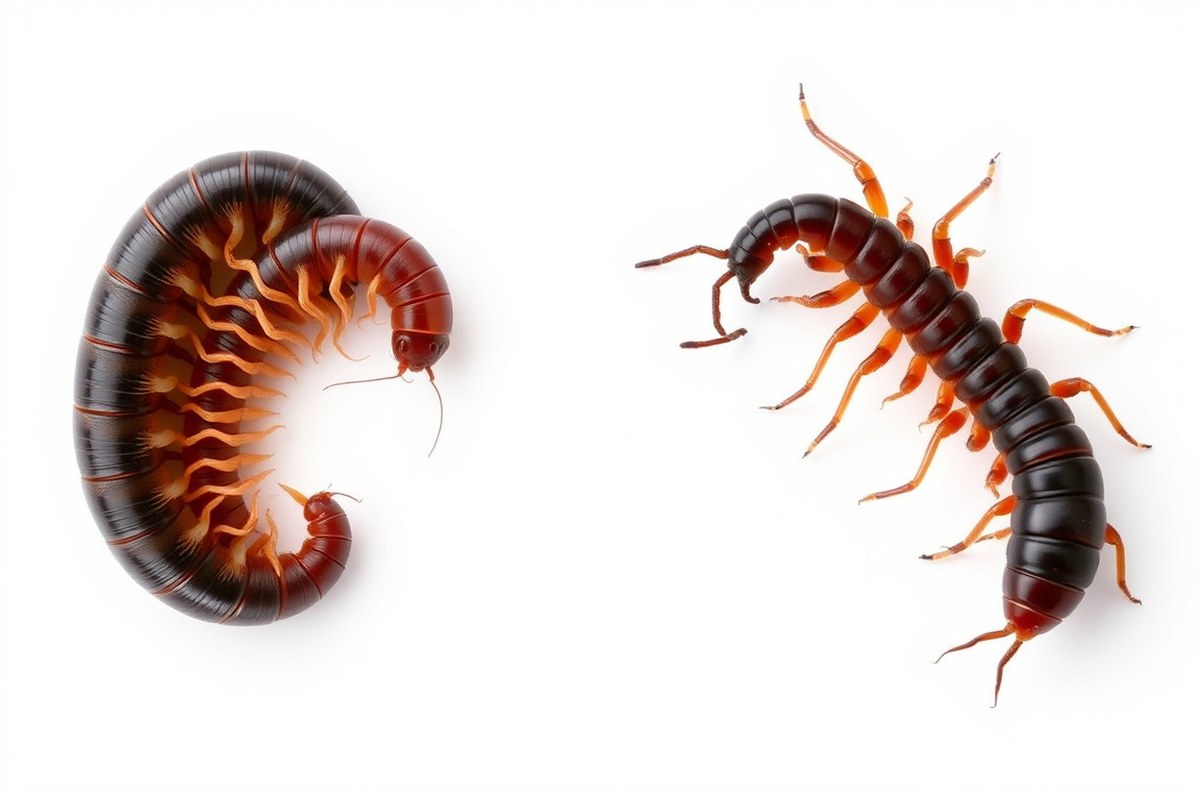
Millipedes and centipedes often get mixed up, but clear differences make it possible to identify millipedes accurately. You can tell millipedes apart by their shape, leg arrangement, movement, and habitat preferences. Recognizing these traits helps target control efforts correctly, avoiding confusion that could reduce effectiveness.
Physical Characteristics of Millipedes
Millipedes have elongated, cylindrical bodies segmented with two pairs of legs per segment, giving them a rounded look from above. Their color ranges from dark brown or black to sometimes orange or red, varying by species. Most millipedes measure between ¾ inch and 4 inches long. Unlike centipedes, millipedes do not have sharp, flattened bodies and lack visible claws or pincers.
Millipedes also have short antennae and heads that are mostly hidden under the first body segment. This contrasts with centipedes, whose heads are more pronounced with visible mandibles. Millipedes move slowly and their bodies roll slightly when disturbed, unlike the swift, flat-bodied centipedes that dart quickly to escape.
Behavioral Differences from Centipedes
Millipedes are mainly detritivores, feeding on decaying plant matter, and they rarely bite or threaten humans. Their defense is curling into a tight coil when threatened, sometimes releasing a mild-smelling fluid that can irritate skin or stain surfaces. Some larger millipedes can spray this fluid up to 3 feet.
Centipedes, in contrast, are carnivorous predators with venomous claws used to catch prey. They move quickly and can bite humans, causing mild to moderate pain. Millipedes’ slow, curling behavior sets them apart in how they react to threats and in how they interact with indoor spaces.
Leg Count and Movement Patterns
Millipedes possess two pairs of legs on each body segment, but their total number of legs is typically less than 100, despite their nickname “thousand-leggers.” Their legs move sequentially in a wave-like motion along both sides of the body, producing smooth and intentional movement. Millipedes travel slowly, unlike centipedes, which have just one pair of legs per segment and move quickly with jerky motions.
Centipedes often have 15 to 30 leg pairs but appear flatter due to their narrow bodies. The slower movement and rounded body of millipedes can help you confirm your identification by watching an individual in slow motion.
Common Habitats and Signs
Millipedes prefer moist environments with plenty of decaying organic material, such as under mulch, leaf litter, or damp wood piles. Warm and humid regions like Florida provide ideal conditions for millipedes to thrive. Indoors, they are often found in basements or crawl spaces where moisture levels are higher.
You may notice millipedes clustering inside a home shortly after heavy rains, especially near foundations or basement baseboards. Unlike centipedes that actively hunt indoors, millipedes generally enter by accident, attracted to damp conditions. Recognizing these signs can help you focus control efforts on reducing moisture and sealing entry points effectively.
Note that millipedes’ defensive secretions can stain fabrics and irritate skin, so handle them with gloves and avoid crushing them indoors.
3. Why Millipedes Enter Homes and What Causes Infestations
Millipedes enter homes mainly because they’re attracted to moisture and shelter, especially when outdoor conditions become unfavorable. Standing water close to your house and accumulated organic debris create inviting environments that encourage millipedes to move indoors. Understanding these causes helps you target the root of infestations, not just the visible bugs inside.
Role of Moisture in Millipede Intrusion
Moisture is the single biggest factor that draws millipedes toward and into homes. Standing water within about 2 feet of your foundation provides a perfect habitat for millipedes to thrive. They feed on damp, decaying organic matter, so mulch, leaf litter, and plant debris near your home further attract them. Excessive watering of plants, poor drainage, or clogged gutters can create these moisture pockets. Addressing these issues outside is essential for long-term control.
Indoors, millipedes rarely survive for more than a few days unless there’s high indoor humidity or a source of moisture such as leaky pipes, damp basements, or bathrooms. These conditions allow millipedes to live longer, possibly leading to a growing problem. Reducing moisture indoors through proper ventilation, dehumidifiers, or fixing leaks can greatly reduce their indoor survival and discourage them from settling.
Impact of Seasonal Weather Changes
Millipede activity fluctuates with seasonal weather. Heavy rains saturate the soil and push millipedes toward drier, higher ground, which often means your house. Cooler fall temperatures also encourage millipedes to seek shelter indoors as outdoor conditions become less hospitable. In hot, dry weather, millipedes move inside in search of cool, moist environments that your air-conditioned or shaded home might provide.
Extended dry spells can drive them indoors more often because millipedes depend on moisture to survive. Indoor areas with high humidity, like basements or crawl spaces, become refuge spots during droughts. This shifting behavior explains why you might see spikes in millipedes inside during both very wet and very dry seasons, depending on your region’s climate.
Preferred Indoor Hiding Spots
Once inside, millipedes look for cool, damp, and dark places. Bathrooms, basements, crawl spaces, and areas near water heaters or sinks often have the moisture and shelter millipedes need. They may also hide under baseboards, in cracks or crevices, and behind appliances where humidity tends to collect. These hiding spots protect them from dry air and predators, allowing them to survive longer indoors.
Because millipedes don’t usually live long inside without favorable conditions, finding them often indicates areas with persistent moisture problems. Inspecting these typical indoor zones for leaks or excessive humidity helps pinpoint where to focus treatments and repairs.
Environmental Conditions Encouraging Infestations
Beyond moisture, millipedes are attracted to organic debris like mulch and leaf litter piled near your home. These materials provide both food and shelter, making infestations more likely. Thick mulch layers kept too close to the foundation can trap moisture and encourage heavy millipede populations. Moving mulch back several feet, removing leaf piles, and clearing plant debris can reduce the allure.
Small openings, cracks, and gaps in your home’s exterior let millipedes slip inside. Even tiny spaces around doors, windows, pipes, and vents provide entry points. Thoroughly sealing these cracks combined with outdoor moisture control disrupts the cycle of repeated entry, reducing the chance of long-term infestations.
4. Removing Moisture and Sealing Entry Points to Prevent Millipedes
Millipedes thrive in moist environments, so reducing moisture around your home is important to keeping them out. Excess water from leaks, poorly draining soil, or mulch piled against your foundation creates ideal hiding spots for them. Sealing entry points like cracks and gaps forms a barrier millipedes can’t cross, preventing their entry indoors. Combining moisture control with proper sealing creates an effective defense against infestations. Follow these steps to remove moisture sources and seal common entry points to cut off millipedes’ access to your home:
- Fix leaks and improve drainage. Repair dripping faucets, leaking pipes, and damaged gutters. Make sure downspouts direct water at least 5 feet away from the foundation. Poor drainage near your house increases soil moisture, attracting millipedes.
- Use a dehumidifier indoors. Keep indoor humidity below 50%. A dehumidifier can reduce dampness in basements, crawl spaces, or other humid areas where millipedes might enter or hide.
- Clear away mulch and organic debris. Pull mulch back 3 feet from the foundation, or at least 6 to 12 inches away where mulch is necessary. Remove leaves, grass clippings, woodpiles, and stones near your home to reduce hiding places.
- Seal cracks and gaps around your home. Use silicone or latex caulk for gaps under door thresholds, window frames, foundation cracks, and expansion joints. Seal voids in concrete block walls and gaps behind baseboards where moisture attracts millipedes indoors.
- Install door sweeps and weather stripping. Attach door sweeps to the bottom of doors, especially sliding glass and garage doors. Add weather stripping around windows and doors to close gaps millipedes can crawl through.
- Ventilate crawl spaces and attics. Proper ventilation reduces moisture buildup. Check vents for blockages and repair damaged screens to keep pests out.
- Maintain a dry, mulch-free zone. Keep a 3-foot radius around your foundation free of mulch and dense vegetation. Replace heavy mulch near problem areas with sand or gravel if needed to improve drainage and reduce moisture.
These steps require basic tools and materials, such as a caulk gun ($5 to $15), door sweeps ($3 to $10 each), and a dehumidifier ($150 to $300 for small units). Results should appear within a few weeks as millipedes stop coming indoors and existing ones die off. Watch for dead millipedes near sealed entry points, indicating the barrier is working.
Skipping mulch removal or sealing only a few entry points can leave openings millipedes exploit. Consistent moisture control combined with thorough sealing is the reliable approach to prevent repeat invasions.
5. Natural Repellents and Diatomaceous Earth for Millipede Control
You can get rid of millipedes naturally without using chemical pesticides by applying essential oils, vinegar, and diatomaceous earth. Each method has a distinct way it works, how effective it is, and how to use it safely. Essential oils and vinegar mainly repel millipedes, while diatomaceous earth actually kills them by damaging their exoskeleton and causing dehydration.
Essential oils such as tea tree and eucalyptus oil act as natural deterrents. They disrupt the millipedes’ sense of smell and discourage them from entering treated areas. Vinegar has a similar effect but does not kill millipedes; it only repels them due to its strong odor and acidity. For millipedes already inside, vacuuming and spot treating with essential oils or vinegar can help reduce numbers. However, these natural repellents do not eliminate millipede eggs or larvae.
Diatomaceous earth (DE) is one of the most effective natural solutions for killing millipedes. It is a fine, organic powder made from fossilized algae. When millipedes crawl over DE, it scratches and damages their protective outer layer, leading to dehydration and death. Using food-grade DE, which is safe around pets and humans, is recommended.
Applying DE involves lightly dusting it around foundation walls, door thresholds, window sills, basement floors, and other entry points. Avoid overapplying since a thick layer loses effectiveness, and keep the area dry because moisture reduces DE’s ability to kill. Reapply after rain or if you see millipede activity returning.
| Natural Repellent | Effectiveness | Application | Safety and Notes |
|---|---|---|---|
| Essential Oils (Tea tree, Eucalyptus) | Moderate; repels millipedes | Mix 10-15 drops in 1 cup water; spray around doors, windows, baseboards | Non-toxic; reapply weekly or after cleaning; may stain surfaces |
| Vinegar (White or Apple Cider) | Low to moderate; repels but does not kill | Spray undiluted or diluted (1:1 with water) on entry points and problem areas | Non-toxic; strong smell dissipates quickly; avoid on wood or porous materials |
| Diatomaceous Earth (Food-grade) | High; kills millipedes by dehydration | Light dusting around perimeter, baseboards, and crawl spaces; keep dry for effectiveness | Safe if inhaled minimally; avoid inhaling dust; reapply after rain or cleaning |
For indoor use, combine essential oils and vinegar sprays to keep millipedes away without toxic chemicals. Outdoors, apply diatomaceous earth in dry, protected areas where millipedes congregate. Use a duster or a sieve to spread DE evenly, avoiding clumps. When millipedes return despite these efforts, you might need to add other control methods.
Do not apply diatomaceous earth in wet areas or directly on plants, as moisture reduces its effectiveness and it won’t kill millipedes until they crawl through a dry layer.
6. Using Perimeter Sprays and Professional Treatments for Heavy Infestations
Perimeter sprays are effective in creating a chemical barrier that deters millipedes from entering your home. Products containing pyrethroids are common choices; they can be applied around windows, doors, foundation cracks, and other potential entry points. Amdro Quick Kill Lawn Insect Killer Granules are specifically designed to target lawn pests, including millipedes, before they cross into your home perimeter. Applying these treatments as part of your seasonal maintenance, especially after heavy rains when millipedes seek drier shelter, helps reduce large infestations.
Treatment frequency depends on environmental factors. In wetter climates or seasons, reapplication every 4 to 6 weeks is generally needed, while drier areas may require treatment only twice per season. Over-applying can irritate the environment and waste product, so timing based on weather and infestation levels is critical.
| Treatment Type | Application Frequency | Approximate Cost per Treatment |
|---|---|---|
| DIY Perimeter Spray (e.g. Pyrethroid Spray) | Every 4 to 6 weeks during peak season | $20 to $50 for enough product to treat perimeter |
| Granular Lawn Treatment (e.g. Amdro Quick Kill) | Every 6 weeks or after heavy rains | $15 to $30 per bag, covering about 5,000 sq ft |
| Professional Chemical Treatment | Two to three treatments per year advised | $150 to $400 per treatment depending on home size |
Heavy infestations can be difficult for homeowners to control effectively using only DIY methods. If you find large numbers of millipedes repeatedly inside your home despite perimeter treatments, professional pest control services offer integrated approaches. Technicians not only apply precisely dosed chemical treatments but also identify moisture problems, structural vulnerabilities, and seasonal patterns contributing to infestations.
Choosing professional help can be cost-effective if your time and effort spent on repeated DIY treatments do not yield clear results. Licensed professionals have access to products not available to consumers and can follow up treatments with inspections and moisture control recommendations, reducing future invasions.
Homeowners with minor to moderate infestations may handle control using natural repellents and perimeter sprays, but heavy invasions typically require professional assessment. Start with a thorough perimeter spray as soon as you see millipedes, targeting areas where moisture accumulates and that provide shelter. Reapply according to the product label instructions and environmental conditions to maintain an effective barrier.
7. Seasonal Patterns and Long-Term Prevention Strategies for Millipedes
Millipede invasions often follow clear seasonal trends influenced by local climate. Humid regions see peak activity during wet periods, while dry climates experience shorter, less intense invasions. Tailoring your prevention efforts to these patterns and maintaining your landscape over time helps reduce millipede problems significantly.
Millipede Activity in Humid Climates
In areas with high humidity, such as the Pacific Northwest or Southeastern U.S., millipedes thrive during spring and fall, when moisture levels and temperatures often range between 50°F and 70°F. These conditions promote their reproduction and foraging, leading to large groups entering homes, particularly basements, bathrooms, and closets where moisture concentrates.
To prevent seasonal invasions, focus on managing moisture around your home before peak periods begin. Conduct a moisture assessment each early spring and late fall to identify damp spots that millipedes prefer. Use dehumidifiers inside especially humid rooms, and fix leaks promptly.
Prevention Steps for Dry Climates
Dry climates typically see fewer millipedes, but occasional heavy rains can trigger sudden invasions. Because millipedes struggle to survive long in dry indoor environments, infestations generally last only a few days if moisture is quickly removed. Prevention focuses on limiting conditions that allow them to enter and survive. Maintain a dry perimeter by grading soil to slope away from your foundation and removing leaf litter, wood piles, and mulch that retain moisture.
- Seal cracks and gaps in your home’s foundation and around doors and windows
- Declutter basements and storage areas to reduce hiding spots
- Use weather stripping and door sweeps to block entry points
- Remove standing water and avoid overwatering landscape plants
- Monitor for millipedes after rains and respond quickly if found indoors
Keeping indoor humidity below 50% with air conditioning or dehumidifiers discourages millipedes from staying.
Annual Maintenance Tips
Plan a seasonal checklist to maintain long-term control. Early spring and late fall are critical times to inspect and address vulnerabilities. This schedule aligns with peak millipede activity and helps catch problems before they escalate.
- Inspect and reseal gaps in exterior walls, vents, and foundations
- Clear gutters and downspouts to prevent water pooling near your home
- Trim vegetation at least 12 inches away from your house to improve air circulation
- Replace or thin dense organic mulch that retains moisture
- Treat heavily infested areas near your foundation with eco-friendly insecticides if needed
- Check indoor humidity levels and operate dehumidifiers or ventilation fans as necessary
Consistent upkeep limits the damp, protected zones millipedes depend on. If you notice dozens of millipedes daily despite your efforts, it may be time to consult pest control professionals for targeted treatment and tailored ongoing prevention plans.
8. Common Millipede Control Mistakes and How to Avoid Them
Many homeowners try to control millipedes by sealing gaps around windows and doors but miss smaller cracks around pipes, vents, or where siding meets the foundation. These openings let millipedes in regardless of how well other areas are sealed. To avoid this, perform a thorough exterior inspection using a flashlight and caulk or foam sealant all gaps larger than 1/8 inch. Pay special attention to crawl spaces and vents, as persistent moisture there attracts millipedes.
Overmulching around a home is another common mistake. Thick mulch retains moisture, creating an ideal environment for millipedes to thrive near your home’s foundation. Keep mulch layers no thicker than 2 to 3 inches and maintain a 6- to 12-inch gap between mulch beds and the house exterior to reduce humidity and discourage millipede shelters. This step prevents millipedes from developing large outdoor populations that eventually invade indoors.
Ignoring moisture sources around and inside the home is a leading reason millipede infestations worsen. Millipedes are attracted to damp soil, rotting leaves, and leaking pipes. Fix drainage issues, clear gutters, and repair plumbing leaks promptly. Inside, use a dehumidifier in basements or crawl spaces if humidity stays above 60%. Controlling moisture removes the primary driver of millipede invasions and reduces the need for repeated pesticide applications.
Killing millipedes inside without addressing entry points or moisture can cause problems such as lingering odors and potential skin irritation from dead insects, especially if many millipedes die at once. Use a vacuum to remove them promptly rather than sprays indoors to minimize smell and residue. When pesticides are necessary inside, choose products approved for indoor use and follow label directions carefully to avoid pet or human exposure to harmful chemicals.
Seal every tiny gap around doors, windows, pipes, and vents with durable materials to stop millipedes from entering, or your efforts could be easily undone.
Cardboard and other damp debris near the foundation provide food and shelter, increasing millipede numbers. Removing these materials weekly reduces favorable habitats. Some homeowners make the mistake of spraying pesticides on mulch without reducing moisture first, which leads to short-term control only. Instead, combine moisture management, habitat removal, and targeted perimeter sprays applied with a pump sprayer for about $30 to $60 per gallon of product and treat every 4 to 6 weeks during peak fall migration.
Millipede control works best as a layered approach: carefully seal entry points, keep mulch thin and away from the house, eliminate moisture sources, and apply treatments as a supplement, not a substitute, to these actions. Homes with chronic crawl space moisture may require drainage system fixes or professional inspections to resolve structural problems that draw millipedes repeatedly. Avoid rushing pesticide use without solving these foundational issues.
Step-by-Step Action Plan to Get Rid of Millipedes
Follow these steps to quickly identify, remove, and prevent millipedes in your home while using safe and effective methods.
- Day 1: Identify the Pest, Check your home for millipedes by looking for small, slow-moving, many-legged insects that curl into a spiral when disturbed. Confirm the pest is not a centipede by noting the number of legs per body segment (millipedes have two) and slower movement. Success means you can accurately distinguish millipedes from other pests.
- Day 2: Remove Millipedes Inside, Vacuum or sweep millipedes indoors and dispose of the contents sealed in a plastic bag. Use a mild soap and water spray to kill any you see directly. Success is no live millipedes found inside after cleaning.
- Day 3: Reduce Moisture, Fix leaks, improve drainage near your home, and use dehumidifiers or fans in basements or crawl spaces. Millipedes need moist environments, so success is drier, less hospitable indoor and outdoor conditions.
- Day 4: Seal Entry Points, Inspect and caulk cracks, gaps around doors, windows, and foundation vents to block millipedes from entering. Test by monitoring entry points over a few days; success means no millipedes coming inside.
- Week 1: Apply Natural Repellents, Spread diatomaceous earth around your home’s foundation and in damp leaf litter or mulch. Use natural repellents like cedar oil if desired. Success is fewer outside millipedes near entry points.
- Week 2: Use Perimeter Sprays if Needed, For heavy infestations, apply a safe insecticide labeled for millipedes on the home perimeter or hire a professional. Success is a significant drop in millipedes detected indoors and outside.
- Month 1 and Beyond: Maintain Prevention, Keep moisture low, reapply repellents and diatomaceous earth as needed, and check for new cracks seasonally. Success is no recurring infestation over several months and seasonal peaks managed effectively.
Frequently Asked Questions
Why Shouldn’t You Kill Millipedes?
Killing millipedes indoors can release a foul-smelling liquid that stains surfaces. It’s better to remove them gently and prevent entry to avoid this issue.
What Causes a Millipede Infestation?
Millipede infestations usually start when moisture around your home attracts them seeking damp environments. Standing water within two feet of your house is a common cause.
What Smells Do Millipedes Hate?
Millipedes dislike the smell of citrus, eucalyptus, and menthol, which can repel them. Using natural repellents with these scents can help keep them away.
Does Vinegar Kill Millipedes?
Vinegar may kill some millipedes on contact but is not a reliable long-term solution. It’s best used alongside other control methods for effective results.
Can Sealing Cracks Keep Millipedes Out?
Yes, sealing cracks and gaps in your home’s foundation blocks their entry points effectively. This reduces indoor millipede visits significantly.
Are Millipedes Harmful to Humans or Pets?
Millipedes are not harmful as they do not bite or sting but may cause mild skin irritation if handled roughly.
The Bottom Line
Getting rid of millipedes starts with stopping them from coming inside by fixing moisture problems and sealing cracks around your home. Today, you can walk around your foundation and check for any gaps or openings where millipedes might enter, then seal those spots with caulk or weather stripping. Taking this step now will help reduce the chance of infestations and keep your home more comfortable and pest-free.