
How to Get Rid of Ladybugs: 8 Proven Strategies for Lasting Control
To get rid of ladybugs effectively, start by sealing entry points and using natural repellents or traps designed specifically for them. Physical removal with a vacuum can clear visible insects fast, while professional pest control offers lasting solutions when infestations grow large. Understanding how these bugs enter your home and identifying Asian lady beetles versus native species will improve your control efforts.
This advice suits homeowners, renters, and gardeners facing ladybug problems indoors or near their homes. It covers practical steps including sealing your home, natural and chemical options, seasonal patterns, and prevention techniques to help you manage ladybug populations and keep them from returning.
Key Takeaways
- Asian lady beetles enter homes seeking warmth during fall through cracks around windows, doors, and vents; sealing these gaps prevents entry.
- Asian lady beetles are larger (6, 10 mm) and more orange than native ladybugs, which are smaller and bright red with 11 black spots.
- Use natural repellents like citronella, cloves, or citrus oils and DIY light traps to reduce ladybug numbers indoors effectively.
- Seal all exterior entry points such as foundation cracks, window screens, door frames, and attic vents to block ladybugs from entering your home.
- Vacuuming removes ladybugs quickly but does not prevent reinfestation; dispose of vacuum bags promptly to avoid escape.
- Professional insecticide services, like Waynes’ 90-day guaranteed perimeter treatment, target Asian lady beetles safely and provide up to 9 months of residual control.
1. Why Ladybugs Invade Homes and How They Get Inside

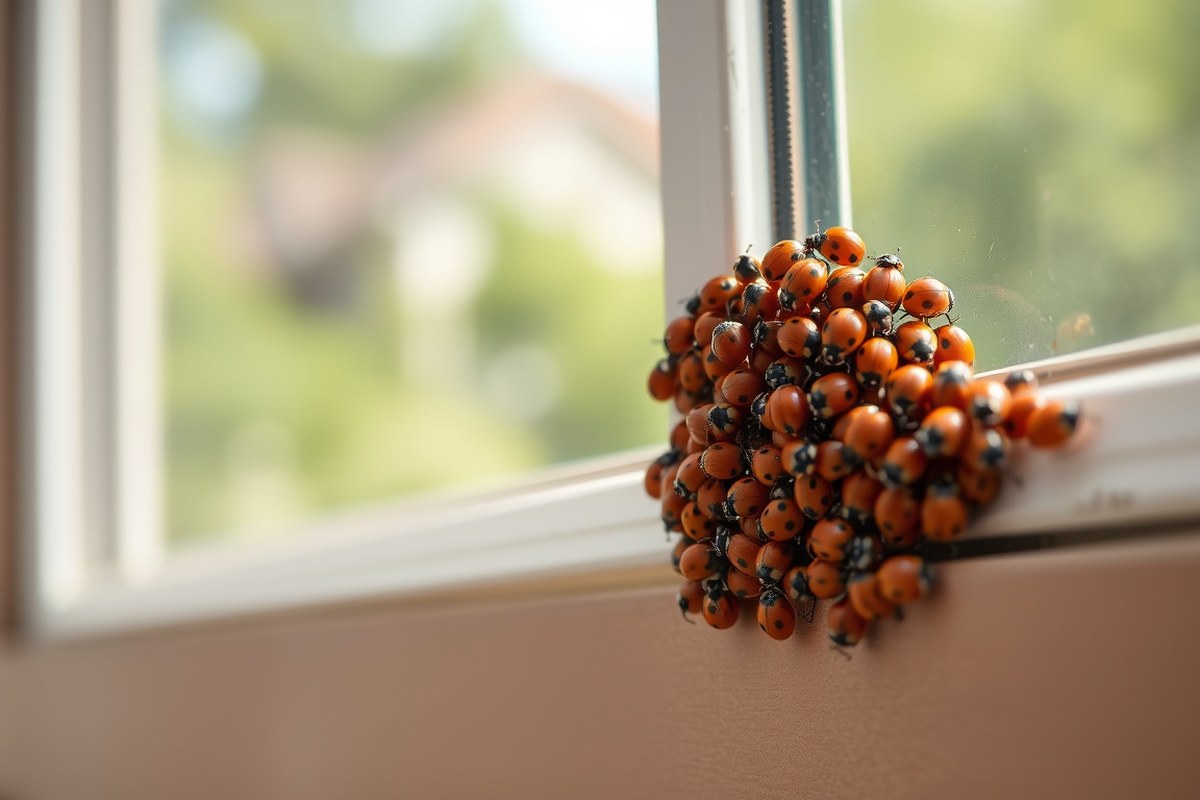
Ladybugs, especially Asian lady beetles, enter homes primarily to find shelter from cold weather. As temperatures drop in the fall, these insects seek warm places to hibernate, a state called diapause. Diapause helps them survive winter by slowing their metabolism, and your home’s walls, attics, and corners become ideal spots. They are naturally drawn to buildings exposed to sunlight, which heats the exterior surfaces and convinces ladybugs it’s a safe place to stay.
They gain access indoors through tiny cracks and gaps around your house. These entry points can be as small as 1/16 inch, meaning even narrow spaces around windows, doors, siding, utility pipes, and foundation cracks can allow ladybugs inside. Once inside, ladybugs cluster on sunny windows and walls because these areas provide warmth and light, which help them regulate their body temperature before becoming dormant.
To prevent ladybugs from entering, focus on sealing all potential cracks on your home’s exterior well before cold weather sets in, ideally in September or October. This maintenance not only blocks ladybugs but also inhibits other pests from invading. Besides structural issues, ladybugs are attracted to homes near gardens or fields with aphids, their primary food source outdoors. Bright lights at night may also draw them closer to your house.
- Inspect and seal gaps around windows and doors using weather stripping or caulking.
- Seal cracks in siding and foundations with exterior-grade sealant.
- Check around utility lines and pipes for openings and fill them.
- Consider screens or door sweeps to block entry under doors.
- Turn off or reduce outdoor lighting at night to lessen attraction.
- Maintain clean, clutter-free areas near your home to deter aphid populations that attract ladybugs.
Taking these steps helps establish a physical barrier that reduces the chance of ladybugs finding their way indoors. Preventing their entry is especially effective because if they never get inside, you won’t need to manage an indoor infestation. Keeping outdoor attractants like aphid colonies and bright outdoor lights under control further discourages these insects from approaching your home in large numbers.
2. Identifying Asian Lady Beetles Versus Native Ladybugs
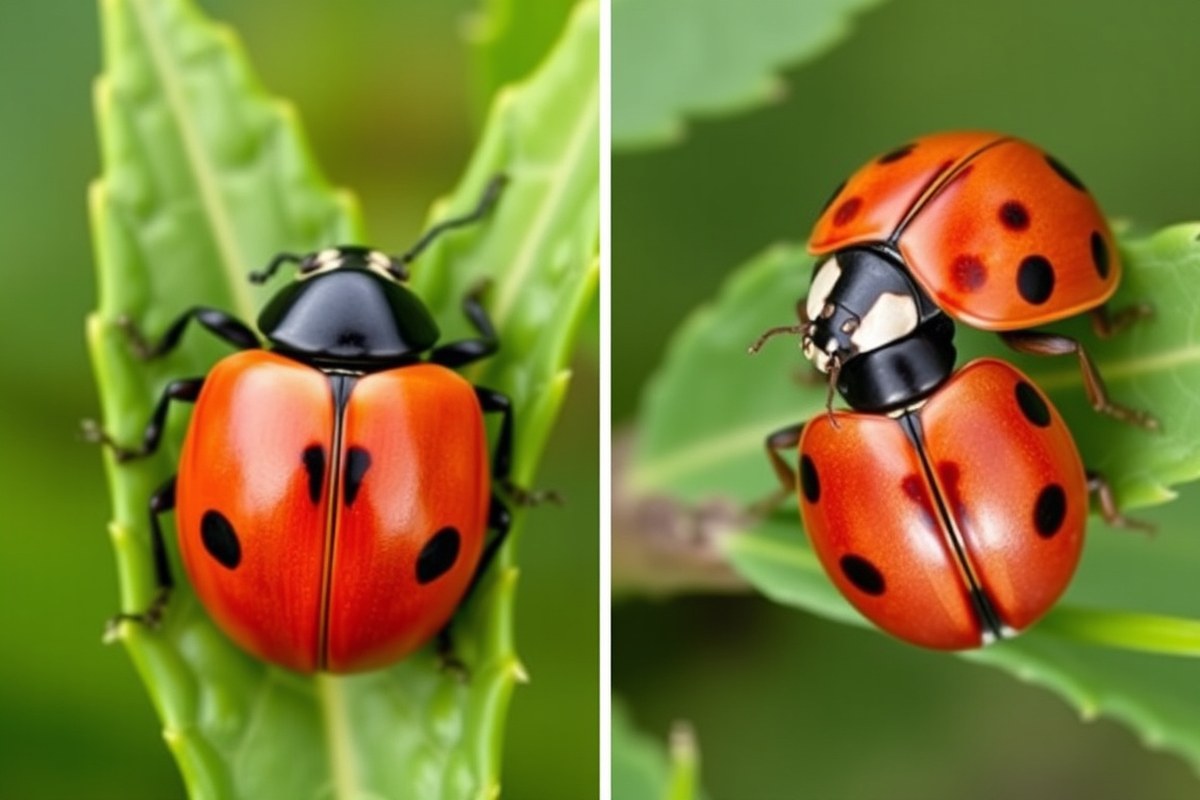
Not all ladybugs are harmful. Most native ladybugs benefit gardens by eating pests, while Asian lady beetles, an invasive species, can become a nuisance indoors. You can tell them apart by their size, shape, color, behavior, and habitat preferences.
Color and Pattern Differences
Native ladybugs usually have a bright red shell with distinct black spots or sometimes no spots at all, depending on the species. Asian lady beetles show a wider range of colors, from red to orange to tan, and their spots vary in size and number. Some Asian lady beetles have a distinctive “M” or “W” shaped marking on the white area behind their heads, called the pronotum, which native species do not have. Recognizing these color and pattern traits can help you identify what you’re dealing with indoors or outside around your home.
Behavioral Traits Comparison
Asian lady beetles are more likely to cluster indoors in large groups to overwinter. They seek warm, sheltered spots inside walls and attics when outdoor temperatures drop below about 50°F. Native ladybugs usually stay outdoors, hiding under leaf litter or in logs during colder months. Asian lady beetles can also be more aggressive and may bite when disturbed, unlike native ladybugs, which rarely bite or cause allergic reactions.
- Asian lady beetles cluster in homes during fall and winter
- Native ladybugs overwinter outside under natural cover
- Asian lady beetles may bite humans, causing irritation
- Native ladybugs tend to avoid human contact
- Asian lady beetles emit a yellow-orange fluid when threatened
- Native ladybugs can fly away quickly when disturbed
Be cautious when handling large groups of Asian lady beetles to avoid bites and staining from their defensive fluid.
Size and Shape Distinctions
Asian lady beetles are slightly larger than native ladybugs, averaging about ¼ inch (7 millimeters) long. Their body shape tends to be more oval and elongated. Native ladybugs are generally smaller and rounder in shape. These subtle size and shape differences can help you distinguish them if you observe them closely or with the help of a magnifying glass.
Habitat Preferences
Native ladybugs prefer natural outdoor environments, residing in gardens, forests, and fields. They overwinter in protected spots like leaf litter and fallen branches. In contrast, Asian lady beetles are drawn indoors as the weather cools, seeking refuge inside houses and structures. This indoor overwintering is the primary reason Asian lady beetles become a household nuisance.
Impact on Gardens
Both native ladybugs and Asian lady beetles eat pest insects such as aphids, benefiting garden health. However, the Asian species may outcompete native ladybugs and upset local ecosystems. Despite their nuisance indoors, they still provide natural pest control outside. Understanding these differences lets you appreciate the garden value of native ladybugs while managing the indoor problems caused by Asian lady beetles effectively.
3. Natural Repellents and DIY Ladybug Traps That Work
Several natural repellents and simple traps can help you control ladybugs without using harsh chemicals. Essential oils like citronella, peppermint, and citrus oils discourage ladybugs from settling near your home. Homemade traps using soapy water or light traps capture and reduce indoor ladybug populations effectively.
Effective Essential Oils for Ladybugs
Essential oils such as peppermint, citrus (orange or lemon), clove, and citronella oils act as natural repellents. These oils interfere with ladybugs’ ability to locate suitable resting spots and feeding areas, making treated surfaces less attractive. Diluting these oils with water and spraying them on windowsills, door frames, and baseboards helps create a barrier to keep ladybugs away.
Citronella oil is particularly popular because it repels ladybugs and other insects without harmful effects on plants or pets. The downside is that essential oil sprays need to be reapplied regularly, especially after rain or cleaning. They cost about $5 to $15 per ounce, depending on the oil’s purity, and spraying every week during high infestation months will provide the best results.
To make a spray, mix about 10 to 20 drops of essential oil with one cup of water and a teaspoon of mild dish soap. The soap helps the mixture adhere to surfaces better. Use a spray bottle for easy application around potential entry points and ladybug hot spots.
Building a Homemade Soapy Water Trap
A simple, cost-effective ladybug trap uses soapy water to capture and kill beetles indoors. Ladybugs attracted to light or warmth can be lured into the trap, where their wings get wet, causing them to drown. This trap is ideal if you want a chemical-free method to handle moderate indoor populations. Follow these steps to build your trap:
- Fill a shallow bowl or basin with warm water.
- Add a few drops of dish soap to the water to reduce surface tension.
- Position a light source (like a small desk lamp or flashlight) directly above the basin to attract ladybugs.
- Place the trap near infested areas, such as windows or corners where ladybugs gather.
- Turn on the light in the evening when ladybugs are most active indoors.
- Check the basin periodically to remove dead ladybugs and refresh soapy water as needed.
This trap setup costs less than $10 if you use items you already have. Ladybugs flying toward the light will fall into the water and can be easily disposed of. The main limitation is you must keep the trap running for several evenings to see significant reduction, as it targets active beetles only.
Using Light and Sticky Traps Indoors
Research from the University of Kentucky Extension shows light traps can lower ladybug populations by as much as 80% in confined areas such as crawl spaces. These devices lure ladybugs using a bright light and capture them with a funnel or container. You can buy commercial light traps made for ladybug control, or build your own with a powerful bulb and a container of soapy water placed below.
Sticky traps are another option to capture ladybugs moving along walls or window frames. They use adhesive surfaces that ladybugs get stuck on and are simple to deploy. Sticky traps are inexpensive (often under $10 per pack) and best placed along ladybug pathways.
Light traps are particularly effective when used in dark, enclosed indoor areas, while sticky traps work better near visible congregation spots. Combining both provides a complete approach but requires regular maintenance to replace sticky pads and clean out trapped insects.
Dryer Sheets: Fact or Fiction?
Dryer sheets, especially those with wintergreen scent, are sometimes recommended as ladybug deterrents. They emit odors that may confuse or repel ladybugs temporarily. Using dryer sheets in areas like attics, closets, or sealed entry points can help reduce beetle presence.
For better results, combine dryer sheets with diatomaceous earth, a fine powder that damages ladybugs’ protective coverings, causing dehydration. Sprinkle diatomaceous earth along baseboards and behind furniture, then place dryer sheets nearby to boost repellency.
Dryer sheets cost about $0.10 to $0.20 each and are easy to replace every few weeks. Their repellent effect is mild and short-lived, so they work best as part of a broader strategy rather than a standalone solution. Avoid using dryer sheets directly on plants or food areas, as they may leave unwanted residues.
4. Sealing Your Home: A Detailed Checklist to Block Ladybug Entry
Sealing cracks and gaps can significantly reduce ladybugs entering your home because these insects use even very small openings to move indoors. Properly closing off these points creates a physical barrier, preventing ladybugs from squeezing inside, especially during their fall migration. The key is to identify and seal all potential entryways using the right materials and methods, especially before the main entry period in October.
Start by inspecting your home’s exterior thoroughly. Common spots to check are where siding panels join, around window and door frames, attic vents, utility line penetrations, and any gaps in soffits or trim. Look for cracks as small as 1/16 inch because ladybugs can enter through tiny spaces. Use a bright flashlight and, if possible, a magnifying glass to spot difficult-to-see openings. Also, check for damaged or torn window and door screens that need repair or replacement.
The best sealing materials include silicone or acrylic latex caulk to fill small cracks and gaps up to 1/4 inch wide. For larger openings, use expanding spray foam sealant or cut and fit pieces of weather-resistant foam backer rod before caulking over it. Use fine mesh screening to cover vents and larger holes, securing it firmly with staples or screws. Weatherstripping around doors and windows improves the seal of movable components.
October is an ideal time for sealing because ladybugs begin seeking shelter for winter then. Delaying until after they start entering may allow infestations. Professional pest exclusion services often combine sealing with perimeter treatments targeting ladybugs before migration to reduce pressure on your home’s entry points.
- Inspect siding gaps, especially near corners and joints
- Seal attic vents with fine mesh screening
- Caulk around utility pipes and electrical conduits penetrating walls
- Repair or replace damaged window and door screens
- Apply weatherstripping to all exterior doors and operable windows
- Fill gaps under door thresholds and garage doors with appropriate seals
- Use expanding foam for large cracks or holes around foundations or vents
Applying these materials requires cleaning the area first, removing loose debris or old caulk to ensure good adhesion. Caulk tubes typically cost between $5 and $10 each, while expanding foam costs about $7 to $12 per can. A complete home sealing project can take several hours depending on the home’s size and existing condition. Successful sealing will noticeably reduce ladybug entry, provided all points are addressed and the sealant remains intact in good weather conditions.
Failing to seal all potential entry points or using inadequate materials often leads to recurring infestations. Regular inspection is necessary because caulking can crack and screens can tear over time. Environmental factors like temperature changes can also cause sealants to shrink or lose adhesion. Maintain sealed areas yearly in early fall for the best protection.
5. Vacuuming and Physical Removal: Pros, Cons, and Best Practices
Vacuuming ladybugs is a quick and effective way to remove them from your home without harming your furniture or floors. Using a regular vacuum may kill the bugs inside, but disturbed ladybugs often release a pungent yellowish fluid that can leave strong odors and stubborn stains on light-colored surfaces. This fluid also acts as a chemical warning, attracting more ladybugs to your space. To avoid worsening the situation, opt for a vacuum method that captures ladybugs gently and prevents odor buildup.
The best vacuum approach uses a shop vacuum or a household vacuum cleaner fitted with pantyhose stretched over the hose or nozzle. The pantyhose acts as a barrier, trapping the ladybugs in the vacuum without crushing them. After vacuuming, empty the vacuum contents outdoors, away from your home, to keep the insects from returning inside.
If you find dead ladybugs inside your home, particularly if there is a strong odor, clean the affected area promptly with a mild detergent and warm water to remove fluid stains and reduce smell. Ventilate the area well and check surrounding walls or curtains for hidden insects or spots. Odors from dead ladybugs can persist, especially if many have clustered in hidden spots like wall cracks. Below is a step-by-step method to safely vacuum ladybugs, minimize odor, and physically remove them without damage or increased infestation risk:
- Prepare the vacuum: Stretch a clean pair of pantyhose tightly over the hose or nozzle to create a fine mesh barrier.
- Turn on the vacuum: Use a setting strong enough to pull ladybugs in but not so strong it damages delicate surfaces.
- Approach ladybugs calmly: Slowly vacuum clusters or individual ladybugs to avoid triggering their defensive spray.
- Vacuum visible ladybugs: Focus on areas near windows, walls, and light fixtures where they often gather.
- Empty the vacuum outdoors: Remove the pantyhose carefully and release captured ladybugs at least 100 feet away from your home.
- Clean any stains: Use warm water and a mild detergent on upholstery or flooring to remove yellow stains promptly.
- Ventilate the room: Open windows or run fans to help dissipate any lingering odor from released fluids.
After vacuuming, store your vacuum bag or canister empty bagless units outdoors to prevent smells or odors from building up inside your home.
6. Insecticides and Professional Pest Control: Safe Options and When to Use Them
Using insecticides against ladybugs, specifically Asian lady beetles, carries risks and benefits you should weigh carefully. Safer insecticide options exist, but professional pest control may be necessary for significant infestations. Knowing how treatments work and what to expect helps you decide the best approach for your home.
Risks and Benefits of Insecticides
Insecticides can help reduce Asian lady beetle numbers but often do not eliminate infestations completely. Their mobility allows these beetles to evade treated areas, making perimeter sprays less effective. Overuse of pesticides risks harming non-target insects, pets, and indoor air quality in your home.
Safer options include products labeled for indoor use with active ingredients like pyrethrins or permethrin, which break down relatively quickly and have lower toxicity to humans. Always follow label directions precisely, wear protective gear when applying, and ventilate treated areas well.
While avoiding insecticides may sound ideal, in severe cases they can provide relief when combined with sealing entry points and mechanical removal methods. Use them sparingly and as part of an integrated strategy.
Common Professional Treatment Techniques
Professional pest control often involves a Protective Barrier Treatment around your home’s exterior. This spray targets adult beetles before they enter but may need repetition each season. Professionals use insecticides with proven effectiveness and may combine them with dust formulations applied in wall voids or soffits where lady beetles gather.
Consult licensed technicians who follow local regulations and ensure safety by using products approved for residential pest control. Treatments usually cost between $100 and $300 depending on property size and infestation level.
Because Asian lady beetles are mobile, no method guarantees total removal. Professionals can offer advice on managing populations long-term, including preventing future entry and minimizing attractants.
| Type of Treatment | Active Ingredients | Effectiveness | Safety Notes | Typical Cost Range |
|---|---|---|---|---|
| Over-the-Counter Insecticide Spray | Pyrethrins, Permethrin | Moderate; best for small infestations | Use only as directed; risk to pets and indoor air | $10, $30 per bottle |
| Professional Protective Barrier Treatment | Type varies; often synthetic pyrethroids | Good; reduces number entering home | Licensed applicator needed; follow safety protocols | $100, $300 per service |
| Dust Formulation Treatment (in wall voids) | Silica gel or insecticidal dusts | High; targets beetles hiding indoors | Professionally applied; avoid inhalation | Included with service fee |
Matching treatment method to the infestation and home situation ensures better results while minimizing risks. Over-the-counter sprays suit minor cases, with professional treatments recommended for recurring or large-scale problems.
Important Questions to Ask Pest Control Pros
Communicating effectively with pest control providers ensures you understand the process and get the results you expect. Use this script when contacting them:
“I have an Asian lady beetle problem and want to know your treatment options. What insecticides do you use and how do you apply them? Can you explain any safety precautions I should take during and after treatment? What guarantees or follow-up services do you offer if beetles return?”
Ask how many visits the treatment requires, how long each one takes, and what preparation your home needs. Confirm the cost upfront, including any extra fees for follow-ups.
A good pest control company uses licensed technicians, provides clear safety instructions, and offers a satisfaction or retreat policy. Generating a written estimate and reading reviews can help you avoid unreliable services.
7. Seasonal Timeline and Environmental Factors Affecting Ladybug Infestations
Ladybug activity typically increases in the fall as these insects seek sheltered spots to overwinter. Asian lady beetles and other species enter homes through cracks and gaps, often in late September through October, when temperatures start dropping below 60°F in many regions. They cluster in warm, sunny areas like window sills, attics, and wall voids. These bugs remain inside throughout winter, sometimes staying active during mild days, then exit as temperatures warm up above 50°F in spring, usually March through April. For homeowners, this means the best time to treat for ladybugs is late summer to early fall, before they move indoors, and again in early spring to remove any survivors emerging from hibernation sites.
The time it takes to fully eliminate a ladybug infestation depends on the level of entry points and how often treatment is done. A targeted perimeter treatment around the home in early fall, followed by sealing of cracks, generally reduces indoor populations within one month. Around that same time, vacuuming visible ladybugs helps lower numbers. Repeat treatments can be necessary because ladybugs can live two to three years and leave a scent trail that attracts others back to the same spots. Persistent infestations often indicate hidden entry points that require thorough inspection and sealing.
Population levels fluctuate year by year due to weather patterns. Mild falls and warm winters encourage ladybugs to be more active indoors during winter months and increase survival rates, leading to larger infestations. Harsh winters or early frosts tend to reduce their numbers. Rainfall also influences the availability of aphids, the ladybug’s prey, outdoors. Wet springs and summers with abundant aphids feed bigger ladybug populations, which then seek shelter in homes come fall. Homes near wooded areas or fields see more activity because of higher aphid populations supporting more ladybugs.
Temperature plays a key role in ladybug behavior. They become active outdoors once daily temperatures consistently exceed 50°F, often in early spring. Inside, they remain clustered and less active during colder months but may move around during sporadic warm days. Treating when temperatures are cooler, but before they cluster indoors, reduces the chance of large infestations. A protective perimeter treatment applied at this time can prevent them from entering. Treatments done too late, after insects have dispersed indoors, may be less effective and require multiple interventions.
To prevent ladybug infestations effectively, take action in late summer or early fall by inspecting and sealing potential entry points. Use perimeter insecticides or professional barrier treatments then to reduce populations outside your home. Follow up in early spring by vacuuming any remaining beetles and monitoring problem areas. Understanding this seasonal timeline helps you time your efforts to break the infestation cycle and avoid repeated annual problems that result from ladybugs’ multi-year lifespan and overwintering habits.
8. Preventing Future Infestations: Integrated Non-Chemical Strategies
Preventing ladybugs from returning year after year requires a multi-step approach that blends natural repellents, thorough sealing, effective traps, and proper garden care. By addressing these areas together, you form a barrier that keeps ladybugs out and discourages them from settling near your home. This integrated strategy is essential because relying on a single method often allows bugs to find another way in or another attractant to draw them back.
Start by maintaining a routine of home inspection and sealing. Check your home’s exterior every fall for cracks, gaps, and openings around windows, doors, vents, and utility lines. Use weather-resistant caulk and door sweeps priced around $5 to $15 each to seal these areas well before temperatures drop below 55°F, when ladybugs typically seek shelter indoors. Proper sealing alone cuts off entry points that let beetles inside, but it must be thorough and checked annually to remain effective.
Next, apply natural repellents like citronella oil, clove, or neem-based sprays around your home’s perimeter and window ledges. These products cost about $10 to $20 for a ready-to-use spray and are safe for people, pets, and the environment. Use them weekly during the fall months to mask the scents that attract Asian lady beetles. Avoid over-spraying interior spaces, as this can lead to unnecessary residue and potential irritation.
Traps filled with light or pheromone attractants also provide a non-chemical method to capture and reduce ladybug populations. Place these traps near common entry points or garden areas in early fall to intercept beetles before they move indoors. Keep in mind that traps alone won’t prevent infestations; their best use is as part of a broader prevention plan.
Maintaining garden health is another key element. Remove plant debris, reduce aphid populations (a favorite ladybug food), and choose native plants that support balanced insect ecosystems. Overuse of pesticides can backfire by killing natural predators of aphids, which in turn increases chances ladybugs will seek shelter indoors as food sources decline outdoors. By gardening carefully, you naturally reduce reasons for ladybugs to linger near your house.
Homeowners often make the mistake of sealing without treating the perimeter scent trails or rely solely on repellents without addressing entry points. This overlooks how ladybugs use pheromone trails to locate their preferred hiding spots, causing repeated infestations despite efforts. Professional pest control providers offer exclusion services that include perimeter treatments to eliminate these scent cues and can assess the integrity of your sealing work. While these services cost more upfront, typically several hundred dollars depending on home size and infestation severity, they provide long-term relief especially for homes with history of heavy infestations.
Continuously monitor entry points and retreat natural repellents as needed each fall; skipping these steps can allow ladybugs to reclaim their preferred shelter spots.
Step-by-Step Action Plan to Get Rid of Ladybugs
Use these steps to identify, remove, and keep ladybugs out of your home effectively. This plan follows a practical timeline that fits with ladybug behavior and seasonal changes.
- Before you start: Inspect your home’s exterior for cracks, gaps, and entry points, especially around windows, doors, and vents. Seal these openings firmly with caulk or weatherstripping to prevent new ladybugs from coming in. Success means no new bugs appearing indoors within a week.
- Day 1: Identify the type of ladybug indoors to confirm if they are Asian lady beetles or native species by checking for their distinct markings. This helps decide the best removal method. You’ll know you’ve done this right when you can distinguish the beetles confidently.
- Day 2, 3: Use natural repellents like citrus oil spray or erect DIY ladybug traps near common entry points to reduce their indoor presence. Effectiveness shows as fewer ladybugs inside after 3 days.
- Week 1: Vacuum visible ladybugs gently with a vacuum equipped with a hose attachment. Empty the vacuum bag or canister outside far from your home to prevent return. You will see a noticeable drop in indoor ladybug numbers.
- After Week 1: Monitor for any new ladybug activity and reapply repellents or reseal any missed entryways as needed. Maintaining a steady decline over two weeks indicates success.
- Month 1: If ladybugs persist indoors or infest large areas, consider safe insecticides labeled for use against beetles or contact a licensed pest control professional. Effective treatment means no infestation returns after professional service.
- Ongoing: Keep vegetation trimmed and outdoor lights minimized since bright lights attract ladybugs. Maintain sealed entry points year-round to prevent future invasions. A ladybug-free home during peak seasons shows your prevention efforts work.
Frequently Asked Questions
What Do Ladybugs Hate the Most?
Ladybugs hate strong citrus scents the most. Using a few drops of citrus oil mixed with water in a spray bottle can help repel them around windows and entry points.
What Scent Will Keep Ladybugs Away?
Citrus oils have a strong scent that ladybugs dislike and avoid. Spraying diluted citrus oil near common entry areas can deter them from coming inside.
What Causes an Infestation of Ladybugs?
Infestations happen when ladybugs seek shelter indoors to escape cool weather, especially in fall. They gather in groups on walls or windows before hibernating, attracted by cracks and light.
Why Should You Not Kill Ladybugs?
Ladybugs are beneficial insects that eat harmful pests like aphids outdoors. Killing them can disrupt natural pest control and is often unnecessary if you can remove them safely.
Can Ladybugs Damage My Home or Belongings?
Ladybugs do not cause damage to houses, furniture, or belongings, but large indoor gatherings can be a nuisance and unpleasant to deal with.
Are Ladybugs Attracted to Light Inside the House?
Yes, ladybugs are attracted to light, which can draw them through windows and doors into your home where they look for warm places to settle.
Key Points to Remember
Getting rid of ladybugs often means combining several methods to keep them out and deal with those already inside. Start by inspecting and sealing any cracks around your windows and doors today to block their main entry points. This simple step reduces their chances of becoming a persistent nuisance and makes your other control efforts more effective.


