

How to Get Rid of Ants in Car: 8 Effective Steps for Lasting Control
To get rid of ants in your car, start by removing any food or crumbs that attract them and use a vacuum cleaner to quickly eliminate most ants inside. Next, set ant baits and traps, clean thoroughly, and treat hidden nests in areas like the engine bay or HVAC system. These steps help stop infestations and keep ants from coming back.
This advice suits car owners noticing ants inside or around their vehicles. You’ll learn how to identify common ant species, apply safe treatments including heat and natural remedies, break pheromone trails, and when to seek professional pest control for lasting results.
Key Takeaways
- Ant infestations in cars often involve common species like pavement and odorous house ants attracted by food crumbs and moisture inside the vehicle.
- Thoroughly clean the car interior, remove food sources, vacuum regularly, and declutter to eliminate ant attractants and hiding spots.
- Place ant baits 10 to 20 feet from your vehicle to lure ants away while targeting colonies effectively for 7 to 14 days.
- Use heat treatments by parking in direct sunlight and running the car heater on high for 10 to 30 minutes to kill ants in the cabin and engine.
- Inspect and treat ant nests in engine bays, HVAC systems, and tires using heat or targeted insecticides to prevent re-infestation.
- Follow safety guidelines by using chemical treatments sparingly, avoiding skin contact, ventilating the car, and keeping pets away during application.
1. Why Ants Infest Cars and Which Species Are Common

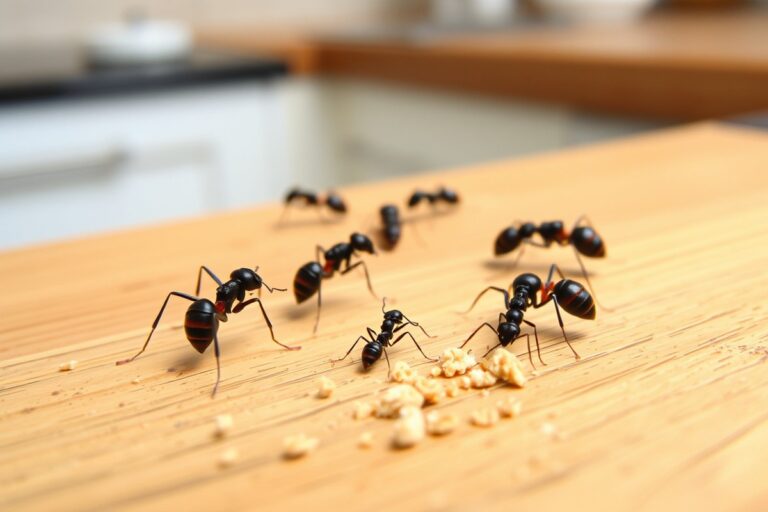
Ants invade cars mainly because they are searching for food, water, or shelter. Even small crumbs, sticky spills, or sugary air fresheners can attract them. Vehicles parked near ant nests or grassy areas are especially vulnerable since ants use cars as a temporary home or transportation. Parking your car on or near an ant hill makes it more likely ants will enter the vehicle and establish a presence inside.
Several common ant species tend to infest cars, each with different risks and behaviors. Fire ants, which are red or black and aggressive, can sting and potentially damage a vehicle’s electrical system. Carpenter ants, larger and black, are often found near moist areas and can cause structural damage if left unchecked. Pharaoh ants are small yellow or brown ants that travel in multiple trails and respond best to baiting instead of sprays. Pavement ants are small and dark brown, typically less harmful but still a nuisance inside cars. Identifying the species is important for choosing the right control methods because ants ignore baits that don’t match their preferences.
Ants pose risks beyond annoyance. Fire ants can sting passengers and cause allergic reactions. Electrical wiring inside the engine bay or under the dashboard can be damaged by ants nesting or biting through insulation, with fire and carpenter ants posing the highest threat. Some species carry mites or bacteria that may contaminate surfaces inside the car, impacting passenger health indirectly. Thus, early detection and intervention are important to prevent costly repairs and health concerns.
Vehicles left under direct sunlight can see their interior temperatures rise by about 40°F within just one hour. Since typical ants struggle to survive in conditions hotter than 118°F, the heat inside a sealed car exposed to sun might lower some ant presence naturally. Still, these pests tend to shelter in cooler, shaded spots such as air vents, tires, or beneath the seats, where heat is less intense.
Using this knowledge, moving your car away from the suspected ant nest or heavily infested area is a simple and effective first step. Parking 10 to 20 feet away from grassy patches or trees helps break ant trails and reduces new ants entering your vehicle. Applying exterior deterrents to tires and lower body surfaces creates barriers that further discourage ants from climbing inside. Removing food sources and moisture inside the car cuts off the attractants that initially drew ants, making your vehicle a less hospitable environment for them.
2. Complete Step-by-Step Plan to Remove Ants from Your Car
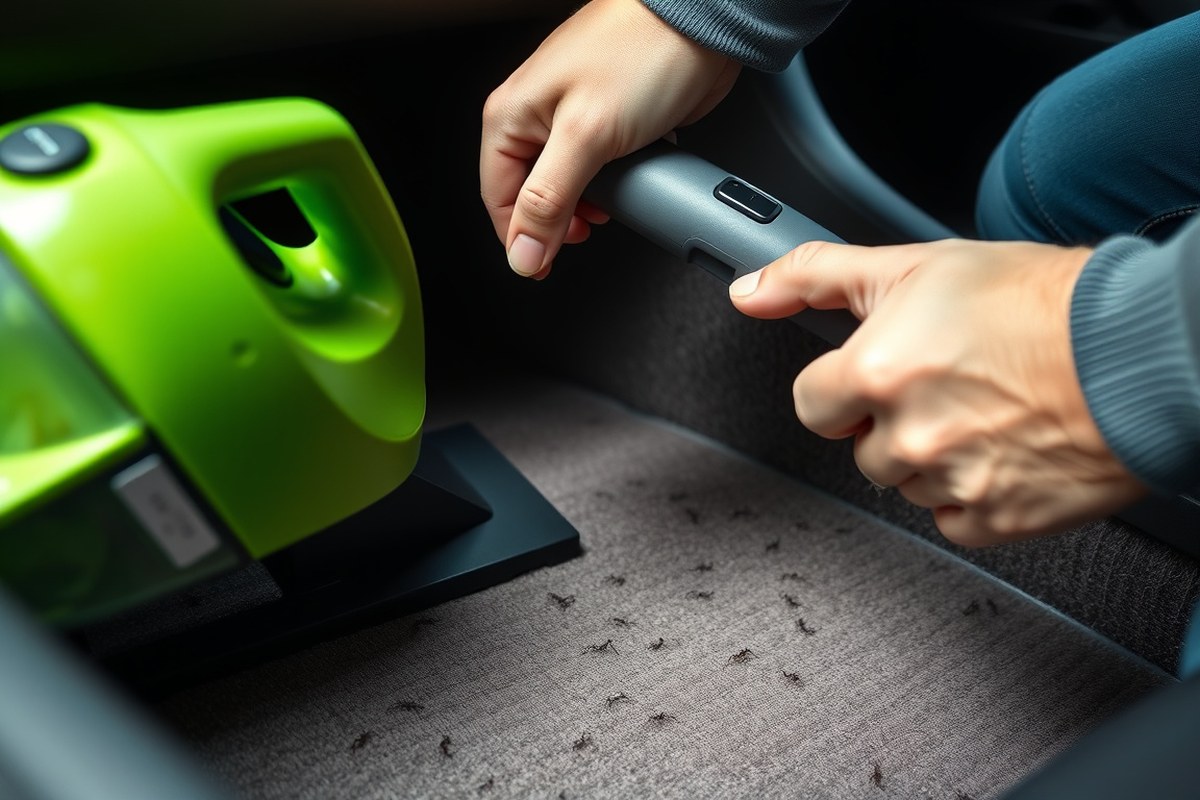
Effectively getting rid of ants inside your car requires a clear, step-by-step routine. Prioritize moving your vehicle, then proceed with thorough cleaning and vacuuming to remove attractants and ants. Follow this by placing ant baits where needed and using natural remedies, finishing with heat treatment to target hard-to-reach areas like vents and engine compartments.
Step 1: Move Your Car Away from Ant-Prone Areas
Relocate your car to a clean, less infested area to prevent more ants from entering. Parking away from vegetation, trash, or mulch reduces the chance of ants relocating inside. Changing parking spots also disrupts ant trails leading to your vehicle.
- Identify if your current parking area has visible ant activity, trash, or overgrown plants.
- Park your car in an open, sunny spot that is at least 3 feet away from vegetation.
- Avoid parking near standing water or organic debris that attracts ants.
Moving your car interrupts ant trails and lowers the chance of new ants getting inside before you start cleaning.
Step 2: Remove Trash and Food Sources
Start by clearing out all trash, food wrappers, and crumbs from your car, as these attract ants. Even small food particles can sustain colonies, so thorough removal is critical. Pay special attention to cup holders, floor mats, and under seats where debris tends to accumulate.
- Remove all trash bags, snack wrappers, and leftover food from storage compartments and seats.
- Wipe down all surfaces with soapy water or an all-purpose cleaner to remove sticky residues.
- Clean cup holders, door pockets, and glove compartments where food particles collect.
Failing to remove food completely will allow ants to remain and return quickly, prolonging the infestation.
Step 3: Vacuum and Clean Interior Thoroughly
Use a vacuum to remove ants and debris hiding in hard-to-reach spots such as under seats, between cushions, and in air vents. Vacuuming not only kills some ants but also removes pheromone trails that guide others. Follow this with wiping and sanitizing all surfaces to reduce lingering attractants.
- Vacuum seats, floor mats, dashboard crevices, and underneath the seats carefully.
- Use a brush attachment to clean out air vents and tight spaces where ants may hide.
- Wipe down all surfaces including the steering wheel, door panels, and console with disinfectant wipes or diluted vinegar to break down chemical trails.
Vacuuming regularly (at least weekly) disrupts the ants’ environment and dramatically reduces their population inside the car.
Step 4: Use Ant Bait and Natural Remedies
After cleaning, set ant baits near the common ant entry points inside the car. Baits lure worker ants to consume poison and carry it back to the nest, collapsing the colony. For a chemical-free option, try natural repellents like peppermint oil applied cautiously on non-electrical surfaces.
- Place commercially available liquid ant bait stations on the floor near doors and under seats.
- Sprinkle cornstarch or apply peppermint oil solutions on spots where ants appear but avoid the dashboard’s electrical parts.
- Monitor the bait monitors for ant activity and replace bait once it dries out or loses effectiveness.
Do not spray insecticides inside your car’s interior or engine bay, as chemicals can be toxic and damage vehicle components.
Step 5: Employ Heat Treatment and Monitor Progress
Heat treatment targets ants hidden in vents and the engine bay. Park the vehicle in direct sunlight on a hot day, then run the engine at high temperature for about 30 minutes. The heat helps eliminate ants in hard-to-reach areas without harsh chemicals.
- Choose a sunny day with temperatures above 85°F (29°C) for effective heat treatment.
- Park the car in direct sunlight and run the engine with the heater on high for 30 minutes.
- Check vents, under seats, and engine compartments after cooling to confirm ant reduction.
- Repeat as necessary while continuing regular cleaning and baiting until ants disappear.
Do not attempt heat treatments in enclosed garages or areas prone to overheating; always ensure proper ventilation and temperature monitoring to avoid damage.
3. Placing Ant Baits and Traps for Maximum Effectiveness
Place ant bait stations outside your car, about 10 to 20 feet away near visible ant trails and likely entry points, such as door edges or floor mat corners. This placement encourages worker ants to find the bait, carry it back to the colony, and ultimately eliminate the entire nest. Avoid placing baits inside the vehicle, as this can attract more ants indoors and worsen the infestation.
Locating Active Ant Trails Near the Vehicle
Begin by observing where ants frequently travel to and from your car. Look along the edges of doors, under floor mats, around tires, and near any gaps in weather stripping or seals. Check the ground near your parking spot for clear ant trails heading toward the vehicle. Ants commonly follow pheromone trails, so these pathways are prime spots for bait placement.
Use a flashlight in low light conditions to detect faint movement, and consider marking the trails with chalk or tape to keep track. Focus on trails that consistently show ant activity for several days before placing baits.
Positioning Baits Outside the Car Safely
Place slow-acting gel bait droplets or pre-filled bait stations along the ant trails you identified, sticking to areas 10 to 20 feet from your car. Position them near likely entry points like door edges or where ants enter undercarriage gaps. Slow-acting baits allow ants to return to the nest and share the poison, leading to colony elimination within 7 to 14 days.
- Set bait stations away from direct sunlight and heavy rain to maintain effectiveness
- Keep baits out of reach of pets and children by placing them under shrubs or inside small containers
- Use multiple bait points to cover several trails or entry spots
- Avoid using contact sprays near bait stations as sprays can repel ants
- Wear disposable gloves when handling bait to avoid contaminating it
- Inspect bait stations regularly and replace them as needed, usually every 7 days
Proper bait placement outside the vehicle prevents ant attraction inside the car while targeting the full colony. This approach is safer and more effective than surface sprays, which only kill visible ants and do not reach the colony.
Avoiding Common Mistakes with Indoor Baits
Never place ant bait stations inside the car. Baits inside tend to attract more foraging ants, increasing the infestation indoors. The small food sources inside can cause ants to scatter rather than focus on the bait, diminishing its effectiveness.
If ants persist after external baiting and thorough cleaning, you may need targeted interior traps or sprays designed for vehicle use, but these are secondary steps. The first priority is stopping new ants from entering by placing baits outside near entry points. Use interior baits only as a temporary catch method, not a long-term solution.
Keep interior surfaces crumb- and food-free to reduce ant attraction, so any bait that does enter the car does not cause issues. Follow bait handling warnings, keeping stations secured out of reach of children and pets, and dispose of used bait stations properly.
4. Using Heat Treatments and Natural Remedies Safely in Cars
Parking your car in direct sunlight on a warm day can help reduce an ant infestation. On an 85°F day, the interior of a closed car can heat up enough to kill most ants exposed on surfaces inside. Running your car’s heater on maximum for 15 to 30 minutes during a sunny day can also raise the temperature in the cabin and vents to levels uncomfortable for ants, encouraging them to leave. This method works well as a chemical-free option to help drive ants out, but it won’t reach ants hidden deep inside cracks, upholstery, or the HVAC system.
Natural remedies can repel ants and are much safer for vehicle interiors than household bug sprays, which can damage materials and leave harmful residues. Cinnamon essential oil is one effective natural ant repellent for cars. Ants rely on pheromone trails for navigation, and cinnamon disrupts these trails, confusing ants and discouraging them from entering the vehicle. To use, dilute about 10 drops of cinnamon essential oil in a cup of water and spray lightly around door seams, seat crevices, and air vents. Reapply every few days, especially after driving or cleaning, as the scent fades quickly in warm conditions.
Other natural substances like peppermint oil and vinegar also work as ant deterrents, but cinnamon tends to be less irritating to people while still covering a broad area. These natural remedies do not kill the entire ant colony; they mainly keep ants away from treated areas. For full eradication, combining repellents with targeted gel baits is advised. Gel baits attract ants to carry poison back to the nest, eliminating the colony at the source. Baits are safe for interior use if applied in hidden spots, such as under seats or inside door panels, where pets and children can’t reach them.
Heat treatments and natural repellents offer a gentle approach to ant control inside vehicles but cannot fully replace chemical sprays when infestations are severe. Using heat to raise the interior temperature or natural oils to confuse ants helps low-level infestations and prevents new ants from settling in. For established colonies inside the car or engine bay, combining these methods with appropriate baits or professional treatment often gives better results while preserving your car’s interior integrity and safety.
5. Identifying Ant Nests in Engine Bays, HVAC, Tires, and Treating Them
Ants can nest in your car’s engine bay, HVAC vents, tires, and wheel wells because these spots provide warmth, shelter, and access to food particles. Detecting nests in these hard-to-reach areas is essential for thorough removal and preventing future infestations. Treating these locations requires specific steps to safely remove ants without damaging your vehicle.
Checking the Engine Bay for Ant Activity
Ants often choose the engine compartment because it provides warmth and shelter. They might establish nests under the windshield cowl, inside the cabin air filter casing, or near the fuse box. A sizable group in this area risks damaging wiring by chewing through insulation or obstructing important parts, making quick action necessary.
Look for ant trails, debris, or dead ants near cables, vents, or the battery area. Use a flashlight to inspect tightly packed spaces and dripping fluids that might attract ants.
- Open the hood and visually scan all corners, near wiring harnesses, and air intakes for ant activity or debris.
- Use compressed air to blow out any visible ants or debris from crevices, especially near the cabin air filter housing.
- Spray a vehicle-safe, automotive-approved insecticide carefully around the perimeter of ant clusters, avoiding electrical parts.
- Remove the cabin air filter if accessible and replace it after cleaning, as ants may nest inside its housing.
- Have a mechanic or professional steam-clean the engine bay and windshield cowl area to flush out hidden nests.
- Repeat the inspection and treatment weekly for several weeks to ensure the colony is eliminated.
Use insecticides labeled safe for automotive use and avoid spraying directly on battery terminals or delicate wiring.
Cleaning and Treating HVAC Vents
Ants enter HVAC vents seeking warmth and shelter. Since these vents connect to your car’s interior, ants nesting here cause persistent infestations inside the cabin. The cabin air filter compartment and ducts behind the dashboard are common spots. Removing ants from HVAC vents requires careful cleaning and sometimes professional help.
- Locate and remove the cabin air filter according to your vehicle’s manual to check for ants or debris inside.
- Use a vacuum cleaner with a narrow nozzle to extract ants and debris inside air vents and ducts.
- Spray compressed air cautiously through the vents to dislodge ants hiding deep inside the ducts.
- Apply an insecticide safe for ventilation systems around the filter housing and vent entrances.
- Replace the cabin air filter with a new one and reinstall it securely to prevent reinfestation.
- Run the HVAC system on high to help dry the vents and discourage moisture-loving ants.
Do not spray insecticide directly into the vents without confirming it is safe for internal components and follow vehicle manufacturer guidance.
Inspecting and Removing Ants from Tires and Wheel Wells
While less common, ants can nest in tire treads and wheel wells where dirt, food crumbs, and moisture collect. These areas are easy entry points for ants moving toward your car’s interior. Regular cleaning reduces the chance of these nests developing. Properly cleaning tires and wheel wells helps remove ants and food sources that attract them.
- Park on a flat surface and use a hose (preferably with a spray nozzle) to thoroughly rinse the wheel wells and tire treads.
- Scrub tire treads with a stiff brush to remove soil and trapped organic material where ants may nest.
- Use a biodegradable degreaser or wheel cleaner safe for your vehicle if grease or oily grime is present.
- Spray the wheel wells and tire edges with an insecticide or ant repellent designed for outdoor automotive use.
- Dry the wheel wells with a cloth or allow them to air dry completely before driving.
- Repeat this cleaning weekly if you continue to see ant activity on your car’s exterior.
Ants nesting in tires are rare but removing dirt and debris frequently helps reduce their chance of returning.
6. Safety Guidelines for Using Chemical and Natural Ant Treatments in Cars
Using regular household bug sprays or bug bombs inside your car can cause damage to upholstery and leave strong odors that linger for days. Many of these sprays contain volatile chemicals that stain fabrics and may create a fire hazard near your vehicle’s electrical systems. These risks make conventional insecticides unsafe for indoor vehicle use.
Opt for natural or low-toxicity treatments specifically labeled as safe for pets and children when treating your car’s interior. Products with active ingredients like geraniol, cinnamon oil, and lemongrass provide effective ant control while minimizing health risks. Examples include Zevo Ant & Roach Spray and Raid Essential Oils Spray, both rated safe for enclosed spaces with passengers and pets. Avoid high-toxicity sprays or those containing pyrethroids in confined areas unless a professional applies them outside the vehicle.
Apply any liquid sprays sparingly, using a fine mist directed only on the ant trails or entry points. Keep sprays away from upholstery, electronics, and air vents to prevent residue buildup or short circuits. Instead of spraying directly on seats or dashboards, target floor mats and door seals, then let the car air out by keeping doors open for 30 to 60 minutes. Wipe treated surfaces with a damp cloth after this period to reduce lingering residues.
Using natural remedies such as diatomaceous earth or boric acid powder is another safe approach. Lightly dust these powders in corners, under seats, and along door jambs where ants travel. These substances are less likely to harm passengers and pets but should still be used cautiously to avoid inhalation. Store powders in airtight containers away from children and animals, and vacuum them up after a few days to prevent buildup.
Protect everyone in the vehicle during treatment by removing pets and children beforehand. Mask odors by airing out the car thoroughly post-application before driving or closing windows. If you have breathing sensitivities or allergies, consider wearing a mask while applying sprays or powders. Checking the product label for ventilation recommendations and following them strictly reduces health risks.
Ant bait stations remain the safest choice for ants inside cars because they do not disperse chemicals into the air or surfaces. Place bait near suspected nest sites and around doors or windows, out of reach of children and pets. Baits work over days or weeks, attracting ants to carry poison back to the colony without spraying harsh chemicals inside your vehicle.
Maintain cleanliness and fix moisture issues to prevent re-infestation after treatments. Ants often enter cars searching for water, so dry wet areas and avoid leaving food crumbs or sticky residues inside. Checking your vehicle weekly after treatment and reapplying natural controls or baits as needed helps keep ants at bay without repeated chemical exposure to passengers or pets.
7. Breaking Ant Pheromone Trails and Avoiding Common Mistakes
Ants keep returning to your car because they follow pheromone trails left by scouts marking the route to food or shelter. Even after cleaning and spraying, these invisible chemical paths entice other ants to explore your vehicle repeatedly. Pheromone trails matter because ants rely on them as a roadmap. Removing these scent markers breaks the connection between your car and nearby ant colonies, stopping new ants from invading.
To identify pheromone trails, look for lines of ants moving consistently along the same routes inside and around your car, especially near food crumbs, trash bins, or vents. These trails often run along door seals, floor mats, center consoles, HVAC openings, and under seats. Once spotted, clean these areas thoroughly with a 50/50 mix of white vinegar and water. Vinegar neutralizes the chemical signals ants use, making the path no longer recognizable. Spray or wipe all surfaces ants touched, then let everything dry completely before letting anyone back in the car.
Common mistakes often undo good ant removal efforts. Leaving food wrappers, spilled drinks, or even pet treats inside the car can attract ants back quickly. Using only sprays to kill visible ants without removing their scent trails lets others find their way again. Poorly applied treatments, like missing cracks or vents where ants enter, also allow new colonies to settle. Lastly, waiting too long between cleaning and treating gives ants time to reestablish their paths. Common errors and how to fix them include:
- Not cleaning up all food and trash inside the vehicle, vacuum and wipe down all surfaces to remove food particles and sticky residues.
- Ignoring pheromone trails, clean all active ant routes with vinegar solution after spraying insecticide to block their scent signals.
- Applying sprays only on visible ants, treat entry points like door seals, vents, and cracks where ants enter or nest.
- Delaying treatment, apply sprays or baits promptly after cleaning to prevent ants from rebuilding trails.
- Using ineffective products, use trusted sprays such as Raid Ant & Roach Killer 26, which kills ants instantly and leaves a barrier to prevent return.
When you combine thorough cleaning with targeted pheromone trail removal and proper insecticide application, ant activity decreases significantly, often within a few days. Regularly inspect food storage areas inside your car and keep it free from crumbs or spills. Breaking the scent trail interrupts ant communication and helps ensure your car stays ant-free over time.
8. When to Call a Professional Pest Control for Car Ant Infestations
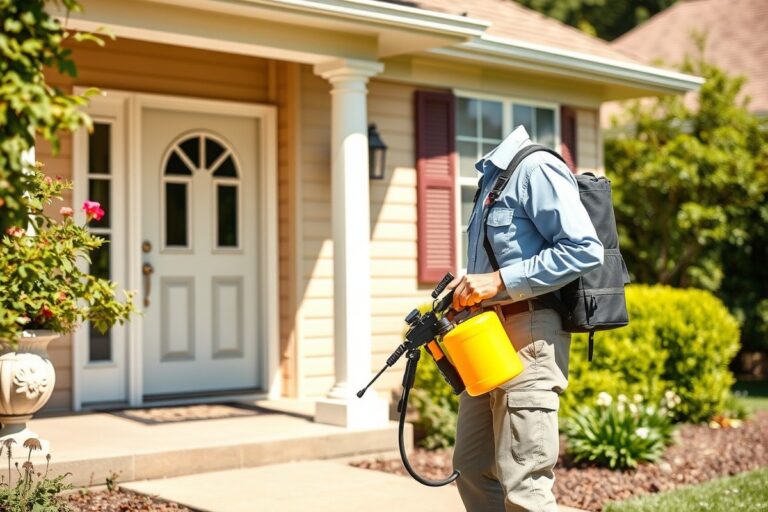
Call a professional pest control service if your ant problem persists for more than three weeks despite consistent DIY treatments. This timeframe lets you assess whether the usual cleaning, baiting, and treatments have sufficiently reduced or eliminated the ants. Persistent infestation often means hidden nests or resistant ant species requiring advanced intervention.
Difficult species like Carpenter Ants or fire ants should trigger a prompt call to professionals. Carpenter Ants can cause structural damage, and their nests are usually inside damp wood or complex crevices, which standard treatments often miss. Fire ants pose stinging risks and need careful handling by experts using species-specific poisons. Unknown species also warrant professional identification to apply the correct control method and avoid ineffective DIY attempts.
Ants nesting within your car’s wiring, engine bay, or ventilation systems should never be tackled alone. Professionals have the specialized tools and knowledge for safe, non-invasive access to these delicate areas. DIY methods risking damage to electrical components can lead to costly repairs. Technicians accurately locate these hidden nests using inspection devices and treat them with targeted, automotive-safe products.
A sign that your car needs professional pest control includes finding recurring ant trails shortly after treatment or noticing increasing ant activity despite regular bait placement. Recurring infestations usually mean you missed a colony or environmental attractants nearby that professionals can identify and mitigate. Some car owners find that even after extensive cleaning and multiple bait placements over two to four weeks, ants continue to return, indicating a need for expert assessment.
Professional treatments combine pest control chemicals tailored to the ant species and deep cleaning protocols, often leading to a more permanent solution. The cost ranges, typically from $100 to $300 depending on infestation severity and service region. These experts also offer advice on long-term prevention to stop ants from coming back. You may contact a local Integrated Pest Management specialist or pest control company for species identification and a customized treatment plan.
Monitor your treatment progress closely; if no improvement happens within 21 days, arrange a professional inspection to avoid worsening damage or recurring infestations.
Step-by-Step Action Plan to Get Rid of Ants in Your Car
Follow these clear steps to remove ants from your vehicle and prevent them from coming back. Track your progress to ensure each phase is effective.
- Before You Start: Remove all trash, food wrappers, and wipe down surfaces with a mild cleaner. This cuts off ants’ food sources and helps prevent new trails.
- Day 1: Inspect the interior, engine bay, tires, and HVAC vents to spot ant nests or trails. Use a flashlight and mirror if needed. Knowing where ants hide guides your treatment.
- Day 2: Place ant baits in hidden spots inside the cabin and near the engine bay. Check that ants are actively taking the bait within 24 hours, signaling bait effectiveness.
- Day 3: Use safe natural remedies like diluted vinegar spray on ant trails and entrances to disrupt pheromone paths. Confirm trails fade within a day or two.
- Day 4: Apply heat treatment by parking in direct sun with windows closed for 2-3 hours or use a portable heater designed for vehicles. Ant activity should drop significantly afterward.
- Week 1: Recheck bait stations and nests; replace baits as needed. Look for fewer ants, ideally none actively moving inside or around the car.
- Week 2: Clean again and inspect for new ant activity. If ants persist despite following all steps, contact a professional pest control service experienced with vehicles to safely handle stubborn infestations.
Frequently Asked Questions
How Can I Quickly Reduce the Number of Ants in My Car?
Quickly vacuuming your car’s interior can reduce most ants fast. It removes visible ants and food crumbs they feed on.
Is It Safe to Use Ant Bombs Inside My Car?
Ant bombs are not recommended for cars due to toxic fumes and residue that can harm you and damage fabrics. Use targeted ant baits or natural remedies instead.
Can Parked Location Affect Ant Infestation in My Car?
Yes, parking near trees, lawns, or gardens often attracts ants. Moving your car to a different spot can disrupt ant trails and reduce infestation.
How Do I Prevent Ants Returning After Treatment?
Regularly clean your car, avoid eating inside, and check for ant nests nearby to prevent ants from returning. Consistent prevention is key.
Are All Ant Species in Cars Harmful or Just a Nuisance?
Most ants in cars are a nuisance but can damage wiring or insulation if they nest in the engine bay. Identifying the species helps assess risk.
What Is the Best Way to Remove Ant Pheromone Trails?
Clean surfaces with vinegar or soapy water to remove pheromone trails. This helps stop ants from following the same path back.
Key Points to Remember
Getting rid of ants in your car takes consistent effort and attention to detail, but it is possible to reclaim your vehicle from these pests. Start by thoroughly cleaning your car’s interior today, removing any food crumbs or spills that attract ants. This simple step interrupts their food source and makes your car less inviting, setting the foundation for a successful ant removal process.




One Comment