
How to Get Rid of a Cough Overnight: Complete Steps for Fast Relief
To get rid of a cough overnight, focus on improving your sleep position, using a humidifier, and sipping soothing natural remedies like honey and herbal drinks. These steps help calm your throat and reduce irritation quickly, giving you faster relief. You can also try saltwater gargles and stay well hydrated to ease discomfort before bedtime. Combining these with safe over-the-counter options when needed can help reduce coughing through the night.
This approach works well for adults and children over 1 year dealing with cold, flu, allergies, or mild respiratory issues. You’ll learn how to reduce nighttime coughing, identify cough types, avoid triggers, and know when a cough needs professional medical attention. These tips aim to help you rest better and feel more comfortable while your body recovers.
Key Takeaways
- Sleep with your head improve to reduce postnasal drip and ease nighttime coughing.
- Use a humidifier set between 40% and 50% humidity to soothe airways without worsening cough symptoms.
- Drink warm honey and lemon or herbal teas to calm your throat, but avoid honey for infants under 1 year old.
- Gargle salt water to relieve throat irritation and stay hydrated to thin mucus and reduce coughing.
- Use over-the-counter cough medicines cautiously, avoiding them for children under 12 unless directed by a doctor.
- Avoid smoke, allergens, and pollutants to prevent cough triggers, especially if you have asthma or allergies.
Best Sleep Positions to Reduce Nighttime Coughing

Coughing often gets worse at night mainly because lying flat allows mucus to pool in your throat. This buildup irritates the airway, triggering more coughing. Also, some conditions like acid reflux (GERD) worsen when you’re on your back, increasing cough episodes. A supine position puts you at higher risk for throat irritation and post-nasal drip. To reduce coughing and get better rest, elevating your head and sleeping on your side work best.
Raising your head helps mucus drain away from the throat and reduces irritation. Sleeping on your side, instead of flat on your back, also prevents mucus from accumulating and can ease acid reflux symptoms that prompt coughing. These positions support clearer breathing while you sleep.
To help keep your cough from disrupting your sleep, take the following steps. They focus on your sleeping position and some adjustments to your sleep environment that encourage drainage and reduce triggers.
- Prop your head up with extra pillows. Use one or two firm pillows to raise your head 6 to 8 inches. This angle helps mucus drain down instead of pooling, which cuts back on throat irritation.
- Sleep on your side. Shift from lying flat on your back to lying on your left or right side. Side sleeping opens your airway and reduces reflux, which can decrease coughing.
- Use a wedge pillow if needed. For better elevation, try a foam wedge pillow designed to hold your upper body at an incline. This offers steady support throughout the night.
- Keep bedroom air humidified between 40% and 50%. Maintaining proper humidity stops your throat from drying out without encouraging mold or dust mites that worsen coughs.
- Avoid triggers before bedtime. Skip late meals, especially fatty or spicy foods that worsen reflux. Remove allergens like pet dander and dust from your bedding to reduce post-nasal drip.
- Adjust your position if symptoms change. If your cough worsens on one side or when improve, try the opposite side or a gentler incline to find what works best for you.
These changes do not require expensive tools, firm pillows or wedge cushions usually cost between $20 and $50. Results include fewer nighttime cough episodes and more restful sleep. Struggling to find relief despite these modifications may indicate underlying issues such as asthma or chronic bronchitis, which a healthcare provider can evaluate.
Using Humidifiers and Steam for Soothing Cough Relief
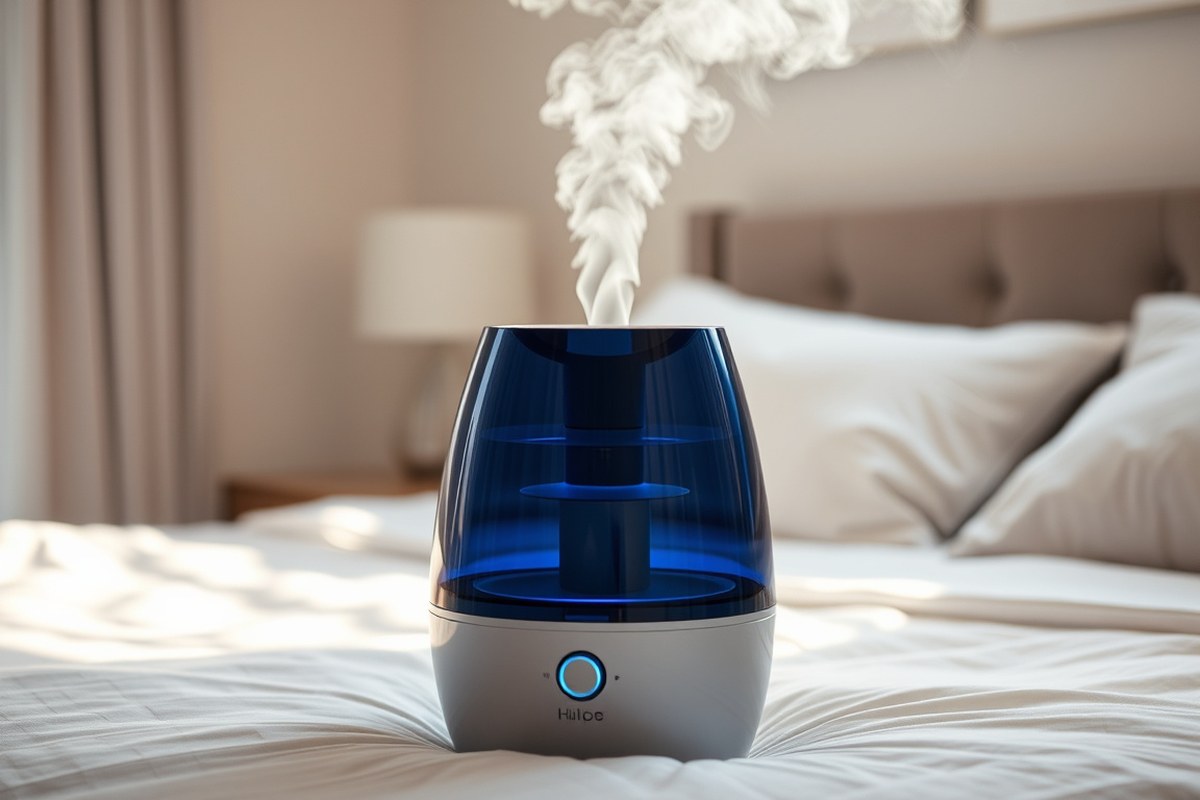
Humidifiers and steam both add moisture to the air, which can soothe irritated airways and reduce coughing. Using a humidifier set to 40%-50% humidity can prevent dry air from triggering coughs, while steam inhalation helps loosen mucus quickly for relief. Proper use and placement of these tools are key to effectiveness and safety.
Ideal Humidity Level: 40%-50% Explained
Maintaining indoor humidity between 40% and 50% helps keep the moisture in your throat and nasal passages balanced. This level prevents the air from becoming too dry, which often causes dry coughs, or too moist, which can promote mold growth. Balanced humidity reduces irritation to your respiratory tract, easing cough symptoms especially at night.
Too low humidity dries out mucous membranes, worsening cough and throat itchiness. If the air is too humid, it encourages dust mites and mold that can trigger coughing for allergy sufferers. Using a hygrometer to monitor humidity helps you keep the levels in the optimal range for relief.
Safe Use and Placement of Humidifiers
Choose a cool-mist humidifier for your bedroom to gently add moisture without raising room temperature. Place the humidifier about 3 feet away from your bed and on a flat surface to avoid damp spots that encourage bacteria or mold. Change the water daily and clean the device as per manufacturer instructions to prevent germs from spreading into the air.
Setting the humidifier to maintain humidity near 45% works well for most rooms. Avoid overly humid conditions, which can make coughing worse. Using distilled or filtered water can reduce mineral deposits and airborne particles.
- Check your room’s current humidity level with a hygrometer before turning on the humidifier.
- Fill the humidifier tank with clean, cool water.
- Set the machine to maintain about 45% humidity.
- Place the humidifier at least three feet away from your bed to avoid excessive moisture on bedding.
- Run the humidifier for several hours before and during sleep.
- Empty and clean the tank daily to prevent bacterial growth.
- Turn off the humidifier if condensation appears on walls or windows.
Regularly cleaning your humidifier is essential to avoid mold and bacteria that can worsen cough symptoms.
Steam Inhalation Methods and Precautions
Steam helps open airways and loosens mucus, providing quick relief for both dry and wet coughs. You can inhale steam from a hot water bowl or use a warm shower to achieve similar effects. Steam warms and moistens irritated tissues, making coughing less frequent and reducing throat scratchiness.
To safely take steam inhalation, avoid water that is too hot and never place your face too close to the bowl or tap to prevent burns. Limit sessions to 10-15 minutes to prevent skin drying or irritation.
- Boil water and pour it into a large, heat-safe bowl placed on a stable surface.
- Allow water to cool for a minute or two so it is warm but not steaming hot.
- Lean over the bowl, keeping your face at least 12 inches away to avoid burning.
- Drape a towel over your head and the bowl to trap the steam.
- Inhale deeply through your nose and mouth for 10 to 15 minutes.
- Repeat 1 to 3 times a day depending on cough severity.
- Stay hydrated after steam inhalation to keep mucus thin.
Never leave children unattended during steam inhalation and avoid steam treatments if you have certain heart or lung conditions without medical advice.
Honey, Herbal Drinks, and Natural Ingredients That Ease Coughs
Honey is a proven natural remedy that can ease coughs overnight by coating and soothing the throat. Combining honey with warm herbal drinks may amplify relief but evidence for many herbal supplements remains limited. Careful attention to dosing and age safety rules is essential for effective and safe use.
How Honey Soothes Throat and Dosage Guidelines
Honey works by coating the throat, which calms irritation and suppresses cough reflexes. Several studies find honey sometimes more effective than certain over-the-counter cough syrups. Taking 1 to 3 teaspoons (about 5 to 15 mL) of honey before bedtime can loosen mucus and lessen throat discomfort, improving sleep.
A common method is mixing honey into a warm, decaffeinated tea or a hot lemon drink. Warm liquids help break up mucus in airways, while honey’s natural suppressive effect reduces coughing spells. Drinking this mixture about 30 minutes before sleep gives it time to soothe your throat.
Effective Herbal Drinks: Ginger, Turmeric, Pineapple
Herbal drinks, like ginger or turmeric tea, offer some anti-inflammatory benefits that might ease throat irritation. A warm turmeric drink is particularly noted to soothe the throat and reduce inflammation that can trigger coughing. Fresh pineapple contains bromelain, an enzyme that may help reduce mucus and cough symptoms.
Though these drinks can help relax airways and comfort throat tissues, scientific evidence is limited, and they shouldn’t replace medical treatments if coughing worsens. Drinking herbal tea warm, about 1 cup (8 ounces) before bed can hydrate your throat and provide mild relief.
| Remedy | Recommended Dosage | Effect | Notes |
|---|---|---|---|
| Honey | 1, 3 teaspoons (5, 15 mL) before bedtime | Coats throat, suppresses cough, loosens mucus | Not for children under 1 year |
| Warm lemon and honey drink | 1 cup warm tea with 1-2 tsp honey and lemon | Breaks up mucus, calms cough | Not for babies under 1 year |
| Turmeric drink | 1 cup warm water with 1 tsp turmeric powder | Reduces throat inflammation and irritation | Use caution if allergic or sensitive |
| Ginger tea | 1 cup warm ginger tea before bed | May soothe airways and calm cough | Limited scientific evidence |
| Fresh pineapple | ½ cup fresh pineapple slices or juice | Contains bromelain to reduce mucus | May aid mucus clearance |
Try combining honey with herbal teas as part of an evening routine for mild coughs. Avoid excessive consumption of any single ingredient to prevent stomach upset. Persistent or worsening symptoms require medical advice.
Age Restrictions and Safety Tips for Children
Honey should never be given to children under 1 year old due to the risk of infant botulism, a serious and potentially fatal illness. For children older than 1, honey can safely soothe coughs and is often recommended instead of over-the-counter cough medicines, which are not advised for children under 6.
Herbal remedies for children require caution. Many herbal products lack strict safety testing and labeling, so potential allergies or drug interactions could occur. Parents should consult a pediatrician before giving children herbal drinks or supplements for cough relief.
Maintaining hydration and gently elevating the head during sleep can ease coughing in young children without medication. Honey-based remedies are safer choices for soothing nighttime coughs in children over 1 year.
Salt Water Gargles and Staying Hydrated for Quick Throat Relief
Gargling with warm salt water is a safe and effective way to soothe a sore throat and reduce coughing, especially before bedtime. It helps clear excess mucus that can trigger the cough reflex. Staying well hydrated with the right fluids thins mucus, making it easier to clear your airways and easing cough symptoms overnight.
How to Prepare and Use Salt Water Gargles
Salt water gargling helps calm an irritated throat and loosen mucus. To get the best results, follow these steps carefully. Use warm water that feels comfortable but not too hot to avoid burning your throat.
- Measure 8 ounces (about 1 cup) of warm water at a temperature around 100°F to 110°F, warm enough to dissolve salt but safe for your mouth and throat.
- Add 1/2 to 1 teaspoon of salt and stir until it fully dissolves.
- Take a sip of the salt water but do not swallow it.
- Tilt your head back slightly and gargle for about 15 to 30 seconds, ensuring the solution reaches the back of your throat.
- Spit the salt water out into the sink.
- Repeat the gargling until the cup is finished, or at least 2 to 3 times for best effect.
- Rinse your mouth with plain water afterward if the salt taste is too much.
Children younger than 6 or 7 years old usually cannot gargle safely without swallowing. Older children and adults can benefit from this throat rinse as part of their nighttime routine.
Recommended Frequency and Precautions
Gargling with salt water up to 3 or 4 times daily is generally safe for most people. Avoid excessive gargling, which might cause throat irritation or dry out your mucous membranes. Use the gargle more often during the day when your throat feels scratchy or before bed to reduce cough triggers overnight.
Avoid swallowing the salt water. People with high blood pressure do not need to worry as the amount of salt absorbed is minimal, but those on sodium-restricted diets should consult a healthcare provider first. Do not gargle with salt water if you have open sores or mouth ulcers, as it may cause discomfort.
Best Fluids for Hydration and Mucus Thinning
Drinking plenty of fluids throughout the day is essential to thin mucus and ease coughing. Aim for 8 cups (about 64 ounces) of non-caffeinated fluids daily, adjusting for your size, activity level, and weather. Warmer liquids often soothe more effectively, especially before sleep.
Good choices include warm water, herbal teas (like chamomile or peppermint), and broth. Warm water with lemon and honey may also provide extra throat relief and loosen mucus. Avoid caffeinated or alcoholic beverages as they can dehydrate you, making mucus thicker and coughing worse.
Slowly sipping warm fluids during the evening can reduce the urge to cough and help clear your airways. Keep a water bottle or warm tea handy and take small, frequent sips rather than large gulps to keep your throat moist without triggering coughing fits.
Over-the-Counter Medicines and When to Use Them Safely
Over-the-counter (OTC) cough medicines can be useful for managing coughs overnight, especially when a dry cough or chest congestion disrupts your sleep. The main types include cough suppressants, which reduce the urge to cough, and expectorants, which loosen mucus to help clear your airways. For adults, ingredients like dextromethorphan (a suppressant) and guaifenesin (an expectorant) are common and generally effective. However, children under 5 years old should not take dextromethorphan because of safety concerns.
Decongestants, often found in combination cold medicines, help ease nasal congestion but do not directly stop the cough. Pseudoephedrine is a common decongestant but can raise blood pressure and heart rate, so use caution overnight, especially if you have cardiovascular issues.
Many OTC cough remedies combine several ingredients to target multiple cold symptoms at once, but always check the label for age recommendations and potential side effects like drowsiness. Using cough suppressants before sleep can help lessen coughing fits and improve rest, but avoid them during the day if you need to stay alert.
| Medicine Type | Common Ingredient | Purpose | Age Limit | Overnight Use Considerations |
|---|---|---|---|---|
| Cough Suppressant | Dextromethorphan | Blocks cough reflex | Not for children under 5 | May cause drowsiness; good for sleep |
| Expectorant | Guaifenesin | Thins mucus to clear airways | Generally safe kids over 4 | Safe overnight; helps mucus clearance |
| Decongestant | Pseudoephedrine | Relieves nasal congestion | Varies by product; often >12 | May increase heart rate; caution with health issues |
| Combination Cold Medicine | Varies (cough suppressant + decongestant) | Targets multiple symptoms | Check label; often >12 | Risk of drowsiness and stimulant effects |
To use these medicines safely, follow the dosage instructions carefully and consider any existing health conditions. Avoid giving cough suppressants or decongestants to young children unless advised by a doctor. Combining a cough suppressant with an expectorant can sometimes provide relief for a nighttime cough but avoid mixing multiple products to prevent excessive dosing. Overuse of decongestants overnight can worsen symptoms due to stimulant effects, so it’s better to use them only if congestion is severe enough to disrupt sleep.
Never give honey to children under one year, as it can contain harmful bacteria that infants cannot safely handle.
Lifestyle Changes and Avoiding Triggers to Reduce Nighttime Cough
Coughing often results from irritation in your airways caused by environmental factors like smoke, dust, strong odours, and allergens. Minimizing your exposure to these triggers can significantly reduce nighttime coughing. For example, smoke, whether from tobacco or a fire, can inflame your throat and lungs, leading to persistent coughing or worsening an existing cough. Avoiding smoke completely or relocating to smoke-free environments is one of the most effective steps you can take.
Keeping your living space clean helps reduce dust, pollen, and pet dander, which are common allergens that can cause coughing through postnasal drip or airway irritation. Changing bedding frequently, ideally once a week, decreases dust mite buildup. Excluding pets from the bedroom can also reduce allergen exposure, making it easier to sleep without coughing fits. Air quality matters as well; using air purifiers with HEPA filters can remove particles that trigger coughs without needing costly renovations.
Temperature changes and dry air can worsen nighttime coughs by irritating your throat. Avoid letting your bedroom air become too dry or too cold overnight. Nighttime air temperature in the bedroom should stay around 65 to 70 degrees Fahrenheit to prevent airway irritation. Using a humidifier set to 40-50% humidity can keep the air moist, which soothes the throat and reduces coughing.
- Open windows selectively to avoid outdoor pollution or high pollen levels.
- Wash bedding in hot water above 130°F to kill dust mites.
- Choose fragrance-free cleaning products and avoid strong-smelling airborne irritants.
- Use a high-efficiency particulate air (HEPA) filter for better air quality indoors.
- Avoid smoking or exposure to secondhand smoke at home and in cars.
- Keep pets out of bedrooms and wash pet bedding weekly.
Your diet may also impact coughing, especially if gastroesophageal reflux disease (GERD) triggers it. Avoid acidic, spicy, or fatty foods within 3 to 4 hours before bedtime to reduce acid reflux that can irritate your throat. Elevating your upper body during sleep or using extra pillows can help keep stomach acid down. Probiotics may support immune health and reduce cough severity during colds, but they don’t directly stop irritation caused by allergens or smoke.
Asthma-triggered coughs often require specific treatments prescribed by a doctor, but reducing exposure to triggers like dust and smoke forms an essential part of symptom control. It is critical to recognize your personal triggers and eliminate or minimize them whenever possible to prevent chronic coughing worsening overnight. By addressing your environment, diet, and lifestyle habits together, you can see noticeable reductions in nighttime cough intensity and frequency within a few days to a week, depending on the cause and your level of exposure.
Identifying and Treating Different Types of Coughs at Home
Knowing whether your cough is dry or productive helps you choose the right home treatment. A dry cough feels irritating and doesn’t bring up mucus. It often happens because your airways are inflamed or irritated, sometimes from allergies, acid reflux, or viral infections. A productive cough, also called a chesty cough, brings up mucus and can shift to dry cough phases due to inflammation. Usually, mild dry or productive coughs from colds or the flu do well with home remedies like staying hydrated, using humidifiers, and resting.
You can tell the difference by paying attention to what happens when you cough: expelling mucus or phlegm means it’s productive. Coughing that is just a tickle or scratch without mucus indicates a dry cough. Productive coughs often show your body is clearing mucus from your lungs, especially if caused by bronchitis or a chest infection. For these, home remedies aim to loosen mucus and soothe irritation. Dry coughs may respond better to throat lozenges, humidifiers, or avoiding irritants like smoke. Noticing changes in your cough or persistent mucus production calls for monitoring your symptoms over a few days to help decide whether to use home care or see a doctor.
Acid reflux often causes a dry cough at night because stomach acid irritates your throat when lying flat. This cough typically worsens after eating or when you lie down. To check if acid reflux triggers your cough, watch for burning in your chest or throat or if the cough occurs mostly at night. Managing reflux-related cough includes elevating your head while sleeping by 6 to 8 inches, avoiding large meals or spicy foods 2 to 3 hours before bedtime, and wearing loose clothing. Over-the-counter antacids might help, but persistent symptoms should lead to consulting a healthcare provider for specific gastroesophageal reflux disease (GERD) treatments.
Choosing whether to manage your cough at home depends on its severity, duration, and symptoms. Home remedies work best for mild dry or productive coughs linked to colds, allergies, or mild irritations. A practical rule is to observe if your cough lasts less than three weeks without serious symptoms like high fever, blood, or severe breathing difficulty. When a cough persists longer or worsens, especially combined with asthma, acid reflux, or postnasal drip, seeing a doctor is important for targeted treatment and to avoid complications. Always consider your overall health and any underlying conditions before treating a cough solely with home care.
When to Seek Medical Help for Persistent or Severe Coughs
A cough usually improves within a few days to three weeks. Professional evaluation is necessary if your cough lasts longer than three weeks or worsens over time. Persistent coughing can signal underlying health issues such as asthma, infections, or other respiratory problems that require targeted treatment. Ignoring it may lead to complications or delay proper care.
Severe coughing that disturbs your sleep multiple times a night should prompt you to seek medical advice promptly. Frequent nighttime coughs can indicate asthma or other chronic conditions that need diagnosis and management. If over-the-counter remedies and home treatments don’t reduce coughing frequency, a doctor’s visit is warranted.
Other warning signs requiring medical attention include coughing that produces blood, chest pain lasting beyond mild discomfort, or cough accompanied by a fever or unexplained weight loss. These symptoms might indicate infections like pneumonia or more serious conditions needing immediate care. Doctors often order chest X-rays or other tests to clarify the cause and plan treatment. Use the following checklist to decide whether to see a doctor:
- Cough lasting longer than three weeks
- Severe coughing disrupting sleep multiple times per night
- Cough producing blood or thick green/yellow mucus
- Fever higher than 100.4°F (38°C) accompanying cough
- Chest pain persisting or worsening with coughing
- Shortness of breath or wheezing with cough
- Unexplained weight loss or fatigue
Keep track of how often coughing interrupts your sleep and any new symptoms, then share this information with your healthcare provider for an accurate diagnosis.
Costs for professional diagnosis vary widely. An office visit typically ranges from $100 to $300, and a chest X-ray may add another $100 to $400 depending on the facility. Insurance often covers these expenses, but it’s best to verify your plan. Early medical attention can prevent worsening illness and avoid more costly treatments later.
When consulting your doctor, describe your cough’s duration and severity, any triggers you noticed, and whether home remedies helped. Mention tobacco use if applicable, since smoking increases the likelihood of persistent cough. Your doctor will decide if tests are needed and prescribe treatments like inhalers, antibiotics, or other therapies as appropriate.
Overnight Cough Relief: Step-by-Step Action Plan
Follow these steps to reduce or stop your cough quickly and improve your sleep quality tonight. Monitor your symptoms and adjust as needed for ongoing relief.
- Before Bed Tonight: improve your head with extra pillows to ease postnasal drip and reduce coughing. Notice if your cough decreases or stops during the night.
- Before You Sleep: Use a cool-mist humidifier or inhale steam from a bowl of hot water for 10 minutes to soothe your airways. Check if breathing feels easier and coughing less frequent.
- Right Before Bed: Take a teaspoon of honey or warm herbal tea with honey to coat your throat and calm irritation. Confirm if coughing fits diminish within 30 minutes after drinking.
- At Bedtime: Gargle with warm salt water to reduce throat inflammation and kill germs. Track if soreness lessens and cough intensity drops by morning.
- During the Night: Keep water nearby to stay hydrated, which thins mucus and helps your throat feel better. Notice fewer coughing urges as hydration improves.
- If Cough Persists After 24 Hours: Use over-the-counter cough suppressants or expectorants according to package instructions. Assess if coughing frequency or severity decreases after medication.
- Ongoing: Avoid irritants like smoke, strong scents, or allergens in your bedroom to prevent triggering coughs. Observe if your coughs become less frequent over several nights.
- After 1 Week or If Symptoms Worsen: Seek medical advice if your cough continues, worsens, or comes with fever, shortness of breath, or chest pain. Prompt evaluation helps rule out infections or other causes needing treatment.
Frequently Asked Questions
How to Remove a Cough in 1 Hour?
Completely stopping a cough in one hour is unlikely, but drinking warm fluids and using a humidifier can reduce irritation quickly. These methods soothe the throat and may lessen the urge to cough before bedtime.
What to Press to Stop Coughing?
Applying gentle pressure to the web of skin between your thumb and index finger may help ease coughing. This acupressure spot can distract your nervous system and reduce coughing reflex temporarily.
What Stops Coughs Immediately?
Sugar-free cough drops or throat sprays can provide fast relief by numbing the throat and suppressing the coughing reflex. Use them as directed to calm your cough quickly without causing drowsiness.
Why Is a Cough Worse at Night?
Coughing often worsens at night because lying down allows mucus to pool in the throat, irritating the airway. Dry air and allergens in the bedroom can also increase coughing during sleep.
Can Allergies Cause Coughing Only at Night?
Yes, allergens like dust mites or pet dander in your bedroom often trigger coughing mainly at night when you’re exposed for longer periods.
Does Drinking Cold Water Help Stop a Cough?
Drinking cold water might temporarily soothe your throat but can sometimes irritate it more. Warm fluids usually work better to calm coughing.
Key Points to Remember
Getting rid of a cough overnight often starts with creating the right environment for your body to rest and heal. Adjust your sleeping position tonight by propping yourself up with extra pillows to ease coughing and improve breathing. Doing this simple change can significantly reduce nighttime coughing and help you get better rest. If the cough persists longer than a week or worsens, consider consulting a healthcare professional for proper evaluation and treatment.