Can Pest Control Get Rid of Carpet Beetles? What Actually Works and How to Prepare
Yes, professional pest control can get rid of carpet beetles, but complete elimination depends on the extent of the infestation and proper treatment steps. Pest control specialists use targeted chemical and non-chemical methods to kill adults, larvae, and eggs, and they inspect key hiding places to ensure thorough coverage. You should expect some preparation before treatment and follow-up actions afterward to prevent reinfestation.
This information suits homeowners and renters who spot carpet beetles or suspect their presence and want to understand how pest control works, how long it takes, and the costs involved. You’ll also learn how professionals identify infestations, how safe the treatments are around children and pets, and when to consider DIY methods instead of hiring an expert.
Key Takeaways
- Professional pest control can significantly reduce carpet beetle populations but may require multiple treatments for complete elimination.
- Carpet beetles damage fabrics, carpets, and stored goods, making them a serious pest for homeowners.
- Carpet beetles infest homes by laying eggs near natural fibers, attracted by food crumbs, pet hair, and dark undisturbed areas.
- Pest control experts use inspections and targeted chemical treatments to identify and address carpet beetle infestations effectively.
- Treatment duration varies from days to weeks, depending on infestation severity and treatment method used.
- Costs for professional treatment depend on infestation size and location, with some companies offering limited guarantees on effectiveness.
Can Professional Pest Control Completely Eliminate Carpet Beetles?
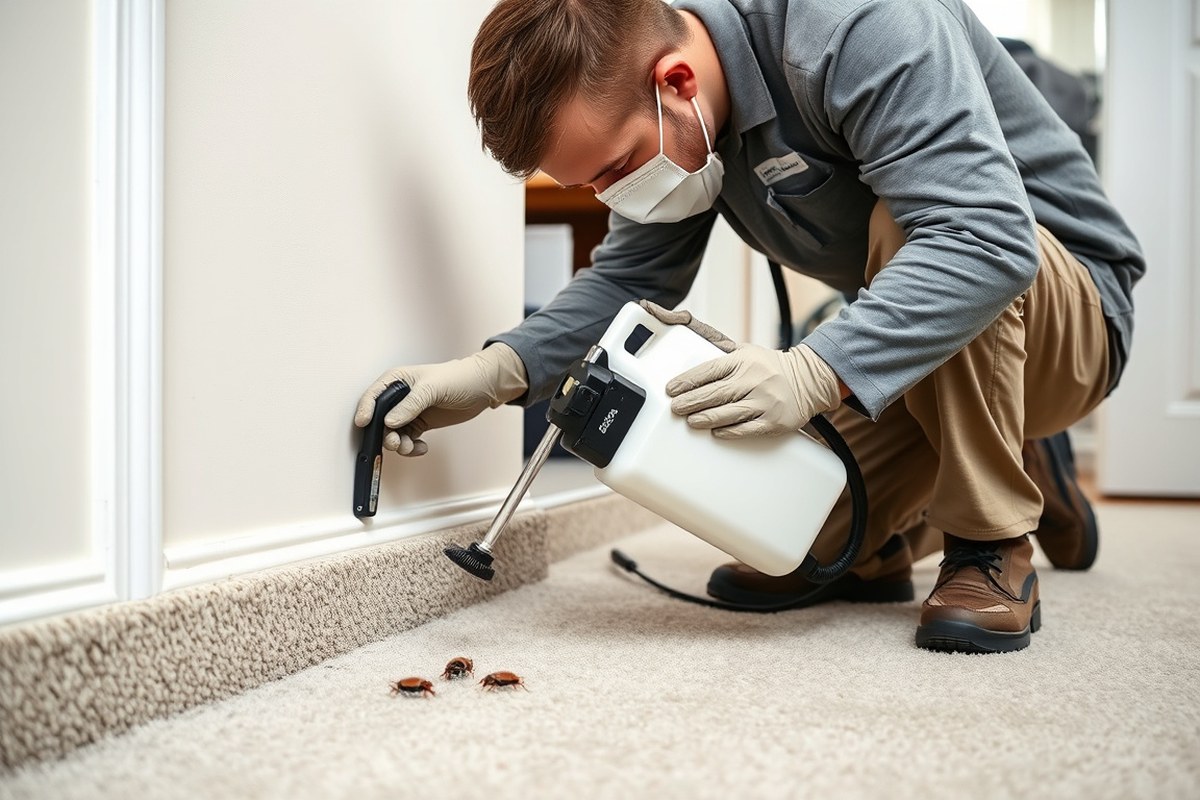
Professional pest control can significantly reduce carpet beetle populations, and in many cases, eliminate the infestation. However, complete removal depends on several factors including the severity of the infestation, the thoroughness of the treatment, and homeowner cooperation. Pest control companies typically use targeted insecticides and methods designed to kill both adult beetles and larvae, which reduces the chance of eggs hatching after treatment.
Companies rarely guarantee 100% elimination on the first visit because carpet beetles can hide deeply in carpets, furniture, and wall voids. Multiple treatments spaced weeks apart often improve effectiveness since carpet beetle life cycles last from 30 to 70 days, meaning eggs laid before the first treatment can hatch later. A reliable pest control provider will schedule follow-up visits to monitor progress and apply additional treatments if needed, especially in larger or heavily infested properties.
The success of treatment also hinges on proper preparation and post-treatment actions by the homeowner. Removing clutter, vacuuming thoroughly to eliminate larvae and eggs, laundering infested fabrics at temperatures above 120°F, and sealing entry points help prevent reinfestation. If these steps are neglected, the beetles can return even after professional spraying. The extent of furniture and floor coverage the technician can access also matters because hiding spots allow beetles to survive.
You should consider professional treatment when you notice widespread damage to fabrics or when DIY methods haven’t controlled the infestation for several weeks. Early or small infestations might be manageable with intensive cleaning and insecticide use from store-bought products, but persistent cases require the more powerful chemicals and expertise a professional offers.
Experts recommend asking the pest control company about their treatment plan, including the type of products used and the expected number of visits. They can outline what success looks like based on your home’s layout and the infestation level. Good results mean seeing no new larvae or beetles for at least 6 to 8 weeks post-treatment and no new damage to fabrics. Keep track of inspection notes and stay in touch with the provider to address any signs of resurgence promptly.
What Are Carpet Beetles and Why Are They a Problem?

Carpet beetles are small, round insects that often go unnoticed until they cause damage to household items. Their larvae feed on natural fibers found in clothing, carpets, and furniture, creating visible holes and deterioration. Understanding their biology and habits is key to managing infestations effectively.
Identifying Carpet Beetle Species
Carpet beetles come in several common species, including the varied carpet beetle, black carpet beetle, and furniture carpet beetle. The adults usually measure about 1/8 inch long, with colors ranging from black to mottled patterns of white, brown, and yellow. The larvae are oval-shaped and covered with stiff hairs or bristles, often brown or tan, making them easy to distinguish from the adults. Adults are primarily found near windows, indicating their outdoor origin, while larvae reside on or near infested materials inside the home.
Recognizing the life stage is important because the larvae cause the damage, not the adults. Adults mainly feed on pollen and nectar, but their presence indoors is a sign that larvae might be feeding on household fabrics or stored products nearby. Misidentifying the pest can lead to ineffective treatment approaches that target the wrong life cycle stage.
Understanding the Carpet Beetle Life Cycle
Carpet beetles undergo complete metamorphosis, going through four stages: egg, larva, pupa, and adult. Female beetles lay eggs in dark, protected areas like under baseboards, inside closets, or behind furniture. Eggs hatch in about one to two weeks, releasing larvae that actively feed for several months to over a year, depending on temperature and food availability. The larvae molt multiple times, growing larger with each stage, before pupating and eventually emerging as adults.
The larval stage is the longest and the most destructive since larvae consume keratin-containing materials like wool and silk. High humidity and mild temperatures speed up their development. Larvae tend to avoid light and remain hidden, which makes detecting an infestation difficult until damage is extensive or adults become visible.
Common Household Items at Risk
Carpet beetle larvae pose a risk to any natural fibers such as wool rugs, silk curtains, felt, and feathers. Items like upholstered furniture, clothing stored in closets, blankets, and stuffed animals can also be damaged. These larvae can chew small holes or thin patches, reducing the value and usability of these household materials. Stains or shed skins often signal their presence before holes appear.
Besides fibers, larvae can feed on dead insects, pet hair, and even dried plant material, which sometimes causes confusion when trying to locate the source. Homes with little clutter or clean storage practices are less likely to have severe infestations, while unattended fibers increase the risk substantially. Regular inspection of stored clothing and fabrics can help spot early signs of infestation.
Reasons Carpet Beetles Cause Damage
The damage occurs because carpet beetle larvae require protein-based materials such as keratin for growth. Since synthetic fabrics lack these nutrients, larvae seldom feed on them, preferring natural materials. Their chewing weakens textiles and leaves irregular holes that worsen with time. Such damage can be costly, especially for antique or specialty items.
Carpet beetles tend to thrive undetected since larvae avoid light and often inhabit concealed areas. Cleaning alone might not remove all food sources, allowing larvae to persist. Without intervention, infestations can spread to multiple rooms. Preventing damage means targeting larvae early through thorough cleaning and professional treatment when necessary.
Inspect vulnerable items regularly and store off-season clothing in sealed containers to discourage larvae from feeding and prevent hidden infestations.
How Do Carpet Beetles Infest Homes and What Attracts Them?
Carpet beetles enter homes mainly by hitching rides on flowers, clothing, or even open windows. They seek environments where they can find natural fibers and food sources to support their larvae. Storing untreated wool, silk, or feathers allows their populations to grow undisturbed. You can reduce infestations by limiting these attractants and keeping entry points closed or screened.
These insects are drawn to dark, undisturbed places rich in animal-based materials. Typical areas include closets packed with wool clothes, under rugs, inside upholstered furniture, and along baseboards where pet hair accumulates. Light and clean spaces discourage them from settling, so regular cleaning and lighting help limit their preferred habitat.
- Closets with wool, silk, or fur items left undisturbed
- Under carpeting or rugs where dirt and lint gather
- In air ducts or vents collecting hair and dust
- Inside upholstered furniture, particularly in folds or under cushions
- Near pet bedding where shed fur provides food for larvae
- Stored natural fibers like feather pillows or taxidermy
Vacuuming these high-risk areas weekly removes larvae and food material, which is essential. Washing clothing in hot water above 120°F can kill eggs and larvae. For stored items, keep them in sealed plastic containers or bags. Pay special attention to pet areas by washing bedding regularly and cleaning around baseboards to prevent build-up of hair and dander.
A mistake many make is focusing only on adult beetles. Larvae cause most damage by feeding behind baseboards or inside furniture seams where you won’t see them clearly. Professional pest control can help identify these hot spots with specialized equipment and chemical treatments but reducing attractants yourself significantly improves results and shortens treatment time.
How Do Pest Control Companies Identify and Treat Carpet Beetle Infestations?
Pest control companies identify carpet beetles by examining physical features and damage patterns, then choose treatment methods based on infestation size, property type, and safety concerns. Professionals use chemical sprays, heat treatments, fumigation, and non-chemical cleaning methods, adapting approaches to specific situations for best results.
Identifying Carpet Beetle Species
The first step in treating carpet beetles involves precise identification. Technicians look at size, color, and distinctive markings on the beetle’s body. Common species include the varied carpet beetle, black carpet beetle, and furniture carpet beetle. Identification matters because each species may have slightly different behaviors and habitat preferences.
Experts typically collect specimens from affected areas and examine them under magnification to confirm species. They also assess damage patterns in fabrics, wood, or stored products. This helps determine the infestation’s scale and origin, which affects treatment choice. For example, larvae found in air ducts or under baseboards suggest a hidden infestation that might need thorough cleaning or fumigation.
Chemical Treatments and Safety
Insecticides remain a common treatment for carpet beetles when infestations are moderate or localized. Professionals use products containing pyrethroids, neonicotinoids, or insect growth regulators. Spray applications target adult beetles and larvae on carpets, upholstery, clothing storage, and baseboards.
Technicians apply chemicals carefully to avoid contact with food, pets, and children. They often spot-treat cracks, crevices, and infested fabrics rather than broad spraying. The cost of chemical treatments varies widely, around $150 to $400 or more depending on infestation severity and home size. The main safety concern is chemical exposure; pest control companies follow label guidelines and recommend that occupants leave the home briefly during and immediately after application. Below is a comparison table outlining common treatment methods for carpet beetles:
| Treatment Method | Pros | Cons | Cost Range | Safety |
|---|---|---|---|---|
| Chemical Sprays | Effective for larvae and adults; quick application | Requires occupant evacuation briefly; risk of chemical residues | $150, $400+ | Handled by pros; follow label instructions |
| Heat Treatment | Kills all life stages; chemical-free; no residue | Costly; requires sealing property; risk of heat damage to items | $1,500, $4,000 | Safe if done professionally; no toxins |
| Fumigation | Eradicates deeply hidden infestations; covers whole home | Extensive prep; tenant relocation; expensive | $1,200, $3,500 | Highly toxic gases; professional use only |
| Steam Cleaning and Vacuuming | Non-chemical; immediate removal of larvae and eggs | Labor-intensive; not a standalone solution for heavy infestations | $100, $300 | Safe around children and pets |
Professional pest controllers weigh these factors before recommending treatments. Chemical spray is common for spot infestations, while heat or fumigation suits serious or widespread cases. Safety precautions depend on the product and method used.
Heat Treatment and Fumigation Options
Heat treatment involves raising the indoor temperature to about 120, 140°F for several hours. This temperature kills all carpet beetle life stages, including eggs that chemicals might miss. Heat must penetrate walls and furniture evenly, requiring technicians to seal the home tightly before treatment. This method costs more, typically over $1,500, but avoids chemical residues and repeated applications.
Fumigation uses toxic gases like sulfuryl fluoride to kill pests inside walls and hidden areas. It handles difficult infestations in one session but requires thorough preparation. Occupants and pets must vacate for up to 72 hours, and valuable or heat-sensitive belongings should be removed or protected. Fumigation can cost between $1,200 and $3,500 depending on property size.
Both heat and fumigation methods need professional certification and equipment due to risks involved. Heat treatment avoids toxic chemicals but risks heat damage if not monitored. Fumigation is fast and thorough but requires post-treatment airing and safety checks.
Non-Chemical Methods: Steam and Vacuuming
Steam cleaning provides a chemical-free option to kill carpet beetle larvae and eggs on contact. Steaming carpets, furniture, and baseboards at temperatures over 120°F destroys insects hidden in fabric folds or crevices. This method works best as part of a larger treatment plan because it doesn’t offer residual pest control.
Vacuuming reduces beetle populations by removing larvae, eggs, and adults from carpets and upholstery. Regular, thorough vacuuming of infested areas decreases pest numbers and helps prepare surfaces for chemical treatments. Professionals use vacuums with HEPA filters to avoid spreading allergens and prevent reinfestation.
While steam and vacuuming alone rarely eliminate an infestation, they lower pest numbers and improve chemical or heat treatment effectiveness. Cleaning also removes food sources like lint and pet hair that attract carpet beetles.
How Long Does Pest Control Take to Eliminate Carpet Beetles?
Professional pest control treatment for carpet beetles usually involves an initial visit that takes a few hours, depending on the size of the affected area and severity of the infestation. The technician applies targeted insecticides or insect growth regulators to carpets, baseboards, furniture, and other hiding spots where carpet beetle larvae reside. The goal is to kill active beetles and disrupt their development before they can reproduce.
Treating carpet beetles generally requires multiple visits spaced about two to three weeks apart. One treatment rarely eliminates all beetles because larvae hatch gradually, and some may be hidden in inaccessible places. Subsequent visits allow technicians to address newly hatched individuals before they mature, improving the chances of full eradication. Your pest control provider typically schedules at least two visits, with more for heavy infestations or difficult-to-treat homes.
You can expect to see a noticeable decline in carpet beetle activity within one to two weeks after the first treatment. However, complete elimination takes longer, often six to eight weeks or more, because of the beetles’ lifecycle length. Follow-up inspections help confirm that treatments are effective and indicate if extra visits are necessary. The technician may recommend additional measures like vacuuming or laundering infested fabrics during this time to support the chemical control.
Vacuum all carpets, rugs, and furniture thoroughly before and after treatments to remove larvae and debris, which boosts the effectiveness of pest control chemicals.
The timeline below outlines a typical schedule for professional carpet beetle treatment. The initial application occurs on day one, followed by a vacuuming period by you within the first few days. A second treatment usually happens between 14 and 21 days later. Inspecting the area after another two to four weeks determines if further treatment is required or if the infestation is controlled.
Homes with extensive infestations, large or cluttered spaces, and hidden food sources can need extra visits. Environmental conditions such as temperature and humidity also affect how quickly carpet beetle populations decline. Make sure your pest control technician inspects thoroughly before ending treatment and advises on preventive steps to avoid reinfestation.
Failing to schedule follow-ups or missing vacuuming recommendations often causes treatment failure. Some infestations may seem resolved but resurface months later if all life stages are not eliminated. Consistent communication with your provider about progress and spotting new activity ensures better results. Overall, expect a multi-step process spread over several weeks to fully get rid of carpet beetles through professional pest control.
What Are the Costs and Guarantees of Professional Carpet Beetle Treatment?
Professional carpet beetle treatment usually costs between $200 and $500 for a single visit, but prices can vary depending on several factors. The size of your home plays a role because larger spaces require more materials and labor. The extent of the infestation also matters; heavy infestations need more intensive treatment, which adds to the cost. Some companies charge extra if they have to treat hard-to-reach areas like wall voids or attics.
Also, the type of treatment affects the price. Chemical sprays tend to be less expensive than heat treatments or fumigation, which are reserved for severe cases. Regional differences in labor and material costs mean prices differ from state to state or city to city. For example, services in urban areas often cost more due to higher overhead expenses. Choosing ongoing service contracts to keep carpet beetles from returning will involve monthly fees ranging from $30 to $70.
Many pest control companies offer guarantees on their treatments, but these guarantees vary in scope and duration. Some firms promise pest elimination within a set period, often 30 to 90 days, and will return for additional treatments at no extra charge if beetles reappear during that time. Others provide a longer warranty if you maintain regular service visits. It’s important to read the fine print because guarantees usually depend on following preparation and follow-up instructions exactly. Preparing properly by cleaning and removing infested items is essential; otherwise, the treatment may fail and the guarantee won’t apply.
Price differences also come from the methods used in the treatment process. A thorough inspection before treatment can add $50 to $100 but helps target the problem more accurately, potentially saving money on unnecessary chemical use. Some companies include this inspection in the total cost. Expect to pay more if technicians need to treat multiple rooms or remove furniture for access.
Companies that use integrated pest management (IPM) approaches might charge higher upfront fees. This includes combining chemical treatment with non-chemical steps like vacuuming advice and monitoring traps. These approaches can prevent future infestations but require homeowner participation. You save on chemicals but invest time and effort, which some people prefer.
How Should Homeowners Prepare for and Follow Up After Treatment?
Before your professional pest control treatment for carpet beetles, you need to prepare by cleaning areas thoroughly and removing clutter. After treatment, proper care and monitoring are necessary to prevent reinfestation and ensure the effectiveness of the chemical applications. Avoid common errors like neglecting vacuuming or blocking treated zones too soon.
Preparing Carpets and Upholstery
Carpets and upholstery are primary hiding places and breeding grounds for carpet beetles, so you must prepare these areas before the pest control technician arrives. Remove all items from carpets and upholstered furniture to allow clear access. This includes moving small furniture, toys, and any textiles like throws or pillows off the floors and seats. The goal is to expose all surfaces where beetles and larvae may reside.
Take care to wash any removable fabrics or dry clean delicate items, as washing kills eggs and larvae that vacuuming may miss. Laundering also prevents the chemicals from contacting sensitive materials like leather or silk. This step reduces the chance of a second infestation and improves treatment effectiveness.
Cleaning and Vacuuming Steps
Thorough cleaning is the most important step to prepare for carpet beetle treatment. Vacuum all floor areas, rugs, carpets, baseboards, corners, and upholstery before the technician arrives. Use a vacuum with a strong suction and a brush attachment to dislodge larvae and eggs embedded deep in fibers. Empty the vacuum bag or canister immediately into a sealed bag and discard it outdoors to avoid spreading beetles inside your home. Here is a checklist for the cleaning and vacuuming stage:
- Vacuum all carpets, rugs, and upholstered furniture carefully.
- Clean along baseboards, under furniture, and inside vents where beetles hide.
- Launder washable textiles in hot water or dry clean delicate fabrics.
- Wipe down hard surfaces to remove dust and debris.
- Seal vacuum contents in a bag and dispose outside immediately.
- Remove clutter from treatment areas to improve access.
- Keep pets and children out of treated rooms during application.
Skipping these steps makes it harder for treatments to reach hidden beetles and eggs, prolonging infestation. Vacuuming reduces the population immediately and helps the applied products last longer.
Post-Treatment Care and Monitoring
After treatment, follow any instructions provided by your pest control operator closely. These may include staying out of treated rooms for several hours, not vacuuming for at least one week, and avoiding carpet shampooing or steam cleaning, which can reduce chemical residues. Keeping carpets dry and undisturbed allows sprays or powders to continue affecting beetles.
Continue to monitor treated areas weekly for any signs of beetle activity or damage. Frequent vacuuming after one week helps remove dead insects and disrupted larvae but avoid aggressive cleaning that removes the treatment too soon. You may need follow-up treatments if beetles persist.
Common mistakes include vacuuming or deep cleaning too soon after an application, not removing pets and children from treated areas, or failing to communicate with your pest control provider about concerns. Proper post-treatment care maximizes the effectiveness of professional efforts and reduces reinfestation risk.
Are Chemical Treatments Safe Around Children and Pets?
Pesticides used to control carpet beetles include chemicals that can be toxic if not handled properly. Commonly applied insecticides may contain pyrethroids or neonicotinoids, which target insects but can also affect humans and pets in high amounts or with direct exposure. Applying these treatments following label instructions and the pest control professional’s guidance reduces health risks. The chemicals are usually designed to remain on surfaces like carpets, baseboards, and upholstery where carpet beetles live, minimizing airborne exposure.
Minimizing exposure starts with preparing your home before treatment. Remove children’s toys, pet bedding, and food bowls from rooms scheduled for treatment. Professionals often advise keeping children and pets out of treated areas for several hours or until the spray fully dries. Ventilating the space by opening windows after treatment further reduces chemical residues in the air. Cleaning or vacuuming only occurs after the wait time to allow the insecticide to work effectively on beetles and larvae.
Alternatives to chemical sprays include heat treatment, cold freezing, and thorough vacuuming. Heating infested items to around 120°F for at least 30 minutes kills carpet beetles at all stages but requires equipment and controls that most homeowners don’t have. Freezing infested clothing or small fabric items for a couple of days also works but is impractical for large areas. Manual methods reduce chemical use but often need to be combined with targeted treatments to fully remove infestations.
Using insecticides labeled for indoor use against carpet beetles involves precise application and timing. Professionals apply spot treatments rather than covering entire rooms, focusing on dark corners, cracks, and fabric edges where larvae hide. Excessive or broad spraying can increase risks to occupants without improving results. Always read the product label for specific safety precautions and follow any pet removal or re-entry guidelines.
Keep children and pets away from treated areas for at least 4 to 6 hours or until surfaces are dry, and remove or cover their items before treatment to avoid contamination.
Safety concerns vary by product and treatment method, so ask the pest control company about specific chemicals used and their safety record. Using less-toxic formulations or baits may be possible in sensitive households but could require multiple applications. Monitoring treatments and following all post-treatment care instructions prevent accidental exposure and improve the success of carpet beetle control efforts.
How Can Homeowners Prevent Carpet Beetle Reinfestation?
Preventing carpet beetle reinfestation requires regular cleaning, proper storage of susceptible items, and awareness of seasonal and regional risks. Carpet beetle larvae feed on natural fibers, dead insects, and pet hair, so keeping your home free of these attractants reduces the chance they return after treatment.
Sanitation matters because carpet beetles often hide in dark corners, under furniture, and inside closets. Vacuuming thoroughly on a weekly basis, especially along baseboards, under rugs, and inside vents, removes eggs and larvae before they mature. Use a vacuum with a HEPA filter to trap smaller particles. After vacuuming, dispose of the vacuum bag or empty the canister outdoors to prevent recontamination.
Storage is another key factor. Clothing, blankets, and rugs made from wool, silk, or feathers provide food for larvae. Store off-season clothes in airtight containers or sealed plastic bags rather than cloth bags or boxes. Clean these items before storage to remove residues that attract beetles. Cedarwood blocks or mothballs can offer some repellency but do not rely on them alone.
Carpet beetle activity tends to spike in spring and early summer when adults emerge to lay eggs. Homes in regions with warm, humid climates may face year-round risk, while colder regions see more seasonal infestations. Inspect stored items during changes in season and after professional treatment to catch early signs.
- Vacuum floors, carpets, and upholstery thoroughly every 7 days focusing on cracks and edges
- Wash or dry clean vulnerable fabrics before storing in sealed plastic bins or bags
- Keep closets, pet areas, and storage spaces clean and well-organized to reduce hiding spots
- Inspect window screens and door seals to block adult beetles from entering during spring and summer
- Maintain low indoor humidity levels below 50% to reduce larval survival
- Rotate stored textiles every few months to disturb any developing larvae
- Check secondhand furniture and textiles thoroughly before bringing them inside
Regular monitoring and cleaning take time but prevent the costs and inconvenience of recurring infestations. Neglecting sanitation lets larvae multiply unnoticed, requiring repeat pest control treatments. Some homeowners use professional maintenance sprays quarterly after an initial treatment to maintain control, but higher emphasis on cleanliness can reduce this need.
When to Choose DIY vs. Professional Carpet Beetle Treatment?
You should consider a DIY approach when the carpet beetle presence is limited to a small area, such as a single closet or a few items of clothing, and you can clearly identify and clean all affected materials. This is practical because carpet beetles often gather in specific locations like wool rugs or stored fabrics, which you can treat with targeted vacuuming and laundering. Regular, thorough vacuuming of infested areas, washing textiles in hot water, and applying over-the-counter insecticides to cracks and crevices can effectively reduce small infestations without professional help.
Call professional pest control if you notice widespread damage across multiple rooms or if carpet beetles appear despite your DIY efforts. Larger infestations typically require specialized insecticides and treatments that professionals have access to. Professionals also perform detailed inspections to find hidden breeding sites, such as behind baseboards, in air ducts, or inside furniture, areas often missed in DIY attempts. Their treatments usually include chemicals that homes stores don’t sell, applied safely and in the right dosage for full eradication.
Start by spotting the scale of infestation. Seeing less than a handful of beetles or minor fabric damage localized to a manageable area suggests trying these DIY steps first. Vacuum floors, baseboards, upholstery, and curtains twice a week and immediately dispose of the vacuum bag or contents outside to prevent reinfestation. Wash any susceptible fabrics such as wool, fur, or feathers in hot water above 120°F, which kills larvae and eggs. Use an insecticide spray labeled for carpet beetles, applying it in cracks, crevices, and other places where beetles might hide. Avoid spraying porous materials or areas where children and pets frequently contact.
When these steps don’t reduce the problem within three weeks, escalate to professional treatment. Professionals may suggest a follow-up cleaning and vacuuming schedule, so continue your DIY routine even after their visit. This constant reduction of beetles and eggs helps their treatment last longer and prevents new generations from establishing.
Costs vary: DIY steps can cost less than $50 in cleaning supplies and insecticides but need your time and diligence. Professional pest control can range from $200 to $500 or more depending on the infestation’s size and dwelling type. Don’t delay calling for help if the infestation spreads quickly or reaches multiple rooms because early professional intervention can prevent structural damage and save money in the long run.
Step-by-Step Action Plan to Eliminate Carpet Beetles with Professional Pest Control
Hiring a professional pest control service can effectively remove carpet beetles, but your participation before and after treatment is essential to success. Follow these steps to ensure thorough elimination and reduce the chance of reinfestation.
- Before Treatment: Inspect your home thoroughly to identify carpet beetle activity, focusing on closets, carpets, upholstery, and stored fabrics. Removing clutter and laundering infested items reduces beetle food sources and improves treatment effectiveness.
- Day of Treatment: Follow the pest control company’s preparation instructions exactly, such as vacuuming floors and removing pets and children from the treatment areas. This ensures the chemicals reach all hiding spots and minimizes exposure risks.
- Immediately After Treatment: Keep treated areas dry and avoid vacuuming or cleaning for at least 48 hours as recommended by the technician. This gives the chemical applications time to kill beetles and larvae effectively.
- Within 1 Week: Monitor your home for signs of beetle activity, like shed skins or adult beetles near windows or light sources. Some treatments kill only visible insects, so you may need a second visit to target newly hatched larvae.
- 2 to 4 Weeks Post-Treatment: Follow up with the pest control company if live beetles or damage continue. Many professionals offer a guarantee period and may perform a retreatment at no extra charge if the infestation persists.
- After Treatment Completion: Vacuum frequently using a HEPA filter vacuum, paying special attention to edges of carpets and furniture. Regular cleaning removes dead beetles, larvae, and eggs, reducing reinfestation risk.
- Ongoing Prevention: Store wool, silk, and other natural fibers in sealed containers or bags treated with cedar or moth repellent. Reducing humidity and eliminating food sources like pet hair and lint helps keep carpet beetles away long term.
- Evaluate DIY Needs vs. Professionals: For minor or early infestations, you might attempt targeted cleaning and insecticides labeled for carpet beetles. Larger or persistent problems typically require professional expertise and stronger chemical treatments for full control.
Frequently Asked Questions
Can Pest Control Eliminate Carpet Beetle Larvae Hidden in Walls?
Pest control treatments can reach larvae inside walls using targeted sprays or dusts, but success depends on locating breeding spots. Professionals use inspection tools to find these areas and apply treatment that penetrates cracks where larvae hide, reducing the chance of them reemerging later.
Are There Non-Chemical Pest Control Options for Carpet Beetles?
Yes, some companies offer heat treatment or steam cleaning as non-chemical options. These methods kill all life stages of carpet beetles without pesticides but often require professional equipment and may need multiple sessions for effectiveness.
Do Carpet Beetle Treatments Require Moving Furniture or Household Items?
Treatments often require moving furniture and removing items from treated rooms for better application and to avoid contamination. Pest control companies will give specific preparation instructions, usually asking for cleared spaces and laundering fabrics to maximize treatment results.
Can Pest Control Prevent Carpet Beetle Damage to Stored Clothing?
Pest control can eliminate active infestations but protecting stored clothes requires ongoing prevention. Professionals advise storing items in sealed containers and regular cleaning after treatment to avoid future infestations since treatments don’t create permanent barriers.
How Soon Can Carpet Beetle Larvae Reappear After Treatment?
Larvae can reappear within weeks if eggs survive or new beetles enter the home. Follow-up inspections and treatments are recommended to catch reinfestations early and ensure complete control over multiple life stages.
Do Pest Control Treatments Affect Household Air Quality During or After Application?
Chemical treatments may temporarily affect indoor air quality, so homes are ventilated after application. Professionals advise staying out of treated rooms for several hours until residues dry and odors dissipate, ensuring safety for occupants.
Final Thoughts
Professional pest control can effectively remove carpet beetles because experts apply targeted treatments and inspect hidden areas where these pests thrive. You can start by contacting a licensed pest control company for a thorough home inspection; this step identifies the infestation level and lets you know the exact treatment plan. Scheduling this inspection soon after spotting beetle signs minimizes damage to fabrics and reduces the chance of reinfestation. Taking prompt action also helps protect children and pets by ensuring the safest, most appropriate treatment is chosen for your household.