Can Pest Control Get Rid of Silverfish? What Actually Works and How to Prepare
Pest control can get rid of silverfish, but complete elimination often requires a thorough approach combining professional treatments and home preparation. Silverfish hide in damp, dark places, so professionals focus on treatments that target their habitats and reduce moisture. You’ll learn what common pest control methods work, how long treatments take, and practical steps to prepare your home for lasting results.
This information helps homeowners and renters dealing with silverfish infestations understand when to use DIY methods and when to call a professional. Clear guidance on preventing reinfestation, avoiding common mistakes, and factors like climate and season will make your efforts more effective and sustainable.
Key Takeaways
- Pest control professionals can significantly reduce silverfish populations but full elimination depends on infestation severity and home conditions.
- Common treatments include insecticides, dust applications, and moisture control methods targeting silverfish’s feeding and breeding areas.
- Professional silverfish treatments usually take 1 to 3 hours, with multiple visits sometimes necessary for persistent infestations.
- Preparing your home means cleaning, sealing cracks, removing food sources, and reducing humidity to improve treatment effectiveness.
- Prevent reinfestation by maintaining low humidity, fixing leaks, regularly cleaning, and sealing entry points after treatment.
- DIY methods work best for minor silverfish issues, but larger or recurring problems require professional assessment and treatment.
Can Pest Control Professionals Completely Eliminate Silverfish?

Professional pest control can often eliminate silverfish from your home, but complete and lasting removal depends on several factors. Pest control experts start by inspecting your home to locate silverfish hiding places, such as damp basements, closets, and under sinks. They apply targeted treatments like residual insecticides and dusts in cracks, crevices, and other spots where silverfish travel, killing adults and preventing eggs from hatching. This step-by-step approach is important because silverfish prefer dark, moist environments, so controlling moisture is part of their strategy as well.
Silverfish removal success varies based on infestation severity, home conditions, and follow-up care. Pest control professionals often recommend multiple treatments spaced weeks apart because silverfish eggs can survive initial applications. The experts also advise on reducing humidity and sealing gaps to limit reinfestation. Even with skilled application, silverfish can return if conducive conditions remain or if reentry points, like gaps around windows, aren’t sealed. This means the treatment’s effectiveness isn’t just about killing visible insects but also about controlling the environment to prevent their return.
Most pest control companies don’t guarantee that silverfish will never come back, but some offer warranties or follow-up services for a specified period. These agreements commonly cover additional treatments within six months to a year if silverfish reappear. Warranties depend on the company and your compliance with recommended preventive measures, like maintaining low humidity and repairing leaks. When a silverfish problem persists beyond the warranty term, ongoing maintenance or repeated treatments may be necessary.
Effectiveness also depends on your home’s features. Older houses with many cracks, basements, or locations in humid climates may face greater challenges. Professionals tailor treatments in these cases by combining moisture control with chemical applications, often suggesting dehumidifiers or improved ventilation. The process typically takes a few visits over several weeks, with initial results visible after the first treatment but requiring patience to fully resolve the problem. Properly documenting infestation sites and treatment outcomes helps technicians adjust their approach for better results.
Pest control professionals can get rid of silverfish through a combination of inspection, targeted insecticide use, environmental adjustments, and follow-up visits. Total and permanent elimination depends on controlling the conditions silverfish need to survive and your adherence to preventive advice. Some companies provide warranties or service contracts for ongoing control but clearing silverfish entirely often requires both professional help and homeowner effort. Expect treatment plans that include several visits and recommendations to reduce moisture and seal entry points for the best outcome.
Common Pest Control Treatments Used for Silverfish and How They Work
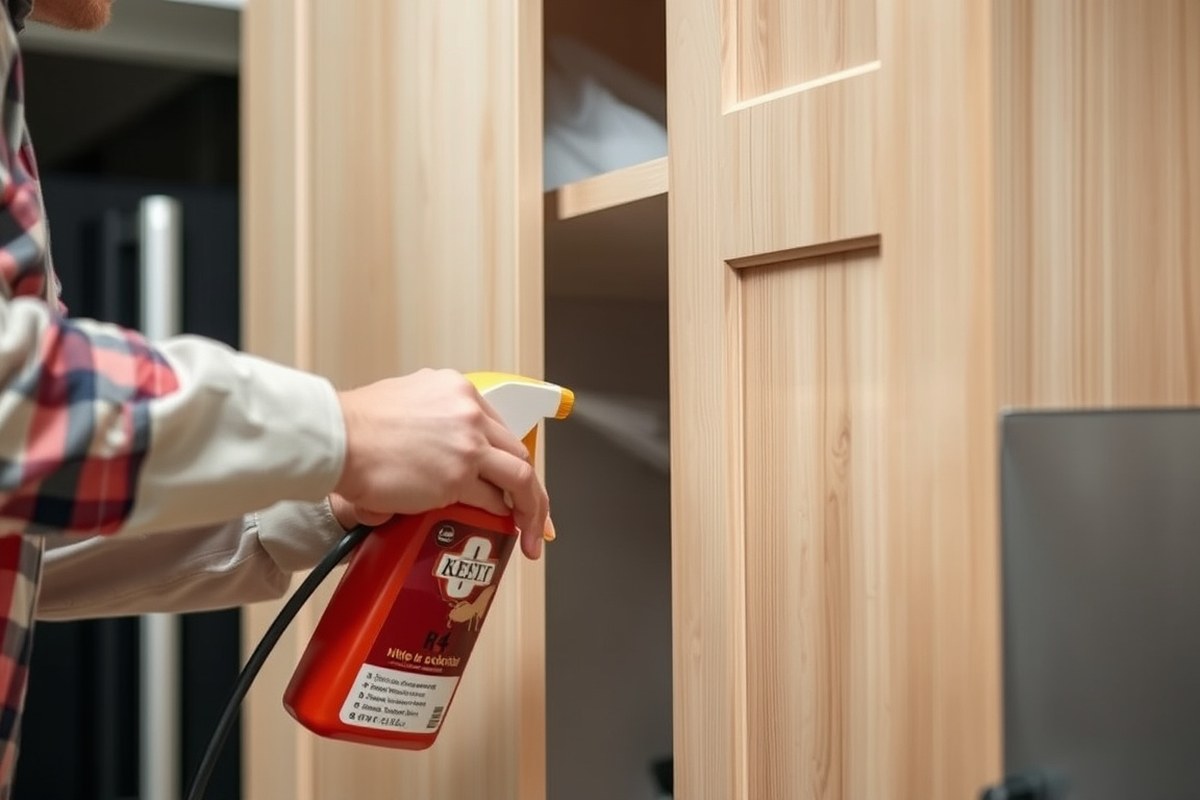
Pest control professionals use a mix of chemical and non-chemical treatments to get rid of silverfish. Treatments vary by infestation level, location, and homeowner preferences, especially where toxicity is a concern. Understanding each treatment’s how and why helps you choose an approach that fits your home and safety needs.
Chemical Insecticides and Sprays
Pro pest controllers often apply chemical insecticides targeted at silverfish, primarily in cracks, baseboards, and dark, damp spaces where silverfish live. These insecticides usually contain ingredients like pyrethroids or silica-based dusts. Pyrethroids disrupt the insects’ nervous system, causing paralysis and death within hours.
Sprays with residual effects remain active on surfaces for several weeks, preventing new silverfish from establishing themselves. Professionals use a precise application technique, avoiding overuse that risks human exposure and resistance. Costs for chemical treatments depend on the product used and infestation size but typically range from $100 to $300 per application.
Chemical sprays work well for severe infestations but may not be preferable for households with pets or small children. Long-term effectiveness depends on follow-up treatments and sealing entry points to stop reinfestation.
Non-Toxic Baiting and Trapping Options
Non-toxic methods include bait stations and glue traps, which help reduce silverfish populations without chemicals. Baits contain attractants mixed with substances like boric acid, which acts as a stomach poison to silverfish. Silverfish consume the bait and die gradually, reducing their numbers over weeks.
Glue traps capture silverfish physically and allow monitoring of infestation levels. Professionals place traps along walls, cupboards, and other silverfish pathways, checking them regularly to adjust treatment plans based on catch rates. Baiting and trapping cost less upfront, often around $20 to $50 per set, but deliver slower results and work best in combination with other methods.
These options suit homes sensitive to chemicals or those aiming for ongoing monitoring. However, traps won’t eliminate the source, addressing moisture and food residues is also necessary to starve silverfish out.
Natural Repellents and Integrated Pest Management
Some pest control experts incorporate natural repellents like cedar oil, neem oil, or diatomaceous earth in integrated pest management (IPM) plans. These reduce silverfish activity by creating an unfavorable environment. For example, diatomaceous earth works by damaging the insects’ exoskeletons, leading to dehydration.
Natural repellents do not kill instantly but help keep silverfish away when applied regularly to likely harborage sites. IPM combines environmental controls (reducing humidity), good sanitation, sealing cracks, and selective use of treatments to minimize chemical reliance.
While natural repellents are less hazardous, their effectiveness varies, and many pros use them alongside other methods. Purely relying on natural options may not suffice for heavy infestations but can support long-term maintenance. The table below compares these common silverfish treatments based on key factors to consider.
| Treatment Method | How It Works | Pros | Cons | Cost Range | Effectiveness |
|---|---|---|---|---|---|
| Chemical Sprays | Neurotoxic action with residual effect | Fast kill; lasting effects | Potential toxicity; requires professional application | $100, $300 per treatment | High in severe cases |
| Non-toxic Bait and Traps | Physical capture and ingestion of poison | Low toxicity; monitoring tool | Slow kill; not a standalone solution | $20, $50 per set | Moderate; best combined |
| Natural Repellents (e.g., diatomaceous earth) | Creates hostile environment, physical damage | Non-toxic; safe around pets | Variable results; repeated application needed | $10, $40 per application | Low to moderate |
Applying chemical treatments precisely at silverfish hiding spots reduces risk to humans and pets while maximizing impact.
Choosing the right treatment depends on your home’s conditions and safety priorities. Professionals often blend methods for best results, using chemicals for immediate knockdown and non-toxic or natural options for maintenance and prevention. Keep in mind that treatment alone is rarely enough; controlling moisture and sealing crevices plays a key role in lasting silverfish control.
How Long Does Professional Silverfish Treatment Take and What to Expect?
Professional silverfish treatment typically takes one to two hours per visit, with two to three visits spaced out over several weeks. The length and number of visits depend on the infestation severity, the treatment method used, and the property size. During visits, technicians inspect, apply treatments, and advise on preparation and follow-up measures.
Initial Inspection and Assessment
The first visit focuses on thoroughly inspecting your home to locate silverfish hotspots and assess the infestation level. Technicians check damp areas like bathrooms, basements, and kitchens since silverfish thrive in moisture. This inspection directs where treatments should be concentrated and identifies conditions that may be encouraging silverfish.
This phase usually takes 30 minutes to an hour, depending on the property’s size and complexity. Clear communication about visible signs of silverfish and any recent changes in your home’s environment is important. The technician will explain the treatment plan, timeline, and any necessary homeowner preparations.
Treatment Application Procedures
Treatment sessions typically last between 1 and 2 hours. During this time, the technician applies insecticides or alternative control methods in targeted areas such as baseboards, cracks, crevices, and damp corners. The method may involve sprays, dusts, or baits selected for silverfish control based on the inspection findings.
Homeowners should expect the technician to ask you to vacate treated rooms for at least 2 to 4 hours to allow products to settle and dry. Proper ventilation might be recommended after treatment. Before the visit, you should clear clutter, vacuum floors, empty cabinets, and remove food or utensils from treatment zones to improve the product’s effectiveness. Here’s a checklist you can follow before the treatment day:
- Vacuum floors and furniture in affected rooms to remove silverfish, eggs, and debris.
- Remove food, dishes, and utensils from cabinets and countertops.
- Clear areas around baseboards, closets, and sinks to allow technician access.
- Fix leaking pipes or damp areas if possible before treatment to reduce moisture.
- Notify the technician about sensitive areas or allergies to chemicals.
- Arrange to be away or limit activity in treated areas during application and drying.
Follow-Up Visits and Monitoring
Multiple visits over 2 to 6 weeks are common because silverfish eggs hatch after the initial treatment, requiring retreatment for newly emerged insects. Follow-up visits also let the technician evaluate if the infestation is shrinking and adjust treatments if necessary.
After the first treatment, expect technicians to inspect the previously treated areas and apply additional treatments in any spots where silverfish activity persists. Success depends on consistent follow-up combined with homeowner efforts to reduce moisture and clutter, which can attract silverfish back.
Regular monitoring includes examining traps and inspecting humid areas. Some treatments include setting up bait stations that technicians check and replenish. Effective communication with your pest control provider about ongoing conditions can help improve results and determine if further visits are needed.
Preparing Your Home for Silverfish Pest Control Services
Preparing your home properly before a silverfish treatment helps ensure the pest control is effective and safe. This includes cleaning key areas, protecting items that could be damaged or contaminated, and taking safety measures so you and your family avoid risks during the process.
Decluttering and Cleaning Vulnerable Areas
Silverfish thrive in dark, moist, and cluttered spaces, so clearing these areas improves treatment results. Before your pest control visit, remove piles of newspapers, magazines, cardboard boxes, and old clothes from basements, closets, and bathrooms. This reduces hiding spots and allows treatments to reach all surfaces silverfish frequent.
Also, vacuum floors, baseboards, and corners thoroughly to remove debris, eggs, and live insects. Wipe down shelves and storage units with a damp cloth to eliminate dust and food particles. Avoid oily or heavily scented cleaners, which might interfere with pest control chemicals.
Protecting Food, Pets, and Sensitive Items
Silverfish treatments often involve the use of sprays or dusts that can be harmful if ingested or inhaled. Secure all food items by placing them in sealed containers or moving them out of the treated areas. This prevents contamination and accidental exposure.
Pets should be relocated to a safe room or outside during treatment and for the recommended period afterward, usually several hours or as directed on the product label. Remove or cover fish tanks and bird cages to avoid chemical contact. Move or cover sensitive belongings like electronics, books, and fabrics to protect them from dust or spray residue.
- Store food in airtight plastic or glass containers
- Relocate pets and their bedding temporarily
- Cover or move electronics and valuables
- Seal children’s toys and pacifiers in bags
- Avoid storing silverfish-attracting items near treatment zones
- Remove houseplants from treated rooms
This preparation limits health risks and prevents damage to your belongings during application.
Taking Safety Measures During Treatment
Follow your pest control provider’s instructions exactly to maintain safety. This usually means leaving the treated areas for several hours after application to allow chemicals to settle. Avoid touching treated surfaces until advised.
Make sure you and your family wear clothing that prevents direct skin contact with any residual product when returning inside. Ventilate rooms by opening windows and using fans after the recommended waiting period to dissipate any lingering chemicals safely.
Keep a list of the products used, including active ingredients and emergency contacts, in case of accidental exposure. If you have respiratory conditions or chemical sensitivities, inform the technician ahead of time to adjust the approach or take extra precautions.
Preventing Reinfestation and Maintaining a Silverfish-Free Home
Preventing silverfish from coming back after pest control treatment takes more than just the initial chemical or bait application. You have to control humidity, keep your home clean, and fix conditions that attract silverfish. These steps reduce survival areas and food sources that let silverfish rebuild their population.
Humidity and Moisture Management
Silverfish thrive in damp environments. Controlling moisture is key to preventing them from returning. Use a dehumidifier in basements, bathrooms, and kitchens to keep indoor humidity below 50%. Measure humidity with a hygrometer, which costs around $15 to $25 at hardware stores.
Fix any leaks around sinks, pipes, and roofs. Make sure ventilation fans run during and after showers or laundry tasks. In crawl spaces or basements, consider installing vapor barriers to block ground moisture. These measures limit the water silverfish need to survive.
Persistent humidity over 60% can sustain silverfish populations despite other controls.
Proper Storage and Decluttering
Silverfish eat paper, cardboard, and fabrics, so clutter and poor storage invite them back. Store important papers and books in sealed plastic containers or metal cabinets to block access. Avoid cardboard boxes for storage in humid areas or inspect and replace them regularly.
Keep closets, cupboards, and storage areas clean and dry. Remove piles of old newspapers, magazines, or fabric scraps. Reduce clutter that creates dark, tight hiding spots. Regularly vacuum floors, baseboards, and corners to remove crumbs and shed skin that silverfish feed on.
- Use airtight plastic bins for storage instead of cardboard
- Vacuum and dust storage areas monthly
- Discard or recycle old paper piles promptly
- Wash and dry clothes before storing, avoid damp fabric
- Store food in sealed containers, including pet food
- Limit books and papers in damp rooms such as basements
Following these steps makes your home less hospitable, which helps keep silverfish away even if some remain after treatment.
Routine Inspection and Minor Repairs
Regular checks prevent reinfestation by finding small problems before they grow. Inspect basements, attics, and storage spaces monthly for fresh silverfish signs such as droppings or shed skins. Catching infestations early reduces control costs.
Seal cracks and gaps around baseboards, pipes, doors, and windows using caulk or weatherstripping. Silverfish enter through tight openings. Repair damaged window screens and door sweeps to block entry from outside.
Maintain gutters and downspouts to direct rainwater away from your foundation. Persistent damp around your home’s exterior can drive silverfish inside. These maintenance tasks usually take an hour or two every few months and prevent costly reinfestations.
When to Use DIY Methods vs. Calling a Professional for Silverfish Control
You can handle small silverfish problems with DIY methods, but serious infestations call for a professional. Small problems usually involve spotting one or two insects occasionally, especially near damp places like bathrooms or kitchens. Begin with basic steps: reduce moisture with dehumidifiers or fans, clean thoroughly, seal cracks, and use boric acid or silica gel around baseboards. These methods cost between $10 to $30 for supplies and take a few days to show results. When these efforts reduce sightings to near zero, continued vigilance should keep silverfish away.
Count the number of silverfish or find evidence like their scales and droppings to assess if the infestation is more than minor. Frequent sightings several times a week or multiple spots of damage on paper, fabric, or stored food suggest a moderate to heavy infestation. At this point, DIY approaches often fall short because silverfish spread through wall voids and hidden areas. Professional pest control companies have access to stronger insecticides and can conduct thorough inspections to treat infestations in inaccessible spots.
Use this simple decision rule: if silverfish appear fewer than twice per week and damaged material is limited, try DIY first, focusing on moisture control and non-chemical traps. Escalate to professionals if sightings exceed three per week or you find widespread damage and breeding sites. Professionals usually charge $150 to $300 depending on home size and severity, but their treatments reduce silverfish faster, typically in one to two visits. They also advise on preventing reinfestation and can guarantee follow-up services if the problem persists.
DIY methods can fail if you use weak products, miss hiding spots, or do not control humidity well. Silverfish can survive weeks without food, so patience is necessary; expect several weeks for DIY results if the infestation is minor. Professionals often combine sprays, dusts, and baits tailored to your home’s condition. Hiring help matters most when silverfish spread rapidly into walls or attics, or if you have damage to valuable books, documents, or clothing that requires urgent control. Calling a professional early often saves money and damage in the long run, even when initial DIY attempts seem promising.
Common Mistakes in Silverfish Removal and How to Avoid Them
Many people miss key steps when trying to control silverfish, which leads to poor results or reinfestations. Avoiding common errors can improve your chances of success and reduce the need for repeated treatments.
Ignoring Moisture Control
Silverfish thrive in damp environments, so moisture control is essential for effective removal. Simply treating the pests without addressing humidity or water leaks allows them to return quickly. Check crawl spaces, basements, bathrooms, and kitchens for leaks and fix them promptly.
Use dehumidifiers or exhaust fans in humid areas to reduce moisture levels below 50%. Installing weatherstripping on windows and doors will help prevent humid air from entering. If you detect condensation on walls or pipes, add insulation or improve ventilation in those spots. These steps reduce the environment silverfish need to survive and make treatments more effective.
Incomplete or Irregular Treatment
Treating only visible silverfish or a few affected areas often leaves colonies or hidden eggs untouched. Silverfish hide in cracks, behind baseboards, and inside wall voids where pesticides applied superficially can’t reach them. To fix this, thoroughly inspect your home and treat all potential hiding spots.
Apply treatments regularly based on product directions, typically every two to four weeks during an active infestation. Missing scheduled treatments allows eggs to hatch and populations to rebound. Follow instructions for total coverage, including around baseboards, under sinks, behind appliances, and in storage areas. Consistency ensures each life stage is targeted and reduces reinfestation risk.
Using Ineffective Products or Doses
Using the wrong pesticide or applying too little product weakens control efforts. Not all insecticides work equally on silverfish. Some rely on contact poisoning, which requires direct exposure, while others have residual effects that kill pests over time.
Choose products labeled for silverfish and follow dosage instructions exactly. Underdosing reduces effectiveness and may encourage resistance. Overusing pesticides can be unsafe for people and pets without providing better results. When in doubt, ask a pest control professional to recommend products proven against silverfish. Using a combination of sprays, dusts, and baits appropriate for the situation helps increase success.
Failing to Remove Food Sources
Silverfish eat starchy materials like paper, glue, textiles, and food crumbs. Leaving these accessible allows silverfish to persist even after treatments. Regular cleaning and removing clutter cut off their food supply and discourage them from staying.
Keep countertops, shelves, and floors free of crumbs and spilled food. Store pantry items in sealed containers rather than cardboard boxes. Declutter storage areas by discarding old newspapers, magazines, or cardboard that may harbor silverfish. Cleaning routines like vacuuming baseboards and cracks remove eggs and larvae as well.
- Fix leaks and improve ventilation to reduce humidity
- Inspect and treat all potential silverfish hiding spots thoroughly
- Follow pesticide label directions for type and frequency of application
- Use products specifically labeled for silverfish control
- Remove food sources by sealing containers and cleaning surfaces regularly
- Declutter storage areas and dispose of paper-based materials that attract silverfish
- Schedule re-treatment every 2 to 4 weeks during infestations, if needed
Properly addressing these points increases the chance that pest control efforts will last longer. Neglecting any one of them invites repeated silverfish activity and can lead to frustration or wasted money on ineffective methods.
How Seasonality, Climate, and Region Affect Silverfish Infestations and Treatment
Silverfish tend to be more active during warmer and more humid months, leading to seasonal variations in infestations. Pest control methods must adjust to these environmental changes and consider regional climate differences that affect silverfish behavior and population dynamics.
Silverfish Life Cycle and Seasonal Activity
Silverfish go through a gradual life cycle that can last several months to a few years, depending on conditions. They lay eggs year-round in stable indoor environments, but their activity peaks during spring and summer when temperatures rise. Warmer seasons speed up their metabolism and reproduction, often causing more noticeable infestations in those months. Cooler temperatures slow their development and movement, reducing visible activity but not eliminating the population. Pest control timing should target the months right before and during increased activity to interrupt reproduction and reduce infestations effectively.
In climates with mild winters, silverfish can remain active throughout the year, making continuous treatment more important. In contrast, areas with cold winters might see significant silverfish activity mostly from late spring through early fall. Knowing this cycle helps you or your pest control provider schedule inspections and treatments when they have the greatest impact.
Impact of Humidity and Temperature
Silverfish thrive in moist, humid environments with temperatures between 70°F and 80°F. High humidity above 70% supports silverfish survival because they lose moisture through their skin easily. This explains why they prefer bathrooms, basements, and kitchens, where humidity often peaks. Reducing indoor humidity to below 50% can significantly decrease silverfish activity, so using dehumidifiers and fixing leaks are practical non-chemical measures.
In hotter and drier regions, silverfish may be less prevalent indoors if the environment remains dry. Pest control in these areas often focuses on moisture control as a priority in addition to chemical treatments. Conversely, in humid climates such as the Southeast US, pest control involves both chemical and environmental steps to manage the moisture that fosters silverfish populations.
Maintaining indoor humidity under 50% cuts off silverfish survival conditions and should be part of ongoing control efforts.
Regional Pest Control Strategy Differences
Climate and region dictate which silverfish treatments work best. In northern states with cold winters, treatments aim to eliminate indoor populations, as silverfish rarely survive outdoors during winter. Pest control providers there emphasize sealing entry points, reducing indoor humidity, and spot treatments in basements, crawl spaces, and bathrooms.
In warmer southern states, pest control providers often recommend a combination of indoor and outdoor treatments due to year-round silverfish activity. Outdoor control targets damp mulch, leaf litter, and woodpiles near the foundation that serve as breeding sites. Because humidity remains high, treatments include ongoing moisture control and may require more frequent follow-ups.
Cost varies depending on treatment frequency and extent. Northern homeowners typically pay less due to seasonal treatments, while southern climates may need year-round maintenance. Pest control companies often adjust their service plans to match these regional needs, advising customers on the timing and nature of treatments tailored to local conditions.
Step-by-Step Action Plan for Tackling Silverfish with Pest Control
Professional pest control can significantly reduce silverfish but may not completely eliminate them in one treatment. Combining treatment with home preparation and follow-up steps increases your chances of success.
- Before Treatment: Declutter and vacuum your home, focusing on damp areas like basements and bathrooms. Removing food sources and silverfish hiding spots helps make treatments more effective.
- Day of Treatment: Allow the pest control technician to apply targeted treatments such as insecticidal sprays, dusts, or baits. These work by killing silverfish on contact or poisoning those that consume the bait. You’ll know it’s working when you see fewer silverfish activity within a few days.
- First Week After Treatment: Avoid disturbing treated areas and keep them dry. Silverfish are attracted to moisture, so drying out these zones reduces reinfestation chances. Should you still spot silverfish after a week, notify your pest control provider to discuss follow-up treatments.
- Two to Four Weeks Post-Treatment: Monitor silverfish signs such as shed skins or damage to paper and fabrics. A noticeable decrease confirms treatment effectiveness. Consider reducing humidity by using dehumidifiers or fixing leaks to make your home less hospitable.
- Ongoing Prevention: Keep your home dry and clean regularly, especially in kitchens and bathrooms. Seal cracks and crevices bigger than 1/16 inch to block silverfish entry points. Continuous maintenance prevents new infestations and limits the need for repeated pest control visits.
- If You Choose DIY Methods Initially: Boric acid-based powders or sticky traps placed near silverfish hotspots offer some control. DIY treatments work for small infestations but less so in large or hidden populations. Call a professional if you see no improvement after two weeks.
- During Seasonal Changes: Watch for increased silverfish activity in humid seasons or regions, as they thrive in moist conditions. Schedule treatments accordingly, ideally before rainy months, to minimize outbreaks.
Frequently Asked Questions
Can Pest Control Guarantee Complete Removal of Silverfish?
Pest control professionals can significantly reduce silverfish but no method guarantees total elimination due to their hiding spots. Consistent follow-up treatments and proper home maintenance are needed to keep them away long-term.
Do Silverfish Treatments Involve Harmful Chemicals?
Some silverfish treatments use chemicals, but professionals select options safe for indoor use while targeting pests effectively. Follow all safety instructions, and inform technicians about children or pets before treatment.
How Often Should Pest Control Be Scheduled to Prevent Silverfish?
Pest control frequency depends on infestation severity, from quarterly to annually. Regular inspection helps catch reinfestation early, especially in humid areas where silverfish thrive.
Can Pest Control Target Silverfish in Hard-To-Reach Areas?
Yes, trained technicians access cracks, crevices, and behind walls with sprays and dusts that homeowners can’t apply safely or reach. Proper application is key to reach silverfish harborages.
Are There Non-Chemical Options Included in Pest Control for Silverfish?
Pest control often integrates non-chemical methods like dehumidifiers, sealing entry points, and sanitation advice, combining approaches for effective control without heavy reliance on pesticides.
What Should I Ask My Pest Control Provider About Silverfish Treatment?
Ask about the treatment types, duration, number of visits, safety, guarantees, and preventive advice. Clear communication helps set realistic expectations and ensures proper follow-up care.
Final Thoughts
Professional pest control can effectively eliminate silverfish when treatments target their habitats and food sources, combined with thorough home preparation. Scheduling a pest control inspection this week helps identify infestation levels and sets up a tailored treatment plan that usually takes one to two visits over a few weeks. Following your service, focus on reducing humidity and sealing cracks to prevent silverfish from returning, since moisture and entry points are key factors in infestations. Acting now on these steps gives you the best chance to stop silverfish before they multiply and cause further damage.