

How to Get Rid of a Cold Fast: 8 Effective Ways That Actually Work
Getting rid of a cold fast isn’t possible, but you can take steps to feel better sooner and reduce the time you’re sick. Staying hydrated, resting well, and using simple remedies like steam, chicken soup, and the right nutrition can help ease symptoms and support your body’s healing process. Avoid products that promise to end a cold quickly, these often don’t work as advertised.
This guide offers practical tips to help you shorten a cold and ease symptoms promptly. You’ll find effective strategies involving vitamins, home treatments, over-the-counter products, and advice on when to consult a doctor. Fast cold relief begins with straightforward steps you can take at home.
Key Takeaways
- Although you can’t completely eliminate a cold in just one day, using several remedies early on may lessen symptoms and quicken recovery.
- Taking vitamin C, zinc gluconate lozenges, or echinacea within the first 24 hours may significantly shorten your cold duration.
- Hydrate well and get plenty of rest, as fever raises fluid loss and lack of sleep delays your immune response.
- Use humidifiers, saline nasal sprays, and saltwater gargles to relieve congestion and soothe throat discomfort effectively.
- Herbal remedies like echinacea may help, but avoid unproven supplements and focus on evidence-based options for best outcomes.
- Choose over-the-counter cold medicines carefully and follow label instructions to safely manage symptoms without side effects.
1. Can You Really Get Rid of a Cold in 24 Hours?

Getting rid of a cold within 24 hours isn’t realistic because colds typically last 7 to 10 days. Symptoms tend to peak around the second or third day, then slowly improve as your body combats the virus. Starting treatment at the first sign can reduce symptom length and severity. Taking antioxidants such as vitamin C and minerals like zinc during the first 24 hours works best. For instance, vitamin C taken right after symptoms begin may slightly reduce how long and severe they are, and zinc lozenges started early can also help lessen both symptom intensity and duration.
Addressing symptoms early matters because the cold virus replicates quickly, and your immune response ramps up in the first couple of days. Hydrating well and resting enough during that window supports your body’s defense, especially since even a low-grade fever causes fluid loss. Drinking plenty of fluids like water or herbal tea can prevent dehydration, which slows recovery. Avoid late nights and fatigue as lack of sleep impairs immune function and can prolong cold symptoms. Keeping warm also helps you feel better and supports healing, though cold weather itself does not cause colds.
The time of year may influence which remedies feel best or when colds are more common, but it doesn’t change the fundamental need to start treatment early. Cold season tends to increase as temperatures drop because people spend more time indoors, sharing germs. During these months, boosting your vitamin C intake or using elderberry supplements from the first day of symptoms may provide extra relief. Elderberry use by travelers showed a two-day reduction in cold length in one study, signaling some benefit when used promptly. On the other hand, during warmer months, maintaining hydration and rest remains key to quick symptom relief.
For best results, begin your cold treatment at the earliest sign, such as a runny nose or scratchy throat. Take vitamin C supplements in doses of 500, 1000 mg daily and consider zinc lozenges, usually about 9 to 24 mg taken every few hours. Drink at least 8 cups of fluids a day to offset dehydration risks and get 7 to 9 hours of sleep each night. These steps don’t cure the cold immediately but can help you feel better faster and may shave a day or two off your recovery time. Delaying treatment gives the virus a stronger foothold, potentially lengthening illness and symptom severity.
2. When and How to Use Vitamins and Supplements to Shorten a Cold
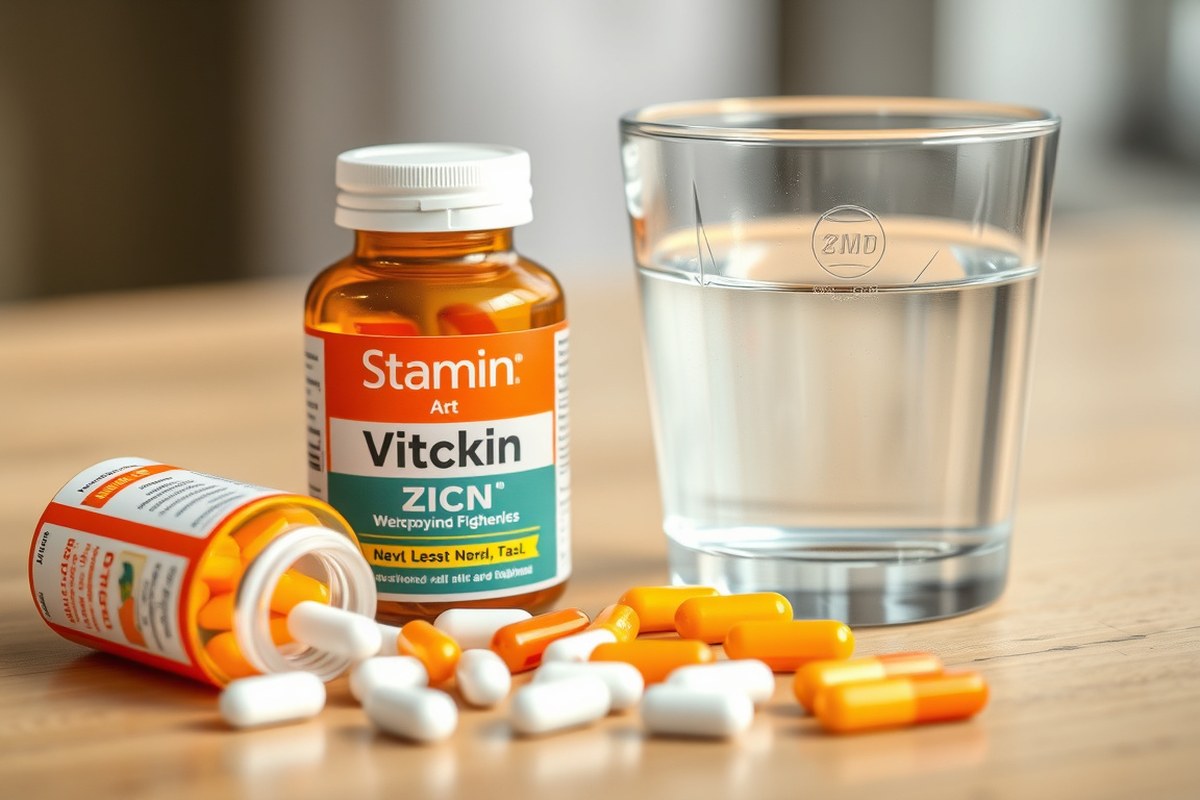
The best vitamins and supplements to shorten a cold include vitamin C and zinc. Starting these supplements early, ideally within the first 24 hours of symptoms, gives the most benefit. Correct dosages and attention to safety help you avoid side effects while improving your chances of faster recovery.
Vitamin C: Benefits, Dosage, and Timing
Vitamin C is widely recognized for supporting the immune system. Taking vitamin C regularly before getting sick can reduce the length of a cold by about half a day, or roughly a 9% decrease in symptom days. Starting supplementation after symptoms begin may also help shorten the cold, though the effect is less certain.
The typical safe upper limit for vitamin C intake is 2,000 mg daily. Some people take higher doses, but this increases the risk of side effects such as stomach upset or diarrhea. A daily dose between 500 mg and 1,000 mg is common for cold support and is generally well tolerated.
To maximize effect, begin vitamin C as soon as you notice cold symptoms, continuing daily until symptoms resolve. Taking vitamin C with food can reduce the chance of stomach irritation.
Zinc Supplementation: Forms, Dosage, and Timing
Zinc is another supplement that may reduce the duration of a cold if used properly. Zinc gluconate lozenges have shown to cut cold length by about four days in some trials. The exact effectiveness can depend on the type of zinc used and timing of supplementation.
Zinc lozenges or syrup should be taken within 24 hours of the first cold symptoms. The total zinc dose per day usually ranges from 75 mg to 150 mg, divided into several lozenges (often every 2-3 hours while awake). Avoid exceeding 150 mg daily to prevent side effects.
| Supplement | Typical Dose | Timing | Effect on Cold Duration |
|---|---|---|---|
| Vitamin C | 500-1000 mg/day | Start before or within 24 hrs of symptoms | May reduce by about 0.5 days |
| Zinc Gluconate Lozenges | 75-150 mg/day | Start within 24 hrs, take every 2-3 hrs | May reduce by up to 4 days |
| Elderberry Supplements | Varies by product | Start at symptom onset | May reduce by 2 days |
Note that elderberry supplements have also demonstrated potential to cut cold duration by about 2 days but should be used cautiously if you are on immunosuppressant drugs.
Safety Considerations and Combining Supplements
Vitamin C and zinc are generally safe when taken at recommended doses. Excess vitamin C over 2,000 mg per day risks diarrhea and gastrointestinal discomfort. Zinc at doses above 150 mg per day can cause nausea and may interfere with absorption of other minerals.
Combining vitamin C and zinc is typically safe and may provide a combined benefit on cold symptom duration. However, watch for any side effects and stop if you experience unpleasant symptoms. People with certain medical conditions or who take medications should talk to a healthcare provider before starting supplements. Avoid taking multiple supplements with overlapping ingredients in very high doses to reduce the risk of toxicity or side effects.
Start zinc lozenges or vitamin C within 24 hours of cold symptoms and follow dosing guidelines carefully to help shorten your cold safely.
3. Hydration and Rest: Foundations for Faster Cold Recovery
Hydration is important when you’re fighting a cold because fluids help loosen mucus and relieve congestion, making it easier to breathe and soothe irritated membranes. Drinking plenty of water is the best choice to stay hydrated. You can also sip warm teas, which may offer additional comfort by easing sore throats and clearing nasal passages. Avoid caffeinated drinks and alcohol since they can dehydrate you, prolong symptoms, and interfere with your sleep.
Juices with vitamin C might help support your immune system, but they should be consumed in moderation due to their high sugar content, which can sometimes worsen inflammation. Plain water is inexpensive and readily available, requiring no special preparation. Aim for about 8 to 10 cups (64, 80 ounces) of fluids daily, but if you have a fever, you might need more to compensate for fluid loss through sweating.
Rest and sleep are essential because they give your immune system the chance to work effectively. When you rest, your body can allocate more resources to fighting the virus. Experts recommend aiming for at least 7 to 9 hours of sleep per night during a cold, and additional naps during the day if you feel tired. Lack of sleep weakens your immune response, making recovery slower and symptoms potentially worse.
Try to create a comfortable environment for rest: dim the lights, keep the room quiet, and avoid screens before bedtime to improve the quality of your sleep. Over-the-counter cold medicines that contain ingredients like diphenhydramine can help you fall asleep but use them as directed and consult your doctor if you have health conditions.
During a fever, your body loses more fluids, increasing the risk of dehydration. You should increase your fluid intake by 1 to 2 cups per day to offset this loss. Signs of dehydration include dark urine, dry mouth, or dizziness. Drinking water and electrolyte solutions can help maintain balance and prevent these issues, ensuring your mucus stays thin and easier to clear.
In situations where drinking water feels difficult due to throat pain or congestion, try consuming warm broths or even sucking on ice chips slowly to maintain some hydration. Keep a water bottle nearby as a reminder to sip regularly throughout the day. This simple habit supports your mucus membranes and overall recovery.
4. How to Use Humidifiers, Nasal Sprays, and Saltwater Gargles for Relief
Humidifiers, saline nasal sprays, and saltwater gargles all help relieve cold symptoms by loosening mucus, reducing inflammation, and soothing irritated tissues. A humidifier adds moisture to dry air, which thins mucus and eases breathing. Saline nasal sprays wash out thick mucus from nasal passages, making it easier to clear congestion. Saltwater gargles reduce throat pain and swelling by drawing out fluids and contaminants from irritated tissues.
Using a Humidifier Safely and Effectively
Humidifiers work by adding moisture to the air, which can ease nasal congestion and help keep your throat from feeling dry or sore. Keeping the air moist helps thin mucus, allowing easier drainage from sinuses and bronchi. Using one can reduce irritation and inflammation of nasal passages during a cold.
To get the best results, set the humidifier in the room where you spend most of your time, such as your bedroom during sleep. Aim for indoor humidity levels between 30% and 50%, which helps avoid excess moisture that may promote mold or dust mites. Clean your humidifier regularly according to the manufacturer’s instructions to prevent bacteria or mold buildup.
How to Make and Use Saline Nasal Spray at Home
Saline nasal sprays help clear thick mucus and soothe inflamed nasal passages by washing away irritants and hydrating the tissues. Using a saline spray several times a day can keep your nasal passages moist and make breathing easier. You can purchase over-the-counter sprays or make your own with saline solution.
To prepare a homemade saline nasal spray, mix 1/4 teaspoon of non-iodized salt with 8 ounces (1 cup) of warm, distilled or previously boiled and cooled water. Stir until the salt dissolves. Use a clean spray bottle or a bulb syringe to apply the saline gently to each nostril. Avoid using tap water that hasn’t been boiled or distilled to prevent infections.
- Wash your hands thoroughly with soap and water.
- Fill a clean spray bottle or bulb syringe with the homemade saline solution.
- Lean over a sink and tilt your head slightly forward and to one side.
- Gently spray or squirt the saline into your upper nostril, breathing through your mouth.
- Allow the solution to drain from the other nostril and blow your nose gently afterward.
- Repeat on the other nostril.
- Clean the equipment after use and store the leftover solution in the refrigerator for up to 24 hours.
Saltwater Gargle Recipe and Proper Technique
Gargling with salt water helps relieve the pain and swelling of a sore throat by drawing out fluid from inflamed tissues and clearing bacteria. Using about 1 teaspoon of salt per 8 ounces (1 cup) of warm water creates an effective saltwater gargle. Warm water is best because it dissolves the salt well and feels soothing.
- Mix 1 teaspoon of salt into 1 cup of warm water until fully dissolved.
- Take a sip of the solution, enough to comfortably gargle.
- Tilt your head back slightly and gargle for 15 to 30 seconds without swallowing.
- Spit out the solution into the sink.
- Repeat the gargle until the cup is empty, about 2 to 3 times.
- Use the saltwater gargle up to 3 or 4 times per day as needed for sore throat relief.
Avoid swallowing the saltwater to prevent upsetting your stomach. If your sore throat persists or worsens, contact a healthcare professional.
5. Herbal and Natural Remedies: What Works and What Doesn’t
Several natural remedies can help ease cold symptoms, but their effectiveness varies. Elderberry and echinacea may shorten cold duration moderately. Honey soothes sore throats and coughs better than many cough syrups. Essential oils offer relief but must be used carefully to avoid irritation or adverse reactions.
Elderberry and Echinacea: Evidence and Usage
Elderberry is a popular remedy backed by some scientific evidence for its ability to support immune response and reduce cold symptoms. Echinacea has also been studied; one older study found it can reduce the length of a cold by about 1.4 days. Both are usually taken as syrups, capsules, or teas and are widely available at pharmacies and health stores.
To use echinacea, start taking it at the first sign of symptoms and continue for up to 10 days. Elderberry syrup dosing typically ranges from 1 tablespoon (15 mL) up to three times daily. These remedies can be moderately priced, usually between $10 and $30 depending on the brand and format.
Though these herbs can help support your immune system, they do not cure colds overnight or replace conventional medications when needed. Watch for allergic reactions, especially if you have ragweed allergies or autoimmune conditions.
Honey for Cough and Throat Soothing
Honey offers antiviral and antibacterial properties that thin mucus and coat the throat, reducing cough reflex and irritation. Studies confirm it can work better than many prescription cough syrups for easing cough symptoms.
Use about 1 to 2 teaspoons of honey as needed, especially before bedtime to soothe coughing and improve sleep. Mixing raw honey into warm water, herbal teas like ginger or chamomile, or lemon juice improve its soothing effects. Avoid giving honey to children under 1 year old due to botulism risks.
Honey is inexpensive and widely accessible, costing just a few dollars for a jar that lasts several weeks. Effective relief is noticeable as reduced coughing fits and less throat soreness within hours after use.
Essential Oils: Benefits and Risks
Essential oils such as eucalyptus, peppermint, frankincense, oregano, and clove are well-known natural cold aids. They can be diffused into the air, applied topically to the chest or throat area, or taken internally with caution (only if labeled safe for ingestion).
Rubbing diluted eucalyptus oil on your chest can help relieve cough by loosening mucus and opening airways, while inhaling vapors provides quick congestion relief. Only use 100 percent organic, therapeutic-grade oils to reduce the risk of skin irritation or toxicity. Avoid direct contact with eyes and sensitive areas, and do not give essential oils internally without professional guidance.
Essential oils are cost-effective, with prices ranging from $10 to $25 for a small bottle. Using them properly can quickly ease nasal and chest congestion and complement other remedies.
| Remedy | Effectiveness | Typical Use | Safety Notes |
|---|---|---|---|
| Elderberry | Supports immune response; reduces cold symptom duration | Syrup or capsules, 1 tbsp up to 3 times daily | May cause allergic reactions; avoid if allergic to related plants |
| Echinacea | May shorten cold by about 1.4 days | Capsules or tea, started at symptom onset for up to 10 days | Not recommended for autoimmune disorders; possible allergies |
| Honey | Soothes cough and sore throat; better than some prescription syrups | 1-2 tsp as needed, mixed in warm liquids | Do not give to children under 1 year |
| Essential Oils (Eucalyptus, Peppermint, etc.) | Relieves congestion, cough, and nasal symptoms | Diffused or diluted topically; inhaled vapors | Use 100% organic, therapeutic grade; avoid ingestion without advice |
Do not apply essential oils directly to skin without diluting them in a carrier oil; this helps prevent irritation or burns.
6. Choosing and Using Over-the-Counter Cold Medicines Safely
Over-the-counter cold medicines won’t cure or shorten your cold, but they can ease symptoms like congestion, cough, headache, and fever. Popular options such as DayQuil SEVERE and NyQuil SEVERE target multiple symptoms including nasal congestion, runny nose, sore throat, and cough. Using these medicines as directed can make you more comfortable while your body fights the virus. Always check the active ingredients to choose one that matches your symptoms.
Children under 4 years old should never be given cough and cold medicines, as these can cause serious side effects. For younger kids, safer alternatives like saline nasal drops or sprays can help relieve congestion, studies show saltwater nose drops may shorten symptom duration from around 8 days to 6. Pregnant women and people with chronic illnesses should consult a healthcare provider before using any OTC cold medicine, as some ingredients could interact with their conditions or medications.
- Read the label carefully and follow dosing instructions precisely
- Do not mix multiple cold medicines that contain the same active ingredients to avoid overdose
- Avoid giving OTC cold medicines to children under 4 years old
- For children ages 4 to 12, use age-appropriate formulations and dosages
- Check with a doctor before using cold medicines if you are pregnant, breastfeeding, or have chronic health conditions
- Do not exceed the recommended daily dose or duration of use (usually no more than 7 days)
- Stop using and seek medical advice if symptoms worsen or new symptoms appear
A common mistake is using OTC cold medicines in hopes of curing the cold quickly or taking multiple products that overlap in ingredients like acetaminophen or decongestants, which can be dangerous. Taking cold medicine right at the first sign of symptoms offers the best symptom relief but won’t reduce how long the cold lasts. You should also avoid using these medicines longer than the package suggests. Using the wrong medicine for your symptoms, such as a cough suppressant when your cough is productive, can sometimes make recovery slower or more uncomfortable.
By carefully selecting a product based on your symptoms, following dosage instructions, and avoiding use in young children or vulnerable groups without medical advice, OTC cold medicines can be a helpful part of your cold care strategy. Remember that the best results come from managing symptoms safely while your immune system clears the virus over several days.
7. What to Eat, Avoid, and How Nutrition Supports Cold Recovery
Eating the right foods during a cold can help support your immune system and speed up recovery. Focus on nutrient-rich foods, especially those high in vitamin C like citrus fruits, bell peppers, and leafy green vegetables. Warm soups and broths not only provide hydration but also ease congestion and supply vitamins and minerals essential for your immune defenses. Including protein sources such as lean meats, eggs, legumes, or dairy helps your body repair tissues and produce immune cells faster. Protein plays a critical role because it supplies amino acids needed to build antibodies and other components of the immune response.
To get enough protein, aim for about 0.8 grams per kilogram of your body weight daily, which is roughly 56 grams for a 150-pound person. Distribute protein intake evenly throughout the day over meals and snacks to support continuous immune activity. If your appetite is low, try easy-to-digest options like yogurt, smoothies with protein powder, or soft scrambled eggs.
Avoid foods high in added sugars, such as soda, sweets, and processed snacks. Excess sugar can impair the function of white blood cells, which are essential for fighting off infections, making it harder for your body to recover. Also, limit consumption of fried or heavily processed foods that may promote inflammation and slow your immune response.
Incorporating honey into your diet can be beneficial due to its antimicrobial properties and ability to soothe a sore throat. Drinking teas with honey or adding it to warm water is a simple way to gain these benefits. Zinc and ginseng supplements have shown some evidence in research to support immune function and may reduce cold duration if taken early, but they are not a substitute for a balanced diet. Here is a quick checklist to guide your eating habits while fighting a cold:
- Eat vitamin C-rich fruits and vegetables daily. Examples include oranges, strawberries, broccoli, and kale.
- Include a good source of protein in every meal and snack. Options: chicken, fish, beans, eggs, or Greek yogurt.
- Drink warm soups or broths regularly. This keeps you hydrated and provides minerals and vitamins.
- Avoid sugary and processed foods. These can weaken your immune system.
- Add honey to tea or warm water to soothe symptoms and support immune defenses.
- Rest your appetite but still aim for balanced nutrition. Small, frequent meals may help.
Following these steps supports your immune system by providing the nutrients it needs to operate efficiently. Neglecting nutrition or eating immune-suppressing foods can prolong cold symptoms and increase your risk of complications. Adjust your food choices based on how you feel, and focus on nourishing your body to recover as quickly as possible.
8. Recognizing When to See a Doctor or Seek Emergency Care
Knowing when to seek medical care for a cold can prevent complications and ensure you get the right treatment. You should see a doctor if your symptoms last more than 10 days or if you develop a fever higher than 101.3°F (38.5°C). High fever can signal an infection that needs more than home treatment. Also, violent vomiting, severe sinus pain, wheezing cough, chest pain, or difficulty breathing require professional evaluation.
Distinguishing a cold from the flu or other more serious illnesses matters because flu symptoms tend to be more severe and last longer. When cold symptoms worsen rapidly or do not improve after about a week, contact your healthcare provider to check for the flu or complications.
Certain groups need extra caution. Children, pregnant women, and people with chronic illnesses like asthma or diabetes should consult a doctor sooner since they face a higher risk of complications. For example, worsening asthma symptoms triggered by a cold should prompt a visit to the doctor without delay.
- Symptoms lasting over 10 days
- Fever exceeding 101.3°F (38.5°C)
- Violent or persistent vomiting
- Severe sinus or chest pain
- Wheezing or difficulty breathing
- Cold symptoms aggravating existing chronic conditions
- No improvement after 7 days, especially with worsening symptoms
Keep a simple checklist at hand to track symptom changes day by day. Note your temperature twice daily and any new or worsening signs, like chest tightness or difficulty breathing. When you check off any item on the list, call your doctor promptly. Emergency care is warranted if you experience unrelenting chest pain, severe shortness of breath, or confusion.
Never ask for antibiotics for a cold; they don’t treat viral infections and can cause harm by promoting antibiotic resistance.
Calling your provider usually involves just a brief phone consultation to describe your symptoms and get personalized advice. An office visit or urgent care might be necessary for physical exams or tests. Costs vary but often are covered by insurance for medically necessary visits. Early evaluation often shortens the duration and severity of complications, avoiding costly emergency care later.
Step-by-Step Action Plan to Get Rid of a Cold Fast
Follow these clear steps to reduce your cold’s severity and shorten its duration while knowing when to get medical help.
- At First Signs: Start taking zinc supplements or vitamin C within 24 hours of symptoms; you should notice less intense symptoms within 1 to 2 days.
- Day 1: Increase your fluid intake, drink water, herbal teas, or broth regularly, and get plenty of rest; effective hydration and rest help you feel less fatigued and ease congestion by Day 2 or 3.
- Day 1 to 3: Use a humidifier in your room and do saltwater gargles several times daily; you’ll find reduced throat soreness and easier breathing as mucus thins.
- Day 2: Start over-the-counter cold medicines for symptom relief like fever, aches, and nasal congestion; if symptoms improve within 48 hours, continue as directed.
- Day 2 to 4: Eat nourishing foods rich in vitamins and avoid alcohol or caffeine to support your immune system; you should notice increased energy and reduced symptoms.
- Throughout: Use herbal remedies like honey or ginger tea for mild relief, but avoid unproven treatments; relief should be mild and not replace other steps.
- Day 5 to 7: Monitor your symptoms closely; if fever lasts more than 3 days, shortness of breath develops, or symptoms worsen instead of improving, contact your healthcare provider promptly.
Frequently Asked Questions
Can Steam Inhalation Help Get Rid of a Cold Faster?
Steam inhalation can ease nasal congestion but doesn’t cure a cold. It temporarily loosens mucus, making breathing easier.
How Long Should You Rest to Recover from a Cold Quicker?
Aim for at least 7 to 9 hours of good sleep per night. Rest supports your immune system in fighting the virus more efficiently.
Does Exercise Help or Slow Down Cold Recovery?
Light exercise might be okay if symptoms are mild, but intense workouts can delay recovery. Listen to your body and rest if needed.
Can Hot Drinks Relieve Cold Symptoms Faster?
Hot drinks soothe sore throats and help clear congestion but won’t eliminate the cold. Herbal teas or warm water with lemon are good options.
Is Zinc Effective If Taken After Cold Symptoms Start?
Zinc may reduce cold duration if taken within 24 hours of symptoms. Use lozenges as directed, but avoid high doses that cause side effects.
Can a Cold Be Prevented by Daily Vitamin C Supplements?
Regular vitamin C might slightly reduce cold length but won’t prevent it entirely. It’s more effective as a daily preventive than as a treatment.
Wrapping Up
Speeding up cold recovery mostly depends on giving your body the right conditions to heal: rest, hydration, and proper nutrition are key. Start by increasing your fluid intake today and make sure to get a good night’s sleep. Paying attention to these basics can set the stage for a shorter, less uncomfortable cold. If symptoms worsen or don’t improve, don’t hesitate to contact a healthcare provider.




3 Comments