How to Get Rid of Poison Ivy Rash: 8 Effective Ways to Relieve Symptoms Fast
To get rid of poison ivy rash quickly, clean your skin and any contaminated items within 30 minutes of exposure, apply corticosteroid cream for 1 to 3 days, and consider natural remedies like neem oil to soothe itching and reduce inflammation. Taking oral antihistamines can also help ease symptoms, and proper hygiene prevents the rash from spreading. Most rashes heal on their own in 1 to 3 weeks, but early care speeds recovery and prevents worsening.
This information is for anyone who has come into contact with poison ivy or suspects they have a rash. You will learn how to recognize symptoms, treat the rash effectively at home, avoid common mistakes, and know when professional medical help becomes necessary. Practical tips for prevention and safe removal of poison ivy are also included to protect you and your family long term.
Key Takeaways
- Wash your skin, clothes, pets, and objects within 30 minutes of poison ivy exposure to reduce rash severity by removing urushiol oil.
- Poison ivy rash signs like red, itchy bumps or blisters usually show up between 12 and 48 hours after you come into contact with the plant.
- Apply 1% hydrocortisone cream or a 3% hydrogen peroxide solution to ease itching and dry the rash in the first few days.
- Take oral antihistamines for itching and consult a doctor about corticosteroids if the rash is severe, widespread, or affects sensitive areas.
- Avoid scratching, using harsh soaps, or delaying cleaning, as these actions can worsen and prolong the poison ivy rash healing process.
- Prevent rash spread by washing contaminated items and pets promptly and keeping rash areas covered to avoid urushiol transfer.
1. How to Prevent and Clean Poison Ivy Oil Immediately
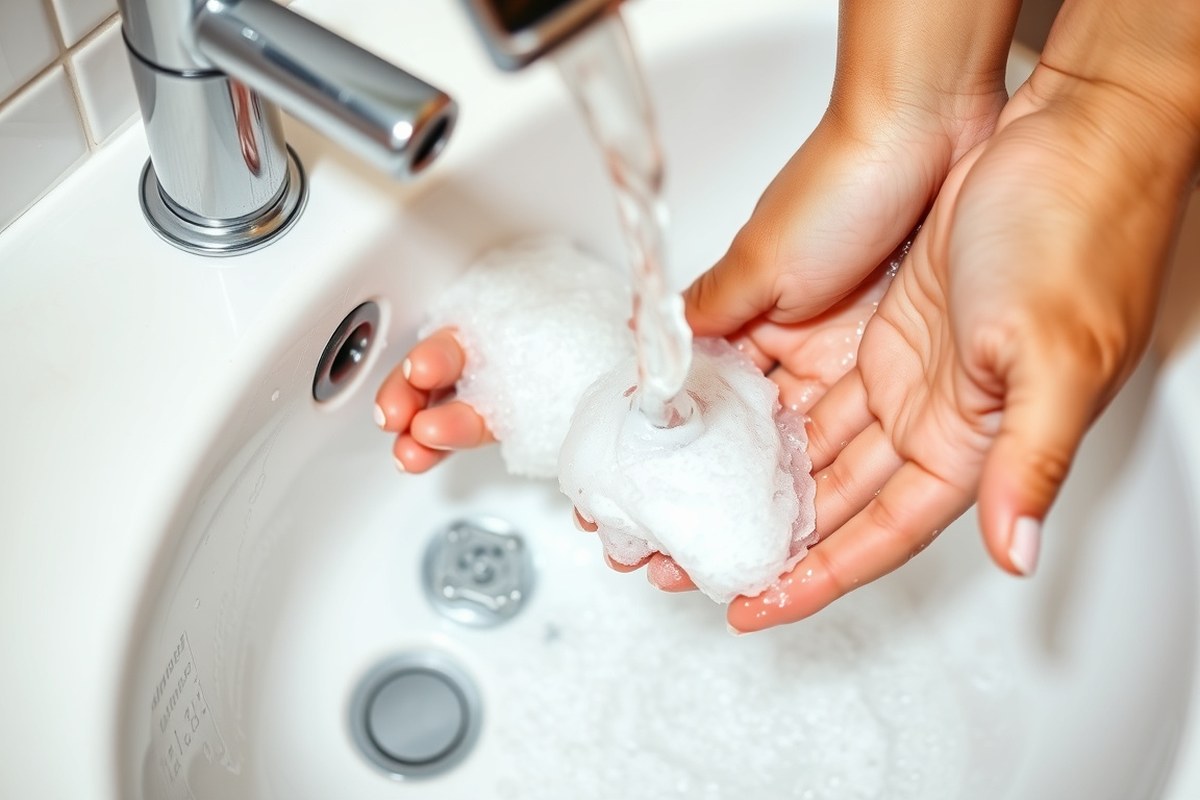
The plant produces an oil called urushiol that attaches to your skin within 5 to 10 minutes after exposure. Cleaning the area quickly is important, as washing off the oil within the first 10 to 15 minutes can remove up to half of it and significantly lower the chance or severity of a rash. Waiting more than 20 minutes raises the likelihood that the oil has been absorbed and will cause irritation.
To effectively clean poison ivy oil off your skin, use lukewarm water and soap. Cold water can slow oil removal, and hot water may irritate the skin more. Avoid scrubbing harshly but wash thoroughly, focusing on all areas that might have touched the plant, including under fingernails. Also, wash any clothes, shoes, or gear that touched poison ivy separately to avoid spreading the oil.
- Remove contaminated clothing immediately. Take off your clothes as soon as possible because urushiol can stick to fabrics and continue to cause a rash.
- Rinse your skin with lukewarm water. Use running water to start rinsing the affected skin gently for at least 5 minutes to help remove the oil before it binds.
- Apply soap and lather thoroughly. Use a gentle soap or specialized poison ivy wash, scrubbing all exposed areas carefully but without irritating the skin. This step is important for breaking down and lifting off the urushiol.
- Rinse off all soap completely. Make sure no soap or residue remains on your skin, as leftover chemicals can cause more irritation.
- Wash your hands and under your nails. Urushiol can linger here and spread to your face or other body parts, so clean these spots well.
- Clean any gear, pets, or items contacted by poison ivy right away. Wash pets with a pet-safe shampoo, and launder clothes separately using hot water if possible to avoid transferring oil.
- Pat your skin dry gently. Use a soft towel without rubbing hard to avoid breaking the skin barrier, which may make irritation worse.
- Wash again within 15 to 20 minutes if you suspect missed areas. A second wash can help remove lingering oil.
2. Recognizing Poison Ivy Rash: Symptoms and Timeline
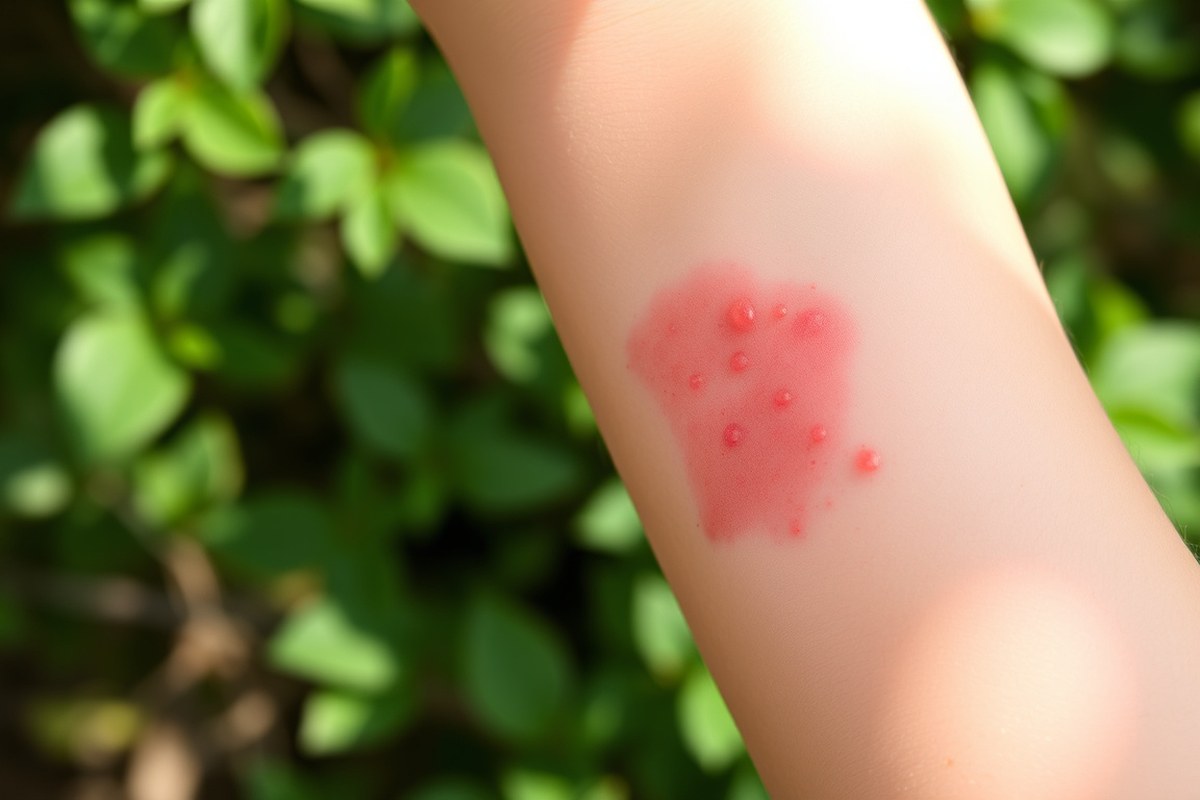
The rash from poison ivy comes from touching urushiol, an oily substance found in poison ivy, poison oak, and poison sumac. This oil triggers an allergic reaction in roughly 85% of people who come into contact with it. Urushiol binds to the skin causing inflammation and rash. During your first exposure, you might not see any symptoms right away because sensitivity usually develops after the initial contact.
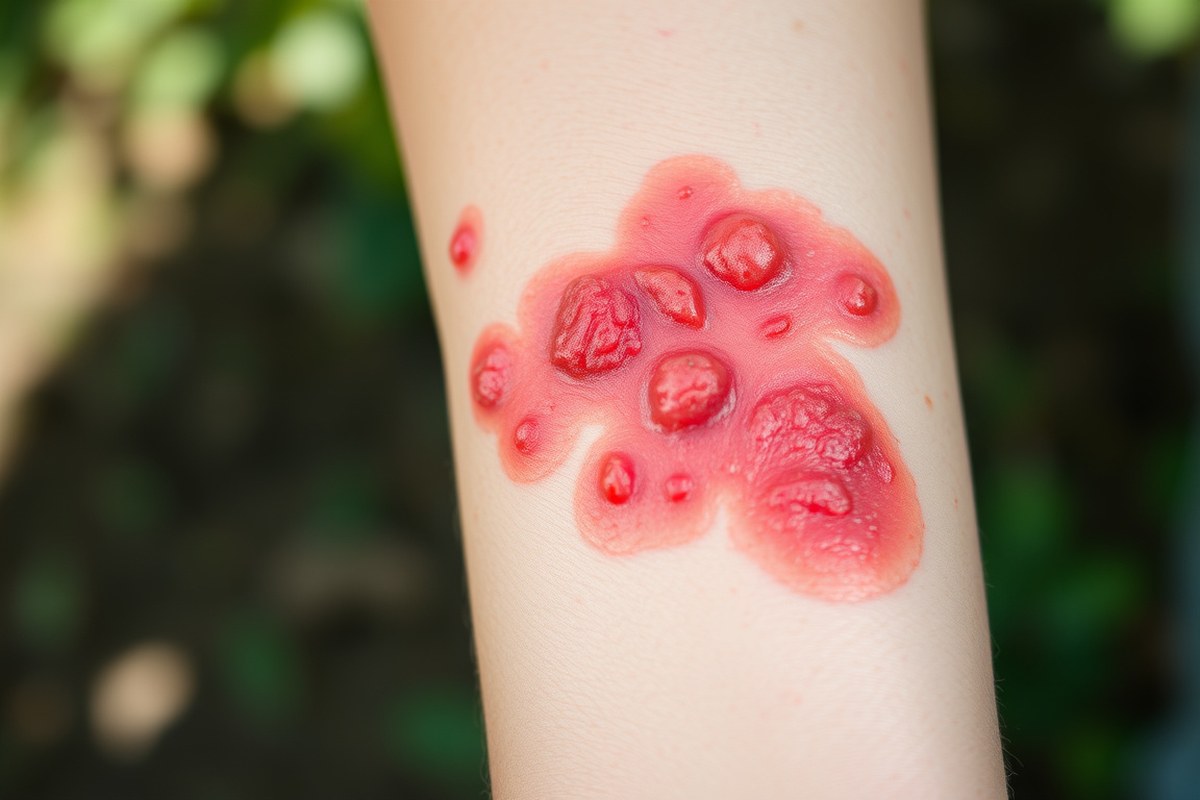
According to the American Academy of Dermatology, symptoms often develop 2 to 3 weeks after the first urushiol exposure. Once your skin is sensitive, later contacts typically cause symptoms within 12 to 48 hours. The rash often begins as red, itchy lines or patches where the plant touched your skin, sometimes appearing as straight lines. Early signs can include swelling and small raised bumps.
The rash progresses through several stages. Initially, there is redness and itching. Within a few days, small blisters may form, which can leak a clear fluid but do not contain urushiol and therefore are not contagious. These blisters can be painful or intensely itchy and might break open. The rash tends to spread only if urushiol has not been washed off thoroughly from your body or clothes. It’s a common misconception that the rash will spread by touching other parts of your body or other people.
Most poison ivy rashes last 2 to 3 weeks and then gradually clear up on their own. The duration depends on how much urushiol got on your skin, your sensitivity, and how quickly you begin washing the oil off after exposure. Severe or widespread rashes, especially those on the face, eyes, mouth, or genitals, or covering more than 10% of the body, often require medical treatment such as oral corticosteroids prescribed by a doctor.
Rashes from other causes, like eczema, insect bites, or viral infections, might look similar but usually have different timelines or triggers. Poison ivy rash’s hallmark is the linear pattern and intense itching following skin contact with the plant’s oil. Unlike poison ivy, some rashes may be contagious or associated with fever or other systemic symptoms, which poison ivy rash does not cause.
Wash your skin and clothes immediately after suspecting poison ivy contact; urushiol can stick to fabric and hair and cause new rashes long after contact.
3. Best Home Remedies to Relieve Poison Ivy Rash Symptoms
To calm the itching and inflammation of a poison ivy rash at home, use cool compresses, oatmeal baths, calamine lotion, or hydrocortisone cream. These remedies help soothe the skin and reduce discomfort without needing prescription treatments immediately. Below is a detailed look at how each option works and when to try them.
Cold and Cool Compress Benefits
Applying a cold or cool compress slows blood flow to the rash area, which reduces inflammation and relieves the itching. Soak a clean cloth in cool water (not ice-cold) and place it gently on the rash for 15 to 20 minutes. Repeat several times a day to maintain relief.
Cool compresses also help dry up blisters and reduce swelling. Avoid using ice directly on the skin because it might cause further irritation or frostbite. You can continue applying a cool, damp washcloth throughout the day as needed to manage discomfort.
Effective Over-the-Counter Creams
Calamine lotion and hydrocortisone cream are common over-the-counter treatments to ease poison ivy rash symptoms. Hydrocortisone cream, typically 1% strength, helps reduce inflammation and itching by calming your immune system’s response. Apply a thin layer up to three times daily on the affected skin after washing and drying gently.
Calamine lotion works well once blisters have formed. It helps dry out the rash and soothes itching. Apply it several times a day with a cotton ball or clean finger. Avoid heavy layering, which can prevent the rash from drying properly. Both products usually cost between $5 and $12 per container and are available at most drugstores.
| Remedy | Use | How to Apply | Best For |
|---|---|---|---|
| Cool Compress | Reduce itching and inflammation | Apply damp cloth for 15, 20 minutes, repeat several times daily | Immediate itch relief, swelling reduction |
| Hydrocortisone Cream (1%) | Calm immune response and itching | Thin layer, up to 3 times daily on rash | Mild to moderate localized rash |
| Calamine Lotion | Dry and soothe rash after blistering | Apply 2, 3 times daily gently | Itchy blisters and weeping rash |
| Oatmeal Bath | Soothe irritation and itching | Soak 15, 20 minutes in colloidal oatmeal bath | Widespread rash, sensitive skin |
| Apple Cider Vinegar | Natural anti-inflammatory, pain relief | Apply diluted with water on rash | Mild rash, occasional use |
This table summarizes common home treatments so you can choose the right remedy for your rash’s severity and coverage.
Natural Remedies: What Works and What Doesn’t
Oatmeal baths are a proven natural remedy for poison ivy itch. Colloidal oatmeal contains antioxidants and anti-inflammatory compounds that quickly relieve itching and calm inflamed skin. Add about one cup of colloidal oatmeal to a cool bath and soak for 15 to 20 minutes. Avoid hot water, which can worsen itching.
Apple cider vinegar also has natural anti-inflammatory effects that may reduce redness and pain. Dilute it with equal parts water before applying with a cotton ball to avoid skin irritation. Use this remedy sparingly and discontinue if it causes burning.
Other natural options like neem oil or aloe vera may soothe irritation but lack strong evidence specifically for poison ivy rash. Baking soda mixed with water can create a paste to reduce itching temporarily. Avoid harsh or abrasive substances that can break the skin barrier and increase infection risk.
4. When to Take Oral Antihistamines and Other Medications
Oral antihistamines can help ease the itching caused by a poison ivy rash, but non-sedating types like cetirizine (Zyrtec), loratadine (Claritin), or fexofenadine (Allegra) usually don’t work well for this specific reaction. Taking a sedating antihistamine, such as diphenhydramine (Benadryl), at bedtime may improve sleep by reducing nighttime itching. Use the dosage instructions on the package, typically 25 to 50 mg every 6 to 8 hours for adults, but avoid daytime use if drowsiness affects your activities.
Prescription medications become necessary when the rash is severe or affects sensitive areas like the face or genitals. Oral corticosteroids are often prescribed to reduce inflammation and speed healing. A typical course might last 14 to 21 days, starting with higher doses and tapering off to prevent rebound symptoms. Avoid short courses, as stopping steroids too early can cause the rash to flare. Injectable steroids may be used for extreme cases but require evaluation by a healthcare provider.
Recognizing severe symptoms is critical. Should the rash spread over large areas of your body, cause intense swelling, or lead to difficulty breathing, immediate medical care is required. Complex reactions sometimes trigger infections or systemic problems, increasing health risks. In these cases, over-the-counter treatments won’t suffice, and timely medical attention can prevent complications.
For milder rashes, over-the-counter hydrocortisone creams can provide relief, but remember to use only a small amount on the affected skin and limit use to about one week to avoid side effects. No improvement within 7 to 10 days or worsening of the rash means you need to seek medical advice to discuss prescription options.
Before starting any medication, check with your doctor or pharmacist, especially if you have other health conditions or take other drugs. Steroids and some antihistamines can have side effects or interact with medications you already use. Cost varies widely: generic oral corticosteroids typically cost less than $20 for a short course, while prescription creams may be more expensive depending on your insurance coverage.
Here’s a simple decision rule for using oral medications: try over-the-counter treatments first for mild rash and itching; add sedating antihistamines at night if itching disrupts sleep; consult a healthcare provider if the rash affects sensitive areas, covers a large portion of your body, or shows signs of severe reaction like swelling or difficulty breathing. Follow prescribed medication schedules carefully and complete any steroid course as directed to ensure the rash heals fully.
5. Common Mistakes That Prolong or Worsen Poison Ivy Rash
Scratching a poison ivy rash is a common reaction but one that significantly worsens the situation. Scratching breaks the skin, increasing the risk of infection and prolonging healing time. Keep fingernails trimmed short and consider wearing gloves at night to reduce damage from unconscious scratching.
Using harsh substances like bleach directly on the skin is a serious mistake. Even though bleach has disinfecting and drying properties, it can irritate sensitive skin, cause burns, and worsen the rash. Similarly, hydrogen peroxide might help disinfect cuts but is not the best choice for broad poison ivy rash treatment because it can dry and damage the skin further. Instead, focus on gentle cleaning with lukewarm soapy water within an hour of exposure to remove urushiol oil.
Improper washing techniques also contribute to rash severity. Rinsing only once or using cold water can leave urushiol on the skin, increasing rash intensity. Use lukewarm water and mild soap, washing thoroughly but gently to avoid aggravating skin while removing irritants completely. Rewash contaminated clothing separately to prevent re-exposure.
- Avoid scratching; keep nails trimmed and wear gloves if needed.
- Do not apply bleach or strong chemicals directly to the rash.
- Do not use hydrogen peroxide for the entire rash, only for minor cuts.
- Wash exposed areas promptly with lukewarm, soapy water.
- Avoid hot water and harsh soaps that can dry and irritate skin.
- Wash contaminated clothes and gear separately from other laundry.
- Refrain from picking at blisters to prevent infections.
Scratching your poison ivy rash can open wounds, increasing infection risk and delaying recovery, keep your hands busy with a cold pack or moisturizer instead.
Other home remedies marketed as cures can do more harm than good. Avoid bleach baths or direct bleach applications, which burn sensitive skin and can cause allergic reactions. Using hydrogen peroxide repeatedly or on large rash areas may irritate the skin rather than provide relief. Proper washing within an hour and applying proven soothing treatments like calamine lotion prevent worsening symptoms without unnecessary skin damage.
6. Preventing Rash Spread and Handling Pets and Contaminated Items
Poison ivy rash itself won’t spread once it’s on your skin because the rash is a reaction to urushiol oil, not an infection. However, the oil can linger on clothing, pets, and household items and cause new rashes if it contacts your skin again. Pets often carry urushiol on their fur without getting a rash, which means they can transfer the oil to you or others unknowingly. Protecting yourself and your family means cleaning everything that touched the plant and limiting any contact that can spread the oil.
To avoid spreading urushiol oil, always wear gloves, long sleeves, long pants, and closed shoes when near poison ivy. After exposure, clean contaminated items separately to prevent the oil from lingering in your home. Pets should be washed carefully with pet-safe shampoo when you suspect they contacted poison ivy, and children should be supervised to avoid touching contaminated objects or pets until everything is cleaned.
- Remove contaminated clothing carefully. Take off all clothes that might have touched poison ivy without rubbing them on clean skin. Place them in a plastic bag so the oil doesn’t spread to other laundry.
- Wash contaminated clothes and shoes separately. Use hot water and a heavy-duty laundry detergent. Wash them alone or with other items you can easily clean. Avoid dry cleaning if possible, because the solvents used might not remove urushiol effectively.
- Clean pets thoroughly. Bathe your pet with a pet-safe shampoo as soon as possible when you think they contacted poison ivy. Use gloves during washing, and avoid letting the pet lick you before the bath.
- Wash your skin immediately. Use lukewarm water and mild soap to scrub exposed skin within 30 minutes of contact. This helps remove urushiol before the rash develops or spreads further.
- Disinfect household items. Wipe doorknobs, tools, and gardening equipment with rubbing alcohol or a solution of detergent and water. Urushiol can stick to these surfaces for days and cause a rash.
- Trim and clean under your fingernails. Urushiol can collect under nails and spread during scratching. Use a nail brush to scrub under your nails while washing your hands.
- Avoid scratching the rash. Scratching can break the skin, encouraging secondary infections and spreading urushiol to new spots on your body.
These steps usually prevent further spread of the rash and reduce the risk of new outbreaks from lingering urushiol oil. Continuing to clean and avoiding contact limits the chance of new rashes from the original exposure. Appearance of a rash on a pet may require consulting a veterinarian because they might need treatment, although most pets don’t react strongly to poison ivy oil. Following these steps carefully is key to controlling the rash and stopping cross-contamination in your home.
7. Knowing When to Seek Medical Help for Poison Ivy Rash
You should seek medical help for a poison ivy rash if symptoms worsen, spread widely, or show signs of infection. Minor rashes usually heal with home care, but persistent, painful, or severe reactions may require prescription treatment. Knowing when to get professional care can prevent complications.
Red Flags for Immediate Medical Care
Look for intense swelling or blistering that covers a large area of your body. Trouble breathing, dizziness, or swelling of your face or throat are emergencies needing urgent care. Signs of infection include increasing pain, warmth, red streaks spreading from the rash, pus, or swollen lymph nodes. Noticing any of these, especially pus or discoloration beyond redness, means you should consult a healthcare provider right away. Scratching can break skin and raise infection risk, so watch for these changes closely.
Rashes that persist beyond three weeks without improvement or worsen despite home remedies also warrant medical assessment. People with weakened immune systems, widespread rashes, or rashes on sensitive areas like the face or genitals should not delay care. Early medical intervention can help you avoid more serious problems and may include antibiotics or prescription-strength treatments.
Decision Guide: Self-Treat or See a Doctor
For most mild poison ivy rashes, you can manage symptoms at home using cool baths and over-the-counter remedies. When itching remains tolerable, no blisters spread, and there is no severe redness or swelling, watchful waiting is reasonable. Use home care for up to one or two weeks, noting if symptoms improve.
Seek professional care if the rash grows rapidly beyond an area of a few inches, pain intensifies, or blisters burst and leak fluid. When oral antihistamines and topical treatments do not reduce itching or inflammation, a prescription may be necessary. When unsure, virtual healthcare options can provide same-day advice and treatment, often at costs under $100, avoiding emergency room visits.
A straightforward decision approach starts with asking whether the rash is accompanied by fever or feeling unwell. Persistent fever or systemic symptoms increase urgency for medical consultation. This stepwise thinking helps you decide promptly and avoid delaying treatment in potentially serious cases.
What to Tell Your Healthcare Provider
Describe when you first noticed the rash and any known exposure to poison ivy. Use clear terms like: “The rash appeared five days ago, starting on my forearm with red, itchy bumps that have spread to my chest.” Mention if you have tried any treatments such as cool baths, OTC creams, or pills, and say whether symptoms improved or got worse.
Explain any new or alarming symptoms, like “The blisters are oozing a yellow fluid,” or “I have red streaks running from the rash toward my armpit.” Let your provider know about any swelling or pain severity changes. Sharing information about other health conditions or medications you take will help determine safe treatment options.
Be prepared to answer questions about your history with poison ivy or other allergies. Reporting all details helps your provider decide if prescription corticosteroids, antibiotics, or other interventions are needed. Clear communication ensures you receive timely and appropriate care to recover fully.
8. Practical Tips for Removing Poison Ivy and Long-Term Prevention
Removing poison ivy safely and preventing future rashes involves careful plant management, using barrier creams before exposure, and adjusting habits throughout the seasons. Knowing effective ways to identify and handle poison ivy in your yard can greatly reduce the risk of contact. Seasonal strategies and protective clothing also play an important role in avoiding the rash and limiting exposure to urushiol oil.
Using Barrier Creams for Prevention
Barrier creams like IvyBlock can help prevent a rash by blocking urushiol from binding to your skin. IvyBlock contains quaternion-18 bentonite, a substance that bonds with the urushiol oil, and studies show it is about 68 percent effective when applied before any contact. You need to apply the cream thoroughly over exposed skin at least 15 minutes before entering an area where poison ivy grows. Reapplying after sweating or swimming is necessary to maintain protection throughout your time outdoors.
Keep in mind that these creams are not foolproof and should be part of a complete prevention strategy that includes physical barriers like clothing. Since no cream blocks 100 percent of urushiol, washing your skin with soap and cold water immediately after exposure remains essential to reduce the chance of developing a rash.
Safe Poison Ivy Removal Methods
Removing poison ivy plants from your yard requires caution to avoid spreading the urushiol oil. Start by wearing protective clothing, long sleeves, long pants, gloves, and eye protection, to prevent skin contact. Use tools like clippers or pruners to cut the plants at the base without pulling them, which can release urushiol into the air. Dispose of the plants carefully in plastic bags; never burn poison ivy, as smoke can carry the oil and cause severe lung irritation.
After removal, wash your gloves and tools with soap and hot water. Clean your clothing separately and wash your skin immediately with cold water and dish soap or specialized poison ivy cleansers. Remember, urushiol can remain active on surfaces like clothing, pet fur, and gardening tools for days or even weeks, so thorough cleaning is critical to prevent repeated exposure.
Never burn poison ivy plants; inhaling smoke containing urushiol oil can cause dangerous respiratory reactions.
Seasonal and Environmental Prevention Tips
Poison ivy grows more actively in spring and summer, so extra caution is needed during these seasons. Wearing long pants, high socks, and sleeves when hiking or gardening decreases skin exposure. Check your yard regularly, especially in early spring, to spot new poison ivy growth before it spreads. Early removal of newly sprouted plants reduces the amount of urushiol present later in the season.
In fall and winter, poison ivy loses its leaves but remains identifiable by its woody vines and the urushiol oil in them. Maintain awareness all year to avoid accidental contact. Keep pets clean since they can carry oil on their fur during outdoor play. Washing your hands and any tools after outdoor activities will help reduce the chances of a rash from lingering oils on surfaces.
Step-by-Step Action Plan for Managing Poison Ivy Rash
Follow these clear steps to identify, treat, and control poison ivy rash effectively at home while knowing when to get medical help.
- Immediately after exposure: Wash your skin and any clothes that touched poison ivy with cold water and a gentle cleanser to remove oil. You’ll know it worked if no new rash areas develop after washing.
- Within 24 hours: Identify early symptoms like redness, itching, and small blisters. Use cool compresses and apply calamine lotion or hydrocortisone cream to ease discomfort; relief indicates the remedies are effective.
- Day 2 to 5: Take oral antihistamines if itching worsens, following package directions. Improved itching and better sleep show this is helping.
- Ongoing during rash appearance: Avoid scratching and keep rash areas clean and dry to prevent spreading and infection. Success means no new rash spots and reduced swelling.
- Daily: Wash pets or objects that might carry poison ivy oil with pet-safe shampoos or detergents. No new rashes forming from indirect contact confirms this step is working.
- After 1 week: Assess rash healing; if blisters heal and itching decreases, continue home care. Persistent or worsening symptoms signal it’s time to consult a healthcare provider.
- Long-term: Learn to recognize poison ivy and carefully remove it from your yard using gloves and proper tools. Avoiding new exposures confirms your prevention efforts.
Frequently Asked Questions
Can Neem Oil Help Get Rid of Poison Ivy Rash?
Neem oil can help reduce poison ivy rash symptoms early on. It acts as a natural remedy to soothe itching and inflammation, but should be applied carefully to avoid irritation.
How Long Does It Take for a Poison Ivy Rash to Clear Up?
A poison ivy rash usually clears up on its own within 1 to 3 weeks. Using treatments like corticosteroid creams may speed up the healing process and relieve symptoms faster.
Can Corticosteroid Creams Be Used for Poison Ivy Rash?
Yes, corticosteroid creams can be used for 1 to 3 days to treat poison ivy rash. They help reduce inflammation and itching but should be used as directed to avoid side effects.
How Can You Tell If Your Poison Ivy Rash Is Worsening?
Signs your rash is worsening include increased swelling, spreading blisters, or signs of infection like pus. Monitoring these symptoms helps decide if medical care is necessary.
What Is the Recommended Time to Wash After Poison Ivy Exposure?
Washing your skin, pets, and items within 30 minutes of exposure helps reduce rash severity. This removes the plant oil before it causes widespread irritation.
Are There Natural Remedies That Work Overnight on Poison Ivy Rash?
Some natural remedies may help soothe symptoms overnight but won’t fully clear the rash. Cooling baths or oatmeal compresses can ease itching quickly.
The Bottom Line
To treat a poison ivy rash effectively, acting fast to wash off the oil and ongoing care to relieve symptoms are key. Washing your skin and any areas that touched the plant with soap and cool water right after exposure helps reduce the rash’s severity and prevents it from spreading, improving your chances of quicker relief.