How to Get Rid of Muscle Knots: 8 Effective Ways for Fast Relief
To get rid of muscle knots, use a combination of heat or cold therapy, targeted massage, gentle stretching, and proper hydration. Improving your posture and making lifestyle adjustments also help reduce and prevent muscle knots from forming. If knots persist or worsen, professional treatment may be necessary to avoid further injury.
This information is useful for anyone dealing with muscle knots caused by posture, sports, stress, or daily activities. You’ll learn how to identify muscle knots, the best home remedies, when to seek help, and how to avoid common mistakes, so you can find fast relief and maintain muscle comfort.
Key Takeaways
- Muscle knots form from repetitive strain, poor posture, or dehydration that causes muscle fibers to tighten and develop painful trigger points.
- Identify muscle knots by tender, tight lumps in your muscle that may cause sharp pain or limit your range of motion.
- Use heat for 15 to 20 minutes to reduce muscle tension, followed by cold compresses for 10 minutes to control inflammation if newly injured.
- Stay hydrated by drinking water regularly, as your body is about 70% water, and maintain good nutrition to help prevent muscle knots.
- Improve posture by keeping elbows bent at 90 degrees, shoulders relaxed, wrists neutral, and use lumbar support to reduce muscle strain.
- Seek professional treatment if muscle knots persist or worsen, allowing 60 to 90 minutes for initial assessments and personalized care plans.
1. What Are Muscle Knots and Why Do They Form?
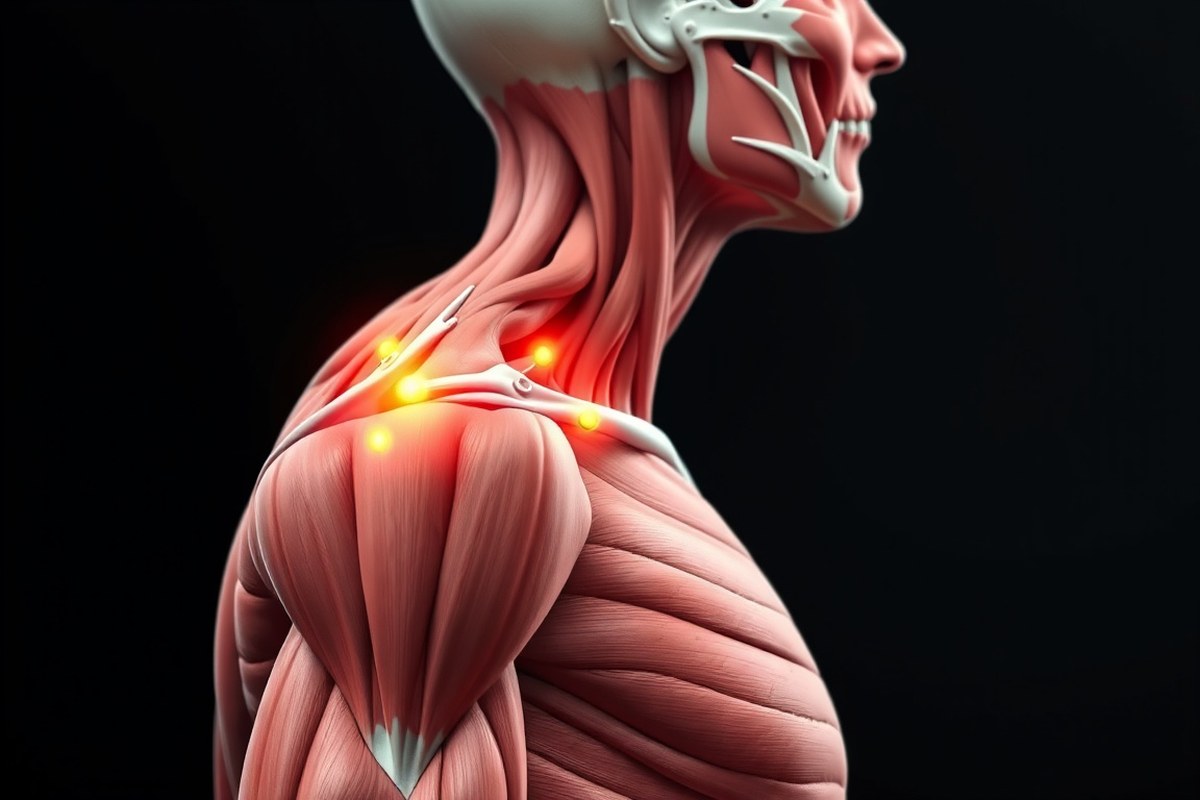
Muscle knots, medically known as myofascial trigger points, are small, tight areas within muscle fibers that result in localized pain and discomfort. These knots happen when muscle fibers tense up and stay contracted involuntarily, creating a palpable bump or nodule under the skin. The sustained contraction disrupts the natural relaxation cycle of the muscle, which can cause both sharp pain at the site and referred pain in other areas.
These knots form mainly because certain muscle fibers repeatedly contract without enough rest. Overuse of muscles during exercise, especially without proper recovery, is a common cause. People who spend long hours sitting at a desk, often with poor posture, frequently develop muscle knots, particularly in the upper back and neck regions. Stress and anxiety can also contribute by increasing overall muscle tension and preventing proper muscle relaxation. Another factor is dehydration, which reduces the fluid balance in muscle tissue and can make muscles more prone to tightness and spasms.
Muscle knots typically develop where muscles are under the most strain. The neck, shoulders, upper back, and lower back are the most common areas affected due to constant use, tension, or poor posture. These areas experience repetitive strain or poor circulation, which encourages the muscle fibers to stay contracted. However, muscle knots can occur anywhere in the body, including in the larger muscles of the legs and arms, especially after intense or repetitive workouts.
Understanding the nature of muscle knots is essential for managing them effectively. They are not usually a sign of permanent damage but rather an indication that some muscle fibers are stuck in overdrive. Early treatment and adjustments in habits such as hydration, posture, and stress management can help reduce muscle knots and prevent recurrence. Though the exact biological process behind them is not fully understood, recognizing their causes can help you take steps that reduce discomfort and improve muscle function.
2. How to Identify Muscle Knots and Understand Their Symptoms

Muscle knots typically feel like small, firm bumps or tight bands within a muscle. You can usually detect them by touch; pressing on these knots often causes localized pain or discomfort. Unlike regular muscle tightness, these knots remain tender even when you are at rest and may feel distinctly different from the surrounding muscle tissue. Not every muscle knot causes pain all the time, but they often become painful when you move the affected muscle or press on the knot itself.
These knots can cause more than just direct pain. The pain may radiate to nearby areas, causing aching or stiffness in surrounding muscles, joints, or tissues. For example, a knot in the neck muscles may cause headaches or pain that spreads to the shoulder. This radiation of pain is due to nerve irritation around the knot, amplifying the discomfort beyond the immediate spot. It’s common that activities such as prolonged sitting, repetitive motions, or sudden muscle strain worsen both the knot and the related pain.
Muscle knots differ from muscle cramps or spasms in their nature and how they feel. Muscle cramps usually happen suddenly and cause sharp, intense pain due to involuntary muscle contractions. These spasms often resolve quickly with stretching or rest. Knots, in contrast, are more like persistent tight spots or nodules that may build up pain gradually and stay tender over a longer period. Spasms tend to lock the entire muscle briefly, while knots are localized areas of tightness within the muscle.
To identify a muscle knot yourself, palpate the muscle gently and look for small hard lumps or tight bands. Pressing on these areas should cause a distinct soreness or referred pain, meaning you might feel pain in a nearby region rather than directly under your finger. The muscle surrounding the knot may also feel stiff or limited in range of motion. Muscle knots can develop anywhere but often occur where muscles endure prolonged tension, such as the neck, shoulders, or calves.
Apply gentle pressure on tight, tender spots in your muscle to pinpoint knots, but avoid deep or forceful pressing that could increase inflammation or pain.
Ignoring persistent muscle knots can lead to chronic pain and restricted movement. Over time, untreated knots may cause compensatory strain in other muscles, leading to secondary discomfort or injury. Recognizing these symptoms early helps guide appropriate self-care or professional treatment to relieve symptoms and prevent worsening of the condition.
3. Effective Home Treatments for Muscle Knots: Heat, Cold, Massage, and Stretching
To get rid of muscle knots quickly at home, use a combination of targeted heat or cold therapy, self-massage focusing on trigger points, and gentle stretching. Each method plays a role: heat relaxes tight muscles, cold reduces inflammation, massage breaks up knots, and stretches improve muscle length and flexibility. Knowing when and how to apply each can speed relief and help prevent knots from returning.
When to Use Heat or Cold Therapy
Heat therapy works best to relax muscles and increase blood flow around knots. Use a warm compress, heating pad, or hot towel at about 104°F to 113°F (40°C to 45°C) for 15 to 20 minutes. Apply heat before massage or stretching to loosen the muscle and improve effectiveness.
Cold therapy helps reduce pain and inflammation, particularly for recent or acute muscle knots caused by injury or overuse. Use an ice pack or cold compress wrapped in a thin cloth to avoid skin damage. Apply cold for 10 to 15 minutes, then remove it for at least 45 minutes before reapplying. Cold therapy is best within the first 48 hours of knot formation or after intense activity.
Step-by-Step Self-Massage and Trigger Point Release
Self-massage focuses on pressing and releasing the tight knot to improve circulation and reduce tension. Tools like foam rollers or massage balls can help, especially for larger muscle areas. Target small muscles, such as neck knots, with your fingers or a soft ball against a wall to avoid strain.
- Locate the muscle knot by feeling for a tender, firm spot in the muscle.
- Position your fingers, massage ball, or foam roller directly on the knot.
- Apply steady, moderate pressure to the knot for 5 to 10 seconds without causing sharp pain.
- Release the pressure slowly, then repeat 3 to 5 times, allowing the muscle to relax between presses.
- Follow with gentle kneading or circular motions around the knot to increase blood flow.
- Finish by stretching the affected muscle to improve flexibility and length.
Perform this routine once or twice daily. Consistency improves results, but avoid excessive pressure or frequency to prevent muscle irritation.
Safe Use of Massage Guns and Avoiding Common Mistakes
Massage guns can be effective for muscle knots by delivering rapid percussive therapy. Start with the lowest speed and use a soft attachment to gently explore the knot area. Limit each spot to about 1 to 2 minutes and avoid bony areas or inflamed skin.
Common mistakes include applying too much pressure, using the gun too long in one area, or ignoring pain signals. Overuse can increase soreness or bruising. Do not use massage guns on recent injuries, inflamed muscles, or if you have certain medical conditions without consulting a healthcare professional.
Combine massage gun use with heat therapy and stretching for a balanced approach. When done carefully, massage guns offer a convenient way to support muscle knot relief at home.
4. How Hydration, Nutrition, and Lifestyle Affect Muscle Knot Prevention
Proper hydration plays a key role in preventing muscle knots by keeping your muscles functioning smoothly and supporting the healing process. Muscles rely on water to maintain normal contractions and to flush out waste products. When you don’t drink enough water or fail to maintain electrolyte balance, your muscles can become tight and more prone to developing knots. Aim to drink at least 64 ounces (about 2 liters) of water daily, adjusting for activity level, climate, and body size. Including electrolytes like potassium, magnesium, and sodium from foods or drinks helps maintain this balance, which is especially important if you sweat a lot during exercise.
Nutrition affects muscle health by supplying essential vitamins and minerals needed for muscle repair and function. Deficiencies in B vitamins and vitamin C can increase your risk of muscle knots because these nutrients support muscle metabolism and collagen synthesis. Ensuring a diet rich in fruits, vegetables, lean proteins, and whole grains provides these important nutrients. For example, eating foods like spinach, citrus fruits, nuts, and fish regularly helps maintain muscle tissue and reduces inflammation. Avoiding excessive caffeine and alcohol also supports hydration and muscle recovery.
Long periods of sitting with poor posture or a sedentary lifestyle raise the risk of muscle knots. When muscles remain in a shortened or strained position, as often happens at a desk or computer, tension builds up and can trigger knot formation. Stress also tightens muscles through increased tension and reduced blood flow. To counteract this, incorporate gentle stretching and movement breaks every 30 to 60 minutes during prolonged sitting. Engage in regular physical activity to improve blood circulation and reduce muscle stiffness. Practices like foam rolling can supplement this by releasing muscle tension and improving flexibility, further lowering your chance of new knots forming.
Stress management techniques, such as deep breathing, meditation, or yoga, help reduce muscle tension caused by anxiety or emotional strain. Chronic stress raises muscle tone and restricts movement, which can worsen knot formation. Aim to practice a stress-reducing activity daily for at least 10 to 15 minutes. Proper sleep hygiene supports muscle recovery since muscles repair and rebuild during rest. Adults should target 7 to 9 hours of quality sleep each night.
Combining these habits, drinking enough water, consuming balanced nutrition, maintaining activity, managing stress, and sleeping well, creates an environment that supports healthy muscle function and reduces the likelihood of muscle knots. This approach requires consistent effort but can significantly lower discomfort and muscle tightness over time. Skipping hydration or wasting away proper recovery increases the odds you will experience recurring muscle pain and knots, especially if combined with poor posture or lack of movement. Cost-wise, these lifestyle changes are low to no expense but depend on establishing and maintaining new daily routines.
5. Improving Posture and Ergonomics to Reduce Muscle Knots
Good posture and proper ergonomics significantly reduce muscle strain that leads to muscle knots. Holding your body in a neutral, supported position minimizes stress on muscles, especially around your neck, shoulders, and back. For desk workers, poor posture, like slouching or craning your neck forward, can cause muscles to tighten and form knots over time. Athletes can also develop muscle knots from repetitive movements with improper technique or not allowing muscles to recover adequately.
Preventing muscle knots means correcting your posture and setting up your workspace or training routine with muscle health in mind. You want to maintain spinal alignment and avoid muscle fatigue by supporting key body parts during activity or rest. This practice helps avoid constant muscle overload and encourages better circulation, which eases tightness.
- Adjust your chair so your feet rest flat on the floor and your knees are at about a 90-degree angle.
- Keep your monitor at eye level to prevent neck strain.
- Use a supportive chair or lumbar cushion to maintain the natural curve of your lower back.
- Take short breaks every 30 to 60 minutes to stand, stretch, or walk, reducing muscle stiffness.
- For athletes, focus on balanced training that includes stretching tight and opposing muscle groups.
- Use ergonomic accessories such as a split keyboard or wrist rests to reduce arm and shoulder tension.
- Practice mindful posture checks throughout the day to correct slouching or leaning.
Desk workers should create a consistent routine that breaks long sitting periods and encourages movement. Even short bursts of 5 minutes of stretching or walking can prevent muscles from tightening. Athletes should integrate recovery days and proper warm-ups to keep muscles loose and balanced. Muscle knots often form when muscles are overworked without support or rest, so ergonomic adjustments save time and discomfort in the long run.
Regularly reposition yourself and avoid sitting motionless for more than an hour to reduce muscle knot risk.
Cost-wise, improving ergonomics might mean investing in an adjustable chair or desk, which can range from $100 to $500. However, these changes often reduce chronic pain and can improve productivity. Posture and ergonomics changes require discipline but cause no harm when done gradually. Ignoring poor posture or continuing improper movements keeps your muscles in a state of tension, causing knots to recur frequently despite treatment or stretching efforts.
6. Choosing Professional Treatments for Persistent or Severe Muscle Knots
Persistent or severe muscle knots often require professional treatment to effectively reduce pain and restore muscle function. Treatments like deep tissue massage, dry needling, and physical therapy each offer different approaches and benefits. Consulting a healthcare professional helps tailor treatment to your specific needs and can address underlying causes.
Deep Tissue Massage Benefits and Considerations
Deep tissue massage targets the deeper layers of muscle to relieve tension and break up muscle knots. A skilled massage therapist works to loosen tight areas and improve circulation. This treatment can offer immediate relief from pain, but it might feel intense and could cause soreness afterward.
Deep tissue massage is often recommended for muscle knots caused by chronic tension or repetitive strain. Sessions typically last 30 to 60 minutes and cost between $60 and $120 depending on location and therapist expertise. It’s important to communicate with your therapist about your comfort level to avoid overworking the muscle, which might worsen the pain.
Dry Needling Explained
Dry needling uses thin needles inserted into specific muscle knots to stimulate relaxation and reduce tightness. Unlike deep tissue massage, it directly targets trigger points through insertion and manipulation of small needles. Medical evidence suggests dry needling helps decrease muscle tension and improve range of motion by triggering natural physiological responses in the muscle.
This technique is typically performed by trained physical therapists, including programs like UW Health’s Sports Medicine. Treatments usually last 15 to 30 minutes and can be combined with exercise and manual therapy. Some people may experience mild soreness at the needle sites, but dry needling is considered safe when performed by professionals. It’s especially effective for persistent muscle knots that have not responded well to massage or stretching.
When to Consult a Specialist
You should see a doctor or physical therapist if your muscle knots persist beyond a couple of weeks despite self-care or if they cause significant pain or limit your movement. A physical therapist can assess your posture, movement patterns, and muscle imbalances to identify what contributes to your muscle knots.
Professional care often includes a combination of manual therapy, targeted massage, dry needling, and exercise-based rehabilitation. Ongoing treatments focus on correcting the root cause of the knots and preventing recurrence. If pain arises suddenly or is accompanied by swelling, numbness, or weakness, seek medical attention promptly. The following table compares common professional treatments for muscle knots to help you understand what to expect from each option.
| Treatment | What It Is | Duration | Cost Range | Benefits | Considerations |
|---|---|---|---|---|---|
| Deep Tissue Massage | Manual therapy targeting deep muscle layers | 30-60 minutes per session | $60-$120 per session | Breaks up knots, improves circulation, relieves tension | Can be intense; may cause soreness |
| Dry Needling | Insertion of thin needles into trigger points | 15-30 minutes per session | Variable, often bundled with physical therapy visits | Targets knots directly; stimulates muscle relaxation | Mild soreness possible; requires trained therapist |
| Physical Therapy | Combination of manual therapy, exercise, education | Session lengths vary; often multiple sessions | $50-$350+ per session depending on insurance | Addresses root causes; improves posture and movement | Requires commitment; slower progress but longer-lasting results |
Deciding among these treatments depends on your pain severity, budget, and treatment goals. Physical therapy provides the most complete approach by correcting muscle imbalances that contribute to knots. Deep tissue massage offers quick relief for tight muscles, while dry needling can be helpful when other methods fall short. Always consult with a healthcare provider to design a treatment plan suited to your condition.
7. Tailored Strategies for Muscle Knots Based on Location and Lifestyle
Muscle knots often form in areas like the neck, shoulders, back, and legs because these parts undergo frequent strain and repetitive movements. Managing knots depends on the location and your lifestyle habits, such as sitting at a desk all day or engaging in sports. For example, neck and shoulder knots commonly affect those who work long hours at a computer, where poor posture and static positions tighten the trapezius muscle, which supports your head, neck, and shoulders.
To treat neck and shoulder knots, incorporate arm and shoulder movements like jumping jacks or swimming to increase blood flow and loosen tight muscles. Gentle stretches targeting the trapezius and neck muscles help break up tension. Avoid using massage guns directly on your neck, as this area is sensitive and prone to injury; instead, opt for hand massage or a professional therapist trained in this region.
Back muscle knots often develop in the lower back and upper traps due to both physical activity and prolonged sitting. Targeted stretches such as cat-cow poses or spinal twists help relieve tightness. A foam roller can be effective on the back to apply gradual pressure, but use it carefully, especially if you feel sharp pain. For desk workers, taking brief breaks every 30 to 60 minutes to stand and move can prevent knots from forming.
Leg knots, especially in the calves and buttocks, typically result from walking, running, or sports that put repetitive stress on these muscles. Regularly stretching the calves and glutes, combined with hydration and proper warm-up routines, supports muscle flexibility. Sports participants should include cool-down exercises to flush out lactic acid, reducing knot formation.
- Adjust your workspace to promote good posture, reducing shoulder and neck strain
- Take brief activity breaks during long periods of sitting, stand or walk every hour
- Use gentle stretching routines every day focusing on your most tense muscle groups
- Stay hydrated to help muscle tissue recover and avoid stiffness
- Include strengthening exercises appropriate for your muscle groups to support better muscle balance
- Apply heat packs for 15 to 20 minutes on stubborn knots to improve blood flow
- Consult a physical therapist if knots interfere with daily function or worsen despite home care
Understanding which muscles bear the most stress based on your daily activities guides you to the right treatments. A desk worker with neck and shoulder knots benefits from posture adjustments and arm exercises, while an athlete with calf knots needs regular stretches and proper warm-ups. Managing muscle knots effectively involves matching your treatment to the cause and location, which can reduce pain and improve muscle function over time.
8. Warning Signs and Common Mistakes to Avoid When Treating Muscle Knots
Muscle knots usually respond well to home care, but recognizing serious warning signs and avoiding common treatment errors is important. Mismanaging muscle knots can cause more pain or delay healing. Knowing when to seek medical help and how to treat knots safely protects your health and speeds recovery.
Signs You Need Medical Evaluation
Seek professional medical evaluation if muscle knot pain is accompanied by numbness, tingling, or weakness in the limbs. Intense, sharp pain that worsens despite home treatment or if the knot feels unusually hard and immovable may indicate an underlying condition like nerve compression or a muscle tear. Similarly, if muscle knot symptoms follow a traumatic injury, such as a fall or accident, see a healthcare provider immediately.
Other red flags include muscle knots paired with systemic symptoms like fever, unexplained weight loss, or persistent swelling. These could signal infection or other serious health issues. Early diagnosis and treatment reduce the risk of complications.
Common Treatment Mistakes and How to Avoid Them
Many people try to fix muscle knots by applying too much pressure or treating the area too frequently, which can inflame muscles rather than relieve them. Another common mistake is ignoring the importance of rest and recovery after activity, which causes recurring knots even when treated. Also, skipping warming up before exercise and not addressing poor posture or ergonomics often leads to muscle knots that won’t resolve. Avoid these errors by following these guidelines:
- Apply moderate pressure during massage, push enough to feel relief, not pain.
- Limit self-massage sessions to 10, 15 minutes per muscle group, allowing muscles to recover.
- Incorporate rest days between intense workouts or repetitive activities.
- Maintain good posture and ergonomic setups if you work at a desk.
- Use warm compresses before stretching or massage to loosen tight muscles.
- Stay hydrated and follow a balanced diet to support muscle health.
- Listen to your body and stop treatment if pain increases or changes in quality.
Making these adjustments helps avoid worsening muscle knots and supports lasting improvements.
Safe Massage and Massage Gun Practices
Self-massage and massage guns can ease muscle knots but using them incorrectly risks bruising, nerve irritation, or muscle damage. Massage guns generally operate around 2,000 to 3,000 percussions per minute. Using one at a very high speed on bone or joints instead of large muscle areas can cause injury. Always start on the lowest setting and move slowly. Here’s how to use massage devices safely:
- Target large muscle areas and avoid bones, joints, or inflamed spots.
- Limit each muscle group treatment to 1, 2 minutes with massage guns.
- Use hands or foam rollers gently, adjusting pressure to comfort levels.
- Stop immediately if you experience sharp pain, numbness, or bruising.
- Consult a healthcare professional before using massage guns if you have blood clotting disorders or recent injuries.
Start massage sessions gently, increase pressure gradually, and never massage directly on the spine or other bony areas to avoid injury.
Following these safety tips prevents common errors and protects muscle and nerve health during muscle knot treatment.
Step-by-Step Action Plan to Get Rid of Muscle Knots
Follow these clear steps to relieve muscle knots, prevent them from coming back, and know when to get professional help.
- Day 1: Identify and Confirm, Locate the muscle knot by pressing on the tight, tender spot and noticing pain or stiffness. Confirm you can feel a firm lump that worsens when pressed.
- Days 1-3: Apply Home Treatments, Use heat (a warm towel or heating pad) for 15-20 minutes before gentle stretching or massage the knot with firm circular motions. Success means reduced soreness and improved muscle flexibility.
- Days 2-4: Hydrate and Adjust Nutrition, Increase your water intake to at least 8 cups a day and eat foods rich in magnesium like nuts or leafy greens. Notice if muscle tension eases and recovery feels quicker.
- Week 1: Improve Posture and Ergonomics, Set up your workstation to support good posture, keep screens at eye level, and take short movement breaks every hour. Effectiveness shows as less muscle tightening during the day.
- Weeks 1-2: Continue Stretching and Self-Massage Daily, Incorporate targeted stretches and self-massage focused on the knot’s location for 10 minutes daily. You’ll know it’s working when the muscle feels looser and pain decreases.
- After 2 Weeks: Evaluate and Decide on Professional Help, If knots persist, cause sharp pain, numbness, or affect your daily activities, consult a physical therapist or licensed professional. Improvement or proper diagnosis indicates this step’s success.
- Ongoing: Maintain Healthy Habits, Keep hydrating, stretching, and practicing good posture regularly. Prevention is working if muscle knots occur less frequently or with less severity.
Frequently Asked Questions
Do Muscle Knots Just Go Away?
Muscle knots may ease over time but often require care to fully resolve. Applying heat, gentle stretching, and staying hydrated can speed recovery and relief.
Can Muscle Knots Be Massaged Out?
Yes, massage can help relax tight muscle fibers and reduce knots. Use slow, firm pressure but avoid deep pain to prevent further irritation.
What Triggers Muscle Knots?
Poor posture, muscle overuse, stress, and dehydration commonly trigger muscle knots. Addressing these factors helps reduce their recurrence and severity.
What Do Knots in Muscles Feel Like?
Muscle knots feel like hard, sensitive lumps that cause discomfort or pain when pressed. They may also limit movement in the affected area.
How Long Does It Take to Get Rid of a Muscle Knot?
Most muscle knots improve within a few days with proper self-care like rest, stretching, and massage. Persistent knots might need professional treatment.
Can Foam Rolling Help with Muscle Knots?
Yes, foam rolling aids in releasing muscle tension and breaking up knots. Use gentle pressure and roll slowly over affected areas for best results.
Wrapping Up
Muscle knots are manageable with the right care, combining self-treatment and lifestyle changes to reduce discomfort and prevent recurrence. Start by dedicating a few minutes today to gently stretch the area where you feel tightness, as this can improve circulation and ease muscle tension. Consistent, small actions like this can make a meaningful difference in how your muscles feel and function.