

How to Get Rid of Man Boobs: 8 Proven Methods That Actually Work
To get rid of man boobs, focus on identifying whether they result from fat buildup or glandular tissue, adjust your diet, and follow a targeted exercise routine. For some, surgery may be necessary, especially when hormonal changes cause true gynecomastia. Reducing calories and increasing overall fat burn helps with pseudogynecomastia, while medical evaluation can determine if hormonal issues play a role.
This information is for men dealing with enlarged chest tissue who want practical, proven methods to reduce size and build confidence. You’ll learn how to spot the difference between types of man boobs, the best exercises, dietary changes, when to seek medical advice, and options from non-surgical to surgical treatments. Recovery tips and mental health support are also part of a balanced approach to lasting results.
Key Takeaways
- Differentiating gynecomastia (glandular tissue) from pseudogynecomastia (fat) helps tailor treatment plans effectively.
- Adopting a balanced diet rich in protein and low in processed foods supports fat loss and hormone balance to reduce chest size.
- Combining chest-targeted exercises with overall fat-burning routines improve man boobs reduction, especially in pseudogynecomastia cases.
- Seek medical evaluation for hormonal imbalances if chest enlargement persists despite weight loss and exercise efforts.
- Gynecomastia surgery offers a permanent solution with over 95% success but involves significant costs and recovery time.
- Post-surgery or weight loss, maintaining results requires consistent exercise, healthy diet, and lifestyle habits to prevent recurrence.
1. How to Identify Gynecomastia Versus Pseudogynecomastia
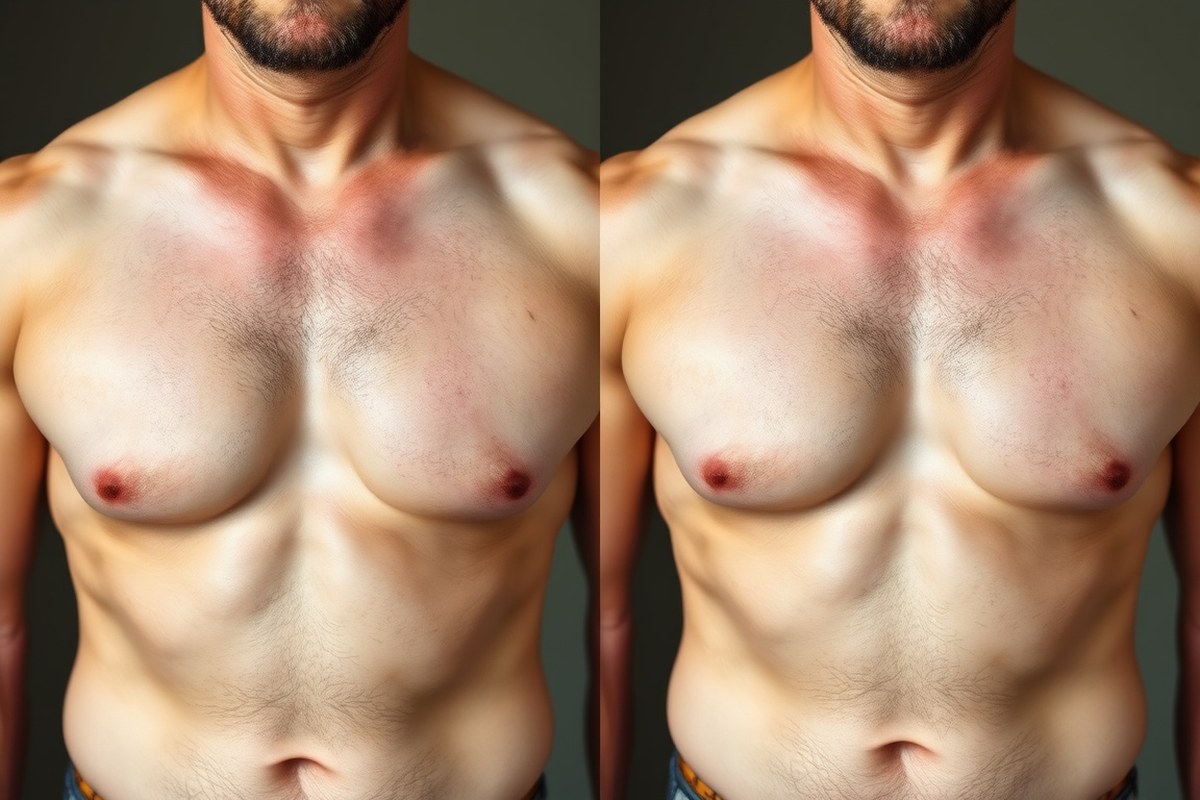
Man boobs can result from two different causes: gynecomastia and pseudogynecomastia. Gynecomastia is the growth of glandular breast tissue, often triggered by hormonal changes, while pseudogynecomastia happens due to excess fat deposits in the chest area. Identifying which one you have matters because the treatments differ. Pseudogynecomastia often responds well to diet and exercise, whereas gynecomastia might require medical intervention or surgery.
Nearly 30 to 40% of men experience some form of man boobs, but over 70% of younger men under 40 usually have pseudogynecomastia, meaning the enlargement is mostly fat. True gynecomastia, caused by glandular tissue, is less common but can be persistent and resistant to fat loss efforts. Knowing the difference can save time and frustration with ineffective approaches. To self-diagnose, you can use a simple decision checklist based on the feel and appearance of your chest.
- Press around your nipple area: Gynecomastia feels like a firm, rubbery disk of glandular tissue beneath the nipple, while pseudogynecomastia feels soft and spongy due to fat.
- Check chest firmness: Fatty tissue is usually more uniform and squishy, whereas glandular tissue is denser and localized directly behind the nipple.
- Review recent weight changes: Weight gain often increases fat and causes pseudogynecomastia; rapid chest enlargement without significant weight gain may suggest gynecomastia.
- Assess other symptoms: Tenderness or swelling might be more common with gynecomastia, especially during puberty or hormone shifts.
- Consider your age and lifestyle: Men over 40 or those on certain medications are more prone to gynecomastia from hormonal imbalances.
| Symptom | Gynecomastia | Pseudogynecomastia |
|---|---|---|
| Tissue type | Firm, rubbery glandular tissue | Soft, fatty tissue |
| Location | Directly under nipple, sometimes tender | Diffuse throughout chest area |
| Response to weight loss | Often minimal | Significant improvement |
| Affected population | Hormonal changes, medication, puberty, aging | Overweight or high body fat individuals |
Understanding these differences helps you choose your next steps wisely. By identifying whether glandular tissue or fat enlargement causes your man boobs, you can tailor your efforts. Pseudogynecomastia is more common and tends to improve with calorie reduction and targeted workouts, while gynecomastia might require medical evaluation if it persists despite these efforts.
2. Dietary Changes to Reduce Chest Fat and Balance Hormones

Reducing chest fat and balancing hormones rely heavily on your diet. Lowering overall body fat through calorie control and nutrient-rich foods supports fat loss, while certain foods help keep hormones like testosterone and estrogen at healthy levels. Tailoring your meals with the right balance of macros and avoiding hormone-disrupting ingredients can speed up chest fat reduction.
Foods That Promote Fat Loss
Focus on foods that help create a calorie deficit to burn fat throughout your body, including chest fat. Lean proteins like chicken breast, turkey, lean beef, and fish increase satiety and support muscle retention during weight loss. Whole grains like brown rice, quinoa, and oats provide energy and fiber without sharp insulin spikes that promote fat storage. Vegetables and fruits add volume and nutrients with few calories, helping you stay full while cutting calories.
Healthy fats found in avocados, nuts, seeds, and olive oil improve metabolism and hormone production without adding excessive calories. Drinking plenty of water supports metabolism and helps control hunger, making fat loss more manageable.
Nutrients Supporting Hormone Regulation
Hormonal balance plays a key role in managing man boobs, particularly testosterone and estrogen levels. Zinc and magnesium are important minerals that support testosterone production and healthy hormone regulation. Foods like pumpkin seeds, spinach, almonds, and shellfish provide these minerals. Vitamin D, obtained from fatty fish, fortified foods, or safe sunlight exposure, also supports testosterone.
Cruciferous vegetables such as broccoli, Brussels sprouts, and cauliflower contain compounds that may help lower estrogen levels by improving its breakdown. Including these regularly in your diet can aid hormone balance and reduce glandular tissue swelling related to gynecomastia.
Meals to Avoid for Chest Fat
Avoid foods that contribute to hormonal imbalances or promote fat storage. Highly processed foods, refined sugars, and excess carbohydrates cause insulin spikes, which encourage your body to store fat. Soft drinks, candy, white bread, and sugary cereals fall into this category. Excess alcohol consumption can improve estrogen levels while lowering testosterone, worsening man boobs.
Some soy products contain phytoestrogens that might affect hormone levels in sensitive men, so limit processed soy-based foods. Artificial additives and trans fats found in fried and packaged snacks disrupt metabolic health and hormone function, making fat loss more difficult.
Timing of Meals and Hormone Impact
Meal timing influences insulin and hormone balance, which affect fat storage and muscle maintenance. Eating smaller, balanced meals every 3 to 4 hours helps keep insulin levels stable, preventing fat gain around the chest and elsewhere. Include protein and fiber with each meal to slow digestion and maintain steady blood sugar.
Avoid late-night heavy meals that can spike insulin and disrupt sleep hormones like melatonin and growth hormone, both important for fat metabolism. Consider finishing your last meal 2 to 3 hours before bedtime for better hormonal recovery overnight. Follow these steps to adjust your diet for reducing chest fat and balancing hormones:
- Calculate your daily calorie needs and create a 10-20% calorie deficit to promote fat loss while preserving muscle.
- Plan meals with a macro split around 40% carbs, 30% protein, and 30% healthy fats, adjusting based on your activity level.
- Include lean proteins, whole grains, and plenty of vegetables in every meal.
- Eat foods rich in zinc, magnesium, vitamin D, and cruciferous vegetables to support hormone balance.
- Cut back or eliminate sugary snacks, processed foods, excess alcohol, and heavily fried items.
- Space meals evenly throughout the day, aiming for 4 to 6 smaller meals or three balanced meals with a healthy snack.
- Stay hydrated with water, aiming for at least 64 ounces (about 2 liters) daily.
- Track your progress every 2 to 4 weeks by measuring body fat changes and chest appearance to adjust your diet if necessary.
Consistently eating a nutrient-dense, balanced diet that supports hormone health will improve results more than quick fixes or extreme restrictions.
| Sample Meal (Macros) | Estimated Calories | Protein | Carbs | Fats |
|---|---|---|---|---|
| Grilled chicken breast (6 oz), quinoa (1 cup), steamed broccoli (1 cup), olive oil (1 tbsp) | 550 | 50 g | 40 g | 15 g |
3. Exercise Routine Specifically Targeting Man Boobs Reduction
To reduce man boobs effectively, combine fat loss with chest muscle development through a structured weekly exercise plan. Aim for full-body workouts emphasizing chest exercises 3 days a week, paired with cardiovascular and HIIT sessions to accelerate overall fat burning. Consistency with moderate intensity and proper form will help reshape your chest over 6 weeks or more.
Chest-Focused Strength Exercises
Building muscle in your chest tightens the area and improves appearance beneath the fat. Prioritize compound movements like bench presses and push-ups, which engage the chest, shoulders, and triceps. These exercises increase muscle mass and contribute to metabolic rate to support fat loss.
Perform strength training 3 times weekly, on non-consecutive days. For each exercise, do 3 to 4 sets of 8 to 12 reps, resting 60 to 90 seconds between sets. Focus on controlled, slow movements with proper form to maximize mechanical tension on your pecs.
Cardio and HIIT Integration
Cardio alone won’t selectively reduce chest fat, but it is essential for creating the calorie deficit needed for overall fat loss. Incorporate at least 150 minutes per week of moderate-intensity cardio such as brisk walking, cycling, or jogging.
Adding two weekly sessions of high-intensity interval training (HIIT) can boost fat reduction by alternating bursts of intense effort with recovery. For example, sprint for 30 seconds, then walk for 90 seconds; repeat 6 to 8 rounds. This approach helps speed overall fat loss and supports muscle preservation.
Rest and Recovery Importance
Rest days allow muscles to repair and grow stronger, which is essential for visible chest improvements. Schedule at least one or two rest days per week and avoid working the chest intensely two days in a row to prevent overtraining.
Sleep quality also plays a role in muscle recovery and fat loss regulation. Aim for 7 to 9 hours of sleep per night to optimize hormone balance and promote fat metabolism. The table below shows a sample weekly workout schedule combining chest-focused strength training with cardio and HIIT sessions for fat loss and chest muscle development:
| Day | Workout | Sets/Reps or Duration | Rest |
|---|---|---|---|
| Monday | Chest Strength: Bench Press, Push-Ups, Cable Fly | 3-4 sets, 8-12 reps each exercise | 60-90 seconds between sets |
| Tuesday | Moderate Cardio (e.g., cycling, jogging) | 30-45 minutes at moderate intensity | Continuous |
| Wednesday | Rest or light activity/stretching | – | – |
| Thursday | Chest Strength: Incline Dumbbell Press, Chest Dips, Cable Pulls | 3-4 sets, 8-12 reps each exercise | 60-90 seconds between sets |
| Friday | HIIT Session (e.g., sprints) | 6-8 rounds: 30s sprint, 90s walk | Between rounds |
| Saturday | Full-Body Strength (include back, legs, shoulders) | 3 sets, 8-15 reps per exercise | 60-90 seconds |
| Sunday | Rest and recovery | – | – |
Following this plan consistently supports muscle growth in the chest while promoting overall fat loss. Chest-targeted exercises alone won’t reduce fat specifically there, so pairing them with cardio and HIIT accelerates reduction of excess chest fat. Proper rest and nutrition are necessary to see visible results in 6 to 8 weeks. Avoid neglecting full-body training to maintain balanced development and metabolism.
4. When to Consider Medical Evaluation for Hormonal or Health Issues
Hormonal imbalances can contribute to the development of man boobs, medically known as gynecomastia, by disrupting the normal balance between testosterone and estrogen levels in men. Testosterone keeps male breast tissue in check, while estrogen, although present in smaller amounts, promotes breast tissue growth. When testosterone levels drop or estrogen becomes relatively higher, glandular breast tissue can enlarge. This hormonal shift can occur due to natural aging, certain medications, or underlying health conditions such as hypogonadism (low testosterone production), hyperthyroidism, or liver disease.
Getting tested for hormonal imbalances is a critical step before beginning treatment to reduce man boobs. A medical evaluation helps rule out serious health issues and guides effective treatment plans. You should consider consulting a healthcare provider if your breast enlargement is persistent, painful, or accompanied by other symptoms like fatigue, weight changes, or sexual dysfunction. The doctor can order a panel of blood tests to assess hormone levels, including total testosterone, free testosterone, estradiol (a form of estrogen), luteinizing hormone (LH), follicle-stimulating hormone (FSH), thyroid-stimulating hormone (TSH), and liver function tests.
Here’s a simple script template you can use when speaking with your doctor: “I’ve noticed an increase in breast tissue size that hasn’t gone down with exercise or diet changes. I’m concerned about possible hormonal imbalances and would like to get the appropriate tests done to identify any underlying causes.” This directly communicates your concerns and the need for a thorough hormone evaluation.
The cost of hormone testing varies widely depending on your healthcare plan and geographic location, but individual hormone panels can range from $50 to several hundred dollars if paid out of pocket. Many insurance plans cover testing when ordered by a physician. Test results typically take a few days to a week to return and will guide your doctor in deciding whether hormone replacement therapy, medication changes, or further specialist consultations are necessary.
Getting the right diagnosis can prevent unnecessary or ineffective treatments. For example, using estrogen blockers is generally not effective since improve estrogen alone doesn’t directly cause man boobs. Instead, addressing low testosterone or other hormonal disorders can reduce breast tissue enlargement more reliably. Your healthcare provider might also evaluate medications you take that can influence hormone levels, such as steroids or certain psychiatric drugs.
Certain health issues like hypogonadism reduce testosterone production, leading to gynecomastia. Hyperthyroidism increases metabolism and hormone turnover, sometimes affecting breast tissue. Liver disease impairs hormone metabolism, raising estrogen levels in the blood. These conditions require medical treatment beyond cosmetic concerns and highlight the importance of full evaluation before considering surgery or non-surgical therapies.
5. Comparing Non-Surgical and Surgical Treatment Options for Man Boobs
Treatment options for man boobs range from non-surgical methods like lifestyle changes and hormone management to surgical procedures such as liposuction and gland removal. Surgery is typically chosen when other methods fail or when gynecomastia involves significant glandular tissue. Costs, timelines, and risks vary widely between these approaches, affecting your choice and expected outcomes.
Non-Surgical Methods: Benefits and Limits
Non-surgical treatments focus on diet, exercise, and hormone regulation to reduce chest fat and gland size. These methods carry minimal risks and no recovery downtime, making them accessible and lower in cost. You can expect to see changes over weeks to months, but these approaches work best for pseudogynecomastia, mainly fat buildup.
The limitations appear if glandular tissue causes enlargement instead of fat, as non-invasive methods cannot remove this tissue. Hormonal treatments may help in specific cases but require medical supervision due to potential side effects. Non-surgical methods are ideal when man boobs result mostly from lifestyle factors or minor hormonal imbalances.
Surgical Procedures Overview
Gynecomastia surgery treats true glandular enlargement by physically removing excess tissue. Common surgical techniques include:
- Liposuction: Removes excess fat but not glandular tissue. Best for cases dominated by fat.
- Excision: Removes firm glandular tissue and sometimes excess skin. Used when glandular growth is significant.
- Combination: Uses liposuction and excision together for mixed tissue causes and better contouring.
Surgery usually takes 1 to 3 hours depending on case complexity. The results are immediate and permanent, assuming stable weight and hormone levels post-operation.
| Treatment Type | What It Targets | Duration | Effect Permanence | Main Risks |
|---|---|---|---|---|
| Diet & Exercise | Fat deposits | Weeks to Months | Depends on lifestyle | Minimal |
| Hormonal Therapy | Hormonal imbalances | Weeks to Months | Variable | Side effects, requires monitoring |
| Liposuction | Fat tissue | 1-2 hours | Permanent | Infection, contour irregularities |
| Excision | Glandular and skin tissue | 2-3 hours | Permanent | Scarring, asymmetry |
| Combination Surgery | Fat and glandular tissue | 2-3 hours | Permanent | Same as excision + liposuction risks |
Cost and Recovery Expectations
The cost of gynecomastia surgery usually falls between $8,000 and $10,000, with insurance coverage uncommon because it’s viewed as a cosmetic procedure. Extra expenses can include surgical facility fees ranging from $500 up to $1,500, along with anesthesia fees between $1,000 and $1,300. Many clinics provide financing plans that allow you to pay in installments over 12 to 60 months, though the interest rates and eligibility requirements differ by provider.
Recovery usually takes a few weeks, during which you should avoid strenuous activity and follow your surgeon’s instructions to reduce complications. Full results emerge as swelling subsides, often within 3 to 6 months. Compared to non-surgical options, surgery typically yields faster and more permanent physical changes but involves higher upfront costs and surgical risks.
Tip: Consult a board-certified plastic surgeon to discuss whether your chest tissue is mostly fat or gland, which determines the most effective treatment path.
6. Recovery and Maintenance After Surgery or Weight Loss
Recovery after gynecomastia surgery typically lasts about two to four weeks before you can return to most normal activities. Swelling, bruising, and mild discomfort are common in the first few days. Wearing a compression garment as directed helps reduce swelling and supports healing. Your surgeon will provide a detailed post-op care plan, including how to clean the incision sites and when to resume exercise.
While the glandular tissue removed during surgery cannot grow back, maintaining your weight within 10 to 15 pounds of your post-surgical weight is essential to keep your chest contour. Gaining more than 20 pounds after surgery may cause the appearance of man boobs to return due to fat accumulation. Skin may also lose elasticity over time, which can slightly change your chest’s appearance, but these changes typically happen gradually with aging.
Taking care of your chest after surgery involves careful hygiene, avoiding heavy lifting for several weeks, and attending all follow-up appointments to monitor healing. Smoking should be avoided before and after surgery to reduce risks of complications. Proper nutrition and hydration support tissue repair and recovery.
- Wear compression garment 4-6 weeks post-surgery to minimize swelling
- Avoid strenuous exercise for at least 3 weeks or as your surgeon advises
- Keep incisions clean and dry; follow your surgeon’s wound care instructions
- Do not smoke before or after surgery to promote healing
- Attend all scheduled medical check-ups to ensure proper recovery
- Maintain stable body weight within 10 to 15 pounds of your post-op weight
- Stay hydrated and eat a balanced diet rich in protein to aid tissue repair
Long-term maintenance after surgery or significant weight loss requires attention to lifestyle. Regular exercise focusing on chest muscles and overall fat loss is important to prevent fat from accumulating again in the chest area. Managing your diet to avoid excessive calorie intake helps keep your body fat low. Hormonal imbalances, if present, should be monitored by a healthcare provider to ensure they do not contribute to fat or glandular tissue regrowth. Men who have had substantial weight changes should be aware that stretched skin might not fully retract, sometimes requiring additional treatments like skin tightening or minor revisions.
7. Lifestyle Habits That Impact Man Boobs and Their Reduction
Sleep quality and stress levels have a direct effect on hormone balance and fat storage in your chest area, influencing the development or persistence of man boobs. Poor sleep raises cortisol, a stress hormone that promotes fat retention around the chest and abdomen. Strive for 7 to 9 hours of uninterrupted sleep per night to help lower cortisol and improve hormonal regulation. Setting a consistent bedtime, limiting screen time before sleep, and avoiding caffeine late in the day support better rest. Chronic sleep deprivation, even of just a few hours per night, can make fat loss harder despite dieting or exercising.
Managing stress is equally important because improve cortisol from ongoing tension triggers fat accumulation and can disrupt testosterone levels, worsening gynecomastia or pseudogynecomastia. Techniques like deep breathing, meditation, or short walks during breaks reduce stress-induced fat gain. Daily stress management might only take 10 to 15 minutes but can balance hormones that control fat distribution in your chest.
Hydration also plays a subtle but meaningful role. Drinking enough water, about half your body weight in ounces daily, helps regulate metabolism and reduce water retention that can make your chest look puffier. Aim for 80 to 100 ounces if you weigh around 160 to 200 pounds. Avoid sugary drinks and excess alcohol, which add calories and disrupt hormonal balance, contributing to chest fat buildup.
Common lifestyle mistakes include neglecting sleep, ignoring stress, and assuming that cutting calories alone will fix man boobs. Many focus solely on diet or chest exercises but miss out on improving sleep hygiene and stress control, which are foundational to hormonal balance and fat mobilization. Skipping sleep or pushing through stress can stall fat loss progress and make you feel frustrated or stuck.
A simple troubleshooting approach starts by tracking your sleep schedule and stress triggers for one week. Use a journal or an app to record bedtimes, awakenings, and stress events. Identify patterns that undermine sleep or spike stress. Next, adopt a nightly wind-down routine with relaxing activities and stick to it strictly. Add a brief daily stress-relief practice, such as 10 minutes of mindful breathing or progressive muscle relaxation. Increase water intake gradually to your target and replace at least one sugary drink with water per day.
Results emerge over several weeks, including improved sleep quality, reduced stress levels, and less bloating or puffiness around your chest. Hormonal balance shifts will improve fat loss efforts in your upper body, giving your chest a flatter, firmer appearance. If sleep problems or stress remain severe despite these changes, consult a healthcare provider to rule out underlying conditions and get personalized support.
8. Psychological Impact and Confidence Boosting During Treatment
Man boobs can heavily impact your self-esteem and emotional well-being. Feeling self-conscious or embarrassed about your chest shape may lead to anxiety or avoidance of social or physical activities. Recognizing these feelings as normal is the first step to managing the psychological impact. Accepting that change takes time helps keep your mindset realistic and focused on progress.
Building confidence starts with gradual improvement strategies that let you see small wins regularly. Consistently following your workout and diet plan can boost your mood by releasing endorphins and improving your body composition over weeks or months. Setting short-term goals like completing a week of workouts or noticing firmer chest muscles after several sessions enables sustainable confidence growth.
Mental health support plays a important role in your treatment journey. You can start by talking openly with close friends or family members about your concerns to reduce isolation. Seeking professional help, such as counseling or therapy, offers tools to cope with stress, anxiety, and body image issues. You do not have to manage these challenges alone; licensed mental health providers are trained to guide you through emotional difficulties related to body changes.
A practical approach to boost confidence during treatment is to develop a positive daily self-talk routine. Each morning, look in the mirror and say something encouraging about your effort and progress, like “I am working toward my goals” or “My body is getting stronger every day.” This rewires your brain to focus on progress rather than flaws. Also, wearing well-fitting clothes that minimize chest prominence can help you feel more comfortable in public while working on physical changes.
Mindful activities such as meditation, journaling, or controlled breathing can reduce stress levels and improve self-awareness, improving your emotional resilience during treatment. Maintaining social activities or hobbies that make you feel competent and valued outside of appearance also reinforces your self-worth. Let yourself celebrate small victories like sticking to a workout routine for two weeks or noticing less chest protrusion, as these moments build motivation and confidence.
Practical tip: Keep a progress journal noting not only physical changes but also how your confidence and mood improve over time; this record can motivate you during tough phases.
Costs for mental health support vary widely depending on where you live and your insurance coverage. Some community clinics offer low-cost counseling sessions, while licensed therapists typically charge $100-$200 per session without insurance. Many people benefit from group therapy or online support forums as more affordable alternatives. Taking time to address your mental health alongside physical changes often leads to better overall results and a healthier mindset.
Good psychological outcomes appear as increased willingness to engage socially and try new activities without focusing on chest appearance. You might notice decreased anxiety when wearing tighter shirts or swimming in public. On the other hand, neglecting emotional health can prolong dissatisfaction and even cause setbacks. Recognizing signs of depression or severe anxiety early means you can seek help before these challenges interfere with your treatment progress.
Step-by-Step Action Plan to Get Rid of Man Boobs
Follow these clear steps to identify your condition, adjust your lifestyle, and choose the right treatment to reduce man boobs safely and effectively.
- Day 1: Self-Assessment, Check if your chest swelling is firm and glandular (gynecomastia) or soft and fatty (pseudogynecomastia). Knowing this helps you target the right treatment. A healthcare provider can confirm your finding.
- Week 1: Adjust Your Diet, Cut added sugars and processed foods while boosting lean protein and vegetables. Watch for small changes like reduced chest fat and improved energy within 1-2 weeks.
- Week 2: Begin Targeted Exercise, Start a routine with chest presses, push-ups, and cardio to reduce fat and build muscle. Track progress by measuring chest firmness and size every 2 weeks.
- Week 4: Evaluate Hormonal Health, Schedule a medical evaluation if you notice persistent swelling, tenderness, or other hormonal symptoms. Lab tests can guide treatment if needed.
- Month 2: Decide on Treatment Options, If diet and exercise don’t reduce chest size, consider non-surgical procedures or consult a surgeon about liposuction or gland removal. Progress is visible in reduced size or firmness.
- Post-Treatment: Follow Recovery Guidelines, After surgery or procedures, follow all care instructions to minimize swelling and optimize results. Maintain healthy habits to prevent recurrence.
- Ongoing: Adopt Supportive Lifestyle Habits, Avoid alcohol, manage weight, and maintain regular workouts to keep man boobs from returning. Confidence should improve as your chest becomes firmer and flatter.
Frequently Asked Questions
Can Push-Ups Alone Get Rid of Man Boobs?
Push-ups alone won’t get rid of man boobs because spot reduction isn’t effective. You need a combination of full-body fat loss and chest strengthening exercises to see real improvement.
Is It Possible for Man Boobs to Come Back After Surgery?
Man boobs can return after surgery if underlying causes like weight gain or hormonal imbalances aren’t addressed. Maintaining a healthy lifestyle post-surgery helps prevent recurrence.
Can Certain Medications Cause Man Boobs?
Yes, some medications may cause man boobs by affecting hormone levels. Always talk to your doctor if you notice breast enlargement after starting a new medication.
Do Supplements Help Reduce Man Boobs?
Supplements have limited evidence for reducing man boobs and may not be effective alone. Focus on diet, exercise, and medical advice rather than relying on supplements.
How Long Does It Take to See Results from Exercise in Reducing Man Boobs?
You may see changes in 6 to 12 weeks with consistent exercise and diet changes. Patience is key, as fat loss and muscle toning take time.
Is Gynecomastia More Common During Puberty?
Yes, gynecomastia frequently occurs during puberty due to hormonal changes but often resolves naturally within a couple of years.
Before You Go
Reducing man boobs involves a mix of consistent lifestyle changes, targeted exercise, and sometimes medical intervention depending on the cause. Starting today, track your diet and begin a chest-focused workout routine to begin seeing real changes. This approach helps you take control of your body and confidence one step at a time.


