
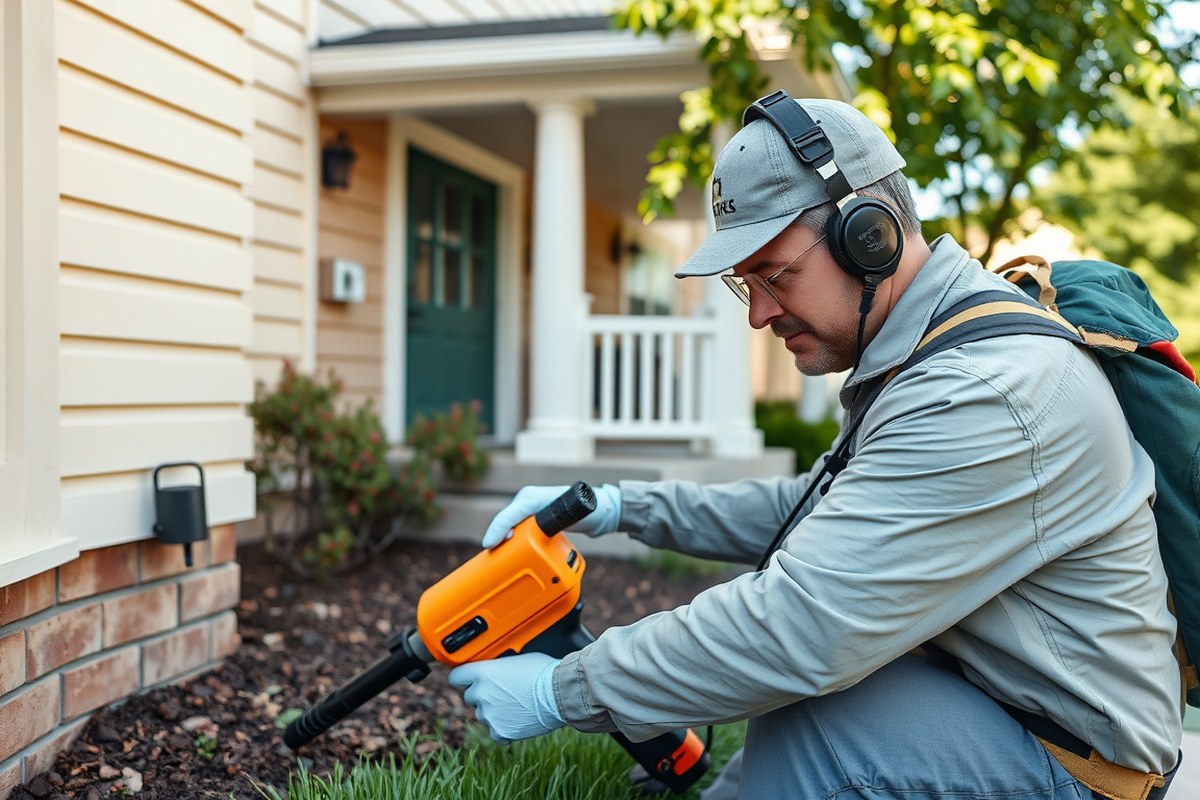
Is Aptive Pest Control Legit? What You Need to Know Before Hiring
Aptive Pest Control is a legitimate, licensed company established in 2015 that operates in 34 states and is known for its eco-friendly pest management. The company handles 42 common household pests and offers award-winning services with an emphasis on safe, sustainable treatments, backed by its membership in the EPA Pesticide Environmental Stewardship Program.
You’ll find details here if you want clear information about Aptive’s licensing, service options, pricing plans, and how their process compares to bigger names like Terminix and Orkin. This will help you decide if Aptive’s values, customer service, and treatment methods align with your needs for effective pest control.
Key Takeaways
- Aptive Pest Control is a legitimate, licensed company operating in 34 states since 2015 with a growing industry presence.
- The company offers customizable pest control plans covering 42 pests, including integrated termite, mosquito, and general pest services.
- Aptive’s treatment begins with an initial visit eliminating up to 80% of adult pests, followed by scheduled follow-ups to target hatchlings.
- Pricing varies by plan and home size, with total protection packages starting around $95 monthly, combining pest, termite, and mosquito control.
- Aptive uses environmentally friendly, pet-safe products focused on effective, eco-conscious pest eradication without harsh chemicals.
- Customer reviews are mostly positive, with 87% rating 4 or 5 stars, though responsiveness to contact preferences can sometimes falter.
Is Aptive Pest Control a Legitimate, Licensed Company?
Aptive Pest Control is a legitimate and licensed company that has built a presence since its founding in 2015. It operates in 34 states across the U.S., which generally requires compliance with state-specific pest control licensing rules. You can verify a company’s licensing status by checking with your state’s pest control regulatory agency, where licensed providers must meet training, testing, and insurance criteria. Aptive’s broad operation footprint reflects its adherence to these regulatory standards.
Aptive holds memberships and certifications that reinforce its trustworthiness. It is part of the Environmental Protection Agency’s Pesticide Environmental Stewardship Program (PESP), which promotes the use of safer, more sustainable pest control methods. This affiliation shows Aptive’s commitment to practices that reduce environmental impact, an important consideration for eco-conscious customers. While Aptive is not an industry veteran, it models its service approach on recognized Integrated Pest Management (IPM) principles, which are promoted by groups like the National Pest Management Association (NPMA).
Technician qualifications serve as another measure of legitimacy. Aptive hires and trains technicians in accordance with state licensing rules; their team members are equipped to deliver specialized treatments over multiple visits. For comparison, companies like Ehrlich have technicians certified through the NPMA’s GreenPro program. Aptive technicians also focus on seasonal, preventative pest management plans, which aligns with industry best practices for long-term pest control.
Professional recognition and awards offer additional evidence of a company’s standing but should not be the sole basis for trust. Aptive has won some awards relative to its size and age, but it competes with better-established companies that have earned customer preference over decades. Still, Aptive’s licensing, certifications, and EPA-related memberships demonstrate it meets regulatory requirements and has industry endorsement for responsible pest control services.
What Pest Control Services and Treatments Does Aptive Offer?
Aptive Pest Control treats many common indoor pests but does not provide termite or bed bug treatments. Their main focus is on general pest control for household pests, along with outdoor mosquito and tick services. They also do not offer rodent removal or wildlife exclusion like some other companies.
Indoor Pest Treatments Covered
Aptive handles 42 types of common household pests, including ants, spiders, cockroaches, and wasps. This coverage helps prevent everyday infestations that can disrupt home life and cause damage. Their general pest control plans typically start with an inspection, followed by targeted treatments and scheduled follow-ups to maintain control throughout the year.
Unlike some competitors, Aptive does not offer treatment for bed bugs or termites. These pests require specialized, multi-visit plans with intensive treatments, which Aptive does not provide. Hiring a different company experienced with these specific services is necessary to handle termite or bed bug issues properly.
Outdoor and Seasonal Pest Control Services
Aptive extends their services outdoors with mosquito and tick control. These pests can carry diseases and affect your enjoyment of outdoor spaces. Their seasonal pest control approach uses scheduled visits based on local pest activity, which helps keep mosquitoes and ticks in check during warmer months.
The mosquito treatments often involve targeting breeding areas and applying barrier sprays, which reduce the adult population around your yard. Treatment frequency varies by climate and infestation level but generally includes multiple visits per season. Keep in mind that outdoor pest control does not cover wildlife or rodent control, which are handled by other specialists.
Specialized Services: Termites, Bed Bugs, and Rodents
Aptive does not offer termite treatment, bed bug removal, or rodent exclusion services. Termite control typically involves annual inspections, baiting systems, or liquid treatments costing between $400 and $1,500 annually. Bed bug removal requires multi-visit plans with heat treatments or chemical applications, often starting around $500 and increasing with infestation severity.
Rodent control and wildlife exclusion involve trapping, sealing entry points, and sometimes removal of nesting animals. This type of service requires expertise and equipment beyond what Aptive offers. Homes facing termite threats or bed bug infestations should seek companies that provide those specialized treatments and can customize plans to specific property needs.
Check whether the pest control company you choose handles your specific pest problem because many do not cover termites, bed bugs, or rodents, which all need specialized treatment.
How Does Aptive’s Pest Control Process Work: From Initial Visit to Follow-Ups?
Aptive’s pest control process starts with a detailed inspection and targeted treatment on the first visit, focusing on adult pests. Technicians follow up within about 30 to 45 days to treat newly hatched insects, since initial treatments can’t reach eggs or larvae. Regular follow-up visits and monitoring continue as needed to maintain pest control effectiveness.
Scheduling and Preparing for the First Visit
You begin by scheduling an appointment with Aptive Pest Control, usually through their website or by phone. It’s helpful to have a clear list of your pest problems and the areas affected, so the technician can prepare accordingly. On the day of the visit, you should clear clutter, vacuum, and remove food debris, particularly in kitchens and common pest entry points like basements or crawl spaces. This allows the technician to access key areas and apply treatments effectively. Plan to be home or available during the appointment to discuss concerns and ask questions firsthand.
Your first appointment typically lasts about an hour, depending on the size of your home and the severity of the infestation. The technician will take time to inspect inside and outside your property, focusing on pest entry points, nesting sites, and moisture areas that attract pests. Preparing your home in advance helps maximize the thoroughness of this inspection.
Initial Inspection and Treatment Steps
During the first visit, a certified pest specialist inspects your property comprehensively, identifying specific problem areas and pest types. They apply treatments targeted at adult pests using a combination of sprays, baits, and traps positioned around the home’s perimeter and indoor hotspots. This approach aims to eliminate about 70% to 80% of existing adult pests. Technicians also look for signs of pest activity like droppings, damage, or visible nests, which guide their treatment plan.
You won’t see effects on pest eggs or larvae during the initial treatment because pesticides typically don’t affect these stages. This explains the need for a return visit. The technician will discuss what treatments were applied and what you should expect in terms of pest behavior following the treatment. They might also recommend minor home repairs to block access points that pests use.
Scheduled Follow-Up Visits and Monitoring
Aptive schedules a follow-up visit within 30 to 45 days after the initial treatment. This timing targets pests that have hatched from eggs since the first visit but were not exposed to the original treatment. During follow-ups, technicians reapply treatments where needed and check for new pest activity, ensuring pest populations remain controlled.
Appointments may then continue on a recurring basis, often quarterly or bi-monthly, depending on the severity of your pest issue and the specific plan you have. When pests return between visits, Aptive typically offers complimentary re-treatments at no extra cost. Consistent follow-ups are necessary because pest control requires ongoing monitoring; pests can come back if neglected. Staying in communication with your technician helps manage any new problems promptly.
Customer Verification Checklist for Thorough Service
Before the technician leaves during the initial and follow-up visits, confirm they completed a full inspection around the entire property, including indoors and outdoors. Ask for clear explanations about the treatments applied and the expected results. Verify they placed baits and traps in typical pest hotspots and inspected potential entry points.
Request information about the next scheduled visit and what you can do to prepare your home in the meantime. When ongoing pest activity is visible between visits, report it promptly to trigger a free re-treatment. Also, confirm any recommended preventive measures, such as sealing cracks or reducing moisture, which support lasting pest control success. Keeping a simple log of visits and technician notes helps track progress and holds the service accountable for effectiveness.
What Does Aptive’s Pricing Look Like and What Plans Are Available?
Aptive Pest Control’s pricing depends on your home size, the severity of the infestation, and your region. Its main offering, the Four-Seasons Protection Plan, provides year-round pest control with regular visits and free re-treatments for returning pests. Prices are customized, so calling a local Aptive office is necessary to get an exact quote tailored to your situation.
Overview of Pricing Tiers and Factors
Aptive does not publish fixed prices online because costs vary widely based on multiple factors. Key elements influencing pricing include home size, infestation severity, pest species, and location. Larger homes or those with heavier infestations require more extensive treatment, raising costs accordingly.
Generally, one might expect prices somewhat comparable to market rivals like Orkin, which charges between $500 and $700 per year for standard plans. Aptive’s approach is similar, offering customized plans rather than a one-size-fits-all package. This customization means you’ll pay more if your home needs more visits or specialized treatment.
| Factor | Effect on Price |
|---|---|
| Home Size | Larger homes require more product and labor; expect higher costs for homes over 2,000 sq. Ft. |
| Infestation Severity | Severe infestations need more frequent visits and stronger treatments, increasing price. |
| Pest Type | Some pests require specialized treatments, affecting overall cost. |
| Location | Regional pest prevalence and cost of living influence local pricing. |
Details of the Four-Seasons Protection Plan
The Four-Seasons Protection Plan involves an initial inspection and then quarterly service visits to provide year-round pest prevention. During the inspection, a certified specialist maps out your home’s risk points and customizes the treatment accordingly.
This plan covers protection against common household pests such as ants, spiders, roaches, and rodents. Pests that reappear between scheduled visits trigger free re-treatments from Aptive, which adds value compared to pay-per-visit services. The ongoing quarterly visits also allow the pest specialist to adjust treatments based on seasonal pest activity or changes to your home’s environment, helping keep costs predictable while maintaining pest control effectiveness throughout the year.
Regional Price Variations
Prices vary by state and even by metro area due to differences in pest pressure, local regulations, and labor costs. For example, homes in the humid Southeast may face higher prices due to more frequent infestations compared to drier areas in the West.
Because Aptive customizes each quote, you’ll receive pricing that reflects local market conditions. This regional variability means you cannot assume a nationwide average price applies to your home without contacting your local branch for a tailored estimate.
Customizing Plans for Specific Needs
Aptive’s pricing flexibility makes it suitable for different pest problems and home configurations. Seasonal or limited infestations allow customers to opt for less frequent service visits or target specific pests, which lowers the annual cost.
Customers with large properties or persistent infestations should expect a higher price. A technician will recommend a treatment schedule and product regimen based on an assessment during the initial inspection. Since Aptive prioritizes eco-friendly options, certain treatments may be selected to balance cost and environmental safety.
To get an accurate price, call the local Aptive office and provide details like home square footage, pest types, and infestation severity. This direct communication ensures you receive a plan that fits your budget and pests without unnecessary extras.
Does Aptive Use Environmentally Friendly and Pet-Safe Products?
Aptive Pest Control uses EPA-approved products that focus on safety for your home, children, and pets. These products include insecticides derived from chrysanthemum flowers, naturally producing pyrethrin, a plant-based chemical known to break down quickly in the environment. This means treatments reduce the risk of long-term exposure and environmental damage compared to synthetic pesticides. The EPA approval confirms that the products meet regulatory safety standards for both indoor and outdoor use.
You should expect technicians to tailor their chemical applications based on your specific pest problem and property conditions. Aptive’s method aligns with Integrated Pest Management (IPM) principles, which aim to minimize chemical use by combining preventive measures, monitoring, and targeted treatments. This approach is especially important for homes with children and pets, as it limits unnecessary exposure to harmful substances and emphasizes safe application timing and placement.
Compared to big competitors like Terminix and Orkin, Aptive stands out for focusing more aggressively on environmentally friendly and pet-safe options. Terminix and Orkin also use EPA-approved products and follow safety protocols but tend to rely more on standard synthetic pesticides in some treatments. Aptive’s use of botanical-based insecticides and IPM practices appeals to homeowners concerned about chemical residues and ecological impact.
Eco-certifications specific to Aptive are not heavily promoted, but their focus on green pest control, EPA approval, and IPM compliance effectively reflect a commitment to sustainability. Homeowners should still ask their technician for the exact product names and safety data sheets before treatment. Knowing the active ingredients and their safety profiles helps you prepare your home, such as temporarily removing pets from treated areas and avoiding contact with surfaces until dry.
Make sure to notify your pest control service if you have fish tanks or other vulnerable pets, so they can adjust products or timing to avoid harm.
The cost of using these safer, plant-based products may vary depending on your pest problem complexity and service frequency. Expect prices similar to other reputable companies, usually between $560 and $620 annually, but customized treatment plans can shift the total cost. This often proves worthwhile for families prioritizing health and minimal environmental impact.
You should see good results as long as follow-up visits occur regularly, which keeps pest populations controlled without heavy chemical reliance. Problems arise when treatments lack proper timing or when customers do not follow basic post-treatment safety advice, such as keeping pets off treated lawns for a day. Proper training of technicians in green pest control ensures that applications meet these standards consistently.
What Is Aptive’s Customer Service Reputation and How Are Common Issues Handled?
Aptive Pest Control generally receives mixed feedback on customer service. Many customers find the staff polite and appreciate the green, child- and pet-safe approach, but some report frustrations over scheduling errors, unexpected fees, and occasional difficulty cancelling services. Recognizing these patterns helps you plan how to manage your interactions with Aptive more effectively.
Scheduling and Cancellation Process Explained
Scheduling services with Aptive is typically straightforward, as they offer multiple communication channels like phone, email, and an online portal. Customers can arrange initial and follow-up visits through these methods, which usually works well, but errors in scheduling have been reported in some areas.
Cancelling service agreements with Aptive can be more complex. Some customers have encountered unexpected cancellation fees and slow or poor communication when trying to terminate contracts. This makes it important to carefully review your contract for cancellation terms before signing. Expect to provide notice, often 30 days, and to confirm cancellation in writing via email or through Aptive’s customer service portal.
Handling Common Customer Complaints
Common complaints include pushy sales tactics, confusing contract language, and surprise charges on bills. Another issue some customers face is inconsistent follow-up after the initial treatment, which can delay pest control results and require repeated calls. In certain cases, customers report that support is unresponsive when issues arise, contributing to dissatisfaction.
Aptive’s customer support can address many problems if contacted early. Be prepared to explain your concerns clearly and keep a record of all communications, including dates, names of representatives, and what was discussed. This documentation is useful if disputes escalate and helps customer service track and resolve your issue efficiently.
Tips for Effective Communication with Aptive
Clear, polite communication reduces misunderstandings with Aptive’s support team. Start calls or messages by stating your full name, service address, and the specific issue. For example, say: “Hello, this is [Your Name]. I’m calling regarding my pest control service at [Address]. I need to reschedule my upcoming appointment because [reason].” This direct approach helps route your request to the right department quickly.
When dealing with billing or cancellation, use written communication like email whenever possible. It creates a paper trail and helps avoid “he said, she said” scenarios. A simple script for cancellation requests is: “I am requesting to cancel my service effective [date], per the terms of my contract. Please confirm this cancellation and any applicable fees.” Follow up if you don’t get a reply within two business days.
Recognizing and Avoiding Sales Pitfalls
Some customers report high-pressure sales tactics during initial contacts or technician visits, such as aggressive upselling or confusing contract details. Avoid agreeing to any extras on the spot. Take time to read your contract carefully before signing, especially fine print about fees, service scope, and cancellation policies.
Watch for vague language that could hide additional charges. Ask direct questions like “Are there any fees not included in this quote?” or “What is the exact cancellation policy?” Pushy sales reps may try to rush you, but insisting on clarity protects your interests. If you feel uncomfortable, request written confirmation of all contract terms or consult customer reviews before proceeding.
How Does Aptive Pest Control Compare to Terminix and Orkin?
Aptive Pest Control holds its own against Terminix and Orkin in key areas like pricing, pest coverage, guarantees, eco-friendliness, and geographic reach. Each company serves homeowners with different strengths: Aptive tends to offer competitive pricing and green options, Terminix benefits from widespread availability and a long history, and Orkin leads with complete guarantees and extensive experience. Understanding these differences can guide you to the service that best fits your specific pest issues, budget, and location.
Comparison of Pricing and Plans
Aptive generally offers lower starting prices compared to Terminix and Orkin, especially for quarterly pest control plans typical for residential customers. Prices often start around $40 to $60 per month, with discounts available for longer-term contracts or multiple-service bundles. Terminix and Orkin usually begin closer to $50 to $80 per month depending on your region and pest types. That difference matters if you want a basic plan for common pests like ants or spiders.
The service plans vary: Aptive focuses on integrated pest management (IPM) plans tailored by franchise areas, which can cause some price variation. Terminix and Orkin feature standardized plans nationally, offering multiple tiers that include termite, bed bug, and rodent control add-ons. Pricing increases with added treatments because termites and bed bugs need specialized equipment and follow-ups. Aptive’s financing options scored high in reviews, often matching or exceeding options at Terminix and Orkin, allowing more payment flexibility.
Guarantees and Customer Satisfaction Policies
Orkin usually leads with industry-standard guarantees like free retreatments within 30 days and termite damage warranties, which can add significant value for long-term pest control. Terminix offers similar guarantees, including money-back satisfaction promises and termite repairs, tailored to certain plans. Aptive’s workmanship guarantee rates slightly lower, around 3.3 out of 5 in expert reviews, with free follow-ups often limited to the first month after service. This level reflects the franchise model where service quality varies by location.
All three companies emphasize customer service responsiveness, but customer reviews show variations. Aptive earns higher marks in communication and issue handling, scoring 4.4 out of 5. Getting results often depends on timely follow-ups for persistent pests, which these guarantees support to varying degrees. Understanding the exact terms of retreatment and cancellation before signing helps avoid surprises if the initial treatment doesn’t fully solve the problem.
Service Coverage Areas and Pest Types
Aptive operates in more than 120 locations across the United States, focusing on regional pest issues that vary by climate and urban density. Terminix and Orkin cover nearly all U.S. States with hundreds of branches each, providing broader access. This matters if your property sits outside urban centers or in rural areas where Aptive might have limited service availability.
Regarding pest coverage, Aptive uses Integrated Pest Management practices encouraged by the EPA’s Pesticide Environmental Stewardship Program. This approach targets pests like ants, spiders, roaches, and occasional rodents with an emphasis on minimizing pesticide use. Terminix and Orkin also cover a wide range of pests, including termites, bed bugs, rodents, and wildlife removal, often with specialized teams. If you have unusual pest issues or need termite control, Terminix and Orkin tend to offer more specialized and widely available treatments.
Environmental and Safety Practices
Aptive emphasizes its environmental strategy by using Integrated Pest Management techniques to minimize pesticide dangers. As part of the EPA’s Pesticide Environmental Stewardship Program, Aptive ensures its technicians are trained to apply focused, low-toxicity solutions that reduce chemical exposure indoors and outdoors. This approach often appeals to pet owners and people wanting eco-friendlier pest control options.
Terminix and Orkin have also introduced environmentally responsible products, but their core services still rely on more conventional pesticide applications, especially for tough pests like termites and bed bugs. Those companies invest in research for safer formulas but offer fewer pure green service plans than Aptive. Safety measures, such as technician certification and customer guidelines, remain rigorous across all three providers, consistent with local and federal regulations.
Where Does Aptive Operate and When Is Their Service Most Effective?
Aptive Pest Control provides services across multiple states, primarily focusing on regions with high pest activity throughout the year. Their treatments are adapted to suit seasonal pest behaviors, making timing critical to controlling specific pests effectively.
States and Regions Covered by Aptive
Aptive operates in a wide range of states including Arizona, Texas, Florida, Georgia, and California. These states cover large parts of the Southwest, Southeast, and West Coast. Each region has unique pest challenges due to climate differences, and Aptive aligns its pest control methods accordingly. While its main presence centers around warmer climates where pest problems persist year-round, availability may vary locally, so confirming service options in your city or county is advised.
In states like Texas and Arizona, Aptive’s treatments focus mostly on scorpions, spiders, and mosquitoes. Florida and Georgia see heavier insect species, such as termites and ants, that thrive in humid conditions. California’s pest challenges include both indoor pests like rodents and outdoor ones like ants and spiders. Aptive typically services suburban and urban residential areas along with some commercial properties where pest control needs are consistent.
Seasonal Pest Activity and Treatment Timing
Pest activity varies with the seasons, so scheduling treatments around peak infestation periods improves results. Mosquito treatments are most effective during early spring and summer, when warmer temperatures and standing water lead to breeding. Scheduling spray treatments just before these cycles begin helps break the pest population before it spikes.
Scorpion activity increases in late spring through early fall, particularly in southwestern states. Applying treatment in early spring reduces scorpion populations before the warm months when they seek shelter indoors. For termites, inspections and treatments in late spring to early summer can detect emerging colonies before extensive damage occurs. Winter months generally see fewer pests, so treatment during off-peak seasons is less effective and usually reserved for preventive maintenance or problem follow-ups.
Regional Pest Challenges and Solutions
Southwestern states like Arizona face persistent scorpion problems because of the dry climate, which supports their habitats in rocky areas and around homes. Aptive uses perimeter sprays and targeted baiting to control these pests effectively. Moist southeastern states struggle more with termites and fire ants. Aptive combines soil treatment and baiting for termite control and applies specialized ant baits and barriers for fire ants, adjusting service frequency to manage the infestation level.
In colder or more temperate regions, like parts of California’s interior, rodents become a bigger concern. Aptive usually applies exclusion techniques and trapping combined with discreet bait stations, adapting treatment for areas with traps or pets to maintain safety. Pest behavior in urban areas often differs, requiring more regular inspections and follow-up visits because of the proximity of multiple pest sources.
Scheduling Tips Based on Local Pest Cycles
Set your mosquito treatment appointment in early spring, as soon as temperatures consistently exceed 60°F. This prevents adults from laying eggs and reduces larvae populations. For scorpion control in Arizona and Texas, schedule treatments by mid-April to cut numbers before summer heat increases activity. Regular quarterly treatments, rather than once a year, often provide better control for these fast-reproducing pests.
Inspection and treatment for termites should target late spring or early summer; this aligns with their swarming season and makes colony detection easier. In humid states like Florida, quarterly follow-ups help maintain control through the wet season. If you live in a colder climate or urban area where rodents are common, year-round monitoring with seasonal service adjustments can catch new infestations early and manage ongoing pressure.
Plan your pest treatments in advance of their active seasons, this proactive timing maximizes control and minimizes the need for emergency interventions later.
Step-by-Step Action Plan to Assess Aptive Pest Control
This plan guides you through evaluating Aptive Pest Control’s legitimacy, service quality, pricing, and overall fit for your pest control needs. Follow each step to make a well-informed hiring decision without extra searching.
- Before You Contact Aptive: Verify Aptive’s license and certifications for your state through your local pest control regulatory agency website. Confirm that the company is legally authorized to provide pest control services in your area. This step ensures you’re dealing with a legitimate provider compliant with local laws.
- Day 1, Review Their Service Offerings: Visit Aptive’s official website or request detailed service brochures to understand the types of pests they treat and their treatment methods. Confirm if they cover the specific pest problem you have, such as termites, rodents, or ants. Knowing their service scope helps you avoid hiring a company that doesn’t address your issues.
- Day 2, Request an Estimate and Pricing Plan: Contact Aptive for a detailed quote that includes initial inspection fees, treatment costs, and recurring service plans if applicable. Compare their pricing structure to Terminix and Orkin for your area to see if their rates are competitive. This comparison allows you to assess value and transparency in pricing.
- Day 2, Ask About Products Used: Inquire specifically whether Aptive uses environmentally friendly and pet-safe pest control products. Request product names or safety data sheets if possible and check these against EPA guidelines for residential use. This step protects your household from potential chemical hazards during treatment.
- Week 1, Experience the Inspection and Treatment Process: Schedule the initial home inspection and pest treatment with Aptive, observing how the technician assesses your property and explains the process. Note whether they provide a clear treatment plan and timeframe for follow-ups. Professionalism here reflects the company’s reliability and thoroughness.
- After 2 to 4 Weeks, Monitor Treatment Effectiveness: Track the pest activity after the initial treatment and any scheduled follow-ups. Aptive typically schedules follow-ups to ensure pest control success; note whether these visits occur on time. Reduced pest presence and timely follow-ups indicate effective service.
- Month 1, Evaluate Customer Service: Use Aptive’s customer service channels if you have questions or need issue resolution. Assess response time, helpfulness, and willingness to address concerns such as re-treatment or refunds. Good customer service is important for ongoing satisfaction and problem resolution.
- Month 2, Compare Your Experience to Alternatives: Reflect on how Aptive’s service, pricing, and communication stack up against reviews or quotes you obtained from competitors like Terminix or Orkin. Consider switching only if you find significant gaps in service quality or value. This final evaluation helps confirm that Aptive meets your expectations or if another provider may suit you better.
Frequently Asked Questions
Is Aptive Being Sued?
Aptive has faced some legal complaints typical of service companies, but no significant lawsuits threaten its operation. Check current court records for updates if you need the latest status.
What Are Some Common Complaints About Aptive Pest Control?
Common complaints include billing issues and difficulty with cancellation. Customers should carefully review contract terms and follow cancellation procedures to avoid these problems.
Is Aptive Worth the Money?
Aptive can be worth the money if you want a customizable, eco-friendly pest control plan that fits your budget. Compare quotes and services with competitors to decide if it matches your needs.
Is It Hard to Cancel Aptive Pest Control?
Canceling Aptive service sometimes requires advance notice and can involve fees depending on your contract. Read the cancellation policy thoroughly before signing.
Does Aptive Provide Pest Control for Commercial Properties?
Aptive primarily focuses on residential pest control, with limited services for some commercial clients. Confirm service availability for your business beforehand.
Can Aptive Handle Termite Treatments?
Aptive offers treatments for common pests but termite control may require specialized services not always included. Verify termite coverage during your consultation.
Key Points to Remember
Aptive Pest Control is a legitimate company with licensed professionals offering a clear pest control process and environmentally conscious products. You can effectively compare their pricing and service plans against local competitors by requesting a detailed quote with specific pest treatments and follow-up schedules based on your home’s needs. To move forward, contact Aptive for an on-site inspection to get an accurate assessment and ensure their service fits your pest control challenges and budget before committing to a contract. Taking this step today helps you make an informed decision before pests become a bigger problem in your home.


