How Long After Pest Control Can I Go Inside? Complete Safety and Timing Guide
The usual guideline for reentering your home after pest control is to wait between 2 and 4 hours, allowing sprays or treatments to dry and air to clear. Certain liquid pesticides might allow you to come back after 1 to 2 hours under favorable conditions, but the actual wait depends on the chemical used and drying speed. Sticking to these waits limits your contact with any lingering toxins or fumes.
This timing varies based on the type of pest control used, environmental conditions, and household factors like ventilation and the presence of children or pets. Knowing these details helps you protect your family and pets while avoiding common mistakes that can lead to premature re-entry risks. You will also learn what signs indicate it’s safe to come back inside and how to manage your home immediately after treatment.
Key Takeaways
- Wait 2 to 4 hours after indoor liquid pest treatments before re-entering to ensure products have dried and air has circulated.
- Fumigation requires a longer wait of 24 to 72 hours, including time after tent removal and clearance confirmation.
- Keep children, pets, and food away from treated areas during the waiting period to prevent exposure to chemicals.
- Ventilate treated spaces with open windows and fans for at least 30 minutes before returning to reduce residual chemical exposure.
- After re-entry, avoid immediate cleaning and monitor pets and children closely for any adverse reactions.
- Earth-friendly pest control products generally allow safe re-entry and pet access within a short time after application.
How Long Should I Wait Before Re-Entering After Pest Control?
You should generally wait at least 2 to 4 hours before re-entering your home after an indoor pest control treatment. This timeframe allows sprays and liquid pesticides to dry completely and the treated air to ventilate, reducing exposure to chemical residues. The exact waiting time depends on the specific product used and the application method, so always follow the advice your pest control technician provides for your situation.
Indoor liquid sprays often require a minimum of 2 hours of drying time, with 4 hours being safer if your home has limited airflow or windows remain closed. Treatments that use foggers or fumigants may call for longer wait times, sometimes 4 to 6 hours or overnight, because these release chemicals in the air that need time to dissipate. Confirm the necessary wait period if your service involves these methods.
Standard indoor spray treatments usually allow you to stay in your home the same day, provided you wait until surface residues have dried and the smell has mostly cleared. It is generally safe to sleep in treated areas after at least 4 hours, but avoid direct contact with treated surfaces during that time. When pest control involved heavy dusts or powders, additional cleaning or longer wait times might be recommended before spending extended periods indoors.
Strictly avoid entering treated areas before the recommended time because wet pesticides can cause skin irritation and respiratory issues. Safety margins become even more critical for homes with pets or children, as they are more sensitive to chemical exposure. Proper ventilation during and after treatment helps speed up drying and reduce off-gassing, making the environment safer sooner.
After treatments, you can check the surfaces: if they feel dry to the touch and no strong chemical odor lingers, these are good signs that it’s safe to go inside. However, do not rely solely on smell as some pesticides may be odorless but still active. Following the technician’s guidance on re-entry ensures you minimize health risks and get the full benefit of the pest control treatment without unnecessary delay.
Differences in Wait Times by Pest Control Treatment Type
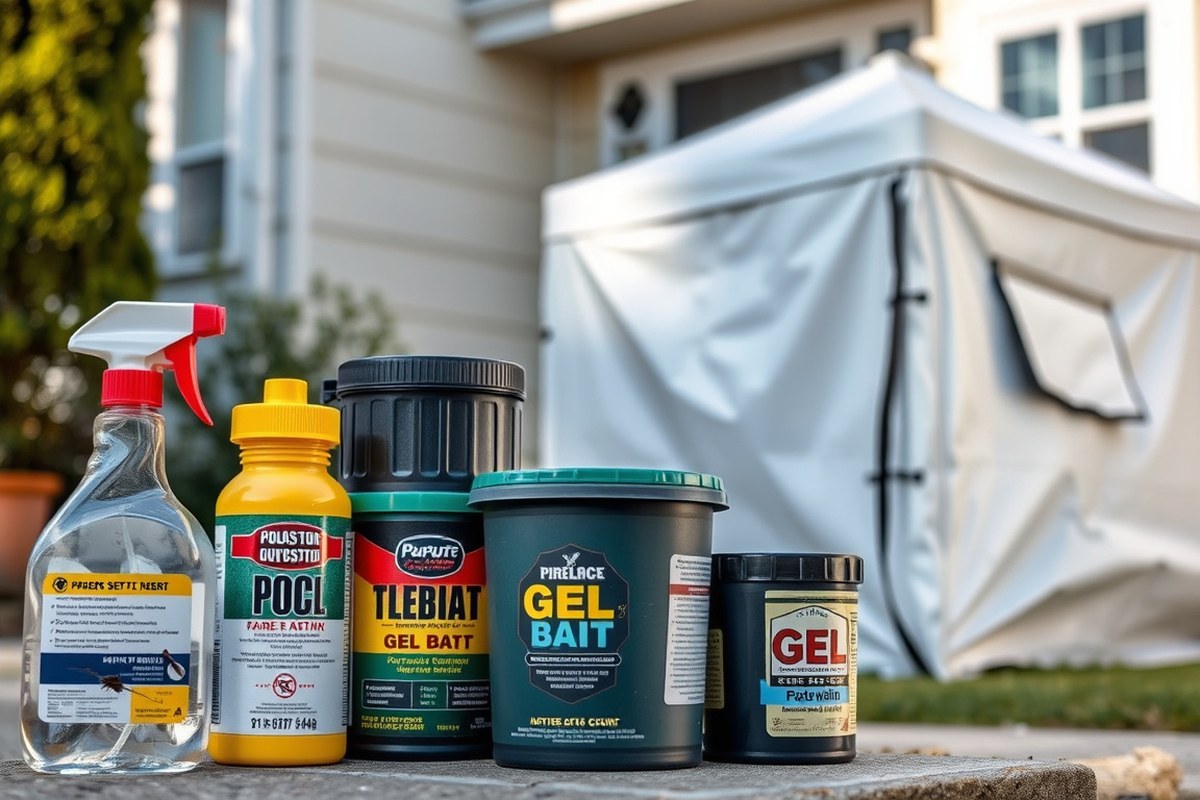
Wait times after pest control vary significantly by the treatment type because each method uses different chemicals and delivery systems with unique safety requirements. You should observe specific wait times based on whether sprays, gels, fumigations, outdoor applications, or granular treatments were used, and adjust according to your pest problem and environment.
Indoor Spray Treatments
Indoor sprays typically involve applying residual pesticides to baseboards, cracks, and other entry points to target crawling insects. These sprays leave a chemical residue that continues killing pests for weeks but require a wait of about 4 to 6 hours before re-entry to avoid inhaling or contacting unsettled spray particles.
You should stay out of the treated rooms during this period, keep windows closed to maintain pesticide effectiveness, and let the spray dry completely before touching or cleaning treated surfaces. Waiting longer than 6 hours can be safer if strong odors or visible wetness remain. This method handles common pests like ants, roaches, and spiders.
Gel Baits and Traps
Gel baits and bait stations are indoor treatments that contain toxic food sources only accessible to pests. These take effect as pests consume the gel and carry poison back to nests. Because gels are contained and dry quickly, you can typically re-enter treated areas in 1 to 2 hours without risk.
Gels and traps do not release airborne chemicals, so they are safer for homes with pets and children in most cases. Successful bait use shows a quick reduction in visible pest activity, though complete control may take several weeks as the bait reaches hidden nests.
Fumigation Procedures
Fumigation involves filling an entire structure or room with gaseous pesticides that penetrate cracks and voids to kill pests like termites or bed bugs on all life stages. This treatment requires the longest wait time, often 12 to 24 hours or more, to allow the gas to dissipate to safe levels.
You must vacate your home entirely during fumigation, seal all food and medications, and rely on pest control professionals to monitor air quality before re-entry. Because fumigation penetrates everywhere, it is effective for severe infestations but comes with higher cost and inconvenience. Follow all safety instructions closely.
Outdoor Lawn and Garden Sprays
Granular or liquid sprays applied to lawns and gardens target mosquitoes, ticks, fleas, and other outdoor pests. You should avoid re-entering treated outdoor areas until surfaces are dry, which usually takes 2 to 3 hours depending on weather conditions.
Because most outdoor products are earth-friendly and less toxic than indoor sprays, you can return inside your home even during application as long as you avoid treated patches. Pets should be kept off lawns during treatment and until dryness to prevent accidental chemical ingestion or skin contact.
Granular and Dust Applications
Granules and dusts are used both indoors and outdoors, often in targeted spots like lawns, garden beds, or wall voids. The wait time indoors after granular or pipe/dry drain treatments is usually very short, between 0 and 1 hour, because these products settle quickly without airborne hazard.
Granular treatments break down slowly, providing long-term pest control, but you should still avoid disturbing treated areas until the product settles. Outside, granules require the treated surface to dry before walking or letting pets on it, similar to sprays.
| Application Type | Re-entry Time | Indoor/Outdoor |
|---|---|---|
| Residual spray (baseboards, cracks) | 4, 6 hours | Indoor |
| Bait stations / gel | 1, 2 hours | Indoor |
| Aerosol fogging or fumigation | 12, 24 hours | Indoor |
| Granules or spot-sprays (lawn/garden) | Until dry (usually 2, 3 hours) | Outdoor |
| Pipe/dry drain treatments | 0, 1 hour | Indoor |
This table summarizes common treatments and their recommended wait times. Note that actual times can shift due to product formulas, room ventilation, pest species targeted, and weather if outdoors. For example, bed bug fumigation often mandates the maximum wait time, while ant gels require minimal downtime.
Keep in mind that waiting for full product drying and odor dissipation improves safety and pest control success more than just hitting minimum wait times.
Environmental and Household Factors Affecting Safe Re-Entry
Environmental and household conditions directly affect how quickly pest control chemicals dry and lose potency, which in turn influences when you can safely re-enter treated spaces. Temperature, humidity, airflow, and the presence of sensitive household members determine drying time and exposure risk, requiring adjustments to typical wait periods.
Impact of Ventilation and Airflow
Proper ventilation speeds up chemical drying and disperses airborne residues, reducing exposure levels inside your home. Open windows and doors, and use fans to increase airflow for at least 1 to 2 hours after treatment. This practice flushes out lingering fumes and helps treated surfaces dry faster, allowing for a safer re-entry time.
Without sufficient ventilation, chemical residues take longer to dissipate, increasing the risk for inhalation or skin contact. Check that windows and doors remain open if outdoor air quality allows. Running HVAC systems with fresh air intake can also assist, but avoid recirculating indoor air exclusively. Monitoring the smell of pesticide odor is a practical way to gauge whether ventilation has been effective.
Role of Temperature and Humidity
Higher temperatures accelerate the evaporation of liquid pesticide formulations, shortening drying times to as little as 30 minutes to 1 hour in warm, dry conditions. Cooler temperatures below 60°F and higher humidity slow drying, sometimes extending safe re-entry times by several hours. Moisture on surfaces prevents chemicals from curing properly, prolonging potential exposure.
Expect prolonged waiting periods during rainy seasons or in climates with consistently high humidity, especially indoors, where moisture accumulates. Using dehumidifiers or increasing heat can speed drying but may not be practical in all homes. Plan pest control treatments during warmer, drier parts of the day to reduce indoor exposure risks.
Special Considerations for Vulnerable People
Households with infants, elderly members, people with asthma, allergies, or other respiratory conditions should allow extra time before re-entering after treatment. Chemicals may be low in toxicity but can still irritate sensitive respiratory systems. Extending wait times by 2 to 4 hours beyond the minimum recommendation offers a safer margin.
Keep vulnerable individuals out of treated areas until surfaces are completely dry and odors have dissipated. If the treatment included foggers or aerosol sprays, as much as 24 hours’ absence might be advisable for those with compromised immune systems. Consult your pest control provider about specific product risks and precautions for sensitive occupants.
Seasonal and Regional Variations
Seasonal climate differences cause significant changes in drying times and ventilation effectiveness. In northern states during winter, cold, damp air slows evaporation, so advised re-entry times might increase by at least 50%. In contrast, southern states with hot, dry weather often require shorter waiting periods.
Regional pollution or indoor air quality can also affect safe re-entry practices. Homes in urban areas with poor outdoor air may need to balance ventilation with avoiding outdoor pollutants. Adjust ventilation strategies accordingly, using air purifiers after treatment if needed. Always follow pest control label directions, as manufacturers sometimes specify modified intervals based on typical regional conditions.
Precautions for Protecting Children, Pets, and Food Before Treatment
Preparing your home before a pest control treatment involves removing or covering all food items, securing kitchen utensils, and making sure pets and children are safely out of the treated areas. This preparation minimizes exposure to chemicals and helps the treatment work as intended. Organizing your home ahead of time also speeds up the process and reduces stress for everyone involved.
Removing and Covering Food Items
Food safety is a top priority before pest control treatment. You need to remove all perishable and non-perishable foods from areas that will be treated or cover them tightly to prevent contamination. Cleaning countertops, pantry shelves, and cabinets ahead of the visit reduces the risk of chemical residue touching food surfaces.
Cover food with plastic wrap, aluminum foil, or sealed containers. Avoid simply placing food in open containers or loosely wrapping it, as some chemicals can still seep through. If in doubt, putting food in the refrigerator or a sealed box elsewhere in the home is safest. Here’s a quick checklist to help:
- Remove fresh produce and pantry items from counters and cabinets.
- Store open or exposed foods in airtight containers.
- Cover pet food bowls or store pet food separately.
- Empty the refrigerator door shelves if those areas will be sprayed.
- Dispose of any food with visible pest contamination before treatment.
Moving or Protecting Pets and Their Areas
Pets must be kept away from treated areas before, during, and immediately after pest control application. Moving them to a different room or boarding them offsite is recommended, especially when treatments involve sprays or dust. Most interior treatments require pets to stay out of treated zones at least one to two hours to allow chemicals to dry and settle.
Even pet bedding, toys, or feeding areas can collect chemical residues. Remove or isolate these items temporarily to avoid direct contact. Talk to your pest control provider about the exact products used and specific precautions you should take for your type of pet, such as birds, reptiles, or small mammals that may be more sensitive.
Securing Kitchenware and Utensils
Kitchenware like plates, pots, pans, and utensils can easily come into contact with pest control chemicals if left uncovered. You can either remove these items entirely from treatment areas or cover them with plastic wrap or airtight lids. Washing dishes after treatment is recommended, but avoid cleaning surfaces immediately to preserve the effectiveness of residual pesticides.
Keep thorough records of the kitchen items you cover or move to prevent mixing treated and untreated dishes afterward. Consider using disposable plates or utensils for 24 hours post-treatment as an extra precaution.
Clearing Clutter and Open Surfaces
Eliminate clutter such as stacks of newspapers, boxes, or toys that could hide pests or prevent the pest control technician from reaching problem areas. Open surfaces allow for more even application of treatments. Clearing clutter also reduces the chance that chemicals get trapped in fabrics or paper, which can worsen exposure risks for your family and pets.
Vacuum and dust beforehand to remove debris and any loose pests, but do not mop or wash floors right before service. After treatment, avoid cleaning floors and surfaces for the time recommended by your pest control provider to let chemicals do their job.
What to Do Immediately After Returning Inside Post-Treatment
After you re-enter your home post-pest control treatment, it’s important to ventilate properly, avoid cleaning treated surfaces for the recommended period, and watch for any signs of unexpected pest activity. These steps help maintain treatment effectiveness and safeguard your health.
Ventilating and Airing Out Rooms
Opening windows and doors for at least 30 minutes to an hour after re-entry helps clear lingering fumes and odors from the pest control products. Proper ventilation reduces airborne chemicals, making the air safer to breathe and preventing buildup of any irritants. Use fans if possible to boost airflow through the treated areas.
Keep inside doors open to encourage cross-ventilation and target rooms where sprays or treatments were applied. Continuous fresh air circulation lowers the risk of respiratory discomfort. Avoid heavy use of heating or air conditioning immediately after returning inside, as they can recirculate residual chemicals.
Avoiding Cleaning Treated Surfaces Too Soon
Refrain from mopping, scrubbing, or wiping any treated floors, baseboards, countertops, or walls for at least 1 to 2 weeks after treatment. Early cleaning removes or dilutes the pest control residue that needs time to act on pests effectively. Even gentle wiping can reduce the longevity of the treatment.
Only resume light, surface-level cleaning such as dusting around treated areas, but do not use strong detergents or water directly on treated surfaces until the waiting period is over. Your pest control technician will provide specific instructions based on the type of treatment applied and the product used.
- Wait 1-2 weeks before deep cleaning treated surfaces
- Use dry dusting methods if necessary
- Avoid mopping or wiping treated floors and baseboards
- Follow product-specific guidelines provided by the pest control company
- Keep children and pets away from treated areas during this period
Cleaning too soon disrupts the chemical barrier, making the treatment less effective.
Persisting with careful maintenance during this period extends the treatment’s ability to control existing pests and prevent new infestations.
Monitoring for Unexpected Pest Activity
Keep an eye on the treated areas over the following days and weeks to check if pests appear or remain active. Pest populations typically decline gradually after treatment, so any continuing or new activity might indicate the need for follow-up.
Set simple traps or use sticky boards around the treated zones to track pest presence without disturbing the residue. Notify your pest control service promptly if you notice significant pest presence beyond the expected timeframe or in places not previously treated.
Regular monitoring also helps you gauge how well the treatment worked and decide when further action is necessary. Keep a log of sightings and check with your technician during any follow-up visits.
Handling Lingering Odors or Wet Residues
If you return inside and smell strong chemical odors or see visible wetness on treated surfaces past the recommended drying time (generally 1-2 hours after treatment), increase ventilation immediately. Leave windows and doors open longer and use fans for several hours to speed up drying and smell dissipation.
Do not touch, walk on, or clean surfaces that are visibly wet or still emitting a strong odor. Contact your pest control provider for advice if residues remain after extended airing out. They may need to reassess the application or provide alternative instructions to ensure your safety.
- Ventilate treated rooms for an extended time if odors or wetness persist
- Do not touch or clean wet surfaces until completely dry
- Use fans to accelerate drying and odor dispersal
- Call your pest control technician if residues linger beyond typical times
- Avoid tight, enclosed spaces with strong residual odors
Addressing unusual post-treatment conditions quickly prevents potential health risks and helps identify any treatment issues early.
How to Protect Pets and Children After Pest Control Treatment
Pets and children should stay out of treated areas for the time recommended by your pest control provider, usually at least two to four hours, to avoid exposure to toxic chemicals. Watch for adverse signs like coughing, vomiting, or skin irritation, and act quickly by moving them to fresh air and contacting a doctor or veterinarian if symptoms appear.
Safe Re-Entry Timing for Pets and Kids
Guidance on when pets and children can safely return after pest control depends on the chemicals used and the treatment process. Most professionals advise keeping them out of treated rooms for a minimum of two to four hours to allow residues and fumes to dissipate. This interval may extend if your pest control company uses stronger chemicals or if ventilation is poor. For example, fumigation treatments typically require longer exclusion periods than spot treatments.
Proper ventilation reduces lingering fumes more quickly, so opening windows and running fans immediately after treatment helps clear the air. You should avoid letting pets and kids into the home while it is still closed and any residues remain wet. Professionals often provide specific instructions based on their products, so follow those precisely to protect sensitive family members from potentially harmful chemical exposure.
Recognizing Symptoms of Chemical Exposure
Exposure to pest control chemicals can cause signs such as watery or red eyes, coughing, sneezing, skin rashes, nausea, or vomiting in both children and pets. Pets may also show unusual lethargy, excessive drooling, or difficulty breathing. These symptoms indicate that chemical fumes or residues could be irritating or toxic.
Children often react more strongly because their bodies and lungs are smaller and they breathe faster. Pets’ smaller size and different metabolism make them vulnerable to many pesticides as well. Being alert to these signs helps you identify exposure early and respond appropriately.
Emergency Measures for Adverse Reactions
If you or your pet experiences symptoms after pest control, move immediately to a fresh air environment away from the treated area. Remove any contaminated clothing from yourself or your child. Wash exposed skin thoroughly with soap and water to remove any residues. For pets, gently wipe their fur and paws if you suspect contact with treated surfaces.
Call your doctor or poison control center for human exposure advice. Seek veterinary care immediately if your pet shows breathing difficulty, excessive drooling, vomiting, or collapse. Keep the pesticide product label or treatment details available to provide accurate information to health professionals. Quick action reduces the chance of serious complications.
Using Natural or Eco-Friendly Alternatives
Choosing natural or botanical pest control products can lower risks of chemical exposure for your family and pets. These alternatives often use plant-based ingredients that degrade faster and emit fewer harmful fumes. Your pest control company may offer eco-friendly options suited for homes with young children or sensitive animals.
Be aware that even natural treatments require the same precautions regarding exclusion time and ventilation to keep everyone safe. Natural does not mean entirely risk-free, so follow all safety instructions. In some cases, natural methods still need several hours before it is safe to re-enter treated rooms with pets or kids present.
Signs It’s Safe to Re-Enter Your Home After Pest Control
Signs that it’s safe to go back inside your home after pest control include dry treated surfaces, the absence of strong chemical odors, and following guidance from your pest control technician. Checking these factors helps confirm the treatment has settled enough to minimize exposure risks.
Checking Surface Dryness and Residue
Dryness on treated surfaces is a primary indicator that the chemical solution has settled and the hazardous wet phase has passed. You should visually inspect areas that received treatment and gently touch surfaces like floors, countertops, and baseboards. When any moisture or sticky residue remains, that indicates the treatment is not fully dry and you should wait longer before re-entering.
Dryness generally takes between 2 to 4 hours depending on the product, humidity, ventilation, and temperature. Cooler or more humid conditions slow drying times. Avoid wiping or disturbing residues prematurely since that can redistribute chemicals and reduce effectiveness or increase exposure.
Smell and Air Quality Assessment
The presence of strong chemical odors indicates that volatile compounds from the treatment are still in the air and could cause irritation or respiratory discomfort. Before going inside, check if the smell has diminished significantly or disappeared. Walk near treated areas and note if the intensity of any odor is weak or absent.
Fresh air ventilation helps dissipate odors. Open windows and doors after treatment if allowed, then re-check after 30 to 60 minutes. When the smell persists strongly, wait longer and use fans to improve airflow. Residual odors lasting more than a day may signal improper application or formula sensitivity, warranting a professional follow-up.
Confirming with Your Pest Control Provider
Every pest control treatment uses different chemicals and methods, so the safest way to confirm safe re-entry is to get specific advice from the technician who performed your service. They can explain the expected drying time, toxicity levels, and any particular precautions based on the product used and your home’s layout.
Technicians can also provide instructions about cleaning treated surfaces or ventilation strategies to reduce chemical residues and odors. Asking for a written or verbal confirmation of the recommended wait time and any signs of readiness will help you decide when to re-enter confidently.
- Request exact wait times before treatment begins
- Check for product-specific re-entry warnings
- Discuss ventilation options to speed drying
- Ask about cleaning residues safely post-treatment
- Follow technician instructions even if they differ from general guidelines
Following the pest control provider’s advice reduces guesswork and helps avoid premature exposure or lingering pesticide risks.
Handling Partial Treatment Zones
Some pest control jobs treat only specific rooms or areas. You can often access untreated parts of your home sooner, but stay clear of zones where chemicals remain wet or emit strong odors. Treat partial re-entry cautiously by assessing dryness and smell separately for each area.
When an area was treated overnight and others were not, enter the untreated rooms as soon as you arrive but follow the same dryness and odor checks before entering treated rooms. Partial access does not mean the entire home is safe; restricted zones might require longer isolation depending on product use and ventilation.
Decision rule for re-entry: 1. Check dryness, if surfaces are wet, wait. 2. Check odor, if strong chemical smell is present, ventilate and wait. 3. If dry and odor minimal, confirm with technician for final clearance. 4. For partial treatment, enter untreated areas only after confirming no cross-contamination.
Common Mistakes and How to Avoid Risks of Early Re-Entry
Entering a treated area before the recommended time increases exposure to harmful chemicals and reduces the efficacy of the pest control treatment. Knowing common mistakes related to premature re-entry and how to correct them helps you avoid health risks and ensures the treatment works as intended.
Health Risks from Early Exposure
Contact with pesticides before they have fully dried or settled exposes you to chemical residues that can irritate the skin, eyes, and respiratory system. Ingesting airborne particles or touching contaminated surfaces may cause headaches, dizziness, nausea, or allergic reactions. Young children, pets, older adults, and people with respiratory conditions face greater risks.
Health risks stem from both the toxicity of the pesticides and the length of exposure. The longer you stay in a treated area before the pesticides dissipate, the higher your chance of adverse effects. Professionals carefully calculate wait times to minimize this exposure. Ignoring these timelines can lead to acute poisoning and complicate follow-up treatments.
Reduced Effectiveness of Treatment
Re-entering the home too soon can interfere with how well pesticides work. Walking on freshly treated floors or touching walls before they dry spreads chemicals around and lifts them off intended surfaces. This not only diminishes the pest-killing effect but could spread pesticides to areas where they pose risks to people and pets.
Premature disturbance also affects the pest population’s contact with the pesticides. Many treatments rely on the product drying and settling to attach to surfaces where pests travel. Early cleaning or contact removes or dilutes the pesticide, reducing long-term control and prompting the need for additional treatments.
Improper Cleaning or Disturbance of Applied Products
Common mistakes include wiping down treated surfaces, vacuuming too early, or moving furniture before the pesticide dries. These actions undo the treatment and increase exposure risks. Cleaning or handling pesticides before the label’s recommended wait time can cause uneven distribution and ineffective pest control. To avoid such issues, follow these practical guidelines:
- Wait at least the manufacturer’s specified drying time before cleaning or touching treated areas.
- Keep children and pets out of treated rooms until safe re-entry is allowed.
- Inform family members not to disturb bait stations or pesticide placements.
- Do not vacuum or mop floors immediately after treatment unless directed by the professional.
- Seal food and cooking utensils away to prevent contamination during treatment and initial wait time.
- Plan your schedule to avoid needing to enter treated areas unnecessarily during the drying period.
- Communicate clearly any time restrictions on re-entry to all household members.
These steps reduce the risk of spreading pesticides to unintended surfaces or inhaling spray particles.
Tell family members, “Do not enter or touch treated areas until the pest control company confirms it’s safe, usually after surfaces fully dry.”
Ensuring Safe Follow-Up Treatments
Some pest control treatments require follow-up visits to ensure complete pest elimination. These follow-ups can involve additional application of pesticides and often require extra waiting periods. Skipping or rushing through wait times before follow-ups compromises the initial treatment’s results and might increase your overall exposure risk.
Discuss the follow-up schedule with your pest control provider before treatment. Ask about specific re-entry times after each application and whether those times differ from the initial visit. Follow these guidelines exactly to maintain safety and treatment efficacy. In some cases, multiple treatments spaced weeks apart need separate clearance times to avoid re-exposure.
Step-by-Step Action Plan for Safe Re-Entry After Pest Control
Follow these steps to determine when to safely go back inside after pest control treatment while protecting your family and pets and ensuring the treatment works effectively.
- Before Treatment: Remove or cover all food, cookware, and utensils to avoid contamination. Protect children and pets by relocating them outside during treatment and for the recommended wait time. This prevents exposure to chemicals, which vary by treatment type.
- Immediately After Treatment: Ventilate your home by opening windows and doors as soon as the applicator leaves, if it’s safe to do so. Ventilation helps reduce lingering fumes and speeds up drying of sprays or powders, which lowers health risks.
- Wait According to Treatment Type: Follow specific wait times: commonly 2-4 hours for sprays, up to 24 hours for foggers or fumigants. Read the label or ask your pest control professional because these times differ based on chemicals and methods used.
- Check Environmental Factors: Consider temperature and airflow; warm, dry conditions help treatments dry faster and reduce wait time. Cooler or humid environments may require longer ventilation periods before entering safely.
- After Re-Entering: Remove all pet bedding, toys, and food that may have been exposed during treatment. Wash or replace them to avoid pest chemical residues harming pets or children later.
- Monitor for Chemical Residues or Odor: Re-enter cautiously and check for lingering chemical smells or visible residue. If either is present, continue ventilating and delay spending extended time inside to reduce inhalation or skin contact risks.
- Follow Up With Thorough Cleaning: Within 24 hours after full wait time, mop floors and wipe surfaces in treated areas, especially kitchens and bathrooms. This limits residues that children or pets might contact and helps remove dead pests, discouraging reinfestation.
- Track Pest Activity: Observe for a drop in pest presence over 24 to 72 hours to confirm treatment effectiveness. Consult your pest control technician if pests persist, rather than reapplying chemicals prematurely, which increases safety risks.
Frequently Asked Questions
How Long Should You Stay Out of House After Pest Control?
You should generally wait 2 to 4 hours after pest control before re-entering your home to allow pesticides to dry and fumes to dissipate. This wait time varies by treatment type, so follow your pest control professional’s instructions carefully to ensure safety.
When to Enter a House After Pest Control?
Enter your house only after the treatment has dried completely and the area is well-ventilated, usually after 1 to 2 hours for standard sprays. Entering too soon risks exposure to harmful chemicals that haven’t settled or evaporated.
Are the Fumes from Pest Control Harmful?
Fumes can irritate your respiratory system and skin, especially if you have allergies or asthma. Ventilate your home well and wait the recommended time before going back inside to reduce the risk of harmful exposure.
Can I Sleep in the Room After Pest Control?
You can sleep in the room only after the pesticide has fully dried and odors have diminished, which usually takes at least a few hours. Sleeping earlier may expose you to harmful chemicals still present in the air or on surfaces.
How Long Should I Keep Pets Outside After Pest Control?
Keep pets outside or in an untreated area for at least a few hours after pest control, especially after lawn or outdoor treatments, to prevent contact with toxic chemicals. Some pet-safe treatments allow shorter wait times but confirm with your provider.
When Can I Start Cleaning After Pest Control?
Wait as long as possible before cleaning to avoid removing treatment residues that control pests. Generally, avoid wet cleaning for at least 24 to 48 hours unless your pest control professional advises otherwise.
Key Points to Remember
You can generally re-enter your home 4 to 6 hours after most pest control treatments, but always check the product label and follow your technician’s instructions precisely to avoid health risks. For example, if your treatment involved a fogging or fumigation process, you might need to wait 24 hours with proper ventilation before going inside. Today, review your treatment notice or contact your pest control provider to confirm the exact safe re-entry time based on the product used and your home’s conditions. Taking this step ensures you protect yourself, your family, and pets while making the treatment effective.