How to Get Rid of a Hangover: What Actually Works for Fast Relief
How to get rid of a hangover starts with understanding that time is your body’s main healer. Most symptoms improve within 8 to 24 hours after your last drink, but hydration, electrolytes, and proper rest can speed relief. Simple remedies like ginger can ease nausea, while avoiding common mistakes keeps symptoms from worsening. No quick cure exists, but targeted actions reduce discomfort as your body clears alcohol.
This advice suits anyone wanting fast hangover relief after drinking, including college students and working adults. You’ll learn how to recognize symptoms, use food and medications safely, balance rest and activity, and prevent hangovers before they start for smoother mornings after social events.
Key Takeaways
- A hangover lasts about 8 to 24 hours, with symptoms typically improving as your body processes alcohol and toxins.
- Drink plenty of water and replenish electrolytes to support your body’s natural hangover recovery within 24 hours.
- Eat bland, easy-to-digest foods like toast, bananas, or broth to help ease nausea and restore energy during a hangover.
- Use over-the-counter pain relievers carefully, avoiding acetaminophen and following label instructions for safe hangover symptom relief.
- Rest and get sufficient sleep to allow your body time to fully recover from the effects of alcohol.
- Ignore common hangover myths; no medication or quick fix can eliminate a hangover faster than time and hydration.
What Causes Hangovers and How Long They Last
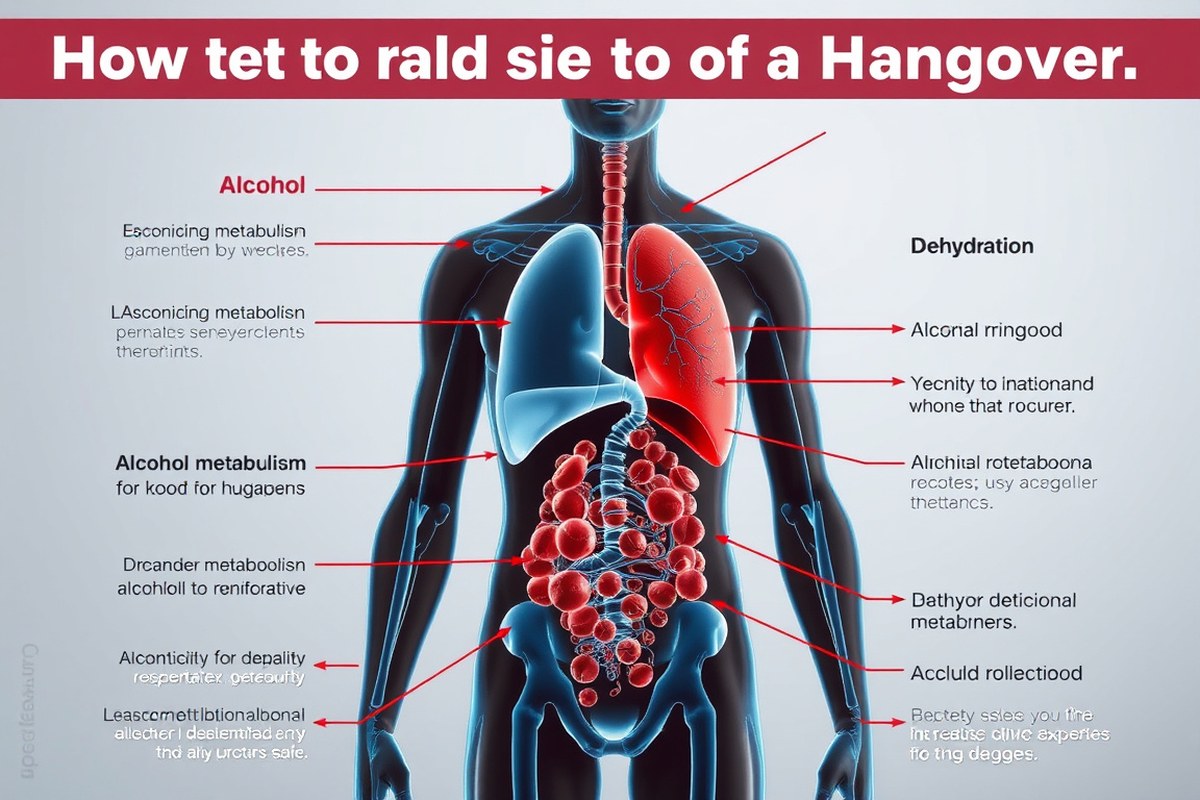
A hangover happens because your body is dealing with the toxic effects of alcohol after drinking. When you drink, your body breaks down alcohol into acetaldehyde, a chemical that is even more harmful than alcohol itself. This triggers inflammation and irritates your stomach lining, leading to symptoms like headaches, nausea, and fatigue. Alcohol also causes dehydration by making you urinate more frequently, which worsens feelings of weakness and dizziness.
Blood sugar levels often drop after drinking, which can add to the symptoms of a hangover. Low blood sugar doesn’t directly cause a hangover but contributes to fatigue, weakness, and nausea. Eating foods with carbohydrates and natural sugars the next day can help raise your blood sugar and reduce these symptoms.
Hangovers typically last anywhere from 8 to 24 hours after your last drink. The duration depends on several factors, including how much you drank, your weight, and your overall health. Your body needs time to fully process and remove alcohol and its toxic byproducts. There is no quick fix that instantly cures a hangover because these toxins must be metabolized naturally.
Older adults often experience worse hangovers. As you age, your body’s ability to metabolize alcohol slows down, and your tolerance usually decreases. This means alcohol stays in your system longer and causes more pronounced effects. Also, older adults tend to have less body water, which leads to stronger dehydration and worsens hangover symptoms.
Time is the most important factor in hangover recovery, typically requiring at least 24 hours for most symptoms to fully clear. During this period, your liver breaks down acetaldehyde, and your body rehydrates and restores blood sugar levels. Staying hydrated and eating balanced meals with carbohydrates can support this process, but it won’t speed up the removal of toxins significantly.
Understanding how alcohol affects your body helps set realistic expectations for hangover recovery. The symptoms may make you feel miserable, but they will gradually fade as your body finishes clearing alcohol and its harmful byproducts. Attempting quick cures like certain medications or home remedies only relieve symptoms temporarily, since the underlying biological processes need time to resolve.
Recognizing Hangover Symptoms and When to Seek Help
Common hangover symptoms you can expect include headache, fatigue, dizziness, muscle aches, nausea, dry mouth, increased sensitivity to light and sound, and trouble concentrating. These symptoms result from a combination of dehydration, low blood sugar, inflammation, and disruptions in your body’s chemistry caused by alcohol. Hangovers can vary in severity from mild discomfort to symptoms that significantly impair your ability to function for up to 24 hours.
Some hangover signs require closer attention because they might indicate complications beyond a typical hangover. Severe symptoms such as persistent vomiting, severe dehydration, confusion, difficulty breathing, seizures, irregular heartbeat, or unconsciousness suggest alcohol poisoning or other medical emergencies. These conditions need prompt medical evaluation. Here is a decision rule to help determine when to seek medical help:
- Severe vomiting or inability to keep fluids down for more than 24 hours
- Signs of severe dehydration like very dry mouth, extreme thirst, lightheadedness, or low urine output
- Confusion, difficulty staying awake, or unresponsiveness
- Breathing problems, chest pain, or irregular heartbeat
- Seizures or convulsions
- Persistent or worsening headache unrelieved by over-the-counter pain medication
- Injury or trauma while intoxicated
Hangovers themselves typically do not cause dangerous health problems directly, but alcohol poisoning can be fatal without treatment. You should never try unproven hangover remedies to treat severe symptoms. Always prioritize safe practices like hydration and rest, but contact emergency services or go to the hospital immediately if any of the above symptoms occur.
Never delay medical care for symptoms suggesting alcohol poisoning, immediate treatment saves lives.
The severity of the hangover depends on factors like the amount and type of alcohol consumed, your hydration status, your body weight, how much food you ate beforehand, and individual differences in metabolism. Mild cases often improve with rest, water, and light food. More intense symptoms sometimes need medical interventions such as intravenous fluids to address dehydration and electrolyte imbalances.
Hydration and Electrolytes: The Foundation of Hangover Recovery
Staying hydrated and balancing your electrolytes are essential to recovering from a hangover. Drinking enough water helps reverse the dehydration caused by alcohol, while replenishing electrolytes like sodium and potassium supports your body’s important functions. Combining plain water with electrolyte-rich drinks or homemade solutions improves recovery speed and eases symptoms.
Why Dehydration Worsens Hangovers
Alcohol acts as a diuretic, which means it increases urine production and causes you to lose more fluids than usual. This fluid loss leads to dehydration, one of the main reasons you feel headaches, dizziness, and fatigue during a hangover. Dehydration also impairs your body’s ability to repair itself and balance essential minerals called electrolytes.
Electrolytes such as sodium, potassium, magnesium, and calcium help maintain proper nerve function, muscle contractions, and fluid balance. When you lose these minerals, you may experience muscle cramps, weakness, and nausea. Replenishing fluids alone won’t fully fix dehydration if your electrolyte levels remain low, so replacing both water and electrolytes is the best approach.
How to Make a Simple Homemade Electrolyte Drink
Electrolyte drinks like sports drinks or Pedialyte are designed to replace lost minerals faster than plain water. Making a similar drink at home is easy, inexpensive, and effective. You’ll need salt for sodium, a natural sweetener like honey or sugar for energy, and citrus juice for potassium and flavor. Use the following recipe to prepare a homemade electrolyte solution:
- Mix 1 liter (about 4 cups) of clean water at room temperature.
- Add 6 teaspoons of sugar or honey to provide glucose.
- Stir in 1/2 teaspoon of table salt for sodium and chloride.
- Include the juice of one medium lemon or orange for potassium and vitamin C.
- Mix until the sugar and salt fully dissolve.
- Chill in the refrigerator if preferred or sip at room temperature.
- Drink throughout the day, especially during mornings after drinking alcohol.
This homemade electrolyte drink costs only a few cents per serving and restores the balance your body needs to recover faster. Avoid over-sweetening, as too much sugar can cause stomach upset.
Hydration Timing: How and When to Drink Water and Electrolytes
Proper timing of hydration affects how quickly you feel better. Drinking water and electrolyte beverages before you go to sleep and during hangover recovery supports your body’s natural repair process. Aim to drink at least 16 to 24 ounces (about 500 to 700 milliliters) of water or electrolyte drink within the first hour of waking.
Alternating alcoholic drinks with water during drinking sessions can reduce the chance of severe hangovers by limiting dehydration. The morning after, start with a glass of water or an electrolyte beverage right after waking, then continue sipping fluids throughout the day. Avoid caffeine early since it can further dehydrate you. The best approach to hydration involves these simple steps:
- Drink a glass (8 to 12 ounces) of water between each alcoholic beverage the night before.
- Before sleeping, drink another 8 to 16 ounces of water or an electrolyte drink.
- Upon waking, consume 16 to 24 ounces of an electrolyte beverage or water slowly over 30 minutes.
- Continue drinking water and electrolytes steadily every hour for a few hours.
- Avoid sugary sodas or caffeinated drinks as your main hydration sources.
- Eat a balanced breakfast with some salt and potassium-rich foods to support electrolyte recovery.
- Repeat electrolyte drinks if symptoms persist beyond several hours, but seek medical help if weakness or dizziness worsens.
Following this hydration routine can improve fluid balance and reduce hangover severity in most social drinkers without extra costs or special equipment.
Foods and Drinks That Ease Hangover Symptoms
Greasy breakfasts are often believed to help cure hangovers, but they generally make symptoms worse. Fatty foods take longer to digest and can increase nausea or stomach discomfort during hangover recovery. Instead of reaching for greasy meals, focus on lighter, nutrient-rich foods that support your body’s healing process.
The best foods to eat while hungover are those that replenish lost vitamins and minerals, soothe your digestive system, and maintain hydration. Foods rich in B vitamins, especially niacin (B3), thiamin (B1), and B12, can help ease symptoms because alcohol depletes these nutrients. Zinc, found in nuts and seeds, may also reduce hangover severity based on some studies. Light soups, fruits like bananas and watermelon, and whole grains are easier to digest and provide electrolytes and energy without taxing your stomach.
Coffee is often used to counteract tiredness from a hangover. While it can temporarily improve alertness, its diuretic effect can worsen dehydration, a key factor in hangover symptoms like headache and dizziness. When drinking coffee, balance it with plenty of water and avoid consuming it on an empty stomach.
Understanding the most effective foods and drinks to consume, and what to avoid, is useful for managing hangovers. The table below summarizes key options with their benefits and drawbacks.
| Food/Drink | Benefit | Why | When to Avoid |
|---|---|---|---|
| Water | Hydration | Replaces fluids lost through alcohol’s diuretic effect | Never avoid; essential for recovery |
| Bananas | Electrolyte Replenishment | High in potassium, helps balance electrolytes | Rare allergic cases |
| Chicken or Vegetable Soup | Easy Digestion and Hydration | Light, rehydrates and provides sodium and nutrients | Exclude if sodium-restricted diet |
| Nuts and Seeds | Zinc and Protein | Zinc reduces hangover severity; protein supports energy | Allergies |
| Whole Grain Toast | Energy and B Vitamins | Slow-release carbohydrates and replenishes B vitamins | Gluten intolerance or celiac disease |
| Coffee | Temporary Alertness | Stimulates caffeine receptors, increases wakefulness | If severely dehydrated or prone to stomach irritation |
| Greasy Foods | Myth of Hangover Cure | Heavy to digest, worsens nausea and fatigue | Always avoid during hangover recovery |
After a night of drinking, start your recovery by drinking water to rehydrate. Follow up with a banana or whole grain toast to provide potassium and slow-releasing energy. When your stomach can tolerate it and hunger is present, a light broth-based soup replenishes sodium and fluids. Avoid greasy or heavy foods that make nausea worse. For coffee, drink a small amount with water and food to reduce its dehydrating effects.
Safe Use of Medications and Supplements for Hangover Relief
Over-the-counter pain relievers like ibuprofen or aspirin can safely ease hangover headaches if used properly. Some supplements are marketed for hangover relief, but scientific studies have not confirmed any consistent benefits. Avoid common pitfalls like drinking more alcohol or relying on caffeine, which can worsen symptoms instead of improving them.
Common Painkillers and When to Use Them
Nonsteroidal anti-inflammatory drugs (NSAIDs) such as ibuprofen (commonly sold as Advil) are effective at reducing hangover headaches and muscle aches. Taking 200 to 400 mg every 6 to 8 hours as needed can help, but do not exceed the recommended daily dose listed on the package. Avoid using acetaminophen (Tylenol) because it can strain the liver, especially after drinking alcohol. Make sure to take these medications with food to reduce stomach irritation, and never combine NSAIDs with alcohol or if you have a history of stomach ulcers or kidney problems.
Using these OTC painkillers early in the hangover, once drinking has stopped, offers the best relief. People with sensitive stomachs or underlying health conditions should consult a healthcare provider before use. Costs are low; a bottle of ibuprofen usually costs under $10 and lasts multiple doses. Proper use helps you feel better without risking additional health problems.
Vitamins and Herbal Supplements Evidence
Many supplements claim to cure hangovers, including B vitamins, vitamin C, and milk thistle, but research does not support their effectiveness. Clinical studies have failed to find strong evidence that these vitamins or herbal remedies speed hangover recovery or reduce symptoms. Taking a standard multivitamin daily is safe, but expecting it to counteract hangover effects is unrealistic.
Some hangover IV drips include vitamins along with fluids and electrolytes, but the benefits mostly come from rehydration and replacing lost salts, not the vitamins. Using supplements as a primary treatment wastes money and may delay more effective actions like hydration and rest. Aim to meet your daily recommended nutrient intake through balanced meals rather than specialized products advertised for hangover relief.
Why ‘Hair of the Dog’ and Excessive Caffeine Backfire
The “hair of the dog” remedy involves drinking more alcohol the morning after to ease hangover symptoms. This approach offers only temporary relief by numbing symptoms but actually extends recovery by adding more toxins to your system. It often leads to a cycle of repeated drinking and worsened hangovers later, increasing health risks.
Caffeine is another common go-to, found in coffee and some energy drinks. Research shows caffeine neither significantly improves nor worsens hangovers, but it can dehydrate you further or increase feelings of jitteriness and anxiety. It also may disrupt rest, which is critical for recovery. Instead of relying on stimulants, focus on rehydrating and getting quality sleep.
Never use painkillers on an empty stomach, and avoid mixing alcohol with acetaminophen to protect your liver during hangover recovery.
Rest, Sleep, and Activity: Balancing Recovery Approaches
Rest and quality sleep are essential for recovering from a hangover, but light activity and fresh air can sometimes improve symptoms based on how you feel. Sleeping helps counteract alcohol’s disruption of brain function during sleep, while gentle movement can boost circulation and reduce fatigue. Deciding when to prioritize rest or add activity depends on your specific symptoms and energy level.
Why Quality Sleep Matters for Hangovers
Alcohol impairs the body’s natural sleep cycle by reducing rapid eye movement (REM) and deep sleep stages. Even after several hours of sleep following drinking, the quality of that sleep is generally poor, which contributes to hangover symptoms like fatigue, headache, and poor concentration. Sleep deprivation caused by drinking slows your brain and body’s recovery because they miss the benefits of restorative sleep.
Getting additional sleep after waking with a hangover supports healing by giving your brain time to restore normal function and clear toxins. Aim for another 7 to 9 hours of uninterrupted sleep within the next 24 hours to help your body bounce back when possible. Creating a sleep-friendly environment that is cool, dark, and quiet can improve your chances of better rest.
While you can’t fully “catch up” on lost sleep from alcohol in one go, more sleep within the first day after drinking reduces the intensity and duration of hangover symptoms. Prioritize sleep over caffeine or other stimulants that may mask tiredness but delay recovery.
When Gentle Movement Helps
Light activity such as walking, stretching, or simple household tasks can help ease mild hangover symptoms by increasing circulation and boosting oxygen flow to your brain. Fresh air also provides a slight reset to your system and can improve your mood and alertness.
Gentle movement works best once you have rested enough to stand and move without feeling dizzy, nauseous, or overwhelmingly tired. Spending 10 to 20 minutes walking outside or doing light stretches can reduce sluggishness and headache. Avoid vigorous exercise, which can worsen dehydration and fatigue.
A quick, cool shower after some movement may also help with alertness but avoid shockingly cold water, which could stress your already fragile system. Instead, choose lukewarm water that refreshes without causing discomfort.
Signs You Need Full Rest Versus Light Activity
You should rest fully if you feel dizzy, nauseous, extremely weak, or if headaches and sensitivity to light and sound are severe. These symptoms show your body needs time and quiet to recover before adding any physical effort.
Waking feeling only mildly tired, with manageable headache and no nausea, makes testing light activity reasonable. Monitor how your body responds. Stop immediately if symptoms worsen or fatigue increases.
Using these signals as a guide helps avoid setbacks. The best approach is to listen carefully to how your body feels. Rest when overwhelmed, and add gentle movement only when you feel steady enough to benefit from it without causing additional stress.
Myths and Common Mistakes in Hangover Remedies
No quick fix can reverse a hangover completely. The only true remedy is time, usually 24 hours or more, to allow your body to break down alcohol’s toxic byproducts. Many popular hangover cures address certain symptoms but don’t treat the underlying causes, which explains why they often disappoint.
Coffee tops the list of common hangover remedies. While it may help counteract fatigue by stimulating the central nervous system, coffee can also dehydrate you further and irritate your stomach, worsening symptoms like headache and nausea. It’s best to drink water alongside coffee or avoid it until you’re properly rehydrated.
Heavy, greasy foods are another popular choice, believed to settle the stomach or “soak up” alcohol. Although eating can provide comfort, these meals don’t speed up alcohol metabolism and can leave you feeling sluggish or upset your digestion more. A balanced, light meal with carbohydrates and protein is more effective for steady recovery.
Hangover prevention pills and supplements promise cure or prevention, but no scientific research confirms their effectiveness. Most of these products target individual issues such as nausea or inflammation without resolving dehydration or liver processing, which are central to hangover symptoms.
Intravenous (IV) fluids sometimes come up as a fast cure, especially in clinical settings. IVs can rapidly restore hydration and electrolytes. However, they don’t remove alcohol toxins causing hangover symptoms; you still need time to recover once fluids are replaced. Below is a comparison of popular hangover remedies based on evidence from medical sources:
| Remedy | What It Does | Effectiveness | Risks or Downsides |
|---|---|---|---|
| Time | Allows alcohol metabolites elimination | Only true cure; requires 24+ hours | None; requires patience |
| Coffee | Stimulates alertness | May reduce fatigue temporarily | Can dehydrate, irritate stomach |
| Greasy food | Temporary comfort, energy | Does not speed recovery | May worsen digestion or sluggishness |
| Hangover supplements | Targets individual symptoms | No proven full cure | Varied quality; expensive |
| IV fluids | Rapidly rehydrates, restores electrolytes | Helpful for dehydration | Does not remove toxins causing symptoms |
Common mistakes include relying on any single quick remedy, skipping hydration, or consuming caffeine and greasy foods without balancing their effects. The best approach is to rehydrate with water or electrolyte drinks, rest, and eat lightly while waiting out the hangover. Being aware of what each remedy does can prevent time and money spent on ineffective or potentially harmful cures.
Preventing Hangovers: Smart Strategies Before and During Drinking
The best way to avoid a severe hangover starts with pacing yourself and limiting how much alcohol you consume. Drinking more alcohol usually increases hangover severity, so intersperse alcoholic drinks with non-alcoholic ones like water or juice. This slows your alcohol intake and helps keep you hydrated, both of which are key to lessening hangover symptoms. For example, aim to drink one glass of water or fruit juice for every alcoholic beverage you have.
Eating before and during drinking is another smart strategy. Consuming nutrient-rich foods helps slow alcohol absorption and supports your body’s ability to process alcohol efficiently. Choose meals high in protein, healthy fats, and complex carbohydrates. These provide steady energy and reduce inflammation linked to hangovers. Avoid heavy, greasy foods which might increase nausea or gastrointestinal discomfort afterward.
- Drink a glass of water before you start drinking alcohol.
- Eat a balanced meal 1 to 2 hours before drinking.
- Pace alcohol consumption to no more than one standard drink per hour.
- Alternate alcoholic beverages with non-alcoholic drinks like water or fruit juice.
- Consider ginger tea or a ginger supplement to reduce nausea.
- Limit sugary mixers, as sugar can worsen dehydration.
- Set a personal drink limit before you start to avoid overconsumption.
Planning your drinking session with mindfulness can reduce how badly you feel the next day. Keeping track of how many drinks you have helps prevent excessive intake. Avoid peer pressure and social cues that encourage rapid drinking. Setting a drink limit can also protect your liver and reduce inflammation that contributes to hangovers. Staying mindful means recognizing early signs that you have had enough and responding by slowing down or stopping.
Hydration is important, so drink water regularly during your session and have a full glass before going to bed. In addition, some fruit juices like orange or Shingo juice may help due to certain natural compounds that assist alcohol metabolism. Avoid taking acetaminophen (Tylenol) around drinking times because it can strain your liver. Instead, rely on prevention tactics and natural remedies where possible.
Drink water alongside every alcoholic beverage to maintain hydration and help ease next-day hangover symptoms.
Step-by-Step Action Plan to Get Rid of a Hangover
Follow these clear steps to reduce your hangover symptoms effectively and prevent them in the future. Each step includes a simple action and how to recognize its success.
- Immediately after drinking: Drink 16 to 24 ounces of water or an electrolyte drink to start rehydrating. You should notice less dry mouth and lighter headaches within an hour.
- Next morning: Eat a balanced breakfast with complex carbs, protein, and fruits, such as eggs with toast and a banana. This helps stabilize blood sugar and improves nausea; feeling less weak or dizzy means it’s working.
- Morning after: Take over-the-counter pain relievers like ibuprofen if you have a headache, following label instructions carefully. Headache relief within 30 to 60 minutes signals effectiveness; avoid acetaminophen due to liver strain from alcohol.
- Throughout the day: Rest or take short naps but include light physical activity like a short walk to boost circulation. You’ll recognize improvement if your fatigue eases and mood lifts.
- Before your next drinking session: Eat food beforehand and pace your alcohol intake to one drink per hour with water in between. Decreased hangover symptoms the following morning shows success.
- During drinking: Alternate each alcoholic beverage with a non-alcoholic one, preferably water or an electrolyte drink. Reduced thirst and fewer next-day symptoms indicate this strategy helps.
- Long term: Limit alcohol to moderate levels (up to one drink per day for women, two for men, according to CDC guidelines) and avoid binge drinking. Experiencing fewer hangovers over time means the prevention plan is effective.
Frequently Asked Questions
What Not to Do When Hungover?
Avoid drinking more alcohol or taking excessive pain relievers, as these can cause dehydration or harm your liver. Rest and hydration work better than trying to push through with risky remedies.
How Can I Stop Feeling Sick from a Hangover?
Hydrate with water or electrolyte drinks and eat light, bland foods to settle your stomach. Taking it easy and avoiding irritants like caffeine or greasy food helps reduce nausea.
How Long Does a Hangover Usually Last?
Hangovers typically last between 8 to 24 hours after your last drink. The body needs time to eliminate toxins, so symptoms naturally improve as time passes.
Is It Better to Rest or Be Active When Hungover?
Resting is generally best since your body needs time to recover. Gentle activity like walking can help circulation, but avoid strenuous exercise until you feel better.
Can Taking Painkillers Prevent a Hangover?
Taking painkillers before drinking won’t prevent a hangover and may harm your liver. Use them cautiously after drinking, following label instructions to relieve headaches.
Does Drinking Coffee Help a Hangover?
Coffee doesn’t cure a hangover and might worsen dehydration. It can make you feel more alert but doesn’t reduce hangover symptoms or speed recovery.
Final Thoughts
Getting rid of a hangover centers on rehydrating, replenishing nutrients, resting, and avoiding risky remedies. You can start by drinking a glass of water with a pinch of salt and a squeeze of lemon to replace lost electrolytes and ease nausea today. This simple step supports your body’s recovery and helps reduce the worst symptoms before they get worse.