

How to Get Rid of Ticks in Yard: 8 Proven Strategies for Safe Control
Keeping your yard tick-free starts with removing their preferred habitats and using targeted treatments. To get rid of ticks in yard areas, maintain a clear boundary between wooded or grassy spaces and places where your family plays and relaxes. Use landscaping techniques, create physical barriers, and consider safe chemical or natural treatments designed specifically for ticks. Managing deer access also helps reduce tick populations effectively.
Homeowners and pet owners concerned about tick infestations will find practical, proven strategies for safe tick control. This article covers everything from identifying ticks and optimizing your yard to seasonal approaches and protecting your loved ones from tick bites. You’ll also learn how to handle any ticks you find on your property or pets, helping you enjoy outdoor spaces with greater peace of mind.
Key Takeaways
- Keep play areas and outdoor furniture at least 8 feet from lawn edges to reduce tick exposure, especially near woods.
- Remove dense shrubs like Japanese barberry to lower tick populations by up to 60% and reduce infected ticks.
- Create wood chip or gravel barriers along lawn edges to physically block ticks from entering play and living spaces.
- Use ready-to-spray insecticides labeled for ticks that work within minutes and provide protection for up to three months.
- Try organic treatments like cedar oil to kill ticks on contact and repel them for 30 to 60 days without harmful chemicals.
- Focus tick control efforts during peak activity, April through September, when ticks are active above 40°F to 50°F.
1. Identifying and Understanding Ticks in Your Yard
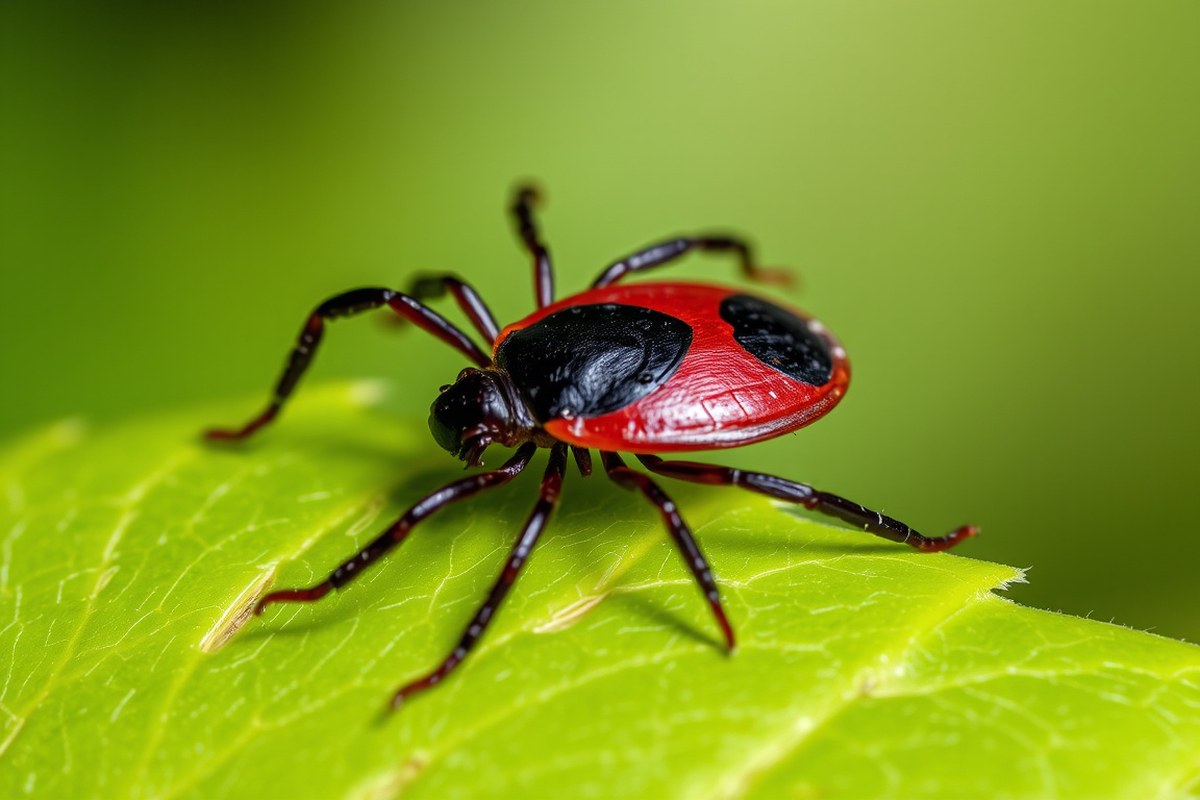
Ticks are small arachnids, usually brown or reddish, with eight legs and no antennae. Adult ticks grow to roughly the size of a sesame seed, while their immature form, called nymphs, can be as small as a pinhead. Nymphs are responsible for about 98% of tick bites because their tiny size makes them hard to spot. You might notice ticks in your yard on low-growing plants, in tall grasses, or leaf litter, where they wait for hosts to pass by.
The tick life cycle has four stages: egg, larva, nymph, and adult, and it can take up to three years to complete. After hatching from eggs, larvae feed on small mammals or birds before molting into nymphs. Nymphs seek out larger hosts, including humans and pets, and after feeding, they become adults. Adult ticks will attach to hosts to feed and reproduce. Peak activity usually occurs between April and September when temperatures rise above 40°F to 50°F, with the highest tick activity in the warmer months of summer. This means tick encounters are most common during spring and summer outdoor activities.
Ticks latch onto skin by climbing onto a host and anchoring themselves with specialized mouthparts. They feed slowly over several days, growing larger as they consume blood. This feeding process enables ticks to pass diseases directly into the host’s bloodstream. Ticks found in your yard may carry illnesses like Lyme disease, anaplasmosis, babesiosis, or Rocky Mountain spotted fever. These diseases vary in seriousness but often need medical care. According to the Centers for Disease Control and Prevention, ticks are responsible for about 75% of all vector-borne diseases in the United States, and approximately 75% of tick bites occur during common activities such as gardening, playing with pets, or spending time outside.
To recognize if you have ticks in your yard, inspect shaded, humid areas near woodpiles, tall grass, or leaf debris. Check your pets and yourself after outdoor time, especially where vegetation meets the lawn. Regular inspections during tick season help you spot these pests early. Reducing exposure involves understanding when ticks are most active and where they hide. Knowing that immature ticks are nearly invisible means you need to be thorough. Protecting your family and pets starts with identifying ticks early and learning their behavior and risks.
2. Landscaping Practices That Reduce Tick Habitat

Making your yard less attractive to ticks involves changes in how you maintain your landscape. Keeping grass closely mowed, removing brush and leaf litter, and choosing the right plants can limit places where ticks thrive. These steps reduce tick habitat and the presence of animals that carry ticks.
Why Keep Grass Short and Mowed Regularly
Ticks prefer tall grass and moist, shaded environments. Keeping your lawn mowed under 3 inches cuts down the cover ticks use to avoid sunlight and drying out. Short grass exposes ticks to sunlight and wind, which lowers their chances of survival.
Frequent mowing also discourages small animals like mice and chipmunks, which bring ticks into your yard. For high tick-risk areas such as properties near woods, aim to mow every 1 to 2 weeks during the growing season to maintain short grass consistently.
Removing Leaf Litter and Brush Where Ticks Hide
Leaf litter, dense brush, and woodpiles create shaded, humid spots that ticks thrive in. Removing these from around your lawn and patio areas reduces favorable tick habitats significantly. Focus on clearing these areas at least once a season, particularly in spring and fall.
Keeping a clean yard also limits small animal hosts that carry ticks. Woodpiles stored away from your home and clearing brushy edges will help keep ticks away from places where you and your pets spend time.
- Clear all leaf litter from flowerbeds and under decks
- Remove brush and tall weeds within 30 feet of your home
- Store firewood at least 20 feet from your house
- Regularly rake garden debris
- Create a barrier of gravel or wood chips between lawns and wooded areas
Keeping leaf litter and brush cleared is most effective when paired with grass mowing and removing invasive plants.
Removing ground cover increases sunlight and air circulation, making your yard less hospitable to ticks.
Plants That Repel Ticks Versus Tick-Encouraging Plants
Certain plants naturally repel ticks, while others attract small mammals and create ideal tick environments. Planting tick-repellent species can add a layer of protection to frequently used areas of your yard.
Plants like lavender, rosemary, mint, and citronella have scents that deter ticks. Incorporating these in borders near patios or play areas makes these spots less inviting for ticks.
- Plant lavender and rosemary along walkways and seating areas
- Use mint in pots or garden beds away from the house to avoid invasiveness
- Citronella plants can serve double duty by repelling mosquitoes and ticks
- Avoid dense ground covers that create shade and humidity favored by ticks
Conversely, dense shrubs and berry-producing plants may attract deer and rodents, increasing tick presence.
Avoiding Invasive Tick-Friendly Plants Like Japanese Barberry
Invasive plants such as Japanese barberry are known to harbor large populations of ticks. Their dense, thorny growth provides perfect shelter and humidity for ticks to live and reproduce.
If you have Japanese barberry or similar invasive shrubs near yards, patios, or paths, consider removing or thinning them. This can significantly reduce tick numbers around homes. Replacement with native, less dense shrubs improves overall yard safety.
- Inspect yard edges for dense invasive shrubs
- Remove or thin Japanese barberry and other tick-friendly invaders
- Replace with native plants that support local wildlife but discourage ticks
- Regularly maintain these areas to prevent regrowth
Removing invasive plants requires care; wear gloves and follow local disposal guidelines to avoid spreading seeds or thorns.
Thinning dense brush also helps improve air flow and light penetration, reducing tick survival rates.
3. Creating Physical Barriers to Protect Play and Living Areas
Establishing physical barriers can reduce tick presence around your yard’s play and living spaces by blocking their movement and making the environment less hospitable. A 3-foot strip of wood chips or gravel between your grass and wooded or brush-filled areas helps stop ticks from migrating. Fencing, particularly that which deters deer, keeps animals that carry ticks out. In addition, situating playground equipment and outdoor furniture away from tick-prone spots lowers the chance of contact with ticks.
Installing Wood Chip or Gravel Borders
A 3-foot-wide strip of dry wood chips or gravel along the edges of your lawn acts as a barrier ticks avoid crossing. Dry, loose materials create a hot, dry environment unsuitable for ticks, reducing their migration from wooded or overgrown areas onto your lawn. Using cedar chips is especially beneficial, as permethrin-treated Atlantic Yellow Cedar chips provide extra tick prevention.
This barrier should be installed all along the transition zone between your yard and any natural areas like wooded patches or dense brush. The cost typically runs $1.50 to $3 per square foot, depending on material type and labor. Proper installation reduces ticks in play and seating areas significantly.
- Measure and mark a 3-foot-wide strip along your yard’s edge, where it meets woods or brush.
- Clear the area by removing grass, leaves, and debris to expose bare soil.
- Level the soil to create an even surface, ensuring good drainage.
- Lay landscape fabric if desired to inhibit weed growth beneath the barrier.
- Spread a 3-inch-deep layer of dry wood chips or gravel evenly over the strip.
- Water lightly to settle the material, then avoid heavy moisture to keep it dry.
- Maintain the barrier by replacing depleted material annually and clearing debris.
Building Fences to Exclude Deer and Wildlife
Deer are common tick carriers, so installing fences at least 8 feet high keeps them and larger wildlife out of your yard. A well-built fence substantially reduces tick populations by blocking these hosts from accessing your lawn and garden. You can use wood, metal, or mesh fencing depending on your yard’s needs and aesthetics.
Fencing is more expensive than barriers, often costing $15 to $35 per linear foot, but it provides effective, long-term exclusion. Smaller mesh fencing can also help limit entry by smaller animals like rodents, which can carry ticks but may require finer mesh and professional installation.
Positioning Play Areas and Outdoor Seating
Place playground equipment, decks, and seating zones in sunny, open parts of your yard, away from the edges where ticks thrive. Keeping these areas at least 10 to 15 feet from woods or dense shrubbery reduces tick exposure. Sunlight and higher temperatures in open areas make it harder for ticks to survive.
Designing play and relaxation zones within your yard, enclosed by your wood chip or gravel border, creates a safe space for family activities. This physical separation combined with well-maintained barriers lowers the chances of bringing ticks into these commonly used spots.
Maintaining and Inspecting Barrier Effectiveness
Regular inspection and upkeep are essential to keep physical barriers working well. Check wood chip or gravel strips each spring and fall to ensure the material remains dry, at least 3 inches thick, and free from accumulated leaves or plant debris that could create tick-friendly microhabitats.
Fences should be inspected seasonally for breaches or gaps where deer or other animals might get through. Repair any holes or structural damages promptly. Keep vegetation from growing directly on or over fences and barriers to prevent creating tick corridors.
4. Safe Use of Chemical Treatments for Yard Tick Control
Permethrin is one of the most effective EPA-approved chemical treatments for controlling ticks in your yard. It kills and repels ticks on contact, reducing their population significantly when applied properly. Applying permethrin once between late March and early May targets ticks as they become active in the spring, allowing you to reduce their numbers before the peak summer months. You may need a second treatment six to eight weeks later if tick activity persists, but excessive use can harm beneficial insects and increase costs, so follow product label instructions carefully.
To apply permethrin safely, focus on areas where ticks hide like shaded, moist places along the edges of your yard, brush piles, and near your home’s foundation. Avoid spraying areas where children and pets frequently play or rest until the product has dried completely, which usually takes a few hours. Wearing gloves and protective clothing while spraying is essential to minimize your exposure. Keep pets away from treated areas during and shortly after application to prevent ingestion or skin irritation.
Costs for permethrin-based treatments vary; ready-to-use sprays designed for smaller areas may cost between $20 and $40 per container, while larger yards might require professional-grade products or services, potentially ranging from $100 to $300 per treatment. The upfront expense might seem high compared to organic methods, but chemical treatments typically provide faster, longer-lasting tick control that can justify the investment if ticks pose a serious problem in your yard.
Some homeowners worry about safety for children and pets. Permethrin is generally considered safe once it dries, with minimal risk if label directions are followed strictly. Unlike some insecticides, permethrin does not remain toxic indefinitely; it degrades under sunlight and rainfall over weeks. Still, avoid direct contact with wet spray, and do not allow children or pets into treated zones until dry. For those very concerned about chemicals, using permethrin selectively on tick hotspot areas while combining it with natural repellents in play zones can balance safety and effectiveness.
Spraying pesticides like permethrin offers a reliable way to cut down tick numbers, especially when combined with landscaping and physical barriers. It works better than spot treatments alone because ticks travel across your yard, and an area-wide spray addresses hidden populations before they multiply. While organic sprays such as cedar oil also kill or repel ticks and are safer for pollinators and pets, their shorter residual protection means you might need to reapply every 30 to 60 days, increasing labor and cost. In contrast, permethrin’s longer-lasting control can mean fewer applications overall during the tick season.
Follow all federal and local regulations when applying chemical controls. The EPA’s Citizen’s Guide to Pest Control and Pesticide Safety offers guidance on proper use and limitations. Avoid applying pesticides on windy days or near bodies of water to prevent drift and contamination. Test a small area first to check for any plant reactions. Proper timing, careful safety measures, and targeted application make pesticides like permethrin effective in reducing tick numbers in your yard, helping to keep your family and pets safer outdoors.
5. Evaluating Natural and Organic Tick Control Alternatives
Natural and organic tick control options like cedar oil and diatomaceous earth can help reduce tick presence but usually do not match the lasting power of synthetic chemicals. Cedar oil, a botanical oil, can repel and kill ticks when sprayed around your yard’s perimeter, especially near wooded edges where ticks usually hide. Diatomaceous earth (DE) works by physically damaging the exoskeleton of ticks, causing dehydration, but its effectiveness outdoors depends heavily on dry weather conditions because moisture reduces its impact.
Both options tend to offer shorter-term control compared to products with residual effects lasting up to 3 months. You’ll need to reapply natural treatments more frequently, often every 1 to 2 weeks, especially after rain or heavy dew. These treatments best suit small yards or tick populations not deeply established. For larger infestations or high-risk areas, combining natural methods with professional advice or more persistent treatments can give better results.
| Natural Tick Control Method | How It Works | Effective Duration | Practical Considerations |
|---|---|---|---|
| Cedar Oil | Repels and kills ticks on contact | About 1, 2 weeks per application | Apply to yard perimeter, reapply after rain |
| Diatomaceous Earth (DE) | Damages tick exoskeleton causing dehydration | Varies, reduced effectiveness when wet | Use on dry, shaded areas; reapply if wet |
| Other Botanical Oils (e.g., Rosemary, Wintergreen) | Limited tick control efficacy | Short-term, inconsistent results | Not recommended as sole treatment |
| Biological Agents | Predators or natural pathogens for ticks | Varies by organism and environment | Still experimental; consult professionals |
Applying cedar oil requires following product directions carefully to cover areas where ticks are most common along property edges. Use a pump sprayer to apply evenly in cool, dry weather to maximize effectiveness. DE should be spread lightly where tick activity is evident, avoiding application before rain or heavy dew, which can neutralize it quickly. Both treatments require consistent attention and multiple applications to maintain control.
Never apply tick control products directly onto pets; use products designed specifically for animals to avoid harm.
Choose natural options if you prefer non-chemical solutions or want to minimize chemical exposure around children and pets. Expect to monitor your yard regularly and reapply treatments frequently, as natural products rarely offer multi-month residual control. Combining these methods with physical barriers and landscaping can help reduce tick populations more effectively.
6. Seasonal and Regional Tick Control Strategies
Ticks show distinct seasonal patterns that depend largely on your region’s climate. Most ticks become active in warmer months, typically from April through September. In northern states, tick activity spikes in spring and early summer, when temperatures consistently exceed 45°F. Southern regions, where winter temperatures rarely drop below 40°F, can experience tick activity year-round. Tailoring your control efforts to these periods improves effectiveness by targeting ticks when they are most vulnerable and before they infest your yard heavily.
Start your tick control treatments early in the season, as soon as daytime temperatures reach the mid-40s to 50s Fahrenheit. Applying a tick control spray by late March or early April ensures killing emerging ticks and halts their population growth. Repeat applications every 8 to 12 weeks during peak seasons maintain a protective barrier around your property. Look for products offering broad-spectrum control and fast action, ideally with a residual effect lasting up to three months. Follow label directions closely to ensure safety, especially if you have children or pets.
Regional species differences also influence control strategy. For example, the black-legged tick commonly found in the Northeast prefers wooded and brushy areas, so focus treatments on leaf litter and shaded zones near your home. Lone star ticks, prevalent across the South and Midwest, aggressively seek hosts across open and dense vegetation, requiring broader yard coverage. Identify the common ticks in your area by consulting local health advisories or extension services and select products formulated to target those species specifically.
A combination of environmental adjustments and targeted chemical control works best across climates. In cooler regions, clearing brush and maintaining short grass reduces tick hosts and shelters. Warm climates benefit from consistent perimeter sprays paired with removing leaf litter and stacking firewood away from frequently used spaces. Avoid waiting for tick bites or infestations to build. Early, repeated treatments timed to your area’s tick activity cycle lower the risk of tick-borne illnesses by reducing exposure from the start.
Costs for professional or DIY tick control vary from around $100 to $300 per season, influenced by yard size and treatment frequency. Effective control means seeing a sharp decline in ticks during peak months and minimal tick encounters on people and pets. Ineffective timing or missing repeat applications often leads to persistent tick presence and bites, showing that seasonal and regional tailoring is critical for success.
7. Avoiding Common Mistakes in Yard Tick Control
One frequent mistake in yard tick control is inconsistent or improper lawn maintenance. Leaving tall grass and dense leaf litter provides shelter for ticks and their hosts, allowing ticks to thrive. Mowing your lawn regularly to keep grass shorter than 3 inches and promptly removing leaves can reduce tick habitat significantly. It requires weekly effort during peak tick season but pays off by limiting where ticks can hide.
Incorrect pesticide use also undermines control efforts. Applying pesticides at the wrong time or using products not labelled for ticks can be ineffective or unsafe. Use tick-specific insecticides according to the directions, ideally when temperatures are above 50°F and ticks are most active in spring and early summer. Avoid overapplication to prevent harming beneficial insects and pets. Contracting a licensed professional might be necessary for large areas or if handling chemicals is intimidating.
Ignoring wildlife hosts is another key error. Ticks rely on animals like white-footed mice and deer to enter your yard and reproduce. Simply treating the lawn won’t keep ticks away if their hosts are abundant. Installing deer fencing, using rodent bait stations carefully placed along property edges, or discouraging wildlife feeding areas can reduce host presence. This sometimes involves a combination of physical barriers and habitat modification around the property.
- Maintain lawn with weekly mowing and leaf removal
- Apply EPA-registered tick pesticides only during active tick months
- Follow pesticide label instructions strictly for safety and effectiveness
- Install deer fencing or use rodent bait stations to reduce hosts
- Clear brush and woody debris near play and living areas
- Avoid overwatering lawns as it can increase tick habitat suitability
- Consider professional pest control consultation for severe infestations
Maintaining proper mowing and clearing brush both reduce tick-friendly environments by limiting humidity and cover. Using pesticides properly ensures ticks in treated zones are killed before they can attach to hosts. Tackling wildlife host populations interrupts the tick life cycle and prevents reinfestation. Neglecting any step wastes effort and allows ticks to persist or return rapidly, requiring repeated control attempts.
8. Handling Tick Finds and Protecting Family and Pets
Handling ticks safely on yourself, family members, or pets is key to preventing tick-borne diseases. Remove ticks carefully using proper tools and dispose of them to prevent further infestation. Protecting pets during yard treatments and using repellents on clothing also reduce the risk of bites.
Proper Tick Removal and Disposal Techniques
Removing a tick promptly and correctly lowers the risk of disease transmission. Use fine-tipped tweezers or a special tick removal tool to grasp the tick as close to the skin’s surface as possible. Avoid squeezing or crushing the tick’s body to prevent pushing harmful pathogens into the bite. Follow these steps to remove and dispose of a tick safely:
- Grab the tick close to the skin with fine-tipped tweezers.
- Pull upward with steady, even pressure without twisting or jerking.
- Clean the bite area and your hands with soap and water or an antiseptic.
- Place the tick in a sealed container or a zip-top bag for identification or disposal.
- Dispose of the tick by flushing it down the toilet or sealing it in alcohol before discarding.
- Monitor the bite site for redness or rash over the next few weeks.
- Wash clothing or gear that may have come in contact with ticks using hot water.
Never use home remedies like nail polish or heat to try to remove a tick; these can increase the chance of infection.
Signs You Need Medical Advice After a Tick Bite
Get medical care if a tick has been attached for more than 24 hours or if you notice unusual symptoms. Early signs such as rash, fever, tiredness, or flu-like symptoms can signal a tick-borne illness like Lyme disease.
Checking the bite site daily for a rash, which sometimes looks like a bull’s-eye, and monitoring your overall health can catch problems early. Consult your healthcare provider promptly if symptoms develop after a tick bite or if you cannot remove the tick completely.
Pet Safety During and After Yard Treatments
Pets can carry ticks into your home, so treating your yard to reduce ticks benefits your family and your animals. Use tick treatments designed for your specific pets, and follow label instructions carefully to avoid harmful exposure.
Many yard treatments that reduce ticks also lower flea populations, providing extra protection. Keep pets off treated areas until sprays dry, usually 24 to 48 hours. Regularly check your pets for ticks during and after outdoor activity, especially in warmer months and wooded areas.
Using Permethrin-Treated Clothing and Protective Gear
Applying permethrin to clothing and gear adds a protective layer against ticks. Permethrin-treated fabrics repel and kill ticks on contact, reducing chances of them attaching to your skin.
Treat clothing by spraying outdoors or purchasing pre-treated items. Concentrate on pants, socks, and shoes, and reapply treatments as directed, generally every 6 weeks or after several washes. Wear light-colored clothing to spot ticks more easily and tuck pants into socks to prevent ticks from crawling inside. Check clothing and gear for ticks often during tick season to stop them before they reach your skin.
Step-by-Step Action Plan to Get Rid of Ticks in Your Yard
This plan helps you take immediate and lasting steps to reduce ticks around your home. Follow each phase to protect your family and pets effectively.
- Before You Start: Identify tick-prone areas by inspecting shaded, moist spots near woodpiles and tall grass. Mark these zones for targeted action and confirm tick presence using a white cloth drag test.
- Day 1: Clean up leaf litter, tall grass, and brush in identified zones to remove tick habitat. Check again after a few days; fewer ticks should appear during spot checks.
- Week 1: Install wood chip or gravel barriers between wooded areas and lawn spaces frequented by your family and pets. Barriers work if ticks do not cross into play zones during follow-up inspections.
- Week 2: Apply approved chemical or natural tick control treatments to woods’ edges and shaded areas, following product instructions closely. A successful treatment reduces ticks visible on drag cloths after 1-2 weeks.
- Week 4: Mow your lawn regularly and keep shrubs trimmed to maintain less hospitable tick habitat. Tick numbers will stay low if lawn and plants remain short and dry.
- Monthly in Tick Season: Repeat treatments as recommended for your region and product type. Monitor tick activity with periodic drag tests to adjust frequency.
- Ongoing: Check family members and pets daily for ticks, especially after outdoor time. Prompt removal within 24 hours reduces disease risk and shows your efforts are protecting health.
Frequently Asked Questions
Why Is My Yard Full of Ticks?
Your yard likely has ticks because it provides plenty of shade, moisture, and hosts like deer or rodents. Ticks thrive in tall grass and wooded areas, so reducing these habitats lowers tick populations near your home.
Is It Worth Spraying Your Yard for Ticks?
Spraying your yard for ticks can be effective, especially if you live in a high-risk area. Chemicals labeled for ticks start working quickly and last up to three months, helping protect your family and pets.
What Do Ticks Absolutely Hate?
Ticks avoid dry, sunny areas and certain plants like lavender or eucalyptus. Removing leaf litter and keeping grass short also helps create a less inviting environment for ticks.
Will Dawn Dish Soap Kill Ticks?
Dawn dish soap can kill ticks on contact but is not a practical or lasting yard treatment. Use it only for removing ticks from pets or surfaces with care.
Can I Prevent Ticks Without Chemicals?
Yes, landscaping to reduce shade and clearing brush can lower tick numbers without pesticides. Physical barriers and organic treatments may also reduce ticks safely.
How Far from the Yard Should I Treat for Ticks?
Treat at least 8 feet beyond play areas and yard furniture to cover tick habitats near wooded edges and prevent invasion into living spaces.
The Bottom Line
Keeping your yard free of ticks requires consistent effort and attention to detail. Start today by clearing away leaf litter and tall grass around your home’s perimeter to reduce tick habitat. This single step can lower the chances of ticks coming close to your family and pets, setting a foundation for safer outdoor spaces.





One Comment