

How to Get Rid of Acid Reflux Fast: 8 Effective Remedies and Lifestyle Tips
To get rid of acid reflux fast, try quick home remedies like baking soda, pickle juice, or a teaspoon of mustard with black strap molasses. Over-the-counter antacids such as Tums or Pepcid also work quickly to ease symptoms. Adjusting your sleeping position by lying on your left side and elevating your head can provide rapid relief too.
This information is for anyone dealing with occasional or frequent acid reflux, including pregnant women and those managing special diets. You’ll find effective remedies, fast-acting medication options, dietary tips, lifestyle changes, and advice on when to see a doctor for lasting comfort and prevention.
Key Takeaways
- Use over-the-counter antacids like Tums or Mylanta for quick acid reflux relief within 30 to 60 minutes.
- Take H2 blockers 30, 60 minutes before meals to reduce acid production and prevent reflux symptoms.
- Avoid trigger foods like spicy, fatty, and acidic items while adding alkaline foods to ease acid reflux.
- Improve your bed by 6 to 8 inches and sleep on your left side to reduce nighttime acid reflux.
- Lose about 10% of body fat and avoid lying down after meals to prevent acid reflux flare-ups.
- Consult a doctor if symptoms persist or worsen, to distinguish between acid reflux and GERD for proper treatment.
1. How to Get Rid of Acid Reflux Fast at Home

To relieve acid reflux quickly at home, focus on neutralizing stomach acid and calming your digestive system. One immediate step is drinking a small amount of baking soda dissolved in water. Baking soda, or sodium bicarbonate, works by neutralizing stomach acid and can provide fast relief within minutes. Mix 1/2 teaspoon of baking soda in 4 ounces of water and drink it slowly. Do not exceed this amount, and avoid repeated doses within a few hours to prevent side effects like increased sodium levels or upset stomach. Consult a doctor before using baking soda if you are over 60, on a low-sodium diet, or taking medications.
Other natural remedies can also help reduce symptoms quickly. Drinking a small glass of raw milk can soothe the esophagus and reduce irritation. Sipping pickle juice may stimulate saliva, which neutralizes acid. Chewing gum also increases saliva production, helping to clear acid from the esophagus. Eating a small portion of oatmeal provides a soothing, bland food that absorbs acid. Licorice root or sauerkraut juice have also shown quick relief effects, though they may not suit everyone.
- Dissolve 1/2 teaspoon baking soda in 4 ounces of water and drink slowly
- Drink 1/2 cup raw milk to soothe irritation
- Sip a small amount of pickle juice to boost saliva
- Chew sugar-free gum for at least 15 minutes after eating
- Eat a small bowl of plain oatmeal for quick acid absorption
- Try licorice root tea but monitor for any side effects
- Drink a small amount of sauerkraut juice to reduce acid buildup
Immediately sitting upright and avoiding lying down can also prevent reflux from worsening. Drinking water to flush acid back down and avoiding tight clothing around your stomach may lessen symptoms. These remedies focus on quick symptom relief and can be done while you wait for other treatments to take effect or seek medical advice if symptoms persist or worsen.
2. Fast-Acting Medications: Antacids, H2 Blockers, and PPIs Compared
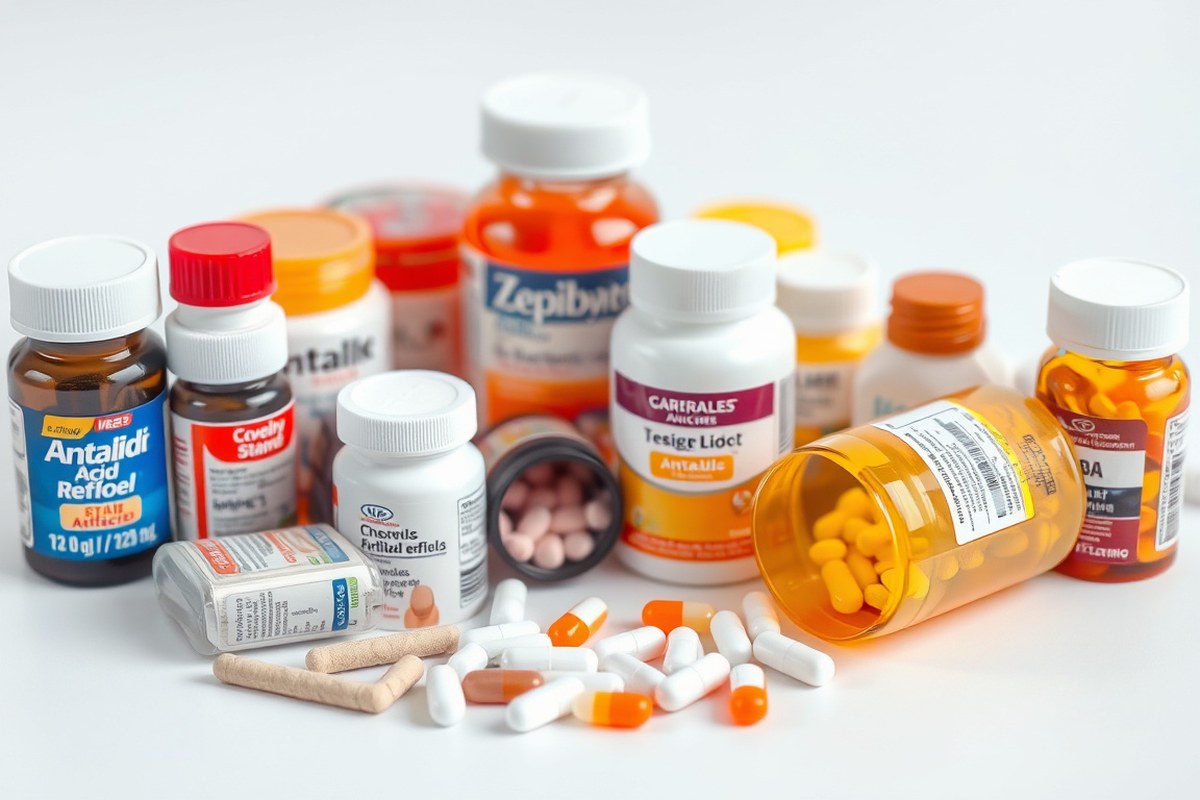
The quickest way to stop acid reflux symptoms is usually with antacids. They work by neutralizing stomach acid and start reducing discomfort within seconds to about one minute. Their relief lasts up to three hours, making them ideal for occasional, fast symptom control. However, antacids might cause digestive side effects like constipation or diarrhea, depending on the ingredients.
H2 blockers take longer to work, around 30 minutes to an hour, but their effects last much longer, between 4 and 12 hours. They decrease stomach acid production, providing sustained relief for acid reflux. Side effects can include headache, nausea, constipation, and diarrhea. These medicines suit people who experience reflux multiple times a day or overnight symptoms, but they don’t offer instant relief like antacids.
Proton-pump inhibitors (PPIs) reduce acid production more effectively than H2 blockers but do not act quickly. It might take up to 4 days for them to reach full effect, though their relief can last 12 to 24 hours. PPIs are usually prescribed for frequent or severe reflux rather than quick fixes. Side effects are less common but can include headaches and increased infection risk if used long-term. Because of their slow onset, PPIs aren’t suitable for immediate symptom relief.
| Medication Type | How It Works | Onset Time | Duration | Pros | Cons | Cautions |
|---|---|---|---|---|---|---|
| Antacids | Neutralize stomach acid | Seconds to 1 minute | Up to 3 hours | Fast relief, OTC, affordable | May cause constipation or diarrhea | Limit use to occasional symptoms; check for calcium or magnesium content if kidney issues |
| H2 Blockers | Reduce acid production | 30 minutes to 1 hour | 4 to 12 hours | Longer-lasting relief, OTC options available | Possible headache, nausea, constipation, diarrhea | Consult doctor if also taking other medications; not for immediate relief |
| Proton-Pump Inhibitors (PPIs) | Strong acid production inhibition | Up to 4 days | 12 to 24 hours | Best for frequent/severe reflux | Slower onset, risk of side effects with long-term use | Use under medical supervision, especially for long-term treatment |
Choosing the right medication depends on how quickly you need relief and how often you have reflux symptoms. Use antacids for immediate relief of occasional heartburn. Select H2 blockers for longer, but not immediate, relief of moderate symptoms. Reserve PPIs for persistent or severe reflux under doctor care. Remember that routine use of any medication without consulting a healthcare provider can lead to unwanted side effects or interactions.
Always follow the label directions and speak with your doctor if over-the-counter medications do not control your acid reflux symptoms within a week.
3. Dietary Changes: Foods to Avoid and Foods That Help Soften Acid Reflux
Acid reflux symptoms often worsen after eating certain foods and drinking specific beverages. Avoiding these triggers while incorporating foods that soothe or neutralize stomach acid can significantly reduce discomfort. Paying attention to meal size and fat content also plays an important role in managing reflux.
Common Acid Reflux Trigger Foods
Foods that relax the lower esophageal sphincter (LES) or increase stomach acid can trigger acid reflux. Fatty and fried foods slow stomach emptying, leading to higher pressure on the LES. Spicy foods can irritate the esophagus lining, worsening symptoms. Common trigger foods include:
- Fried and fatty meats like bacon or sausage
- Full-fat dairy products such as cheese and cream
- Tomato-based products including ketchup, salsa, and spaghetti sauce
- Spicy peppers and hot sauces
- Chocolate, which contains substances that relax the LES
- Onions and garlic in high amounts
- Citrus fruits like oranges, lemons, and grapefruits
Choosing lean proteins and reducing intake of processed or rich foods can help lessen reflux episodes.
Beverages That Aggravate Symptoms
Certain drinks can intensify acid reflux by increasing stomach acid or relaxing the LES. Carbonated beverages introduce gas that creates pressure, promoting acid backflow. Caffeine stimulates acid production and should be limited or avoided.
Key beverages to avoid or limit include coffee, sodas, energy drinks, and alcoholic beverages. Even moderate alcohol intake can worsen reflux symptoms for many people. For instance, a single drink can reduce LES pressure temporarily.
Soothing Foods That Neutralize Acid
Some foods help soothe reflux symptoms by neutralizing stomach acid or protecting the esophagus lining. Alkaline or low-acid options provide relief by balancing stomach pH or coating irritated tissues.
- Oatmeal and whole grains that absorb acid and provide fiber
- Non-citrus fruits such as bananas, melons, and apples without the skin
- Ginger root, which eases inflammation and irritation
- Vegetables like broccoli, green beans, and asparagus
- Low-fat or plant-based milks that do not exacerbate acid production
- Aloe vera juice in small amounts to soothe esophageal lining (avoid added sugars)
Introducing these foods gradually while monitoring symptoms can help identify what works best for you.
Incorporating Alkaline Options
Alkaline foods and drinks decrease acidity in the stomach, helping reduce reflux symptoms. Water with a higher pH, coconut water, and non-citrus fruit juices dilute stomach acid and promote digestion.
Complementing meals with these options supports acid balance, especially after trigger foods. For example, drinking a half-cup of coconut water or a glass of almond milk after meals may ease symptoms.
Portion Sizes and Meal Timing
Eating large meals increases stomach pressure, forcing acid into the esophagus. Consuming smaller, frequent meals helps prevent this pressure build-up. Limit meal size to about 4 to 6 ounces of protein or lean food combined with vegetables and grains.
Including lower fat foods also speeds stomach emptying to reduce reflux risk. Cutting fat intake to less than 30% of total calories per day often improves symptoms.
Avoid lying down for at least two to three hours after eating to allow digestion and lessen acid exposure. Taking fifteen to twenty minutes to eat slowly prevents overeating and helps manage reflux symptoms effectively.
4. Sleeping Positions and Bed Elevation for Acid Reflux Relief
Positioning your body on your left side while sleeping and elevating the head of your bed by 6 to 8 inches are the most effective ways to reduce acid reflux symptoms at night. Elevating your bed properly helps keep stomach acid from flowing back up your esophagus, which extra pillows alone cannot achieve because they compress your stomach. Proper bed elevation supports a natural gravitational barrier that prevents reflux.
Best Sleep Positions to Prevent Reflux
Sleeping on your left side helps keep stomach acid in the stomach longer and reduces reflux episodes. Studies have shown that this position decreases both the number and duration of acid exposure in the esophagus. Avoid sleeping on your right side or flat on your back, as these positions can worsen reflux by placing your stomach above your esophagus or allowing acid to flow more freely.
The left side position supports the natural anatomy of the stomach and esophagus connection, using gravity to keep acid down. Keeping your body inclined in this way also facilitates faster return of acid to the stomach rather than lingering in the esophagus, which can irritate the lining and cause discomfort.
How to Improve Your Bed Correctly
Raising the head of your bed between 6 and 8 inches (about 15 to 20 cm) is recommended to lessen nighttime reflux. This height creates a gentle slope from your head down to your stomach, reducing abdominal pressure that pushes acid upward. Simply adding extra pillows under your head will not provide the proper angle and can increase stomach pressure.
Use sturdy bed risers or place blocks under the legs of your bed at the head end to achieve this elevation. Alternatively, a specially designed wedge mattress can offer a consistent incline without rolling downhill. Proper elevation maintains the integrity of your spine and keeps your upper body improve without bending at the waist. Follow these steps for safe and effective bed elevation:
- Measure the desired height of 6 to 8 inches for elevation.
- Purchase bed risers or sturdy blocks rated to support your bed’s weight.
- Remove the mattress and place risers under each leg at the head of the bed.
- Reposition the mattress securely on the improve frame.
- Check that the bed is stable and that there is a gradual slope from head to foot.
- Adjust bedding so it lies flat and comfortably on the incline.
- Consider using a wedge pillow if bed elevation is not possible or for added support.
- Sleep on your left side to maximize the benefits of elevation.
Why Extra Pillows May Harm Reflux Symptoms
Using multiple pillows to prop yourself up may seem like a quick fix, but this method bends your body sharply at the waist, increasing pressure on your stomach. This pressure can actually force acid upward into the esophagus, making reflux symptoms worse instead of better.
Extra pillows can also cause poor neck and spine alignment, leading to discomfort and disturbed sleep. The stomach remains at or above the level of the esophagus because your torso is bent, negating the effect of gravity needed to prevent acid reflux.
Elevating the entire upper body on an inclined surface or raising the head of the bed provides a more stable and effective angle. This approach keeps your body straight and reduces stomach pressure, which helps keep acid in the stomach where it belongs.
5. Lifestyle Habits That Help Prevent Acid Reflux Flare-Ups
Keep yourself upright for at least 2 to 3 hours after eating to reduce acid reflux. This position helps gravity keep stomach acid down, preventing it from rising into your esophagus. Avoid lying down or going to bed soon after meals, and try to finish eating at least 2 to 3 hours before bedtime to allow digestion to progress.
Wearing tight clothes, especially around your waist or abdomen, can increase pressure on your stomach and trigger reflux. Swap tight pants or belts for looser clothing until symptoms improve. Losing weight also reduces this pressure. Studies show that dropping 5 to 10 percent of your body weight can significantly lower reflux flare-ups by easing stomach pressure and improving digestion.
Stress plays a role in acid reflux by increasing stomach acid secretion and slowing digestion. Incorporate stress management into your routine with methods like deep breathing, gentle stretching, or brief walks. Walking after meals not only helps your mood but also reduces post-meal acid reflux and aids digestion. Chewing sugar-free gum for 15 to 30 minutes after eating can boost saliva, which neutralizes stomach acid and may help prevent reflux episodes.
- Stay upright for 2 to 3 hours after meals
- Wear loose-fitting clothes around your abdomen
- Walk briefly after meals to improve digestion and reduce reflux
- Chew sugar-free gum for 15, 30 minutes post-meal
- Finish eating at least 2 to 3 hours before bedtime
- Use stress-relief techniques like breathing exercises and gentle stretching
- Consider gradual weight loss if overweight to reduce acid reflux pressures
Loosen tight waistbands or belts immediately if you feel pressure or discomfort to help prevent reflux episodes.
Stress management does not require special equipment and can be as simple as sitting quietly for a few minutes, focusing on slow breathing in and out. Scheduling regular breaks to move gently and relax your body can help keep reflux symptoms down. Weight loss takes time but even a small reduction can lower reflux frequency. Avoid very restrictive diets; aim for sustainable changes paired with daily activity. Wearing forgiving clothes and timing meals thoughtfully add simple yet effective layers of prevention to your daily routine.
6. Understanding Acid Reflux vs GERD and When to See a Doctor
Acid reflux happens when stomach acid flows back into the esophagus, causing symptoms like heartburn or a burning sensation in the chest. This occasional reflux can affect many people without long-term problems. Gastroesophageal reflux disease, or GERD, occurs when acid reflux becomes frequent or chronic, typically defined as symptoms happening more than twice a week. GERD can cause persistent discomfort and damage to the esophagus over time, distinguishing it from simple, occasional acid reflux.
Recognizing the difference matters because persistent reflux with GERD can lead to complications such as esophagitis (inflammation of the esophagus), strictures (narrowing of the esophagus), or Barrett’s esophagus, which can increase the risk of esophageal cancer. Symptoms that suggest complications include difficulty swallowing, persistent chest pain, unintentional weight loss, vomiting blood, or black, tarry stools. Frequent regurgitation, chronic cough, hoarseness, or worsening heartburn despite home treatment also indicate the need for medical evaluation.
You should see a doctor if acid reflux symptoms occur more than twice per week or persist longer than two to three weeks despite lifestyle changes and over-the-counter medications. Immediate medical attention is necessary if you experience alarming symptoms such as chest pain radiating to your arm or jaw, which could signal a heart attack, or if you have persistent vomiting, blood in vomit or stool, or significant difficulty swallowing. These symptoms may require diagnostic tests like endoscopy or pH monitoring to assess the severity of reflux and rule out other conditions.
Early consultation allows your healthcare provider to recommend a treatment plan possibly including prescription medications or evaluation for surgical options, especially if your symptoms interfere with daily life. Managing GERD often starts with confirming the diagnosis and ruling out complications. The cost for initial evaluation typically involves office visits and possibly diagnostic tests, which can vary widely depending on location and insurance coverage. Delaying care when GERD is present can mean worsening symptoms and higher risks of complications.
For many people, modern medications combined with targeted lifestyle changes and dietary adjustments control GERD effectively. If symptoms do not improve or worsen after several weeks of treatment, your doctor might suggest further testing or surgery to prevent esophageal damage. Remember, occasional acid reflux does not usually need medical intervention, but frequent or severe symptoms always warrant professional assessment to prevent serious outcomes.
7. Common Mistakes When Treating Acid Reflux and How to Fix Them
Many people trying to relieve acid reflux miss key details that reduce the effectiveness of their treatments. Taking medication without the right timing or dose can make symptoms last longer or worsen. For example, antacids work best within 30 minutes of eating, not hours later. Overusing proton pump inhibitors (PPIs) can lead to rebound acid production, making reflux more severe. Follow package directions exactly or your doctor’s instructions to avoid this setback.
Lifestyle changes often fail because they’re done inconsistently or partially. Eating large meals or lying down right after eating causes stomach acid to back up into the esophagus. Skipping meal spacing or ignoring food triggers like spicy or fatty foods delays symptom relief. Correctly implementing changes by eating smaller meals, waiting at least two to three hours before lying down, and carefully noting your personal food triggers can help prevent flare-ups.
Home remedies might seem harmless, but some make reflux worse if applied improperly. Drinking lemon water or other acidic drinks can increase stomach acidity and trigger heartburn. Likewise, relying solely on herbal teas without adjusting your diet might only mask symptoms temporarily. Focus on remedies paired with healthy habits and avoid anything that irritates your digestion.
- Taking antacids long after meals instead of soon after to reduce acid production promptly
- Eating large portions or multiple heavy meals without breaks throughout the day
- Lying down immediately after eating, which prevents acid from staying in the stomach
- Using proton pump inhibitors continuously for months without medical guidance
- Drinking acidic beverages like lemon juice or carbonated drinks thinking they soothe reflux
- Ignoring individual food sensitivities and not tracking what triggers symptoms
- Relying only on home remedies without making needed lifestyle and dietary changes
Adjusting how you take medications so they align with meal times optimizes relief. Control meal size and timing by dividing daily calories into 4 to 6 smaller servings to avoid stomach overload. Stay upright for at least 2 hours after eating to use gravity in keeping acid down. Recognize personal food triggers by maintaining a simple symptom and diet diary for about two weeks. Choose home remedies that neutralize acid or strengthen digestion, such as a small amount of baking soda dissolved in water, only on occasion. Each of these corrections takes little time but yields meaningful symptom reduction and less reliance on medications.
8. Adapting Acid Reflux Remedies for Pregnant Women, Elderly, and Special Diets
Managing acid reflux effectively requires adjustments based on your specific situation, such as pregnancy, older age, or dietary restrictions. Tailored remedies help maintain safety while reducing symptoms quickly and comfortably.
Safe Remedies During Pregnancy
Pregnant women often face acid reflux more frequently due to hormonal changes and pressure on the stomach. Treatments are generally similar to those for non-pregnant individuals but need extra caution to ensure safety for both mother and baby.
Natural remedies like aloe vera juice and alginates are popular options that soothe symptoms without risk. They work by coating the stomach lining and neutralizing acid without harsh chemicals. Over-the-counter antacids that contain calcium carbonate are also widely considered safe during pregnancy.
Consulting your healthcare provider before starting any medication or remedy is important to avoid interactions or complications. Avoid stronger acid-reducing medications unless prescribed, as their safety in pregnancy varies.
Considerations for Elderly Patients
Older adults may face additional challenges with acid reflux due to slower digestion and multiple medications. Remedies should be chosen carefully to prevent side effects or drug interactions. Low-dose antacids and alginates provide fast relief with fewer risks.
Maintaining hydration and small, frequent meals can reduce the severity of reflux episodes. Elevating the head while sleeping helps prevent nighttime symptoms without medication. Regular medical reviews can adjust treatments in case of kidney or heart issues common among seniors.
Adapting Remedies for Special Diets
People on low-sodium or other restricted diets need acid reflux treatments that won’t conflict with their nutritional limits. Many antacids contain sodium, which can raise blood pressure if taken frequently, so choosing low-sodium or sodium-free options is important.
Natural and dietary approaches include avoiding trigger foods, eating smaller portions, and using alginates that typically have minimal sodium content. Always check product labels carefully and consult a dietitian or doctor for personalized advice. Below is a table summarizing recommended remedies and precautions based on your specific situation:
| Situation | Recommended Remedies | Precautions |
|---|---|---|
| Pregnancy | Aloe vera juice, alginates, calcium carbonate antacids | Consult doctor; avoid strong acid reducers unless prescribed |
| Elderly | Low-dose antacids, alginates; small frequent meals; head elevation | Review medications; monitor kidney/heart health |
| Low-Sodium Diets | Low-sodium antacids, alginates, natural dietary changes | Check product labels; avoid high-sodium formulations |
Applying these tailored remedies lets you manage acid reflux safely and effectively based on your unique health needs and lifestyle.
Remember: Always check with your healthcare provider before trying new acid reflux remedies, especially if pregnant, elderly, or on a restricted diet.
Step-by-Step Action Plan to Get Rid of Acid Reflux Fast
Follow these steps starting immediately to ease your acid reflux symptoms quickly and reduce flare-ups over time.
- Right Now: Take an over-the-counter antacid according to the label to neutralize stomach acid and relieve burning within minutes. Notice if heartburn eases within 10 to 15 minutes.
- Next Meal: Avoid trigger foods like spicy, fatty, or acidic items and eat smaller portions. Check if symptoms feel lighter after eating and avoid lying down for at least 2 hours.
- Tonight: improve the head of your bed by 6 to 8 inches using blocks or a wedge pillow to prevent acid from traveling up while you sleep. Waking with less discomfort shows this method is working.
- Next 3 Days: Introduce lifestyle changes such as quitting smoking, limiting alcohol, and wearing loose clothing around your waist. Track any decrease in flare-up frequency or intensity.
- Within 1 Week: Try an H2 blocker or proton pump inhibitor (PPI) for longer-lasting acid reduction if symptoms persist beyond occasional heartburn. Follow package instructions and note if symptoms improve after a few days.
- Ongoing: Keep a food and symptom diary to identify personal triggers, and adjust your diet accordingly by adding reflux-friendly foods like oatmeal, bananas, and ginger. Notice if symptom episodes reduce over 1 to 2 weeks.
- If Symptoms Persist More Than 2 Weeks: Schedule a visit with your healthcare provider to rule out GERD or other conditions requiring prescription treatment. Seek care sooner when you experience difficulty swallowing, weight loss, or persistent chest pain.
Frequently Asked Questions
What Are Some Quick Home Remedies That Provide Instant Acid Reflux Relief?
Baking soda, pickle juice, and chewing gum can provide fast relief by neutralizing stomach acid. These remedies act quickly but are mostly for occasional symptoms rather than a long-term solution.
Can Over-The-Counter Antacids Stop Acid Reflux Immediately?
Yes, antacids like Tums and Mylanta can neutralize stomach acid and ease symptoms within 30 to 60 minutes. They are best for occasional acid reflux and not meant for daily use without doctor advice.
Are There Natural Drinks That Help Relieve Acid Reflux Fast?
Raw milk, oatmeal, and licorice root tea can soothe the stomach and reduce acidity quickly. These options work mildly and can complement other treatments but may not replace medication if reflux is severe.
Does Changing My Sleeping Position Really Help Reduce Acid Reflux Symptoms?
Sleeping on your left side with your head improve can reduce acid reflux by keeping stomach acid from flowing back up. This simple adjustment provides relief during sleep but may not stop daytime symptoms.
Can Pregnancy-Related Acid Reflux Be Managed with Quick Fixes?
Some fast relief remedies are safe during pregnancy, including antacids like Tums and non-drug options like oatmeal. Pregnant women should consult a healthcare provider before trying any new treatment.
How Effective Is Mustard or Blackstrap Molasses as a Fast Acid Reflux Remedy?
A teaspoon of mustard or unsulphured blackstrap molasses can neutralize stomach acid quickly and ease discomfort. These natural options may help some people but are not backed by strong scientific evidence.
The Bottom Line
Relieving acid reflux quickly involves a combination of knowing which medications work fast, making smart food choices, and adjusting your habits to reduce triggers. You can start today by tracking what you eat and noting when symptoms flare up to identify personal triggers. Taking this step can guide you toward better control and fewer episodes of acid reflux.






3 Comments