

How to Get Rid of Deodorant Stains: 8 Proven Methods That Work
Learning how to get rid of deodorant stains is simple with the right methods. Using common household ingredients like hydrogen peroxide, white vinegar, and dish soap can quickly remove both white marks on dark fabrics and yellow stains on lighter clothes. Choosing the best removal technique depends on the fabric and type of stain, while prevention ensures your wardrobe stays fresh and vibrant.
This is for anyone dealing with deodorant marks on clothing, from everyday wearers to laundry enthusiasts. You’ll find proven stain removal steps, fabric-specific tips, prevention advice, and ways to avoid common mistakes. These methods make it easy to keep your clothes looking clean without leaving stubborn stains behind.
Key Takeaways
- Deodorant stains form from aluminum compounds and oils, appearing as white marks on dark clothes or yellow on whites.
- Prevent stains by choosing anti-perspirants designed to reduce residue, such as NIVEA Black & White Invisible Clear 72h.
- Match your stain removal method to fabric type, using gentler solutions for delicate fabrics and stronger treatments for cotton or synthetics.
- Hydrogen peroxide mixed with cool water effectively removes white deodorant stains after soaking garments for at least 30 minutes.
- Soak tough stains in warm water with dish soap and white vinegar for 30 minutes before washing black clothing.
- Apply paste treatments directly to set-in stains and let sit 2-3 hours before rinsing to improve stain removal success.
1. Why Deodorant Stains Appear and How They Differ
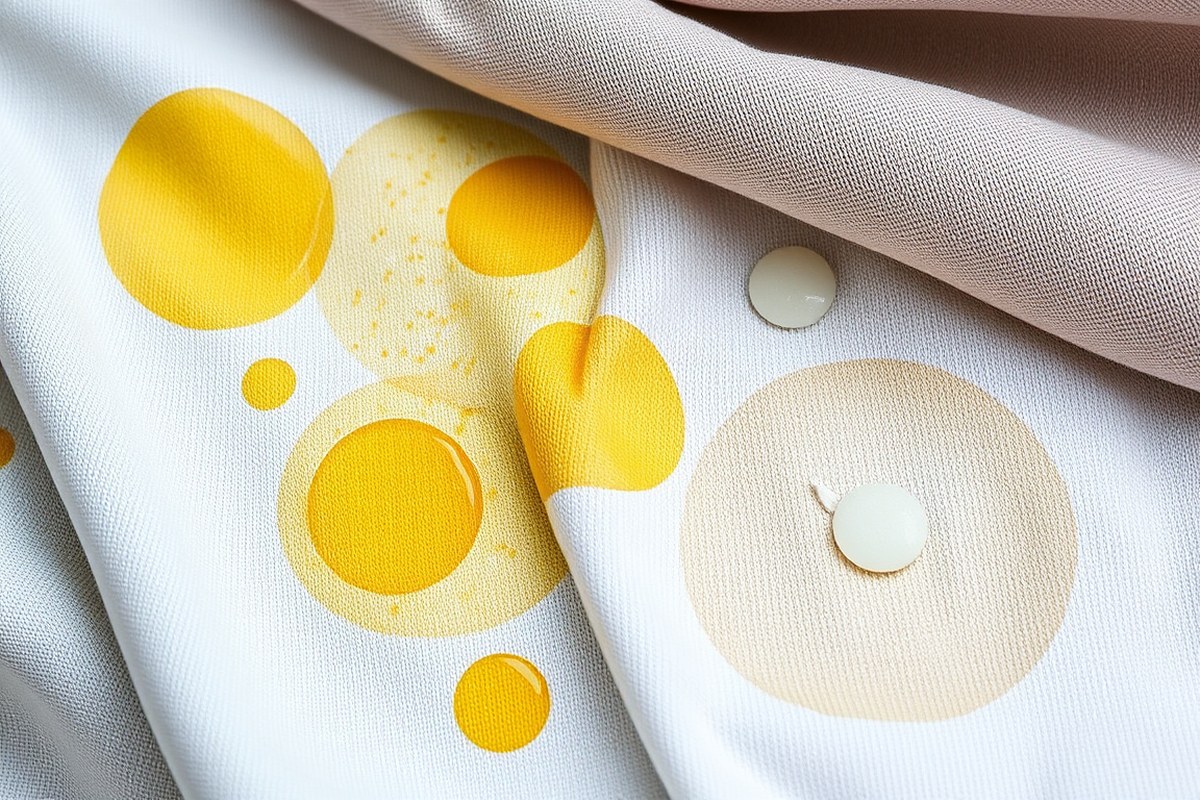
Deodorant stains happen because of the ingredients in deodorants and antiperspirants that come into contact with your clothes. White residue usually appears as streaks or marks on dark fabrics and is caused by powdery ingredients like baking soda or other minerals. Yellow stains, often seen on lighter fabrics or white shirts, develop from a chemical reaction between the product, your sweat, and body oils. This reaction changes the color of the fabric fibers. Dark bras tend to show white streaks from deodorant residue more easily, while lighter bras and shirts can turn yellow over time due to this buildup.
Antiperspirants contain aluminum compounds to block sweat glands, which can leave behind more persistent yellow stains compared to deodorants that mainly mask odor or reduce bacteria. The aluminum reacts with sweat and can cause discoloration that’s tougher to remove than simple white deodorant marks. These differences matter because white residue is often easier to brush or wash away with regular detergent, while yellow stains may require targeted treatment with enzyme-based detergents or soaking methods that break down the chemical buildup.
Applying deodorant or antiperspirant and then putting on clothes before it dries increases the chance of stains. The product can rub off directly onto fabric, creating a crusty residue that sticks. Letting deodorant dry fully before dressing can reduce this problem. Choosing aluminum-free deodorants and antiperspirants may also lower the risk of yellow stains. However, some residue or marks can still appear with these options, especially if a fast dressing habit rubs the product directly onto the fabric.
Using an enzymatic laundry detergent is a good step for both white and yellow stains because enzymes break down the proteins and oils involved in the stain. For stubborn yellow discoloration, soaking garments in warm water mixed with a bit of vinegar or dish soap for about 30 minutes before washing can help lift the stain. This works because vinegar helps dissolve minerals and body oils that cause the yellowing. White marks from deodorant residue often come off with regular washing after brushing off excess powder.
Knowing the cause and type of stain tells you how to address it. White streaks mostly need surface cleaning or gentle washing to remove powdery buildup, while yellow stains may require pre-treatment with household solutions and enzyme detergents. Dark and light fabrics will show these stains differently, making it important to pick removal methods that match the fabric color and stain type for the best outcome.
2. Preventing Deodorant Stains Before They Form
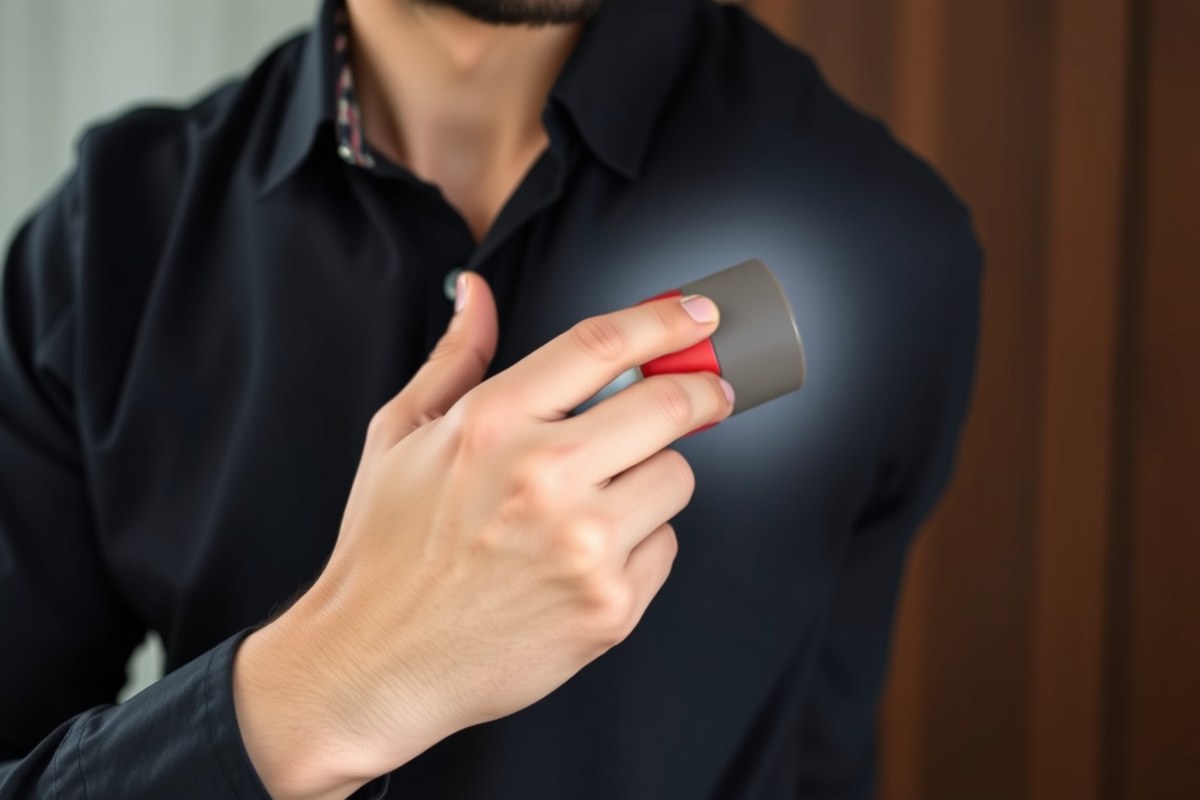
Preventing deodorant stains starts with how you apply your deodorant and the habits you form around fabric care. Small changes in timing, product choice, and laundry routine can make a big difference. Adopting these habits reduces residue buildup and keeps your clothes looking fresh longer.
Proper Timing for Deodorant Application
Applying deodorant correctly helps avoid excess residue that leads to stains. Use just the right amount, usually one or two swipes per underarm, to cover the area without overloading it. More than two swipes can leave extra product that transfers to clothing and causes marks.
Wait a few minutes after applying deodorant before putting on your clothes. This pause allows the deodorant to dry completely, minimizing the chance it will rub off or smear onto fabric. This step is especially important for spray or gel deodorants, which take longer to set.
Selecting Stain-Free Deodorant Formulas
Choosing the right deodorant formula can prevent many stains. Look for deodorants and antiperspirants marketed as “stain-free,” “no white marks,” or “invisible.” These products often contain ingredients less likely to cling to fabric or leave visible residue.
Some deodorants include advanced technology targeting sweat and odor without excessive salts or powders that cause buildup. For example, certain collections feature odor and sweat-resistant fabric treatments that help minimize staining when combined with proper laundry habits.
- Choose antiperspirants with low aluminum salt content to reduce yellow stains
- Opt for gel or clear stick formulas that dry quickly
- Avoid deodorants with heavy powders or fragrances that increase residue
- Test new products on inconspicuous clothing before full use
Keep in mind that natural deodorants may reduce chemical stains but sometimes leave other marks due to oils or baking soda content, so observe how they interact with your fabrics.
Wearing Breathable and Loose Clothing
Fabric choice affects how deodorant interacts with your clothes. Breathable materials like cotton reduce sweat accumulation, which combines with deodorant ingredients to form stains. Natural fibers allow air circulation and moisture evaporation, lowering residue buildup.
A proper fit also matters. Clothes that are too tight increase friction and trap deodorant residue against fabric, increasing staining risk. Wearing slightly loose clothing around your underarms reduces contact pressure and lets deodorant dry faster on your skin.
Frequent Washing to Prevent Build-Up
Wash clothes soon after wearing them to prevent deodorant and sweat residues from settling in. The bacteria in sweat interact with deodorant ingredients to create yellow or white stains over time, especially on whites and light colors.
Use an enzymatic laundry detergent designed to break down organic stains and residues. Avoid fabric softeners, which can trap deodorant particles in fibers and make them harder to remove later. Effective washing cycles balance stain removal with fabric care; warm water (around 104, 140°F) often improves results without damaging fabrics.
Fabric softener may seem helpful but often causes deodorant stains to cling more tightly, skip it to keep your clothes stain-free.
Using Protective Barriers Under Clothes
Applying a barrier between deodorant and fabric can reduce staining. Sweat pads or armpit shields stick inside clothing to absorb excess product and moisture. These are especially useful during hot weather or intense physical activity when sweating is heavier.
Alternatively, wear an undershirt made from moisture-wicking fabric that keeps deodorant away from outer layers. These layers help keep your main garments cleaner and extend their lifespan.
- Use disposable or washable sweat pads under shirts
- Choose undershirts with breathable, moisture-wicking fibers
- Replace protective barriers regularly after use or sweat exposure
- Check clothing seams and underarms for tucked-in pads to avoid shifting
3. Choosing the Best Removal Method Based on Stain and Fabric
Choosing the right method to remove deodorant stains depends on the fabric type and the stain’s color. Dark fabrics showing white residue need gentle treatment to avoid color loss, while yellow stains on white fabrics require a more targeted approach. Synthhetics and delicates each call for specialized care to prevent damage. Follow the checklist below to select the best removal technique for your garment.
Identifying Fabric Material Before Treatment
Check the garment’s care label to determine the fabric type, this guides which cleaning agents and methods are safe. Delicate fabrics like silk, wool, and rayon demand milder treatments, avoiding harsh chemicals and scrubbing. Synthetic fabrics such as polyester and nylon tolerate different approaches compared to natural fibers. Cotton and other durable natural fabrics generally withstand stronger stain removers and mechanical agitation.
Testing a small hidden area before full treatment helps avoid damage or color loss. Handle non-washable fabrics carefully, often requiring spot cleaning rather than soaking or machine washing.
Matching Stain Color to Cleaning Agents
White deodorant stains most often appear on dark clothing, while yellowish marks tend to stain whites and light colors. Tailoring your cleaning solution to these differences improves results and prevents worsening the stains.
- White stains on dark fabrics respond well to baking soda paste or gentle detergent applied with minimal scrubbing.
- Yellow discoloration on white clothes often requires the use of oxidizers like diluted hydrogen peroxide (combine ½ cup hydrogen peroxide with 2 cups cool water), provided the fabric can handle it.
- Avoid chlorine bleach on colored fabrics, it can cause fading or chemical reactions that worsen stains.
- Vinegar is a versatile option for both white and colored fabrics but should be diluted and rinsed thoroughly.
Using color-safe stain removers ensures you won’t strip dye from your clothes during treatment.
Safe Cleaning Solutions for Delicates
Delicates require gentle stain removal to maintain fabric structure and avoid shrinkage or pilling. Avoid scrubbing; instead, soak or spot-treat carefully with mild solutions. Try these steps for items like bras or silk garments:
- Use a diluted detergent designed for delicate fabrics or a mixture of mild soap and water.
- Apply the solution with a soft cloth or an old pantyhose stocking to gently lift the stain without agitation.
- Rinse with cool water and air dry flat to preserve shape.
Steer clear of bleach or abrasive stain removers, which can weaken fibers in delicate garments.
Effective Methods for Synthetic Fabrics
Synthetics such as polyester, nylon, and spandex require intermediate care, more strong than delicates but still cautious to avoid heat damage or chemical injury. Most deodorant stains respond well to pre-treatment with baking soda or mild detergent before washing. Follow these tips on synthetic fabrics:
- Apply a paste of baking soda and water directly to the stain and let sit for 15 minutes.
- Gently rub with fingers or a soft brush to loosen residue without damaging fibers.
- Wash according to label instructions using warm water below 104°F (40°C) to avoid setting stains.
- Avoid high heat drying, which can make deodorant marks harder to remove.
Best Practices for Cotton Garments
Cotton and similar natural fibers tolerate stronger cleaning approaches, including soaking and scrubbing. Yellow armpit stains on white cotton shirts often need more aggressive treatment without bleach, which can react adversely. Use this routine for cotton fabrics dealing with deodorant stains:
- Soak the stained area for 30 minutes in a solution of ¼ cup baking soda and warm water.
- Apply diluted hydrogen peroxide for yellow stains if the care label allows, avoiding silk or wool blends.
- Wash in warm to hot water (up to 140°F) using a standard detergent and repeat if stains persist.
This approach helps break down the oils, waxes, and pigments from antiperspirant formulas common in yellow stains.
4. Household Ingredients That Effectively Remove Deodorant Stains
Several household ingredients can effectively remove deodorant stains, each working in a slightly different way and suited to various fabrics and stain severities. Baking soda, white vinegar, hydrogen peroxide, lemon juice, and enzymatic detergents are common choices you can try at home.
Baking soda acts as a mild abrasive and deodorizer. Mix 4 tablespoons of baking soda with ¼ cup warm water to form a paste. Apply this to the stain, allow it to rest for 30 to 60 minutes, then gently brush it off and rinse before washing as usual. This approach helps remove the chalky antiperspirant build-up safely on most fabrics.
White vinegar is good at loosening residue and lifting discoloration. Create a solution with 1 cup of white vinegar and 2 cups of water. Soak the stained area or rub the solution directly onto the spot, letting it sit for 10 to 15 minutes before washing. Vinegar is especially useful for stubborn stains but avoid prolonged contact with delicate fabrics like silk or wool.
Hydrogen peroxide removes stains by oxidizing them but can act as a mild bleach. Use a diluted mixture: ½ cup hydrogen peroxide with 2 cups cool water. Soak white, colorfast garments for at least 30 minutes before washing. Avoid this on dark fabrics to prevent lightening or discoloration. For darker items, substituting with white vinegar is safer.
Lemon juice acts as a natural bleaching agent, effective on white items only. Apply fresh lemon juice to the stain, let sit in the sun for up to 30 minutes, then rinse and wash. Avoid using lemon on colored or delicate fabrics as it can cause fading.
Enzymatic detergents contain proteins that break down organic stains and residues. These detergents are safe to use in your regular wash cycle and work best as a follow-up after pretreatment with one of the above products. Make sure to choose detergents suitable for your fabric type.
| Ingredient | How to Use | Best For | Precautions |
|---|---|---|---|
| Baking Soda | Make a paste with 4 tbsp baking soda + ¼ cup warm water; apply for 30-60 min; rinse and launder | Most fabrics, everyday deodorant stains | Use gentle brushing; avoid on delicate fabrics |
| White Vinegar | Mix 1 cup vinegar + 2 cups water; soak or rub for 10-15 min before washing | Stubborn stains, most fabrics except silk, wool | Avoid prolonged exposure on delicate fabrics |
| Hydrogen Peroxide | Dilute ½ cup peroxide + 2 cups cool water; soak white/colorfast fabrics 30+ min | White, colorfast fabrics only | May bleach/damage dark fabrics |
| Lemon Juice | Apply fresh juice on white fabrics; sun-dry 30 min; rinse and wash | White cotton or natural fabrics | Can fade colored or delicate fabrics |
| Enzymatic Detergents | Use in wash cycle, often after pretreatment | Organic residue stains, sensitive fabrics | Follow product instructions for fabric safety |
Attempt layering treatments if the stain persists. Start with white vinegar to loosen buildup, then apply a baking soda paste, and finish with hydrogen peroxide if appropriate for the fabric. Avoid bleach on deodorant stains unless indicated on the garment’s care label, as it can worsen discoloration or damage fabric fibers.
5. Step-by-Step Removal Scripts for Tough and Set-In Stains
For tough and set-in deodorant stains, soaking and applying stain removers carefully is key. Soak times vary from 10 minutes to an hour, depending on the method and fabric. Repeat treatments may be needed before washing, and never dry the garment until the stain is completely gone, as heat makes the stain permanent.
Preparing a Baking Soda Paste
Baking soda effectively removes deodorant stains by gently lifting residues without harsh chemicals. The paste made by mixing baking soda and water sticks to fabric, allowing the stain to break down slowly. For optimal results, leave the paste on for 2 hours before laundering.
- Mix equal parts baking soda and water until you form a thick paste.
- Apply a generous layer of the paste directly onto the deodorant stain.
- Let the paste sit on the stain for about 2 hours to penetrate and loosen it.
- Rinse the treated area with warm water to remove the paste.
- Wash the garment on its usual cycle, using the warmest water safe for the fabric.
- Check the stain before drying. Repeat if necessary as drying sets the stain.
Avoid using too much water in the paste to prevent dripping and uneven application.
Using White Vinegar for Soaking
White vinegar breaks down deodorant build-up quickly and works well on both fresh and older stains. Soaking for 10 to 15 minutes helps loosen residues, while a longer soak combined with gentle brushing tackles more stubborn stains. Vinegar also deodorizes fabric.
- Pour undiluted white vinegar into a basin or sink deep enough to submerge the stained area.
- Soak the garment or affected portion for 10 to 15 minutes for fresh stains, or up to 1 hour for set-in stains.
- If stains persist, use a soft toothbrush to gently brush the fabric, helping break down build-up.
- Rinse the garment thoroughly in cool water to remove vinegar.
- Wash the garment as usual with detergent in the warmest water allowed for the fabric.
- Inspect the stain before drying; repeat soaking if the mark remains.
Do not soak delicate fabrics like silk or wool in vinegar; test a small area first or skip this method.
Hydrogen Peroxide Application and Safety
Hydrogen peroxide mixed with dish soap creates a powerful stain remover for white or colorfast fabrics. This mixture should sit on the stain for about an hour for maximum effect. Always test on a hidden area first and avoid use on colored fabrics that might bleach.
- Combine equal parts hydrogen peroxide and liquid dish soap in a small bowl.
- Apply the mixture directly to the deodorant stain, covering it fully.
- Let the solution sit for 60 minutes, avoiding exposure to sunlight which can degrade peroxide.
- Rinse the fabric with warm water to remove the treatment.
- Launder the item as usual, using warm water suitable for the fabric type.
- Repeat the process if stains remain before drying, as heat from dryers sets the stain.
Avoid hydrogen peroxide on dark or brightly colored garments to prevent fading or bleaching.
6. Fabric-Specific Tips for Removing Deodorant Stains Safely
Removing deodorant stains requires different approaches depending on the fabric type to avoid damage and maintain appearance. Black clothes often show white deodorant marks clearly. To clean them without fading, use a damp microfiber cloth to gently rub the stain before washing. Avoid harsh bleaches or abrasive scrubbers that can lighten or damage the fabric. For polyester or synthetic fabrics, mild detergent mixed in lukewarm water works best. Soak the garment for 15 to 30 minutes, then gently rub the stain with your fingers before rinsing. High heat can deform synthetic fibers, so air dry these items.
Delicate fabrics like bras made from lace or silk need careful treatment. Harsh chemicals can weaken fibers and ruin elastic or underwire. Use a gentle cleanser designed for delicates or a small amount of baby shampoo diluted in cool water. Soak the bra for 10 to 15 minutes and softly press the fabric to release the stain without wringing. Avoid using a machine dryer; instead, lay flat or hang in indirect sunlight to dry, which helps bleach stains naturally without heat damage. The following checklist offers fabric-specific tips you can follow safely:
- For black shirts, pre-treat stains with a damp microfiber cloth before washing.
- Use mild detergent and lukewarm water for synthetic fabrics like polyester.
- Soak delicate items in cool water with a gentle cleanser or diluted baby shampoo.
- Avoid bleach or high heat drying on any stained fabric.
- Air dry delicate or synthetic clothes, preferably in shade or indirect sunlight.
- Repeat stain removal steps gently if the stain persists before drying.
Choosing the right water temperature matters because hot water can fix stains into some fabrics, making them harder to remove. Pay attention to garment labels for washing instructions to avoid color loss or shrinking. Clean results typically look like the fabric regaining its original color without streaks or residue. If any white marks remain on black or synthetic material, repeating the treatment carefully often helps. With delicate fabrics, avoiding harsh rubbing preserves the garment’s shape and elasticity. Following these exact steps ensures your clothes stay clean and in good shape while removing deodorant stains safely.
7. Common Treatment Mistakes and How to Correct Them
Using bleach on colored fabrics to remove deodorant stains is a frequent mistake. Bleach can fade or discolor these textiles, sometimes causing more obvious damage than the original mark. Always follow the garment’s care instructions before using bleach. Repairing bleach damage often requires dyeing the fabric or using a fabric marker, both of which may be time-consuming and imperfect.
Another frequent error is over-applying deodorant. Excess deodorant builds up on clothing fibers, making stains more obvious and harder to remove. You can limit this by applying a thin, even layer and allowing the deodorant to dry before putting on clothes. Should buildup be present, soak the fabric in cold water for 30 minutes before washing to help loosen residue without setting the stain.
Using hot water to treat deodorant stains often worsens the problem by setting the stain permanently. Always use cold water during the initial treatment stage to avoid embedding the stain deeper into fabric fibers. Cold water prevents the chemical reaction between deodorant, sweat, and fabric that causes yellowing or white marks to become permanent.
- Use cold water only to treat deodorant stains; hot water can set them.
- Always read the garment’s care label before applying stain removers or bleach.
- Apply deodorant sparingly and let it dry before dressing.
- Pre-soak stained areas in cold water for at least 30 minutes before washing.
- Test any stain remover on a hidden area to check for fabric damage or color loss.
- For bleached spots on colored fabrics, fabric marker or professional dye can help mask the damage.
- Avoid rubbing stains vigorously, as this can damage fragile fibers.
In cases where deodorant stain treatments have caused fabric damage, professional cleaning or repair may be necessary. For instance, distorted fabric texture from aggressive scrubbing or harsh chemicals often cannot be restored entirely at home. Instead, consider consulting a dry cleaner about mild solvent treatments that might salvage the garment without further damage.
Correcting stain treatment mistakes takes patience and careful attention to fabric type and stain severity. Acting quickly, avoiding harsh chemicals on sensitive fabrics, and following proper cold-water treatment can save both your clothes and the time needed for restorative fixes.
8. How Environment, Season, and Storage Affect Stain Removal
Humidity and seasonal changes can influence how deodorant stains set and respond to removal efforts. High humidity levels slow the drying process, which sometimes keeps fresh deodorant marks soft and easier to wipe away with a slightly damp washcloth. In contrast, drier air during colder months can allow stains to dry quickly and bind more firmly to fabric fibers, making them harder to remove. Acting promptly in any season is key, but you might need to leave stain removal treatments on longer, about 2 to 3 hours, in low-humidity conditions to break down set-in stains effectively.
Water hardness also affects deodorant stain removal. Hard water contains minerals like calcium and magnesium that can interact with deodorant residues, especially those containing aluminum salts, creating stubborn white or yellow marks. To counter this, use a detergent formulated for stain fighting in hard water, or add a water softener agent during the wash. Using cool or lukewarm water to rinse clothes prevents setting stains further, as hot water can make residues bond to the fabric.
The way clothes dry plays a significant role in stain prevention and removal success. Air drying in a well-ventilated area can prevent heat from setting deodorant stains permanently. High heat from dryers or ironing can bake stains onto fabric, complicating removal. For delicate or stained clothes, hang them to dry away from direct sunlight, which might fade dyes but also helps break down oils in deodorant. In humid indoor environments, using a dehumidifier or fan aids faster drying, reducing the chance of mildew or odor.
Storage conditions impact stain persistence. Folding or hanging clothes too soon after applying deodorant allows residue to transfer and set. Store clothes in cool, dry closets with good airflow to avoid moisture buildup that can interact with deodorant chemicals and worsen stains. Tablets or sachets that absorb moisture can help maintain dry storage areas. For seasonal wardrobes, washing clothes before storage removes any lingering deodorant that could turn into set-in stains over time.
Wipe fresh deodorant stains immediately with a slightly damp washcloth to stop them from setting in hard-to-remove spots.
Step-by-Step Action Plan for Removing Deodorant Stains
Follow this plan to prevent, treat, and troubleshoot deodorant stains on your clothes effectively. Each step guides you through specific actions and helps you check your progress.
- Before Wearing: Apply deodorant only after your skin is completely dry and allow it a few minutes to absorb before dressing. This reduces fresh stains and prevents buildup.
- At First Sign of Stain: Gently rub a damp cloth with mild detergent on the stained area to remove fresh residue. Check that the fabric looks brighter and less chalky.
- Within 24 Hours: Treat stains with a paste made of baking soda and water or rub with white vinegar for light stains. Wait 15 minutes, then launder as usual. Stains should lighten noticeably.
- For Tough or Set-In Stains: Follow the step-by-step removal method using household ingredients like lemon juice or hydrogen peroxide, depending on fabric type. Confirm stain fading before drying, since heat sets stains permanently.
- After Washing: Air dry the garment and inspect the stain. If it remains, repeat the treatment instead of machine drying to avoid setting it.
- Monthly Fabric Care: Use gentle detergents and wash garments inside out to prevent buildup. This step helps keep fabrics clear of deodorant stains long term.
- Watch Environmental Factors: Store your clothes in a dry, cool place and avoid prolonged sweat exposure before washing. Stains remove more easily without heat and moisture damage.
- Troubleshooting: If stains worsen or persist, switch to fabric-safe stain removers or consult a professional cleaner for delicate items. Persistent stains could indicate an unsuitable removal method or fabric sensitivity.
Frequently Asked Questions
How Do You Get Dried Armpit Stains Out of Clothes?
Use a pre-treatment with enzymatic detergent and soak the garment in a hydrogen peroxide solution before washing to break down the stain. This approach helps to lift dried deodorant stains effectively without damaging the fabric.
How Do I Remove Deodorant Residue from My Armpits?
Gently wash the armpits with a mild soap and water or a gentle exfoliating cloth to clear residual deodorant. Regular cleaning prevents buildup that can cause irritation and visible fabric stains.
Why Is My Deodorant Causing Yellow Stains on My Clothes?
Yellow stains form from chemical reactions between your sweat, deodorant ingredients, and body oils, especially on lighter fabrics. Choosing a specially formulated antiperspirant can reduce this staining.
How Do I Remove White Deodorant Stains?
Rubbing the fabric with a damp cloth or using a washing stain remover helps eliminate white marks, especially on dark clothing. These white stains are your deodorant residue left on the fabric surface.
Tired of Those Stubborn Deodorant Marks Ruining Your Clothes?
Treat deodorant stains promptly with household ingredients like baking soda or vinegar before washing with enzymatic detergent for best results. This method works on both white marks and yellow stains.
Can Deodorant Stains Ruin Delicate Fabrics Like Silk?
Yes, harsh treatments can damage delicate fabrics; use gentle cleaners and spot test first. Avoid strong chemicals to prevent fabric weakening or discoloration.
Final Thoughts
Removing deodorant stains takes the right technique and attention to fabric type, but with the proper approach, you can restore your clothes effectively. Start today by testing a small amount of a household cleaner like white vinegar or baking soda on a hidden fabric spot to see how it reacts before treating your stains. This simple step helps protect your clothes and sets you up for successful stain removal.





2 Comments