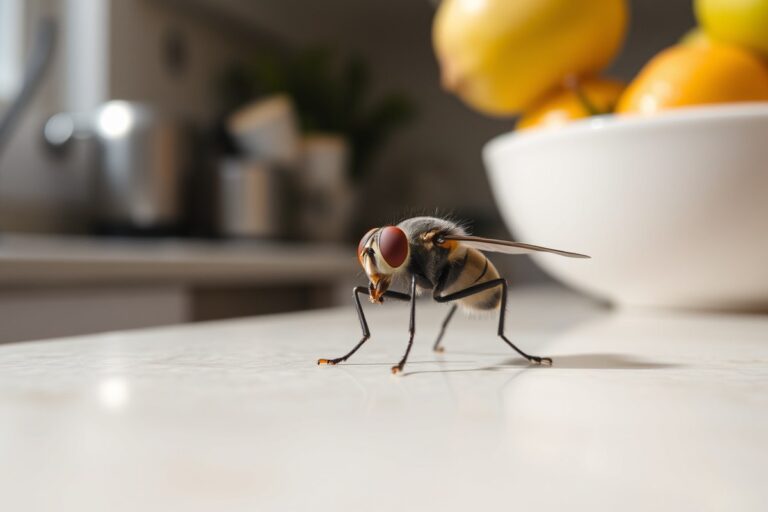
Why Are Lanternflies Considered a Pest? A Complete Guide to Damage, Spread, and Control
Lanternflies are considered a pest because they damage a wide range of plants by feeding on their sap, which weakens the plants and promotes the growth of sooty mold. Their spread threatens commercial crops like grapes and fruit trees, reduces agricultural yields, and impacts the environment and quality of life. The honeydew they secrete also creates sticky surfaces that attract other pests and encourage fungal growth.
This information is essential for homeowners, gardeners, farmers, and pest management professionals dealing with lanternfly infestations. You’ll learn how these insects cause damage, why certain plants are more vulnerable, the role of key host trees in their life cycle, and the most effective ways to control their spread and minimize harm to your plants and property.
Key Takeaways
- Spotted lanternflies damage plants by feeding on sap, weakening crops, trees, and vines, which reduces their growth and yields.
- Grapevines, fruit trees, hops, hardwoods, and ornamental plants are highly vulnerable to spotted lanternfly infestations.
- Honeydew secretion from lanternflies promotes sooty mold growth, further harming plants by blocking sunlight and reducing photosynthesis.
- Managing lanternflies requires timing controls around their life cycle stages, focusing efforts from egg masses through adult emergence.
- Tree-of-Heaven is essential for lanternfly survival and spread, so controlling or removing this host reduces their population and impact.
- Lanternfly infestations cause significant economic losses, environmental damage, and nuisance, affecting agriculture, jobs, and quality of life.
Why Spotted Lanternflies Are More Than Just Harmless Insects

Spotted lanternflies are a type of planthopper insect scientifically known as Lycorma delicatula. They are native to parts of Asia and have spread to other regions, including the United States, where they are recognized as invasive pests. These insects have a distinctive appearance that changes through their development stages. The eggs appear as grayish-brown clusters laid on smooth surfaces like tree bark or outdoor equipment. Young nymphs are small and black with white spots, turning bright red with white spots as they mature. Adults have grayish wings marked with black spots and a striking bright red underwing, which they reveal when they jump. Identifying these stages accurately helps in monitoring and controlling their populations effectively.
Spotted lanternflies earn their status as pests primarily because they feed on the sap of over 70 different plant species, including fruit trees, hardwoods, and vines. Unlike insects that chew leaves or bore into wood, they use a specialized mouthpart to pierce plants and suck out nutrients. This feeding weakens the plants, making them more vulnerable to disease, other pests, and environmental stresses. The sticky honeydew they excrete encourages fungal growth, further harming plant health. Their feeding can severely disrupt agricultural productivity and natural ecosystems, especially in regions where they have no natural predators to keep their numbers in check.
This insect’s ability to jump using their wings rather than flying long distances aids in spreading quickly over short ranges. Their biological traits, like strong jumping and rapid reproduction, make controlling them challenging. This is why spotted lanternflies are not just harmless insects but a significant threat to plant health and agriculture. Recognizing their presence early and knowing how to identify each life stage, egg masses laid in fall and overwintering, black and white spotted early nymphs in spring and summer, red and white later nymphs in summer, and fully winged adults in late summer and fall, enables targeted management.
Monitoring efforts often focus on the egg masses, which require careful inspection of trees and outdoor items during fall and winter. Nymphs are active in the spring and summer months, moving between plants, while adults are most visible late in the season. Good identification requires close observation, as eggs are flat and well-camouflaged; early nymphs are small and dark with distinct white spots; and adults have colorful wings with black spots and red underwings. Missing any stage in monitoring can reduce control effectiveness. Homeowners and farmers must regularly inspect known host plants and nearby surfaces to catch infestations early and reduce spread.
The time and effort involved in correctly identifying and managing spotted lanternflies can be significant. Ignoring the pests can lead to larger infestations and more damage, increasing costs and crop losses. Correct identification lets you apply the right control measures when the pest is most vulnerable, such as targeting egg masses before they hatch or disrupting nymph feeding early in the season. Because they thrive on many common plants and spread quickly by jumping or hitching rides on vehicles and equipment, vigilance is key to preventing serious damage in your garden or farm.
How Lanternfly Feeding Damages Plants and Crops

Spotted lanternflies feed by piercing plant tissues and sucking out sap, which deprives plants of important nutrients and water. This method of feeding causes harm because it disrupts the normal flow of important fluids in the plant, leading to weakened health, reduced growth, and sometimes death.
Sap Extraction Process by Lanternflies
Spotted lanternflies use specialized mouthparts shaped like needles to pierce the bark and underlying tissues of stems, trunks, and branches. Once these piercing-sucking mouthparts penetrate the plant, the insect taps into the phloem, the vascular tissue responsible for transporting sugars and nutrients produced through photosynthesis. The insect then sucks the sap, which contains essential sugars, amino acids, and water necessary for the plant’s survival.
The continuous loss of sap places the plant under stress because sap is important for maintaining cellular functions and energy distribution. Both nymphs and adult lanternflies feed aggressively and collectively, which means large populations can extract sap rapidly, causing severe nutrient deficits. The process also leaves small feeding wounds that may affect the physical integrity of the plant.
Impact on Plant Nutrient Flow
By withdrawing sap, spotted lanternflies reduce the availability of nutrients that support growth and fruit development. Phloem sap carries carbohydrates from the leaves to roots, fruits, and storage tissues, so its removal interferes with the plant’s ability to allocate energy properly. This leads to diminished vigor, smaller yields in crops like grapes and hops, and stunted growth in trees and ornamentals.
When sap extraction is heavy or sustained over time, plants suffer from nutrient imbalance and physiological stress, which lowers their natural defenses. Reduced sap flow can also impair water transport indirectly by weakening the plant overall. Trees that face a high feeding load often show wilting, leaf yellowing, and branch dieback because the resources to maintain healthy tissues become inadequate.
Consequences of Excessive Honeydew Secretion
Every drop of sap consumed by lanternflies passes through their bodies and exits as honeydew, a sugary, sticky waste product. This honeydew accumulates on leaves, branches, and nearby surfaces, creating a moist environment where sooty mold fungi can thrive. The mold coats plant parts in a black layer, blocking sunlight and reducing photosynthesis.
The buildup of honeydew can also attract other insects like ants, which protect lanternflies from predators, enabling infestations to worsen. In vineyards and orchards, the sticky residue can contaminate fruit and make crops unsaleable. The combined effect of sap loss and honeydew secretion accelerates plant decline and complicates management efforts.
Regularly washing off honeydew from valuable plants can help reduce sooty mold development and improve plant health during an infestation.
Physical Stress and Plant Weakening
Lanternfly feeding causes direct physical stress by damaging the vascular tissues when inserting their mouthparts. Repeated piercing weakens the bark and underlying layers, making plants more susceptible to water loss and physical damage. The energy plants expend on healing and defense diverts resources away from growth and reproduction.
This sustained stress can cause branch dieback and reduce a plant’s ability to survive environmental challenges such as drought or cold. Over time, heavily infested plants may experience significant decline in health or may even die, especially if the infestation occurs alongside other stresses.
Secondary Infections from Feeding Wounds
The wounds created by spotted lanternfly feeding open pathways for pathogens like bacteria and fungi to enter the plant. These secondary infections can exacerbate damage by causing diseases that accelerate tissue decay or disrupt vascular function further. Healthy plants can often compartmentalize small wounds, but lanternfly feeding combined with environmental factors lowers this defense.
Once infected, the plant struggles to recover because both the primary damage from sap extraction and the secondary damage from disease inhibit healing. Scouting for early signs of infection in lanternfly-infested plants helps prevent severe outbreaks and reduces potential losses in crops and ornamental plants.
Plants and Crops Most Vulnerable to Lanternfly Infestations
Lanternflies primarily favor tree-of-heaven (Ailanthus altissima), which is important for their population growth and spread. This invasive tree acts as a magnet, attracting large numbers of lanternflies and supporting their reproduction. Economic crops like grapevines are especially vulnerable because lanternflies feed heavily on them, causing severe damage and even vine death. Other hardwood trees also serve as hosts, but the extent of harm differs based on the plant’s role in agriculture or forestry.
Vineyards have suffered the most due to their economic importance and the preferred feeding of lanternflies on grapevines. Losses can be so severe that some growers in Pennsylvania had to replant entire vineyards after lanternflies killed their vines. Other industries, such as hardwood timber and fruit orchards, also face challenges as lanternflies infest trees like maple, birch, and walnut. The damage to these trees affects ecosystem health and timber quality but tends to be less immediately severe compared to vineyards.
| Host Plant / Crop | Susceptibility to Lanternfly Feeding | Impact Severity | Economic or Ecological Importance |
|---|---|---|---|
| Tree-of-heaven (Ailanthus altissima) | Very high (primary host) | Supports large lanternfly populations | Invasive species, not economically valuable, but critical for lanternfly management |
| Grapevines | High | Severe, can cause vine death and crop loss | High economic value in wine and table grape production |
| Maple trees | Moderate | Damage can affect tree health and hardwood quality | Important for hardwood industry and ecosystems |
| Birch trees | Moderate | Possible stress and reduced growth | Forest and ornamental trees with moderate economic value |
| Walnut trees | Moderate | Can reduce nut production and tree vigor | Nut production and timber value |
| Other hardwoods (20+ species) | Low to moderate | Less severe, mainly ecological | Varied economic and environmental roles |
Tree-of-heaven’s role goes beyond simply serving as a feeder plant. Its widespread presence allows lanternflies to build populations that then expand to other crops and native hardwoods. Limiting tree-of-heaven through removal or habitat management can reduce lanternfly numbers, but it requires consistent effort and follow-up treatments to avoid regrowth. Pest management strategies often focus on early-stage chemical treatments and physical barriers to protect economically vulnerable crops, especially grapes, which have a narrow margin for loss.
The Role of Honeydew Secretion and Sooty Mold in Lanternfly Damage
Lanternflies produce a sugary liquid waste called honeydew as they feed on plant sap. Their mouthparts pierce the plant’s tissues to extract fluids rich in sugars, and the excess sugars are expelled as honeydew. This sticky substance collects on leaves, stems, bark, and nearby surfaces beneath the insects.
The accumulation of honeydew creates a favorable environment for the growth of sooty mold fungi. These fungi consume the sugars in the honeydew, forming a black, powdery mold layer on the plant surfaces. The mold itself does not invade the plant tissue, but it blocks sunlight from reaching leaves. This reduces photosynthesis, weakens the plant, and stunts growth. Over time, the combination of sap loss and mold coverage can significantly impair plant health.
Honeydew’s presence also attracts other insects such as ants, wasps, and bees, which are drawn to the sugary secretion. While these insects may not directly harm the plant, their activity can complicate pest management efforts. Ants, for example, sometimes protect lanternflies from predators in exchange for honeydew access, increasing pest persistence.
Removing honeydew and sooty mold requires regular cleaning with water and mild detergents in residential or orchard settings where infestations are severe. This maintenance adds to the labor and costs for homeowners and farmers. In vineyards, for instance, repeated honeydew deposition followed by mold growth impairs grapevine vigor year after year. Without management, affected plants suffer reduced yields, impacting growers’ profits.
The environmental effects extend beyond the individual plants. Sooty mold covers surfaces in yards and natural areas, diminishing aesthetic value and altering local ecosystems. Heavily infested trees become stressed and more susceptible to other pests or diseases, which can disrupt ecological balances for birds and insects that depend on those plants.
Monitoring for honeydew production is part of managing lanternfly infestations. Since honeydew begins to appear once lanternflies start feeding, early detection and control measures can reduce the buildup of this substance and the subsequent mold growth. Prompt action lessens the severity of plant damage and the spread of these secondary problems.
While controlling lanternflies effectively reduces honeydew issues, environmental factors matter too. In cooler regions, extended freezing can limit lanternfly populations, reducing honeydew secretions. In contrast, mild winters and widespread host plants, like the invasive tree-of-heaven, allow populations to thrive and honeydew accumulation to worsen.
Lanternfly Life Cycle and Its Influence on Pest Management Timing
The spotted lanternfly completes one generation per year, passing through egg, nymph, and adult stages that each demand specific control strategies. Seasonal changes in lanternfly activity define the best timing for interventions, making it critical to match treatment methods to the life stage present. Targeting egg masses in late fall and winter, monitoring and managing nymphs in spring and early summer, and controlling adults in late summer to fall maximizes the effectiveness of pest management.
Egg Mass Identification and Removal Timing
Egg masses are laid in late September through November and appear as greyish, waxy clusters often found on tree trunks, branches, stones, or outdoor equipment. These masses overwinter until nymphs hatch in early spring. Removing or destroying egg masses during the dormant season reduces the next year’s population before nymphs emerge and spread.
Egg mass scraping is a non-chemical method ideal for homeowners, gardeners, and land managers. Timing removal between late fall and early spring is key because treating eggs after hatching loses effectiveness. Early detection during this window prevents nymph stage outbreaks, which are harder and more costly to control.
- Inspect all potential surfaces including tree-of-heaven, stone, and outdoor furniture for egg masses after leaves drop.
- Scrape egg masses off carefully using a plastic card or putty knife into a container with rubbing alcohol or soapy water.
- Dispose of the eggs properly to prevent hatching.
- Repeat inspections regularly until early spring to catch missed egg masses.
- Document and report heavy egg mass presence to extension agents or pest officials in high infestation areas.
Scraping is safest during winter when the egg masses are visible and inactive, before nymphs hatch and disperse.
Nymph Stage Monitoring and Control
Nymphs hatch from egg masses in late April to early May and progress through four instars until midsummer. Early nymphs are black with white spots, turning reddish as they mature, making identification straightforward. Nymphs are wingless and less mobile, clustered mostly on tree-of-heaven and other host plants, which allows targeted management before adults spread widely.
Controlling nymphs during this stage reduces future breeding adults. Sticky bands on tree trunks trap crawling nymphs but require regular maintenance to remain effective and prevent bycatch. Chemical insecticides labeled for lanternfly nymphs are most effective during peak nymph activity from May through July. Combining monitoring, manual removal, and insecticides tailored to local regulations optimizes results.
- Set up sticky bands on tree trunks in early May before most nymphs hatch.
- Inspect trees weekly and remove trapped insects and debris to maintain band effectiveness.
- Apply approved insecticides targeting nymphs during late May to mid-July when populations peak.
- Monitor nymph color and size changes to time further treatments or adjust controls.
- Avoid applying insecticides during flowering to protect pollinators.
Sticky bands must be checked often to prevent trapping beneficial insects and to avoid bands becoming ineffective due to debris buildup.
Adult Stage Behavior and Management
Adult lanternflies emerge by late July through October, recognizable by their gray-brown forewings with distinct black spots and bright red hindwings. Adults are more mobile, feeding heavily on host plants and laying eggs before dying off in winter. Managing adults limits egg-laying and population growth, but their mobility makes targeted treatment more challenging.
Control options for adults include manual removal, trapping with attractants like methyl salicylate lures, and pesticides applied in late summer through fall. Monitoring adult presence with visual surveys and traps informs the optimal timing for treatments that reduce egg mass production. Since adults can hitchhike on vehicles, steam cleaning transport equipment in quarantine zones reduces accidental spread.
- Conduct visual surveys of adult populations starting in late July and continue through September.
- Set up baited sticky traps near preferred host trees to capture adults.
- Apply chemical controls targeting adults during peak feeding and egg-laying months.
- Physically remove adults when feasible to reduce population density.
- Implement quarantine protocols on vehicles and equipment to limit spread.
Trapping and chemical treatments on adults are most effective before egg-laying peaks in late summer to early fall.
Why Tree-of-Heaven Is Critical for Lanternfly Spread and Control
The spotted lanternfly shows a strong preference for the invasive tree-of-heaven (Ailanthus altissima), which serves as a critical resource for its reproduction and spread. This tree provides a nutrient-rich environment that supports large lanternfly populations, making it easier for the pest to establish and thrive. Controlling tree-of-heaven populations can directly reduce local lanternfly numbers by removing their favored host, but the insect can survive and reproduce on other hardwood trees such as maples, oaks, and willows.
Tree-of-heaven is native to China but has spread widely as an invasive species across much of the United States, Europe, South Korea, and Japan. This wide availability contributes to the lanternfly’s rapid range expansion and population growth. Removing or managing tree-of-heaven in infested areas is a common control strategy because it targets the pest’s primary breeding and feeding site, which can decrease reproductive rates and overall numbers.
The ability of lanternflies to complete their life cycle without tree-of-heaven means control plans cannot rely exclusively on eliminating this tree. Instead, integrated management combines physical removal of tree-of-heaven, targeted pesticide applications, and monitoring of native hardwood hosts. For example, in regions where tree-of-heaven is dense, homeowners and land managers can prioritize removing young tree-of-heaven saplings and applying systemic insecticides to remaining trees. This approach aims to lower lanternfly populations before they move to other hosts.
When planning tree-of-heaven removal, start by surveying the property to identify and map all tree-of-heaven individuals. Remove saplings by pulling or cutting them before they mature, as immature trees are easier and less expensive to control. Chemical control may be needed for larger or resprouting trees, using herbicides labelled for invasive tree management. Be mindful that removal efforts can be labor-intensive and costly, and repeated treatments might be necessary because tree-of-heaven resprouts from roots. A good control outcome looks like fewer egg masses laid on trees and reduced lanternfly sightings over subsequent seasons.
Areas without tree-of-heaven still require monitoring since lanternflies adapt to native trees, potentially sustaining populations. In such cases, control shifts more toward insecticide application and physical barriers around valuable crops or trees. Managers should avoid relying solely on tree-of-heaven removal where it is sparse or absent, as this won’t fully manage lanternflies. Instead, combining multiple tactics offers the best chance of suppressing infestations and slowing their spread.
Decision rules for including tree-of-heaven management involve assessing its local density and infestation level. If tree-of-heaven covers more than 10-15% of the landscape or hosts many lanternflies, prioritize its removal and treatment. In areas with few tree-of-heaven trees, focus more on protecting native hosts and applying localized insecticides. Ongoing monitoring guides adjustments, such as increasing mechanical removal or chemical treatments when egg masses or lanternfly numbers rise. This flexible approach balances effectiveness with resources, optimizing control efforts across different settings and infestation stages.
Economic, Environmental, and Quality-of-Life Impacts of Lanternfly Infestations
The spotted lanternfly causes significant economic damage at both local and national levels, especially in infested regions such as Pennsylvania. According to a 2019 study by Pennsylvania State University, the pest is responsible for approximately $99 million in agricultural losses yearly, with an additional $236 million lost by the forestry industry. These losses contribute to job reductions, with estimates of around 2,800 positions affected if the infestation remains uncontrolled. Financial impacts extend beyond direct crop damage, affecting industries relying on healthy forests, vineyards, and orchards, which can experience decreased productivity and increased management costs.
Local communities bear economic burdens as well. The sticky honeydew secreted by lanternflies coats surfaces, promoting sooty mold growth that reduces property values and increases maintenance expenses. Decks, patios, and outdoor furniture covered by large swarms often become unusable, decreasing residents’ enjoyment of their homes and leading to costly clean-ups or replacements. Municipalities may face higher public service costs for pest control and remediation efforts, impacting local budgets and resources.
Environmental degradation is another major concern. The heavy feeding by lanternflies weakens trees and plants, reducing their ability to grow and reproduce effectively. Over time, this can cause shifts in local ecosystems as native plants decline, and invasive species like the tree-of-heaven thrive and facilitate further pest spread. Loss of forest health reduces carbon sequestration and can harm wildlife habitats, gradually affecting biodiversity. This environmental strain threatens the sustainability of agricultural lands and natural areas critical to community well-being.
Quality of life problems arise as lanternfly populations grow dense. The constant presence of these insects, often in thousands on a single tree or outdoor surface, produces noise and visual nuisance. The sweet, sticky residue not only attracts other unwanted insects but also complicates outdoor activities like gardening, picnicking, or simply relaxing outside. This can reduce property enjoyment and community aesthetics, causing frustration for homeowners and businesses alike. Managing these nuisances requires ongoing effort and expenditure, adding to the overall impact of infestations.
Addressing these challenges involves coordinated efforts. Homeowners should follow local advice on removing egg masses, using physical barriers, and applying approved insecticides at the recommended times to interrupt the lanternfly life cycle effectively. Farmers and land managers need to monitor vulnerable crops closely and implement integrated pest management strategies. While control methods incur costs, they help limit larger economic and quality-of-life losses caused by unchecked lanternfly spread.
Effective Lanternfly Management: Methods, Mistakes, and Reporting
Managing spotted lanternflies effectively involves a combination of physical removal, targeted insecticide use, and community reporting to slow their spread. Early detection and prompt action prevent large infestations, while understanding the strengths and limits of control methods helps you choose the best approach for your situation. Basic prevention and knowing when to escalate treatments can keep your property and local environment protected.
Physical Control Techniques and Best Practices
Physical control methods are a practical first step for homeowners and growers facing spotted lanternflies. Egg mass scraping can prevent dozens of nymphs from emerging, making it a highly effective, low-cost method. Removing egg masses in late fall through early spring works best before they hatch.
Sticky traps placed around tree trunks and host plants capture nymphs and adults but must be maintained correctly to avoid accidentally trapping beneficial insects or wildlife. Proper placement involves wrapping them at chest height and regularly checking for buildup or debris. Also, removing or managing tree-of-heaven, a favorite host, can limit lanternfly breeding sites.
| Method | Cost | Effectiveness | Safety | Timing |
|---|---|---|---|---|
| Egg Mass Scraping | Low | High (prevents next generation) | Safe (manual removal) | Fall-Winter (Sept, Mar) |
| Sticky Traps | Moderate | Moderate (captures nymphs + adults) | Moderate (risk to non-targets) | Spring-Summer |
| Host Tree Removal/Management | Varies | Moderate to High | Safe (if done correctly) | Year-round |
Common mistakes include scraping during the wrong season, placing sticky traps too low or high, and failing to monitor traps frequently. Regular inspection and proper timing improve results.
Check traps every 3 to 5 days to prevent harming non-target insects and reset sticky surfaces as needed.
Chemical and Biological Control Options
Chemical insecticides remain the most reliable tool for controlling spotted lanternflies. Products containing pyrethroids or systemic insecticides applied according to label instructions can reduce populations significantly. Timing applications when nymphs first appear in spring or during periods of high adult activity is important for effectiveness.
Biological options, such as fungal pathogens like Beauveria bassiana, show promise but are not yet widely available for large-scale use or consistent landscape control. These options may become more common as research progresses, but most homeowners will see better results from physical controls and selective chemical use for now.
| Control Type | Best Use | Effectiveness | Considerations |
|---|---|---|---|
| Chemical Insecticides | Targeted population reduction | High | Follow label safety; affects non-targets; seasonal timing critical |
| Biological Agents (e.g., B. Bassiana) | Supplementary control; research stage | Moderate, developing | Limited availability; slower action compared to chemicals |
Common mistakes include overusing insecticides, which can harm beneficial insects, and spraying during windy or rainy conditions, reducing effectiveness. Always read and follow label directions carefully to protect yourself, pets, and the environment.
Reporting Lanternfly Sightings and Community Engagement
Spotted lanternflies spread rapidly through movement of egg masses on vehicles, outdoor equipment, and firewood. Examining and removing egg masses before travel can help prevent new infestations. Early detection depends on community awareness and timely reporting to local agricultural or pest agencies.
Signs of a serious infestation include large clusters of adults, heavy honeydew accumulation on surfaces beneath host trees, and visible egg masses on smooth bark, stone, or outdoor items. Reporting sightings supports containment efforts and helps officials update infestation maps.
Use official channels such as state agricultural department websites or national resources like the USDA’s StopSLF map to report. Reporting is best done year-round, but especially during egg-laying and hatching seasons to track spread.
- Inspect vehicles, outdoor gear, and firewood for egg masses before moving between areas.
- Collect egg masses using a plastic card and place them in a sealed bag with rubbing alcohol.
- Submit sighting details with photos to your local extension office or state agriculture department.
- Regularly monitor host plants and trapped lanternflies on your property throughout the growing season.
- Share information and updates with neighbors to raise community awareness.
Failing to report new sightings delays response efforts and allows lanternflies to establish in new regions more quickly.
Step-by-Step Action Plan to Identify and Manage Lanternfly Infestations
Follow these clear steps to detect, prevent, and control spotted lanternfly damage on your property and support local efforts to reduce their impact.
- Day 1: Inspect Vulnerable Plants Examine your grapevines, fruit trees, hardwoods, and especially tree-of-heaven for spotted lanternfly egg masses, nymphs, or adults. Success looks like locating and removing visible eggs or insects before they multiply.
- Week 1: Remove Tree-of-Heaven Identify and cut down tree-of-heaven on your property, since it feeds and shelters lanternflies. Confirm effectiveness if you see fewer lanternflies or less egg-laying activity afterward.
- Weeks 2-4: Apply Targeted Insecticides or Controls Use recommended treatments specifically timed to your area’s lanternfly life cycle stage, such as insecticides on adults or sticky bands on tree trunks. Monitor treated plants weekly to check for reduced lanternfly presence.
- Month 1: Clear Egg Masses in Fall and Winter Scrape off and destroy egg masses on outdoor surfaces to reduce hatching the following spring. A drop in nymph numbers in the next season indicates this worked.
- Ongoing: Manage Honeydew and Sooty Mold Regularly wash or prune affected plants to prevent mold buildup from lanternfly honeydew. Notice improvements when plants lose the sticky coating and mold declines.
- Seasonal: Report Sightings Notify local agricultural extension offices or pest control agencies whenever you find lanternflies or their eggs. Your reports help track infestations and improve regional control efforts.
- Annual Review: Adjust Control Based on Infestation Levels Evaluate how well your prevention and control methods reduced damage and lanternfly numbers over the year. Plan changes if infestations remain high or spread grows.
Frequently Asked Questions
How Do Spotted Lanternflies Adapt to New Environments Outside Their Native Range?
Spotted lanternflies adapt by exploiting a wide range of hosts, even if they reproduce less efficiently without tree-of-heaven. Their ability to feed on over 70 plant species helps them establish in new areas lacking consistent freezing winters.
Can Lanternflies Spread Plant Diseases or Fungi Directly?
Spotted lanternflies do not directly transmit plant diseases, but their honeydew promotes sooty mold growth that harms plants. This mold reduces photosynthesis and overall plant health, compounding damage caused by feeding.
Why Is the Spotted Lanternfly’s Reproductive Rate Lower Without Tree-Of-Heaven?
Tree-of-heaven provides optimal nutrition critical for spotted lanternfly fecundity; without it, egg mass production drops dramatically. This host’s abundance strongly influences infestation severity and spread potential.
Are Spotted Lanternflies Attracted to Any Specific Chemicals or Signals?
They respond to chemical cues like methyl salicylate, which can lure them into traps. These compounds are used in pest control to monitor or reduce populations.
What Makes Adult Spotted Lanternflies More Noticeable in Late Summer?
Adults appear in large numbers from July and mate from September, making them more visible. Migratory flights during this period increase their presence and spread risk.
How Soon Can Spotted Lanternflies Establish a Breeding Population in a New State?
Breeding populations can form within a few years after introduction, as seen with Michigan’s live infestation confirmed in 2022. Early detection is critical for control efforts.
The Bottom Line
Lanternflies are considered pests because they cause serious damage to plants, crops, and trees, leading to economic losses and environmental harm. Their feeding weakens vegetation and promotes mold growth, which further degrades plant health. You can help reduce their spread by removing tree-of-heaven on your property and reporting any sightings to local agricultural authorities today. This action supports early management and protects your land from infestation.