How to Get Rid of a Dog: 8 Responsible and Humane Ways Explained
Learning how to get rid of a dog responsibly means finding safe, humane solutions that protect your pet’s well-being. Options include private rehoming, contacting breed-specific rescues, or surrendering your dog to shelters with good care practices. Some dogs with behavioral or medical challenges may benefit from training or specialized support before rehoming. When keeping your dog isn’t possible due to allergies, safety, or life changes, choosing ethical methods prevents harm and ensures your dog finds a suitable new home.
Dog owners facing these challenges will find clear explanations on legal and ethical rehoming, comparing shelters and rescues, preparing your dog for adoption, and alternatives like temporary care or financial aid. The article also covers handling dogs with special needs and common mistakes to avoid, along with emotional support resources. This helps you make informed, compassionate decisions when it’s time to rehome or surrender your dog.
Key Takeaways
- Contact local shelters early, as appointment slots for dog surrender open 14 days in advance and fill quickly.
- Compare private rehoming, rescues, and shelters to find the best fit for your dog’s needs and your situation.
- Use clear, recent photos and detailed bios to increase your dog’s chances of finding a good home privately.
- Expect a 20-40 minute animal assessment during shelter surrender and prepare to pay the $174 surrender fee.
- Explore temporary care options and financial help before surrendering to avoid unnecessary rehoming.
- Disclose behavioral or medical challenges honestly to ensure your dog receives appropriate care and placement.
Legal and Ethical Ways to Rehome or Surrender a Dog
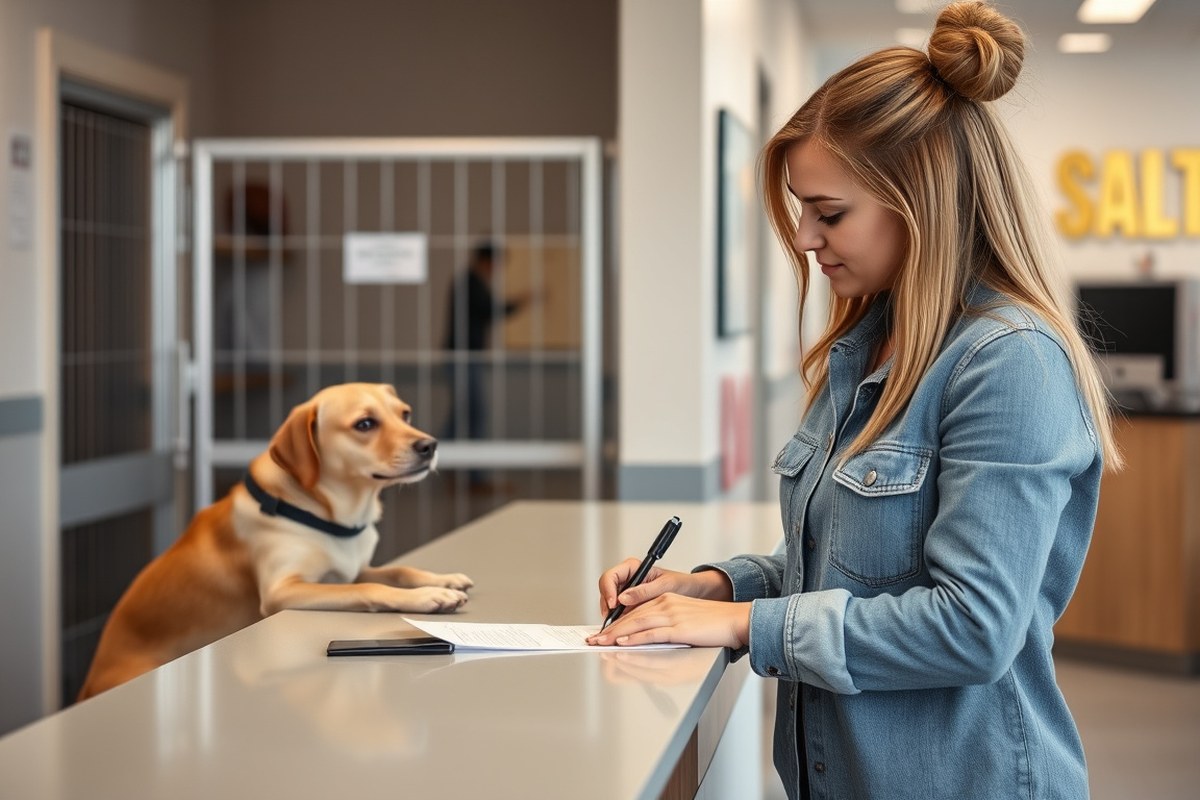
Finding a new home for your dog must follow legal and ethical steps to ensure the animal’s safety and respect for ownership responsibilities. Valid reasons for rehoming include allergies, safety concerns, or unstable living conditions that make it impossible to care for your dog properly. Laws vary by location, but local animal control or services departments typically provide guidelines on surrendering pets. It’s important to check these rules, as abandoning a dog is illegal and poses serious risks to the animal.
One legal way to rehome your dog is through reputable animal shelters, no-kill rescues, or breed-specific rescue groups, especially if your dog belongs to a recognizable breed. These organizations handle the adoption process, ensuring the dog goes to a safe and stable new home. Surrender fees usually apply, for example, shelters may charge around $174 to accept a dog. While there might be a wait for kennel space or foster availability, some shelters offer homestay services where your dog stays with you during the transition. This protects the dog’s well-being while the shelter seeks an adopter.
Ethical rehoming means you continue caring for your dog throughout the process. Advertising your dog’s availability widely helps connect with prospective adopters, but you should filter applicants carefully to confirm they can provide a loving environment. Sending your pet to trusted rescues or verified adoption channels reduces the chances of the dog facing neglect or abuse in an unknown home. Avoid abandoning your dog or leaving it in unsafe places, as this can cause injury or death and may lead to legal penalties.
Ownership responsibilities include ensuring your pet’s health and comfort until rehoming is complete. Remaining patient during the wait for a new home is part of being an ethical owner. If you’re uncertain about local laws or need assistance, contacting animal control or a reputable rescue group can help clarify your options. Taking these steps shows care and respect for your dog’s future, which matches the commitment you made when you first brought them into your life.
Comparing Your Options: Private Rehoming, Shelters, and Rescues

Choosing how to find a new home for your dog depends on your priorities, such as controlling where your dog goes, minimizing stress for your pet, and managing costs and wait times. Private rehoming typically results in less stress since your dog moves directly from one home to another without shelter placement. Below is a comparison table that covers private rehoming, shelters, and rescues, detailing costs, wait times, legal requirements, and pros and cons to help you decide the best option for your situation.
| Option | What It Is | Costs | Wait Times | Legalities | Pros | Cons |
|---|---|---|---|---|---|---|
| Private Rehoming | Finding a new owner directly through networks, ads, or social media. | Usually no cost; may include small fees for vet checks or transport. | Can be immediate or a few weeks depending on finding a suitable owner. | Must comply with local pet transfer regulations; screening highly recommended. | Less stressful for the dog; maintains owner control over placement; no shelter stay. | Requires time and effort to screen adopters; risk of unsuitable placements if not careful. |
| Animal Shelters | Public or private facilities that take in surrendered pets and manage adoption. | Generally free to surrender; some may charge small fees or request donations. | Wait times vary; dog may enter a kennel immediately, adoption wait depends on shelter intake. | Must follow local government surrender protocols; vaccinated animals preferred. | Professional care and evaluation; resources for medical or behavioral issues; adoption handled by staff. | Potentially stressful kennel environment; less owner control; shelters prefer if all other options are exhausted. |
| Rescue Groups | Breed-specific or general organizations focused on rehoming dogs via networked adopters. | Typically no surrender fee; rescues may require screening or intake donations. | May involve waitlist or foster placement until an adopter is found. | Volunteers follow adoption laws; may require medical documentation. | Supportive environments; breed-specific expertise; foster homes reduce stress; better match with adopter. | Less immediate placement; limited spots; screening may be thorough and lengthy. |
Deciding between these options depends on your dog’s temperament and your availability to supervise the rehoming process. Private rehoming offers the most direct transition but requires thorough screening. Shelters provide professional care and routine support but may expose your dog to stressful confinement. Rescues offer more specialized care and better placement matches but often come with longer wait times.
Tip: Make sure to collect and share detailed information about your dog’s behavior, health, and routines with any potential new owners or organizations to speed up placement and ensure a good match.
Due to the challenges dogs may face in shelter environments, consider private rehoming or rescue options first. Shelters often recommend exploring other alternatives before surrendering, as their resources are usually prioritized for injured or sick animals. Checking local rescues through networks like the AKC Rescue Network or Best Friends Network can help you find breed-specific or general rescues nearby.
How to Safely Prepare and List Your Dog for Rehoming
Preparing your dog for adoption means ensuring they are healthy, well-presented, and matched with a suitable new owner. Clear medical records, attractive photos, and a detailed bio help make your dog more appealing. Screening potential adopters with thoughtful questions protects your dog’s future wellbeing.
Essential Health Checks and Vaccinations
Start by gathering all veterinary documents, including vaccination records, spay/neuter certificates, and any treatments or medications your dog currently has. Keeping vaccinations up to date reduces health risks for the adopter and their pets. A vet visit for a general health check can identify issues you might miss and improve your dog’s readiness for a new home.
Prepare a simple health record packet with dates of vaccinations (such as rabies, distemper, parvovirus), history of illnesses, and any allergies or chronic conditions. This transparency builds trust with adopters and can prevent misunderstandings later. When ongoing care is needed, preparing instructions for medication or special diets is essential.
Taking Effective Photos and Writing a Bio
Good photos capture your dog’s personality and encourage people to reach out. Groom your dog before photo sessions, bathe them and brush their coat to look their best. Use natural light, avoid flash, and take pictures at eye level. Include both close-up shots of the face and full-body pictures in a clean, tidy area.
Photos should show your dog relaxed and active to help potential adopters imagine life with them. A detailed bio complements the images by highlighting your dog’s breed, age, weight, temperament, favorite activities, and any special needs. Honesty is key, describe behavioral traits like friendliness with children or other pets and mention if the dog needs a quiet home.
Screening Questions and Communication Templates
Screening helps you find an adopter who matches your dog’s needs and lifestyle. Prepare a list of questions covering the adopter’s experience with dogs, home environment, schedule, and pet care philosophy. Meeting potential adopters with their current pets in a neutral place like a park can reveal how your dog and their animals interact. Ask questions such as:
- Have you owned dogs before? What breeds?
- How many hours daily will the dog be alone?
- Do you have other pets? How do they usually get along with dogs?
- Are you ready for veterinary expenses and training?
Below is a simple communication template for initial contact:
Hello, thanks for your interest in adopting [Dog’s Name]. To help us understand if your home is a good fit, could you please tell us about your experience with dogs and your living situation? We want to ensure the best possible match for everyone involved.
- Collect medical records and update vaccinations through a vet visit.
- Groom and bathe your dog before taking natural-light photos from multiple angles.
- Write a clear, honest bio describing personality, habits, and any special needs.
- Prepare a list of screening questions focusing on adopter experience and home environment.
- Draft a polite, clear communication template for initial adopter contact.
- Post photos and a bio on social media, rehoming websites, or dedicated groups with a modest adoption fee if possible.
- Arrange initial meetings preferably in neutral locations when other pets are involved.
- Confirm the adopter’s readiness and suitability before finalizing the rehoming process.
Surrendering Your Dog to a Shelter or Rescue: What to Expect
Surrendering your dog to a shelter or rescue involves scheduling an appointment, completing necessary paperwork, and understanding any fees that may apply. The process includes providing detailed information about your dog and preparing for the animal’s care and eventual outcome. Knowing what to expect can help you manage the timeline and reduce stress.
Booking an Appointment and Required Paperwork
Many animal shelters, such as the Atlanta Humane Society, ask that you schedule an appointment before surrendering a dog. Usually, you can book these appointments up to two weeks ahead, with new openings added daily. While some shelters accept strays without appointments on certain days, this option is often limited and typically does not include owner surrenders. You usually need to set up separate appointments for each pet unless you’re surrendering a mother dog together with her puppies.
You’ll need to provide detailed information about your dog’s health, behavior, history, and any medical or special needs. Be honest and thorough to help the shelter assess your dog’s needs correctly. Paperwork usually includes surrender forms, medical records if available, and proof of ownership or vaccination where required.
- Contact the shelter or rescue to confirm their surrender policy and appointment availability.
- Schedule an appointment at least a week in advance, using online systems or by phone.
- Gather necessary documents, including vaccination records and any notes about your dog’s behavior and health.
- Complete any required surrender forms, either online before your appointment or on-site.
- Prepare your dog for transport by bringing a leash, crate, or any comfort items.
- Arrive on time for your appointment to begin the intake process.
- Answer any intake questions honestly and provide documentation to shelter staff.
Typical Fees and Additional Expenses
Most shelters charge a surrender fee to help cover intake costs, which can range from $50 to $150 depending on the organization and location. Some rescues or no-kill shelters may have different policies, including waived fees, especially for special needs dogs or in financial hardship cases.
Additional expenses could include costs for vaccines, microchipping, spaying or neutering, and any immediate medical treatment the shelter provides upon intake. These are sometimes added to the surrender fee or may be billed separately.
You can ask the shelter in advance about all potential charges so you can prepare financially. Breed-specific rescues often work with shelters to accept dogs without extra fees, particularly those requiring specialized care or socialization.
What Happens After Surrendering Your Dog
Once surrendered, your dog enters the shelter’s intake system, which involves a health and behavior assessment. Dogs at no-kill shelters or rescues are carefully evaluated and matched with potential adopters or foster homes based on their needs. Shelter staff may place your dog in quarantine for up to several days to check for illnesses.
You may not receive regular updates about your dog once surrendered, as many shelters focus resources on animal care and adoption rather than ongoing owner communication. The outcome depends on the shelter’s policies, your dog’s temperament, age, health, and adoptability.
Some shelters provide options for temporary care or transfer to specialized breed rescues, especially if your dog has behavioral or medical challenges. In rare cases, if the shelter is full or your dog is not a fit for their program, they might refer you to other organizations or services that can help.
Alternatives to Surrender: Temporary Care and Financial Help
Fostering and temporary boarding are practical options to consider if you need a break from dog care or face a short-term challenge. Some animal shelters and rescues offer foster programs that provide your dog with a temporary home until you can resume care or until a permanent solution is found. For example, Better Together Animal Alliance runs a Temporary Loving Care (TLC) program that places dogs in foster homes temporarily. Contact your local shelter or rescue to learn about foster care availability, application requirements, and how long they can care for your dog. Prices vary; foster care is often free if organized through a nonprofit, but independent boarding at kennels can cost $25 to $50 per night depending on location.
If boarding is unavailable through shelters, your veterinarian may recommend nearby kennels or pet boarding facilities. Some vets also partner with temporary care programs for military families, like Dogs on Deployment, which matches pets with volunteer boarders during deployments or travel. These options can reduce stress for both you and your dog, especially when a temporary solution prevents immediate surrender.
Financial challenges are a common reason pet owners consider giving up their dog. Several organizations provide resources to keep dogs at home during tough times. Affordable or low-cost veterinary care is key, and some nonprofits, such as Everypet and local humane societies, offer discounted services for spay/neuter, vaccines, and basic medical care. Visit atlantahumane.org/resources or call local shelters to find these programs. Some community programs also provide free or low-cost pet food, helping reduce monthly expenses. Addressing behavior problems is another area where help can make a difference; many shelters and trainers offer subsidy programs or payment plans to make professional training more accessible.
Before surrendering your dog, reach out to local animal control or humane societies. They often have surrender prevention programs designed to help pet owners stay together with their dogs. These may include temporary emergency boarding, behavior counseling, or financial assistance for veterinary and care costs. For example, Atlanta Humane Society asks pet owners to call 800-452-0114 to discuss options and schedule appointments, ensuring surrender is a last resort. Expect to pay a surrender fee in many shelters if you ultimately choose that option; this fee helps cover medical care and preparation for new adoption. Being proactive about reaching out for help can improve outcomes and reduce shelter overcrowding.
Contact local shelters or humane societies early to explore temporary care and financial help before deciding to surrender your dog.
Handling Dogs with Behavioral or Medical Challenges
Dogs with aggressive behavior or medical challenges require special care when being rehomed. Transparency about your dog’s issues is essential to ensure an adopter understands what to expect and can provide the proper environment for your pet. Start by detailing any aggression triggers, such as fearfulness or reactivity toward other dogs or strangers, and include this information in your dog’s profile if listing for adoption. Clear notes about medical conditions, medications, and daily care routines are equally important to avoid surprises that could lead to a returned dog or safety concerns.
Some behavioral problems can improve with training, even for older dogs. Routine obedience classes or sessions with a certified dog trainer might help reduce aggression or anxiety, making your dog more adoptable. Training costs vary but expect to pay around $30 to $100 per group class or $100 to $300 for private sessions. Consistent training combined with spaying or neutering and structured activities often lessens problematic behavior. However, serious aggression may require professional behaviorists or animal behavior specialists before rehoming.
Dogs with medical conditions need a rehoming approach that matches their health needs. For instance, if your dog requires regular medication or has a chronic illness, specify how often treatment occurs and potential side effects. This helps potential adopters evaluate their capacity to provide care. Keep in mind that dogs with special medical needs often need homes willing to spend on veterinary visits, which can cost hundreds monthly depending on the condition. In some cases, specialized rescues or sanctuaries offer refuge for dogs with ongoing health or behavior problems.
Animal sanctuaries such as Our Companions in Manchester, Connecticut, take dogs with medical or behavioral challenges, offering them long-term care on spacious, rural properties. Finding such sanctuaries involves researching local or national organizations that describe their willingness to care for dogs with particular needs. You can contact regional humane societies or animal care agencies to learn about these resources. For example, the Atlanta Humane Society admits animals based on their health and behavior and may have limited capacity depending on current resources.
Foster-based rescues are another valuable option for dogs with complex requirements. These rescues rely on home volunteers who can provide individualized attention and monitor a dog’s progress better than traditional shelters. If you reach out to foster-based groups, describe your dog’s needs thoroughly to help match them with a suitable caregiver. Tools like Rehome by Adopt-a-Pet offer platforms to create detailed profiles specifying medical and behavioral information, helping connect with adopters prepared for special challenges.
Before choosing to rehome, contact your local Animal Care and Protective Services or similar agencies for advice and available community resources. They can direct you to trainers, veterinarians, behavioral specialists, or rescue organizations equipped to assist with aggressive or medically dependent dogs. Handling these cases requires extra patience and honesty to secure safe, stable homes for your dog, minimizing risks and supporting both your pet’s welfare and adoptive families’ expectations.
Avoiding Common Mistakes When Rehoming Your Dog
Ignoring your dog’s health records is a common mistake that can complicate rehoming. These documents provide new owners with important information about vaccinations, medications, and medical history. Without them, your dog might miss necessary treatments, and potential adopters may lose trust. Gather all vaccination records, vet visit summaries, and any behavioral notes before listing your dog.
Posting ads offering dogs for “free to good home” might seem simple, but it can put your dog at risk. These ads often draw people who are not responsible, including those who might mistreat pets. Dogs given away this way might suffer abandonment or harm. A safer alternative is to use trusted sites like Better Together Animal Alliance’s Home To Home (home-home.org), which help you find serious potential adopters and confirm their intentions.
Abandoning your dog, either by leaving it in public spaces or unofficial drop-off points, is not only unfair to the animal but also illegal in many places. Abandoned dogs often wait around for their owner or try to return home, risking injury or death. You must never leave your dog alone without a confirmed placement. Responsible surrender efforts cost nothing beyond your time but require documentation and follow-up to confirm the dog is safe.
- Keep detailed health records ready to share with adopters
- Avoid “free to good home” ads on public forums without verification
- Use recognized rehoming websites that offer safety vetting
- Document all rehoming efforts, including contacts and responses
- Never abandon your dog; always find a confirmed home or shelter
- Ask friends or family first to ensure a safe transition
- Prepare your dog with familiar items to reduce stress during rehoming
To avoid scams or negative outcomes, verify potential adopters by requesting references or arranging a meet-and-greet in a neutral, safe location. Ask about their experience with dogs and living environment. Keep all communication documented and do not hand over your dog without a signed agreement outlining care expectations. Taking these steps adds time but minimizes risks and increases the chances your dog will thrive in their new home.
Emotional Support and Decision Tools for Dog Owners
Deciding to give up a dog feels overwhelming, but emotional coping strategies and structured decision tools can help you make choices with greater confidence. The 3-3-3 rule provides a clear framework for evaluating the timing of your decision, while flowcharts guide you through practical steps to assess your options. Support resources and coping tips help ease the emotional strain during and after rehoming.
Understanding the 3-3-3 Rule
The 3-3-3 rule organizes your thoughts by considering how you and your dog feel after three days, three weeks, and three months from the moment you first consider rehoming. At three days, strong emotions can cloud judgment, so it’s best to avoid making impulsive decisions. After three weeks, emotions tend to settle, allowing you to better assess challenges like behavior issues or changes in your schedule. At three months, you have a clear view of long-term compatibility and any progress in resolving problems.
Applying this rule means you give yourself time to explore alternatives to surrender, such as training, temporary care, or seeking financial help. It also reduces the chances of regret, since many owners who wait often find solutions that let them keep their dog. The 3-3-3 rule takes time and patience but costs nothing besides your commitment to thoughtful decision-making.
Decision Flowchart for Rehoming or Keeping
Flowcharts visually map out a sequence of questions about your dog’s behavior, living situation, health needs, and your ability to provide care. Starting with basic questions like “Can you meet your dog’s physical and emotional needs?” the flowchart directs you to consider alternatives such as consulting a trainer, seeking temporary foster care, or exploring pet-friendly housing. Each step narrows down feasible options.
For example, if behavior problems are the main concern, the flowchart may suggest connecting with behavior specialists before deciding to rehome. If financial strain is the issue, it guides you toward nonprofit or community support programs. This decision tool helps break a complex choice into smaller, manageable parts and provides a clearer path with less stress.
Using a decision flowchart can prevent rushed choices by breaking down your situation into focused, step-by-step considerations.
Coping Tips and Where to Find Support
Facing the loss of your dog can trigger grief similar to losing a family member. You can reduce emotional pain by talking openly with friends or family members who understand pets’ significance. Journaling your thoughts or joining online support groups focused on pet rehoming offers a safe outlet for your feelings.
Follow-up support after rehoming is essential. Many shelters and rescues provide counseling or check-ins to ensure the transition is smooth for you and your dog. Some organizations also offer help if reunification is needed or advice for adjusting to the new routine. Seeking professional help from a licensed counselor can be beneficial if grief becomes overwhelming or prolonged.
Step-by-Step Action Plan for Responsible Dog Rehoming or Surrender
Follow these clear steps to ensure you handle your dog’s transition responsibly, legally, and ethically. This guide helps you take immediate and effective action.
- Before You Start: Assess your situation and dog’s needs, including any behavioral or medical issues, to decide whether rehoming, surrendering, or seeking support is best. You know this worked when you have a clear plan aligned with your dog’s welfare.
- Day 1: Research local shelters, rescues, and private rehoming options, noting their intake policies and requirements. This step is complete when you have at least three potential resources with contact information.
- Day 2: Prepare your dog’s profile with current photos, health records, and a detailed description of temperament and care needs. You’ve succeeded when the profile is complete and ready to share.
- Days 3-7: List your dog via vetted private rehoming platforms or community channels, screening inquiries carefully to ensure good matches. This stage works when you begin receiving serious inquiries from potential new owners.
- Week 2: If private rehoming is not viable, contact shelters or rescues to arrange surrender, knowing their process and any fees or waitlists. You know this is done when you have a confirmed appointment or placement plan.
- Week 3: Explore alternatives like temporary foster care or financial aid programs to delay surrender if possible. This is effective once you secure support that meets your immediate needs.
- After Placement: Provide your dog’s new caregiver with all health and behavioral info and stay available for follow-up questions. Success shows when your dog transitions smoothly and receives consistent care.
- Ongoing: Access emotional support resources and decision-making tools to cope with the process and ensure future responsible pet ownership. You’ve achieved this step when you feel supported and informed.
Frequently Asked Questions
How to Get Rid of a Dog Ethically?
You can find a new home through trusted rescues, no-kill shelters, or private rehoming to protect your dog’s well-being and avoid harm. Make sure to be honest about your dog’s needs to ensure a safe, lasting placement.
What to Do with a Dog That You Can’t Keep?
Consider reaching out to local shelters, breed-specific rescues, or community pet adoption programs to find a new home for your dog. Many offer guidance and support to make the transition safer for your pet.
How to Get Rid of Unwanted Dogs Without Killing Them?
Use ethical surrender options like no-kill shelters, rescues, or private rehoming networks instead of abandoning or euthanasia. This protects the dog’s life and improves their chances for a loving home.
What Is the 3-3-3 Rule with Dogs?
The 3-3-3 rule advises dog owners to wait three days before surrendering, observe three positive behaviors, and allow at least three weeks to adjust before deciding. This helps avoid hasty, regrettable decisions.
What Are Valid Reasons to Surrender a Dog?
Valid reasons include allergies, safety issues, or life instability that make it impossible to safely care for your dog despite trying alternatives. Consider surrender if your ability to meet your dog’s needs is consistently compromised.
Can Financial Help Prevent Surrendering a Dog?
Yes, many shelters and rescues offer low-cost veterinary care and support programs to help keep your dog at home during tough times. Check local resources before deciding to give up your dog.
Wrapping Up
Choosing the right path to rehome or surrender your dog takes care and honesty about your situation. Start by reaching out to local rescues or shelters to learn about their intake process and available support. Taking that first step today ensures your dog finds a safe and caring new home. This approach helps you act responsibly while protecting your pet’s well-being.