How to Get Rid of Yellow Jackets: 8 Safe and Effective Control Methods
To get rid of yellow jackets effectively, you need to identify their nests, target the colony with proper treatments, and follow safety precautions. Safe removal often requires repeated applications within a few days, especially near homes or walls, where professional intervention may be necessary. Knowing when to use traps, sprays, or natural remedies helps speed control while reducing risks.
This article is for homeowners and outdoor enthusiasts looking to manage yellow jackets safely around their property. You’ll learn how to spot nests, compare control methods, prevent future infestations, and decide when to call a pro for lasting results and safety.
Key Takeaways
- Identify yellow jackets by locating their nests, as proper nest detection is the first step to effective control.
- Wear thick protective clothing like gloves and a beekeeper’s veil to avoid painful stings during treatment.
- Use wasp sprays that reach up to 22 feet to kill yellow jackets and their nests quickly within 24 to 48 hours.
- Vacuum small infestations by adding 1, 2 inches of soapy water to a shop-vac and running it during daylight hours.
- Repeat pest control treatments after three days if yellow jackets remain, ensuring complete colony elimination.
- Prevent infestations by reducing property conditions that attract yellow jackets, such as open food sources and shelter spots.
How to Effectively Identify and Locate Yellow Jackets
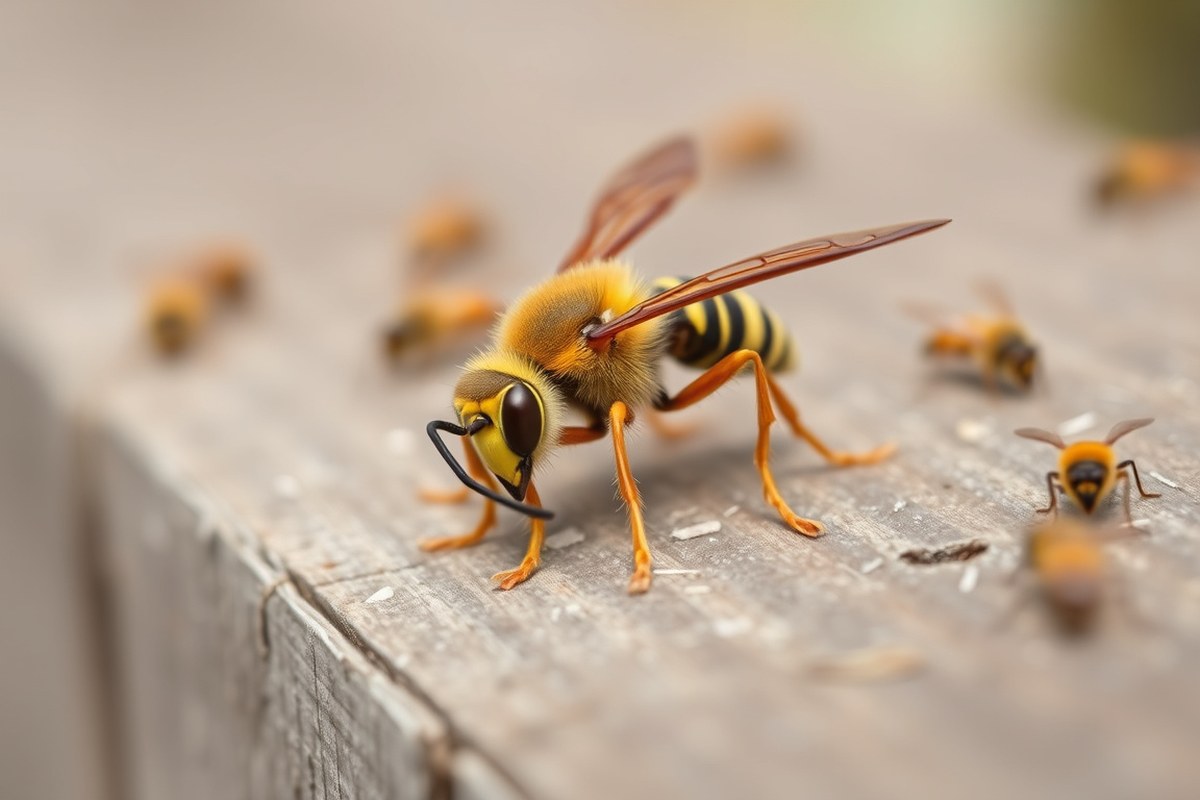
Yellow jackets are black-and-yellow social wasps belonging to the genera Vespula and Dolichovespula. They have a more compact body than bees, with a shiny, smooth abdomen and no furry coating. Their distinctive bright yellow and black banded pattern sets them apart from honeybees, which are more golden and fuzzy. Unlike honeybees that have barbed stingers and can only sting once, yellow jackets can sting multiple times since their stingers lack barbs. Their aggressive behavior and repeated stings make accurate identification critical before attempting control.
Distinguishing yellow jackets from other wasps involves looking closely at shape and behavior. Paper wasps, for example, have elongated bodies and longer legs that dangle when flying. Yellow jackets tend to fly more rapidly and hover near the ground or building edges. Honeybees look rounder and move slowly, often visiting flowers. Observing these details while keeping a safe distance, at least 10 to 15 feet, is important for proper identification.
The typical nesting locations of yellow jackets vary but generally fall into three categories: underground, wall cavities, and sometimes above-ground in bushes or low branches. Most yellow jackets prefer ground nests, often using abandoned rodent burrows or natural holes. These nests are usually hidden in soil, mulch, or leaf piles and can be identified by watching wasps entering and exiting a small hole. Wall cavities and spaces inside building structures are also common nesting sites. Nests inside walls may only be discovered by noticing wasp activity around small cracks or vents. Above-ground nests tend to be less common but can form under eaves, in shrubs, or dense plant materials.
Finding a yellow jacket nest safely requires patience and caution. Start by observing wasp flight patterns from a distance during daylight hours. Look for small openings at ground level or along exterior walls where wasps continually enter and exit. Avoid standing directly in front of these openings to reduce sting risk. Using a flashlight at dusk or early evening, when yellow jackets are less active and mostly inside the nest, may help locate hidden nests near buildings or underground. However, avoid shining bright light directly into openings at close range, as this can provoke an attack.
- Observe wasp flight paths from a safe distance (10, 15 feet minimum)
- Look for small entrance holes in soil, mulch, or walls where wasps congregate
- Use dusk or early evening light to spot reduced wasp activity around nests
- Check under eaves, shrubs, and low-hanging branches for above-ground nests
- Wear protective clothing and avoid sudden movements while investigating
- Use a flashlight carefully without shining directly into nests
- Consider professional inspection for nests inside walls or hard-to-reach locations
Accessing nests, especially those in walls, often requires professional tools and experience. Previously, removing nests inside walls meant cutting holes in drywall, but newer treatments allow control without extensive damage. Underground nests can be harder to approach due to potential multiple stings from hundreds of wasps. Safe removal starts with proper nest identification and preparation during periods of low activity, such as dusk. Taking these steps seriously reduces risks and increases the chances of complete nest elimination.
Why Yellow Jackets Are Dangerous and How Their Behavior Affects Control
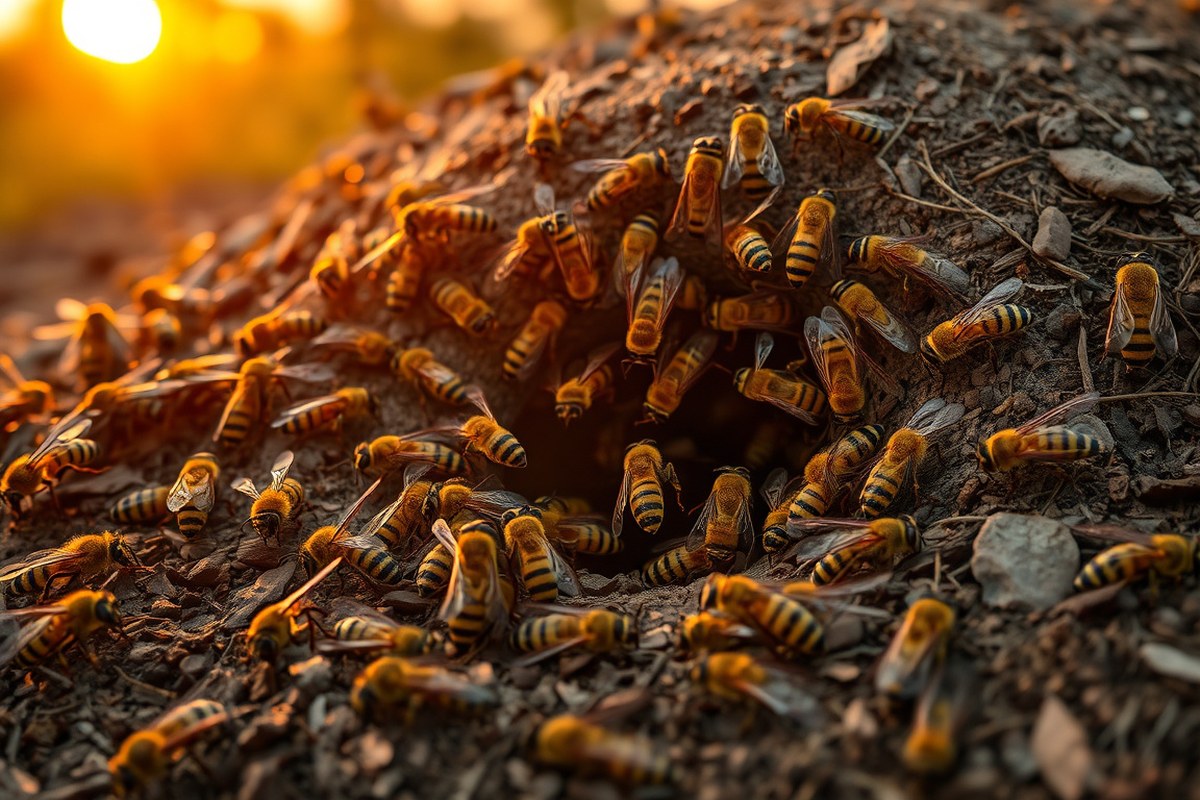
Yellow jackets pose a danger because they are highly aggressive and can sting multiple times without dying. Their defensive behavior around nests, combined with their ability to deliver painful stings repeatedly, makes control challenging and risky. Taking precautions during removal and knowing how to respond to stings are essential for your safety.
Aggressiveness During Nest Disturbance
Yellow jackets become extremely aggressive when their nest is disturbed. Their nests are often hidden underground or inside walls, which makes accidental disturbance common. Approaching or attempting to reach into a nest can trigger dozens of yellow jackets to swarm quickly, stinging repeatedly to defend their colony. This aggression can escalate, especially in late summer when yellow jackets are more protective of their nest and more active in foraging for food.
Because approaching a nest can trigger this defensive swarm, it is important to move carefully and wear protective gear if you attempt removal. Professional pest controllers use specific timing and equipment to minimize agitation, like treating nests at night when yellow jacket activity is lower. Trying DIY removal without protective clothing and a clear escape route can lead to painful stings and dangerous encounters.
Health Risks from Multiple Stings
A single yellow jacket sting can cause pain, redness, and swelling. However, the risk increases significantly with multiple stings. Yellow jackets can sting multiple times, injecting venom with each sting, which can lead to severe reactions including allergic shock in sensitive individuals. People who experience more than one sting should monitor symptoms closely.
In case of a sting, wash the area with soap and water to reduce infection risk and apply a cold pack to ease pain and swelling. Over-the-counter antihistamines or hydrocortisone cream may help with itching. Symptoms such as difficulty breathing, dizziness, or swelling beyond the sting site require emergency medical help immediately. Carrying an epinephrine auto-injector is critical for anyone with known severe allergies.
Yellow Jackets’ Defensive Behavior
Yellow jackets are territorial and respond aggressively to perceived threats near their nests. Because their nests are often camouflaged, accidental disturbances happen frequently. They tend to defend their nesting sites fervently, which is why repeated stings are common if a nest is nearby. This defensive behavior increases the danger of removal attempts by homeowners who don’t recognize warning signs like increased yellow jacket activity or repeated close encounters.
Managing this behavior involves avoiding sudden movements and keeping calm when yellow jackets are near. Using traps that target foraging yellow jackets can help reduce activity, but these methods alone won’t eliminate a nest. Professionals combine careful inspection and targeted treatments that focus on the entire colony to fully control defensive yellow jackets.
Impact of Seasonal Activity on Control
Seasonal changes affect yellow jacket behavior, making some times better than others to control them safely. Yellow jackets are less active at night, which is the preferred time for professionals to treat nests, reducing the risk of attacks. Late summer and early fall mark the peak of yellow jacket aggression as they seek protein and sugar to support the growing colony and prepare for winter queens.
During these months, yellow jackets are more likely to sting without warning, so homeowners should avoid any yard work that might disturb nests. Control efforts during peak activity should use appropriate personal protective equipment or rely on professional pest removal to avoid injury. Traps can help reduce worker numbers but will not end an established nest’s presence or behavior.
Challenges in Approaching Hidden Nests
Yellow jacket nests are often hidden underground or within wall voids, making them difficult to locate and potentially dangerous to disturb. The entrance holes are usually small and camouflaged, so “airport activity”, the consistent flow of wasps entering and leaving, can help you identify a nest’s location. Approaching these nests requires caution, as a disturbed colony can send out dozens of aggressive yellow jackets.
Because of these challenges and the risk of multiple stings, handling yellow jacket nests is best left to trained pest control professionals. They have the tools, protective gear, and knowledge to assess the situation safely and apply treatments that minimize risk to yourself and your family. Attempting removal without experience can result in serious injuries and prolonged infestations.
Wear thick clothing and cover your face and hands when near yellow jacket nests, and always have an exit plan in case they become aggressive.
Best Methods to Kill Yellow Jackets and Remove Nests Safely
To kill yellow jackets and remove their nests safely, start by identifying the nest type and location, then apply targeted treatments with proper protective gear. Colony elimination typically occurs within 24 to 48 hours after treatment, but ongoing observation for several days ensures success. Different methods apply to ground nests versus wall or attic nests, each requiring specific steps to minimize risk.
Removing Ground Nests Safely
Ground nests are often hidden underground and can be challenging to treat effectively because the entrance could be some distance from the main colony. Successful removal requires delivering insecticide deep into the nest and protecting yourself from aggressive yellow jackets coming and going. Proper timing and equipment significantly reduce stings and ensure the colony dies quickly.
- Choose late evening or early morning to treat when yellow jackets are less active.
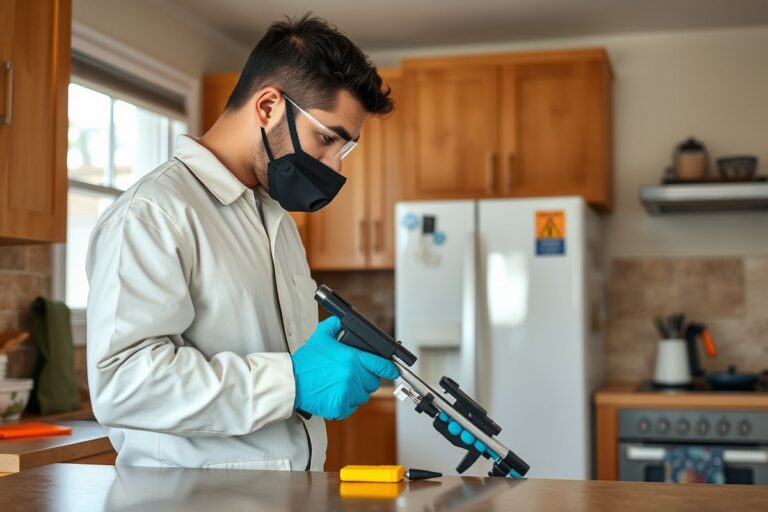
- Wear full protective clothing, including gloves, a veil or bee suit, and closed shoes.
- Locate the main entrance by watching flight paths carefully from a safe distance.
- Apply a dust insecticide or a fast-acting wasp spray directly into the entrance hole, aiming for deep penetration.
- Seal or cover any secondary holes if safe to do so, to trap remaining wasps inside.
- Wait 24 to 48 hours and check activity cautiously; apply a second treatment if needed.
- Once no new yellow jackets are seen, carefully dig out and remove the nest if accessible.
Effective treatment kills most of the colony within two days. Digging out the nest after killing the yellow jackets helps prevent other pests from settling there. Avoid attempting removal during midday when wasps are highly active. Large nests or multiple entrances may require professional treatment.
Dealing with Wall and Attic Nests
Yellow jackets nesting in walls or attics pose different challenges due to limited access and potential structural damage. Treatments must reach inside enclosed spaces while minimizing harm to the home. Careful application around entry points is key to killing the colony inside before removing nest debris.
- Locate nest entry points by observing yellow jacket flight paths near siding, vents, or attic openings.
- Wear protective clothing to avoid stings during close-up work.
- Apply a dust insecticide designed for wasps or aerosol wasp spray into the entry site, using a flexible tube to reach deep inside.
- Seal the nest entrance temporarily after treatment to trap wasps inside.
- Allow 24 to 48 hours for the insecticide to eliminate the colony.
- Inspect for activity; repeat treatment after two days if necessary.
- After the colony is dead, extract any accessible nest material to prevent odors and future infestations.
Wall and attic nests can take longer to fully eliminate due to their hidden nature. In unused attics, waiting for winter to end the colony lifecycle can avoid disturbance. Sealing entry points after treatment helps prevent return activity. For nests difficult to reach, professional pest control often provides safer and more effective removal.
Protective Clothing and Equipment Checklist
Safety during yellow jacket nest removal is critical due to the risk of multiple stings from aggressive defenders. Proper protective gear reduces injury risk and enables the safe completion of treatments. Always ensure complete coverage and sturdy materials to keep yellow jackets from reaching your skin.
- Bee suit or thick long-sleeved shirt and pants: Lightweight bee suits offer full coverage; alternatively, heavy fabric clothing that prevents skin puncture works.
- Veil or head net: Protects your face and neck from stings.
- Thick gloves: Prevent stings on your hands when handling insecticides or disturbing nests.
- Closed, sturdy shoes or boots: Protect feet and ankles.
- Insecticide spray or dust: Choose products labeled for wasp or yellow jacket control, designed for quick colony knockdown.
- Flashlight with red cellophane covering: Allows you to see at night without disturbing yellow jacket activity.
Using this equipment allows for careful, confident treatment. Avoid bare skin and do not attempt removal in windy or rainy weather. Working with a partner for assistance and emergency help is recommended whenever possible.
Comparing Traps, Sprays, Vacuums, and Natural Remedies for Control
Choosing the right method to control yellow jackets depends on your situation, safety concerns, and how much effort you want to invest. Traps, sprays, vacuums, and natural remedies each have advantages and drawbacks. Below is a comparison table with details on effectiveness, safety, cost factors, and tips for use.
| Method | Effectiveness | Safety | Cost & Effort | How to Use |
|---|---|---|---|---|
| Lure Traps | Very effective | Low risk | Low cost; low effort | Set traps before outdoor meals to attract and catch foraging yellow jackets. Replace bait as needed. |
| Poison Bait | Very effective | Moderate risk | Moderate cost; low effort | Use bait that yellow jackets bring back to the nest, helping eliminate the colony. Follow label instructions carefully. |
| Nest Sprays | Effective | Very high risk | Moderate cost; moderate effort | Spray directly into the nest entrance at night when yellow jackets are inside. Use protective gear to avoid stings. |
| Vacuum (Shop-Vac) | Effective | Low risk | One-time cost of shop-vac; moderate effort | Pour 1, 2 inches of soapy water into the shop-vac and run it during daylight. Yellow jackets flying in and out will be sucked in and trapped. |
| Home Remedies (Soapy Water) | Limited effectiveness | Low risk | Very low cost; moderate effort | Spray soapy water directly on yellow jackets or nests. This can kill some but usually won’t eliminate the colony. |
| Spraying Flying Yellow Jackets | Not effective | High risk | Low cost; high effort | Spraying flying yellow jackets often provokes attacks and does not reduce the population significantly. |
| Gasoline or Lighter Fluid | Dangerous and ineffective | Very high risk | Not recommended | Using flammable liquids is unsafe and illegal for pest control. Avoid at all costs. |
Lure traps work well for reducing yellow jackets around eating areas with minimal risk. Poison bait provides a colony-level solution but requires handling insecticides carefully. Nest sprays demand the most caution; they should be done at night with protective clothing to avoid stings. Using a shop-vac with soapy water provides a chemical-free way to capture yellow jackets at nest entrances during the day. Soapy water spray is simple but unlikely to solve a large infestation on its own.
Always read and follow the safety instructions on product labels, and avoid risky DIY options like flammable liquids or random spraying of flying yellow jackets. Protect yourself with long sleeves, pants, and gloves when working near nests. Combining traps or bait with proper timing can provide good results with manageable effort and risk.
When and How to Repeat Treatments for Complete Yellow Jacket Control
Treat yellow jackets during early morning or late evening when they are less active and mostly inside the nest. This timing reduces the risk of stings and increases the likelihood that treatments reach most of the colony. Avoid daytime treatments, as yellow jackets are diurnal and aggressively defend their nests while foraging.
Seasonal timing matters. The best times to apply control methods are in spring and late summer to early fall. Spring treatments target the founding queen before the colony grows large. Late summer and early fall treatments address mature colonies at peak worker population. Late fall is the hardest time to control yellow jackets because the insects are more aggressive and colonies may be less accessible.
After the initial treatment, it’s important to monitor the area and repeat applications if yellow jackets remain active. Inspect the site about 24 hours after treatment. Look for live insects flying near the nest or workers landing on bait or traps. If activity continues, repeat the treatment following the same timing guidelines. Some nests may require two or three treatments spaced 48 to 72 hours apart to ensure full elimination.
- Treat nests during early morning or late evening hours
- Focus treatments on spring or late summer/early fall seasons
- Wait 24 hours before inspecting for remaining yellow jackets
- Repeat treatments every 2 to 3 days if activity persists
- Use proper protective gear and avoid disturbing nests during the day
- Monitor traps and bait stations daily to watch for continued activity
Effectiveness shows when no yellow jackets are seen flying near the nest 24 to 48 hours after treatment. Nests can be carefully removed or sealed once activity ceases. Continuing sightings or aggressive behavior means the colony is still active and requires another treatment cycle.
Always inspect treated areas at night or early morning using a flashlight covered with red cellophane to avoid disturbing yellow jackets.
Preventing Yellow Jacket Infestations Through Property Management
Yellow jackets are attracted to food waste, sugary drinks, and certain outdoor conditions that make your property inviting for nesting and foraging. Managing these attractants effectively reduces the chances of infestations. Start by securing all garbage containers with tight-fitting lids, both inside and outside your home. This deprives yellow jackets of easy food sources. Clean up fallen fruit, uncovered compost, and pet food regularly. These items can draw wasps and yellow jackets into your yard.
In recreational areas like patios or gardens where you spend time outdoors, remove sources that attract yellow jackets to keep these pests at bay. Avoid leaving sugary drinks or food uncovered. Promptly clean picnic tables and grills after use. Refrain from planting flowering plants close to dining or seating areas if yellow jackets are an ongoing problem, as flowers provide nectar they seek.
- Seal trash bins securely inside and outside the home
- Clean up food debris, pet food, and fallen fruit daily
- Keep outdoor dining areas clean and clear of food and drinks
- Position yellow jacket traps around the yard perimeter, away from human activity zones
- Remove or relocate flowering plants away from gathering spaces
- Inspect property for early signs of nests in shrubs, eaves, and ground cavities
- Keep compost piles covered and monitor frequently
Place yellow jacket traps at least 20 to 30 feet away from where people eat or gather. This prevents drawing yellow jackets closer to you while still capturing foraging workers before they reach your activity zones. Traps hung near potential nest sites, such as shrubs or building foundations, increase efficiency. Monitor traps frequently and replace bait every few days or as recommended by the product instructions. Regular checks help you track yellow jacket activity and prevent the colony from growing.
Taking consistent steps in managing attractants can keep yellow jackets away and reduce the need for insecticides or professional services. This kind of property maintenance might cost little more than time and a few dollars per season for traps and sealable trash cans. Early and ongoing efforts usually prevent infestations from becoming severe and costly to address.
Risks and Safety Considerations for Using Insecticides Against Yellow Jackets
Using insecticides to control yellow jackets carries real risks that you should manage carefully to protect both yourself and your environment. The chemicals in sprays can cause skin irritation, respiratory problems, or allergic reactions if you come into direct contact or inhale the fumes. To reduce these risks, always wear protective clothing such as thick gloves, long pants, a heavy sweatshirt, and a veil or at least a face mask and goggles. Apply treatments during early morning or late evening when yellow jackets are less active, which lowers the chance of aggressive stings.
Never use gasoline, lighter fluid, or other flammable liquids to try to kill yellow jackets or destroy their nests. These substances are extremely dangerous; they can cause fires or explosions, especially when poured directly into the nest or sprayed near outdoor fires, grills, or electrical equipment. Such methods are prohibited and can seriously harm you, your property, and the environment. Instead, use only EPA-approved insecticides labeled for yellow jacket control and follow the instructions exactly.
To minimize hazards while using insecticides, ensure you work in well-ventilated areas, avoid spray drift onto pets, plants, or water sources, and clean up spills immediately. Start by reading the label’s safety directions carefully, then shake the spray bottle well if required. Keep a safe distance from the nest and aim the spray stream directly inside the entrance without standing downwind. After treatment, remain outdoors until the spray residue dries or dissipates and wash exposed skin thoroughly with soap and water.
If you are treating large or mature nests, which may contain thousands of yellow jackets, prepare for a longer exposure to stings and chemical fumes. Consider setting up a barrier to keep children and pets away and work quickly but carefully. Have an epinephrine injector or antihistamines on hand if allergic reactions are a concern, and alert someone nearby of your activity in case you need help. Clean your clothing after each use because insecticide residues can linger and cause irritation.
Safety precautions add time and effort but prevent serious injuries or accidents. Properly using protective gear typically takes just a few extra minutes and costs around $20 to $60 for good-quality gloves, veils, and coveralls. The payoff is lower risk of stings, chemical burns, or unintended fires that could cost hundreds or thousands in medical care or property damage. Following these steps pays off with effective yellow jacket control and peace of mind.
Deciding When to Hire Professionals Instead of DIY Yellow Jacket Control
You should hire a professional pest control service when dealing with large or hard-to-reach yellow jacket nests, if you or others nearby have allergies to stings, or when the risk of aggressive attacks is high. Professionals have the proper equipment and experience to safely remove nests inside walls, attics, or other unusual locations without provoking the colony, reducing danger to you and your family. Calling a pro early, before the colony grows too large, increases the chance of a successful and complete removal.
Signs a Nest Requires Professional Removal
When a yellow jacket nest is near your home or in a hard-to-access spot such as inside a wall or attic, it’s a strong sign to call experts. These nests can be hidden inside structural cavities, making treatment very difficult and risky for a homeowner. Professionals use tools like specialized sprays and vacuums and can physically remove very large nests, preventing thousands of dead insects and eggs from decomposing inside your walls.
Colony size matters because young nests with fewer yellow jackets are easier and safer to treat. If you notice heavy yellow jacket activity or large swarms, the colony has likely grown beyond what you can safely handle. Treating large nests yourself risks provoking a swarm attack, which can result in many painful stings.
Timing also plays a role. Pest professionals recommend managing nests before summer ends, as colonies expand rapidly during the warm months. Delaying treatment allows the population to grow, making the control work more complicated and expensive.
Allergy and Safety Risk Factors
Anyone with a known allergy to yellow jacket stings should avoid DIY removal and contact professionals immediately. Allergic reactions can be severe and sometimes life-threatening. Even without an allergy, multiple stings or stings near sensitive areas like the face or inside the mouth require professional care due to the risk of swelling and difficulty breathing.
Risk of attack increases if yellow jackets feel threatened or if treatment is done during the day when workers are active outside the nest. Professionals know how to approach the nest safely, usually at night or early morning when yellow jackets are less active. They also understand how to avoid triggering the pheromone alarm that calls other yellow jackets to defend the colony aggressively.
Common DIY Mistakes to Avoid
One frequent error is waiting too long to address the nest, leading to a larger and more dangerous colony. Some homeowners use sprays incorrectly, such as applying insecticide during daytime or from too close, which agitates the insects and increases the chance of stings. Others fail to remove the nest after killing yellow jackets, allowing new colonies to move in later.
Trying to treat nests inside walls or attics without proper gear and knowledge can cause structural damage or incomplete control, with nests hidden out of sight. Professional pest controllers have the right equipment and methods to treat such nests without risking harm to your home or safety.
Do not attempt to spray or remove a yellow jacket nest without protective clothing and knowledge of their behavior, especially if the nest is near your home or in confined spaces.
Step-by-Step Action Plan to Get Rid of Yellow Jackets
Follow these clear steps to safely identify, eliminate, and prevent yellow jackets from posing a threat around your home. This plan reduces stings and nuisance without needing extra resources.
- Before you start: Identify yellow jackets by their size, black and yellow stripes, and aggressive behavior near food or trash. Locate nests by watching their flight paths at dawn or dusk. Success means confidently finding the nest location.
- Day 1 (evening): Apply a targeted insecticide spray to the nest entrance using protective clothing. Evening treatment works best since yellow jackets are less active. You’ll know it worked when activity near the nest drops significantly overnight.
- Day 2 (morning): Observe the nest to check for reduced yellow jacket presence. If you still see heavy activity, repeat the treatment carefully. Reduced or no yellow jackets signals effective knockdown.
- Days 3 to 5: Remove the nest once yellow jackets are mostly inactive, wearing protective gear. Safely discard it in sealed bags away from your property. No renewed yellow jacket activity confirms successful nest removal.
- Week 2: Set up commercial yellow jacket traps in problem areas to catch any remaining workers. Maintain traps according to product instructions. Traps catching few or no yellow jackets indicate control progress.
- Ongoing weekly: Clean up or secure garbage, reduce outdoor food exposure, and seal entry points to prevent new infestations. Successful prevention means no new yellow jacket nests or increased activity over several weeks.
- After 2 weeks: If yellow jackets persist despite these steps, contact a licensed pest control professional. Persistent stinging or visible nests indicate the need for expert help to ensure safety and complete removal.
Frequently Asked Questions
How to Get Rid of Yellow Jackets?
The most effective way to get rid of yellow jackets is to locate and treat their nest, usually with a wasp spray that can reach up to 22 feet away. Wearing protective clothing and repeating treatment in 3 days helps ensure the entire colony is eliminated.
What Does Dawn Dish Soap Do to Yellow Jackets?
Dawn dish soap can suffocate yellow jackets when sprayed directly on them, breaking down their protective outer layer. It’s a natural alternative but less effective on nests compared to specialized insecticides.
Why Should You Not Kill Yellow Jackets?
Avoid killing yellow jackets unnecessarily because they play a role in controlling other pests. However, if they pose a threat near your home, it’s safer to remove their nests promptly.
What Smell Do Yellowjackets Hate?
Yellow jackets dislike strong scents such as peppermint, eucalyptus, and citronella. Using these aromas in sprays or plants can help keep them away from outdoor areas.
How Do You Get Rid of a Yellow Jacket Sting Fast?
To relieve a yellow jacket sting quickly, clean the area, apply ice to reduce swelling, and use an over-the-counter pain reliever or antihistamine. Seek medical help if allergic reactions occur.
Can Yellow Jackets Come Back After Nest Removal?
Yes, yellow jackets can rebuild nests if the queen survives or new queens arrive. Monitoring and repeating treatments helps prevent reinfestation.
Wrapping Up
Getting rid of yellow jackets requires careful identification, safe removal techniques, and ongoing prevention. Start by inspecting your property today to locate any early nests before they grow larger and more aggressive. Taking prompt action can reduce the risk of stings and make control methods more effective. If you spot a nest or frequent yellow jacket activity, consider using approved insecticide sprays or traps following safety guidelines to manage the problem quickly.