

How Do Pest Control Get Rid of Rats: 10 Proven Professional Methods Explained
Professional pest control gets rid of rats by combining targeted trapping, baiting, and sealing of entry points to stop infestations safely and efficiently. Technicians use various specialized traps and rodenticides that homeowners usually can’t access, along with inspection methods to locate rat nests and entryways that let rodents into buildings. These steps together eliminate existing rats and prevent new ones from returning.
This article is for homeowners, renters, property managers, and small business owners facing rat problems who want to understand what professional services do and why their methods work. You’ll learn about the most effective techniques, safety practices, expected timelines, and costs involved in professional rat control. This knowledge helps you decide when to call in experts versus handling minor issues yourself.
Key Takeaways
- Professional pest control uses inspection, traps, baits, and exclusion techniques to eliminate rats effectively from homes and businesses.
- Experts rely on snap traps, live traps, and rodenticides with carefully selected baits to target rat species present.
- Rat removal typically takes one to three weeks, depending on infestation size, environment, and accessibility of nests.
- Pest controllers identify entry points by inspecting walls, vents, and pipes, sealing gaps larger than ¼ inch to prevent re-entry.
- Safety precautions include proper bait placement, protective gear, and adherence to local regulations to minimize health risks from poison and disease.
- Control strategies differ for urban, rural, and industrial sites, adjusting traps and exclusion methods to fit environmental challenges.
1. How Do Professional Pest Control Services Get Rid of Rats?
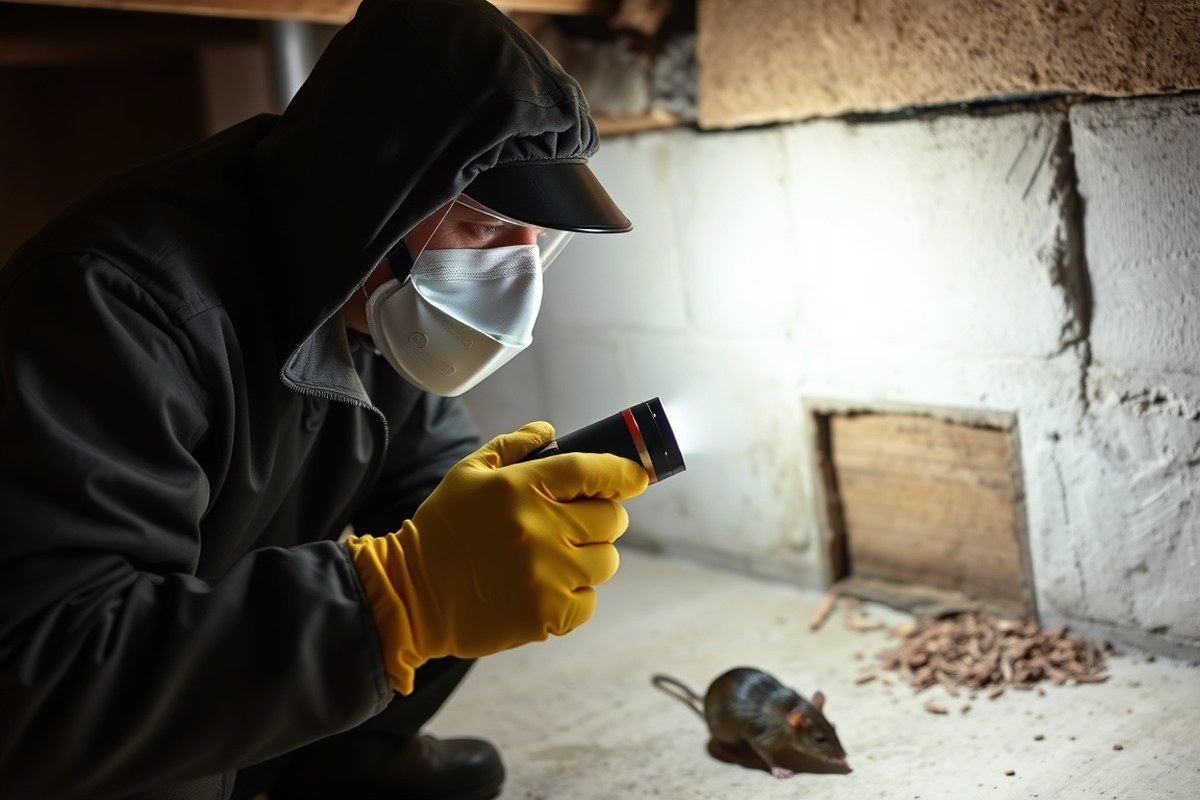
Professional pest control services follow a systematic process to remove rats, starting with a thorough inspection, then implementing targeted treatment, and finally conducting follow-up visits to confirm the infestation is controlled. This approach helps identify the extent of the problem, use the right methods for removal, and prevent re-infestation.
Initial Property Inspection and Rat Identification
The first step pest control experts take is a detailed inspection of your property. They look for signs of rat activity such as droppings, gnaw marks, nests, and urine stains. This initial investigation helps identify which rat species is present because different species respond to different control methods and have distinct behaviors.
Knowing the entry points and food sources is essential. Experts also assess the size of the infestation based on evidence collected during the inspection. This helps in planning a treatment strategy that fits the property’s specific situation. Key steps during the inspection include:
- Surveying interior and exterior spaces for evidence of rats
- Identifying accessible entry points like gaps and holes
- Checking for potential nesting areas in attics, basements, or wall voids
- Assessing available food and water sources that could attract rats
- Documenting findings to tailor the treatment plan
Setting Up Traps or Baits According to Infestation Level
After inspection, pest control professionals choose a treatment method based on the infestation severity and species identified. They commonly use a combination of traps and baits placed strategically, aiming to capture or eliminate as many rats as possible quickly.
For smaller infestations, placing snap traps or live traps near identified rat pathways and nesting sites works well. In larger infestations, professionals deploy bait stations containing rodenticides that rats consume and carry back to their nests, affecting the colony. The placement of these devices follows safety regulations to avoid risks to children, pets, or non-target animals. Positioning traps and baits typically involves:
- Placing devices along walls and corners where rats travel
- Using multiple traps spaced about 10 to 15 feet apart in active areas
- Ensuring bait stations are anchored and tamper-resistant
- Avoiding locations with easy access to children and pets
- Keeping food sources minimized to encourage bait consumption
Monitoring and Follow-Up Visits to Ensure Effectiveness
Professional rat removal does not end once traps and baits are set. Pest controllers schedule follow-up visits within a week or two to check traps, remove caught rats, replace consumed baits, and adjust the strategy if needed. Monitoring continues until there is no further sign of rat activity.
These visits allow the technician to confirm whether the infestation has reduced and whether additional measures are necessary. Effective monitoring includes verifying that entry points identified earlier remain sealed or are scheduled for sealing, preventing future problems. Common follow-up practices include:
- Inspecting all trap and bait locations for activity
- Removing dead rats promptly to reduce odors and disease risks
- Adjusting trap placement based on shifted rat behavior
- Communicating with the property owner about ongoing issues or prevention tips
- Setting up a long-term monitoring program if the property is at high risk for reinfestation
2. What Types of Traps and Baits Do Pest Control Experts Use?

Pest control experts rely on several types of traps and baits tailored to the situation, balancing effectiveness and safety. Snap traps catch rats quickly, bait stations with poison control populations but carry risks, and electronic traps use technology to kill cleanly. Choosing the right method depends on environment, infestation size, and safety requirements.
Snap Traps: How They Work and When Used
Snap traps kill rats instantly by snapping a metal bar over the animal when it trips the trigger. They offer a quick way to reduce small to moderate infestations without chemicals. Professionals place these traps along known rat runways, behind objects, and near walls where rats travel most. Bait such as peanut butter, nuts, or dried fruit attracts rats to the traps.
The advantage of snap traps is immediate kill and no toxins, making them safe to use around pets and children if placed carefully. However, they require frequent checking, resetting, and disposal of dead rats, which can be unpleasant. They are less effective for heavy infestations or areas with limited access because rats may become trap-shy if traps do not kill consistently.
Poison Bait Stations: Safety and Effectiveness
Poison bait stations contain rodenticides that rats consume and then die off-site. These baits help control larger infestations and reach rats hidden from traps. Pest control pros use secured bait stations to prevent accidental access by children, pets, or non-target animals, which is critical for safety given the toxic nature of these poisons.
Rodenticides require close monitoring, usually with weekly visits to replace bait and collect dead rodents. The main risk is secondary poisoning to pets or wildlife that consume poisoned rats. Also, some rats develop bait shyness if they detect poison effects. Professionals select bait formulations and active ingredients based on local regulations and resistance patterns.
| Type | Pros | Cons | Best Use |
|---|---|---|---|
| Snap Traps | Immediate kill; No toxins; Safe near pets if placed right | Requires frequent checking; Less effective on large infestations; Risk of trap-shying | Small to moderate infestations; Indoor use with children or pets |
| Poison Bait Stations | Controls large infestations; Less labor after placement | Risk of secondary poisoning; Requires secured stations; Bait shyness possible | Heavy infestations; Outdoor or commercial areas with restricted access |
| Electronic Traps | Quick, clean kill; No poisons; Alerts user when trap activates | Higher upfront cost; Needs power source or batteries | Indoor use; When quick disposal and monitoring required |
Consult professionals before using poison to understand hazards and comply with local regulations. They balance effectiveness with safety through placement and method choice, especially where vulnerable persons or pets live.
Always place snap traps and poison stations where children, pets, and non-target wildlife cannot access them to prevent accidental harm.
Electronic Traps and Other Innovative Tools
Electronic traps kill rats with a high-voltage shock, ensuring a fast, humane death. These units often have indicator lights that alert when the trap has caught a rat, reducing the need for constant physical checks. Pest controllers use them indoors in spaces with high human activity to reduce contact with carcasses and poisons.
The cost of electronic traps is higher than traditional ones, and they require batteries or an electrical outlet. Their effectiveness depends on placement along rat traffic paths and using appropriate bait. Electronic traps still demand monitoring and disposal of dead rats but are convenient for sensitive indoor locations.
Other devices like multiple-catch traps or glue boards exist but have limited usage due to animal welfare and effectiveness considerations. Professionals prioritize methods that comply with local laws and deliver reliable results without undue risk.
3. How Long Does Professional Rat Removal Usually Take?
Professional rat removal usually takes between one to four weeks from the initial inspection to the final treatment follow-up. The process starts with an inspection that can take one to two hours, depending on the size of the property and the severity of the infestation. Inspectors look for signs like droppings, gnaw marks, and rat burrows to identify active areas, which helps them decide the best treatment approach.
After the inspection, treatment begins immediately or within a day. Applying traps, baits, and other control methods typically requires several visits over one to three weeks. Rats are cautious and may avoid traps or baits at first, so the pest control technician needs time to monitor, adjust placements, and wait for the population to decline. The exact timeline depends on factors such as how many rats are present, the size of the property, and environmental conditions like food availability and weather.
Follow-up visits happen regularly during this period to check trap success, replace bait, and inspect entry points. These follow-ups usually occur every three to seven days. Consistent monitoring ensures that newly arrived or cautious rats don’t go unnoticed. For larger commercial or multi-unit residential buildings, this phase can extend beyond three weeks because multiple infestation sources need addressing.
Several factors influence how quickly the rat problem resolves. When the environment is cluttered or offers many hiding places, rats take longer to catch, requiring more repeated treatments. Buildings with dense vegetation around them or open garbage areas also delay control results since rats can find alternative food and shelter. On the other hand, a clean, well-maintained property with quick access to infestations often sees faster removal results.
Sampling after the initial treatment period helps estimate whether the control was successful. A significant drop in rat activity during a two-week span after the last bait placement usually indicates the infestation is under control. One common mistake is stopping treatment too soon or missing hidden entry points, which causes rats to return and lengthens the overall process.
It’s also worth noting weather impacts the timeline. Heavy rain or snow can wash away bait or alter rat behavior, requiring adjustments and extra follow-ups. For winter infestations, treatment might take longer because rats reduce outdoor activity and tend to move indoors where they may escape traps more easily.
Proper communication between you and the pest control provider helps keep the process on track. You should expect a clear timeline upfront and progress updates during visits. Addressing waste management and sealing entry points alongside treatment speeds up resolution and prevents future problems, though these tasks may require extra visits or coordination with different contractors.
4. How Do Pest Controllers Identify and Seal Rat Entry Points?
Professionals identify rat entry points by conducting thorough, systematic inspections of both the building exterior and interior, looking for gaps, holes, and signs of rodent activity. Sealing these entry points requires materials that rats cannot gnaw through easily and applying methods suitable for the type and size of the openings discovered.
Common Rat Entry Points to Inspect
Experts start by examining areas where rats are most likely to enter, focusing on small gaps that may be hidden but large enough for rats to squeeze through. Rats can fit through holes as small as half an inch, so even tiny openings deserve attention. Entry points often occur around utility pipes, vents, doors, windows, or where building materials meet.
Inside walls, rats may use gaps around plumbing or electrical conduits. Crawl spaces and basements are prime inspection areas because of their many vulnerable spots. Moisture and debris around these areas can also point to rat activity since rats seek food and shelter near these conditions.
- Gaps around electrical wiring, cables, and plumbing penetrations
- Damaged or torn window screens and door seals
- Cracks or holes in the foundation, especially near ground level
- Open vents, chimneys, or crawl space openings without proper covers
- Spaces under garage doors or exterior doors not flush with the ground
- Broken roof tiles or gaps under eaves
- Gaps where siding, brickwork, or siding meet the foundation
During inspections, pest controllers often look for rat droppings, grease marks from rats’ fur rubbing against surfaces, or footprints in dusty areas. This evidence helps narrow down the most active entry points that need immediate sealing.
Tools and Materials for Sealing Gaps
Pest control experts use a combination of durable materials that rats cannot easily chew through or dislodge. Steel wool combined with caulk or expanding foam works well for small to medium gaps. Professionals carry metal flashing or wire mesh to close larger openings securely.
Tools include wire cutters, caulking guns, utility knives, and heavy-duty gloves for safety and effectiveness. In situations where materials overlap, staples or screws may be used to fasten metal sheets or mesh. For outdoor sealing, weather-resistant products are essential to ensure long-lasting protection.
- Steel wool or copper mesh tightly packed into gaps to block rats
- High-quality sealants and caulk to hold packing material in place
- Metal flashing or hardware cloth for covering large holes
- Expanding foam for irregularly shaped cracks (used carefully to avoid pests chewing through)
- Door sweeps and weather stripping to seal gaps under doors
- Stone, concrete patch, or cement to repair foundation cracks
- Heavy-duty staples, screws, and fasteners to secure materials
Applying these materials requires care, steel wool must be packed tightly, and caulk should cover it fully to keep rats from pulling the material out. For very large openings, professionals replace damaged sections of wall or install metal barriers that rats cannot penetrate. Sealing takes time and patience; quick fixes often fail because rats find or create new access points.
Best Practices to Prevent New Access Points
Sealing rat entry points is a continuous effort. Pest controllers recommend performing regular inspections at least every six months to identify new vulnerabilities caused by building wear or pests themselves. Maintenance includes clearing debris and trimming vegetation that could provide rats with easy access to walls or roofs.
Proper waste management and removing food sources near buildings further reduce incentive for rats to try penetrating a structure. Installing physical barriers like door sweeps and screen covers on vents not only closes visible gaps but also prevents rats from exploiting damaged areas. Professionals also emphasize sealing utility entry points each time new cables or pipes are installed to avoid creating fresh rat pathways.
- Schedule semi-annual inspections focusing on known problem areas
- Maintain landscaping at least 18 inches away from building walls
- Keep garbage containers sealed and located away from building foundations
- Replace or repair door sweeps and window screens promptly
- Coordinate with utility services to seal entry points when installing new lines
- Address moisture issues inside and outside to reduce shelter attractions
Following these best practices minimizes the risk of rats gaining a foothold again. Attempting to rely solely on sealing without other preventative actions often leads to repeated infestations because rats continuously search for openings and sources of food or shelter.
5. What Safety Precautions and Health Risks Are Involved?
Rats carry several health risks that make professional control necessary and careful. They can spread diseases such as leptospirosis, hantavirus, salmonella, and rat-bite fever through their urine, droppings, bites, or fleas. These illnesses range from mild to severe and sometimes require medical treatment. Controlling rats reduces the chance of exposure, but the methods used can introduce risks if not handled properly.
Professional pest controllers take multiple precautions to protect residents and themselves during rat removal. They use protective clothing, including gloves, masks, and sometimes disposable coveralls, to avoid contact with rat saliva, droppings, and urine that contain pathogens. In enclosed spaces, respirators may be necessary to prevent inhalation of airborne particles, especially during cleanup. Good ventilation is maintained when applying rodenticides or setting traps indoors.
During chemical treatments, professionals follow label instructions carefully. They select rodenticides that minimize risks to pets and children and place bait stations in secure, out-of-reach locations. This prevents accidental poisoning of non-target animals or humans. Application typically happens when residents leave the area for several hours or a full day. The timing helps reduce any immediate chemical exposure and allows the poison to reach rats undisturbed.
Technicians also advise residents to clear clutter and food sources before treatment. Removing access to garbage, pet food, and stored grain makes rats more likely to consume bait and reduces the likelihood of secondary contamination. After traps or bait have done their job, cleaning all surfaces with disinfectants reduces infection risk from leftover droppings or urine. Professional cleaners use bleach solutions or EPA-approved disinfectants that effectively kill bacteria and viruses from rat activity.
Different situations call for variations in safety steps. For example, for a heavy infestation in a commercial kitchen, pest control may require scheduled deep cleanings and multiple bait placements to protect public health and comply with health codes. In residential settings, technicians might use tamper-proof bait stations outdoors when children or pets are present. Rural homes near fields may see more burrowing rats and require sealing holes before poisoning to block reinfestation routes and reduce poison spread in soil.
Always keep bait stations in locations inaccessible to children and pets, and never attempt to move or handle them without professional guidance.
Good results depend on strictly following these safety practices to avoid accidental exposures and contamination. Overlooking protective gear during cleanup can expose workers to dangerous pathogens, and improper bait placement risks harming unintended targets. Costs for safety equipment add a small amount to the overall treatment price but are essential in high-risk or heavily infested properties. Residents should expect pest control providers to explain safety measures clearly and provide instructions on how to maintain safety during and after treatment.
6. How Do Pest Control Experts Handle Rats in Different Environments?
Pest control experts adjust their rat removal methods depending on the environment where rats are found. Homes, commercial buildings, attics, crawl spaces, and outdoor areas all require specific strategies to address differing entry points, food sources, and safety concerns. Techniques vary in placement, equipment, and inspection frequency to match the challenges of each location.
Residential Rat Control Techniques
In homes, experts focus on preventing rats from entering living spaces, where people and pets live. Professionals start with inspecting common entry points such as gaps around doors, vents, and utility lines, sealing any openings larger than a quarter-inch with steel wool and caulk or metal flashing. Inside the home, traps and bait stations are placed along walls, near baseboards, and behind appliances, where rats tend to travel. Bait types may be different from commercial settings to reduce risk to children and pets, often using tamper-resistant bait boxes.
Attics and crawl spaces in residences pose special challenges due to limited access and the risk of damage to insulation or wiring. Pest controllers carefully route traps and sometimes use glue boards or electronic traps in these confined spaces. Monitoring must be more frequent; a check every few days helps identify signs of infestation early before damage worsens. Homeowners should expect follow-up visits over several weeks because rats reproduce quickly, and complete removal often requires multiple trap cycles. Costs for home rat control vary but typically range from $200 to $500 for initial treatment, with follow-ups as needed.
Commercial Property and Restaurant Rat Management
Commercial buildings, especially restaurants and food storage areas, require stricter pest control due to health codes and liability risks. Pest professionals use integrated pest management strategies focusing on sanitation, exclusion, and continuous monitoring. They place multiple bait stations around loading docks, kitchens, and waste disposal areas to target rats before they reach sensitive zones. Regular inspection reports help property managers meet local health regulations. Some businesses opt for professional contracts with monthly or biweekly visits to keep populations under control and avoid sudden infestations that disrupt operations.
Restaurants need to avoid traps or bait placements where food contamination is a risk. Pest controllers use enclosed bait stations that prevent non-target animals or staff from accessing poisons. Outdoor spaces around commercial buildings often get treated with perimeter baiting and habitat modification, like trimming vegetation and removing debris that could shelter rodents. The costs for commercial control vary widely, from $500 to $2,000 or more per month, depending on the building size and infestation severity. Using a professional service licensed in your state also ensures compliance with local rules, which helps avoid fines or business interruptions.
Outdoor and Structural Rat Control Challenges
Rats living outdoors or in structural voids such as wall cavities require targeted efforts focusing on exclusion and habitat disruption. Experts clear brush, debris, and accessible food sources to reduce rat shelter and attractants. Outdoor bait stations get anchored securely to prevent wildlife access and to withstand weather. Inspectors look for burrow holes near foundations, under decks, or in crawl spaces and set traps or baits there to intercept rats moving in and out.
Structural spaces like attics and crawl spaces often hide nests and droppings, creating odor and health risks. Pest control technicians recommend sealing gaps around pipes and chimneys to prevent reinfestation. These areas may demand special equipment, including infrared cameras or fiber-optic scopes, to locate nest sites without invasive damage. Treatments in these tight spaces may last longer because rats breed rapidly and remain hidden. Costs rise when structural repairs or repeated visits are necessary, often running between $300 and $800 depending on damage and access difficulties.
7. What Follow-Up and Prevention Measures Do Professionals Recommend?
Follow-up after rat removal is essential to ensure the infestation is fully resolved and to prevent rats from returning. Professionals recommend a combination of regular inspections, environmental changes, and structural repairs to maintain control over rat activity. These long-term steps address the root causes of infestations and catch any signs of reinfestation early.
Routine Inspections and Monitoring
Scheduled inspections help confirm that rats have been completely eliminated and that no new signs of activity appear. Pest control experts typically recommend follow-up visits every few weeks initially, then spacing them out to every few months depending on the property’s risk level. These inspections include checking for fresh droppings, gnaw marks, and new burrows.
Monitoring often involves setting up bait stations or snap traps in strategic locations and reviewing them regularly. The frequency of this monitoring varies with the severity of the previous infestation. Continuous monitoring helps catch any survivors or new invaders before they multiply. You should expect to maintain monitoring for at least three to six months after the main treatment.
Environmental Management and Sanitation Tips
Controlling the surroundings is a key factor in preventing rat return. Rats are attracted to food sources and shelter, so eliminating these reduces their incentive to stay. Specialists advise keeping all food stored in sealed containers and cleaning up crumbs and spills promptly. Trash bins should have tight-fitting lids and be emptied frequently to avoid attracting rodents.
Maintaining tidy landscaping also helps. Overgrown vegetation, wood piles, or clutter near buildings can provide ideal hiding spots and nesting materials. Removing debris or keeping a clear zone of about 3 feet around the foundation makes the area less hospitable to rodents.
- Store pet food indoors and avoid leaving it out overnight
- Seal compost bins or keep them far from the home
- Fix leaking outdoor faucets and remove standing water
- Clear dense shrubs and tall grass near buildings
- Keep firewood stacked at least 18 inches off the ground and away from structures
- Regularly sweep porches, garage floors, and kitchens
These sanitation and habitat modifications cost little beyond some time and supplies but have a significant impact on rat prevention. Neglecting these steps often results in reinfestation despite trapping efforts.
Exclusion and Structural Repairs
Professionals always recommend sealing identified entry points to keep rats out long term. Common spots include gaps in foundation walls, sewer pipe penetrations, vents, and doors. Using materials rats can’t chew through, such as steel mesh, cement patching, or metal flashing, ensures the barriers remain effective.
The process starts with a thorough inspection to find all potential entrances first, followed by systematic sealing. Homeowners might hire a contractor or do repairs themselves if experienced. Materials typically cost from $50 to a few hundred dollars depending on how many repairs are needed, while professional sealing often costs more.
Maintaining these repairs is necessary since rodents can find new weak spots over time. Checking seals annually or after severe weather helps detect new entry opportunities. Minor issues like worn door sweeps or torn screens should be repaired quickly. Leaving openings unaddressed leaves the property vulnerable to fresh infestation.
8. How to Tell If Rat Control Efforts Are Working?
Rat control efforts are effective when you see a reduction in the signs rats leave behind. These signs include fewer droppings, less gnawing damage, and the disappearance of fresh tracks or greasy marks along walls. The goal of monitoring is to track these indicators regularly to confirm that rat activity is declining.
Professionals monitor rat populations during and after treatment using a mix of visual inspections, tracking methods, and devices like motion-activated cameras or tracking powder. Visual checks often focus on common rat pathways, entry points, and feeding sites. Tracking powder, placed along suspected routes, shows footprints if rats pass through. This method reveals ongoing activity or how widespread the infestation still is.
To check if the control efforts work, professionals perform regular follow-ups, usually every 3 to 7 days during intensive treatment. They note changes in rat evidence and trap captures. When trap catches drop steadily or the evidence disappears after several visits, it signals success. This process can take a few weeks, depending on infestation size and property complexity, because rats reproduce quickly and can hide well.
In business or larger properties, using software for pest logging helps track trends over time and spot potential rebounds early. Homeowners can keep a simple journal with dates and descriptions of signs found or traps sprung. Sharing this record with the pest controller improves communication and decisions about when to adjust methods.
One worked example: a homeowner noticed rat droppings in the kitchen. After placing traps and sealing holes, the pest controller inspected weekly, noting fewer droppings and one trapped rat in the first week but none in the next two. The physical damage stopped increasing, and no fresh droppings appeared after three weeks. This pattern confirmed their control effort was working.
Sometimes, rat signs may temporarily increase after treatment because rodents scatter and become more active. This does not mean failure but calls for continued monitoring to ensure the overall trend is downward. When rat evidence remains constant or worsens after a month, this suggests treatment needs re-evaluation or intensification.
Keep a consistent monitoring schedule and document all findings; skipping inspections can let an infestation flare unnoticed until it’s harder to control.
9. When Should You Call Professional Rat Control Instead of DIY?
Deciding between handling rat removal yourself and calling a professional depends mostly on how severe the infestation is, where the rats are located, and your ability to safely manage the risks involved. You should call a professional if you see multiple signs of heavy rat activity, such as numerous droppings, chewed wires, gnawed furniture, or if you hear persistent noises in walls or ceilings. These signs indicate a well-established infestation, which usually requires more advanced techniques than DIY methods.
For small, occasional sightings or a few droppings near a single location, DIY removal can be effective. Start by setting snap traps or electronic traps in areas where you see fresh signs, like along walls or close to food sources. Always remove attractants, such as exposed food or garbage, and seal minor entry points you can spot and reach easily. Basic equipment and bait are relatively affordable, usually under $50, but success depends on consistent monitoring and placement.
Call in experts once the infestation extends beyond a single room or includes hidden nesting sites, which professionals detect using inspection tools and experience. Professionals also handle structural sealing of hard-to-reach entry points made of concrete or metal, which usually require specialized materials and tools. Commercial spaces, multi-unit housing, or properties with heavy clutter benefit from professional control strategies that are safer and more thorough.
Health and safety concerns also push toward professional help. Rats carry diseases and their urine can contaminate indoor air. Handling traps and poisons poses risks, especially around children or pets. Licensed pest control technicians follow strict safety protocols and know how to place baits and traps to minimize exposure. The cost reflects these precautions and expertise; professional rat removal commonly ranges from $250 to $600, depending on infestation size and site complexity.
Use a simple decision rule to guide your choice: check the extent of signs, map out their locations, assess your comfort with setting traps and sealing holes, and consider your household’s vulnerability to diseases or accidents. When rat activity spreads across multiple rooms or common areas, or DIY methods have been tried for several weeks without improvement, a professional’s intervention provides safer and more effective results. For localized and minor problems, with commitment to regular monitoring and safe bait use, starting with DIY methods is reasonable.
Monitoring is key after any intervention. Tracking new droppings, fresh gnaw marks, and noises reveals whether control efforts are working. Professionals typically offer follow-up visits to adjust treatment, while DIY requires your attention to repeat and relocate traps. Failure to act on persistent signs can lead to a resurfacing infestation and higher costs down the line. In unsafe situations or with heavy infestations, postponing professional help carries risks that often outweigh the savings from going it alone.
10. What Are the Average Costs and Common Complications in Professional Rat Removal?
Professional rat removal typically costs between $150 and $400 for a basic treatment in a standard home. This range reflects initial inspection, setting traps or baits, and follow-up visits over a few weeks. Larger properties or severe infestations may raise costs to $500 or more, especially if ongoing monitoring and sealing of multiple entry points are needed. Prices vary significantly by location because of labor rates and regulations. Flat fees also differ between companies, sometimes covering multiple visits within a set timeframe.
Costs relate closely to the complexity of the infestation. An accessible, moderate-level infestation with clear entry points and no structural damage is easier and cheaper to manage. Hard-to-reach nests, like those inside walls or crawl spaces, require more labor and sometimes special equipment such as infrared cameras or wall probes. Treatment in commercial spaces or places with food preparation calls for stricter protocols that add to the expense.
| Service Aspect | Typical Cost Range | Why It Varies |
|---|---|---|
| Initial Inspection | $50 – $100 | Depends on property size and inspection tools needed |
| Basic Treatment (traps/bait) | $150 – $400 | Number of rats and access to nests |
| Sealing Entry Points | $200 – $600 | Material cost and complexity of repairs |
| Follow-up Visits | $50 – $100 per visit | Frequency depends on infestation severity |
| Advanced Detection Tools | $100 – $300 extra | Needed for hidden or inaccessible nests |
Several challenges can complicate rat removal efforts. Rats build nests in concealed spaces such as inside wall cavities, attics, or under flooring. When technicians cannot locate or access these nests, the infestation might not be fully eliminated. Physical barriers like insulation or structural framing often block access, requiring intrusive methods such as wall cutting. These methods increase costs and restore time.
Reinfestation risk remains high if all entry points are not found and sealed correctly. Rats can squeeze through holes as small as a quarter of an inch, so thorough inspection is critical. Proper exclusion includes using metal mesh, steel wool combined with sealant, and durable construction materials. Timely follow-up inspections within a month or two catch any new activity before the population expands again. Here is a practical approach you can recommend to your pest control provider or apply yourself by supplementing professional work:
- Ask for an itemized quote separating inspection, treatment, and sealing to understand what drives cost.
- Request a detailed report showing all identified entry points and traps placed.
- Schedule at least two follow-up visits to confirm rats have been eliminated and no new entries appear.
- For hard-to-access nests, inquire about specialized detection tools or structural repairs.
- Should reinfestation occur, insist on a reassessment of exclusion measures, as incomplete sealing is a common failure.
Step-by-Step Action Plan to Get Rid of Rats Professionally
Follow this plan to tackle rat infestations effectively by understanding professional methods and deciding when to call experts. This will help you eliminate rats safely and evaluate your progress as you go.
- Before you start: Inspect your property carefully for signs of rats such as droppings, gnaw marks, or tracks. Mark potential entry points around foundations, vents, and doors. This step sets the foundation for targeted control and helps you know where to focus efforts.
- Day 1: Decide whether to hire a professional based on infestation size and your comfort handling poisons or traps. Professionals use specialized traps and baits like snap traps, tamper-resistant bait stations with rodenticides, and glue boards strategically placed for quick results and minimal risk. You’ll know this step worked if you set effective controls without accidental exposure.
- Day 2, 3: Seal all identified entry points with durable materials such as steel wool, metal flashing, or concrete patching. Rats chew through softer materials, so properly sealing prevents reinfestation. Effectiveness shows when no new signs of entry appear after a few days.
- Week 1: Monitor traps and bait stations daily. Professionals often adjust bait types or trap locations based on activity. Check for fewer rat sightings, less noise, and no fresh droppings to confirm progress. If you see no improvement, a follow-up assessment is necessary.
- Week 2: Continue monitoring and cleaning. Dispose of dead rats promptly using gloves and disinfect affected areas to reduce disease risk. Maintaining hygiene supports control success and prevents other pests.
- Week 3 or follow-up visit: Re-inspect the property for new activity and verify entry points remain sealed. Professional services usually follow up within a few weeks to ensure complete removal. Rat signs should be minimal or gone at this stage.
- After 1 month: Start preventive measures like removing food sources, securing garbage bins, and trimming vegetation away from the building foundation. These steps prevent attracting new rats and reinforce your control efforts.
- Ongoing: Know when to call professionals again, if you notice fresh droppings, gnawing, or sounds after months of no activity. Prompt response limits damage and reduces health risks. Doing this early avoids costly repairs later.
Frequently Asked Questions
Can Professional Pest Control Prevent Rats from Returning After Removal?
Yes, professionals recommend ongoing measures like sealing entry points and regular inspections to prevent returns. They often advise maintaining cleanliness and removing food sources so rats have no incentive to come back.
How Do Pest Controllers Handle Rat Infestations in Commercial Kitchens Differently?
Pest control in commercial kitchens focuses on strict sanitation and quick removal to meet health codes. Experts prioritize traps and bait stations placed away from food prep areas to reduce contamination risks.
What Signs Do Pest Control Technicians Look for to Find Rat Nests?
Technicians look for droppings, greasy rub marks, nesting materials like shredded paper, and burrows. They use these clues to target traps and plan entry point repairs more accurately.
Are There Eco-Friendly Options Pest Controllers Use to Remove Rats?
Some pest controllers use non-toxic baits or traps that avoid poisons to lessen environmental impact. These methods are often employed in areas with pets or children to increase safety.
Do Pest Controllers Treat Rats Differently in Multi-Unit Housing?
Yes, pest control in multi-unit housing requires coordinated treatments in all affected units simultaneously to prevent reinfestation. Communication with property managers ensures thorough, consistent control efforts.
Can Pest Control Services Guarantee Complete Rat Elimination?
No service can guarantee total rat elimination due to factors like local environment and ongoing attractants. Professionals focus on reducing populations to manageable levels and advising clients on maintenance steps.
The Bottom Line
Effective rat control depends on combining targeted trapping with sealing entry points and ongoing monitoring to prevent re-infestations. You can start by carefully inspecting your property today for small holes or gaps larger than a quarter inch, since rats can squeeze through very tight spots. Closing these with steel wool and strong sealant makes a big difference in stopping rats from returning while you arrange professional help if needed. Taking this first step limits rat access and reduces the chances of a longer, more costly infestation.





2 Comments