How Often Should Pest Control Be Done for Roaches? A Complete Guide for Effective Treatment
How often should pest control be done for roaches depends largely on the severity of the infestation and environmental conditions. Typically, treatments are scheduled every one to three months to prevent roach populations from rebounding. You’ll want more frequent visits if you live in a humid area or have a history of infestations, while preventive control in less vulnerable homes might only need quarterly visits.
This information suits homeowners, renters, and property managers dealing with roach problems or aiming to keep them away. You’ll learn about factors that influence treatment schedules, how seasonal changes affect roach activity, and when professional services are necessary. The advice also covers how to track the success of treatments and maximize their effectiveness through proper preparation and follow-up actions.
Key Takeaways
- Schedule roach treatments every 1 to 3 months based on infestation severity, property type, and local climate conditions for best results.
- High humidity, food availability, and clutter increase roach activity, requiring more frequent pest control interventions to maintain control.
- Roach activity rises in warmer months, so increase treatment frequency during spring and summer to counter seasonal population spikes.
- Preventive pest control requires regular scheduled treatments, while reactive schedules focus on immediate response after spotting roach signs.
- Professional pest control services offer stronger, targeted treatments and better monitoring compared to DIY methods, improving long-term roach management.
- Use traps and visual inspections regularly to monitor roach presence and determine the proper timing for follow-up pest control treatments.
How Often Should Roach Pest Control Treatments Be Scheduled?
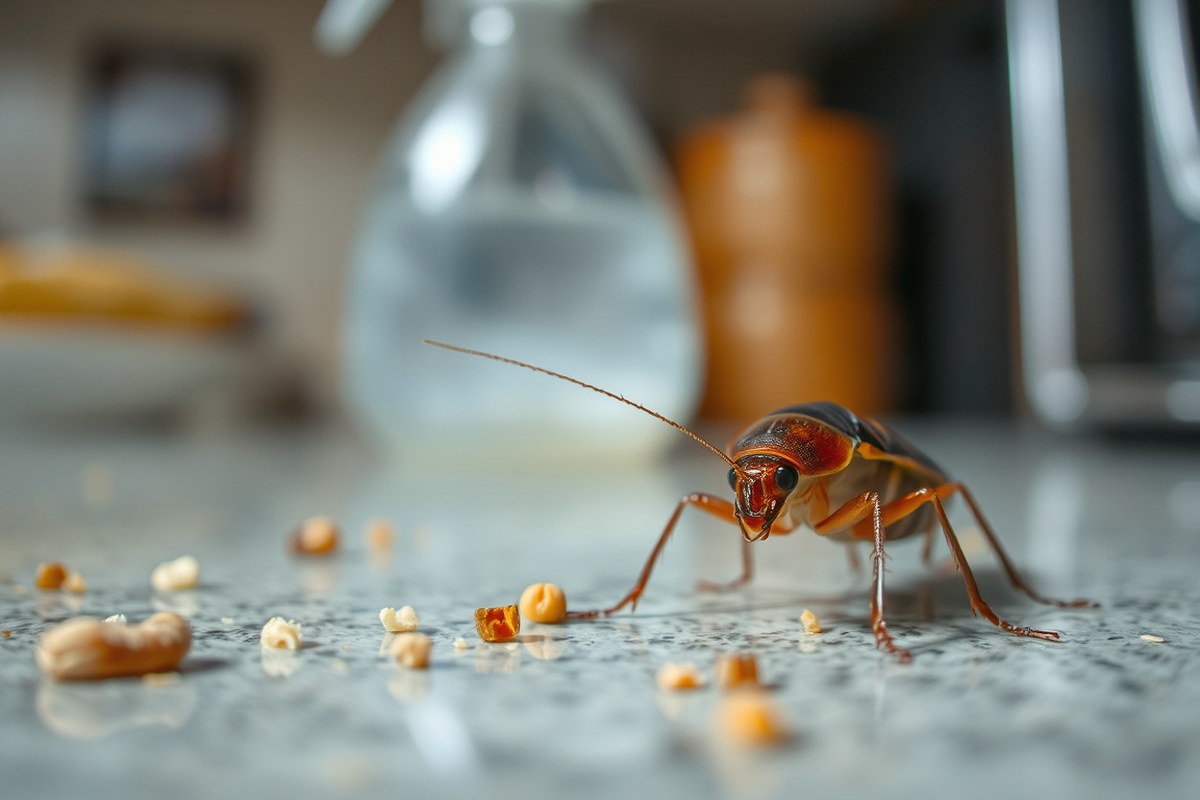
Roach pest control treatments for homes typically should be scheduled based on the level of infestation and the property’s characteristics. For minor infestations or as a preventive measure in well-maintained homes, quarterly treatments often suffice. This provides enough ongoing control to keep roaches from establishing large, hidden populations while limiting chemical use and cost. Treating every three months balances effectiveness with convenience for many homeowners.
In cases where a severe roach infestation already exists, a more aggressive approach is necessary. Begin with monthly treatments until the roach population visibly decreases and activity signs like droppings and egg cases fade. Frequent monthly visits ensure the pressure stays on all life stages of roaches, including nymphs and eggs, which can survive initial treatments. After the infestation is under control, shift to quarterly or biannual maintenance to prevent recurrence.
The type and layout of the property also influence treatment frequency. Multi-unit buildings or older homes with persistent roach problems may require ongoing monthly or bimonthly pest control service due to ease of reinfestation across units or cracks in structures. For single-family homes with fewer entry points, quarterly or biannual treatments often work unless an infestation develops.
Here is a basic decision tree for scheduling treatments: if no visible roach activity exists and structural conditions promote low risk, plan for quarterly or twice-yearly treatments. At mild to moderate infestation, increase to quarterly or monthly visits depending on population density and property complexity. For severe infestations, start on a monthly schedule until signs of roach activity significantly drop, then extend intervals to quarterly. Properties with recurring infestations may need permanent quarterly or biannual control to keep roaches out.
A common mistake is assuming one treatment will fix a severe infestation. Roaches multiply quickly and hide well, so expect several treatments over two to three months. Costs vary by region and service, but monthly treatments often cost $40 to $70 per visit, while quarterly care can lower yearly expenses. Proper follow-up reduces wasted money on repeated emergency visits if initial measures are insufficient.
Good results show a steady decline in roach sightings, no fresh droppings, and no new egg cases after two or three treatments spaced according to the severity level. If roaches return sooner than expected, reassess conditions like food sources, moisture, or entry points that allow reinfestation. Adjust treatment frequency as needed, leaning toward more frequent visits for those persistent cases. Regular monitoring between treatments helps decide if the schedule should change.
Which Factors Influence How Often Roach Treatments Should Be Done?
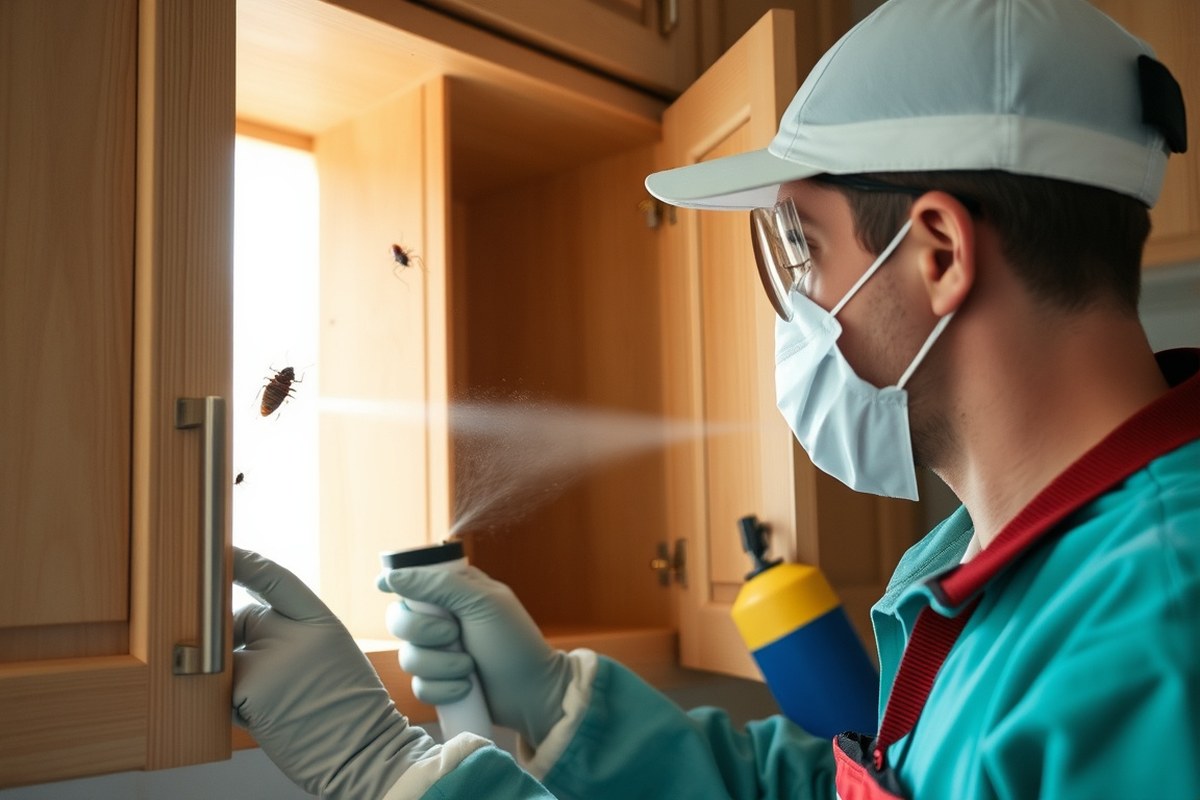
Several factors influence how often you should schedule pest control treatments for roaches, including the severity of infestation, the specific roach species involved, the regional climate, and your property’s condition. Each factor changes the frequency or intensity of treatments needed to keep roaches under control. Recognizing these influences helps you plan effective control without overspending or risking recurring infestations.
Infestation Severity and Roach Species
The level of infestation directly affects how often pest control should be done. A mild presence of a few roaches might require quarterly treatments, while a heavy infestation with visible signs throughout the home likely demands monthly or even biweekly visits until control is achieved. Early detection and rapid response limit how often treatments are necessary over the long term. Severity also ties into the species of roaches present. Some species are more resilient or reproduce faster, which means you need more frequent applications. Here’s a simple comparison of common roach species to illustrate how treatment frequency varies:
| Roach Species | Control Difficulty | Typical Treatment Frequency |
|---|---|---|
| German Cockroach (Blattella germanica) | High – rapid breeding, indoor preference | Every 2 to 4 weeks during active infestations |
| American Cockroach (Periplaneta americana) | Moderate – prefers warmer areas, usually outdoor habitats | Monthly or bi-monthly, with outdoor and indoor focus |
| Oriental Cockroach (Blatta orientalis) | Moderate – prefers damp, dark places | Monthly, especially in damp basement or crawl spaces |
| Brown-banded Cockroach (Supella longipalpa) | High – harder to detect, prefers higher areas | Every 3 to 4 weeks, targeting hidden spots |
German cockroaches are usually the hardest to control because they breed faster and often live inside walls or appliances. This rapid reproduction drives up treatment frequency and requires thorough, targeted applications to break the life cycle. Other species may only need monthly treatments because they tend to stay outdoors or in specific niches.
Regional Climate and Seasonal Influences
Warmer and more humid climates promote roach activity and breeding all year, requiring more frequent pest control treatments. In southern states like Florida or Texas, you might need treatments every 1 to 2 months because roaches never really quit reproducing. Cooler or drier regions can reduce this pace, so quarterly treatments often suffice in colder northern states during winter.
Your local climate determines if roaches seek indoor shelter seasonally or persist year-round. Rainy seasons increase moisture, pushing roaches indoors in search of food and water. Dry seasons can reduce activity but cause roaches to hide in water sources inside homes. Scheduling treatments before and after seasonal changes prepares your home for fluctuating roach pressure and maintains control when populations peak.
Property Size, Type, and Condition
Large properties with multiple units, like apartment buildings, require more frequent visits due to higher roach introduction risks and more hiding places. Urban homes usually face more continuous pressure because of dense neighborhoods with many infestation sources nearby. Rural homes may see infestations mostly from occasional intrusions, allowing less frequent treatments.
Older homes with cracks, leaks, or poor sanitation suffer from persistent roach problems needing monthly or every 6-week treatments to keep populations down. Newer or well-maintained homes with sealed entries and good hygiene can often rely on quarterly or semi-annual preventive treatments.
Failing to fix leaks, cracks, or clutter reduces pest control effectiveness, often forcing you to increase treatment frequency unnecessarily.
Following a checklist of property factors helps determine treatment intervals: assessing moisture sources, structural gaps, clutter around eating areas, and garbage management all play a role. Addressing these issues reduces hiding spots and food for roaches, lowering treatment frequency needed for control.
How Do Seasonal Changes Affect Roach Activity and Treatment Timing?
Roach activity rises and falls with seasonal temperature changes, affecting when treatments work best. Target treatments during their peak activity in warmer months, but maintain some control in cooler seasons to prevent early infestations. Scheduling treatments around these natural cycles improves effectiveness and can reduce the need for extra treatments.
Spring and Summer Peak Activity
Roaches become more active in spring as temperatures rise above 70°F, increasing their breeding and feeding habits. This activity usually continues through summer when indoor and outdoor conditions favor their survival. Pest control treatments scheduled in early spring can disrupt breeding cycles before populations explode.
Apply treatments every 4 to 6 weeks from March through August to manage population peaks. Warmer weather accelerates roach life cycles, requiring more frequent monitoring and follow-ups. Morning or late afternoon treatments work well since roaches are less active during those times, making them more vulnerable to baits and residual insecticides.
Fall and Winter Activity Levels
Fall temperature drops slow roach metabolism, lowering their activity and reproduction rates. However, indoor roaches remain a concern as they seek shelter and warmth. Reduced activity means treatments during fall can target roaches when they concentrate near homes, often in kitchens and basements.
In winter, roaches may enter dormant phases depending on the species and indoor heating. Treatments during these months typically focus on sealing entry points and maintaining residual barriers rather than active extermination. Scheduling treatments every 6 to 8 weeks from October through February can keep small populations from rebounding in spring.
Adjusting Treatment Schedules by Region
Regional climate influences roach activity periods significantly. In southern states with mild winters, roaches remain active year-round, so you may need monthly treatments without seasonal breaks. Northern climates often see roaches confined indoors during colder months, allowing for reduced treatment frequency in winter.
Check local temperature averages to fine-tune treatment timing. For example, regions with longer, warmer falls might extend peak treatment schedules into October. Coastal areas with humidity also support longer-term activity, encouraging preventive treatments through more months. Adjust your approach based on observed roach presence and local climate patterns for the best results.
What Are the Differences Between Preventive and Reactive Pest Control Schedules?
Preventive pest control for roaches involves regular scheduled treatments aimed at stopping infestations before they appear, while reactive pest control happens only after roaches are spotted. Preventive treatments should be done every 3 to 6 months depending on risk factors, whereas reactive treatments begin immediately after signs of roach activity and continue until the problem is controlled. This approach ensures you maintain control without wasting resources on unnecessary treatments or letting infestations grow unchecked.
Preventive Treatment Benefits and Frequency
Preventive treatments protect your home by creating a barrier that stops roaches from establishing. You should schedule these treatments every three to six months based on your environment and previous pest history. Higher-risk homes, such as those in older buildings or apartments with shared walls, benefit from more frequent preventive measures at every three months. For lower-risk situations, a six-month schedule can suffice. Preventive applications often include residual insecticides and bait placements in common roach hiding spots like kitchens and basements.
Routine preventive treatments reduce the chances of infestations, sparing you the cost and disruption of intensive reactive control later. You don’t need to see roaches to justify preventive treatment; the presence of conducive conditions like moisture and food residue means roaches could become a problem. Cost-wise, preventive treatments might average $50 to $150 every few months, depending on property size and pest control provider.
Recognizing Signs for Reactive Treatments
Reactive pest control starts once you notice concrete signs of roach activity, such as live roaches, droppings, egg cases, or an unusual odor. These signs indicate that roaches have already gained a foothold and require immediate treatment. You may need multiple reactive treatments spaced 1 to 2 weeks apart because roaches reproduce quickly. If signs persist beyond two or three treatments, it means reinfestation or untreated harborages remain, and you might need a more thorough inspection or different treatment methods.
Time matters in reactive cases. Acting promptly when you first spot roaches reduces infestation size and treatment cost. Neglecting early signs can lead to widespread infestations that demand costly and invasive treatments later.
Typical Treatment Residual Lifespan
Most professional roach treatments use insecticides with a residual effect lasting from 3 to 6 months. Once applied, these treatments kill roaches that come into contact with treated surfaces for that time. This residual lifespan provides a useful window to maintain roach control between treatments. After 6 months, pesticide effectiveness diminishes, so renewed treatment is necessary to prevent new infestations.
Environmental factors can shorten residual life. Frequent cleaning, heavy moisture, or extreme temperatures may reduce how long treatments last. Keeping treated areas dry and limiting surface scrubbing helps extend effectiveness. Knowing this helps you decide whether to treat preventively or reactively and when to schedule the next visit.
How Does Professional Pest Control Compare to DIY Roach Treatments?
You can manage roach infestations yourself using DIY methods, but professional pest control generally requires fewer treatments and often achieves better results over time. DIY treatments typically require more frequent applications and are less consistent in eliminating roaches due to product effectiveness and application technique. The decision between DIY and professional services depends on your infestation severity, budget, and patience for ongoing treatment.
Effectiveness and Frequency Differences
Professional pest control services use specialized products and treatment techniques that often kill roaches faster and reduce population more effectively than typical DIY products. The average professional service schedule for roach control involves treatments every 3 to 6 months depending on infestation severity. In contrast, DIY roach control usually demands repeat treatments every 1 to 2 weeks initially, then monthly to maintain control. Professionals apply products in hidden areas, cracks, and crevices, targeting roach breeding sites more thoroughly than most homeowners can.
DIY methods rely on accessible over-the-counter gels, baits, and sprays. While these can reduce roach numbers, missing application spots or using ineffective products can cause re-infestation quickly. DIY treatment frequency can stretch longer once infestation is low, but the risk of incomplete control stays higher. Professionals also provide monitoring and integrated pest management advice, helping you know when follow-ups are necessary, which can cut down unnecessary treatments compared to guesswork.
Cost Breakdown and Budgeting
DIY roach control is generally cheaper upfront. Basic bait gels and sprays cost between $10 and $40 per treatment set. Depending on infestation levels and chosen products, you might spend between $80 to $200 annually on materials alone if applying treatments every few weeks. However, the time investment for preparing and repeating treatments can be significant, and ineffective initial treatments may lead to higher total costs over time.
Professional pest control costs average from $150 to $300 per visit for a typical home, with contracts often priced quarterly or biannually. The frequency depends on infestation severity and the specific service plan. Despite higher upfront prices, professional treatments limit the total number of treatments needed by thoroughly addressing the infestation. This can translate to better long-term control and possibly saving money by avoiding repeated product purchases and wasted effort.
Choosing between DIY and professional pest control involves a trade-off. DIY may suit small, manageable infestations if you stay consistent. Professional services make more sense for larger or persistent infestations, for busy homeowners, or when time and effective results matter most.
Safety and Product Considerations
Professional pest control technicians have access to chemicals and formulations not available to consumers and apply these according to safety guidelines and local regulations. This typically results in more targeted treatments minimizing risks to your family and pets. Professionals are trained to avoid hazards like overuse or improper application, which can happen in DIY attempts, risking exposure or ineffective control.
DIY products must be used carefully following label instructions to prevent health risks. Overuse of sprays or baits indoors can contaminate surfaces, and some roach-killing chemicals irritate eyes, skin, or respiratory tracts if not handled properly. Proper ventilation, use of gloves, and keeping children and pets away during and after treatment are necessary precautions.
Do not mix different roach control products in the same area without confirmation they are compatible; chemical interactions can reduce effectiveness or increase hazards.
How Can I Monitor Roach Control Success and Know When to Schedule Another Treatment?
Tracking roach control success starts with regular monitoring after treatment. You want to see fewer roaches returning, which means the treatment works. Set up sticky traps in key places like under sinks, behind appliances, and in dark corners. Check these traps every two to three days. Count the number caught. A sharp drop in trapped roaches compared to before treatment suggests progress.
Visual inspections go hand in hand with traps. Look for live roaches, shed skins, egg cases, or droppings daily or every few days. Roaches prefer warm, humid areas, so focus on kitchens, bathrooms, and near garbage. Spotting fresh droppings or live insects regularly signals the population hasn’t dropped enough yet and a follow-up treatment may be needed sooner.
Write down your findings as you go. This monitoring checklist helps you avoid guessing. Note date, location of traps inspected, number of roaches caught, and signs of activity seen. Over two weeks, trap catches that still include multiple roaches or continuing visual signs mean another treatment should be scheduled. When activity stays low or none, spacing out the next treatment according to your pest control provider’s advice is appropriate.
Knowing what to expect from a successful treatment is important. You might still see one or two roaches after the first few days, especially if the infestation was heavy. Roaches can hide deep or in hard-to-reach spots, so patience is key. However, numbers should steadily decrease. Roaches returning at nearly the same rate or increasing within a week means the treatment missed some areas or the roaches are resistant. Contact your provider or adjust your control strategy in those cases.
Environmental factors change how you monitor. In warm, humid climates or multi-unit buildings, roaches may reappear faster and need closer attention. Using gel baits alongside traps improves detection and control. Also, avoid over-reliance on visual checks alone since roaches hide well. Combining methods gives a fuller picture.
Costs of monitoring are low if you do it yourself since sticky traps run about $5 to $10 for a pack of 10. Checking traps and inspection take a few minutes each visit. Professional follow-up treatments depend on the company but typically range from $75 to $150 per visit. Keeping good records helps you avoid unnecessary repeat treatments and shows professionals where to focus next.
What Preparation and Follow-Up Actions Maximize Roach Treatment Effectiveness?
Preparing your home properly before a professional roach treatment and following up with good habits afterward can extend the time between treatments by making the environment less attractive to roaches. Cleaning, sealing entry points, properly storing food, and maintaining hygiene reduce roach access to food and shelter. These actions improve treatment success and lower chances of reinfestation.
Cleaning and Clutter Reduction
Thorough cleaning before a pest control visit removes food and water sources that attract roaches. Roaches can survive on tiny crumbs and grease, so wiping counters, vacuuming floors, and cleaning under appliances are essential. Also, reduce clutter, especially cardboard, newspapers, and boxes where roaches hide and lay eggs.
Focus cleaning efforts around kitchens, bathrooms, and basements where moisture and food residues accumulate. Deep-clean garbage cans and recycling bins and keep lids tightly sealed to prevent roach access.
- Clear dishes and clean sinks before treatment day
- Vacuum floors and behind appliances to remove debris
- Dispose of or neatly stack cardboard and paper piles
- Wipe down pantry shelves and cabinet interiors
- Empty and clean trash containers
Failing to clean thoroughly reduces bait effectiveness because roaches have other food options. Clutter keeps roaches hidden, making treatments less impactful and reinfestation more likely. For heavy infestations, a follow-up cleaning a week after treatment may help remove dead roaches and encourage lasting control.
Sealing Cracks and Entry Points
Roaches enter homes through very small gaps in walls, around pipes, and near doors and windows. Sealing these entry points before or shortly after treatment prevents new roaches from coming in and limits where they move inside. Use silicone caulk or expanding foam to close cracks and gaps at least ¼ inch wide.
Focus on pipe penetrations, baseboards, behind cabinets, and around floor drains. Check utility openings and plumbing access points carefully. Weatherstripping doors and window frames also reduces outdoor roach entry. In rental units, you may need landlord approval for sealing work.
- Inspect all walls near kitchens, bathrooms, and basements
- Seal visible cracks around pipes, electrical outlets, and vents
- Add door sweeps to exterior doors
- Use weatherstripping on windows for tight seals
Sealing can cost under $50 in materials for most homes but requires time and some DIY skill. Avoid gaps bigger than ½ inch, as bigger openings need professional repair to prevent structural damage. Properly sealing slows roach reinfestation and helps treatments last twice as long or more.
Maintaining Good Food Storage Practices
After treatment, keep roaches from having access to food by storing all pantry items and pet food in sealed containers made of glass, metal, or heavy plastic. Avoid leaving food out overnight, including crumbs and spills on countertops or floors. Regularly clean pet feeding areas and avoid overfilling bowls.
Reducing available food reduces roach survival and reproduction. Store garbage in sealed bins and remove trash regularly. If you keep recycling, rinse containers before storing them indoors.
- Use airtight containers for flour, sugar, cereals, and snacks
- Clean up spilled crumbs immediately
- Feed pets only during designated times and store pet food securely
- Empty trash daily and clean bins monthly
Keeping a strict food storage routine may feel time-consuming but maintains a hostile environment for roaches. This can extend pest control intervals by months compared to homes with loose food and trash.
Safe Habits Post-Treatment
After a professional roach treatment, follow product guidelines for when to resume cleaning or moving furniture. Generally, wait at least a few hours before wiping surfaces or vacuuming bait placements. Avoid spraying over bait to prevent reducing its effectiveness.
Regularly inspect and clean problem areas such as under sinks and behind appliances. Replace or refill bait stations as the pest control provider directs. Monitor signs of roaches with sticky traps. Maintain overall cleanliness, especially in food and water sources.
- Wait 4-6 hours before wet cleaning treated areas
- Keep treated areas dry to prolong chemical activity
- Reinstall or refresh bait stations per professional advice
- Continue checking traps weekly for roach activity
Neglecting post-treatment instructions often leads to shortened effectiveness and quicker roach return. Proper follow-up extends intervals between treatments, reducing long-term pest control costs.
How Do Environmental and Property Conditions Affect Treatment Frequency?
Environmental and property conditions strongly influence how often roach treatments need to be scheduled. Factors like humidity, temperature, clutter, and property type affect roach activity and survival, which in turn determine treatment frequency and effectiveness. Adjusting your pest control plan to these conditions improves results and can lower costs by preventing repeated treatments.
Humidity and Temperature Effects
Roaches thrive in warm, humid environments, so higher humidity and temperatures usually mean more frequent treatments are necessary. When humidity is over 60% and indoor temperatures stay between 70°F and 85°F, roaches reproduce faster and hide in wet areas, increasing infestation risks. Under these conditions, monthly treatments may be required during peak warm months.
Lower humidity and cooler temperatures slow roach activity, allowing for treatment intervals to stretch to every two or three months. For example, a home with central heating and air conditioning that keeps indoor humidity below 50% and temperature around 68°F usually faces less pressure from roaches, so quarterly pest control might suffice.
Monitoring humidity with a hygrometer and adjusting ventilation or dehumidifiers helps control environmental conditions that favor roaches. Improved airflow near plumbing and basements reduces moisture buildup. Targeting these conditions reduces the frequency or intensity of chemical treatments needed.
Clutter and Food Storage Impact
Excess clutter provides ample hiding spots and breeding grounds for roaches, requiring shorter intervals between pest control treatments. Crowded kitchens with open food containers and stacked cardboard are common problem areas. Cleaning up clutter and sealing food in airtight containers can extend treatment periods from monthly to every three months.
If clutter and poor food storage remain unchecked, roaches find easy access to food and shelter, leading to repeated reinfestation and more frequent visits from pest control professionals. Regularly disposing of garbage, maintaining clean countertops, and keeping pantry items in sealed bins or glass jars helps minimize these risks.
One practical approach is to conduct a clutter audit before scheduling treatments. Clearing visible debris and sealing off potential food sources reduces the pest population and allows longer gaps between treatments without compromising effectiveness.
Always remove clutter and store food properly before a treatment; otherwise, roaches will quickly return and you’ll need to treat more often.
Differences in Apartments vs. Single-Family Homes
Apartments often require more frequent treatments than single-family homes due to shared walls and common spaces. Roaches can easily spread between units through cracks, pipes, and ventilation shafts, so treating one unit alone might not prevent reinfestation. Coordinated building-wide treatment every 30 to 45 days is often necessary in multi-unit buildings.
Single-family homes tend to allow more control over environmental conditions and structural maintenance, helping reduce treatment frequency. Homes with better insulation, sealed entry points, and controlled plumbing leaks often need treatments only once every two to three months unless there is heavy infestation or conducive conditions like high humidity.
The property’s maintenance history also plays a role. Older buildings with worn seals and longstanding plumbing issues usually require more frequent visits to manage persistent roach problems. Newer or well-maintained properties can extend treatment intervals, assuming sanitation and environmental controls are in place.
For example, a one-bedroom apartment with poor sanitation and multiple neighbors reporting roaches might need treatments every 30 days to control cross-unit infestations. Conversely, a sealed, dry single-family home with good sanitation could schedule treatments every 90 days as a preventive measure.
When Should I Call a Professional or Change Treatment Strategies?
Call a professional if roaches keep coming back despite your DIY treatments. Persistent sightings after three or more well-applied treatments suggest the infestation is too advanced or resistant for home methods. Professionals have access to stronger insecticides and knowledge on how to target roaches in hidden spots, which makes their approach more effective at breaking the infestation cycle.
Treating too often can cause roaches to develop resistance to certain chemicals, making future control tougher. Over-treating also raises costs without improving results and can expose occupants to unnecessary pesticides. On the other hand, spacing treatments too far apart lets cockroach populations rebound between visits, requiring longer or more costly follow-ups. Timing treatments about every 3 to 4 weeks during active infestation balances these risks well.
For apartments, treatments often require approval from property management and may happen every 1 to 3 months, depending on infestation severity and building rules. Single-family homes can use similar schedules but usually allow more flexibility in treatment frequency and products. Coordinated treatments in multiple units help stop roaches from moving between apartments, which is critical to success.
A good rule is to switch from DIY to professional help if roaches appear after three months of consistent home treatments, including baits and sprays. Before calling, make sure you’ve eliminated food and water sources, cleaned thoroughly, and sealed entry points. This preparation maximizes treatment effectiveness regardless of who applies it.
Avoid common scheduling mistakes like treating only when you see roaches. Roaches hide well, so absence of sightings doesn’t mean they’re gone. Stick to scheduled treatments as roaches reproduce quickly, and early action prevents larger infestations. Also, don’t skip preparation steps, as neglecting cleaning or moisture control usually causes control failure.
Professionals typically start with an inspection to identify infestation hotspots. Treatment may include gel baits, residual sprays, and dusts in cracks and voids where roaches hide. Follow-ups occur 2 to 4 weeks later to check progress and apply additional treatments if needed. Each visit usually takes one to two hours, with costs depending on property size and infestation intensity, ranging from $100 to $300 per visit.
Recognize treatment failure when you see live roaches after a professional treatment cycle or notice droppings and shed skins persistently. At this point, revising strategies might mean switching products, increasing treatment frequency, or addressing environmental factors like leaky pipes or clutter. Ignoring signs of failure often leads to more serious infestations and higher costs down the road.
Are Ultrasonic or Non-Chemical Methods Reliable Enough to Reduce Treatment Frequency?
Ultrasonic and other non-chemical roach control methods generally do not replace regular chemical treatments, but they might supplement them to some degree. Their effectiveness varies, and relying solely on these methods usually won’t significantly reduce the need for scheduled chemical treatments, especially in moderate to heavy infestations.
Ultrasonic Devices Overview and Limits
Ultrasonic devices emit high-frequency sound waves meant to repel pests like roaches. While they are safe, easy to use, and require no chemicals, scientific studies show their effectiveness is limited. Roaches can become habituated to the noise, reducing long-term impact. These devices do not kill or trap roaches but might briefly disrupt activity in confined areas.
You should use ultrasonic devices as a supplementary measure rather than as a standalone solution. They do not eliminate existing infestations and won’t prevent roach eggs from hatching. Ultrasonic pest repellents typically cost between $20 and $60, making them inexpensive for trial use. However, monitor roach activity closely and maintain scheduled chemical treatments, especially if you notice persistent roach sightings after using these devices.
Non-Chemical Control Options
Non-chemical options like bait traps, sticky traps, and good sanitation practices can reduce roach numbers but rarely eliminate infestations on their own. Bait traps use small amounts of poison inside enclosed containers, which lowers chemical exposure but still counts as a chemical intervention. Sticky traps help detect and monitor roach presence but don’t reduce populations significantly without additional control.
Thorough cleaning to eliminate food scraps, sealing cracks, and removing moisture sources are essential non-chemical steps. These actions can reduce roach harborage and food availability, slowing population growth and potentially allowing longer intervals between chemical treatments. The effort required varies by property condition and roach severity but a solid sanitation routine improves any treatment’s success.
Comparatively, chemical sprays, gels, and dusts offer targeted eradication and residual control. They act on contact or ingestion and usually deliver faster reduction of roach numbers. Non-chemical methods focus on prevention and monitoring rather than rapid elimination. You should consider them as part of an integrated pest management strategy, not a way to skip chemical treatments entirely.
Safety Considerations with Children and Pets
Children and pets affect which treatments you can safely use and how often. Chemical sprays and powders can pose risks if misapplied or left accessible. Use child-resistant bait stations and follow label precautions strictly to avoid accidental poisoning. Consult with a pest professional about pet-safe products, especially around cats, since some insecticides are more toxic to them.
Non-chemical options like ultrasonic devices and traps offer safer alternatives but lack strong effectiveness on their own. You can combine these with targeted, low-toxicity baits to reduce chemical exposure frequency. Increasing sanitation and sealing entry points also help control roaches without additional chemicals.
When scheduling treatments, consider your family’s daily routines. Apply chemical treatments during periods when children and pets can stay away from treated areas for at least a few hours or according to product instructions. Frequent communication with your pest control provider ensures treatments balance safety with effectiveness, adjusting timing or product choice to protect vulnerable household members.
Step-by-Step Action Plan for Scheduling Roach Pest Control Treatments
Plan your roach pest control treatments around your specific situation, considering infestation severity, environment, and season. This schedule helps you decide when and how often to take action for best results.
- Before Treatment: Inspect your property for signs of roaches, such as droppings or egg cases, and identify moisture sources or clutter where roaches hide. This helps determine whether a one-time or ongoing treatment is needed.
- Day 1, Initial Treatment: Apply a professional or DIY treatment based on infestation level; professionals typically use integrated methods combining baits, sprays, and dusts. Confirm effectiveness by reduced roach activity in 3 to 5 days.
- Week 2, Monitor and Clean: Use sticky traps or visual checks to evaluate treatment success. Maintain sanitation by removing food scraps and fixing leaks, since cleanliness directly affects reinfestation risk.
- Month 1, Follow-Up Treatment: Schedule a second treatment if roaches persist or if you live in a high-risk environment like humid climates or multi-unit housing. This helps interrupt breeding cycles.
- Monthly to Quarterly, Preventive Maintenance: Repeat treatments every 1 to 3 months during peak seasons (spring and summer) or more frequently if you have ongoing conditions that favor roaches, such as clutter or moisture. Adjust frequency based on roach sightings and environmental factors.
- Seasonal Check, Early Fall and Spring: Increase monitoring and treatments as temperatures rise or fall since roach activity spikes in mild, humid conditions. Consider professional evaluation if DIY methods fail or infestation spreads.
- Continuous Monitoring: Keep traps and visual inspections ongoing to detect new activity early. Call a professional if roach numbers increase despite regular treatments or if you notice resistance to chemicals.
- After Treatment, Property Maintenance: Seal cracks, repair leaks, and reduce clutter to limit roach harborage and reduce treatment frequency over time. Effective environmental control strengthens long-term success.
Frequently Asked Questions
Can Roach Treatment Frequency Vary Between Residential and Commercial Properties?
Yes, commercial properties usually require more frequent treatments due to higher pest traffic and food sources, often monthly or quarterly. Residential cases typically need treatments every three to six months unless infestation severity dictates otherwise.
How Long After a Roach Treatment Can I Expect Results?
You can expect noticeable roach population decline within a few days after treatment. Complete elimination may take several weeks depending on infestation size and treatment type, so ongoing monitoring is important.
Does the Type of Roach Species Affect How Often I Should Schedule Treatment?
Different roach species reproduce and hide differently, so treatment schedules vary. German cockroaches need more frequent treatment every 3 to 4 months due to rapid breeding, while American cockroaches may require less frequent control.
Can Frequent Use of Pest Control Cause Roaches to Develop Resistance?
Repeated use of the same pesticides can lead to resistance, making treatments less effective. Alternating treatments or using integrated pest management helps prevent resistance and improves long-term control.
Should I Adjust Roach Treatment Frequency If I Live in an Apartment Complex?
Yes, shared walls and communal areas increase infestation risk, so treatments may be needed more often, around every 2 to 3 months. Coordinated pest control with neighbors improves effectiveness.
How Does Clutter Inside My Home Influence Treatment Schedules for Roaches?
Clutter provides hiding spots and food, making roach control harder and often requiring more frequent treatments. Decluttering can reduce treatment frequency and improve the success of each pest control visit.
Final Thoughts
Scheduling roach pest control every one to three months usually manages infestations effectively, depending on your property’s conditions and roach activity. Start by inspecting common hiding spots like kitchens and bathrooms for signs of roaches and note when you last treated to track progress. Calling a professional pest control service after your initial inspection can help tailor the treatment frequency and ensure your efforts focus on the areas most at risk, saving time and reducing chemical use.