
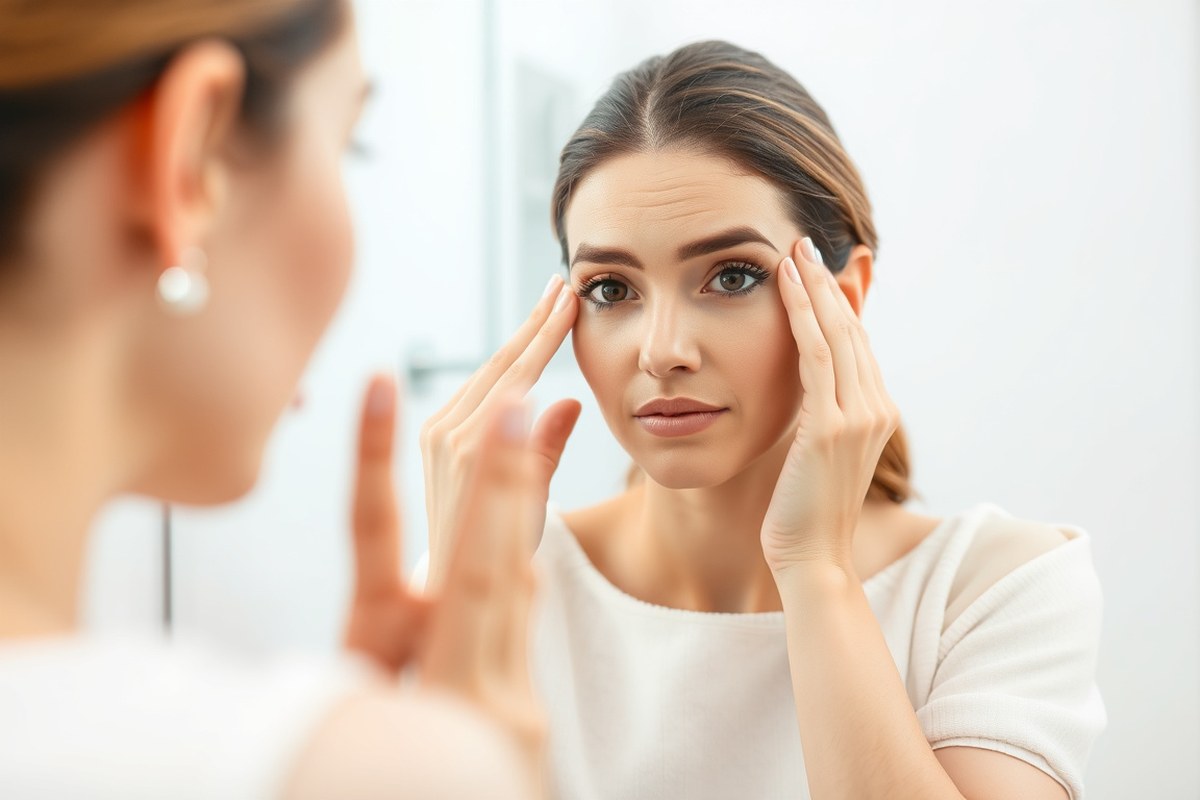
How to Get Rid of Dark Under Eyes: 8 Proven Ways That Actually Work
How to get rid of dark under eyes involves a mix of quick fixes and long-term care. Simple steps like resting with cold cucumbers or iced cloths for 15 minutes can reduce puffiness and darkness fast. Alongside lifestyle changes, targeted topical treatments and professional options also help manage and lighten those stubborn circles.
This advice suits anyone dealing with dark circles from lack of sleep, genetics, allergies, or aging skin. You’ll find proven ways to lessen dark circles through sleep and hydration tips, effective home remedies, essential vitamins, sun protection, allergy strategies, and medical treatments.
Key Takeaways
- Dark circles result from genetics, aging, allergies, thin skin, or blood vessel visibility, and some causes can be reduced but not completely removed.
- Getting 7-9 hours of quality sleep and staying hydrated helps reduce sleep-related dark circles but may not eliminate genetic or allergy-related ones.
- Applying chilled cucumber slices or cold washcloths on your eyes for 10 to 15 minutes can quickly reduce puffiness and dark circles.
- Vitamin C and vitamin K topical products, used for several weeks, have been shown in studies to improve dark circle appearance.
- Wearing sunscreen daily prevents skin thinning and pigmentation that can worsen dark circles over time.
- Medical treatments like laser therapy and fillers offer options with risks; consult a dermatologist to determine the safest choice for you.
1. What Causes Dark Circles Under the Eyes and Can They Be Removed?

Dark circles under your eyes often come from a mix of causes. The most common include genetics, aging, allergies, lifestyle factors like poor sleep or diet, and skin thinning. Genetics and aging tend to cause more persistent dark circles. Your skin thins with age, making blood vessels under the eyes more visible, while genetic hyperpigmentation causes extra melanin that darkens the area. Allergies and sensitivities can also make the skin look darker due to inflammation and rubbing. Lifestyle causes, such as lack of sleep, dehydration, or smoking, typically make dark circles worse but can improve if you address these habits.
Complete removal of dark circles depends on their cause. Circles caused by lifestyle factors, like fatigue or dehydration, usually improve with better sleep, hydration, and reducing irritants such as allergens or smoking. Circles linked to genetics or aging are more difficult to eliminate completely. Treatments can reduce their appearance but may not erase them entirely because they involve permanent skin or pigment changes. For example, medical treatments like laser therapy or chemical peels may help, but they require time, cost several hundred dollars per session, and carry risks like irritation or uneven pigment.
To decide which cause applies to you, look at your history and symptoms. Note whether you consistently get enough sleep (about 7 to 9 hours), stay hydrated, and avoid allergens. Does lack of sleep quickly worsen your dark circles? Are your parents known to have similar dark areas? Do allergies flare with seasonal changes or exposure to certain foods? Persistent dark circles that don’t fluctuate much with lifestyle changes lean toward genetic or aging causes. Circles that improve with rest and avoiding allergens hint at lifestyle or allergy triggers.
For example, in cases where you sleep well every night but still have pronounced dark circles, especially if others in your family do too, genetics are likely the main factor. When your eyes darken after rubbing or seasonal allergy symptoms, allergies could be the cause. Tiredness combined with dehydration often causes puffiness and shadows that improve with sleep and hydration. A healthcare provider can help identify allergies with testing and recommend medical options if needed.
Different causes call for different approaches. Lifestyle-related dark circles respond best to improving sleep quality, hydration, and diet. Allergic dark circles improve by limiting exposure to known allergens and using anti-inflammatory treatments. Genetic or age-related dark circles may require topical ingredients like vitamin K or C creams, which studies show can help reduce darkness over several weeks, or professional treatments. Managing expectations is key: full removal is unlikely with genetic or aging causes, but significant reduction is possible with proper care tailored to your cause.
2. How Sleep and Hydration Affect Dark Circles

Getting enough rest and drinking plenty of water are essential to minimizing dark circles below your eyes. You should aim to get at least seven hours of solid sleep each night. Lack of sleep causes the blood vessels beneath your eyes to widen, which makes dark circles stand out more. Research from 2017 in Royal Society Open Science showed that people who slept just four hours had more obvious dark circles than those who slept eight hours. Proper sleep also helps your skin heal and increases collagen production, which tightens and smooths the thin skin under your eyes.
Along with sleep, drinking enough water helps keep the skin plump and healthy. Dehydrated skin looks sunken and thin, making blood vessels more apparent and dark circles worse. Health experts recommend about eight 8-ounce glasses of water daily, though this varies by body size, activity, and climate. Consistently drinking enough water can improve skin hydration and brightness around the eyes in one to two weeks.
For best results, establish a bedtime routine that promotes restful, uninterrupted sleep. Avoid screens one hour before bed and keep your bedroom cool and dark. Sleeping with your head improve about 6 inches reduces fluid accumulation under the eyes, which can cause puffiness and shadowing. Try propping your head on extra pillows or an adjustable bed frame.
Beyond these basics, gentle daily practices improve circulation and reduce dark circles. Use a cold compress or chilled spoons on your eyes for a few minutes each morning to constrict blood vessels and reduce puffiness. A light massage in upward circular motions helps drain excess fluid from tear ducts. Avoid sleeping on your stomach or side when possible, as this encourages fluid buildup under the eyes due to gravity.
Consistency matters. You may notice some improvement in skin brightness and firmness within a week, but major changes usually take several weeks of disciplined sleep and hydration habits. Combining these steps with protective skincare will improve your under-eye appearance without expensive treatments or harsh products.
Keep your head improve while you sleep to prevent fluid buildup that can worsen dark circles and cause morning puffiness.
3. At-Home Remedies That Really Help Dark Circles
Cold compresses are generally the fastest way to reduce the appearance of dark circles by constricting blood vessels and lowering puffiness. Cucumber slices and tea bags also provide cooling effects but offer milder and slower relief. Natural oils like almond oil and vitamin E may improve skin health over time but don’t deliver instant results.
Cold Compress Benefits and Usage
Applying a cold compress to your eyes can reduce swelling and narrow blood vessels, which temporarily lessens dark circles. The cooling effect reduces inflammation, making the skin look less puffy and dark immediately after use.
To use a cold compress, wrap ice cubes or a cold gel pack in a soft cloth. Place it gently over your closed eyes for 10 to 15 minutes. Avoid applying ice directly to the skin to prevent frostbite. This method is quick, simple, and requires minimal cost, ice and a cloth cost nearly nothing.
Cold spoons chilled in the refrigerator also work as an alternative. Rest the back of two cold spoons on your eyes for 5 to 10 minutes, repeating several times daily if needed. Expect results within minutes, but the effect is temporary and usually lasts a couple of hours.
Effectiveness of Cucumber Slices and Tea Bags
Cucumber slices and tea bags provide a cooling sensation similar to cold compresses but act more gently. Cucumbers soothe skin with natural antioxidants and maintain moisture, while tea bags contain caffeine and antioxidants that may improve circulation around the eyes.
For cucumbers, refrigerate a large cucumber until very cold, then cut into ½ inch (1.3 cm) thick slices. Place on your closed eyelids for about 10 minutes. For tea bags, steep two bags (green or black tea) in hot water for 3 to 5 minutes, then chill completely before placing them over your eyes for the same duration.
Both remedies cost around $1 to $3 per use depending on what you have available, and results tend to be mild, mostly reducing puffiness rather than significantly lightening dark pigmentation. Using cold tea bags may give a slight tightening effect due to caffeine, but these approaches generally need consistent use over days or weeks to notice any visible change.
Applying Oils and Natural Vitamins Safely
Mixing equal parts almond oil and vitamin E oil and gently massaging it into the dark circles before bed is a popular home remedy. Oils can nourish the delicate under-eye skin, potentially improving texture and hydration over time. However, the evidence they lighten dark circles is limited.
To try this method, use about half a teaspoon of almond oil blended with the same amount of vitamin E oil. Use your ring finger to apply the mixture in small, gentle circles without stretching the skin. Let it absorb overnight. This process may take several weeks or even a couple of months to show subtle improvements.
Take care to avoid getting oils in your eyes, which can cause irritation. Also, perform a patch test to check for allergies before regular use. These oils are affordable; vitamin E capsules can cost about $10 for a month’s supply, and almond oil can be found for $5 to $15 per bottle.
How Often to Use Home Remedies for Best Results
Consistency matters more than frequency with most at-home remedies. Cold compresses can be used multiple times per day whenever puffiness or tiredness shows up, given their short-term effects.
Cucumber slices, tea bags, and oil mixtures work best when applied daily or at least several times a week. Patience is critical, as noticeable improvement in pigmentation or skin quality may take several weeks to a few months.
- Cold compresses: up to 3 times daily for instant relief
- Cucumber slices: 10 minutes daily for mild soothing
- Tea bags (cold): 10 minutes daily for circulation boost
- Almond oil and vitamin E mix: gently nightly for weeks
- Always remove makeup and cleanse skin before applying oils
- Patch test oils first, especially for sensitive skin
- Discontinue if irritation occurs
Combining remedies, such as using a cold compress in the morning and applying oils at night, may help manage dark circles more effectively. Remember that these home options provide symptom relief and nourishment but may not address underlying causes.
4. Topical Ingredients and Vitamins Proven to Reduce Dark Circles
Vitamins C, K, and E, alongside topical agents like retinol and hydroquinone, are proven to help reduce dark circles by improving skin tone, strengthening blood vessels, and boosting collagen. Choosing the right product depends on your skin type, sensitivity, and the specific cause of your dark circles. Understanding these ingredients and how they work will help you pick effective eye creams or serums.
Vitamin C, K, and E: Roles and Differences
Vitamin C is key for boosting collagen production, which thickens under-eye skin and helps conceal darkness by brightening skin tone. It also has antioxidant properties that protect against skin damage. Vitamin K strengthens blood vessel walls under the eyes, reducing the visible pooling of blood that creates dark shadows. Vitamin E is often paired with vitamin C for its hydrating and antioxidant effects, supporting skin health and repair.
While vitamin K specifically targets blood vessel strength, vitamin C focuses on skin brightness and texture. Combining vitamins C and K in a product can give a complementary effect, addressing multiple causes of dark circles simultaneously. Using vitamin E alongside both can improve moisture and skin barrier function to prevent irritation.
Retinol, Hydroquinone, Kojic Acid, and Alternatives
Retinol, derived from vitamin A, encourages collagen development and lightens pigmentation, leading to smoother under-eye skin and gradual fading of dark spots after several weeks of regular use. Hydroquinone is a skin-brightening compound that works well against pigmentation-related dark circles, especially when used with retinoids, vitamin C, or hyaluronic acid. Kojic acid offers a milder option than hydroquinone, providing similar lightening effects but usually causing fewer adverse reactions.
Products with retinol and caffeine can decrease puffiness and improve skin texture. Prescription creams with retinoic acid may increase blood flow temporarily to thicken thin skin beneath the eyes and reduce shadowing. These treatments can cause irritation, so applying a small amount once daily at night and using a good moisturizer is key.
Ingredients for Sensitive or Darker Skin Types
Sensitive or darker skin types require gentle yet effective ingredients to avoid irritation that may worsen dark circles. Look for hydrating formulas that include antioxidants like vitamins C and E at lower concentrations. Avoid harsh chemicals like high-percentage hydroquinone that can cause hyperpigmentation rebound or irritation in darker skin.
Products combining mild retinol derivatives with soothing ingredients are preferable. Ingredients like hyaluronic acid will hydrate without clogging pores or irritating the delicate under-eye area. Avoid products that cause redness or excessive dryness; patch testing before regular use can help you find a suitable option.
Selecting Products Based on Skin Type and Concerns
Choosing the right eye cream involves balancing your skin’s needs, sensitivity, and the root cause of your dark circles. For pigmentation, products with hydroquinone, retinol, or vitamin C are effective. For blood vessel-related dark circles, look for vitamin K or caffeine-containing products to strengthen vessels and reduce puffiness.
Hydrating and plumping formulas help smooth fine lines, making shadows less noticeable. Consider price, time to see results, and side effects when choosing between options. Consistency over several weeks is important, and sun protection during the day improve treatment benefits. Here is a comparison of key topical ingredients for reducing dark circles:
| Ingredient | Typical Cost per Ounce (USD) | Time to See Results | Common Side Effects |
|---|---|---|---|
| Retinol | $20, $40 | 4, 12 weeks | Dryness, redness, irritation |
| Hydroquinone | $30, $50 | 4, 8 weeks | Skin irritation, potential rebound hyperpigmentation |
| Vitamin C | $15, $35 | 4, 10 weeks | Mild irritation, sensitivity to sunlight |
| Vitamin K | $10, $25 | 4, 8 weeks | Rare irritation |
| Kojic Acid | $20, $40 | 6, 12 weeks | Possible irritation or dryness |
| Caffeine (in eye creams) | $15, $30 | 2, 6 weeks | Minimal, possible mild irritation |
Costs vary based on brand and concentration, and using less concentrated products reduces side effect risk for sensitive skin. Results depend on consistent daily application, usually at night for retinol and hydroquinone to reduce photosensitivity risk. Combining ingredients like vitamin C and E with retinol can boost effectiveness while minimizing irritation.
5. Why Sun Protection Is important for Dark Circle Prevention
Sun exposure worsens dark circles primarily by increasing melanin production in the skin around your eyes. Melanin causes pigmentation that darkens the under-eye area, making circles more visible. Excessive sunlight can also accelerate skin aging, causing fine lines and thinning skin that further highlight dark circles. Protecting your skin with proper sun care helps prevent these effects and keeps the under-eye area looking healthier over time.
To shield your under eyes, use a broad-spectrum sunscreen with at least SPF 15 or higher. Mineral-based formulas containing zinc oxide or titanium dioxide are often recommended because they are less likely to irritate the delicate eye area. Apply sunscreen gently with your ring finger to reduce tugging on the skin, and never get the product too close to your eyes to avoid irritation. Reapply every two hours outdoors or after sweating or swimming to maintain protection.
Sunglasses play a key role alongside sunscreen. Choose sunglasses with UV400 protection to block 100% of UVA and UVB rays. Large frames offer additional coverage, also helping reduce squinting, which can cause wrinkles and shadows contributing to dark circles. Pairing sunscreen with sunglasses provides a complete shield against sun damage to this sensitive region.
Seasonal changes affect how much sun protection you need. Bright summer days with clear skies increase UV exposure, requiring vigilant application of sunscreen and wearing protective eyewear. In colder seasons or cloudy weather, UV rays can still penetrate, so consistent sun protection is essential year-round. Altitude matters too; higher elevations have stronger UV rays, so extra care is necessary if you live in or visit mountainous areas.
For effective sun protection under the eyes, apply a safe sunscreen daily, wear UV-blocking sunglasses, and limit direct sun exposure when possible, especially between 10 a.m. And 4 p.m., when UV rays peak. Avoid using harsh sunscreen ingredients like oxybenzone near your eyes, which may cause irritation. Consider using a dedicated eye cream with SPF if you have sensitive skin, ensuring it’s dermatologist-tested for that purpose.
Protect your under-eye area by reapplying sunscreen every two hours outdoors and wearing UV-blocking sunglasses to prevent squinting and pigmentation.
Expect the best results when you commit to regular daily sun care. Without consistent protection, sun exposure can deepen pigmentation and thin the under-eye skin, making dark circles more stubborn and noticeable. Proper sun protection costs little time and money, many gentle, effective eye-area sunscreens cost between $10 and $30, but its benefits add up by preserving both skin tone and texture around your eyes.
6. Medical Treatments for Dark Circles: Options and Risks
Medical treatments like laser therapy, chemical peels, and fillers can address dark circles by targeting different causes. Laser therapy focuses on reducing visible blood vessels and pigment under the eyes, which helps minimize shadowing. Chemical peels, often containing glycolic acid, retinoic acid, or hydroquinone, improve skin texture by promoting cell turnover. Fillers add volume to sunken under-eye areas, reducing shadows caused by structural volume loss.
Each treatment comes with its own timeline, costs, and risks. Laser treatments may require multiple sessions spaced weeks apart and can cause redness or swelling. Chemical peels are usually lighter in strength around the delicate under-eye skin and might cause temporary irritation or peeling. Fillers offer immediate results but carry risks like bruising, swelling, or in rare cases, more serious complications.
Prescription topical products such as hydroquinone or retinol creams also reduce dark circles but take longer to show results. Hydroquinone lightens hyperpigmentation and usually requires consistent use for 4 to 6 weeks. Retinol increases collagen production and speeds up cell renewal, improving skin quality over 8 to 12 weeks, but it might cause irritation initially. The table below compares these medical treatments by typical cost, downtime, and common side effects:
| Treatment | Typical Cost per Session | Downtime | Common Side Effects |
|---|---|---|---|
| Laser Therapy | $300, $600 | 1, 3 days of redness/swelling | Redness, swelling, rare pigment changes |
| Chemical Peels (Light/AHA) | $150, $300 | Minimal to 2 days of peeling | Peeling, redness, irritation |
| Fillers (Hyaluronic Acid) | $600, $1200 | Little to no downtime | Bruising, swelling, rare lumps or vascular issues |
Choosing the right option depends on your specific concerns and your skin’s sensitivity. Laser therapy works best for pigment and vessel changes and requires time to heal between treatments. Chemical peels are suitable for improving skin texture and mild pigmentation, especially if your skin tolerates slight irritation. Fillers give quick volume correction but require injections and may need repeat sessions every 6 to 12 months.
Using prescription hydroquinone or retinol creams before or alongside these procedures may improve results over time. Always consult a dermatologist to discuss your skin type, medical history, and potential allergies before starting any medical treatment to reduce risks. Medical treatments can significantly reduce dark circles but should be done under professional care to manage side effects and achieve the best outcomes.
7. Allergy-Related Dark Circles and How to Manage Them
Allergies can cause dark circles under your eyes by making the blood vessels beneath the thin skin swell or become more visible. This commonly happens with sinus congestion, which increases pressure in these vessels and results in a darker appearance. When you notice itchy, red, or watery eyes along with your dark circles, allergies might be the cause. Rubbing your eyes due to irritation can also worsen the discoloration by inflaming and damaging the delicate capillaries in that area.
Effective treatment starts with identifying allergy symptoms clearly. Pay attention to nasal stuffiness, sneezing, itchy eyes, and watery discharge. When these appear together with dark circles, managing your allergies often improves the look of your skin under the eyes. Avoiding known triggers like pollen, dust mites, pet dander, or certain foods can reduce congestion and inflammation. Using hypoallergenic bedding covers and keeping your living space clean can help lower allergen exposure at home.
Over-the-counter antihistamines such as cetirizine or loratadine can relieve allergy symptoms and reduce sinus swelling. Nasal corticosteroid sprays are another option to decrease inflammation. These medications usually start working within a few days but consult a healthcare provider before using them regularly or if you have other health conditions. Applying a cold compress can temporarily reduce puffiness and soothe irritated skin.
When allergy management does not significantly improve your dark circles or symptoms are severe and persistent, consultation with an allergist or dermatologist is advisable. They can perform tests to pinpoint your allergens and recommend treatments tailored to your needs, such as prescription medications or allergy injections. Dermatologists can also assess if the skin under your eyes has thinned or if additional factors contribute to the discoloration, suggesting specialized treatments.
Clear identification and targeted allergy control can noticeably decrease the severity of allergy-related dark circles. Avoiding eye rubbing, maintaining good hygiene, and following appropriate medication regimens typically lead to improvement within weeks. Noting persistent discoloration despite these measures makes professional advice key to avoid unnecessary treatments and get the right care for your skin and overall health.
8. Daily Routine and Lifestyle Changes to Prevent Dark Circles
Reducing dark circles involves consistent lifestyle and skincare habits tailored to your needs. By following a 7-step checklist and avoiding common mistakes, you can prevent dark circles from worsening and support healthier skin around your eyes.
Improving Sleep Hygiene and Hydration
Quality sleep directly influences how dark under-eye circles appear. Aim for 7 to 9 hours of uninterrupted sleep each night in a dark, quiet room. Avoid caffeine and screens at least an hour before bed to improve sleep quality. Hydration matters, too; drinking at least 64 ounces of water daily supports skin health and reduces darkness associated with dehydration.
Keep your head slightly improve while sleeping to prevent fluid buildup around your eyes, which can cause puffiness and shadows. Tracking your sleep patterns with an app or journal can help you maintain these habits consistently.
Proper Skincare Application and Makeup Removal
Applying eye creams gently helps maintain skin elasticity and reduces dark circles. Use your ring finger to apply eye cream, tapping lightly from the inner corner outward to avoid stretching delicate skin. Allow the product to absorb fully before applying makeup.
Removing makeup thoroughly every night prevents irritation and pigment buildup. Use a gentle, fragrance-free makeup remover designed for sensitive eyes, and avoid rubbing. Pat dry with a clean towel instead of rubbing the skin.
Sun Protection and Avoiding Eye Rubbing
Sun exposure darkens skin and worsens under-eye circles. Applying a broad-spectrum SPF 30 or higher sunscreen daily around the eyes protects against UV damage. Wear sunglasses with UV protection to reduce squinting, which can deepen wrinkles and shadows.
Rubbing your eyes causes inflammation and breaks tiny blood vessels, making dark circles worse. If your eyes itch or feel tired, use a cool compress or eye drops designed for sensitive eyes instead.
Using Concealers Effectively
Select a concealer one or two shades lighter than your skin tone that matches your skin’s undertone, yellow tones for warmer skin and pink for cooler skin. Apply a small amount in an inverted triangle shape under the eyes, blending with a damp makeup sponge by tapping gently.
Set the concealer with a light dusting of translucent powder to prevent creasing. Avoid overusing heavy powders in this area, especially for dry or aging skin types, as they can emphasize fine lines.
Incorporating Gentle Eye Massage
Eye massage for about 30 seconds daily can improve circulation and reduce fluid retention under the eyes. Use your ring finger to gently press and circle around your orbital bone (the bone surrounding the eye socket) to avoid pulling skin.
This massage helps lymphatic drainage, but avoid excessive pressure or vigorous movements that irritate the skin. A lightweight eye cream or oil can boost glide during the massage.
- Get 7-9 hours of quality sleep each night in a dark room
- Drink at least 64 ounces of water daily
- Apply eye cream gently with your ring finger
- Remove eye makeup thoroughly every night with gentle removers
- Use broad-spectrum SPF 30+ and wear UV-protective sunglasses
- Avoid rubbing eyes; use cool compresses or eye drops for irritation
- Perform a 30-second gentle eye massage daily to promote circulation
Consistent, gentle care and avoiding harsh habits are key; aggressive rubbing or overusing products can lead to worse dark circles and skin damage.
Step-by-Step Action Plan to Reduce Dark Circles Under Your Eyes
Follow these steps to address the causes of dark circles with practical actions you can start today. Track your progress regularly and adjust as needed.
- Before You Start: Identify possible causes of your dark circles, such as lack of sleep, allergies, or genetics, to guide targeted treatment. Note any fluctuations in darkness after changes in sleep or hydration.
- Day 1 to 7: Improve your sleep by aiming for 7, 9 hours per night and drink at least 64 ounces of water daily. You’ll notice less puffiness and slightly lighter under-eye areas with consistent sleep and hydration.
- Week 1 to 2: Apply a topical eye cream containing vitamin C, retinol, or caffeine each morning and evening. Look for reduced darkness or improved skin texture after two weeks of daily use.
- Week 3: Incorporate daily broad-spectrum sunscreen application around your eyes to prevent pigment worsening. Check for decreased new darkening over the following weeks.
- Week 4: Try at-home remedies like chilled green tea bags or cold compresses after waking up to reduce inflammation. Expect less puffiness and mild lightening in the short term.
- After 4 to 6 Weeks: If allergies contribute to your dark circles, manage them with over-the-counter antihistamines or consult your doctor. Improvement in under-eye darkness and irritation should become noticeable.
- After 6 Weeks: Assess your progress. If dark circles persist and significantly affect your appearance, schedule a consultation with a dermatologist to discuss medical treatments like laser therapy or fillers. Improvement signs vary depending on treatment.
- Ongoing: Maintain lifestyle changes including good sleep habits, hydration, allergy control, and sun protection to prevent recurrence. Regular self-assessment will help you keep dark circles under control.
Frequently Asked Questions
Can Cold Compresses Reduce the Appearance of Dark Circles Quickly?
Yes, resting sliced cucumbers or a washcloth soaked in ice water over your eyes for about 15 minutes can reduce puffiness and temporarily improve dark circles. This method soothes the skin and constricts blood vessels, which helps lessen the darkness.
Can Vitamin K Cream Help Fade Dark Under-Eye Circles?
Yes, applying vitamin K mixed with an emu oil base has shown to reduce dark circles after about 4 weeks of regular use. Vitamin K supports blood clotting and may improve circulation, which can lessen under-eye discoloration.
Do Tea Bags Actually Improve Dark Circles Under the Eyes?
Applying soaked tea bags can help because their caffeine and antioxidants soothe inflammation and constrict blood vessels under the eyes. This may temporarily reduce dark circles and relieve puffiness.
Can Genetics Play a Significant Role in Dark Circles Under the Eyes?
Yes, dark circles often run in families, so if close relatives have them, you’re more likely to develop them too. This is due to inherited skin type and blood vessel visibility.
Is It Possible to Have Dark Circles Even After Getting 8 Hours of Sleep?
Yes, some people get dark circles despite adequate sleep due to factors like genetics, skin thinness, or allergies. Sleep improves dark circles but is not the only cause.
Are There Risks Associated with Medical Treatments for Dark Circles?
Yes, medical treatments like laser therapy or fillers may carry side effects such as bruising or skin irritation. Consult a licensed professional to assess risks based on your skin type.
Before You Go
Reducing dark circles takes a mix of understanding the cause, protecting your skin, and consistent care. A practical first step is to adjust your nightly sleep schedule to ensure you get at least 7 to 8 hours of rest, which can visibly refresh the under-eye area. Prioritizing better sleep not only supports your overall health but also helps limit the appearance of dark circles over time.


