
How to Get Rid of Blackheads: A Complete Guide with Proven Methods
To get rid of blackheads effectively, focus on encouraging regular skin cell turnover and using products that draw out pore blockages safely. Avoid squeezing or popping, which can harm your skin and worsen the problem. Instead, incorporating proven over-the-counter ingredients and consistent skincare routines helps reduce and prevent blackheads over time.
This information is for anyone dealing with stubborn blackheads who wants safe, practical solutions rooted in science. You’ll learn how blackheads form, which products work best, when to seek professional help, and ways to keep your skin clear long term.
Key Takeaways
- Use 2% salicylic acid cleansers regularly to exfoliate pores and reduce blackheads, allowing 6 to 12 weeks to see clear results.
- Safely remove blackheads at home by applying treatments that stay partially damp for 15, 20 minutes, avoiding over-drying or harsh extraction.
- Choose gentle, oil-controlling skincare products with ingredients like niacinamide, adapalene, or salicylic acid tailored to your skin sensitivity.
- Recognize that sebaceous filaments reappear every 30 days, so prevention with daily cleansing and exfoliation is key to managing blackheads long term.
- Consider professional care if blackheads persist after consistent home treatment or cause skin irritation, seeking a licensed dermatologist’s advice.
- Incorporate non-comedogenic sunscreen like Neutrogena Clear Face daily to protect skin without clogging pores and worsening blackheads.
What Are Blackheads and How Do They Form?
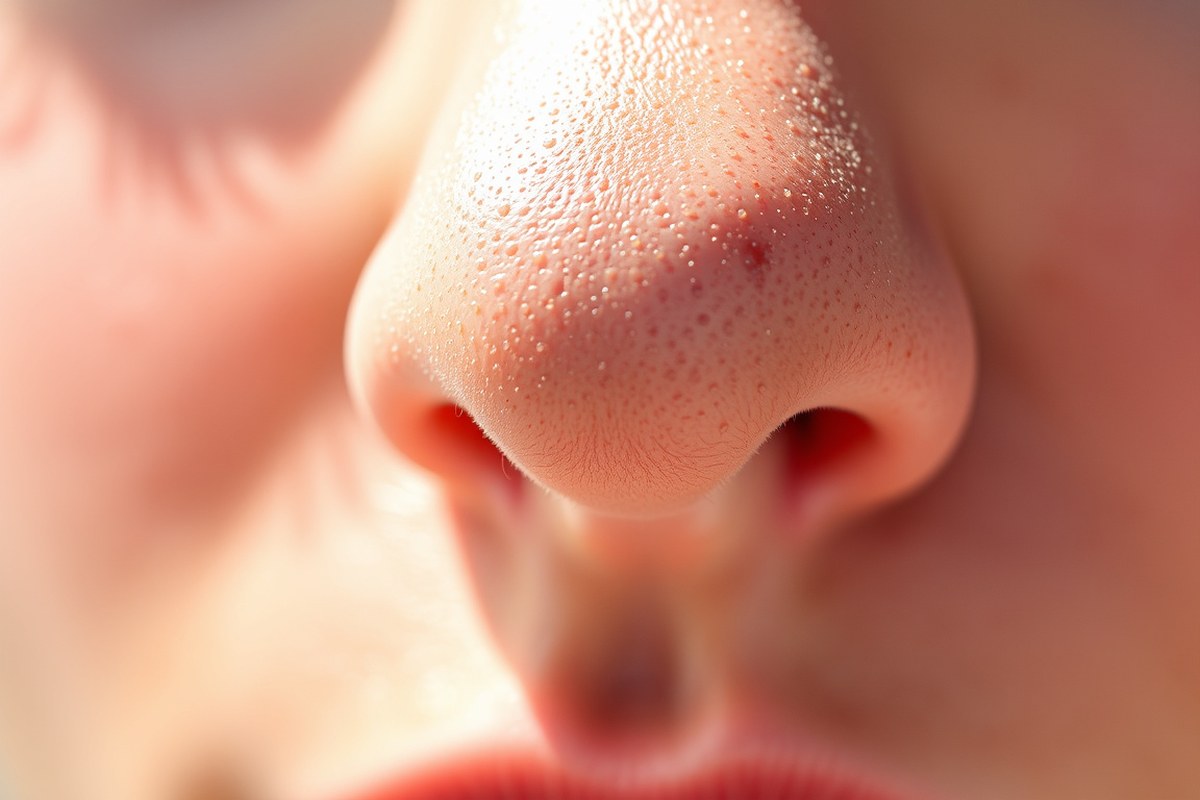
Blackheads are small, dark spots that show up when your pores get clogged with a mix of excess sebum and dead skin cells. Sebum is the oily substance your skin produces to stay supple, but when it builds up together with skin debris inside open pores, it forms a plug. This plug turns black because the top is exposed to air, causing oxidation. This is why blackheads are also called open comedones by dermatologists.
Oily skin plays a big role in blackhead formation since excess oil means more sebum is available to mix with dead skin cells. When your skin sheds dead cells unevenly or too slowly, a process known as follicular hyperkeratinization, these cells don’t clear from the pore effectively. That makes blockage more likely. Hormones can boost oil production, so blackheads often become more common during puberty or other hormonal changes.
Blackheads are mostly found on your nose, chin, and forehead because these areas have the highest concentration of sebaceous glands. The more oil-producing glands, the higher chance pores will clog. Your back and chest can also develop blackheads for the same reason. These spots tend to be exposed and prone to collecting dirt and bacteria, which adds to the buildup inside the pores.
Blackheads differ from whiteheads and sebaceous filaments, although they all involve clogged pores. Whiteheads are closed comedones, meaning the pore is blocked but the plug stays under the skin’s surface and remains white or flesh-colored because it hasn’t been exposed to air. Sebaceous filaments, on the other hand, are natural and normal tiny collections of sebum and dead cells lining the inside of pores, especially on the nose. They look like fine, grayish dots, not dark spots, and don’t cause the inflammation typical of blackheads.
Understanding these differences matters because treating blackheads requires tackling the mix of oil, dead cells, and oxidation. Good results usually come from using products or methods that reduce oil production and clear away dead skin cells gently but thoroughly. Overuse of harsh scrubs, for example, can irritate skin and worsen clogging. Managing blackheads involves balancing oil control with maintaining skin’s natural barrier to avoid dryness or irritation.
How to Safely Remove Blackheads at Home
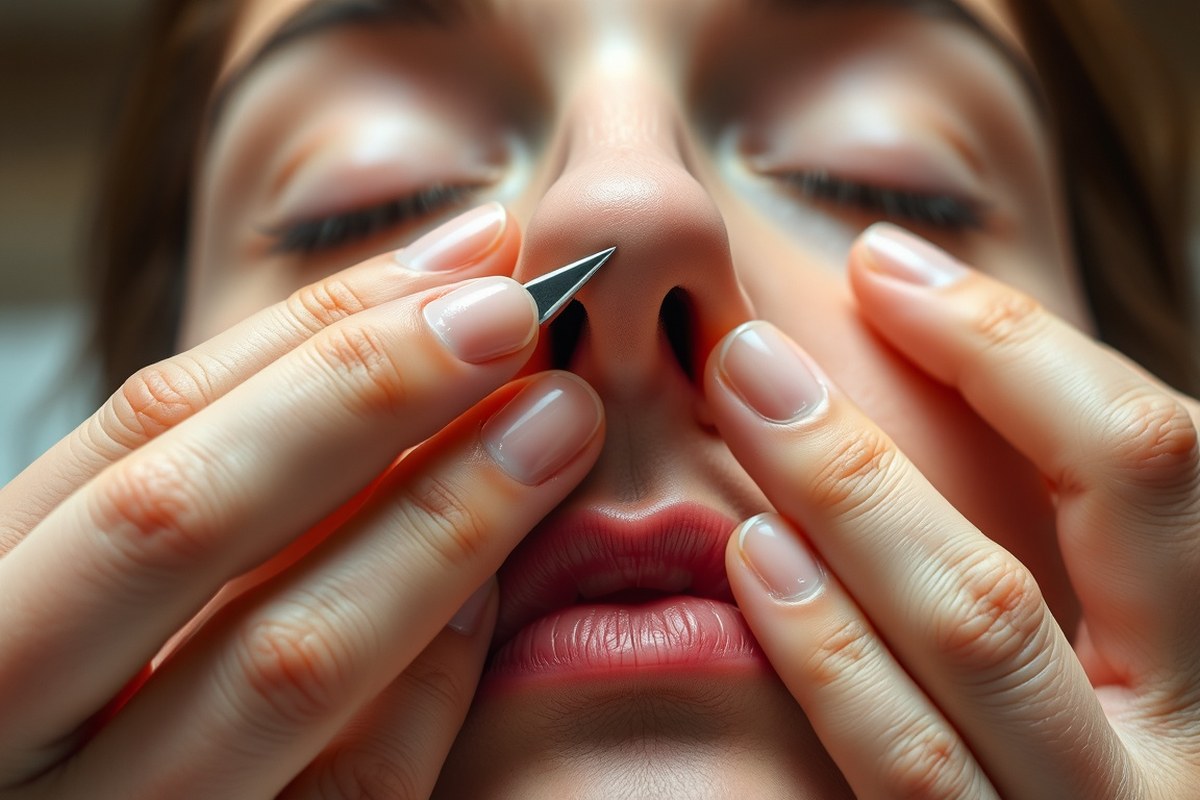
Safely removing blackheads at home starts with preparing your skin properly, using the right tools carefully, and following up with calming aftercare. Avoid squeezing blackheads with your fingers to prevent pushing debris deeper or causing irritation. Instead, use gentle techniques and specialized tools designed for extraction to reduce the risk of damage and infection.
Preparing Skin for Extraction
Preparing your skin helps soften blackheads and opens pores for easier removal. Start by thoroughly cleansing your face with a gentle, non-comedogenic cleanser to remove dirt and oil. Applying warm steam or a warm towel to your face for 5 to 10 minutes can further loosen debris inside pores without drying out your skin.
Look for warm, moist heat rather than hot, which can damage sensitive skin. Keep your hands and any tools clean by washing them with soap and water before starting.
Using Extraction Tools Correctly
Using the right tools minimizes skin injury and infection risk. A comedone extractor made of stainless steel is one of the safest options if used properly. Never use sharp objects or your fingernails to poke or squeeze blackheads. Follow these steps for safe extraction:
- Disinfect the extractor tool with rubbing alcohol before use to kill bacteria.
- Position the small loop of the extractor over the blackhead.
- Apply very gentle, steady pressure to push the blackhead out through the pore.
- If the blackhead does not come out easily, stop and avoid forcing it to prevent skin damage.
- Clean the tool and your skin after each extraction to prevent contamination.
- Limit extractions to one or two areas per session to avoid over-irritating skin.
Do not try to extract every blackhead in one session; forcing removal can cause scarring and inflammation.
Post-Removal Care Tips
After you remove blackheads, it’s important to soothe your skin and prevent infection. Rinse your face with cool water and apply a gentle, alcohol-free moisturizer to maintain your skin’s barrier. Using a mild antiseptic can reduce bacteria on the skin surface.
Avoid applying heavy makeup or harsh skincare products for at least 24 hours. This allows your skin to heal and reduces the risk of inflammation or new acne formation.
Common Mistakes to Avoid
Squeezing blackheads with your fingers or sharp tools can push the debris deeper, increasing inflammation and risk of scarring. Avoid over-scrubbing your face as it can damage your skin’s protective barrier and exacerbate blackheads.
Steer clear of harsh home remedies such as baking soda, toothpaste, or undiluted apple cider vinegar, which can irritate or damage skin. Do not expect pore strips or charcoal masks to permanently remove blackheads; they only clear surface debris temporarily without extracting the lodged comedones.
Best Over-the-Counter Ingredients and Products for Blackheads
To remove blackheads effectively, using over-the-counter products with specific active ingredients delivers the best results. Salicylic acid, tretinoin, and azelaic acid are the most reliable choices. They work by exfoliating dead skin cells, dissolving the plugs in pores, and speeding up skin cell turnover. Salicylic acid, a beta hydroxy acid (BHA), is excellent for penetrating pores to break down clogged oil and debris. It’s safe and usually available in concentrations from 0.5% to 6%. A 2% salicylic acid product, often found in cleansers or gels, balances effectiveness with low irritation risk.
Chemical exfoliants such as salicylic acid and alpha hydroxy acids (like glycolic acid) work more gently and efficiently on blackheads compared to physical scrubs. While physical scrubs only eliminate dead skin on the surface, frequent use may cause irritation or harm sensitive skin. Chemical exfoliants not only help prevent blackheads by lowering oil buildup and bacterial presence but also gently improve skin texture over time.
| Ingredient | How It Works | Effective Concentrations | Suitable Skin Types | Safety Considerations |
|---|---|---|---|---|
| Salicylic Acid (BHA) | Penetrates pores to dissolve oil/dead skin plugs | 0.5% to 6%, commonly 2% in OTC products | Oily, combination, acne-prone skin | Can cause dryness; start with lower %; avoid if aspirin allergy |
| Tretinoin (Retinoid) | Speeds up skin renewal and unclogs pores | Prescription doses vary; OTC retinol less potent | Normal to oily; not for sensitive or very dry skin without supervision | May cause irritation, peeling; use sunscreen |
| Azelaic Acid | Clears pores, reduces bacteria and inflammation | 10% to 20% in OTC formulations | All skin types, including sensitive | Generally well tolerated; mild redness possible |
| Alpha Hydroxy Acids (AHAs, e.g. Lactic Acid) | Exfoliates surface dead skin cells | Up to 10% in OTC products | Dry to normal skin | Sun sensitivity; use sunscreen |
Salicylic acid is frequently recommended for blackhead-prone skin, particularly at 2%, as it offers a solid balance between cleansing power and skin comfort. Using a cleanser or gel containing this ingredient twice daily is a common approach. This strategy helps reduce excess shine and prevents future blackheads without harsh effects. Retinoids like tretinoin speed skin renewal but usually require a healthcare provider’s guidance, especially because they can irritate the skin and increase sun sensitivity. Azelaic acid offers a gentler alternative that suits sensitive skin and controls bacterial growth and inflammation.
For routine use, chemical exfoliants outperform physical scrubs in treating blackheads because they work deeper in the pores without abrasive friction. While scrubs may feel immediate, repeated use can cause skin microtears or worsen inflammation. Always consider your skin type and tolerance level before choosing an exfoliant. Begin with lower concentrations and introduce products gradually to minimize irritation. Use sunscreen daily, particularly when using acids or retinoids, to protect newly exposed skin layers and prevent damage.
How to Build a Daily Skincare Routine to Prevent Blackheads
Build a simple daily skincare routine focused on gentle cleansing, targeted exfoliation, and sun protection to keep blackheads at bay. Regularly using non-comedogenic products prevents clogged pores, while consistent exfoliation removes dead skin cells without causing irritation. Layering your products properly and applying sunscreen daily supports clear skin and blocks environmental triggers.
Gentle Cleansing and Twice Daily Routine
Cleaning your face twice a day with a gentle cleanser helps remove excess oil, dirt, and makeup residues that can clog pores. Choose a cleanser with salicylic acid (a BHA) if you want to target blackheads directly, as it penetrates pores and exfoliates inside them. Avoid harsh scrubbing or abrasive brushes, especially if your skin is sensitive, because they can cause irritation and worsen blackheads.
A practical routine includes washing your face once in the morning and once before bed. Use lukewarm water and pat your skin dry with a towel instead of rubbing. Removing oil buildup and impurities regularly helps prevent new blackheads from forming.
Choosing Non-Comedogenic and Suitable Products
Select skincare and makeup products labeled “non-comedogenic” to reduce the risk of clogged pores. Many products, including moisturizers, sunscreens, and foundations, may contribute to blackheads if they contain pore-clogging ingredients. Non-comedogenic options are designed to avoid causing these blockages.
Look for products formulated for your skin type, oil-controlling cleansers or lightweight, oil-free moisturizers if you have oily skin; hydrating but non-comedogenic formulas if your skin is dry or sensitive. Including acne-fighting ingredients like niacinamide or vitamin A derivatives can also help regulate oil production and pore cell turnover.
- Check labels for “non-comedogenic” to avoid pore-clogging ingredients.
- Choose lightweight, oil-free formulas if you have oily or combination skin.
- Consider products with salicylic acid or niacinamide for blackhead prevention.
- Introduce retinol or vitamin A topicals gradually to prevent irritation.
- Avoid heavy creams, especially around the nose and chin where blackheads form.
- Use a gentle moisturizer daily to maintain skin barrier health.
Switching to the right products supports your skin’s natural balance and helps prevent buildups that cause blackheads.
Effective Exfoliation Schedules by Skin Type
Exfoliation removes dead skin cells that can clog pores, but overdoing it can irritate your skin and make blackheads worse. Use chemical exfoliants like salicylic acid (BHA) or alpha hydroxy acids (AHAs) two to three times a week if you have normal or oily skin. People with sensitive or dry skin should start with once a week and increase slowly as tolerated.
Physical scrubs or brushes should be used cautiously and only occasionally to avoid inflammation. Layer exfoliation after cleansing and before applying serums or moisturizers. Observe your skin’s response and reduce frequency if you notice redness, peeling, or irritation.
Importance of Sunscreen in Prevention
Applying sunscreen daily is essential to protect your skin from UV damage, which can thicken skin layers and worsen pore blockages. Sun exposure also increases inflammation and can interfere with acne and blackhead treatments. Use a broad-spectrum sunscreen with at least SPF 30, choosing a non-comedogenic, oil-free formula suitable for your skin type.
Apply sunscreen as the final step of your morning skincare routine, after moisturizing. Reapply every two hours if you’re outdoors, and more often if sweating or swimming. Avoid sunscreens with heavy oils or silicones that could block pores.
How Long Does It Take for Blackhead Treatments to Show Results?
Blackhead treatments usually take between 6 to 12 weeks to show noticeable results because this matches the skin’s natural cell turnover cycle. Active ingredients like salicylic acid, retinol, or benzoyl peroxide work by loosening clogged pores and promoting clearer skin during this period. For instance, using a 2% retinol product consistently for at least 8 weeks is often necessary to see visible improvement, especially with stubborn blackheads.
Tracking your skin’s condition every two to four weeks helps monitor progress effectively. Take clear photos under consistent lighting to compare changes and note any reduction in blackhead size, number, or inflammation. Improvement might appear gradually, such as fewer new blackheads or smaller, less noticeable bumps. When using over-the-counter products, follow the recommended application frequency and avoid switching treatments too quickly to prevent skin irritation that can hinder results.
Professional treatments like prescription retinoids or in-office extractions can speed up results for severe or persistent blackheads, but they still require similar patience to see lasting improvement. Starting with a gentle regimen and increasing strength or frequency cautiously helps prevent irritation that can worsen blackheads or cause redness and peeling.
Signs that a product is working include smoother skin texture, less clogging around pores, and a reduced appearance of blackheads over several weeks. Treatments causing severe dryness, redness, or showing no change after 12 weeks should prompt a consultation with a dermatologist to consider alternative therapies. Maintaining a routine of gentle cleansing and exfoliation supports ongoing progress and reduces the chance of new blackheads forming.
The size of blackheads also influences treatment time. Smaller blackheads often respond faster to exfoliating acids, sometimes within 4 to 6 weeks, while larger or more deeply embedded comedones may require the full 8 to 12 weeks or longer with retinoid therapy. Natural remedies or less potent ingredients usually take more time and generally provide more modest results.
Be patient with blackhead treatments, as rushing changes or expecting quick fixes can lead to irritation and slower healing. Stick to a consistent routine and give products at least 6 to 8 weeks before judging effectiveness.
When and How to Seek Professional Treatment for Blackheads
Professional treatments offer more powerful and precise ways to clear blackheads, especially when home care isn’t enough. Options like extractions, chemical peels, and HydraFacials can remove stubborn blockages and improve skin texture. You should consider seeing a dermatologist if your blackheads persist after about three months of consistent over-the-counter treatments, or if they worsen with pain, scarring, or sudden appearance in adulthood.
Common In-Office Blackhead Treatments
Professional extraction involves a trained specialist carefully removing blackheads using sterile tools, which reduces the risk of skin damage and infection compared to doing it yourself. Chemical peels apply acids like alpha-hydroxy or beta-hydroxy acids to exfoliate the top skin layers, unclog pores, and promote cell turnover. These peels usually require several sessions spaced a few weeks apart and can improve deep congestion and texture.
HydraFacials provide gentle suction combined with cleansing and hydrating serums to vacuum out debris while soothing the skin, making them a popular option for sensitive or acne-prone skin. Laser and light therapies aim to reduce pore size and inflammation but generally require multiple treatments and may need evaluation for suitability. Diamondglow facials and Moxi laser treatments also help clear stubborn blockages by combining exfoliation and skin resurfacing.
Indicators for Professional Care
Seek professional treatment if you’ve maintained a consistent skincare routine using over-the-counter products for 12 weeks without significant improvement. Persistent blackheads that turn into painful or inflamed bumps, create dark spots or scars, or begin suddenly with other symptoms like irregular periods, suggest a need for medical evaluation. Also, make an appointment if you have sensitive or reactive skin needing tailored care or if you want to prevent worsening with safer, expert techniques.
Switching from home remedies to professional care is wise when blackheads reappear quickly after removal or when DIY methods cause irritation or damage. A dermatologist can diagnose whether prescription treatments, like stronger topical retinoids or oral medications, are needed. Early intervention can avoid longer-lasting skin issues and lead to clearer results.
What to Expect During Dermatologist Visits
Your dermatologist will examine your skin and ask about your current routine and any symptoms like pain or scarring. They can perform professional extractions using sterile instruments, reducing the risk of infection or damage from at-home squeezing. In-office procedures such as chemical peels may be scheduled over several visits, each lasting 20 to 30 minutes, often with mild temporary redness or peeling afterward.
You might receive prescriptions for topical retinoids or exfoliants stronger than over-the-counter versions. In stubborn cases, oral antibiotics or hormonal treatments may be considered, especially if blackheads are part of broader acne issues. Discuss all treatment steps openly, including potential side effects and care afterward. Costs for professional treatments vary widely, typically ranging from $100 to $300 per session depending on the procedure and location.
Comparing Professional and At-Home Methods
At-home treatments like cleansers, pore strips, and chemical exfoliants work well for mild blackheads and maintenance but often can’t clear deeply impacted pores. Professional care delivers stronger, targeted solutions that quickly remove blockages and improve skin tone. However, professional treatments cost more and might require downtime for skin recovery.
Professional extractions, peels, and facials minimize risks of scarring and infection compared to untrained attempts. Over-the-counter products don’t usually cause downtime but can take longer to show results and may irritate sensitive skin if used improperly. The best approach depends on your skin’s response to home care, your budget, and your tolerance for in-office procedures. Consulting a dermatologist helps create a treatment plan suited to your skin’s needs and avoids extended frustration with persistent blackheads.
Preventing Blackheads from Returning After Removal
Preventing blackheads from returning after removal means consistently managing your skin’s oil production and keeping your pores clear without harsh treatments. Blackheads develop when dead skin cells and excess sebum clog open pores and oxidize, so controlling these factors is key to minimizing recurrence.
Skin type heavily influences which strategies work best. Oily skin produces more sebum, making blackheads more common, especially during warm or humid months. For oily skin, regular exfoliation using gentle chemical exfoliants like glycolic or salicylic acid can reduce clogged pores. Using over-the-counter retinoids helps increase cell turnover, preventing dead skin cells from building up inside pores. Dry or sensitive skin requires milder treatments to avoid irritation, low-concentration retinoids and less frequent exfoliation help maintain balance without stripping natural oils.
Blackhead treatments should also adapt by age. Teens often experience blackheads due to hormonal oil surges, so a consistent yet gentle routine emphasizing pore-clearing ingredients works well. Adults might benefit more from prescription retinoids to encourage cellular renewal over time, as skin renewal slows with age. Applying products like Alastin Renewal Retinol can promote fresh skin surfaces and reduce clogged pores long-term.
Seasonal changes affect blackhead formation too. Warmer months increase sweating and oiliness, so consider increasing cleansing frequency and using lighter moisturizers. In colder, drier months, reduce exfoliation intensity to avoid damaging the skin barrier. Keeping your skin hydrated helps maintain healthy cell turnover and prevents overproduction of oil as a reaction to dryness.
- Use a gentle chemical exfoliant 1-3 times per week, adjusting by skin sensitivity
- Apply an over-the-counter retinoid nightly or every other night to maintain cell turnover
- Choose oil-free, non-comedogenic moisturizers suitable for your skin type
- Cleanse twice daily with a mild cleanser to remove excess oil and impurities
- Avoid heavy or pore-clogging cosmetics and sunscreens
- Consider professional treatments like dermabrasion or prescription retinoids if blackheads persist
- Maintain hydration to support healthy skin barrier function
Avoid squeezing blackheads yourself; improper extraction can cause irritation and infection, potentially worsening outbreaks. If you use tools, sanitize them before and after each use with alcohol. Expect to wait at least one full skin cycle, about 28 days, to see if your routine reduces new blackheads. Patience is essential, as clogged pores clear gradually.
Adapting your approach based on your unique skin needs, habits, and environment offers the best chance to prevent blackheads from coming back. Staying consistent with proven treatments supported by your skin type and season can maintain clearer skin over time.
Natural Remedies and Emerging Treatments for Blackheads
Natural remedies like aloe vera and honey offer some benefits for managing blackheads, but they work best as supportive care rather than primary treatments. Aloe vera is safe for daily use and acts as a lightweight moisturizer with antibacterial properties that may reduce acne-causing bacteria. You can apply aloe vera gel directly to clean skin every morning and evening to help soothe irritation and balance oiliness, which contributes to blackheads. Honey’s natural antimicrobial and anti-inflammatory effects might reduce breakouts, though evidence that it directly removes blackheads is limited. Applying a thin layer of raw honey for 10 to 15 minutes before rinsing can improve skin moisture and comfort, but it won’t clear deep or persistent blackheads on its own.
Other gentle home remedies such as green tea, tea tree oil, and sugar or salt scrubs can assist by reducing excess oil and providing mild exfoliation. They may help clear small, surface-level blackheads on oily areas like the nose, chin, and forehead. For example, using a diluted tea tree oil solution (around 5%) as a spot treatment twice daily can help control oil without harsh side effects. However, aggressive scrubbing or harsh DIY masks like honey and cinnamon mixtures are not backed by clinical evidence and can irritate the skin or worsen blackheads.
Emerging treatments for blackheads include advanced laser therapies such as Sciton’s Moxi and Halo systems. These lasers resurface the skin and reduce oil production, which helps unclog pores and improve skin texture over several sessions spaced weeks apart. Laser treatments tend to cost several hundred to over a thousand dollars per series, depending on the provider and area treated, but they offer longer-lasting results for stubborn blackheads that don’t respond to topical care. They also stimulate collagen, improving overall skin tone and reducing pore visibility.
In terms of ingredients, research points to novel molecules that regulate sebum production and promote rapid exfoliation without irritation. While benzoyl peroxide is effective for types of acne involving bacteria, it may have limited benefit for blackheads, which form from clogged rather than infected pores. Salicylic acid remains a well-supported option for dissolving the material plugging pores, but newer formulations improve delivery and reduce dryness, making treatment gentler and more consistent.
Try applying aloe vera gel twice daily as a gentle, natural way to soothe skin and help prevent blackheads; avoid harsh scrubs or masks that may irritate and worsen clogged pores.
Natural methods require consistent use over weeks to see gradual improvement and mainly support prevention and treatment of shallow, early blackheads. For deeper or long-standing blackheads, modern treatments like laser therapy or professionally formulated topical products usually provide more reliable outcomes. Choosing the right approach depends on your skin type, severity of blackheads, budget, and tolerance for professional procedures versus home care.
Step-by-Step Action Plan to Get Rid of Blackheads
Follow this clear plan to safely remove blackheads, build a routine to prevent them, and know when to seek professional care.
- Before You Start: Cleanse your face twice daily with a gentle, non-comedogenic cleanser to remove excess oil and dirt. You’ll know it’s working when your skin feels clean without tightness or irritation.
- Day 1: Introduce an over-the-counter product containing salicylic acid or benzoyl peroxide to help dissolve blackheads. Use as directed and watch for reduced visible blackheads and less skin congestion over the next week.
- Week 1: Add a chemical exfoliant with alpha hydroxy acids (AHAs) 2, 3 times per week to unclog pores and improve skin texture. Improvement shows when your skin looks clearer and feels smoother.
- Week 2: Apply a non-comedogenic, oil-free moisturizer daily to maintain skin balance and prevent dryness that can worsen blackheads. You’ll notice your skin feels comfortable without increased oiliness.
- Week 3: Assess your blackhead reduction. If you see fewer blackheads and your skin is less congested, keep your routine consistent; if not, consider adding products with retinoids or consult a dermatologist.
- After 4 Weeks: Avoid manual squeezing or picking to prevent irritation and scarring. Instead, plan professional extraction sessions if blackheads persist, ensuring a licensed dermatologist or esthetician performs them.
- Ongoing: Maintain daily cleansing, targeted treatments, and moisturising to prevent blackhead recurrence. Regularly check your skin’s response and adjust products if irritation or increased breakouts occur.
- When Needed: Seek professional care if blackheads worsen, become inflamed, or don’t improve after consistent home treatment for 6 to 8 weeks. A dermatologist can offer prescription options or in-office procedures to clear stubborn blackheads.
Frequently Asked Questions
What Is the Best Way to Remove Blackheads?
The best way to remove blackheads is using a cleanser with salicylic acid combined with gentle exfoliation. This method reduces oil buildup and kills bacteria, helping clear out clogged pores without harsh squeezing that can damage skin.
What Draws a Blackhead Out?
Products containing salicylic acid or gentle chemical exfoliants can help draw out blackheads by dissolving the oil and dead skin cells blocking pores. This loosens the debris for easier removal and prevents further buildup.
How Can I Remove a Blackhead at Home?
You can remove blackheads at home using a gentle scrub like sugar or salt scrub and cleansing with products that have salicylic acid or tea tree oil. Avoid picking or squeezing to prevent irritation and scarring.
Do Blackheads Go Away Naturally?
Some blackheads may clear up over time, but most need treatment, especially if your skin is oily or prone to breakouts. Deeper blackheads are less likely to disappear without intervention.
Can Blackhead Removal Damage My Skin?
Yes, aggressive picking or harsh treatments can cause redness, scarring, and infection, so always use gentle methods and avoid squeezing.
Are Blackheads and Sebaceous Filaments the Same?
No, sebaceous filaments are natural skin features and not clogged pores like blackheads; they usually don’t respond to typical blackhead treatments.
Before You Go
Getting rid of blackheads requires consistent care and the right combination of treatments. Starting today, try incorporating a gentle exfoliating product with salicylic acid into your daily routine to help clear pores and prevent blackheads from forming. This simple step can make a noticeable difference in your skin’s clarity over the coming weeks.


2 Comments