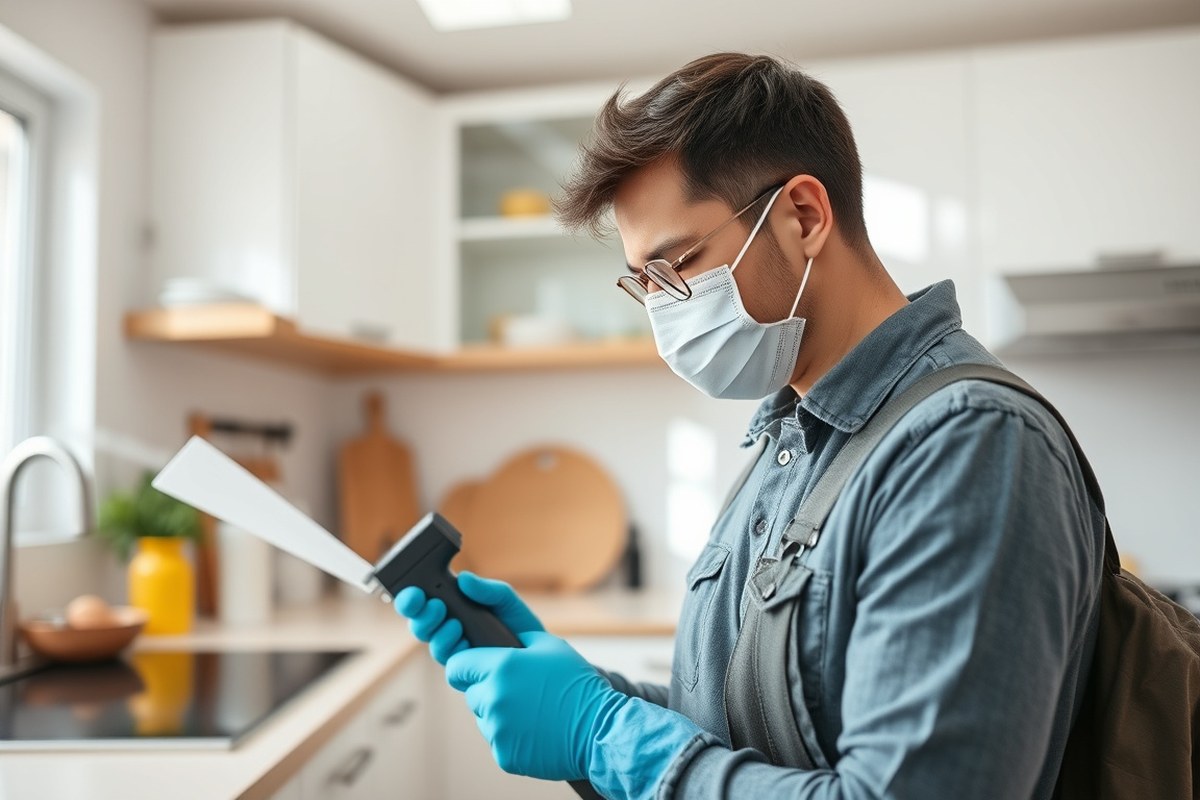
Is Pest Control Safe for Humans? A Complete Guide to Health and Safety
Pest control is generally safe for humans when handled by licensed professionals using modern, regulated products. Proper application and adherence to label directions minimize risks, while pest control services typically inform you how long to stay out for your safety. This practical approach keeps exposure low and side effects rare.
You need clear information about which chemicals are in use, how to prepare your home before treatment, and how long to avoid the treated areas afterward. Understanding risks to children, pets, and people with health conditions helps you take cautious steps. You’ll also find guidance on eco-friendly options, safe storage and disposal of pesticides, and when hiring a pro beats doing it yourself.
Key Takeaways
- Professional pest control is generally safe for humans when applied correctly by licensed experts following strict safety protocols and EPA regulations.
- Vacate your home for 24-72 hours or longer after fumigation to avoid harmful chemical exposure and follow the service provider’s specific instructions.
- Prepare your home by removing food, covering surfaces, and ventilating thoroughly after treatment to minimize chemical residues and exposure risks.
- Protect children, pets, and individuals with health conditions by informing them of treatment schedules and restricting their access until it is safe.
- Choose eco-friendly or integrated pest management methods to reduce chemical use and limit environmental impact without sacrificing pest control efficacy.
- Store and dispose of pest control chemicals safely according to label directions to prevent accidental poisoning and environmental contamination.
Is Pest Control Safe for Humans? What You Need to Know

Pest control can be safe for humans if handled properly, but safety depends on the type of chemicals used, how they’re applied, and how much exposure you have. Many pesticides carry some level of toxicity, so minimizing contact is important. Professionals apply treatments according to strict guidelines to limit chemical exposure and protect your health, which often makes their services safer than do-it-yourself methods.
The toxicity of pest control chemicals varies widely. Some ingredients target specific pests with low risk to humans, while others may irritate skin, eyes, or respiratory systems if mishandled. Chemicals like insecticides, rodenticides, and fungicides all differ in danger levels. Your risk increases if you fail to use protective gear or ignore safety instructions during application. For example, mixing or applying pesticides without gloves or masks can lead to skin absorption or inhalation of harmful substances.
Professional pest control operators have training and equipment that reduce human risk significantly. They know exactly how much chemical to apply, where to put it, and when to allow re-entry after treatment. This expertise lowers the chance of accidental poisoning or long-term exposure. Professionals also follow local regulations that control pesticide use and disposal, which many DIY users overlook. As a result, treatments done by professionals typically cause fewer health problems than home attempts with over-the-counter products.
DIY pest control options often use less potent chemicals or bait systems to reduce risk, but improper use can still expose you or your family to toxins. Mistakes like over-applying sprays or neglecting ventilation can increase indoor air contamination. People with asthma or allergies may react worse to chemical residues compared to healthy individuals. So keeping children and pets away from treated areas for the recommended time frame, often several hours to a few days, is essential for safety after any treatment.
Understanding exposure impact means knowing how long it’s safe to stay in your home after treatment and how to reduce contact with leftover chemicals. Ventilate rooms well and follow label instructions on re-entry times carefully. If you handle pest control yourself, wear protective clothing and avoid applying products near food preparation areas. When you weigh the risks, professional services usually offer safer results by mixing effective pest elimination with exposure controls most homeowners can’t maintain alone.
Common Pest Control Chemicals and Their Toxicity Levels

Pest control uses a variety of chemical substances that differ in their effect on human health. Understanding what these chemicals are and their toxicity levels helps you recognize the risks associated with each product and how to read safety labels properly.
Classes of Pest Control Chemicals
Common pest control chemicals fall into insecticides, rodenticides, herbicides, and fungicides categories. Insecticides often use organophosphates, pyrethroids, or neonicotinoids, which target insects but can vary widely in toxicity. Rodenticides are formulated to eliminate rodents and tend to contain anticoagulants or acute toxins. Herbicides control weeds and usually involve chemicals like glyphosate and 2,4-D. Fungicides prevent fungal growth and often use compounds such as chlorothalonil or sulfur.
Each chemical class carries a different toxicity risk for humans based on exposure routes, concentrations, and persistence in the environment. For example, organophosphates are generally more toxic than pyrethroids but are less commonly used in residential settings now. Herbicides usually have lower acute toxicity to humans but can still cause health problems with prolonged exposure.
Understanding Toxicity Labels and Safety Ratings
Toxicity levels on pest control products use standardized labels regulated by the EPA and state agencies. These labels classify products as category I (highly toxic), category II (moderately toxic), category III (slightly toxic), or category IV (practically non-toxic). You will find signal words on the label such as “Danger,” “Warning,” or “Caution” that correspond directly to these categories.
Labels also include precautionary statements about the safe handling, personal protective equipment needed, and environmental hazards. Reading this information carefully before use tells you exactly how to minimize risks. For example, a product labeled with “Danger” requires gloves, long sleeves, and keeping children and pets away during application and for a specified re-entry time.
These safety labels provide practical guidance on use and storage; ignoring them greatly increases risk. You should follow all instructions including mixing rates, application technique, and ventilation requirements.
Comparing Risks by Application Method
The risk of chemical exposure depends on whether the product is sprayed, baited, dusted, or applied as a granule. Sprays and aerosols pose a higher inhalation risk since fine droplets can remain airborne. Dusts can cling to skin or surfaces and create contact hazards. Baits usually involve less direct risk because they contain the toxicant in a contained form, minimizing accidental exposure.
Professional pest control technicians use equipment and techniques designed to reduce human exposure, such as applying chemicals in cracks, crevices, or external areas outside the living space. Homeowners, on the other hand, may increase risk by applying sprays indoors without adequate ventilation or protective gear.
| Application Method | Typical Chemical Types | Human Health Risk Level | Common Exposure Routes |
|---|---|---|---|
| Sprays/Aerosols | Pyrethroids, Organophosphates | Moderate to High | Inhalation, Skin Contact |
| Baits | Anticoagulant Rodenticides, Insect Growth Regulators | Low to Moderate | Oral (Accidental Ingestion) |
| Dusts | Silica, Pyrethroids Dusts | Moderate | Skin Contact, Inhalation |
| Granules | Herbicides, Insecticides (e.g., Carbamates) | Low to Moderate | Skin Contact, Inhalation |
Being aware of these differences helps you decide what kind of treatment to allow in your home and how to prepare for it. Avoid spray applications in tightly enclosed spaces unless performed by a professional.
Special Considerations for Seasonal or Regional Differences
Certain chemicals are more prevalent in specific seasons, such as insecticides for mosquitoes in summer or herbicides in spring and fall. Regional regulations also determine which substances can be legally used based on local environmental concerns, such as limiting use of neonicotinoids where pollinator protection is a priority.
Your geographic location can influence which chemicals are likely to be applied and their toxicity risk to humans. For example, coastal states may restrict volatile organic compounds in pesticide formulations to reduce air pollution. This means that safety labels and chemical choices will differ depending on your location and the time of year. Always check the label for local compliance information and seasonal restrictions to avoid violating regulations and adding to health risks.
Always read the chemical’s signal word and follow the label’s specific safety instructions exactly to reduce risk, especially regarding ventilation and protective gear.
How to Safely Prepare Your Home Before Pest Control Treatment
Proper preparation before pest control treatments is essential to reduce chemical exposure and protect vulnerable household members. This involves specific steps for food safety, securing pets and their belongings, safeguarding children and sensitive individuals, and managing ventilation and access during and after treatment.
Clearing Food and Kitchen Surfaces
Removing or covering food items is critical because pesticides can contaminate surfaces and food, posing ingestion risks. Store all food in sealed containers or remove it from the treatment area entirely. This includes dry goods, fresh produce, utensils, and even pet food. Wipe down counters, stove tops, and kitchen surfaces before treatment to eliminate crumbs or residues that attract pests and to prevent chemical deposition. Here’s a checklist for kitchen preparation you should follow:
- Remove or seal all food in airtight containers or refrigerators
- Clear and cover food prep surfaces with plastic wrap or cloth
- Empty trash bins and seal garbage bags
- Store cookware and utensils safely away from treated zones
- Wash pet food and water bowls and set them aside
- Check pantry and cupboards for spills and clean thoroughly
Failing to secure food properly can lead to accidental ingestion of residual chemicals, increasing health risks. Taking the time to prepare the kitchen will minimize contamination and facilitate safe pest control application.
Relocating Pets and Pet Items
Pets are highly vulnerable to pest control chemicals, so move them out of treated areas before technicians arrive. This also prevents inhalation of fumes and contact with wet pesticide residues. If possible, arrange for pets to stay with a friend or in a separate room with no pesticide exposure for several hours during and after treatment.
Along with relocating pets, secure their bedding, toys, and feeding areas. Aquariums and terrariums must be covered to avoid chemical contamination, and air circulation adjusted to prevent vapors from affecting aquatic or sensitive animals. After treatment, do not allow pets to re-enter spaces until surfaces are completely dry and air quality has normalized, typically two to four hours with adequate ventilation.
- Move pets outside the treatment area or offsite temporarily
- Cover and remove pet bedding, toys, and feeding bowls from treated rooms
- Seal or cover aquariums and terrariums carefully
- Delay pet access until surfaces are dry (usually 2-4 hours)
- Consult your pest control provider for pet-specific safety guidelines
Pets that remain in treated areas risk chemical burns, poisoning, or respiratory issues. Preparing their environment carefully lowers these risks and supports a safer treatment process.
Protecting Children and Sensitive Individuals
Children, pregnant individuals, and people with asthma or allergies require extra precautions to avoid chemical exposure. Young children crawl, put objects in their mouths, and have developing immune systems, making them more susceptible to pesticide effects. People with respiratory issues may react to fumes or residues with coughing or irritation.
Before treatment, relocate children and vulnerable adults to other parts of the home or offsite if possible. Remove toys, bedding, and other personal items from treated zones. Ensure that treated areas remain inaccessible until chemicals dry and the air is well ventilated.
Creating a safe home environment also means communicating clearly with all household members about when it is safe to return. Avoid re-entry until the pest control company confirms the treatment has settled and surfaces are dry.
- Keep children and sensitive individuals out of treated areas during and after application
- Remove toys, bedding, and frequently handled items from treatment zones
- Inform everyone in the household about re-entry times and safety rules
- Have asthma or allergy sufferers remain offsite if fumes are likely
- Consult your pest control service about specific risks and needed precautions
Failing to take these steps can worsen asthma, cause allergic reactions, or lead to accidental ingestion or contact. Planning ahead reduces these hazards effectively.
Ventilation and Area Access Planning
Proper ventilation lowers indoor chemical concentrations after treatment. Open windows and doors before and after pest control services to circulate fresh air. Use fans if needed, especially in rooms treated with liquid pesticides or aerosols.
Plan to restrict access to treated rooms until the pest control technician confirms it’s safe. This prevents premature contact with wet residues. Usually, treated surfaces need two to four hours to dry depending on ventilation, temperature, and the type of product used.
Inform family members about these timeframes explicitly. Label or block off treated areas if necessary. These practices reduce inhalation risks and accidental skin exposure.
- Air out treated rooms by opening windows and doors immediately after treatment
- Use fans to increase airflow for 2 to 4 hours or as recommended
- Follow pest control service instructions on how long to stay out
- Label or block treated areas to prevent accidental entry
- Coordinate timing to avoid disrupting daily routines excessively
Poor ventilation or early re-entry increases chances of exposure to chemicals that have not yet dried or dissipated. Proper air exchange significantly lowers these risks.
How Long to Stay Out and Manage Exposure After Treatment
You should stay out of your home for a safe period following pest control treatment, which varies based on the chemicals used. Proper ventilation after reentry helps reduce lingering fumes and lowers your risk of exposure. Monitoring yourself and household members for symptoms is critical to catch any harmful effects early.
Recommended Waiting Periods by Treatment Type
Safe reentry times depend on the kind of pesticide applied and its formulation. Liquid sprays often require staying outside the treated area for at least 2 to 4 hours. Some fumigants or foggers may necessitate 24 hours or more before you return safely.
Dry or bait formulations typically allow shorter wait times, sometimes under 2 hours, because they release fewer airborne chemicals. Always follow the specific instructions provided on the product label or by your pest control professional. These timelines factor in how quickly the chemical settles, breaks down, or neutralizes to reduce exposure risks.
Local regulations and state guidelines may affect these recommendations. For instance, certain states require longer waiting periods for treatments involving restricted-use pesticides. If you have pets or vulnerable individuals, err on the side of a longer wait to provide extra protection.
Best Practices for Ventilating Treated Areas
Ventilating after pest control reduces chemical residues in indoor air and lowers inhalation risks. Open all windows and exterior doors immediately upon returning, aiming to create cross-ventilation. Use fans to speed air circulation, directing indoor air toward open exits.
Run your heating, ventilation, and air conditioning (HVAC) system with fresh air intake mode if available. Replace or clean air filters after treatment to prevent re-circulating pesticide residues. Avoid using closed-air recirculation systems until ventilation is thorough.
Continue ventilating for several hours after reentry when possible. This effort dilutes airborne particles and vapors that might otherwise irritate your eyes, nose, or lungs. Below is a checklist to guide your ventilation process:
- Open all windows and doors, aiming for cross-ventilation
- Use box fans or ceiling fans to increase airflow
- Run HVAC system on fresh air intake rather than recirculation
- Replace or clean HVAC air filters after treatment
- Maintain ventilation for at least 2 to 4 hours post-reentry
- Avoid occupying small, enclosed rooms without ventilation soon after treatment
Proper ventilation may not eliminate all chemical residues but significantly lowers airborne concentration and reduces exposure risks.
Recognizing Signs of Chemical Overexposure
Pesticide overexposure symptoms depend on the chemical type, exposure level, and individual sensitivity. Early warning signs frequently include headaches, dizziness, nausea, and eye or throat irritation. Skin itching, redness, or rash may also develop.
More severe symptoms can involve difficulty breathing, coughing, chest tightness, confusion, or vomiting. Children, older adults, pregnant women, and people with asthma or chemical sensitivities may experience stronger reactions. Knowing these key symptoms helps you act quickly if exposure occurs. Common indicators include:
- Headache or dizziness
- Nausea or vomiting
- Eye, nose, or throat irritation
- Skin redness or rash
- Breathing difficulty or wheezing
- Confusion or weakness
Steps to Take If Symptoms Occur
Move immediately to fresh air if you or anyone in your household experiences symptoms after pest control treatment. Leave the treated space and avoid further exposure to any chemical residues or fumes.
Remove any contaminated clothing and wash skin with soap and water to reduce contact with pesticide particles. Drink water to help clear your system unless vomiting or nausea prevents it. Do not induce vomiting unless instructed by a medical professional.
Seek medical attention promptly for moderate to severe symptoms, especially breathing difficulties, severe headaches, or persistent vomiting. Inform healthcare providers about the specific pest control chemicals applied, which helps them choose appropriate treatment. Keep the pesticide label or safety sheet handy for reference.
Protecting Vulnerable Groups: Children, Pets, and Health Conditions
Children, pets, and individuals with certain health conditions face higher risks from pest control chemicals because of their smaller size, unique behaviors, and sensitivity to respiratory irritants. Taking precise precautions before, during, and after treatment reduces exposure and protects vulnerable groups without compromising pest management effectiveness.
Why Children Are More Susceptible
Children are more vulnerable to pest control chemicals because their bodies are still developing, and they breathe faster, absorbing more air, and any airborne pesticides, relative to their body weight than adults. Their behaviors, such as playing on floors or putting objects in their mouths, increase direct contact with treated surfaces. Modern pest control products can irritate young children’s skin, eyes, and lungs, potentially causing short-term discomfort or longer-term health effects if exposure is high or repeated.
You can reduce risks by keeping children out of treated areas for the entire recommended re-entry time posted on product labels, typically 4 to 24 hours. Remove toys, blankets, and food items from areas to be treated to prevent contamination. After treatment, clean surfaces according to the pest control professional’s instructions, concentrating on places where children play or eat.
Risks and Protective Measures for Pets
Pets are more at risk from pest control chemicals due to their smaller size, grooming habits, and tendency to lick treated surfaces or paws. Cats are especially sensitive to many common insecticides, which can cause neurological symptoms or gastrointestinal upset. Dogs may ingest pesticides by licking treated floors or crawling into sprayed areas.
Before treatment, remove fish tanks, birdcages, and pet bedding to open, outdoor areas. Keep pets out of the home until treatment dries completely and ventilation is restored, usually 2 to 4 hours or longer depending on the product. Use barriers or gates to prevent pets from accessing freshly treated rooms after re-entry. On returning home, wipe pets’ paws and fur with a damp cloth if advised to reduce residue.
Managing Pest Control with Respiratory Conditions
Individuals with asthma, allergies, or other respiratory conditions have a higher chance of irritation, asthma attacks, or breathing difficulties from inhaling pest control sprays or dusts. Even low concentrations of chemicals can trigger symptoms in sensitive people. Health professionals recommend avoiding areas during application and until the product has fully settled and air is clear.
Ventilate treated areas thoroughly by opening windows and using fans for several hours after pest control. Consider discussing the specific chemicals used with your pest control provider so your doctor can advise on precautions and emergency steps. If your household has someone with severe respiratory vulnerabilities, ask about alternative pest control methods that use fewer or less volatile chemicals.
Monitoring and Responding to Exposure Symptoms
Watch children, pets, or household members with respiratory issues closely for signs of chemical exposure, such as coughing, wheezing, skin redness, irritation of eyes, nausea, or unusual behavior in pets. Early detection allows quick action to reduce harm. Minor irritation may clear after fresh air and surface cleaning.
Avoid delayed response if you notice severe symptoms like difficulty breathing or persistent vomiting; seek medical or veterinary help immediately.
Document the product used, application method, and timing when symptoms appear to provide accurate information to healthcare providers. Long-term exposure risks are lower with professional applications that follow safety guidelines, but prompt action is essential if misapplication or accidental contact occurs.
Eco-Friendly and Integrated Pest Management Alternatives
Safer, non-chemical pest control options include natural repellents, humane traps, and Integrated Pest Management (IPM) strategies. IPM combines various methods aimed at reducing chemical use while controlling pests effectively, lowering health risks for occupants. Organic approaches can be safer but vary in effectiveness depending on the pest and situation.
Natural and Organic Pest Control Methods
Natural pest control uses substances derived from plants, minerals, or naturally occurring organisms. Examples include neem oil, diatomaceous earth, and essential oils like peppermint or eucalyptus as repellents. These products usually pose lower toxicity risks to humans and pets compared to traditional pesticides. However, they often require more frequent application and may have limited reach in severe infestations.
Humane traps provide a chemical-free option for capturing rodents or insects. These traps rely on bait and physical containment, allowing you to release pests away from your home. While traps reduce chemical exposure, their success depends on proper placement and regular monitoring. They work best in early pest detection or as part of a broader pest reduction plan.
Organic pest control often involves a combination of these products and tactics with a focus on environmental safety. This approach can cost less initially since it avoids expensive chemical treatments, but it may require more time and effort to maintain effectiveness and prevent reinfestations.
Principles of Integrated Pest Management
Integrated Pest Management (IPM) is a decision-based approach integrating multiple control methods to minimize health and environmental impacts. It starts with thorough inspection to identify the pest species, entry points, and contributing conditions such as moisture or food sources. This assessment guides a customized plan rather than relying solely on chemicals.
IPM uses physical controls like sealing cracks, installing door sweeps, and reducing clutter to block pests from entering or nesting. Cultural controls focus on modifying habits, such as proper food storage and waste management, to remove attractants. Biological control introduces natural predators or competitors to keep pest populations in check.
When necessary, IPM includes targeted chemical treatments applied in low quantities and specific locations to reduce exposure risks. The overall goal is to use pesticides only as a last resort and not as the primary control method. IPM requires ongoing monitoring and adjustment to maintain pest control without excessive chemical reliance.
Effectiveness Compared to Chemical Treatments
IPM and organic methods can match chemical treatments’ effectiveness if applied consistently and in appropriate situations. For instance, sealing entry points and eliminating food sources prevents pests from gaining access, reducing the need for chemical sprays. Non-chemical traps can catch pests early before populations grow.
Chemical treatments might offer quicker results in severe infestations due to their lethal action and broad spectrum. However, these treatments carry risks of chemical exposure to humans and pets and potential environmental damage if not applied correctly. Improper use can also lead to pest resistance, reducing future effectiveness.
Organic methods may require regular maintenance and combined tactics to achieve lasting control but pose less risk of toxicity. They tend to be more cost-effective over time by avoiding repeated chemical applications and reduce concerns about air or surface contamination inside the home.
When to Choose IPM or Organic Options
Choose IPM or organic pest control methods when minimizing chemical exposure is a priority, especially if you have children, pets, or respiratory conditions. Start by identifying pest entry points and modifying the environment to make it unattractive to pests. Use traps and natural repellents as the first line of defense before considering limited chemical use.
In cases of mild to moderate infestations, IPM offers a balanced approach that addresses root causes and controls pests safely. For severe or hard-to-reach infestations, work with a pest control professional who practices IPM to apply chemicals precisely and responsibly. Avoid solely relying on spot treatments without prevention, as pests will likely return.
Cost and time investment tend to be higher with IPM and organic methods due to ongoing monitoring and non-chemical maintenance. However, the benefits include reduced health risks and less environmental impact. Decide based on the specific pest problem, household sensitivities, and willingness to commit to regular upkeep.
Safe Storage, Disposal, and Environmental Considerations
Storing and disposing of pest control products correctly is essential for preventing accidents and protecting the environment. Regulations guide these processes to minimize risks, while improper chemical use can lead to harmful environmental effects that indirectly impact human health.
Proper Storage Practices at Home
Store pest control products in their original containers with labels intact to avoid confusion and ensure you have safety instructions handy. Keep these containers in a cool, dry place, out of reach of children and pets, ideally in a locked cabinet. Avoid storing chemicals near food, pet supplies, or areas with high heat or moisture to prevent degradation or accidental exposure.
Check the container for any damage before use or storage to minimize leaks or spills. Make sure to close the lids tightly after each use, since open containers increase the risk of evaporation or contamination. Purchasing professional-grade products requires following any additional storage recommendations from the manufacturer or your pest control provider.
Safe Disposal Methods
Empty pest control containers should never be tossed in the trash or poured down drains. Instead, follow local hazardous waste disposal guidelines. Many municipalities hold household hazardous waste collection events or operate drop-off sites specifically for pesticides and chemicals. Contact your local waste management agency to learn specific procedures, as these vary widely.
When some product remains in the container and disposal options are limited, check the label for instructions on reuse or neutralization. Never combine leftover chemicals or dispose of them in storm drains because they can contaminate water sources and soil. Improper disposal can lead to fines and pose significant environmental hazards.
Overview of Regulatory Oversight
The Environmental Protection Agency (EPA) regulates pest control chemicals in the U.S., requiring rigorous testing before approval for residential or commercial use. These tests assess human toxicity, environmental impact, and effectiveness. Approved products must meet strict safety standards to limit health risks when applied as directed.
State and local agencies may enforce additional rules, including requirements for licensed applicators and restrictions on specific chemicals. These regulations control how, when, and where products can be used, reducing exposure risks for people and non-target organisms. Professional pest control companies follow these laws carefully to minimize liability and protect public health.
Environmental Risks and Indirect Health Effects
Misuse or improper disposal of pest control chemicals can contaminate water supplies, soil, and air, ultimately affecting human health. For example, runoff can carry pesticides into rivers and groundwater, potentially exposing communities to harmful substances through drinking water or recreational contact.
Chemicals also harm beneficial insects, birds, and soil microorganisms that maintain ecological balance. This disruption can lead to pest resurgence or reduced soil fertility, indirectly impacting food quality and availability. Children and immunocompromised individuals face heightened risks when living near contaminated environments.
Balancing pest control efficacy with environmental protection requires informed product selection and strict adherence to application guidelines. Choosing less persistent or lower-toxicity options can reduce long-term risks, while integrated pest management strategies emphasize using chemicals only when necessary.
When to Call a Professional and Avoid DIY Risks
You should call a professional pest control service when infestations are severe, persistent, or involve hazardous pests or chemicals. Professionals follow strict safety protocols and use approved products, reducing health risks while ensuring effective treatment. Knowing the signs that require expert help and understanding professional safety measures can help you avoid common DIY pitfalls that increase exposure risks.
Signs You Need Professional Pest Control
You need a professional when the pest problem is widespread or returns despite your efforts. For example, if you see multiple cockroach sightings over several weeks or extensive termite damage, these situations usually require specialized equipment and expertise. Professionals can also handle pests that pose health risks, such as venomous spiders, stinging insects, or rodent infestations that carry disease. If you are unsure how to identify the pest or choose the correct treatment, a professional assessment is safer and usually more effective.
Severe infestations often demand treatments that are more complex than common over-the-counter products. For instance, bed bug infestations usually require heat treatments or multiple chemical applications performed by trained technicians. Using the wrong product or technique can cause pests to spread or become resistant. Calling a professional is particularly important if you or members of your household have allergies, asthma, or other health vulnerabilities.
How Professionals Minimize Exposure Risks
Professional pest control services use products approved by municipalities and regulatory agencies, ensuring their formulations meet safety standards. They apply pesticides with precision methods, targeting pest locations to reduce chemical use and avoid unnecessary exposure. For example, they might apply baits or gels inside cracks and crevices instead of spraying broad areas in living spaces.
Before treatment, professionals often give specific instructions on how to prepare your home, like vacating rooms or covering food. Afterward, they tell you how long to stay out and ventilate the area before re-entry. These protocols help reduce acute exposure to harmful residues or vapors. Professionals also wear personal protective equipment and follow strict handling guidelines to protect themselves and your family during the process.
Common DIY Mistakes and How to Avoid Them
Many homeowners underestimate the risks of DIY applications by overapplying chemicals or using products improperly. For example, spraying indoors without adequate ventilation or mixing pesticides with other substances can increase toxic exposure. Using general insecticides on bed bugs or termites instead of targeted treatments often leads to ineffective results and longer infestations.
Another frequent mistake is failing to read and follow label instructions carefully. Labels include essential safety information such as protective gear, clearance times, and disposal methods. Skipping preparatory steps, like removing pets and covering food, exposes household members unnecessarily. Avoid applying treatments in areas where children or pets frequently play without consulting experts. When tackling pests beyond common ants or flies, erring on the side of caution by calling a professional reduces risks.
Improper use of pesticides is a common cause of household poisoning; always follow label instructions closely or get a trained professional to handle the treatment.
Cost vs. Safety Considerations
Professional pest control tends to cost more upfront than DIY methods, typically ranging from $150 to $500 depending on pest type and infestation severity. This cost covers expert inspection, accurate identification, targeted treatment, and follow-up visits. While DIY kits can cost $20 to $50, improper use can lead to repeated treatments or extended infestations, increasing overall expenses and health risks.
Investing in professional services often prevents costly damage and health problems from ineffective treatments or toxic overexposure. For example, untreated termites may cause thousands of dollars in structural repairs. Professionals also advise on minimizing future risks through exclusion techniques and safe product use. Balancing cost with safety means evaluating pest type, infestation level, household vulnerabilities, and comfort with handling chemicals.
Step-by-Step Action Plan for Safe Pest Control Use
Understanding pest control safety means preparing your home properly, minimizing exposure, and protecting vulnerable people. Follow these steps to reduce health risks and effectively manage treatments.
- Before treatment: Identify the pest problem and choose the safest method, favoring integrated pest management (IPM) or eco-friendly products when possible. This lowers chemical exposure while still addressing infestations effectively.
- 1 day before treatment: Remove pets, children, and people with respiratory or immune conditions from the home. Cover or store food, dishes, and utensils away from treatment areas. This prevents unintended contamination and reduces health risks.
- During treatment: Stay out of rooms being treated and avoid direct contact with pesticides. Follow product label instructions precisely. This ensures you don’t inhale or touch toxic chemicals.
- After treatment: Ventilate your home for several hours by opening windows and running fans. Avoid cleaning treated surfaces for at least 24 to 48 hours as recommended. This allows pesticides to settle or degrade safely before you resume normal use.
- 1 to 3 days after treatment: Monitor your family and pets for any symptoms like headache, nausea, or skin irritation. Promptly contact a healthcare provider if symptoms appear. This helps catch and manage any unexpected exposure effects early.
- Within 1 week: Dispose of empty pesticide containers according to local hazardous waste rules. Store leftover pesticides locked away and out of reach to prevent accidental exposure or environmental harm.
- Long term: Schedule regular pest inspections and use preventive measures like sealing cracks and eliminating food sources. This reduces the need for frequent chemical applications and lowers overall exposure risks.
- For uncertainty or severe infestations: Call a licensed professional instead of DIY treatments. Professionals have training on product safety and can tailor treatments to minimize health risks for your household.
Frequently Asked Questions
Can Pest Control Chemicals Cause Long-Term Health Problems in Humans?
Long-term health effects from pest control chemicals are uncommon with proper use. Licensed professionals apply products at safe levels designed to degrade quickly, minimizing lasting exposure and risks in typical residential treatments.
How Can I Reduce Pest Control Chemical Exposure in My Home?
Ventilate your home well after treatment and wash surfaces exposed to sprays. Using sealed containers for food and covering fish tanks helps prevent contamination from residues or fumes.
Are Natural or Organic Pest Control Methods Safer for Humans?
Natural pest controls generally have lower toxicity but aren’t always risk-free. Some plant-based ingredients can irritate skin or cause allergies, so follow directions as carefully as with synthetic chemicals.
Can Pest Control Trigger Allergies or Respiratory Issues?
Some people may experience mild respiratory irritation or allergy-like symptoms after pest control. Reducing exposure time and following instructions to stay out until it’s safe lowers this risk significantly.
Is It Safe to Use DIY Pest Control Products Around Children?
Many DIY products pose more risk than professional treatments if misused. Keep children away during and after application per label instructions to avoid accidental poisoning or irritation.
Do Pest Control Treatments Affect Indoor Air Quality?
Temporary changes to indoor air quality can occur after treatments but usually dissipate within hours if you air out the space properly before reentry. Professionals recommend waiting times based on product type.
Before You Go
Pest control can be safe for humans when you follow the label instructions carefully and prepare your home to minimize exposure. Make sure to ventilate the treated areas thoroughly and keep children and pets away for the recommended time, which is typically 4 to 6 hours but can vary by product. Today, you can start by reading the safety information on any pest control products you already have and checking if they require special handling or precautions. This helps you understand the risks and plan your next steps with greater confidence and safety in mind.