

How Much to Charge for Pest Control: A Complete Guide with Pricing Examples
How much to charge for pest control depends on factors like building size, pest type, treatment complexity, and regional costs. You can expect one-time treatments to cost between $150 and $500, while ongoing service plans often run $40 to $70 a month. Some companies charge inspection fees from $50 to $150, but many waive this if the customer agrees to service. Knowing your overhead, chemicals used, and competition helps you set rates that cover costs and attract clients.
This is for pest control business owners, property managers, and homeowners looking to estimate fair prices. You’ll find how pest severity and specialized treatments like bed bugs or termites influence pricing, practical ways to calculate labor and materials, and how to adjust prices for warranties, bundled services, or regional differences. Clear examples illustrate how to set competitive yet profitable rates tailored to your operation.
Key Takeaways
- Charge $150 to $500 for one-time residential pest control based on pest type and infestation severity to match treatment complexity.
- Ongoing pest control plans usually cost between $40 and $100 per month, totaling $300 to $1,600 annually depending on service frequency.
- Specialized treatments for bed bugs, termites, and rodents can range from several hundred to over $5,000 due to labor and materials.
- Bundled pest control services combining general and targeted treatments save customers 15-25% versus buying each service separately.
- Inspection fees vary from free to $150, often waived when customers approve treatment quotes, affecting initial cost quotes.
- Regional differences impact pricing; for example, Southeast Michigan charges $209+ for general treatment, while NYC has strict pest control landlord responsibilities.
Typical Pest Control Pricing: One-Time and Ongoing Costs
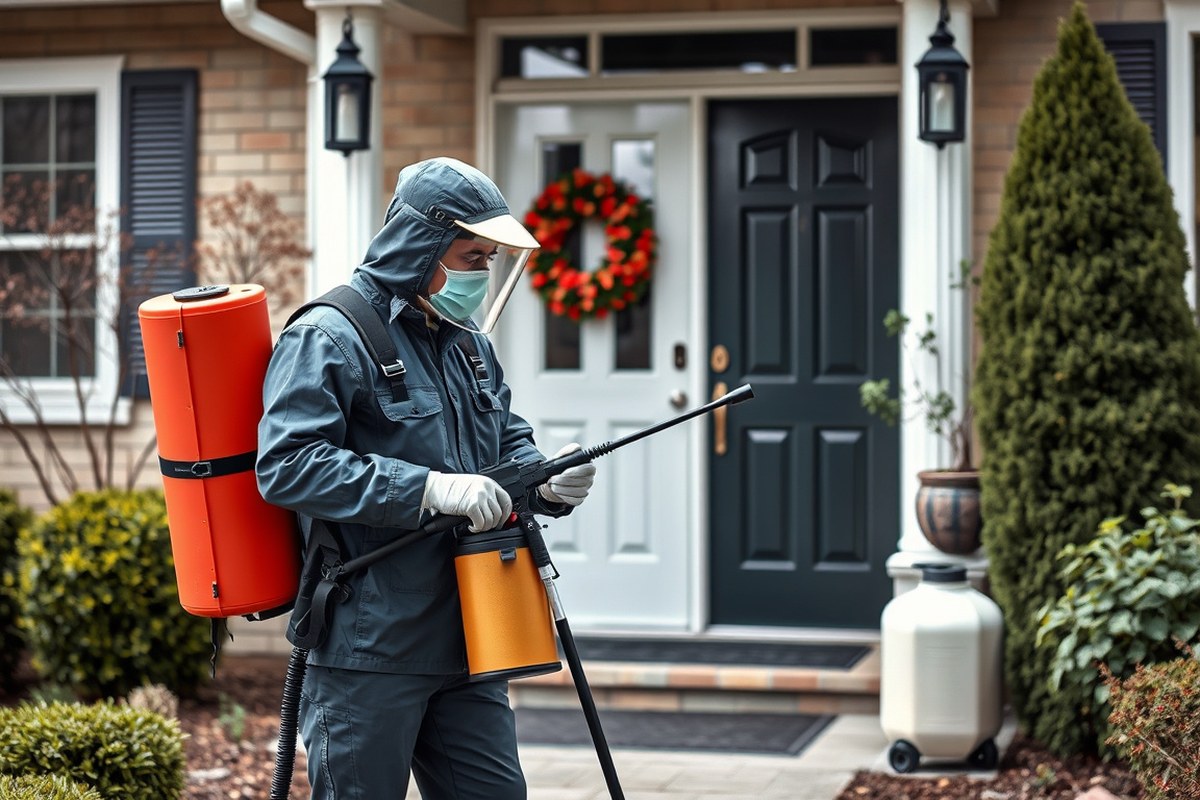
One-time pest control treatments usually cost between $150 and $350 depending on the size of the property and pest type. Ongoing maintenance plans often run between $40 and $90 monthly or $100 to $200 per quarterly visit. Charging $50 a month for regular pest control fits within typical pricing for moderate pest prevention, but your price should reflect the services included and local market conditions.
Price Range for One-Time Pest Treatments
The cost for a basic one-time pest control treatment mostly falls between $150 and $350 in many areas, including Fresno in 2025. This usually covers an initial inspection plus interior and exterior treatments targeting common pests like ants, spiders, cockroaches, and sometimes rodents. One-time treatments suit homes with limited, isolated infestations that need a quick response.
Providers often charge more if the infestation is severe or pests are difficult to control. For example, rodent-specific treatments may start around $300 and can exceed $800 if trapping and exclusion work is needed. One-time pricing reflects higher per-visit costs because it does not include follow-up visits or ongoing prevention, which means the pest issue might return.
Good outcomes require a thorough inspection and treatment plan. When charging on the lower end, make sure to clarify that follow-up or maintenance visits are not included. Many homeowners expect a retreatment period or assurance of effectiveness, which ongoing plans provide at a lower per-visit cost spread over several months.
Cost Expectations for Monthly and Quarterly Plans
Ongoing maintenance plans average from $40 to $90 per month, or $100 to $225 per visit for quarterly plans. Quarterly treatments are the most common arrangement for year-round pest control because they offer scheduled visits aligned with seasonal pest activity. Providers typically include perimeter barrier treatments, interior inspections, and spot treatments in these plans.
Monthly service plans, often used for heavy pest pressure or commercial properties, tend to run between $55 and $70 per visit. These more frequent treatments help keep persistent infestations under control and reduce the risk of outbreaks. Bi-monthly plans, with six visits per year, cost slightly less per visit but have less frequent coverage.
Annual costs vary depending on frequency: quarterly visits adding up to around $525, monthly plans roughly $660 to $900, and bi-monthly plans around $400 per year. Customers choosing ongoing plans benefit from lower costs per visit and ongoing pest prevention, which is essential for sustained pest management in both homes and businesses.
| Service Frequency | Average Cost per Visit | Estimated Monthly Cost | Annual Cost | Best Use Case |
|---|---|---|---|---|
| One-time treatment | $150 – $350 | One-time | N/A | Active infestations needing immediate response |
| Monthly service | $40 – $70 | $40 – $70 | $480 – $840 | Heavy pest pressure, commercial properties |
| Bi-monthly service | $85 – $150 | $34 – $75 | $408 – $900 | Moderate pest activity, seasonal prevention |
| Quarterly service | $100 – $225 | $25 – $56 | $400 – $900 | Year-round residential protection |
This table shows how increasing frequency reduces cost per visit but increases total annual cost. Many homeowners prefer quarterly plans for regular protection balanced with affordability. Monthly plans at about $50 fit well for customers facing tougher pest challenges or wanting consistent barrier maintenance.
Factors Making Monthly Fees Reasonable or Not
Charging $50 per month for ongoing pest control is reasonable if your service includes frequent scheduled visits, thorough inspections, interior and exterior treatments, and possibly pest-specific approaches for stubborn species. The value of monthly plans increases in high pest pressure areas or for properties that have had recurring infestations.
On the other hand, charging $50 monthly without sufficient service detail can lead to customer dissatisfaction. Low prices might mean less frequent or less thorough treatments that don’t prevent pest problems effectively. Make sure your pricing reflects the time you spend, quality of products used, and customer support elements such as retreatment options.
Also consider regional labor costs and local pest pressures affecting what you can reasonably charge. For example, some urban markets see monthly rates closer to $60 to $100 due to higher operating costs and tougher pest challenges. Adjust your fees based on these factors, and communicate clearly what is included so customers understand the benefit compared with one-time services.
How Pest Type and Infestation Severity Affect Pricing

The cost of pest control varies significantly with the type of pest involved and the severity of the infestation. Different pests require different treatments, and heavier infestations need more resources and visits, which raises prices. Bed bugs, termites, rodents, ants, and mosquitoes each have distinct treatment complexities that impact the final charge.
Pricing by Pest Species
Each pest demands a unique approach and material, so pricing changes accordingly. Termites and rodents typically require more extensive treatment compared to ants or mosquitoes, reflected in their higher cost ranges. Some pests, like bed bugs, involve a more labor-intensive process that can push prices well above general pest control levels.
| Pest Control Service | Typical Price Range |
|---|---|
| Ant Treatment | $120 – $441 |
| Mosquito Treatment | $90 – $295 per service |
| Rodent Control | $249 – $750 or more |
| Bed Bug Treatment | $250 – $3,500 or more |
| Termite Control (Baiting) | $1,000 – $2,300 |
| Termite Treatment (Liquid Perimeter) | $1,700 – $2,000+ |
Prices fluctuate because treatments differ in complexity, chemicals involved, and equipment needed. Mosquito control costs are per treatment, often needing repeat visits during high activity seasons. Rodent treatments vary widely due to trapping, exclusion, and sanitation efforts.
Severity Indicators That Raise Costs
Infestation severity directly affects pricing since more severe infestations demand more visits, labor, and materials. Signs like seeing multiple live pests, damage to structures or belongings, lingering odors, or numerous bite marks signal a higher level of infestation. These require intensive treatment plans with ongoing monitoring.
Heavier infestations often need follow-up visits spread over weeks or months, so expect the final price to increase as treatments continue.
Severe infestations also sometimes require exclusion work such as sealing entry points, which can add $100 to $500 or more. Larger homes generally need more product, raising costs further.
| Infestation Sign | Impact on Cost |
|---|---|
| Multiple live pests observed | More visits, repeated treatments |
| Structural damage (e.g., termite tunnels) | Specialized treatment, higher cost |
| Widespread distribution across property | Increased material use, time |
| Persistent pest activity after initial treatment | Additional follow-up visits required |
| Need for exclusion work (sealing gaps) | Adds $100 to $500+ |
Why Bed Bug Treatment Is Higher Priced
Bed bug extermination often costs more than other pests due to the difficulty in detecting and eliminating every hiding place. Treatments may include chemical applications, heat treatments, and multiple visits spread over weeks to ensure all bed bugs and eggs are eradicated. This complete approach drives the price higher than most common pest treatments.
A typical bed bug treatment ranges from $250 to over $3,500 depending on infestation extent, with some advanced treatments reaching above $9,000. The cost depends heavily on how widespread the infestation is and the size of the living space affected.
| Treatment Type | Basic Cost | Advanced Cost |
|---|---|---|
| Bed Bug Treatment | $983 | $9,500 |
| Termites | $1,200 | $8,000 |
| Ants | $150 | $1,300 |
The challenge of accessing all bed bug hiding spots and the necessity of multiple treatment types explains why bed bug control is priced higher than general pest services. Homeowners should prepare for follow-up inspections and treatments to ensure long-term success.
Key Factors Influencing Pest Control Pricing
Pest control pricing depends on multiple factors including the size of the home, the chosen treatment, labor and material costs, travel requirements, and seasonal or regional influences. Understanding these factors helps you set a fair price and anticipate what customers can expect to pay. Some companies charge inspection fees, generally between $50 and $150 unless included free, and pricing can vary significantly depending on geography and time of year.
Home Size and Infestation Extent
The size of the property impacts pest control pricing because larger homes require more materials and labor to treat effectively. Although most companies don’t charge by square footage directly, they consider home size in estimating time and resources needed. A 2,000-square-foot home typically costs less to treat than a 4,000-square-foot property since the technician spends more time and uses more product on the bigger space.
Infestation severity also plays a big role. Light infestations may require only a single visit with a small amount of product, while severe cases need multiple visits and increased material usage. Expect to pay more for extensive pest activity that demands repeated treatments or special protocols.
Typical inspection charges range from free for a basic checkup to $50, $150 for a detailed assessment that includes identifying pest type and severity. The inspection informs the treatment plan and pricing, so it’s a necessary step in the process.
Treatment Methods and Materials Used
Treatment choices influence costs because different methods involve varying materials and labor intensity. For example, spot chemical spraying costs less than whole-home fumigation. Bed bug treatments often require heat or combination approaches, which increase expenses.
The type and amount of pesticide or bait required depends on the pest species, infestation level, and property size. Materials might include liquid pesticides, baits, traps, or exclusion products. These vary widely in price, so understanding the pest and treatment helps set an accurate price. Here’s a checklist of pricing factors related to treatment materials and methods:
- Type of pesticide or treatment (e.g., spray, bait, heat)
- Quantity of product required for full coverage
- Number of service visits necessary
- Complexity of application (e.g., crawl spaces, attics)
- Use of specialized equipment or non-chemical methods
- Disposal or cleanup requirements after treatment
Example: For a 2,500-square-foot home with a moderate cockroach infestation, you might calculate materials at $75 (baits, sprays) and labor at $125 for a 2-hour treatment visit. This totals $200 before overhead and travel expenses.
Travel, Labor, and Overhead Costs
Labor is one of the largest cost components. The price usually reflects the time required for inspection, application, and follow-up visits. Technicians often earn $20 to $40 per hour depending on the region, which directly affects service charges. More complex or larger jobs require more labor, increasing the total cost.
Travel expenses matter especially if the property is far from the company’s base. Some companies charge a travel fee or include it in the overall price, especially in rural areas with fewer competitors. Factoring in fuel, vehicle maintenance, and travel time ensures pricing covers these costs.
Overhead costs like licensing, insurance, equipment maintenance, and administrative expenses also contribute to the price. These costs vary by company but generally add a 10% to 20% markup on materials and labor. For instance, if labor costs $125 and materials cost $75 on a job, and you add 15% overhead ($30), plus a $25 travel fee, your total price would be around $255.
Seasonal and Geographic Price Variations
Seasonal demand influences pest control pricing because some pests are more active during specific months. For example, termite treatments tend to cost more during spring and summer when activity is highest. Companies may adjust prices to reflect peak season demand or volume of work.
Geographic location drastically impacts labor rates, pest prevalence, and product costs. In Massachusetts, for example, prices run 15% to 25% higher than the national average due to expensive labor markets and higher pest pressures from ticks and termites. Coastal and southern states often see different pricing patterns due to climate and pest challenges. Consider these seasonal and regional factors when setting prices:
- Higher prices during peak pest seasons (spring and summer)
- Increased labor costs in urban or high-cost areas
- Regional pest prevalence requiring specialized or repeated treatments
- Local regulations and licensing expenses
- Competition levels and demand fluctuations in the local market
Comparing One-Time Treatments with Ongoing Pest Control Plans
Deciding between one-time pest control and ongoing service plans depends mainly on the severity of the infestation and the property’s vulnerability to recurring pests. One-time treatments suit isolated or mild problems, while ongoing plans provide consistent prevention and quicker response to new issues. Pricing reflects these differences, with one-time services usually costing more upfront and ongoing plans spreading costs and including re-treatments.
Advantages of One-Time Pest Control
One-time pest control services typically range from $150 to $500 per treatment based on pest type and treatment complexity. This approach works best for homeowners dealing with a single, contained infestation that does not require follow-up visits. It saves money by resolving the issue quickly, without committing to long-term contracts or monthly fees.
The higher upfront cost compared to ongoing plans reflects the need to diagnose and treat the infestation fully in one visit. You won’t pay for preventive maintenance when pests aren’t an ongoing problem. However, one-time treatments lack guarantees for future infestations and often exclude free re-treatment, which can increase costs if pests return.
- Upfront cost covers inspection and treatment in one or two visits
- Good for isolated or seasonal pest problems
- No ongoing contract commitments
- Typically no unlimited callbacks or re-treatments included
- May miss prevention of future infestations
- Costs can add up if multiple treatments are needed
One-time services are best recommended following a professional inspection that confirms a limited pest issue. You avoid paying for preventive care when your property is relatively pest-free otherwise.
Benefits of Ongoing Maintenance Plans
Ongoing pest control plans are priced on either monthly or quarterly bases. Monthly plans commonly cost between $40 and $70 per month, while quarterly plans range from $90 to $130 per visit. These plans include initial inspections typically waived at $75 to $125 and cover re-treatments or callbacks at no extra charge during the contract term.
Service plans work well for homes in pest-prone areas or those with persistent issues like cockroaches in multi-unit buildings. They offer continuous protection, detect problems early, and reduce the risk of infestations returning. Contracts may last one year and provide added savings compared to repeated one-time services.
- Waived inspection fees reduce upfront cost
- Initial treatment visit included without premium
- Unlimited callbacks and re-treatments included
- Consistent pest prevention reduces long-term damage
- Flexibility to add specialized treatments if needed
- Contract commitment typically required
For homeowners who want to avoid invasive infestations or minimize pest-related damage over time, ongoing plans provide steady value. They also help spread out payments instead of a lump sum.
Differences Between Monthly and Quarterly Contracts
Monthly contracts cost more annually, often 20 to 30 percent higher than quarterly plans, because they provide more frequent visits, 11 versus 3 annually. Monthly plans, running roughly $40 to $70 per visit, offer the tightest control for rapidly reproducing pests. Quarterly plans average $44 per month annually, balancing prevention with cost savings.
Monthly plans are more common in places with high pest pressure or multi-unit dwellings where pests like roaches can quickly rebound without frequent treatments. Quarterly plans provide solid year-round coverage in typical residential settings and can save homeowners money without sacrificing preventive benefits.
- Monthly: higher annual cost, more visits (about 11/year)
- Quarterly: fewer visits (4/year), lower annual cost
- Monthly plans benefit high-risk or highly infested properties
- Quarterly plans suit moderate pest pressure and budget-conscious homeowners
- Both plans usually include unlimited free callbacks for pest issues
- Contract length and cancellation policies vary by company
Choose monthly if your property faces persistent, fast-reproducing pests or heavy infestation risk. Opt for quarterly if you want standard preventive care at a lower annual price. Review contract terms carefully to understand service frequency, included treatments, and customer support.
How to Accurately Estimate and Set Pest Control Prices
Estimating and setting pest control prices requires breaking down all costs, adding an appropriate profit margin, and avoiding common pitfalls that undermine profitability. You start by calculating labor and materials, add overhead expenses, determine your profit margin, then finalize your price with a clear costing method. Below is a step-by-step pricing checklist with a worked example and common mistakes to watch for.
Calculating Labor and Materials Costs
Labor and materials form the direct cost base of your pest control pricing. Calculate labor by estimating how many hours the job will take and multiplying by your hourly technician rate. Materials include pesticides, bait stations, traps, and any supplies used during the treatment. You must track these closely to price accurately.
For example, a typical pest control technician might charge $75 per hour. If a job requires 3 hours, labor costs are 3 × $75 = $225. Materials could average $50 depending on the type of pests and treatment complexity. Together, labor and materials total $275.
Start a pest control prices list in a spreadsheet or field service software to update with actual labor hours and materials used for each service type. This will improve your pricing accuracy over time.
Including Overhead and Travel Expenses
Overhead costs cover all indirect expenses that keep your business running but don’t directly relate to a single job. This includes insurance, licenses, office rent, equipment depreciation, vehicle maintenance, and administration. A typical approach is to allocate overhead as a percentage of labor and materials costs, often between 15% and 30%, depending on your business size and location.
Travel expenses should also be factored in, especially if you serve a wide area. Calculate mileage and time spent travelling and convert that into a dollar value. Some companies charge separate travel fees or include average travel in their overhead percentage.
For a residential job with $275 labor and materials, applying a 20% overhead means adding $55, making the subtotal $330 before profit. Travel costs depend on distance; for example, 20 miles at $0.58 per mile adds about $11.60.
Setting Profit Margins
Profit margin is the percentage added above your total costs to ensure your business earns money after expenses. Pest control businesses often target between 20% and 30% profit margin. Choosing your margin depends on your competition, reputation, and the market you serve.
Calculating the final price means adding your profit margin to the sum of labor, materials, overhead, and travel. Following the example above, total costs are $330 (labor, materials, overhead) + $11.60 (travel) = $341.60. Applying a 25% profit margin adds $85.40, setting the price around $427.
Adjust your profit margin for complex jobs or highly competitive areas. Lower margins may be necessary for new businesses but watch out for pricing yourself below sustainable costs.
Common Pricing Errors and How to Fix Them
Underestimating labor time is a frequent mistake. Always base your estimates on actual experience or detailed inspections, not guesswork. Overlooking overhead can leave you earning less than expected after bills and taxes. Use accounting records to calculate overhead rather than guessing.
Failing to incorporate travel expenses leads to hidden costs; consider distance or charge travel fees explicitly. Setting profit margins too low usually causes underpricing, while excessive margins may price you out of the market.
Keep your pest control price list updated with real job data. Reassess your labor, materials, overhead, and margin quarterly to reflect changing costs or market conditions.
- Estimate labor hours needed for the specific pest control job based on inspection or past similar jobs.
- Calculate labor cost by multiplying estimated hours by your hourly technician rate.
- Add the cost of materials and supplies required for the treatment.
- Determine overhead percentage from your business accounting records and multiply it by labor plus materials costs.
- Calculate travel expenses based on mileage and travel time or include as part of overhead.
- Sum labor, materials, overhead, and travel costs to get total cost.
- Apply your desired profit margin (usually 20%-30%) to the total cost to find your selling price.
- Review and adjust your prices periodically based on market feedback and changes in costs.
Always base labor time estimates on your team’s past experience or detailed inspections; guessing can seriously underprice your service or cause costly overruns.
Specialized Treatments Pricing: Bed Bugs, Termites, and Rodents
Specialized pest control treatments such as bed bug heat treatments, termite fumigation, and rodent exclusion typically cost more than standard pest control services. The price varies depending on the size of the property, severity of infestation, and complexity of the treatment required. Understanding exact cost ranges and comparing methods will help you set accurate prices or budget effectively.
Bed Bug Treatment Costs and Methods
Bed bug treatments range from around $300 per room to $5,000 for whole-home treatment, depending on severity and method. Heat treatment, which uses specialized equipment to raise indoor temperatures to lethal levels for bed bugs, costs about $1 to $3 per square foot. This method generally eliminates bed bugs in one visit but requires detailed preparation by the homeowner including removing heat-sensitive items and thorough cleaning.
Heat treatment’s upfront cost is higher due to equipment rental and labor, but it often reduces the need for multiple follow-up visits, potentially saving money over time. Lower-cost chemical treatments may start near $300 per room but often require repeat visits. Proper heat treatment demands well-trained technicians to ensure all areas reach required temperatures, or the infestation can persist.
Termite Treatment and Fumigation Pricing
Termite inspections cost between $150 and $350 for a one-time assessment of your property. Treatment options include baiting systems that cost $500 to $2,500 based on the infestation size and complexity. Whole-structure fumigation runs from $1 to $4 per square foot, meaning a typical 1,800 square foot home could cost between $1,800 and $7,200.
Fumigation is necessary primarily for drywood termite infestations or when prior treatments have failed. This approach involves tenting the entire structure and using gaseous pesticides to eliminate pests deeply embedded in wood. It requires the homeowner to vacate the property temporarily and properly prepare the home, which influences the overall cost and logistics.
Rodent Control: Exclusion vs Trapping Costs
Rodent control can involve simple trapping or more complex exclusion services. Trapping usually falls on the lower end of the cost spectrum, with typical mouse extermination costing $78 to $246 per job. Exclusion services, which seal entry points and prevent rodents from re-entering, demand more labor and materials, causing the price to rise significantly, often ranging from $200 to $800 depending on home size and infestation severity.
While trapping targets existing rodents, exclusion addresses long-term prevention. Exclusion is more expensive upfront but can reduce the frequency of future treatments and damage repair costs. Pricing rodent jobs properly means accounting for both the labor intensity and materials used to seal openings, which is more variable than trapping costs.
| Service | Published Price Range | Notes |
|---|---|---|
| Termite Inspection | $150, $350 | One-time visit |
| Whole-Structure Termite Fumigation | $1, $4 per sq. Ft. | Example: $1,800, $7,200 for 1,800 sq.ft. |
| Bed Bug Treatment (per room) | $300, $500 | Lower-cost chemical treatments |
| Bed Bug Heat Treatment | $1, $3 per sq. Ft. | Usually requires one visit |
| Rodent Trapping | $78, $246 | Typical mouse extermination |
| Rodent Exclusion | $200, $800 | Includes sealing entry points |
When pricing specialized pest treatments, it’s important to factor in follow-up visits, homeowner preparation requirements, and whether the method addresses short-term elimination or long-term prevention. Detailed inspection fees and labor-intensive treatments justify higher charges but can protect your property more effectively. Consider mixing treatment approaches for different budgets or infestation scenarios to meet your clients’ needs accurately.
Bundled Services, Warranties, and Customer Communication on Pricing
Bundled pest control services combine several treatments or coverage areas into one package, often reducing the total cost compared to individual services. Warranties generally cover follow-up treatments if pests return within a set period, offering customers assurance. Clear communication about pricing changes maintains trust and reduces disputes, using direct and polite language in notifications and conversations.
Benefits and Savings of Service Bundles
Bundling pest control services usually lowers the overall price because it encourages ongoing contracts rather than one-off jobs. For example, a package might include quarterly treatments for common pests like spiders, roaches, and ants, paired with termite inspections for a fixed annual fee. This approach spreads costs over time while addressing multiple pest concerns at once.
A typical bundled package for a 2,000-square-foot single-family home in a place like Fresno might charge $300 to $450 annually, including four treatments for general pests plus one termite inspection. Separate services can add up to $500 or more if purchased individually. Customers save time and money, and providers gain steady business.
- Quarterly general pest control treatments for $75 each
- Annual termite inspection and report included
- Optional rodent bait stations for $50 added annually
- Priority scheduling for bundled customers
- Discounts of 10 to 15% compared to a la carte pricing
This kind of bundle suits homeowners wanting year-round protection and those in areas with seasonal pest challenges. Offering bundles lets business owners lock in revenue and manage resources efficiently. However, bundles should be priced to cover cost variations from chemical types, property size, and service frequency to avoid losses.
Common Warranties and Service Guarantees
Industry-standard warranties usually guarantee free retreatments if pests return between scheduled visits or within 30 to 90 days of service. For example, a general pest control service might offer a 30-day warranty covering repeat treatments at no extra charge. This protects customers from paying twice for the same infestation.
Warranties are often conditional: the customer must maintain agreed-upon precautions like removing food sources or fixing entry points. Many companies exclude guarantees for severe infestations needing specialized or structural treatments, such as termites or bed bugs, since these require different processes and costs.
Standard warranty terms should be clearly stated in contracts and explained during the initial visit. This avoids misunderstandings and helps customers know when they can expect follow-up treatment. For business owners, warranty costs must be factored into pricing to avoid undercharging.
Customer Communication Templates for Pricing Changes
Informing customers about price increases requires direct, respectful communication well before the change takes effect. A common approach is to notify customers 30 days in advance via email or letter, explaining the reason for the change, such as rising chemical costs or expanded services. Transparency helps maintain trust. Here is a sample script for notifying customers:
Subject: Update on Your Pest Control Service Pricing Dear [Customer Name], We are writing to inform you that starting on [effective date], the price for your ongoing pest control service will increase from $[old price] to $[new price] per [visit/month/year]. This change reflects rising costs for materials and compliance with updated safety regulations. We remain committed to providing effective service and appreciate your understanding. If you have any questions or would like to discuss service options, please contact us. Thank you for your continued trust. Sincerely, [Company Name]
During renewal calls, use phrases like: “To maintain quality and safety standards, our prices will adjust to $X starting next cycle. Would you like to continue with your current plan or explore other options?” This invites discussion without surprises. Avoid vague excuses or delays in communication, which can lead to customer dissatisfaction or cancellations.
Adapt Pricing for Regional Differences and Complex Infestations
Pricing pest control services requires adjustments for where you operate, the time of year, and how complicated the infestation is. Regional economic conditions, seasonal pest behaviors, and multi-step treatments all affect what you should charge and how you schedule work to stay profitable.
Regional Pest Control Price Factors
Prices vary widely by region because labor costs, regulations, and pest prevalence differ substantially. For example, a one-time treatment in Boston’s metro area can cost between $300 and $700, while Phoenix rates typically range from $150 to $300. Cities with higher living costs or stricter pesticide rules will require higher service charges to cover expenses.
Adjust your pricing by researching local competitors and regional wage levels. Use your area’s average price as a baseline, then consider added costs such as transportation or licensing fees unique to your state. In rural regions, fewer customers but longer travel distances could justify higher minimum charges per job.
Seasonal Treatment Cost Fluctuations
Seasonal pest activity affects demand and treatment complexity, which impacts costs. Pest control for termites, mosquitoes, or ants often peaks in spring and summer when these pests are most active, so prices may rise due to higher demand and more frequent follow-up visits. In colder months, services may cost less as infestations slow down.
Plan your scheduling timeline around these cycles. For recurring customers, increase visit frequency in peak months and reduce it off-season to balance workload and income. Communicate clearly that multi-visit contracts might change seasonally to reflect these factors.
Pricing Multi-Visit and Integrated Pest Management Jobs
Complex infestations generally require multiple visits, different treatment methods, and ongoing monitoring, all of which need premium pricing. Base your charges on an initial inspection fee plus a set price per follow-up visit until the problem is resolved, which might take weeks or months depending on pest type and severity.
Use a pricing checklist that includes inspection cost, treatment materials, labor hours for each visit, and extra services such as exclusion work or habitat modification. For example, a bed bug job might start at $500 for the first visit and add $150 to $250 per follow-up, reflecting increased labor and materials.
Always outline treatment frequency and potential extra costs in your service agreement to prevent disputes and ensure accurate pricing for complex jobs.
Step-by-Step Action Plan to Determine and Set Pest Control Pricing
Start by assessing what type of pest problem you have and whether it requires a one-time treatment or ongoing service. Follow these steps to estimate costs and decide the best approach for your situation.
- Day 1: Identify Pest Type and Severity, Inspect your property carefully or have a professional do it to determine which pests are present and how severe the infestation is. This directly affects pricing because termites and bed bugs usually cost more to treat than ants or spiders, and heavier infestations require more labor and product.
- Day 2: Decide on One-Time vs Ongoing Service, Compare costs: a one-time treatment can range from $150 to $500 depending on pest type, while ongoing plans might charge $40 to $70 monthly. Choose ongoing service if you want regular monitoring and prevention, especially in high-risk areas; choose one-time if the issue is isolated and controllable quickly.
- Day 3: Research Local Pricing Standards, Check pest control company rates in your region online or via phone quotes. Pricing can vary widely by state or city due to labor costs and local pest prevalence. Narrowing down regional pricing helps you set or expect a realistic price.
- Day 4: Calculate Your Estimated Cost, For DIY pricing, tally materials like traps, sprays, or equipment rentals, which might run from $50 to $300 per treatment. For professional services, also factor in specialized treatments needed for issues like bed bugs or termites, which can add $200 to $1,000+ depending on treatment complexity.
- Week 1: Consider Bundled Services and Warranties, Many companies offer packages including multiple pests or warranties lasting 6 months to a year. These bundles may cost more upfront but offer better value. Decide if paying slightly more now avoids repeated treatments later.
- Week 2: Communicate Clearly About Pricing Options, Service providers should explain their pricing method and what exactly is included to potential customers. Transparency helps avoid disputes and builds trust. Customers should ask detailed questions about what the price covers and any extra fees for follow-ups or emergency visits.
- Month 1: Monitor Effectiveness and Adjust Plans, After the first treatment or service period, evaluate pest presence and customer satisfaction. Effective treatments should noticeably reduce pest activity within 1-2 weeks. When problems persist, pricing or treatment plans might need revision.
- Ongoing: Update Pricing for Changes in Infestations or Regulations, Stay informed about shifts in pest populations, regulatory changes, or material costs which can affect pricing. Regular adjustments ensure your estimates or expectations remain accurate over time.
Frequently Asked Questions
How Much to Charge for Pest Control?
Charge depends on service type, property size and infestation. One-time treatments run $225 to $550+, while ongoing plans range $40-$90 per month. Adjust pricing for severe infestations or specialized pests like bed bugs or termites.
Is $50 a Month a Lot for Pest Control?
$50 per month is within a normal range for a basic quarterly pest control plan. It generally covers common pests on residential properties. Prices under $40 may indicate limited service, while $70 or more might include added treatments or warranties.
Is $128 a Good Price for Pest Control Quarterly?
$128 quarterly fits well within the national average of $100 to $260 per single visit. This is reasonable for routine residential pest control covering multiple pest types. Higher amounts usually reflect larger homes or more aggressive pest problems.
How Much Do Pest Controls Charge?
Pest control charges vary by treatment, location, and pest severity. One-time visits typically cost $100 to $260, while ongoing plans can be $40 to $100 per month. High-demand markets or commercial properties often pay more. Inspections may add a $50-$150 fee unless waived.
How Much Should You Spend on Pest Control?
Spending between $300 and $1,600 yearly is typical for ongoing plans with regular treatments. Homeowners should budget based on infestation risk, property size, and pest types present. Spending less than $300 annually might mean fewer treatments and less protection.
Can I Charge Hourly for Pest Control Services?
Pest control pricing rarely uses hourly rates; most charge per visit or by treatment type. Jobs usually get priced based on property size, pest type, and treatment extent. Hourly pricing is uncommon because treatments need specific products and protocols rather than time-based billing.
Wrapping Up
Setting pest control prices means balancing factors like pest type, infestation size, treatment complexity, and regional market rates to cover costs and stay competitive. Start by getting detailed quotes from 3 to 5 local pest control providers for your area and pest problem; this will give you a clear view of typical charges and help you decide how to price your services or budget your treatment. Adjust those prices based on whether you plan one-time jobs or ongoing contracts, keeping in mind that specialized treatments like bed bug or termite control often carry higher fees due to labor and materials. Tracking actual job costs and customer feedback over time will help you fine-tune prices and avoid undercharging or losing customers because your offer doesn’t match local expectations.


