
How to Get Rid of Cotton Mouth: 8 Effective Ways for Quick Relief and Long-Term Care
To get rid of cotton mouth quickly, you can try sipping water regularly, using saliva substitutes, or rinsing with a fluoride mouthwash. Long-term care includes maintaining good oral hygiene, avoiding alcohol and caffeine, and managing underlying causes like medication side effects. These steps help relieve dryness and protect your oral health.
People dealing with dry mouth from medication, aging, cancer treatment, or smoking will find useful tips here. This article explains why cotton mouth happens, how to find fast relief, natural remedies, and when to seek professional help to manage symptoms effectively.
Key Takeaways
- Drink water regularly and stay hydrated to support saliva production, since saliva is 98% water and dehydration reduces it.
- Use saliva substitutes or sprays that provide relief lasting 4 to 8 hours, especially helpful for managing dry mouth overnight.
- Chewing xylitol gum or sucking on xylitol candy 4, 5 times daily after meals can reduce bacteria and protect teeth.
- Rinse daily with a 0.05% sodium fluoride mouthwash to prevent tooth decay if you have low to moderate risk of cavities.
- Try holding coconut or sesame oil in your mouth for 10, 15 minutes to relieve dryness naturally without swallowing the oil.
- Maintain excellent oral hygiene and visit your dentist if dry mouth persists beyond 2 to 8 weeks or causes discomfort or oral issues.
1. What Is Cotton Mouth and Why Does It Happen?
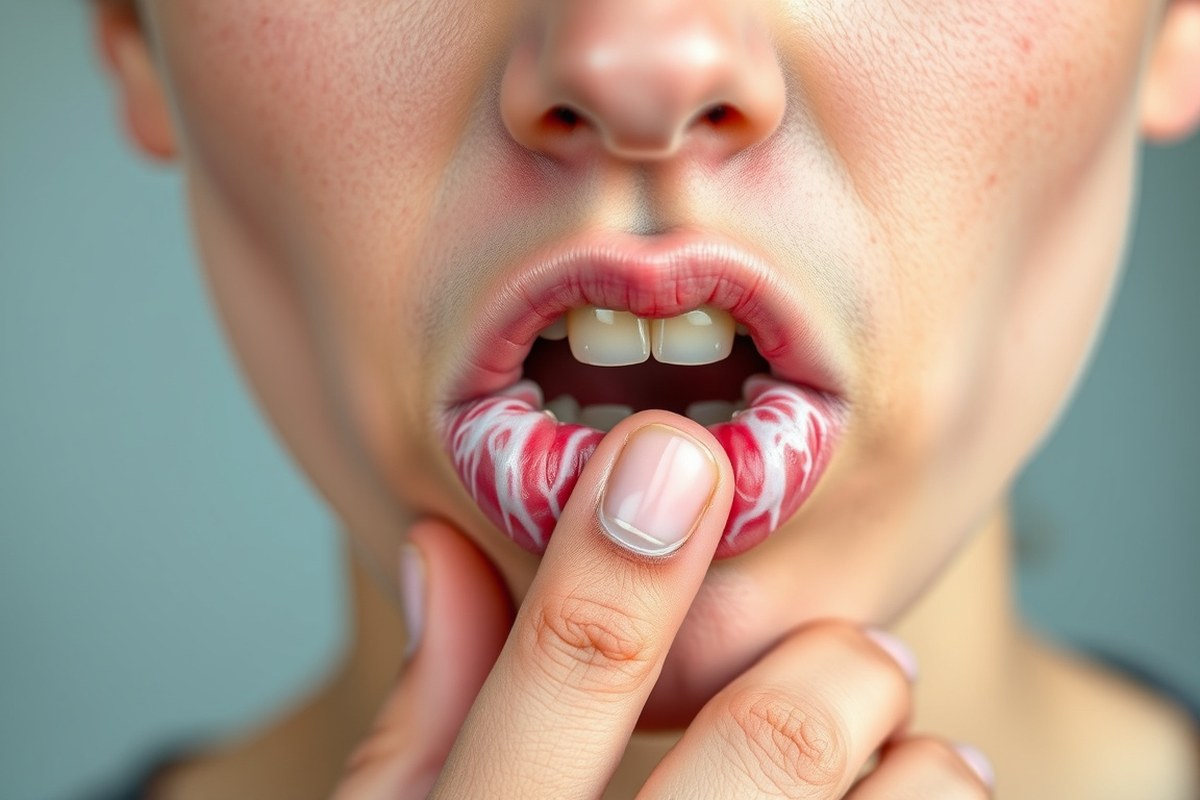
Cotton mouth, also known medically as xerostomia, is the sensation of having a dry mouth due to insufficient saliva production. Saliva is the fluid produced by salivary glands located in and around your mouth. It plays several important roles, including moistening your mouth, aiding in chewing and swallowing, and protecting your teeth and gums from bacteria and acid damage.
The term xerostomia refers specifically to the condition where the salivary glands don’t make enough saliva to keep your mouth wet. This can happen for various reasons, such as medication side effects, radiation to the head and neck, or certain health conditions affecting the salivary glands. Approximately 10% of the general population and up to 25% of older adults experience xerostomia, partly because they are more likely to use medications that reduce saliva flow or undergo treatments that affect the glands.
Salivary glands work by receiving signals from nerves in and around your face and mouth. These nerves stimulate the glands to produce saliva and release it through tiny channels called salivary ducts into your mouth. When the glands aren’t producing enough saliva, your mouth feels dry, sticky, and uncomfortable. Without enough saliva, normal functions like speaking, eating, and swallowing become harder, and the risk of cavities and gum disease increases because saliva normally helps neutralize acids and wash away harmful bacteria.
Saliva consists mostly of water but also contains enzymes and antibacterial substances that help maintain oral health. If the salivary glands are damaged or their function is reduced, such as during radiation therapy for cancer patients, where the glands might be affected within the first two to three weeks of treatment, saliva production decreases. Some people may notice improvements in saliva flow within the first year following treatment, but others might continue to experience dry mouth long-term.
Understanding the role of saliva and how the glands work clarifies why cotton mouth feels uncomfortable and why it requires attention. Maintaining adequate saliva flow depends on healthy salivary glands and proper nerve signals. When these are impaired, managing the symptoms of dry mouth becomes necessary to protect your oral health.
2. What Causes Cotton Mouth? Common Triggers Explained
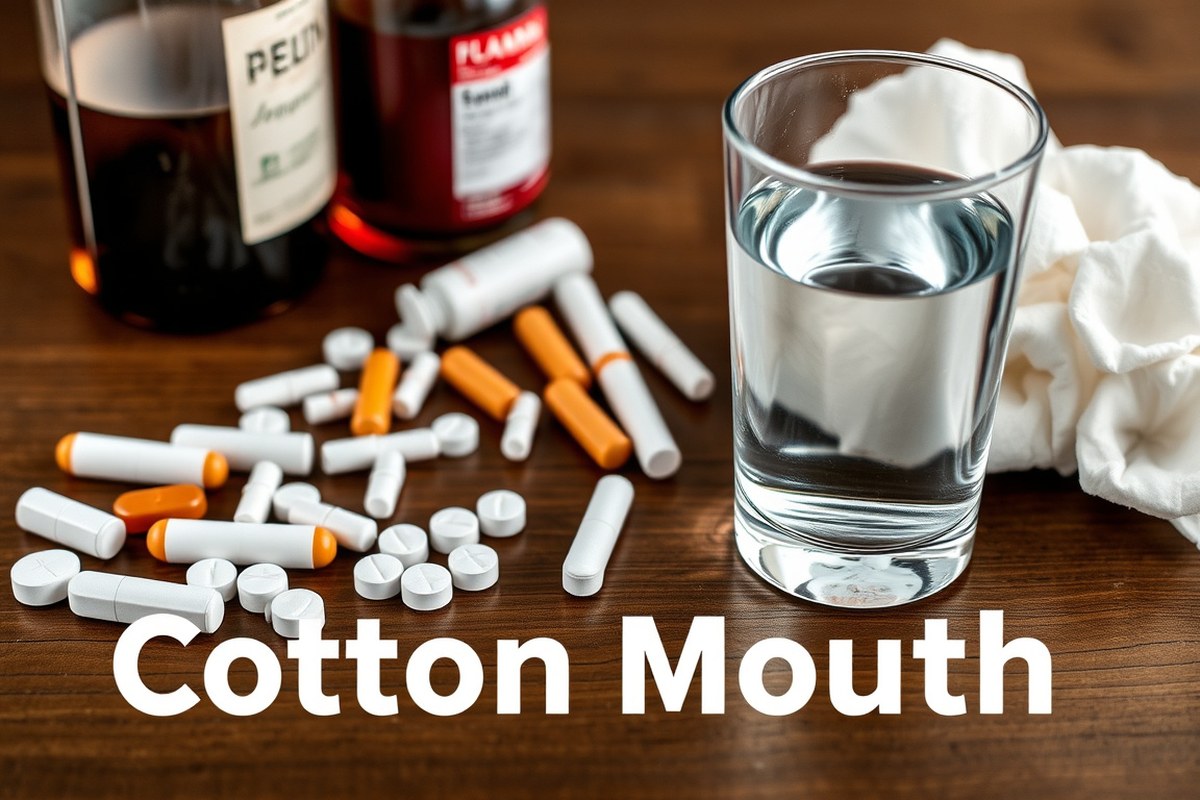
Cotton mouth happens when your salivary glands don’t make enough saliva to keep your mouth moist. This can be triggered by several factors, including medications, dehydration, medical conditions, smoking, and cancer treatments. Many prescription and over-the-counter drugs cause dry mouth as a side effect. These include antidepressants, antihistamines, and diuretics. Older adults often take multiple medications that reduce saliva, which raises their risk of cotton mouth. It’s not aging itself but the increased medication use and health issues that contribute to this problem.
Dehydration is a key factor because saliva is mostly water. Not drinking enough fluids, or losing excessive fluids from diarrhea or kidney problems, can cause your mouth to dry out. Besides dehydration, medical conditions like Sjögren’s syndrome, diabetes, and autoimmune diseases interfere with your body’s ability to produce saliva. Cancer treatments, especially radiation in the head and neck areas, damage salivary glands and reduce saliva production, leading to severe dry mouth.
Smoking tobacco directly reduces saliva flow and worsens cotton mouth symptoms. Chemicals in cigarettes dry out mucous membranes and irritate gums, further decreasing saliva. Alcohol also dries out your tissues and can intensify dryness. Smoking or frequent alcohol use makes cotton mouth tougher to manage because these habits continuously strip moisture from your mouth and prevent saliva from returning to normal levels.
Breathing primarily through your mouth, especially if you have nasal congestion from allergies, colds, or a deviated septum, can contribute to dryness. Hormonal changes during pregnancy or menopause may also affect saliva production. Combining these lifestyle or physical factors with medications and medical issues often causes persistent dry mouth.
Check your current medications with a healthcare provider to see if dry mouth could be a side effect and ask if a different prescription might help reduce symptoms.
Addressing the causes of cotton mouth means knowing what to avoid and what to treat. For example, drinking plenty of water helps combat dehydration, but it won’t solve dry mouth caused by radiation therapy or autoimmune conditions. In some cases, treating the underlying condition or adjusting medications can improve saliva flow. Smoking cessation and limiting alcohol also play a important role in reducing cotton mouth symptoms. Older adults should have periodic reviews of their overall health and medicine use to manage dry mouth risks effectively. Taking these steps boosts comfort and helps prevent complications like tooth decay and infections that come from not having enough saliva.
3. How to Get Rid of Cotton Mouth Fast: Immediate Relief Methods
Getting fast relief from cotton mouth mainly focuses on rehydrating your mouth and stimulating saliva production. Drinking water is the quickest fix because it moistens your mouth instantly and helps flush out irritants. Using sugarless chewing gum or sucking on lozenges can trigger your salivary glands to produce more moisture, which soothes dryness. The best gum or lozenges contain xylitol, a natural sweetener that encourages saliva flow without causing cavities.
Choosing the right drinks matters too. Plain water is ideal, but if you want a bit of flavor, opt for herbal teas or diluted fruit juices. Avoid alcohol, caffeine, and sugary sodas because they can make dryness worse. Another quick trick some people find helpful is holding a small amount of coconut or sesame oil in your mouth for 10 to 15 minutes, which can coat and lubricate dry tissues without swallowing.
- Drink a glass of room-temperature water. Aim for at least 8 ounces to instantly wet your mouth and dilute any dry mouth irritants. Avoid cold or hot drinks that might cause sensitivity in a dry mouth.
- Chew sugarless gum containing xylitol. Chewing stimulates saliva production within minutes. Look for gums labeled sugar-free and containing xylitol, which not only helps saliva flow but also protects against tooth decay.
- Suck on sugarless lozenges or dry mouth tablets. Choose products designed for dry mouth relief, like OraCoat® XyliMelts®, which slowly release xylitol and help keep your mouth moist for longer periods.
- Hold 1 to 2 tablespoons of coconut or sesame oil in your mouth. Swish it gently for 10 to 15 minutes, then spit it out. This natural oil coating can provide temporary lubrication and comfort.
- Consider sipping on herbal teas or diluted juice. Avoid caffeinated or alcoholic drinks. Mildly sweetened warm herbal tea can soothe dry mouth.
- Avoid tobacco, alcohol, and caffeine during dry mouth episodes. These substances worsen dryness and delay relief.
- Maintain regular sips of water throughout the day. Small, frequent sips can keep your oral tissues hydrated and reduce cotton mouth sensations rapidly.
4. Effective Home Remedies and Natural Treatments for Cotton Mouth
Managing cotton mouth at home with natural remedies can offer mild to moderate relief and is generally safe. Edible oils can soothe and protect the mouth’s lining, certain herbal treatments have some scientific backing, and acupuncture may help, especially when dry mouth persists after medical treatments. These options are worth trying alongside standard care but consult your provider if symptoms continue beyond a few weeks.
Edible Oils for Moisturizing Mouth
Edible oils such as coconut oil or olive oil can help coat the mouth and relieve dryness. Using oil pulls moisture into irritated areas, reduces discomfort, and may even aid in cleaning the mouth gently. To use, swish about one teaspoon of oil in your mouth slowly for 5 to 10 minutes, then spit it out. Do this once or twice daily.
The cost is low, an average bottle of coconut oil or olive oil costs around $5 to $10 and lasts several weeks with daily use. Avoid swallowing the oil as it can upset digestion. Some people find oil pulling reduces dryness and protects sensitive spots, but results vary.
Herbal Remedies with Evidence
Several herbs show potential in easing dry mouth symptoms. Ginseng, for example, has been studied for its role in stimulating saliva flow and improving oral moisture. Hou, who manages MSK’s About Herbs database, lists ginseng as a natural option that might help, though evidence is not conclusive for all cases. Other herbal approaches include:
- Slippery elm lozenges to soothe irritated mucous membranes
- Licorice root extracts as mild saliva stimulants
- Aloe vera juice rinses to hydrate and reduce inflammation
- Herbal teas with chamomile or marshmallow root to ease dryness
- Natural flavor enhancers like fruit extracts to improve food taste without irritation
These herbs are generally inexpensive. You can find teas or lozenges for around $5 to $15 at health stores. Note allergic reactions or interactions with medications may occur, so check with your healthcare professional before starting new herbal treatments, especially if you have chronic conditions or take prescription drugs.
Acupuncture for Dry Mouth Relief
Acupuncture has been studied as a treatment for xerostomia, particularly in patients experiencing dry mouth after radiation therapy for head and neck cancers. A 2010 study in the Journal of Clinical Oncology found that acupuncture provided lasting relief for some patients who did not respond well to conventional treatments.
Typical acupuncture treatment involves sessions two to three times weekly for several weeks, with costs varying between $50 and $120 per session depending on location and practitioner. The procedure aims to stimulate salivary glands via specific pressure points and promote nerve function improvement.
While acupuncture is generally safe, it works better as a complementary therapy and is not a fast fix. Look for licensed practitioners with experience in treating oral health issues, and discuss acupuncture with your primary care provider before starting sessions.
5. Choosing the Right Products: Saliva Substitutes, Sprays, and OTC Treatments
Saliva substitutes, sprays, and over-the-counter (OTC) treatments can offer relief by moisturizing your mouth and easing the dryness caused by cotton mouth. Saliva substitutes are artificial saliva products that lubricate and protect your mouth, while sprays usually provide quick, temporary moisture. OTC treatments may include gels, lozenges, and rinses designed specifically to soothe dry mouth symptoms. Choosing the right product depends on your daily needs, lifestyle, and any underlying health issues.
Saliva substitutes often come as gels or rinses that you can apply several times a day. They are effective for maintaining moisture over longer periods because they mimic natural saliva’s lubricating effects. Sprays are convenient for quick relief when you feel mouth dryness starting, but they usually do not last as long as gels or rinses. OTC lozenges can stimulate saliva flow but should be chosen carefully to avoid ingredients that irritate your mouth. Some products contain xylitol, which helps reduce tooth decay risk associated with dry mouth.
| Product Type | Pros | Cons | Usage Tips |
|---|---|---|---|
| Saliva Gels and Rinses | Long-lasting moisture; mimics natural saliva lubrication | May feel sticky; requires application multiple times daily | Use after meals and before bed; avoid swallowing immediately |
| Sprays | Easy to carry; fast relief | Short duration of relief; may need frequent reapplication | Spray into mouth several times a day as needed |
| OTC Lozenges (e.g., Xyli-Melt, Salese) | Stimulate saliva; can be soothing | Some flavors or ingredients may irritate; not suitable for children | Choose sugar-free options with xylitol; use as directed |
| Mouthwashes | Rinse and clean mouth | Avoid alcohol-containing types; may worsen dryness | Select alcohol-free mouthwashes designed for dry mouth |
Avoid mouthwashes with alcohol or other drying ingredients since these can worsen cotton mouth symptoms. Fruit-flavored or sour candies should also be skipped because they can irritate dry oral tissues. Some OTC medications, including antihistamines and decongestants, may reduce saliva production further, so talk to your healthcare provider about alternatives if you suspect a medication is contributing to your dry mouth.
Common mistakes include overusing sprays without addressing the underlying cause or relying on sugary lozenges that can increase tooth decay risk. It’s important to combine product use with good oral hygiene and hydration. Consulting your dentist or doctor is important to rule out treatable causes and get personalized recommendations.
Do not use alcohol-containing mouthwashes or sour candies, as these can aggravate dry mouth and damage sensitive tissue further.
6. Oral Hygiene and Daily Habits to Prevent Cotton Mouth Complications
Keeping your mouth healthy when dealing with dry mouth means careful daily habits and avoiding irritants that worsen dryness. Combining proper oral hygiene with mindful food and drink choices, plus some environmental tweaks, helps protect your teeth, gums, and throat from damage over time.
Foods and Drinks to Avoid
Foods and drinks that dry out or irritate the mouth can make cotton mouth worse and increase the risk of tooth decay and discomfort. Steering clear of these irritants supports moisture levels and oral health.
Avoid sugary, dry, or acidic foods because they can exacerbate dryness and wear down enamel. Spicy and salty foods may cause pain when your mouth lacks adequate saliva. Drinks with caffeine, like coffee, tea, and many sodas, contribute to mouth dryness and should be limited. Citrus drinks are also irritating and best avoided. Alcohol and tobacco products further dry out your mouth and damage oral tissues.
Environmental Adjustments for Moisture
Environmental factors like dry air, especially in heated or air-conditioned rooms, can worsen dry mouth symptoms. You can make simple changes that increase moisture levels around you.
Using a humidifier in your bedroom or living space adds moisture to the air, which helps keep your mouth and throat hydrated. Avoid smoking indoors and exposure to secondhand smoke, which also dries out the mouth and irritates tissues. Drinking water regularly throughout the day prevents dehydration, which contributes to cotton mouth. Lastly, try to breathe through your nose rather than your mouth to reduce moisture loss.
Daily Oral Care Tips for Dry Mouth
Effective oral hygiene routines protect your teeth and gums when saliva is scarce. Brushing, flossing, and rinsing with fluoride help prevent cavities and infections that are more likely with dry mouth. Follow these steps daily to manage dryness and maintain your oral health:
- Brush your teeth twice a day using a soft-bristled toothbrush and a fluoride toothpaste designed for sensitive mouths.
- Floss gently once daily to remove plaque buildup between teeth without irritating dry gums.
- Rinse with an alcohol-free fluoride mouthwash to strengthen enamel and reduce bacteria while avoiding further drying.
- Limit use of mouthwashes or breath fresheners containing alcohol or strong mint flavors, which can irritate dry tissues.
- Stay hydrated by drinking water regularly, aiming for at least 8 cups (64 ounces) per day, unless otherwise advised by a healthcare provider.
- Attend regular dental check-ups every six months or as recommended, so your dentist can spot issues early and suggest treatments.
- Consider moisturizing oral gels or saliva substitutes during the day for added comfort, especially if symptoms persist.
7. Identifying Root Causes: How to Know When to See a Doctor or Dentist
You should consider seeing a doctor or dentist if your cotton mouth persists for more than two weeks or worsens despite home care. Persistent dry mouth often signals an underlying issue, such as medication side effects, dehydration, or a medical condition that needs professional evaluation. Prompt consultation helps prevent complications like tooth decay, infections, and difficulty swallowing.
Distinguishing between dehydration, medication effects, and disease as causes of dry mouth starts with reviewing your habits and health status. Dehydration-related dry mouth usually improves quickly with fluid intake, whereas medication-induced symptoms may continue as long as you take the drug. Diseases like Sjögren’s syndrome or complications from cancer treatments require specific medical diagnosis and treatment. Use this decision checklist to decide when to see a healthcare provider about cotton mouth:
- Dry mouth lasts longer than 14 days without improvement.
- You are taking medications known to cause dry mouth, like antihistamines, antidepressants, or blood pressure drugs.
- You experience other symptoms such as dry eyes, persistent sore throat, difficulty swallowing, or changes in taste.
- You have a chronic illness or are undergoing treatments like chemotherapy or radiotherapy affecting saliva glands.
- Home remedies and increased hydration do not relieve symptoms.
- You notice mouth sores, cracked lips, or signs of oral infection.
- You feel fatigue, joint pain, or other symptoms suggesting autoimmune diseases.
When you schedule an appointment, clearly explain how long you’ve had dry mouth, medications and supplements you are taking, and any other symptoms. You can say something like: “I’ve had dry mouth for three weeks. I take medication for high blood pressure and recently noticed sore eyes and difficulty swallowing.” This provides your provider with useful clues to identify causes and tailor treatment.
Doctors may review your medication list and suggest alternatives or dosage adjustments to reduce dry mouth. Dentists can examine your oral health to detect damage or infections caused by reduced saliva. In some cases, tests may be needed for autoimmune disorders or salivary gland function. Treatments such as pilocarpine might be prescribed if a medical condition is identified.
8. Managing Cotton Mouth at Night and Creating a Daily Routine
Controlling cotton mouth overnight and structuring a daily routine are essential to reduce discomfort and prevent complications like bad breath or tooth decay. You’ll want to focus on maintaining moisture in your mouth while you sleep and integrating hydration, oral hygiene, and environmental controls into your day. The key is consistency and small but strategic steps tailored to your situation.
Nighttime Care Tips for Dry Mouth
Dry mouth often feels worse in the morning because saliva production naturally decreases during sleep. Keeping your mouth moist overnight reduces waking up with dryness and bad breath. Breathing through your nose rather than your mouth is critical. Use a humidifier in your bedroom to boost air moisture and prevent your mouth from drying out further. Avoid caffeine or alcohol several hours before bed, as they can dehydrate you and worsen cotton mouth. Before sleeping, rinse with a fluoride mouthwash, such as 0.05% sodium fluoride, if you’re at low-to-moderate risk of cavities, to strengthen enamel while you rest.
Applying a saliva substitute or oral moisturiser can provide extra relief. Sucking on sugar-free lozenges 30 minutes before bed may stimulate saliva flow. Consult your healthcare provider if you experience severe dryness overnight, especially if undergoing radiation treatment, as hydration needs may be higher.
Daily Hydration Guidelines
Staying hydrated throughout the day is the foundation of managing dry mouth. A dry mouth can be a sign of dehydration, so you should aim for about 64 ounces (8 cups) of water daily; some people may need more depending on their health and environment. Drink water in small, frequent sips instead of large gulps, especially if you experience dryness due to radiation therapy. Carry a water bottle to remind yourself to sip often.
Limit beverages that contribute to dehydration, like those with caffeine or alcohol. Balance your fluid intake with your daily activities and weather conditions, hot climates or exercise increase your water needs. Drinking water also helps rinse away food particles and bacteria that can worsen dryness and bad breath.
Sample Daily Cotton Mouth Management Routine
A practical daily routine helps you consistently manage cotton mouth by combining hydration, hygiene, and environmental care.
- Drink a glass of water first thing upon waking to moisten your mouth after sleep.
- Brush your teeth gently with fluoride toothpaste and floss to reduce bacteria that aggravate dryness.
- Use an alcohol-free mouthwash or saliva substitute mid-morning if your mouth feels dry.
- Take small sips of water throughout the day, aiming for 8 cups total, avoiding sugary or dehydrating drinks.
- Avoid mouth breathing by practicing nasal breathing; use a humidifier in your work or living spaces.
- Apply oral moisturizers or chew sugar-free lozenges in the afternoon as needed to stimulate saliva.
- Use a fluoride mouth rinse for 1-2 minutes before bedtime if recommended by your dentist.
- Keep your bedroom air moist overnight with a humidifier and avoid sleeping with your mouth open.
Consistently sipping water throughout your day prevents dryness better than drinking large amounts at once.
Cotton Mouth: Step-by-Step Action Plan
Follow these steps to quickly relieve cotton mouth, understand its cause, and prevent it from coming back. This plan helps you act immediately and build healthy habits for long-term comfort.
- Right now: Sip water or chew sugar-free gum to stimulate saliva. You’ll notice your mouth feels moister within minutes.
- Within 24 hours: Avoid caffeine, alcohol, and tobacco, which dry the mouth further. Monitor if your dryness decreases by the next day.
- Day 2-3: Use an over-the-counter saliva spray or substitute. Relief should last longer and your mouth should feel less sticky.
- Week 1: Establish a routine of brushing twice daily with fluoride toothpaste and cleaning your tongue. Your mouth will feel fresher, and soreness or bad breath should reduce.
- Week 1: Track your symptoms and any changes in medication, diet, or habits that might be causing dry mouth. Identify persistent triggers to discuss with your healthcare provider.
- After 1 week: If dryness continues despite these measures, schedule a visit with your doctor or dentist to check for underlying causes such as medication side effects or health conditions.
- Nightly routine starting now: Drink a small glass of water before bed and consider using a humidifier to ease nighttime dryness. Assess if waking up with a dry mouth becomes less frequent.
Frequently Asked Questions
How to Cure Cotton Mouth Fast?
Sipping water and sucking on sugar-free candies can quickly relieve cotton mouth. These actions stimulate saliva flow, which moistens your mouth and eases discomfort.
What Is Cotton Mouth a Symptom Of?
Cotton mouth often signals an underlying issue like medication side effects, dehydration, or conditions such as Sjögren’s syndrome. Identifying the root cause helps guide proper treatment.
What Drink Gets Rid of Dry Mouth?
Water is the best drink to combat dry mouth by hydrating and naturally stimulating saliva production. Avoid alcohol and caffeine, which can worsen dryness.
Will Dry Mouth Ever Go Away?
Dry mouth may improve once the cause is treated or medications adjusted but can persist with chronic conditions. Persistent cases need medical evaluation.
Can Chewing Gum Help with Cotton Mouth?
Yes, chewing sugar-free gum can boost saliva production and temporarily relieve dry mouth symptoms.
Is Dry Mouth Serious If Untreated?
Untreated dry mouth can lead to cavities, gum disease, and oral infections due to lack of saliva’s protective effects.
Before You Go
Dealing with cotton mouth means managing your hydration and oral care carefully throughout the day. Start by drinking a full glass of water right now to boost your saliva flow and ease dryness. Keeping this simple habit can make a big difference in how your mouth feels and help you avoid discomfort later.