

How to Get Rid of German Roaches: A Complete Guide with Proven Tactics
To get rid of German roaches, focus on thorough cleaning, targeted chemical treatments, and ongoing monitoring. Using insect growth regulators with baits or sprays effectively stops their reproduction, while eliminating food sources and clutter reduces their hiding spots. A combination of sprays, baits, and traps, plus professional help if needed, provides the best results for a German roach infestation.
This information is for homeowners, renters, and DIY individuals facing German cockroach problems. You’ll learn how to identify these roaches, where they hide, how to apply treatments effectively, and how to prevent future infestations for long-term control and safety.
Key Takeaways
- Identify German cockroaches by their small size, tan color, and two dark stripes behind the head, signaling infestation signs like droppings or egg cases.
- A spotless kitchen cuts German cockroach attraction by 90%; keep food sealed and clean sinks, counters, and floors to reduce hiding spots.
- Effective treatment includes thorough cleaning, applying baits and sprays, and monitoring roach activity every 2-3 weeks for up to several months.
- Use bait stations for targeted kills within 48-96 hours, sprays for barriers lasting up to 12 months, and consider professional services for heavy infestations.
- Treatments must target eggs and nymphs by repeating applications every 7-10 days since most roaches in a home are immature stages.
- Avoid common mistakes like skipping follow-up treatments or neglecting cleanliness, which undermine control efforts and allow populations to rebound.
How to Identify German Cockroaches and Signs of Infestation
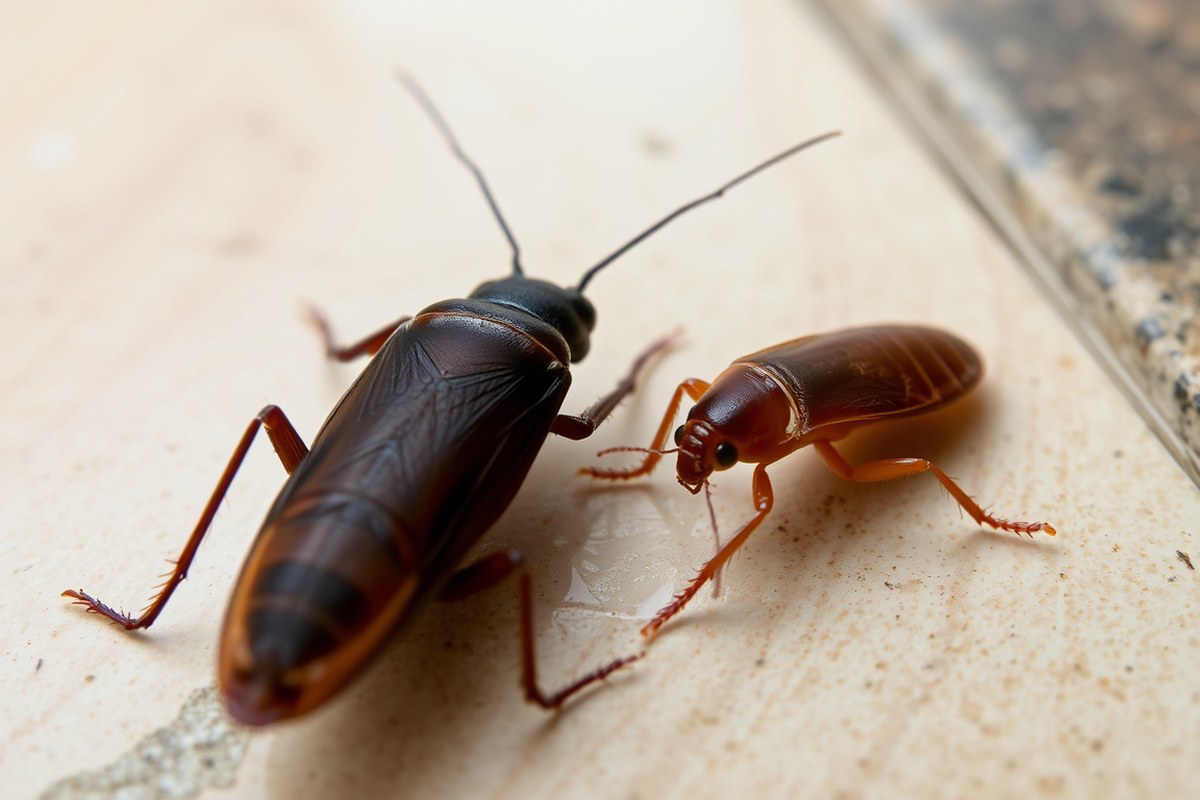
German cockroaches are smaller than most other common roach species, measuring about 1/2 to 5/8 inches long with light brown or tan bodies. Their most distinctive feature is two dark parallel stripes running lengthwise on their pronotum, the area just behind the head. These markings help tell them apart from larger and differently patterned roaches like American cockroaches. Spotting a few small roaches around kitchens or bathrooms increases the chances you’re dealing with German cockroaches since they prefer warm, humid places near food and water.
Recognizing an active infestation requires more than seeing live roaches. Look for droppings that look like pepper or coffee grounds, typically in clusters near hiding spots like behind appliances or under sinks. These droppings are often overlooked but are a key early sign of roach activity. Another giveaway is small, oval-shaped egg cases, usually tan or brown, found tucked into crevices or cracks. These egg capsules can hold 30 to 40 roaches and hatch in about 28 days.
A strong, musty odor may also indicate a heavy infestation. German cockroaches produce a secreted smell that can become noticeable when populations soar. If you begin to notice roaches during the daytime, this is a clear red flag that the infestation is severe. Since these roaches are nocturnal, daytime sightings mean nests are overcrowded, forcing them to move into new areas of your home.
Use this checklist to confirm a German cockroach infestation: one, observe small roaches with two dark stripes on the back; two, find black droppings about the size of coffee grounds; three, locate oval egg cases in hidden, tight spaces; four, detect a persistent musty odor; five, see roaches during daylight hours, especially in kitchen or bathroom areas. These signs together strongly suggest you have German roaches.
Acting promptly after spotting these signs improves your chance of successful control and eradication. Ignoring signs like droppings or eggs allows rapid population growth since German cockroaches can produce three to six generations per year. Early detection means fewer roaches to eliminate and less contamination in your home.
What Attracts German Cockroaches and Where They Hide in Your Home

German cockroaches are attracted to warmth, moisture, and food, which explains why kitchens and bathrooms are their preferred spots. These insects thrive in environments where they can easily find water leaks, food crumbs, and warm hiding places near appliances. Moisture from leaky pipes or standing water creates the perfect humidity they need for survival.
These roaches typically hide in dark, quiet corners close to food and water sources. Crack and crevices near sinks, behind refrigerators, inside cupboards, and around stove burners are common hiding places. They may also rest near heat sources like electrical outlets or under appliances that generate warmth even when off.
Decluttering and sealing food and water access reduces their attraction. Remove food crumbs daily, store food in sealed containers, and fix plumbing leaks quickly. Even a small drip can keep cockroaches present. Reducing clutter around kitchens and bathrooms limits their hiding spaces, making treatment easier and more effective.
- Store dry food in airtight containers and clean spills immediately.
- Fix leaky pipes and remove standing water under sinks.
- Clear out clutter like cardboard boxes and old newspapers.
- Check behind and under kitchen appliances for roach activity.
- Seal cracks and crevices around plumbing and appliances.
- Wipe down counters and mop floors regularly to remove residues.
- Keep trash covered and remove it frequently.
Good results show fewer sightings, no new droppings, and less musty odor. Avoid ignoring minor leaks or crumbs because even small amounts of moisture or food can sustain an infestation for months. In bathrooms, also watch for moisture near bathtubs and toilets, as hidden damp areas provide ideal conditions. Kitchens usually need careful cleaning behind large appliances and in corners, where roaches retreat during the day.
Don’t rely solely on sprays; eliminating food and moisture sources is the foundation of successful German cockroach control.
Step-by-Step Treatment: Cleaning, Chemical Use, and Monitoring for German Roaches
Getting rid of German cockroaches involves a careful combination of cleaning, targeted chemical use, and ongoing monitoring. You need to prepare your home extensively, apply baits and insecticides correctly, and then check regularly to track progress. Following a repeatable treatment schedule improves your chances of eliminating the infestation completely.
Preparing Rooms Surface-By-Surface for Treatment
Proper preparation maximizes the effectiveness of treatments by removing food sources and harborage for roaches. Focus on cleaning areas where roaches hide or feed such as kitchens, bathrooms, and around appliances.
- Remove all food from countertops, cabinets, and floors and store it in airtight containers.
- Wash dirty dishes and empty trash daily to eliminate roach food sources.
- Vacuum and mop floors, paying special attention to cracks, corners, and under appliances.
- Clear clutter where roaches might hide such as stacks of newspapers or cardboard boxes.
- Fix leaks and dry damp areas that provide water for roaches.
- Seal cracks, gaps, and entry points around sinks, baseboards, and pipes using caulk or expanding foam.
Cleaning alone won’t eliminate roaches, but it supports treatment by forcing roaches to consume bait instead of alternative food. The preparation phase requires a few hours of effort and should be repeated before each treatment application to maintain cleanliness.
Applying Bait Stations and Sprays Safely
Bait stations are the most effective DIY chemical treatment for German cockroaches because roaches feed on the poison and carry it back to their nests. Use insect growth regulators (IGRs) alongside baits to disrupt the roach life cycle by preventing young roaches from maturing.
Do not spray insecticides in areas where you place bait stations, as sprays may repel roaches and reduce bait consumption. Instead, use non-repellent insecticide sprays in areas where baits aren’t placed, like behind appliances or cracks where you don’t want to use baits. Here is a reliable step-by-step method for applying chemical treatments:
- Place bait stations in high-activity areas such as under sinks, behind refrigerators, and near baseboards.
- Apply gel baits in cracks, crevices, and wall voids inaccessible to pets and children.
- Use an IGR spray around entry points and common hiding spots, following label instructions carefully.
- Avoid applying sprays directly onto bait stations or food sources.
- Wash hands after handling baits and insecticides and keep children and pets away from treated areas.
Expect initial bait uptake to occur within the first two weeks. Provide enough bait stations to cover all known infestation areas, prices for baits and IGR sprays range from $10 to $30 per item, depending on brand and size.
Weekly Monitoring and Follow-Up Treatments
Monitoring determines how well your treatment is working and when to reapply products. Checking bait stations allows you to see if roaches are feeding, and sticky traps help track their numbers. Follow a consistent schedule:
- Inspect bait stations and sticky traps once a week for signs of roach activity.
- Replenish or replace bait stations as needed if bait is consumed or drying out.
- Clean treated areas gently to avoid removing bait residues but maintain general cleanliness.
- Apply follow-up insect growth regulator sprays and gel bait every 2 to 3 weeks for up to 2 months, depending on infestation severity.
- Continue monitoring for a month after visible roaches vanish to ensure eggs and nymphs are controlled.
Repeated treatments might take 1 to 2 hours each and require regular effort over several weeks. A sustained approach drastically improves your chance of permanent elimination by breaking roaches’ breeding cycle and stopping reinfestation.
Comparing Treatments: Sprays, Baits, Foggers, Traps, and Professional Services
Choosing the right method for German cockroach control depends on your budget, time frame, safety concerns, and infestation severity. Sprays and baits target roaches differently, while foggers and traps have distinct pros and cons. Professional pest control services offer faster and more thorough elimination but at a higher cost. Using a combination of treatments usually produces the best results.
Effectiveness and Cost Overview
Baits and insect growth regulators (IGRs) provide the most effective and lasting control of German roaches because roaches carry poison back to their nests, affecting the entire colony. Sprays can kill roaches on contact but often miss roaches hiding deep in cracks and appliances. Foggers tend to push roaches deeper into hiding spots, reducing later treatment effectiveness. Sticky traps help monitor and capture roaches but do not eliminate infestations on their own.
DIY options generally cost between $20 and $50 per treatment cycle, including baits, sprays, and traps. Professional pest control companies typically charge a minimum of $200 for the initial visit, with follow-ups increasing the cost. The professional approach usually produces visible results within days, while baits and traps may take several weeks to reduce roach numbers significantly.
| Treatment Method | Estimated Cost | Time to See Results | Effectiveness |
|---|---|---|---|
| Roach Baits (e.g., with fipronil or hydramethylnon) | $15, $30 | 1, 3 weeks | High for German cockroaches |
| Sprays (pyrethroids or IGRs) | $10, $25 per can | Immediate to a few days | Moderate; misses hidden roaches |
| Foggers (aerosol bombs) | $15, $30 | Immediate kill on exposed roaches | Low for deep infestations; pushes roaches deeper |
| Sticky Traps (with pheromones) | $5, $20 per pack | Several days to weeks | Moderate for monitoring; low for control alone |
| Professional Pest Control | $200 minimum initial visit | Few days | Highest |
Combining sprays, baits, and traps increases roach elimination rates significantly. Focus baits in areas roaches frequent, such as under sinks and behind appliances. Avoid overreliance on foggers because they can worsen infestations by driving cockroaches into walls.
Safety Considerations for Households
Many sprays contain pyrethroids, which can irritate skin and lungs, so use them sparingly, especially around children and pets. Baits contain chemicals like fipronil or hydramethylnon, which pose lower exposure risk when placed in inaccessible spots. Sticky traps are safe but should be placed away from toddlers and pets to avoid accidental ingestion or interference.
Foggers release airborne toxins that linger and may cause respiratory issues, posing greater risks in homes with pets or children. Always follow label instructions exactly, ventilate the area thoroughly after sprays or foggers, and remove pets during treatment. Using targeted bait stations is generally the safest chemical option for households with pets and kids.
When to Escalate to Professional Treatment
Call a pest control professional if your infestation is widespread, persists after multiple DIY treatments, or if you prefer the fastest, most thorough solution. Professionals access stronger insecticides and effective insect growth regulators, combined with detailed inspection and treatment of hard-to-reach areas where German cockroaches hide.
Large infestations require more than baits or sprays and often need integrated pest management plans including dusts, targeted sprays, and follow-up visits. Professionals also have tools to monitor progress and adjust treatments efficiently, saving time and reducing health risks for your household. DIY treatment works best early or for light infestations, but heavy or ongoing problems benefit from expert help.
German Cockroach Life Cycle and Treatment Timing for Eggs and Nymphs
Getting rid of a German cockroach infestation can take several weeks because their eggs and nymphs require multiple treatment cycles to eliminate. You need to target the entire life cycle by reapplying treatments every 7 to 10 days to catch newly hatched nymphs before they mature. Consistent treatment timing is critical to prevent reinfestation from eggs that survive initial applications.
Stages of Lifecycle and Vulnerabilities
German cockroaches go through three main stages: egg, nymph, and adult. Females produce egg cases called oothecae, each containing up to 40 to 50 eggs. These egg cases are protected until they hatch, making the eggs harder to kill with quick treatments. After hatching, the nymphs go through several molts before becoming adults, a process that can take about 5 to 6 weeks depending on temperature and food availability. Nymphs are smaller and more susceptible to baits and insecticides than adults but require properly timed repeat treatments since they may not encounter the initial pesticide application.
Targeting eggs is important. Because insecticides often don’t penetrate the egg cases, they remain viable through initial treatments. Nymphs during their developmental stages are vulnerable to poison baits and growth regulators, but only if they are actively feeding. Understanding these vulnerabilities helps in scheduling treatment intervals to disrupt the breeding cycle effectively.
Recommended Timeline for Reapplications
After the first treatment, wait 7 to 10 days before reapplying. This timing allows most eggs to hatch into nymphs, which become vulnerable to treatment. Continuing to treat on this schedule for at least 3 to 4 cycles ensures you catch multiple hatches and gradually reduce the population. A standard plan involves treatments every week or every ten days for 4 to 6 weeks until no live roaches or egg cases are found.
For heavy infestations, more frequent applications or combining multiple control methods may be necessary. Monitoring the population with sticky traps between treatments helps verify if the schedule is effective or needs adjustment. Maintaining strict cleanliness between applications reduces food and water sources, making treatments more effective.
Why Multiple Treatments Are Essential
One treatment rarely gets rid of a German cockroach infestation because eggs survive initial sprays and some nymphs escape exposure. The rapid reproduction rate means a missed ootheca can hatch dozens of new roaches quickly. About 75 percent of an infestation’s population is usually immature nymphs, which require ongoing treatment to control.
Repeated treatments ensure that newly emerged nymphs encounter poisoned bait or insecticides before they mature, breaking the cycle of reproduction. This approach also accounts for roaches hiding in difficult spots or resistant individuals. Without multiple well-timed treatments, you risk a fast rebound of the population, making control costlier and more frustrating.
Reapply treatments every 7 to 10 days for at least a month to cover hatching eggs and vulnerable nymphs thoroughly.
Common Mistakes in German Roach Control and How to Avoid Them
One of the biggest mistakes in German roach control is skipping thorough cleaning before treatment. German cockroaches thrive where food scraps, grease, and crumbs accumulate. Without cleaning surfaces, vacuuming cracks, and removing clutter, baits and insecticides won’t reach the roaches’ hiding spots effectively. This lowers the chance of killing the majority of the population and encourages their return. To fix this, spend extra time scrubbing kitchen counters, floors, and pantry shelves. Remove trash daily and store food in sealed containers.
Another common error is not targeting known hiding spots behind appliances, inside cabinets, wall cracks, or under baseboards. German cockroaches prefer tight, dark spaces, so applying treatments only in obvious open areas leaves many roaches untouched. Use a flashlight to inspect less visible areas. Apply gel baits or non-repellent insecticides directly into cracks and crevices where cockroaches shelter. Avoid using repellent sprays that just chase roaches away instead of killing them.
- Thoroughly clean and declutter kitchen and bathroom areas before treatment
- Apply baits and insecticides in cracks, behind appliances, and baseboards
- Use non-repellent insecticides to avoid scaring roaches from treated areas
- Follow up treatments every 7 to 10 days to kill newly hatched roaches
- Monitor roach activity with sticky traps to track treatment effectiveness
- Adapt treatment frequency during warmer months when roach activity peaks
- Consider professional help for moderate to heavy infestations
Adequate follow-up is important because one treatment rarely eradicates all life stages of the German roach. Eggs can survive initial applications and hatch within two to four weeks depending on temperature. Repeat treatments at least twice within 30 days kill developing nymphs before they reproduce. If your first treatment doesn’t reduce roach numbers noticeably, reassess treatment placement or consider switching products.
Seasonal and regional factors can influence control success. German cockroaches reproduce faster above 70°F, so infestations often worsen during warm months. In southern states, year-round warmth means continuous control measures. Northern or cooler areas may see infestations slow in winter but need attention as temperatures rise. Adjust treatment timing by increasing monitoring and follow-ups in spring and summer when roach populations expand.
Health Risks and Safety Precautions When Treating German Cockroach Infestations
German cockroaches pose significant health risks, particularly in homes with children and pets. They are linked to spreading bacteria and pathogens responsible for food poisoning, diarrhea, and other illnesses. These roaches also trigger allergic reactions and asthma, especially in sensitive individuals. Controlling their population is critical to prevent these health problems and maintain a safe living environment.
Using insecticides and baits to eliminate German cockroaches is generally safe when applied correctly, but extra care is needed around children and pets. Products like gel baits are an effective treatment option because they contain less airborne insecticide than sprays, reducing exposure risks. Apply gel baits in cracks, crevices, and other roach hiding places, avoiding areas reachable by kids or animals. Cleaning up food residues beforehand improve the bait’s attractiveness to roaches, increasing treatment success.
Boric acid is another common insecticide but requires caution. Use only a light dusting behind appliances, under sinks, and inside cabinets, places inaccessible to children and pets. Direct contact or ingestion can be harmful. Always follow product label instructions precisely, and clean any treated surfaces before allowing children or pets contact with those areas again. Remove pet food bowls and toys from treatment zones to prevent accidental contamination.
Aerosol sprays can offer fast knockdown but are best reserved for targeted spots during the treatment phase, such as crevices behind stoves or refrigerators. Avoid widespread spraying, especially around pets’ resting areas or children’s play spaces, and ensure rooms are well ventilated afterward. Use sprays primarily to complement baits and dusts rather than as the sole treatment.
Monitoring the effectiveness of your chosen treatment is necessary, as German cockroaches can develop resistance to chemicals. Set sticky traps near treatment sites to check if roach activity decreases; if it doesn’t within two weeks, consider switching products or methods. For severe infestations, professional pest control services may be required, particularly if household members have respiratory conditions or pets are nursing or very young.
Costs vary depending on the products used. Gel baits typically cost between $10 and $20 per tube, with a single tube often sufficient for an entire kitchen treatment. Boric acid dust is inexpensive, around $8 to $15 per container, but only a light application is needed. Aerosol sprays cost roughly $5 to $15 per can. Long-term effectiveness improves with ongoing monitoring and periodic spot treatments, which prevent reinfestation without recurring full-scale chemical use.
In every scenario, keep insecticides out of reach, use gloves and wash hands after application, and store all products safely. This approach limits risks while controlling cockroach populations effectively, safeguarding the health of your family and pets.
Preventing Future German Cockroach Infestations and Long-Term Maintenance
German cockroaches can come back after treatment if the conditions that supported their infestation are not changed. Preventing re-infestation focuses on ongoing sanitation, sealing entry points, and regularly monitoring for signs of roaches. The kitchen and bathroom require special attention because these areas provide food, water, and hiding places.
Keeping your kitchen and bathroom clean and dry is essential. Wipe up crumbs, spills, and grease daily, especially around sinks, stoves, and countertops. Fix any plumbing leaks and avoid leaving water standing in sinks or pet dishes overnight. Remove clutter such as stacks of newspapers or cardboard boxes where roaches can hide.
Exclusion methods prevent German cockroaches from entering or spreading within your home. Check cabinets and baseboards for cracks and gaps. Use silicone caulk or expandable foam to seal holes around pipes, electrical outlets, appliances, and the void under cabinets. For gaps around doors and windows, install weather stripping or door sweeps.
Monitoring keeps you alerted to any returning roaches, allowing you to react early. Set up sticky traps under cabinets and near plumbing every few weeks, especially before bedtime when roaches are most active. Check traps regularly to identify early signs, which can help avoid a full-blown infestation.
- Daily wipe-down of kitchen counters, stove, and sink areas.
- Fix all leaks and do not leave standing water in pet bowls or sinks overnight.
- Seal cracks around pipes and baseboards with silicone caulk.
- Reduce clutter where roaches can hide, especially cardboard and paper.
- Use sticky traps in kitchens and bathrooms at least once a month to monitor.
- Store food in airtight containers and avoid leaving food uncovered.
- Regularly take out garbage and clean bins to remove food odors.
Roaches need only a small amount of water to survive, so even slight dampness encourages them to return; keeping surfaces dry is as important as cleaning.
Effective prevention takes time and consistency. Costs are mostly in materials like caulk ($5, $10 per tube) and traps ($5, $15 for a pack). Persistent effort to maintain cleanliness and sealing can stop most infestations before they start. In more severe cases, professional pest control may be needed to ensure roaches don’t come back, especially if your home has multiple entry points or neighbors with infestations.
Step-by-Step Action Plan to Get Rid of German Roaches
Follow this plan to identify, treat, and prevent German cockroach infestations efficiently. Each step builds on the last to ensure you remove roaches and keep them away.
- Before You Start: Inspect your home using a flashlight to spot small, tan cockroaches near heat, moisture, and food sources. Look for droppings and shed skins in kitchens and bathrooms. Knowing their hiding spots ensures targeted treatment.
- Day 1: Clean thoroughly to remove crumbs, grease, and clutter from counters, floors, and cabinets. Pay attention to sinks and under appliances. Success means no new food or water sources left to attract roaches.
- Day 2: Apply bait stations or gel baits in cracks and near identified hiding places. Avoid sprays at this stage to prevent scattering roaches. Check baits regularly to confirm they are being consumed.
- Day 4: Use residual insecticide sprays on edges and baseboards if baits alone aren’t reducing roach activity. Follow label safety instructions closely. Effectiveness shows in fewer sightings over the next week.
- Week 2: Place glue traps in multiple areas to monitor population levels. Compare trap counts weekly; a drop means the treatment is working.
- Week 3: Repeat bait and spray treatments if necessary, focusing on any remaining active areas. Persistent activity suggests eggs are hatching, so stay consistent with treatment.
- Week 4 and Beyond: Maintain strict cleanliness and remove moisture sources to prevent re-infestation. Regularly inspect and replace baits or traps as needed. No new droppings or roach sightings after this point indicate success.
Frequently Asked Questions
Are German Cockroaches the Hardest to Get Rid Of?
German cockroaches are among the hardest to eliminate due to their rapid breeding and hiding habits. They prefer dark, moist places, making consistent treatment and thorough cleaning essential for control.
What 100% Gets Rid of Roaches?
No single method guarantees 100% roach elimination. Combining sanitation, bait stations, insect growth regulators, and sometimes professional pest control offers the best results.
Will German Roaches Go Away on Their Own?
German roaches rarely disappear without intervention because they reproduce quickly and thrive in homes with food and water sources. Active treatment is necessary to remove them.
What Is the Most Effective Way to Get Rid of German Cockroaches?
Using bait stations combined with insect growth regulators and regular cleaning works best. Baits poison roaches that then carry the poison back to their nests, targeting the entire colony.
How Long Does It Take to See Results from German Cockroach Treatments?
Results usually appear within a week, but complete elimination can take several weeks depending on infestation size and treatment effectiveness.
Can I Use Household Cleaners to Kill German Roaches?
Household cleaners may kill roaches on contact but don’t eliminate colonies or eggs; specialized baits and insecticides are more effective.
Key Points to Remember
Effective removal of German cockroaches depends on consistent cleaning and targeted treatments combined with ongoing monitoring. You can start by thoroughly cleaning your kitchen and sealing food in airtight containers to reduce what attracts these pests. Taking this step today sets a strong foundation for blocking their food sources and limits places they can hide while you work through treatment options.


2 Comments