How to Get Rid of Roaches Overnight: Effective, Safe, Fast Methods
You can reduce roach activity significantly overnight by using fast-acting DIY treatments like bait stations, sealing entry points, and cleaning up food sources. Combining these steps with safe, effective methods such as neem oil or diatomaceous earth helps control roaches quickly while preventing future infestations. Quick roach elimination requires both immediate action and addressing underlying attractants in your home.
This information is for homeowners, renters, and DIY enthusiasts looking for practical, safe ways to get rid of roaches overnight. The article covers identifying roach species, proven overnight treatments, sealing techniques, risks of certain products, when to call professionals, and tips for keeping roaches away after treatment.
Key Takeaways
- Complete roach elimination overnight is unlikely; fast-acting treatments reduce numbers but require follow-up steps for full control.
- Identify your roach species like American or Asian to select the most effective treatment products and methods.
- Baking soda kills roaches within 12 to 24 hours after ingestion, making it a simple DIY overnight solution.
- Seal cracks and entry points to block roach access and improve the effectiveness of overnight treatments.
- Bait stations trap and kill roaches in 48 to 96 hours, providing ongoing control beyond overnight use.
- Bug bombs offer instant kill but pose health risks and usually fail to eliminate roach infestations fully.
Can You Really Get Rid of Roaches Overnight?
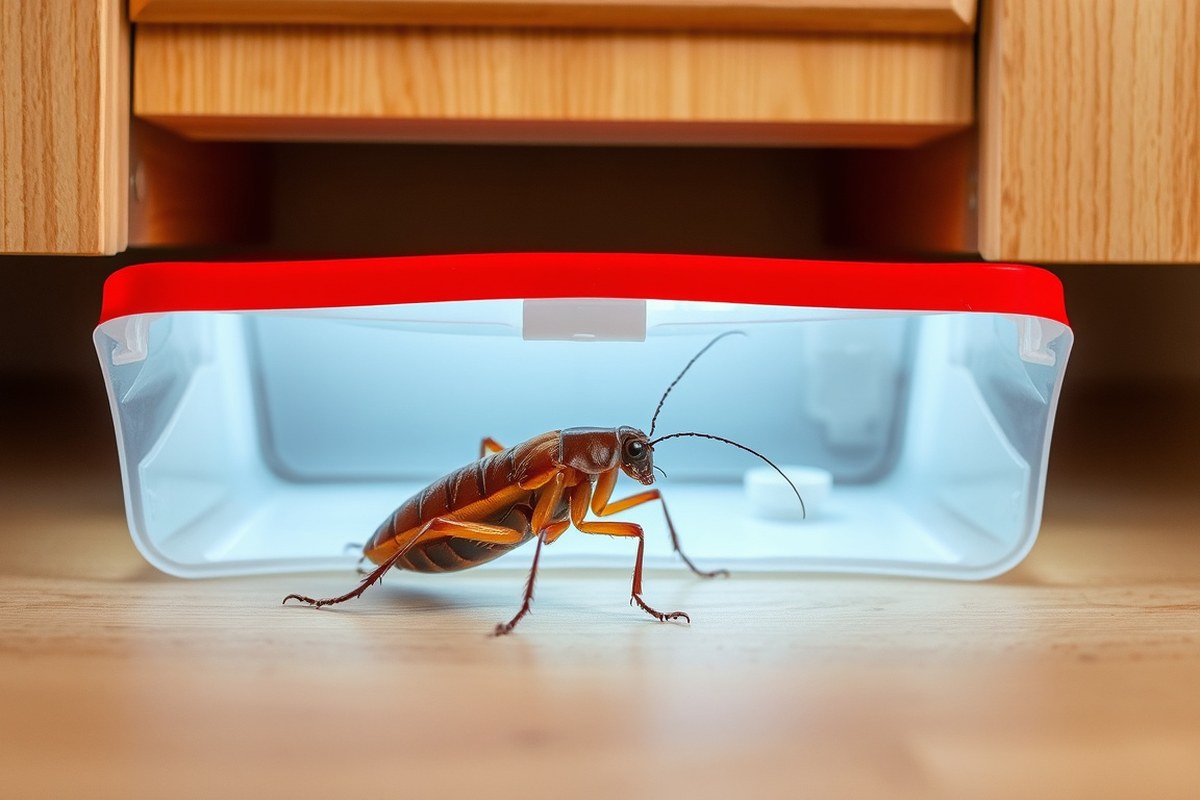
Completely eliminating roaches overnight using DIY methods is unlikely because of their biology and behavior. Most home treatments focus on killing visible roaches quickly, not the entire population hidden in walls or crevices. For example, baking soda takes about 12 to 24 hours to kill roaches after they eat it, as it reacts inside their digestive system and causes fatal damage. Boric acid works somewhat faster, damaging the roaches’ exoskeleton when they touch it and spreading to others in the nest, but it still requires repeated application every 2 to 3 days to reduce numbers significantly.
Roaches are nocturnal and most active at night, so applying treatments just before or during their active period increases the chances they’ll contact bait or powder. Targeting warm spots where roaches seek food and water helps improve results. For instance, placing a jar water trap near pipes or next to appliances can catch some roaches overnight but should be reset daily. Spray treatments or powders placed in these areas work best when left undisturbed overnight, as roaches spend hours in hiding during the day.
The effectiveness and speed of roach control depend heavily on the infestation size, species present, and treatment choice. German cockroaches, which breed rapidly, may require more persistent effort over several days even with fast-acting baits. Treatments like boric acid mixed with sugar or peanut butter tempt roaches to eat the bait and then spread powder to others, eventually killing many but not instantly. In contrast, simple baking soda and sugar mixtures are better suited for smaller infestations and mostly kill those that directly consume it.
Expect noticeable reductions in roach activity overnight if you apply treatments strategically around known hiding places and feeding zones. However, completely clearing an infestation needs several treatment cycles and ongoing sanitation. Roaches hiding deep inside walls or behind appliances might not contact baits immediately. Maintaining cleanliness by removing food crumbs, sealing entry points, and keeping moisture low complements any overnight treatment and speeds results. While some roaches die within 24 hours, full population control typically takes days to weeks using DIY approaches.
Identifying Cockroach Species to Choose the Best Treatment
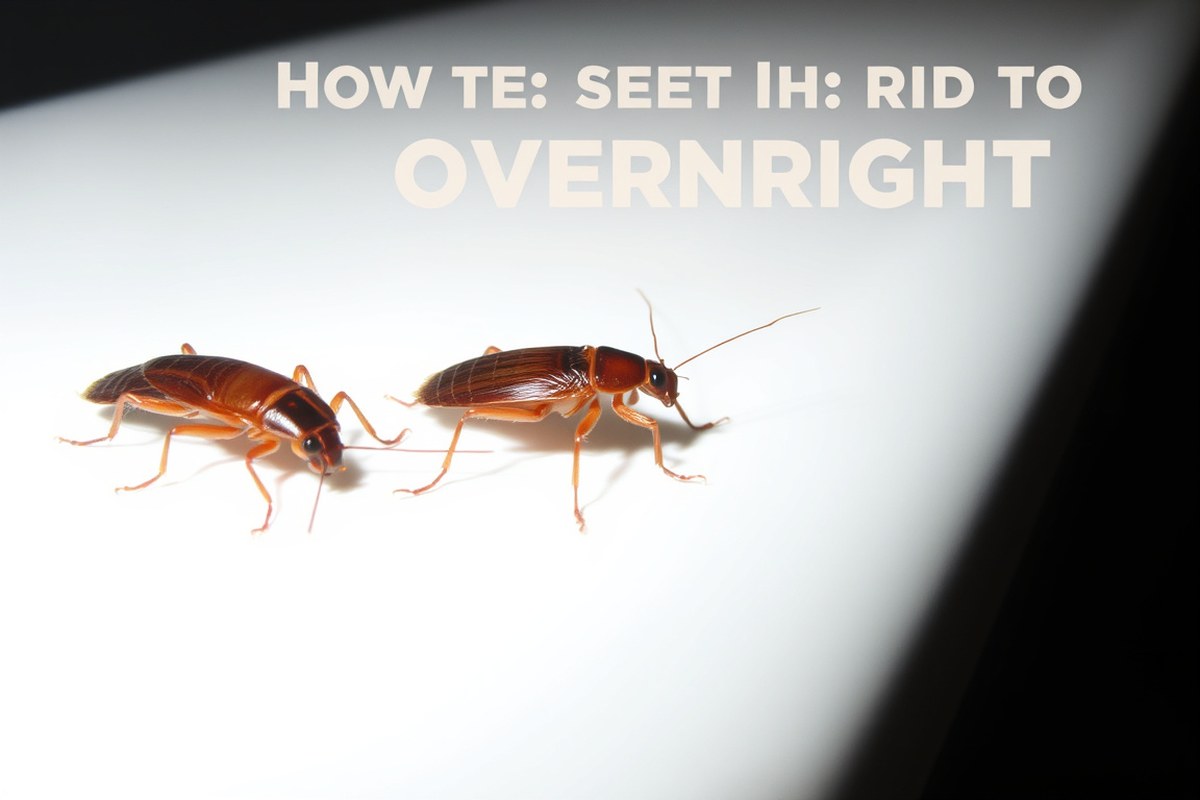
Identifying the species of cockroach in your home is important for selecting the most effective overnight treatment. Different species vary greatly in size, behavior, and preferred habitats, which influence how you should control them. The two most common species are German cockroaches and American cockroaches, each requiring a tailored approach.
Key Characteristics of German Cockroaches
German cockroaches are small, typically about 1/2 to 5/8 inch long. They have two dark, parallel stripes running down their light brown or tan backs. These roaches prefer warm, humid indoor environments like kitchens and bathrooms, often hiding in cracks and crevices during the day.
German cockroaches reproduce rapidly, making infestations worse if untreated. Their small size allows them to hide in narrow spaces and makes bait gels especially effective since they travel along defined paths near food and water sources. Identifying German cockroaches helps you know to focus treatments indoors, especially with bait placements near hiding spots.
Features of American Cockroaches
American cockroaches are larger, about 1 1/4 to 2 inches in length, and reddish-brown with a yellowish figure-8 pattern on the back of their heads. Unlike German roaches, they prefer moist outdoor environments but often enter homes through crawl spaces, basements, and drainage lines.
Because American cockroaches are bigger and tend to roam outdoors or in basements, immediate indoor baiting may not be enough. Treatment plans include sealing entry points and treating larger, damp areas. Their size means they are easier to identify visually but require different insecticides and methods than German roaches.
Seasonal and Regional Roach Behavior
Roach activity and treatment success vary by season and region. German roaches thrive year-round inside homes, while American roaches often invade indoors during colder months or wet seasons. In warmer southern states, American roaches may be more common due to the humid climate favoring their survival outdoors.
Treatment timing can affect overnight control. Winter may reduce breeding but drive roaches indoors, requiring more aggressive indoor control. Summer increases overall roach activity but offers more outdoor treatment opportunities to limit infestations at the source. Understanding local roach behavior helps you anticipate where to focus your efforts. Follow these steps to identify your roach type before starting treatment:
- Locate the roaches by inspecting kitchens, bathrooms, basements, and crawl spaces at night or with a flashlight.
- Measure or compare their size to a ruler; less than 5/8 inch points to German roaches, larger suggests American roaches.
- Observe coloration and markings: note stripes for German roaches and reddish brown with a yellow figure-8 for American.
- Check where you find them: mostly indoors hiding in cracks for German roaches, near moist outdoor openings for American.
- Look for egg cases and droppings; German roaches have small, oval egg cases often found in cabinets.
- Note any seasonal patterns in sightings, which can help confirm species and guide treatment timing.
- Consult local pest control resources or call a professional if uncertain about identification.
Proper identification ensures you choose treatments designed for the specific cockroach species, increasing your chances of overnight success and long-term control.
Fast-Acting DIY Treatments for Overnight Roach Elimination
Quickly eliminating roaches overnight requires fast-acting and safe DIY methods like boric acid and baking soda baits, homemade sprays, and essential oils. These options balance effectiveness with safety, making them suitable for homes with children and pets. Using these treatments correctly can dramatically reduce roach activity within hours.
Using Boric Acid and Baking Soda Baits
Boric acid and baking soda are among the most effective substances for home cockroach control. Boric acid acts as a poison that affects roach nervous systems after ingestion, offering a potent kill when applied in thin layers around entry points and baseboards. Baking soda, when mixed with sugar, creates a bait that is safe for homes with children and pets because it kills roaches by reacting with their stomach acid.
To make and deploy DIY bait stations, mix baking soda with an equal part of sugar to attract the roaches. Place small piles or shallow dishes of this mixture near cabinets, sinks, and cracks. For boric acid bait, combine two parts boric acid powder with one part flour or sugar to lure roaches. Apply a thin layer along baseboards or in cracks where roaches travel.
- Clean the target areas thoroughly to remove food debris and grease that could distract roaches from the bait.
- Mix baking soda and sugar in equal parts or mix two parts boric acid powder with one part flour to create bait.
- Place small piles or shallow containers of the bait around kitchen cabinets, baseboards, entry points, and under appliances.
- Keep bait out of reach of pets and children to prevent accidental ingestion.
- Check bait stations daily and replenish as needed for consistent control.
- Maintain good sanitation to improve bait effectiveness by encouraging roaches to consume the bait.
Effective Homemade Roach Sprays Recipes
Simple sprays made from household ingredients offer a quick way to repel and kill roaches on contact. Vinegar-based and essential oil sprays combine cleaning and repellent properties. For instance, a mix of water, white vinegar, and a few drops of peppermint or eucalyptus oil creates a spray that discourages roaches while being safe around the home. Homemade roach spray recipe example:
- 1 cup water
- 1 cup white vinegar
- 15 drops peppermint essential oil
Combine ingredients in a spray bottle, shake well, and apply directly to areas where roaches hide, such as cracks, corners, and behind appliances. The spray kills roaches on contact and deters future activity.
Natural Essential Oils That Repel Roaches
Strong-smelling essential oils like peppermint, tea tree, eucalyptus, and citrus oils work well as natural roach repellents. Their strong aromas interfere with roaches’ sensory receptors, discouraging them from entering treated areas. Peppermint oil is especially effective and safe for use around children and pets. Use essential oils in these ways:
- Add 10-15 drops of peppermint or eucalyptus oil to water and spray around baseboards, doorframes, and cabinets.
- Place soaked cotton balls with these oils near roach entry points and hiding places.
- Use an essential oil diffuser in commonly infested rooms for ongoing, chemical-free deterrence.
Regular application every few days improves repellency and helps maintain a roach-unfriendly environment.
Safe Application Tips Around Pets and Children
Even DIY roach treatments require caution to avoid exposing children and pets to potentially harmful substances. Baking soda is generally safe but should still be used sparingly and placed where it won’t be eaten by pets or kids. Boric acid can be effective but may pose health risks if ingested, so limit its application to inaccessible cracks and behind appliances.
Keep sprays and essential oil treatments out of the reach of children and pets. Use sprays sparingly and avoid directly spraying on pet bedding or play areas. Always monitor pets and children after applying baits or sprays to ensure they do not interfere with or consume these materials. Regularly clean up excess baits or residues and replace them only when necessary to maintain safety and efficacy.
How to Seal Entry Points and Clean for Quick Roach Control
Sealing entry points plays a helpful but limited role in eliminating roaches overnight. It primarily acts as prevention by blocking spots where roaches enter your home, like cracks near doors, windows, and plumbing penetrations. While sealing won’t kill roaches hiding inside, it reduces new arrivals and limits their movement, which supports faster control when combined with cleaning and treatments.
Cleaning and removing food and water sources are critical for overnight roach control. Cockroaches need access to these essentials to survive, so eliminating crumbs, grease, pet food, and standing water can quickly decrease their activity. Clean surfaces and dry areas around sinks and appliances deprive roaches of survival resources, forcing them to wander less and increasing their exposure to treatments.
Focus your efforts on areas where roaches commonly travel and hide. Kitchens, bathrooms, cracks along baseboards, under sinks, and inside cabinets are prime targets. Cleaning these zones thoroughly and sealing gaps here prevents roaches from accessing food and water, and makes treatments like baits and sprays more effective overnight. Here’s a checklist to help seal entry points and clean for quicker roach control:
- Seal cracks and gaps around doors, windows, pipes, and vents using silicone caulk or weather stripping.
- Store pantry foods in airtight containers to block easy access.
- Clean kitchen counters, floors, and behind appliances daily to remove crumbs and grease.
- Fix any leaky faucets or pipes to eliminate moisture.
- Use a vacuum or mop to remove debris from baseboards and cabinets.
- Remove clutter and cardboard boxes that serve as shelters.
- Apply diluted essential oil spray (e.g., peppermint or tea tree) around entry points for added deterrence.
Sealing entry points requires minimal cost, caulk tubes and weather stripping usually range from $5 to $15 each at hardware stores. Cleaning mostly depends on your current routine, though investing time in daily wipe-downs and decluttering speeds up results. Thorough sealing and cleaning reduce roach activity overnight by cutting off their access to essentials and shelter, which helps your treatments work faster and improves your chances of seeing fewer roaches by morning.
Using Bait Stations and Traps for Rapid Roach Reduction
Using bait stations and traps can significantly reduce roach numbers overnight by attracting and poisoning them. Baits typically take 2 to 4 days to kill roaches but start reducing visible activity quickly. Correct placement near hiding spots and food sources helps target roaches that are hard to reach with sprays.
Types of Cockroach Baits and How They Work
Cockroach baits come mainly in gel and bait station forms. Gel baits are applied in small dots or lines inside cabinets and behind appliances where roaches crawl. Bait stations are enclosed containers with poison inside that roaches enter to feed.
These baits contain slow-acting insecticides that roaches carry back to their nest, killing others in the colony for broader control. Most baits need about 48 to 96 hours to fully eliminate the roaches that consume them. Sticky glue traps capture roaches but don’t kill them, so they serve better as monitoring tools than control methods.
| Bait Type | Application | Effectiveness Timeframe | Best Use |
|---|---|---|---|
| Gel Baits | Apply dots or lines inside cabinets, under sinks | 2 to 4 days | Hiding spots with difficult access |
| Bait Stations | Place near baseboards, behind appliances | 2 to 4 days | Areas with active roach traffic |
| Sticky Traps | Place in corners or dark areas | Immediate capture but no poison | Monitoring and detection |
Optimal Placement Strategies for Fast Results
Position bait stations and gel baits near roach hiding spots to lure them effectively. Roaches prefer dark, moist, and warm places such as under sinks, behind appliances, and along baseboards in kitchens and bathrooms. Place baits within a few feet of these areas to maximize encounters.
Check your kitchen for food spills, unsealed pantry items, and leftover pet food or water. Roaches will eat any leftover food and supply themselves from pet water bowls overnight. Remove these temptations or seal pet food and water at night to encourage roaches to feed on the bait instead. Steps to correctly place bait stations and gels:
- Inspect your kitchen and bathroom for common roach hiding places.
- Clean visible spills and store food in sealed containers to limit other food sources.
- Set bait stations along walls, near sinks, behind the refrigerator, and near trash bins.
- Apply small dabs of gel bait inside cabinets, under sinks, and behind stoves where sprays won’t reach.
- Put sticky traps in corners and near entry points to monitor activity.
- Remove or refresh baits every 3 to 4 days to maintain effectiveness.
Do not place baits in areas easily accessible to pets or children; tamper-proof bait stations are safer for home use.
Managing Hidden Roaches in Walls and Cabinets
Roaches that hide inside wall voids, behind cabinets, or in plumbing spaces are harder to reach with sprays and foggers. In these locations, applying insecticidal dust is effective. Dusts like boric acid or professional insecticidal powders can be puffed into cracks, wall voids, and plumbing access points. The dust sticks to roaches as they pass through and kills them later.
Use gel baits alongside dust to attract roaches out of hiding. Since baits take up to 4 days to kill, you’ll start seeing fewer roaches soon but complete elimination may take longer for hidden nests. Check for signs of roach activity regularly and repeat treatments if needed.
Keep in mind that leftover food and standing water can let roaches survive even when bait is present. Remove pet water bowls or provide water only during feeding times, and clean up food debris nightly. Limiting alternative water and food sources forces roaches to feed on baits for faster control.
Risks and Limitations of Bug Bombs and Instant Kill Products
Bug bombs, also known as total-release foggers, often seem like a quick fix for roach problems, but they come with significant drawbacks. These foggers release a pesticide mist that kills roaches on contact, but the reach is limited. Cockroaches hiding inside cracks, behind appliances, or in wall voids often avoid exposure. As a result, bug bombs might kill a few visible roaches, yet fail to control the infestation adequately or prevent a return. Overreliance on foggers can lead to false confidence and delayed effective treatment.
Besides limited effectiveness, bug bombs carry safety risks. The pesticide mist is flammable and can cause explosions or house fires if pilot lights, cigarettes, or sparks are present. Reports over recent years have confirmed injuries caused by improper use of foggers. Using these in homes with pets increases the risk of poisoning unless all animals are removed during treatment and the space is thoroughly ventilated afterward. It’s best to avoid bug bombs when pets or children live in the home.
Quick-kill sprays have a faster effect but share some of the same limitations. Sprays may kill visible roaches immediately, which can feel satisfying, but they do not address roaches hidden inside inaccessible spaces. Sprays containing insect growth regulators (IGRs) combined with baits provide better results. IGRs disrupt roach breeding, gradually reducing the population. Unlike sprays or foggers, baits work well near pet areas when used carefully.
Mistakes in using these products often stem from misunderstanding their appropriate use. Applying bug bombs repeatedly, failing to remove food and clutter beforehand, or neglecting cleaning after treatment reduces effectiveness and may increase pesticide exposure. Sprays used indoors without ventilation risk respiratory irritation. Some try using household items like isopropyl alcohol to kill roaches, but this only kills on contact and does nothing to control infestations. Here is a simple comparison of bug bombs versus quick sprays with baits for overnight roach control:
| Aspect | Bug Bombs (Foggers) | Quick Sprays + Baits |
|---|---|---|
| Immediate Kill | Kills only exposed roaches | Kills visible roaches on contact |
| Long-Term Effectiveness | Poor; roaches in hiding survive | Better with use of baits and IGRs |
| Safety Risks | High; flammable, can cause fires | Moderate; risk from chemical exposure |
| Pet Safety | Not recommended; pets must be removed | Use baits placed where pets can’t reach |
| Cost | $10, $25 per fogger | $6, $15 for spray plus $5, $20 for baits |
For pet owners, the safest approach involves avoiding foggers entirely. Instead, place bait stations in corners or under sinks where pets cannot access. Use sprays labeled as safe for pets, and always follow label directions strictly. Remove pet food before treatment and isolate pets in a safe area if using sprays.
A sound plan includes thorough cleaning to remove food and grease, sealing cracks and entry points, and combining baits with targeted sprays. Resist the temptation to rely solely on instant-kill methods, which often leave behind eggs and roaches in hiding. Results look best when visible roaches decrease within a day and continue dropping over the following week as baits take effect.
When to Call a Professional Pest Controller
Calling a professional pest controller becomes necessary when your efforts to get rid of roaches overnight repeatedly fail or the infestation seems to worsen. If you keep seeing roaches despite using baits, traps, or home remedies for several days, or if evidence like egg casings, droppings, or foul odors spread throughout multiple rooms, the problem likely exceeds what DIY treatments can handle. Severe infestations often require expert intervention because professionals can target the root causes hidden within walls, drains, or vents that typical home methods might miss.
Knowing when to contact a pro can save time and money in the long run. Persistent or growing roach activity after 3 to 5 days of treatment signals that professional pest control is needed. Larger homes, multi-unit buildings, or properties close to food service establishments might experience reinfestation faster, so early consultation helps. Costs vary by region and infestation size, ranging from roughly $150 to $500 per treatment, but addressing the issue promptly reduces repeated expenses and ongoing nuisance.
Before calling, prepare by gathering details to help the pest controller understand the scope. Note how many roaches you’ve seen, where and when sightings occur, the treatment methods and products you’ve already tried, and any signs like droppings or egg cases. This info speeds diagnosis and treatment planning. Describe your home type (apartment, single-family house), the infestation’s duration, and any particular locations heavily affected, such as kitchen cabinets or bathroom pipes. Here is a simple script you can use when contacting a professional pest controller:
“Hello, I’m calling about a cockroach infestation in my home. I’ve noticed roaches mostly in the kitchen and bathroom for the past week. I’ve tried bait stations and cleaning thoroughly, but the problem persists and I continue seeing roaches daily. There are also droppings near the sink and some egg casings inside cabinets. I live in a two-bedroom apartment. Could you advise on scheduling an inspection and treatment? What should I prepare for your visit?”
Good results from professional treatment include a significant drop in visible roaches within 24 to 48 hours and elimination of droppings and odors. Follow-up visits might be necessary depending on infestation severity. Poor outcomes usually stem from untreated entry points or poor sanitation that allow reinfestation, so continuing prevention is important even after treatment.
Preventing Roach Return After Overnight Treatment
Maintaining a roach-free home after overnight treatment depends heavily on ongoing cleanliness and controlling your environment. Roaches need food, water, and shelter to survive, so removing these essentials is key to keeping them away. Cleaning up food crumbs immediately after meals, sealing food in airtight containers, and washing dishes promptly prevent roaches from finding food sources. Since roaches are strongly attracted to moisture, fixing leaks and wiping down wet surfaces reduces available water. This costs little beyond routine maintenance but pays off by cutting off roaches’ most critical needs.
Environmental factors like humidity and temperature also affect roach activity. Roaches thrive in warm, humid conditions with temperatures between 70°F and 90°F being ideal. Lowering indoor humidity below 50 percent using dehumidifiers or air conditioning can make your home less hospitable. Proper ventilation in bathrooms, kitchens, and basements helps maintain drier air. Controlling these conditions can slow roach reproduction and deter their return after treatment.
Seasonal variations influence how often you might see roaches and how effective overnight treatments are. In warmer months, roaches become more active and reproduce faster, increasing the risk of reinfestation. During cold weather, roaches tend to hide indoors close to heat and water sources, so focus on sealing cracks and removing clutter to minimize hiding spots. Increased vigilance in spring and summer, combined with habit changes, offers the best long-term control. Use this checklist to maintain your home environment for long-term roach prevention:
- Clean kitchen surfaces and floors daily to remove food residues
- Store food in sealed containers and avoid leaving pet food out overnight
- Fix leaking faucets, pipes, and condensation issues promptly
- Reduce indoor humidity using fans or dehumidifiers
- Seal cracks, crevices, and gaps around doors and windows
- Remove clutter where roaches can hide, especially cardboard and paper stacks
- Keep garbage in sealed containers and dispose of it regularly
Even small water drips can sustain roaches; checking under sinks and behind appliances weekly can stop new infestations from developing.
Good results from these steps usually show in a noticeable drop in roach sightings within two to four weeks following overnight treatment. When roaches persist, missed water leaks or food sources often explain continued activity. Outdoor factors matter for species like the American roach, which prefer to live outside. Keep yard debris, mulch, and firewood stored away from your home’s foundation to reduce outdoor attraction.
Step-by-Step Action Plan to Get Rid of Roaches Overnight
Follow these clear steps to quickly reduce roaches using safe, effective methods and keep them from coming back.
- Before You Start: Identify the cockroach species to select the most effective treatment products. Knowing the species helps you choose baits or traps that work best, increasing your chances of a quick kill.
- Night 1: Apply fast-acting DIY treatments like gel baits in areas where you see roach activity. Check for reduced roach sightings by morning to confirm effectiveness.
- Night 1: Set bait stations and sticky traps near roach hiding spots such as kitchen corners, behind appliances, and along baseboards. Fewer trapped roaches overnight indicate progress.
- Next Morning: Thoroughly clean your kitchen and bathroom to remove food crumbs, grease, and water sources. Roach activity should begin to decrease as their attractants disappear.
- Day 2: Seal cracks and entry points around doors, windows, and pipes using caulk or weatherstripping. Reduced new roach appearances over the next day means you’re blocking their access effectively.
- Within 48 Hours: Avoid bug bombs or instant kill sprays unless recommended by a professional, due to safety risks and limited lasting effect. If roaches persist despite your efforts, plan to call a licensed pest controller for targeted treatment.
- Ongoing: Maintain cleanliness and monitor traps to prevent roach return. Sustained absence of roaches over one to two weeks shows your control efforts are holding.
Frequently Asked Questions
What Kills Roaches Immediately?
Insecticide sprays with fast-acting chemicals can kill roaches on contact, but they don’t eliminate the entire infestation. Use sprays for visible roaches while combining other methods to stop the problem at its source.
What 100% Gets Rid of Roaches?
No single method guarantees complete removal instantly. Combining thorough cleaning, sealing entry points, bait stations, and professional help offers the best chance to fully rid your home of roaches.
What Smell Do Roaches Absolutely Hate?
Roaches dislike strong scents like peppermint, eucalyptus, and citrus oils, which can repel them temporarily. Use these essential oils sparingly to deter roaches but rely on other methods for lasting control.
What Is a Cockroaches’ Biggest Weakness?
Cockroaches are vulnerable to dehydration, so diatomaceous earth can kill them by damaging their exoskeletons and drying them out. This method takes time and works best combined with other treatments.
Can Roaches Survive Without Food but with Water?
Yes, roaches can live weeks without food but only a few days without water, so cutting off water sources helps control them quickly.
How Fast Do Roach Baits Work?
Roach baits typically reduce roach numbers within a few days, not overnight, because roaches need time to find and consume the poison.
Key Points to Remember
Getting rid of roaches overnight is possible with the right combination of fast-acting treatments and proper home preparation. Start by setting bait stations in key areas like kitchens and bathrooms tonight to catch and kill roaches quickly. This simple step can give you a noticeable reduction by morning and set the foundation for longer-term control.