What Is Pest Control at Home: A Complete Guide with Proven DIY Tips
Pest control at home involves managing or eliminating unwanted insects, rodents, and other pests that invade your living space. It combines identification of common household pests, using safe DIY treatments, and preventing infestations to protect your health and property. Understanding what is pest control at home helps you keep your environment safe and comfortable without unnecessary risks.
This information is designed for homeowners, renters, and DIY enthusiasts seeking practical tips and clear advice for dealing with pests. You’ll learn how to identify pests, handle health risks, apply safe control methods, know when professionals are needed, avoid common mistakes, and tailor your approach for seasonal and regional challenges.
Key Takeaways
- Identify household pests accurately to choose the most effective and safe control methods tailored to each species and their habits.
- Use non-toxic, targeted DIY pest control products to minimize health risks to family, especially children and pets.
- Call professional pest services when infestations worsen, pests reappear after treatment, or when dealing with hazardous or difficult species.
- Prevent infestations by sealing entry points, reducing moisture, and maintaining cleanliness to remove attractants year-round.
- Follow product labels carefully and keep pest control treatments away from areas accessible to children and pets to avoid accidental exposure.
- Fix common mistakes like overusing pesticides, ignoring pest hiding spots, and neglecting follow-up treatments to improve results.
What Is Pest Control at Home and Why It Matters

Pest control at home involves managing and eliminating unwanted insects, rodents, or other pests that invade your living space. The main goal of pest control is to protect your health, maintain comfort, and prevent damage to your property. This process includes identifying the pests, reducing their numbers through various methods, and stopping them from returning. Keeping your home free of pests safeguards your family from diseases and allergens while preserving your household items and structure.
Effective home pest control starts with regular inspection and cleanliness. You can begin by checking common problem areas such as kitchens, basements, and bathrooms for signs of pests like droppings, nests, or damage. Eliminating food sources by storing food in airtight containers and promptly cleaning spills reduces attractiveness to pests. Sealing cracks and gaps around doors, windows, and foundation stops entry points. For existing infestations, options range from non-chemical methods like traps and baits to using approved pesticides safely following label instructions.
Implementing pest control requires a small upfront investment in supplies like traps, baits, sealants, or sprays that typically cost between $20 and $100 depending on the severity and type of infestation. Consistent effort is necessary, checking and resetting traps or applying treatments every week or as directed. Good results show as fewer pest sightings, the absence of new droppings, or no further damage. A failure to control pests can lead to continuous discomfort, health hazards, and costly repairs if pests like termites or rodents multiply unchecked.
Home situations can change which pest control techniques work best. For instance, homes in humid climates might face more mold ants or cockroach issues, requiring different bait placements or more frequent treatment. Rental properties may require coordination with landlords or pest control professionals to ensure treatments are thorough and safe. In each case, targeting specific pest species and adjusting control methods to your home’s condition is important to success.
Common Household Pests: Identification and Characteristics

Common pests inside homes include various insects and rodents. Recognizing key traits of these pests makes it easier to identify them quickly and address problems before infestations worsen. Knowing their appearance and typical signs helps you spot them in different areas of your home.
Identifying Insects: Appearance and Signs
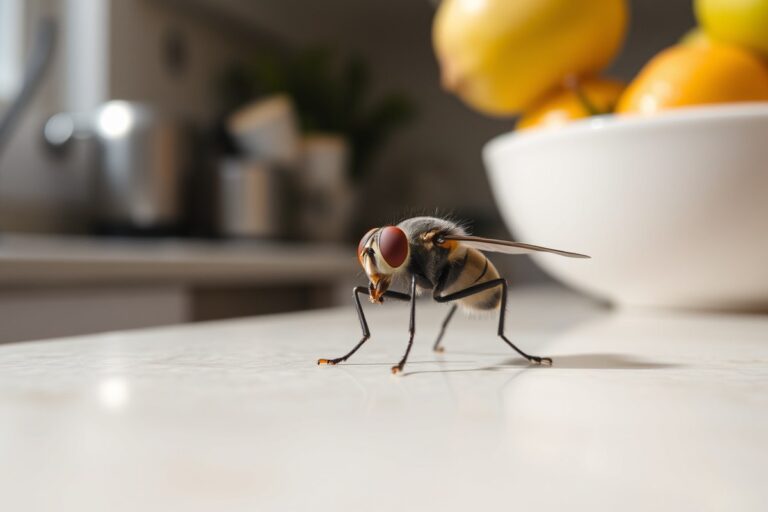
Common indoor insects include ants, cockroaches, silverfish, and fruit flies. Ants vary in size and color, often appearing as small black or brown lines near food or water sources. Cockroaches are usually reddish-brown with long antennae, active mostly at night, and leave behind droppings or an oily smell. Silverfish are slim, wingless, and move quickly, often found in dark, damp spots like bathrooms or basements. Fruit flies are tiny and hover around ripened fruit or drains. Look for visual and physical signs like:
- Small, shiny trails or clusters of ants near crumbs or spills
- Dark, oval droppings resembling coffee grounds from cockroaches
- Yellowish stains or leathery egg cases in hidden corners
- Rapid movement in dimly lit, moist areas indicating silverfish
- Swarming near overripe fruit or kitchen sinks for fruit flies
Pay attention to time of day and location to help differentiate pests. For example, cockroaches often hide during daylight and come out at night, while ants are more active during the day. Inspecting food storage and waste areas regularly helps catch early signs of insect pests.
Rodent Characteristics and Entry Points
Rodents like mice and rats are common in homes and can be harder to spot. Mice are small, usually gray or brown, with large ears and pointed noses, while rats are larger with thicker tails. Signs include droppings, gnaw marks on wood or wires, and scratching sounds in walls or ceilings. You might also find greasy smudge marks along walls where rodents frequently travel. Rodents enter homes through gaps and holes as small as a quarter or dime. Common entry points include:
- Cracks around foundation or walls
- Gaps around pipes and vents
- Unsealed doors and window frames
- Openings near attic or crawl space
- Damaged weather stripping on doors
Inspecting these entry points regularly is important to prevent rodents from settling inside. Sealing openings with steel wool and caulk is effective because rodents cannot chew through metal.
Other Pests: Spiders, Termites, and More
Besides insects and rodents, spiders and termites also pose problems indoors. Most spiders found inside are harmless but can bite if disturbed. They often build webs in corners, basements, or attics. Termites cause structural damage by eating wood and can be harder to notice until damage appears. Look for mud tubes on walls or hollow-sounding wood as signs of termite activity.
Other occasional pests include carpenter ants, silverfish, and moths. These pests have unique signs such as wood shavings, irregular holes in fabrics, or flaky debris near wooden structures. Spotting these signs early allows timely control measures.
Check less obvious spaces like behind furniture, under sinks, and inside closets. Pests tend to hide in these quiet, undisturbed places.
Health and Safety Risks from Household Pests
Household pests pose significant health and safety risks that go beyond simple nuisance. Many common pests carry diseases or trigger allergies, making it important to address infestations promptly. For example, cockroaches can spread bacteria and viruses that cause food poisoning and diarrhea, particularly affecting young children and the elderly. Rodents like mice and rats are known to carry hantavirus, salmonella, and other pathogens that can enter your home through droppings, urine, or bites.
Allergies and asthma symptoms often worsen due to pests such as dust mites, cockroaches, and rodent dander. These pests shed tiny particles that become airborne and irritate sensitive individuals, leading to coughing, wheezing, or skin reactions. Controlling pests in your home is a direct way to reduce these health issues, especially if anyone in the household has respiratory conditions.
Beyond health concerns, pests contribute to structural damage that can become costly if ignored. Termites consume wood framing, which compromises the integrity of your home’s structure. Carpenter ants also tunnel into wood, weakening beams and furniture. Rodents chew on electrical wiring, increasing the risk of fires and expensive repairs. Early detection and control reduce the chances of long-term damage and preserve your home’s value.
Tackling pest-related health and safety problems involves identifying the specific pests present, reducing their access to food and shelter, and applying appropriate control measures. For example, sealing food in airtight containers and fixing leaks removes attractants for rodents and insects. Regular cleaning reduces dust mites and cockroach allergens. Using traps or gel baits targets pest populations without exposing your family to harmful chemicals. For larger infestations or pests like termites, professional treatment is often necessary to ensure complete removal and structural protection.
Costs and effort vary with the size and type of infestation. Small amounts of pest activity might be managed over a few weeks with diligent cleaning and focused DIY treatments. Larger problems may require professional inspection and treatment, which can range from $300 to $1,500 or more depending on the severity and pest type. Prompt action leads to visible results within days to weeks, including fewer droppings, less noise, and no new damage. Delays often make infestations worse and allow disease and damage to spread.
Keeping pests under control in your home directly reduces health risks and prevents costly repairs. Understanding the dangers these pests bring and taking clear steps to remove them protects your family’s well-being and your property’s safety.
DIY Pest Control Methods and Safe Products for Home Use
You can manage many common household pests yourself using chemical sprays, natural remedies, and mechanical tools. Each method has its benefits and safety considerations, so choosing the right approach depends on the pest type, your home environment, and family members’ sensitivities. Proper use and following label instructions help keep your home safe while controlling pests effectively.
Chemical and Natural Products Explained
Chemical pesticides include insecticides and rodenticides designed to kill or repel pests. These products often work faster and target specific pests but require careful handling to avoid health risks. Natural pesticides, such as botanical insecticides (e.g., neem oil or pyrethrin), provide safer options for indoor use and minimize chemical exposure.
Always read and follow label directions closely. Avoid over-application to reduce risks to people, pets, and beneficial insects. Use spot treatments instead of widespread sprays when possible to limit pesticide presence.
Common Homemade Remedies: Usage and Effectiveness
Homemade pest control solutions use common household ingredients like vinegar, baking soda, soap, or essential oils. These remedies can repel or kill some pests but often act slower than commercial products. For example, a spray of diluted dish soap disrupts insect cell membranes, or vinegar can deter ants.
Homemade methods work best in mild infestations or as preventive measures, but they usually need repeated applications. Avoid mixing strong substances unless you confirm they are safe to combine, and never assume homemade remedies are safe for all family members or pets.
Mechanical Tools and Traps for DIY Control
Physical methods involve using traps, barriers, or manual removal to control pests without chemicals. Snap traps, glue boards, or bait stations work well for rodents and crawling insects. For flying insects, sticky strips or UV light traps can reduce numbers indoors.
Keeping screens, sealing entry points, and removing pest shelters like clutter are critical mechanical steps. These methods often complement chemical or natural controls for a more effective strategy. Follow these steps when using mechanical tools and traps:
- Identify the pest species and their active areas or entry points.
- Select the appropriate trap or barrier for the pest (e.g., snap trap for mice, glue board for cockroaches).
- Place traps in targeted locations, such as along walls or near suspected nesting sites, out of reach of children and pets.
- Check traps regularly to remove caught pests and reset or replace traps as needed.
- Maintain cleanliness and remove food sources to reduce pest attraction.
- Seal cracks, gaps, and holes to block pest entry and support mechanical controls.
- Combine trapping with other pest control methods for persistent infestations.
When Is It Time to Call a Professional Pest Control Service?
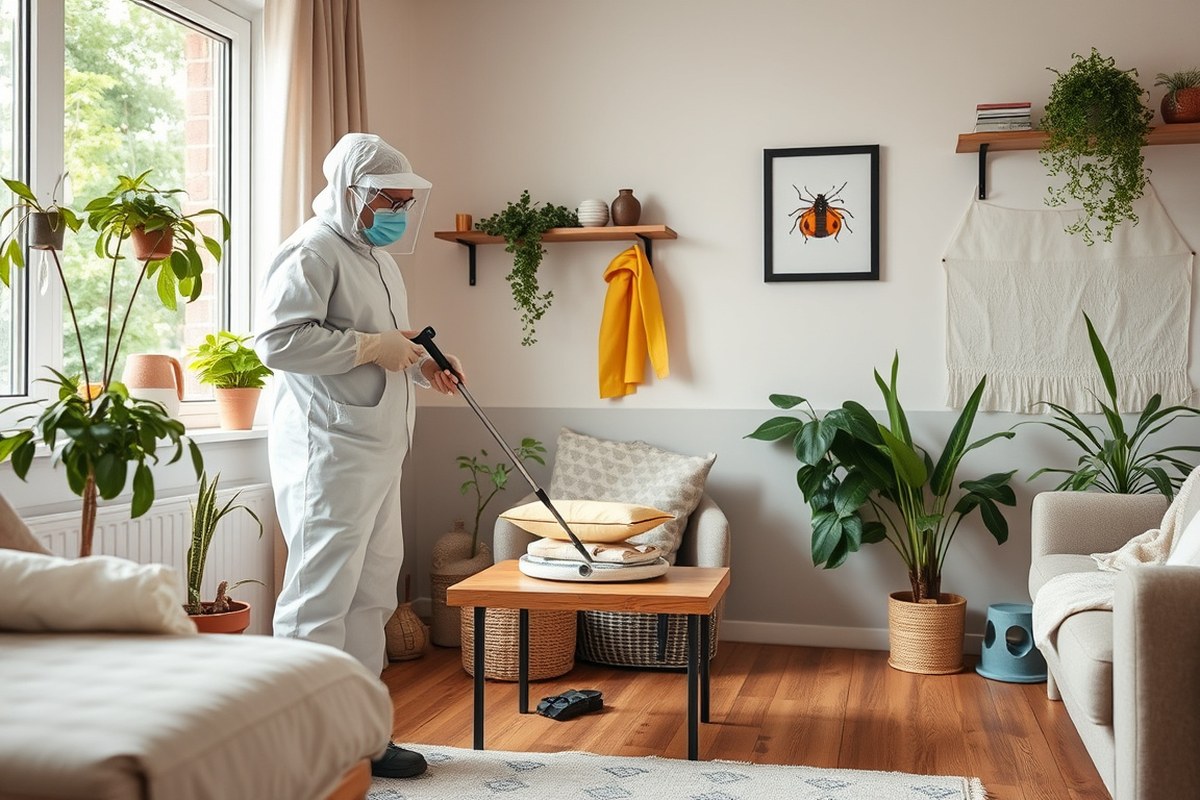
You should call a professional pest control service when your own efforts to manage pests fail, the infestation grows rapidly, or the pest species pose significant health or safety risks. Professional intervention becomes necessary when you notice large infestations of hard-to-control pests like termites, bed bugs, or venomous spiders. These scenarios often require specialized equipment, chemical treatments, or knowledge that isn’t available with over-the-counter products or typical DIY methods. Attempting to handle these situations without expertise can lead to incomplete eradication, worsening infestations, or exposure to harmful chemicals.
Deciding between DIY and professional help depends on the size of the infestation, the type of pest, and your comfort level with treatment methods. Spotting a few pests occasionally that are common, such as ants or small cockroaches, may be managed with regular cleaning combined with store-bought baits or traps. Encountering pests that hide deep inside walls, spread quickly, or resist standard treatments calls for professional services, which provide tailored solutions with higher success rates.
One way to decide is to monitor the pest activity for a week or two after applying DIY methods. A significant reduction or disappearance of pests means you can continue on your own. Persistent problems, worsening conditions, or new signs like structural damage or multiple types of pests indicate it’s time to contact a pro. Homes with young children, elderly residents, or pets especially benefit from professional assessments to ensure safety and effectiveness without misuse of toxic products.
Consider cost and convenience too. While professional treatments cost between $150 to $500 depending on the pest and home size, they often include follow-ups and guarantee effectiveness. Repeat DIY treatments and buying multiple products can add up with less reliable results. Professionals use targeted pesticides and integrated pest management strategies to minimize harm to your household and environment.
A good result means no visible pests, no new signs of infestation like droppings or damage, and no recurring issues after several weeks. What goes wrong without professional help often includes incomplete removal, resistance buildup, or spreading of the pests. Recognizing when an infestation needs expert attention helps protect your home, health, and peace of mind.
Do not delay calling a professional if you spot signs like mud tubes inside walls (termites), repeated bed bug bites, or nests near living spaces, as timely treatment prevents costly damage and health risks.
Preventing Pest Infestations Before They Start
Preventing pest infestations before they start involves maintaining a clean, dry, and well-sealed home environment. Keeping pests out saves time, money, and the need for harsh chemicals, making your home safer and more comfortable year-round. The strategy centers on removing access to food, water, shelter, and entry points that pests use.
Start by inspecting your home inside and out on a regular schedule, ideally monthly. Look for cracks in walls, gaps around doors and windows, and openings around utility lines. Seal these gaps with caulk or weatherstripping to block entry. Maintain gutters and downspouts to prevent water buildup, which attracts insects and rodents. Inside, keep food stored in airtight containers, clean up crumbs and spills promptly, and manage garbage by using sealed bins emptied frequently.
- Seal cracks and gaps in foundations, walls, and around doors and windows
- Fix leaky pipes, faucets, and roof leaks to reduce moisture
- Store food in sealed containers and clean kitchen surfaces daily
- Empty trash cans daily and use bins with tight-fitting lids
- Keep outdoor vegetation trimmed away from the house
- Regularly clean under appliances and furniture to remove debris
- Inspect delivered packages and outdoor items before bringing them inside
Specific situations call for tailored routines. For example, renters may need landlord cooperation to address structural gaps. Homes in humid climates require extra vigilance on moisture control, such as using dehumidifiers or improving ventilation in basements and crawl spaces. Pet owners should clean up food and waste regularly, as these attract pests like ants and flies.
Effective prevention efforts usually take 20 minutes to an hour each week and low-cost materials like caulk and sealant. Visible signs of success include fewer sightings of pests, no fresh droppings or damage, and reduced pest activity around the home perimeter. Failing to maintain these habits can lead to rapid infestation, which is harder and more costly to control once established.
Safety Tips for Using Pest Control Around Children and Pets
Protecting children and pets during pest control treatments is essential because their smaller size and developing systems make them more vulnerable to chemical exposure. Always choose pest control products labeled safe for use around kids and animals. Follow the instructions exactly, especially regarding application amounts and ventilation needs. Avoid sprays or powders in areas that children or pets access often, such as playrooms, pet beds, and food preparation surfaces.
Apply treatments when children and pets are out of the home or confined to a safe area. After application, keep them away for the recommended drying or settling time, usually several hours depending on the product. Store all pest control materials in high, locked cabinets beyond reach to prevent accidental ingestion. If using bait stations or traps, place them where pets cannot reach or disturb them to reduce poisoning risks.
Consider non-chemical methods whenever possible. Traps, physical barriers, and thorough cleaning often reduce pests without chemicals. When using sprays or foggers, ensure proper room ventilation by opening windows and running fans before allowing children and pets back in. For yard treatments, avoid using chemicals on edible plants and clean produce thoroughly before eating.
Environmental safety means using just enough product to solve the problem without excess runoff or residue. Avoid spraying near water sources like ponds or storm drains, which can harm aquatic life. Biodegradable and targeted pest control options limit environmental impact. After treatments, dispose of empty containers and unused chemicals according to local hazardous waste guidelines to keep toxins out of the soil and water. The following checklist helps ensure safe pest control around children and pets: choose low-toxicity, child- and pet-safe products; apply treatments out of reach and when vulnerable individuals are away; follow drying times before re-entry; store chemicals securely; ventilate treated areas well; avoid chemicals near food and water sources; use non-chemical options when effective; dispose of waste properly.
Costs for safer pest control vary by product and method but often include paying a bit more for safer formulas or professional application. These extra steps reduce health risks and potential long-term environmental damage. Good results look like no pest-related illness or exposure incidents and no harm to non-target household members. Common problems include using too much product, ignoring drying times, or choosing highly toxic chemicals, which can lead to accidental poisoning or environmental contamination. Sticking to safety steps protects your family and keeps your home pest-free responsibly.
Common Home Pest Control Mistakes and How to Fix Them
One common mistake people make with home pest control is using products incorrectly or on the wrong pest. Applying an insecticide meant for ants on rodents or missing the target pest’s hiding spots can waste money and time. Another error is not preparing the area properly, such as failing to clean up food crumbs or clutter, which attracts pests back quickly. People also often stop treatment too soon, expecting immediate results when it can take several weeks to fully control an infestation.
To troubleshoot persistent infestations, start with inspecting the problem thoroughly. Look for pest entry points, food and water sources, and shelter locations. Seal cracks in walls, gaps in doors, and windows to prevent more pests from entering. Shift to using the right product for the specific pest and follow label instructions carefully, including how long to leave traps or sprays in place. Regularly replacing bait or traps ensures they remain effective.
- Don’t spray pests you cannot identify; use targeted solutions instead
- Keep your home clean and store food in sealed containers
- Seal entry points with caulk or weatherstripping to block pests
- Use multiple control methods like traps plus sprays for better coverage
- Repeat treatments as directed to fully eliminate the pests
- Monitor pest activity weekly to catch any re-infestation early
For example, if there’s a persistent cockroach issue, avoid just spraying insecticides sporadically. Remove all food and water sources by cleaning thoroughly. Apply gel baits in cracks where roaches hide, and use sticky traps to monitor numbers. Keep treatments up for at least two weeks and check traps every few days. This approach gives a clearer picture of what’s working and where cockroaches still persist.
Always read and follow the product label instructions exactly; misuse can make pests resistant and harder to control.
If a DIY approach still doesn’t reduce the pest presence, it might mean the infestation is too large or requires professional tools. Persistent pests could hide in inaccessible areas like inside walls or attics. In such cases, seeking help from a licensed pest control service ensures that trained experts can assess and treat the problem effectively.
Tracking Progress: How to Know If Pest Control Is Working
To determine whether your pest control efforts at home are effective, consistent monitoring of pest activity is essential. Start by choosing a method to record pest sightings and treatments, such as a simple pest control log. This log can be a notebook or digital file where you note the date, location, pest type, treatment applied, and any observed changes in pest activity. Tracking this information over time reveals patterns and helps evaluate if the control measures reduce pest numbers.
Check common pest entry points and problem areas regularly, at least twice a week, to spot any live pests, droppings, damage, or signs they have returned. Mark these observations in your log to compare against previous entries. Effectiveness usually becomes noticeable within one to two weeks for many pest control methods, such as bait stations or traps. More time may be needed for chemical treatments or complete measures like sealing entry points and cleaning.
An example template to track progress might include columns for Date, Pest Type (e.g., ants, cockroaches), Location (kitchen, basement), Treatment Applied (bait, spray, trap placement), Pest Activity (none, low, moderate, high), and Notes (any unusual findings or changes). Use this template every time you inspect to keep a consistent record.
You can also script your monitoring routine for thoroughness: “Inspect kitchen counters for ants. Check bait stations for consumed bait. Look under sinks for droppings or live insects. Record observations in log.” Following a script ensures you don’t overlook details over time. If pest activity decreases in intensity or frequency according to your notes, your treatment is likely working.
Maintaining this log also helps identify when treatments need repeating or changing. For example, if after two weeks pest activity stays high or increases, consider switching methods or consulting a professional. Variations exist between pests; ants may return quickly without continuous baiting, while rodents may need weeks of trapping before a significant reduction appears.
Costs are mostly related to your time and any materials purchased. Maintaining a log is free except the initial investment in a notebook or spreadsheet. This small effort saves money by avoiding unnecessary repeated treatments and helps you make informed decisions about ongoing pest control steps.
Seasonal and Regional Pest Control: Tailoring Methods for Best Results
Pest control at home needs to change with the seasons and where you live to work well. Different pests appear or become active at different times of the year. Also, many pests are common in one region but rare in another. Matching your methods to these patterns helps you stop infestations before they grow.
Seasonal Pest Activity Overview
Pests often follow a seasonal schedule based on temperature, humidity, and food availability. In spring and summer, insects like ants, mosquitoes, and flies become more active as the weather warms. In colder months, rodents and spiders seek indoor shelter to survive.
Spring is a great time for outdoor treatments targeting ant nests and wasp hives, while late fall and winter calls for sealing entry points to keep mice and rats out. Some pests go dormant in winter, so outdoor pesticide use may not be necessary then.
Regional Pest Variations and Impact
Pest types vary widely depending on the region’s climate and environment. In the southern US, mosquitoes and termites are more common year-round. In northern states, ticks and certain types of beetles may appear in specific seasons only.
Regions with high humidity face more mold and fungal issues which attract certain insects. Urban areas often struggle with cockroach infestations, while rural homes may have more mice or wildlife intrusions.
Adapting Control Methods to Time and Place
Adjust your pest control by combining what pests are present and the current season. Use this checklist to tailor your approach:
- Inspect for active pest nests or entry points seasonally.
- Apply outdoor treatments during peak insect activity months (spring and summer for most pests).
- Seal cracks and gaps in fall to prevent rodents entering for winter.
- Use traps inside during cold months when pests seek warmth.
- Choose pest control products suited for your region’s common species.
The table below compares common pests across regions and the best timing for control efforts:
| Region | Common Pests | Peak Activity Season | Recommended Control Method |
|---|---|---|---|
| Southern US | Mosquitoes, Termites, Fire Ants | Year-round (mosquitoes peak in summer) | Regular outdoor treatments spring through fall; moisture control |
| Northern US | Ticks, Carpenter Ants, Rodents | Late spring to early fall (insects); fall/winter (rodents) | Spring insecticide applications; fall rodent-proofing |
| Urban Areas | Cockroaches, Mice, Spiders | Year-round indoors | Indoor baits and traps; sealing entry points |
| Humid Climates | Silverfish, Mold Mites, Termites | Spring through fall | Humidity control; targeted insecticides |
Following these guidelines means your pest control is more likely to succeed. Using summer treatments in winter wastes time and money, while sealing gaps in spring might miss the window before pests enter. Keep notes on what works in your home each season so you can improve your approach year to year.
Step-by-Step Action Plan for Pest Control at Home
Follow these clear steps to identify pests, use safe DIY treatments, prevent infestations, and decide when to get professional help. Track your progress carefully to keep your home pest-free.
- Before You Start: Inspect your home to identify any pests and entry points. Look for droppings, damage, or actual insects. Knowing what you’re dealing with helps you choose the right control method.
- Day 1: Use safe, approved DIY products targeted to the pests you found. Follow label directions carefully, especially around children and pets. Successful control shows fewer sightings or pest signs after a few days.
- Week 1: Seal cracks, fix leaks, and remove food or water sources to block pest access. Check treated areas for reduced pest activity. Less evidence means your prevention is working.
- Week 2: Monitor traps or treated areas daily. Note any new pests or persistent problems. If pests remain or multiply, it may be time to consult a professional service.
- Month 1: Adjust your approach seasonally. Different pests are active in different months, so keep up prevention and treatment according to your regional pest patterns to maintain results.
- Ongoing: Maintain cleanliness and keep windows and doors sealed. Regularly check for signs of pests. Consistent monitoring is key to catching new infestations early.
- As Needed: If health risks increase or infestations worsen despite your efforts, hire a licensed pest control professional. Professionals can safely handle severe or resistant pest problems.
Frequently Asked Questions
How Long Does It Usually Take to See Results from Home Pest Control?
Most home pest control treatments show results within a week, but complete elimination can take several weeks depending on the pest and infestation size. Consistent follow-up and maintenance help speed up the process.
Can Pest Control Methods Damage My Home’s Structure?
Properly applied pest control treatments do not damage your home’s structure, but some pests like termites can cause structural harm if untreated. Early detection and treatment prevent costly repairs.
Are Ultrasonic Pest Repellents Effective for Home Use?
Ultrasonic pest repellents have limited scientific support and often fail to repel all types of pests. They might work for minor issues but aren’t reliable for serious infestations.
How Can I Dispose of Pest Control Chemicals Safely After Use?
Follow product label instructions for disposal to protect your family and the environment. Many local hazardous waste programs accept unused chemicals and containers. Avoid pouring chemicals down drains or throwing them with regular trash.
Can Weather Affect the Success of Pest Control Treatments at Home?
Yes, weather influences effectiveness; rain can wash away treatments, and extreme temperatures might reduce chemical potency. Plan treatments during stable, dry weather for better results.
Is Pest Control Safe for People with Allergies?
Pest control products vary in allergen risk; some sprays can trigger reactions. Choose low-toxicity options and ventilate treated areas well to minimize exposure if you have allergies.
Wrapping Up
Effective pest control at home protects your health and comfort by stopping pests before they become a real problem. Start today by checking common entry points like windows and doors for gaps, then seal them to keep pests out. Taking this simple preventive step can make a big difference in reducing the chance of infestations in your living space.