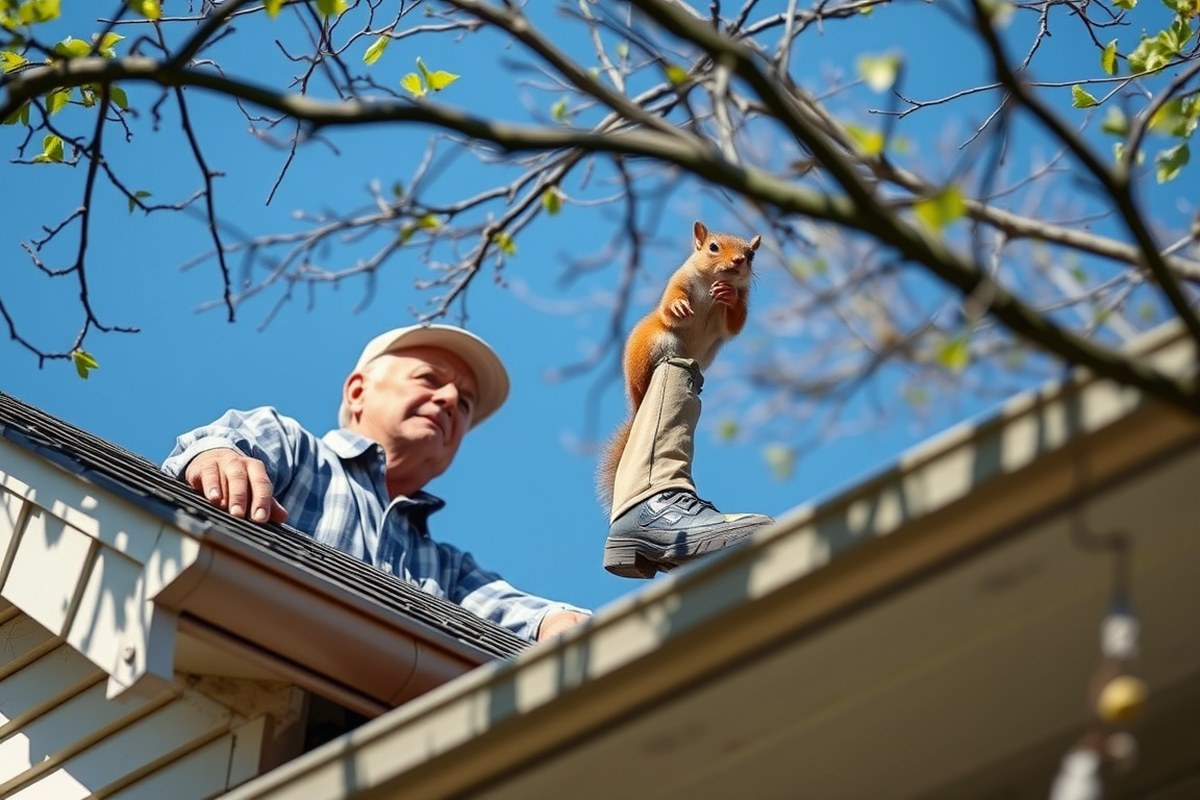
How to Get Rid of Squirrels in Attic: 8 Proven Steps for Safe, Humane Removal
To get rid of squirrels in your attic safely and humanely, start by identifying their entry points and setting up one-way exclusion doors or humane traps. Quickly sealing all openings after removal helps prevent them from returning. This approach limits damage while protecting both squirrels and your home. Following proven steps for safe eviction reduces risks linked to pests in your attic.
This information is for homeowners or renters dealing with noisy or destructive squirrels living above. You’ll learn how to spot signs of squirrels, remove them responsibly, and secure your home against future invasions. The methods focus on humane treatment and effective prevention to keep your attic squirrel-free long term.
Key Takeaways
- Look for noises, droppings, gnawed wood, and nesting materials to identify squirrels living in your attic early on.
- Squirrels enter attics seeking shelter and nesting spots, but they can cause damage and pose fire risks through chewing wires.
- Inspect all potential entry points such as gaps, vents, and roof edges to find where squirrels are getting inside.
- Use one-way exclusion doors to let squirrels leave but prevent re-entry; keep doors in place for 3 to 5 days.
- Employ humane traps checked every 24, 48 hours and handle squirrels carefully to avoid bites and stress to the animals.
- Seal all openings securely after removal, trimming tree limbs at least 6 to 10 feet from your home to block squirrel access.
1. Recognizing Signs of Squirrels Living in Your Attic
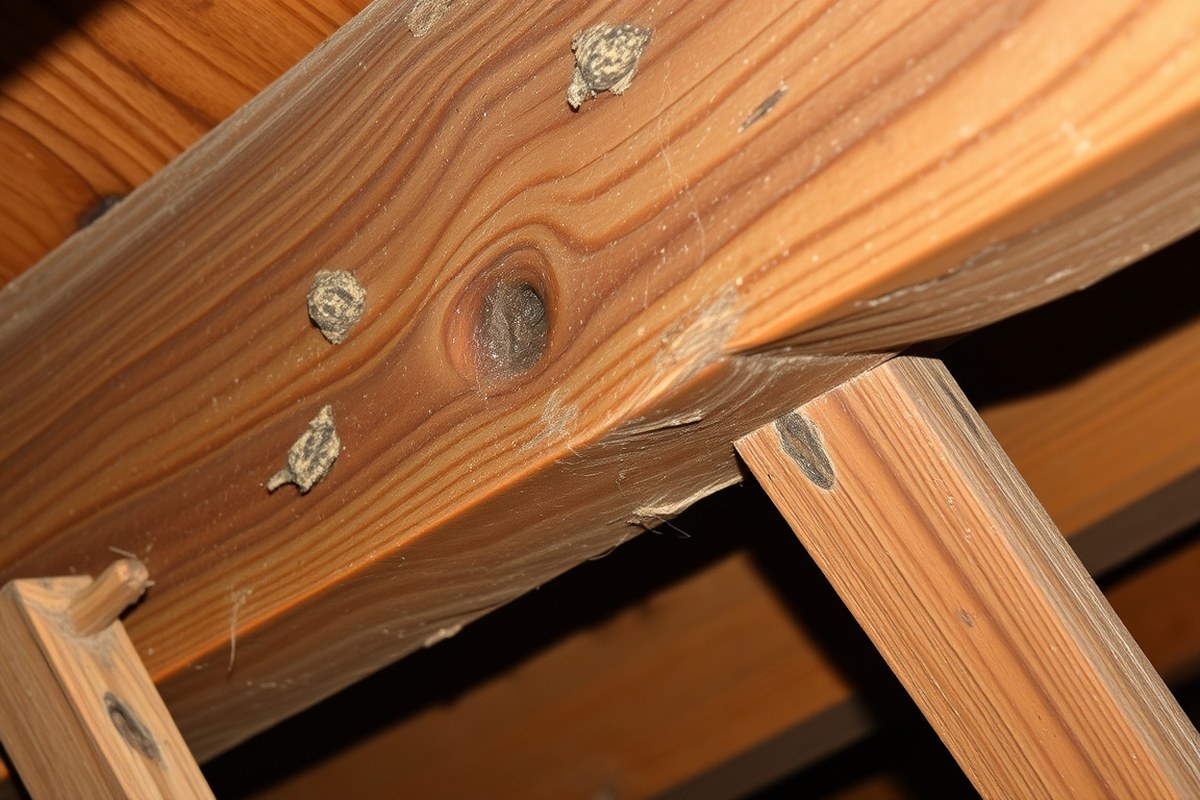
Squirrels living in your attic reveal their presence through several clear signs. The most common include sounds like scratching, rustling, or scampering noises, especially near dawn or dusk when squirrels are most active. These noises often come from the rafters or insulation and can last several minutes to hours. Noticing them consistently is a strong clue squirrels have made your attic their home.
Another obvious indicator is squirrel droppings, which are small, black, and pellet-shaped. You may find these pellets near nesting areas or close to entry points. Nests made of shredded materials such as insulation, leaves, or paper are typical. Squirrel nests, called dreys, are usually messy and loosely constructed, found tucked into corners or rafters.
Damage to your attic or exterior walls also signals squirrels. Look for gnaw marks, especially on wood or wiring, as squirrels chew to keep their teeth sharp and sized. Torn insulation or holes in roofing or siding near your attic could be entry points and evidence of active use.
- Listen for repetitive scratching, rustling, or running sounds around dusk or dawn
- Check for small, black, pellet-shaped droppings scattered near attic corners or nesting spots
- Look for nests made from shredded insulation, leaves, or paper lining sheltered attic areas
- Inspect attic beams and wiring for gnaw marks or tooth damage
- Identify holes, torn insulation, or new damage to roof or siding near attic access points
- Notice any musty or musky odors indicating accumulation of droppings and nesting material
To safely confirm squirrel presence without direct contact, use a flashlight and protective gloves. Shine the flashlight carefully around the attic to look for nests and droppings while avoiding disturbing the animals during active hours. Avoid leaving openings that allow squirrels to escape inside the living space. Wearing a dust mask helps reduce inhaling particles from droppings or insulation, which can carry health risks. Never touch or handle squirrels yourself, since they can bite or carry diseases.
Distinguishing squirrels from other attic pests like rats, mice, or raccoons comes down to size, sounds, and droppings. Squirrel droppings are larger and rounder than mouse droppings. Noise from squirrels tends to be louder and more rapid, with running and jumping sounds rather than scratching alone. Raccoons create louder thumps and often leave larger waste, but squirrels make softer, quicker movements. Identifying nests made of shredded insulation or leaves also indicates squirrels rather than rodents that burrow or make softer nests. Spotting footprints near entry points, small, with visible toes and claw marks, also supports a squirrel presence.
2. Why Squirrels Enter Attics and the Risks They Pose

Squirrels enter attics primarily seeking shelter and a safe place to raise their young. Attics offer protection from predators and harsh weather, along with a relatively warm and quiet environment. Your home might also attract squirrels if accessible insulation or food sources, such as birdseed or pet food, are nearby. Female squirrels especially choose attics during breeding season, frequently going in and out to nurture their young.
The presence of squirrels in your attic poses several risks to both your health and property. These animals carry parasites and diseases, including fleas, ticks, and potentially harmful bacteria that can affect humans. Their droppings and urine inside confined spaces cause unpleasant odors and can contaminate insulation and ductwork, increasing respiratory risks. A dead squirrel left unremoved in the attic can create a strong, persistent smell in your home.
Structural damage is a significant concern whenever squirrels nest in your attic. Their teeth never stop growing, so they constantly chew on wood, beams, and insulation. Over time, this chewing weakens the structural integrity of support beams and rafters, potentially leading to costly repairs. Squirrels also frequently gnaw on electrical wiring, posing a severe fire hazard. The exposed wiring can spark or short-circuit, creating dangers for your entire home. Identifying and repairing damaged wiring should be a priority once squirrels are detected.
Damage to insulation is another issue. Squirrels tend to shred and nest in insulation materials, reducing their effectiveness in maintaining your home’s temperature. This leads to higher energy bills due to heat loss in winter and reduced cooling in summer. If the damage continues, replacing insulation can cost hundreds or even thousands of dollars depending on attic size and damage extent.
Addressing squirrel infestations early helps minimize damage and health risks. A thorough inspection of your attic and roof areas can reveal entry points and the extent of damage. You can look for chewed wood, exposed wiring, or shredded insulation, but an experienced pest professional will provide a more complete assessment. Quick action to exclude squirrels using one-way doors and sealing entry points can prevent further issues.
Leaving squirrels in your attic unchecked allows damage to worsen and increases health risks; inspecting for chewed wiring early can prevent dangerous fire hazards.
3. Locating All Squirrel Entry Points Around Your Home
Finding every squirrel entry point around your home requires a thorough and systematic inspection of likely access spots. Squirrels can squeeze through holes as small as 1½ inches in diameter, so you must look carefully for even minor openings. Use durable materials like steel mesh to seal these gaps since squirrels chew through softer substances.
Inspecting Common Entry Locations
Start by examining typical entry points such as soffits, vents, roof edges, chimney gaps, and areas where utility lines enter the house. Pay special attention to damaged wood, torn shingles, or rot near the attic openings. Look closely at places where different materials meet since squirrels often exploit these weak links to enter.
Check during daylight hours when you can see clearly and again at dusk, when squirrels are most active. From the outside, scan walls, eaves, and overhangs for holes or loose screens. Inside the attic, look for dark stains around holes that indicate frequent squirrel traffic.
Using Tools to Detect Hidden Gaps
Tools such as a flashlight, binoculars, and even a mirror on a telescoping pole help spot cavities or hidden holes in hard-to-reach places. Employ a bright flashlight to peer into cracks and seams. At night, listen for scratching or squeaking noises that reveal active entry points.
Using a smoke pencil or releasing a small puff of non-toxic smoke outside suspected openings can show airflow that confirms gaps you might otherwise miss. Infrared cameras can also detect temperature differences that point to openings where warm air escapes during cooler weather.
Assessing Damage and Sizing Openings
Measure each gap to determine the size so you can choose the correct sealing material. Since squirrels can fit through holes as small as 1½ inches, seal any openings larger than this. Consider damage caused by chewing or weather deterioration, which can enlarge entry points over time.
Look for signs of previous squirrel damage, such as chewed wood or loose screws, that often accompany entry points. Capture measurements with a tape measure and record their location for an organized sealing plan.
Choosing Durable Sealing Materials
Use materials squirrels can’t chew through, like heavy-gauge steel mesh, hardware cloth with ½-inch or smaller openings, or metal flashing. Avoid wood, rubber, or plastic because squirrels easily gnaw through these. Attach mesh securely with screws and washers to prevent loosening over time.
You should keep at least one exit point accessible during the exclusion process to allow squirrels to leave the attic on their own. Seal this last point only after you confirm all squirrels have gone, which you can test by taping a sheet of newspaper over the opening and checking for disturbance after a few days.
- Walk around the exterior and inspect typical squirrel access points: soffits, vents, chimney chase, and areas near roof edges.
- Use a flashlight and binoculars to examine small cracks, damaged vents, or torn screens.
- Employ tools like a smoke pencil or infrared camera to identify airflow and temperature differences indicating hidden gaps.
- Measure all openings larger than 1½ inches to confirm they require sealing.
- Note any chew damage around openings and record exact locations for repair.
- Select rust-resistant galvanised steel mesh or metal flashing for sealing identified gaps.
- Install mesh securely using screws and washers, ensuring no gaps remain.
- Leave one exit point open and cover it with newspaper to check if squirrels have left before sealing completely.
4. Effective Humane Removal: One-Way Exclusion Doors Explained
One-way exclusion doors are a humane method to remove squirrels from your attic by allowing them to exit but blocking re-entry. This method minimizes stress and injury to the animals compared to trapping or lethal options, making it the preferred choice for long-term removal. Using these doors properly ensures you evict all squirrels safely while preparing your home to prevent future invasions.
How One-Way Doors Operate
A one-way exclusion door is a simple device fitted over a squirrel entry point. It consists of a flap or mesh panel that swings outward but seals shut inwards, so squirrels can leave the attic but cannot return. The squirrel senses an escape route and exits naturally, avoiding panic or harm. These doors are typically mounted over the main entry hole you identified around your roofline or soffits.
The door allows all squirrels within the attic, including any that return inside after disturbance, to find their way out over several days. It’s common for multiple squirrels to occupy the same attic, so the device works repeatedly until all animals have exited. Locked entry points behind the device ensure no sneaky returns.
Ideal Timing for Installation
Installing a one-way exclusion door works best once you have confirmed no young squirrels are present that cannot leave without their mother. This usually means waiting until juvenile squirrels can climb and leave on their own, typically late summer or early fall. Excluding a mother squirrel while babies remain inside risks abandonment and suffering.
Choose mild weather for installing the device, as cold or rainy conditions can increase stress on squirrels during removal. Also, avoid installation during nesting season in early spring, when squirrels may be rearing young inside. The process generally takes a few days to a week for all squirrels to exit, so plan accordingly for timing and monitoring.
Common Mistakes with Exclusion Devices
One mistake is not locating all active entry holes before installing the one-way door. Squirrels use multiple routes, so missing even one can let them return inside. Thorough inspection and temporarily sealing all other holes except the one with the door is important.
Another error is premature sealing of the hole behind the door before all squirrels have left. This traps animals inside, causing stress and potentially illegal harm to wildlife. Wait for clear signs that no squirrels remain, such as no noise or sightings for several days, before permanently sealing the hole.
Using cheap or flimsy materials for the door can cause damage or failure, allowing squirrels to chew through or re-enter. A sturdy metal or heavy-duty plastic exclusion door made for wildlife control stands up to squirrel activity and weather.
Combining Exclusion with Sealing
Exclusion doors work best as part of a complete strategy that includes sealing all re-entry points after squirrels have left. Once the one-way door confirms vacancy, replace it with permanent weatherproof mesh or patchwork to close the hole for good. This prevents new squirrels from moving in.
Combining exclusion with timely repairs protects your attic insulation and wiring from future damage. Total exclusion coupled with sealing is a critical step in stopping the cycle of re-infestation. Many homeowners follow removal with professional attic repairs to restore insulation and prevent moisture problems caused by squirrel activity. Below is a comparison of live trapping and one-way exclusion doors focusing on key aspects important for humane squirrel removal from attics:
| Method | How it Works | Time to Remove | Stress on Squirrel | Risk of Re-Entry | Typical Cost |
|---|---|---|---|---|---|
| Live Trapping | Squirrel enters baited cage, lock stops escape | Hours to days, depends on bait success | Moderate, confined in cage until handled | High if other entries not sealed | $30-$100 per trap plus bait |
| One-Way Exclusion Door | Allows exit via flap, blocks return | Days to a week, squirrels exit naturally | Low, no confinement or handling stress | Low if all other holes sealed | $20-$50 per door plus installation |
Choosing a one-way exclusion door generally results in less stress for squirrels and lower risk of re-infestation if combined with proper sealing. Live trapping can be effective but needs monitoring and can cause greater animal distress. When done correctly, exclusion doors provide a reliable, humane, and permanent solution for squirrels in your attic.
5. Humane Trapping Techniques and Handling Squirrels Safely
Trapping squirrels humanely requires choosing the right live traps, using effective bait, and checking traps frequently. Safely handling any mother squirrels and babies is essential to prevent harm. Relocation laws vary, so confirming local regulations or hiring professionals is often necessary to ensure legal compliance.
Selecting Humane Live Traps and Bait Options
Use live-cage traps at least 5 by 5 inches wide and 18 inches long to catch squirrels humanely. These traps capture squirrels without injury, allowing you to relocate them safely. The Safeguard Squirrel-Rat Live Trap is a commonly recommended model for attic squirrels.
Peanut butter is an ideal bait because it’s sticky and aromatic, which attracts squirrels effectively. Place the bait at the far end of the trap to encourage full entry. Setting traps inside the attic or near the fireplace reduces the chances of trapping non-target animals.
Safe Trap Checking Routines
Check traps at least twice daily, ideally every 8 to 12 hours, to reduce squirrel stress and prevent dehydration or injury. Morning and evening checks work well, matching squirrels’ active periods. Frequent checks also help you avoid leaving trapped squirrels unattended for long periods.
When you check traps, wear thick gloves to protect against bites or scratches. Handle traps calmly and keep a quiet environment to avoid stressing the squirrel further. Prompt removal of trapped animals reduces risk and helps speed up relocation or other humane measures.
Handling Mother Squirrels and Babies Safely
Removing nesting squirrels during breeding season can orphan babies left behind in the attic, which often leads to their death. To prevent this, confirm whether babies are present before trapping adults. Look for signs like persistent squeaking or nests in attic corners.
Use an eviction treatment to encourage mother squirrels to leave with their young. This involves placing temporary deterrents such as bright lights or mild noise near the nest to prompt relocation while leaving exit routes open. Never trap or exclude squirrels if you spot babies; wait until the family leaves fully. Steps for humane eviction with babies:
- Inspect attic for nests and listen for baby sounds.
- Install safe deterrents close to the nest without blocking exits.
- Monitor to confirm mother moves her babies out over several days.
- Once the nest is empty, set up live traps for any remaining squirrels.
- Remove traps frequently and relocate trapped squirrels.
- Seal entry points only after confirming no squirrels remain inside.
Legal and Ethical Aspects of Relocation
Laws regarding trapping and relocating squirrels vary widely by region. In many US states, relocating squirrels at least 3 miles away is required to prevent their return. In the UK, for example, trapping and releasing gray squirrels is illegal, and captured animals must be humanely euthanized by professionals.
Contact your state wildlife agency before trapping or relocating squirrels to understand rules. Professionals who specialize in wildlife removal can ensure that your actions comply with local laws and help avoid unintended consequences. Relocation without proper permits or too close to your home can be illegal and ineffective.
Never release trapped squirrels near your property; a minimum of 3 miles is recommended to prevent them from returning.
6. Sealing and Repairing Entry Points to Prevent Re-Entry
Sealing entry points properly is key to keeping squirrels out of your attic after removal. Use 1/4-inch steel hardware cloth to cover holes because squirrels can chew through softer materials. Avoid using plastic, wood, or mesh with larger openings as squirrels can easily gnaw or squeeze through. The hardware cloth should be secured tightly with heavy-duty staples, screws, or nails to a solid surface like wood framing or metal flashing. Make sure to overlap edges by at least 2 inches to prevent gaps.
Before sealing, confirm there are no baby squirrels left inside. Sealing too early can trap them, which causes problems and might attract other pests. Monitor activity for several days after removing adults to be sure the attic is empty. Once confirmed, seal all openings securely, including those you may not have noticed initially, such as vents or gaps around plumbing and wiring.
Squirrels are expert climbers and persistent chewers. To prevent re-entry, trim tree branches at least 6 to 8 feet away from your house. This removes easy access points to the roof. Also, repair damaged vents and remove any food sources near the house, such as unsecured garbage or bird feeders that attract squirrels.
- Inspect all sides of the attic exterior for holes bigger than 1/2 inch
- Use 1/4-inch steel hardware cloth, cut pieces larger than each opening
- Fasten hardware cloth securely with screws or heavy-duty staples
- Check for gaps at overlaps and edges; seal with outdoor metal flashing or high-grade caulk
- Avoid sealing entry points until you’re sure no young squirrels remain inside
- Trim tree branches 6-8 feet away from the home to reduce access routes
- Consider installing metal flashing around roof edges and gutters for extra protection
Sealant and flashing costs vary but expect to spend $1 to $3 per linear foot of metal flashing and about $10 to $25 per roll of hardware cloth (typically 3 feet by 10 feet). The process requires basic tools like wire cutters, drill or staple gun, and ladder. A thorough job should leave no visible gaps or openings larger than 1/4 inch. If squirrels return, check for missed spots or chew-through areas and reinforce them promptly.
7. Additional Deterrents: Using Repellents, Noise, and Lights Effectively
Repellents, noise, and lights can help encourage squirrels to leave your attic, but they usually work best combined with other removal methods. Repellents, such as rags soaked with cider vinegar placed inside the attic, exploit squirrels’ dislike of strong smells. This method is low cost, vinegar and cloth typically cost under $10, and can deter them from settling back once they’ve left. However, repellents alone rarely force squirrels out quickly; their effect is more about discouragement than immediate removal.
Using noise and light also takes advantage of squirrels’ natural avoidance of bright, constantly active areas. Leaving a bright incandescent or LED light on in the attic around the clock can make the space uncomfortable for squirrels. Playing a radio quietly but continuously has a similar effect by adding unfamiliar sounds that disrupt the squirrels’ sense of safety. These noise and light methods usually cost under $50 and require plugging in devices to maintain power 24/7. This approach works best during the daytime and early evening hours when squirrels are most active, as it makes the attic seem less hospitable.
It’s important to maintain a small opening during these deterrent efforts so squirrels can see that their old space is no longer safe but still accessible for exit. Completely sealing an attic before all squirrels have left can trap them inside and worsen damage or health risks. Combining deterrents with humane removal techniques such as one-way exclusion doors increases effectiveness by encouraging squirrels to leave and discouraging re-entry.
Squirrels can become accustomed to a single deterrent if used alone, so using repellents, noise, and lights simultaneously increases the chances that squirrels will decide to vacate. For example, placing vinegar-soaked rags near an exclusion door, keeping a light on 24/7, and running a radio at low volume creates multiple layers of discomfort. This strategy takes a few days to show results as squirrels evaluate their environment before leaving.
Setting up these deterrents is straightforward but requires attention to placement. Lights and radios should be near common squirrel activity areas but not obstructed by insulation or stored items. Repellents should be replaced every 3 to 5 days to keep the scent strong. Avoid using ultrasonic devices marketed for squirrel removal, as studies show they have limited effect and leave squirrels unimpressed.
In summary, repellents, noise, and lights can help your squirrel problem when used as part of a combined approach. They discourage squirrels and make your attic less appealing, easing their exit. Alone, they might delay removal or irritate squirrels without sufficient effect. Coordinating use with physical removal and sealing methods delivers the best outcome at a moderate cost and effort level.
8. When to Call Professionals and Managing the Removal Process
Calling a professional wildlife removal service is best when squirrels have nested deeply in your attic, causing damage, or when exclusion methods require precise knowledge of rodent behavior. You should also hire experts if immediate evacuation is necessary or if DIY methods like trapping or sealing are too risky. Professionals know how to handle live squirrels safely, clean the attic, and repair damage while preventing future entry.
The ideal time to remove squirrels is late summer to early fall when the young squirrels have left the nest but before winter. Removing squirrels during the breeding season, typically spring to early summer, can trap babies inside, leading to more problems. Timing matters because removing them too late in the cold season can leave your home unprotected during harsh weather.
The entire removal and prevention process usually takes two to four weeks. This timeline includes initial inspection, exclusion during active hours, follow-up checks to ensure no re-entry, and repairs to entry points. Dead squirrel disposal, if needed, must be done promptly and safely, wearing gloves and placing the carcasses in sealed plastic bags for local waste disposal services or according to local health regulations.
| Service | Typical Cost Range | Duration |
|---|---|---|
| Initial Inspection and Assessment | $100 – $200 | 1-2 hours |
| Exclusion Installation (One-Way Doors, Sealing) | $300 – $600 | 1-3 days |
| Trapping and Removal | $200 – $400 | 1-5 days |
| Attic Cleaning and Repair | $500 – $2,000+ | 2-7 days |
| Follow-up Monitoring | Often included or $50 – $150 per visit | 1-2 weeks post-removal |
Costs vary based on home size, number of squirrels, and damage extent. Wildlife removal companies often bundle services, but consider separate attic cleaning and insulation replacement, especially in severe infestations. Always ask for a written estimate beforehand.
Legal protections vary but many areas protect squirrels under wildlife or animal welfare laws, limiting relocation or lethal methods. Check local regulations or consult your removal service. You may require permits for trapping or exclusion devices. Following these ensures compliance and humane treatment.
Take care never to seal an attic when babies are inside, as trapping them can cause harm and legal issues.
After removal, regular follow-up inspections are critical. Professionals often schedule monitoring visits to confirm squirrels have not returned. You should seal all entry points securely and consider installing physical barriers like fencing to protect your attic long term.
Step-by-Step Action Plan to Remove Squirrels from Your Attic
Follow these clear steps to identify, remove, and keep squirrels out of your attic for good. You can prevent damage and avoid repeat visits once you complete this process carefully.
- Day 1: Inspect for Signs, Look for noises, droppings, nesting material, or gnaw marks in your attic. Confirm active squirrel presence by fresh droppings or recent damage.
- Day 2: Locate Entry Points, Check your roofline, vents, chimneys, and eaves for holes or damage squirrels can use. Mark all openings larger than ½ inch to target for sealing.
- Day 3: Install One-Way Exclusion Doors, Place exclusion devices on confirmed entry points to let squirrels exit but not re-enter. Monitor for exit activity over the next 2, 3 days.
- Day 6: Set Humane Traps, Use live traps inside the attic or near entries if squirrels remain inside. Check traps frequently to safely release squirrels away from your home, following local guidelines.
- Day 7: Seal All Entry Points, After confirming squirrels are out, close all openings with sturdy materials like metal flashing or hardware cloth. This prevents return or new squirrel access.
- Week 2: Apply Deterrents, Use approved repellents or noise devices outside to discourage new squirrels from approaching. Replace or adjust deterrents regularly for best effect.
- Ongoing: Monitor and Maintain, Periodically inspect your attic and roof to catch new entry points early. Prompt repairs stop infestations from restarting.
- As Needed: Call a Professional, If squirrels persist or you are uncomfortable handling removal, hire a licensed wildlife removal expert to ensure humane and effective resolution.
Frequently Asked Questions
What Will Run Squirrels Out of an Attic?
Using high-intensity strobe lights can drive squirrels out by disturbing them. This method, combined with sealing entry points afterward, encourages them to leave without harm.
What Is the 5 7 9 Rule for Squirrels?
The “5 7 9 rule” helps determine squirrel age by tooth count but is rarely used in removal. Instead, focus on humane exclusion and trapping methods for safe eviction.
Should I Be Worried About Squirrels in My Attic?
Yes, squirrels can cause structural damage and create fire hazards with their chewing and nesting materials. Addressing the issue quickly protects your home and health.
Will Squirrels Eventually Leave the Attic on Their Own?
Squirrels rarely leave on their own once settled because attics provide shelter and food sources. Active removal and exclusion are needed for effective eviction.
Can I Use DIY Traps to Catch Squirrels in My Attic Safely?
Yes, humane traps can catch squirrels if placed correctly and checked frequently. Always handle trapped squirrels carefully or contact a professional for assistance.
How Soon Should I Seal Entry Points After Removal?
Seal entry points immediately after all squirrels are removed to prevent re-entry. Leaving openings can lead to new squirrels taking over the vacant nest site.
Before You Go
Removing squirrels from your attic requires careful, humane methods combined with thorough prevention to avoid future problems. Start by inspecting your attic and roofline today to find any entry points squirrels might be using. Taking immediate action to seal those gaps can stop more squirrels from getting inside and protect your home from damage.