What Pest Causes Oily Odor? Identify, Prevent & Remove Quickly
The pest most commonly responsible for an oily odor indoors is the cockroach. This smell comes from their pheromones, feces, saliva, and decomposing bodies, which create a musty, oily, and sour scent often described as “roachy.” Stink bugs, especially the Brown Marmorated Stink Bug, also produce a pungent, musky, oily odor, usually when they are crushed or in large numbers. Identifying what pest causes oily odor quickly helps target the source efficiently since visual sightings can be hard with nocturnal or hidden pests.
This article helps homeowners, renters, and DIY pest controllers recognize different oily odors linked to pests and explains how infestation size and pheromones affect odor intensity. You’ll get a clear checklist for inspecting your home, practical steps to remove these pests safely using natural or low-toxicity methods, preventive measures to block pest entry, and advice on how to eliminate lingering odors after treatment. Understanding these details allows you to manage the problem effectively while protecting your health and property.
Key Takeaways
- Cockroaches and stink bugs are primary indoor pests that produce oily, musky odors from pheromones and defensive chemicals, especially when threatened.
- Oily odors vary by pest: cockroach smells are musty and sour, stink bugs emit pungent cilantro-like scents, rodents give ammonia or decay odors.
- Infestation size and warm, humid conditions intensify oily odors, as pheromones and chemicals volatilize faster in temperatures 70-85°F and 40%+ humidity.
- Oily odor pests can cause health issues like allergies, contaminate food, and damage property through droppings, burrowing, or decomposition if dead indoors.
- Inspect wall voids, attics, and ventilation areas step-by-step to locate odor sources, checking for droppings, carcasses, and pest activity clues.
- Low-toxicity remedies include bait stations, boric acid, and diatomaceous earth, but professional help ensures safe removal and odor control in heavy infestations.
Which Pests Produce Oily or Musky Odors Indoors?
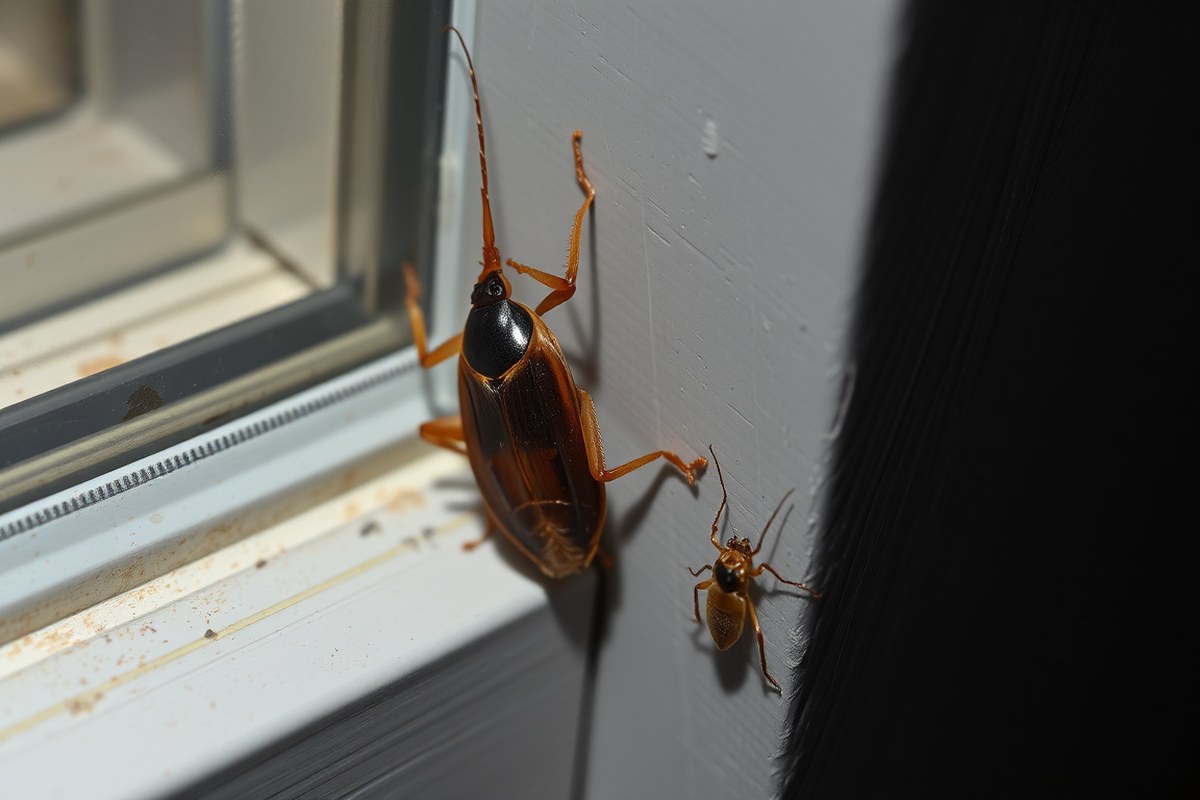
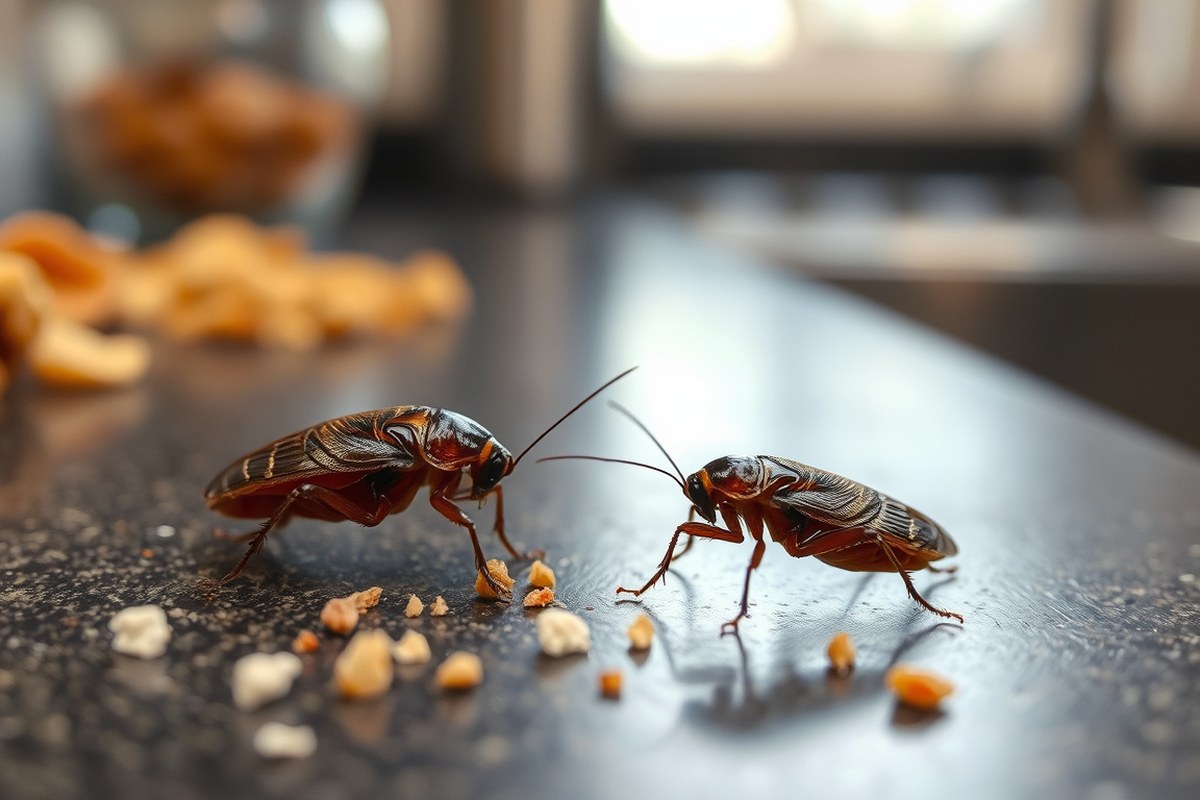
The pests mainly responsible for oily or musky odors indoors are cockroaches and brown marmorated stink bugs. Cockroaches emit an oily, musty smell from pheromones and waste products, while stink bugs release a pungent, oily odor as a defensive chemical when disturbed. Comparing these pests by odor helps pinpoint the source based on the scent’s characteristics and when the smell occurs.
Cockroach Odor and Its Chemical Basis
Cockroaches produce a distinct oily and musty smell often described as “roachy” or sour. This odor results from pheromones present in their feces, saliva, and secretions, which they use for communication and territory marking. Large infestations increase the concentration of these chemicals, making the smell more noticeable, especially in kitchens and food storage areas.
Besides pheromones, decomposing cockroach carcasses contribute a sour and oily odor that may intensify over time. The combination of these substances creates a persistent smell that signals their presence even if you don’t immediately see the insects. The chemical compounds involved include hydrocarbons and fatty acid derivatives unique to cockroach secretions.
Because of these emission sources, you’ll mainly detect the oily odor near nesting sites, behind appliances, or inside wall voids, places cockroaches prefer. This odor does not usually appear suddenly but builds with infestation size and time, which explains why early cockroach problems might go unnoticed.
Brown Marmorated Stink Bug Scent Characteristics
The brown marmorated stink bug is the pest most famously associated with a sharp, pungent oily or musky odor. It releases defensive chemicals stored in thoracic glands when crushed, threatened, or in large numbers. These secretions have a cilantro-like, acrid scent that many describe as oily, especially when the insects are disturbed indoors.
The chemical basis differs from cockroaches because stink bug secretions involve aldehydes and other specific volatile compounds meant to deter predators. The smell is strongest when the bugs are handled or accidentally squashed, rather than from their continuous presence.
You’ll usually smell stink bugs most indoors during fall when they seek shelter in walls and attics. Unlike cockroach odors that build quietly, stink bug odors are more noticeable in bursts due to defensive behavior, so detecting them may depend on directly interacting with the insects.
Rodent Odors Compared to Insects
Rodents such as mice and rats produce odors that can sometimes be confused with oily smells but differ chemically and situationally. Their signature scent is ammonia-like and musky, mainly from urine and droppings, not from oily secretions. If a dead rodent is inside walls or crawlspaces, decay adds a foul odor that is distinct from insect smells.
Rodent odors concentrate near nesting areas and poorly ventilated spaces and tend to have a sharper, stronger ammonia note unlike the musky, oily tone of cockroaches. Rodent pests are less likely to produce an oily scent from secretions, so the presence of an oily odor favors identification of cockroaches or stink bugs over rodents. Rodent control focuses on sanitation and trapping to remove urine-based odors, whereas controlling cockroaches targets eliminating pheromone sources and infestations to reduce accumulated oily smells.
| Pest | Primary Odor Description | Cause of Odor | When You’ll Smell It |
|---|---|---|---|
| Stink Bugs | Pungent, oily, musky, cilantro-like | Defensive chemicals from thoracic glands | When crushed, threatened, or large numbers present |
| Rodents (Mice/Rats) | Ammonia-like, musky urine, decay if dead | Urine, droppings, pheromones, carcasses | Near nesting areas, wall cavities, poor ventilation |
| Cockroaches | Musty, oily, sour (“roachy”) | Pheromones in feces, saliva, decomposing bodies | Where large infestations exist, kitchens, food storage |
Understanding the chemical origins and typical conditions for these odors helps narrow down the culprit. Cockroaches are most often behind persistent oily smells indoors due to pheromone buildup and waste. Stink bugs produce a sharper, episodic oily odor linked to defensive release. Rodent odors stand apart with their ammonia base. Identifying these differences guides effective inspection and control efforts.
How to Recognize and Differentiate Oily Odor Sources by Pest Type
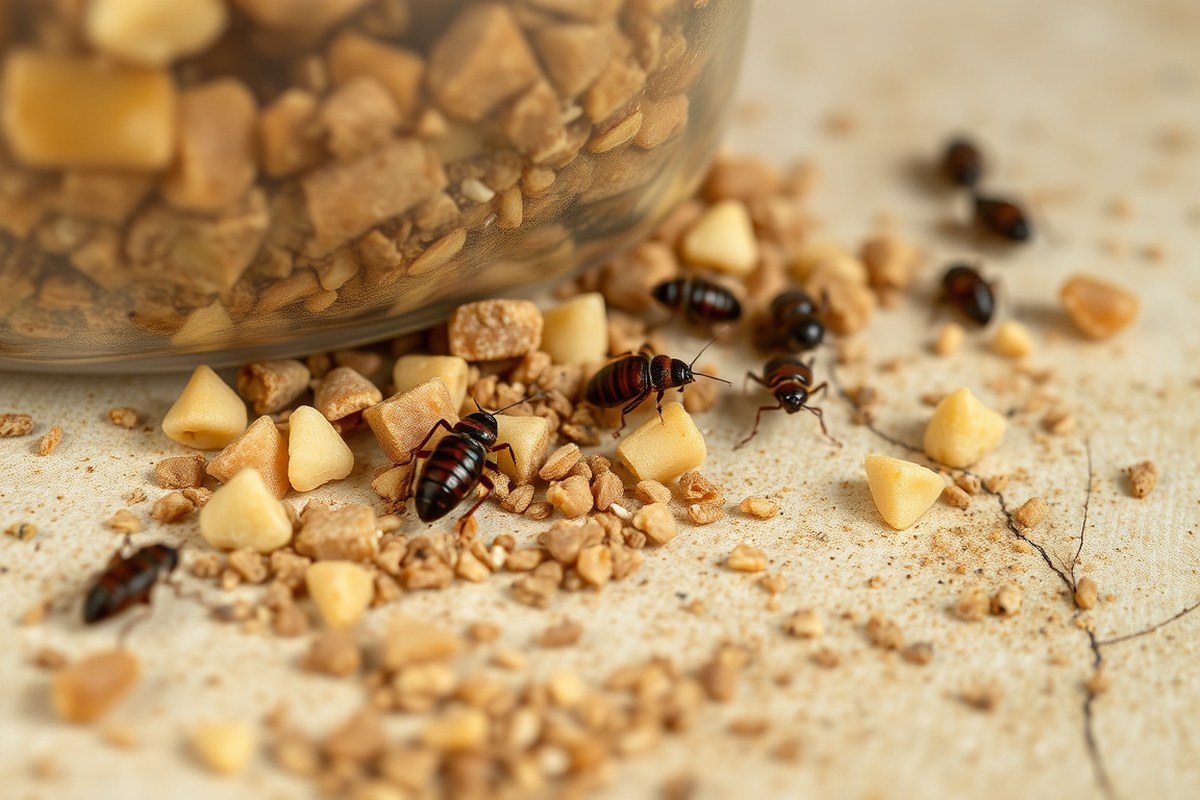
Distinguishing oily odors from cockroaches, stink bugs, and rodents depends on the scent’s profile, the odor’s location in your home, and observable signs at the source. Cockroaches produce a persistent, musty oily smell near kitchens or damp areas, stink bugs emit a pungent, chemical-like odor when crushed or disturbed, and rodents leave a musky, oily odor combined with nesting materials and droppings, often near hidden corners or attics.
Cockroach Infestation Signs Beyond Odor
Cockroach oily odor is usually strong near food storage, drains, or moist areas. This odor arises from oily secretions and pheromones they produce. To confirm cockroach presence, look for black specks resembling ground pepper, which are fecal marks, plus dark smear marks along walls or baseboards.
Egg cases called oothecae might be found tucked in cracks or behind appliances, confirming active reproduction. Sticky traps placed for a week can indicate cockroach numbers even before seeing live insects.
- Strong oily odor, especially in kitchens or bathrooms
- Small black specks (feces) resembling pepper grains
- Dark, greasy smear marks on walls or surfaces
- Oothecae egg cases in hidden cracks or near appliances
- High cockroach count on sticky traps over seven days
Check corners, underneath sinks, and behind appliances regularly; these are common hiding spots that correlate odor and visual evidence.
Odds increase that the oily smell is from cockroaches if you also spot dead cockroaches or their shed skins. Moist, poorly ventilated areas reinforce infestation buildup and odor intensity.
Identifying Stink Bug Presence
Stink bugs differ with their oily odor being sharp, chemical-like, and often compared to cilantro or rancid almonds. You won’t detect this odor all over; it becomes noticeable near entry points such as window frames, attic vents, or wall cracks, especially during fall as stink bugs seek shelter indoors.
Visual confirmation relies on seeing the bugs themselves, typically shield-shaped and ½ to ¾ inch long. The odor usually appears only when stink bugs are crushed or disturbed, unlike cockroach odor which is constant.
- Oily, pungent odor described as chemical or almond-like
- Odor near windows, doors, attic vents where stink bugs enter
- Visible shield-shaped bugs about ½ to ¾ inch long
- Odor released mainly when bugs are crushed or handled
- Clusters of stink bugs around home exterior in cooler months
The odor is a defense mechanism released when they feel threatened. If you notice the oily smell without other signs, inspect potential entry points for live stink bugs or their shed skins.
Rodent Odor and Activity Indicators
Rodents like mice and rats generate a musky, oily smell from their urine and secretions, which can become stronger in areas they frequent. This odor most often shows up in attics, behind walls, basements, or storage rooms with limited airflow. It usually associates with increased rodent activity or long-standing infestations.
Look for droppings shaped like rice grains, gnawed wood or wiring, shredded nesting material such as paper or fabric, and greasy rub marks along pathways. These visual signs help confirm rodents as the odor source.
- Musky, oily odor near attics, basements, or wall voids
- Rodent droppings roughly the size and shape of rice grains
- Gnawed wood, wires, or plastic surfaces
- Shredded paper, fabric, or insulation as nesting materials
- Smear marks along walls where rodents travel regularly
Use a flashlight to inspect dark corners and follow greasy marks; rodents tend to use the same routes, helping you track their presence.
Identifying these secondary signs together with the odor improves accuracy. Rodent odors tend to linger unless nest sites are removed and cleaning is thorough.
How Pheromones and Infestation Size Affect Oily Odor Intensity
The oily odor often linked to pests like cockroaches comes mainly from their pheromones. As infestation density increases, so does the intensity of this odor because more individual pests are releasing these chemical signals. Environmental factors such as humidity and temperature also play significant roles by either amplifying or reducing the strength of these odors.
Pheromone Release Patterns in Cockroaches and Stink Bugs
Cockroaches emit pheromones continuously to communicate with each other, especially in areas where they gather, like kitchens and bathrooms. These pheromones, found on their bodies and in their feces, have a distinct oily, greasy smell that signals their presence. Stink bugs, while also releasing pheromones, produce a different odor, typically more pungent and less oily, but their communication affects the smell intensity in infested areas as well. The more pests there are, the more pheromones accumulate, making the oily odor more noticeable in confined spaces.
Because these pheromones serve to attract other cockroaches, infestations grow quickly once a few individuals establish a territory. This relationship between pheromone release and pest behavior means pest control efforts that reduce pest numbers also lower odor levels. Regular cleaning to remove feces and shed skins is important because these residues continue to emit odor even after pests move on or die.
Influence of Humidity and Temperature on Odor
Humidity affects how strongly pheromones and other chemical signals are detected. High humidity, typically above 60 percent, can improve the scent of cockroach pheromones by allowing these oily substances to linger longer in the air. For example, in a basement or poorly ventilated kitchen, odors become more intense and persistent. Conversely, lower humidity levels reduce the moisture in the environment, making pheromones evaporate faster and weakening the odor. Proper ventilation, such as soffit-to-ridge airflow in attics, can keep humidity below 60 percent to discourage pests and reduce odor strength.
Temperature also influences odor intensity. Warmer conditions speed up chemical reactions, causing pheromones to volatilize and spread more quickly. This means during summer months or in heated indoor areas, the oily smell from pests might seem stronger. In cooler spaces, the scent may stay more localized but can linger longer due to slower evaporation. Monitoring temperature and humidity can help you determine the best times to implement control measures and improve air circulation to minimize odors.
Timeline for Odor Development with Growing Infestation
The oily odor intensity usually lags behind initial pest entry because it depends on population growth. Early in an infestation, odor may be faint or intermittent as a small number of cockroaches release pheromones. Within weeks, as the brood increases, pheromone release multiplies, making the odor more noticeable and persistent. According to North Carolina State University pest management guidelines, a detectable oily odor typically indicates a heavy infestation that developed over several weeks or months.
Odor control should focus on this timeline by starting inspections as soon as the smell is detected. Immediate cleanup and removal of food and moisture sources slow population growth and pheromone buildup. Regular follow-up helps catch reinfestation early. Ignoring the odor can lead to a rapid escalation in pest numbers and stronger smells, making eradication costs and efforts higher over time.
Common Health Risks and Property Damage Linked to Oily Odor Pests
Pests that produce oily odors can cause serious health hazards and property damage if ignored. These pests typically include cockroaches, rodents, and certain insects, and their presence often signals risks like allergy flare-ups, asthma attacks, food contamination, and structural harm. Addressing these issues early reduces long-term costs and protects your living environment.
Allergies and Respiratory Problems from Cockroach Droppings
Cockroach infestations often generate oily odors linked to their secretions and droppings, which are known triggers for allergies and asthma. Their feces and shed skin contain proteins that can induce allergic reactions and worsen asthma symptoms, especially in children and sensitive individuals. Avoiding exposure means removing the infestation and thoroughly cleaning contaminated areas with household cleaners that target allergens.
Efforts to reduce cockroach allergens involve sealing entry points like cracks and gaps around sinks and pipes, along with using baits or insecticides specifically designed for cockroaches. Neglecting these steps allows allergen levels to build up, which can lead to persistent respiratory issues and increased reliance on medication. In severe cases, professional pest control and allergen management may be necessary.
Risks of Foodborne Illness via Rodent Contamination
Rodents such as rats and mice create oily odors from their urine and gland secretions that indicate a potential contamination risk. They often infiltrate kitchens and food storage areas, leaving droppings and hair that carry bacteria and pathogens capable of causing foodborne illnesses. Storing food in sealed containers and regularly inspecting dry goods for signs of contamination are key prevention methods.
Contaminated food requires disposal to prevent illness, which can be costly and inconvenient. The risk varies with the level of infestation; larger rodent populations cause more widespread contamination. In case of visible droppings or oily marks on walls, you should thoroughly clean surfaces with disinfectants designed to kill bacteria linked to rodents, and consider trapping or removing rodents quickly to avoid health risks.
Structural Harm Caused by Rodents and Insect Infestations
Rodents and some insects can cause structural damage that is often overlooked until repairs become extensive and expensive. Rodents chew on wood, wiring, and insulation, creating fire hazards and enabling heat loss in walls or attics. Oily stains and odors near entry points or nesting areas often indicate chewing activity behind walls or under floors.
Cockroaches and other insects contribute indirectly by promoting moisture buildup through their nesting activities, which can lead to mold growth and wood rot. Identifying and repairing leaks, then addressing pest infestations promptly, limits this damage. Routine inspections for stains, sagging materials, or hollow-sounding wood help detect damage early and reduce repair costs.
Step-by-Step Inspection Checklist for Tracking the Oily Odor Source
Begin your search for the oily odor by conducting a careful, step-by-step home inspection focusing on areas where pests likely hide or breed. Use simple tools like a flashlight and gloves. This approach helps you find the source safely before calling in professionals, which can save time and reduce unnecessary treatments.
Preparing for a Safe Home Inspection
Wear gloves and protective clothing to avoid contact with pest residues and allergens. Use a mask if you are sensitive to dust or mold, which often accompany pest problems. Keep a flashlight and a small mirror handy to check dark or hard-to-reach spaces.
Start by identifying any unusual moisture or damage that could attract pests. Moisture attracts many pests and often comes with oily secretions or pheromones. Document what you find with your phone camera to help explain the problem to a pest professional if needed.
Be cautious not to disturb pest nests or colonies excessively. Crushing pests can increase odor intensity and spread contaminants.
Key Areas to Inspect for Different Pests
Focus your inspection on places where oily odors are more likely to originate, especially if you notice clustered signs of pests. Common hotspots include:
- Behind kitchen appliances where food residue or leaks occur
- Basements and crawl spaces with high humidity
- Attic corners and eaves where rodents or squirrels might nest
- Bathrooms and laundry rooms with plumbing leaks
- Wall voids showing stains or soft spots
- Trash bins and compost containers
- Outside near foundation cracks or vents
Check along these areas systematically, comparing where the odor is strongest. For instance, skunks or rodents emit oily secretions typically near their nesting areas. Ants and cockroaches may create oily pheromone trails close to food and moisture.
Never use strong chemical cleaners during inspection as they might mask or alter the oily smell you’re trying to detect.
Using Odor Detection Tools and When to Use Them
Start with your senses: a flashlight to spot visual clues and your nose to detect odor intensity variations through the home. If the source proves elusive, consider simple tools like a portable vapor detector designed to identify organic compounds. These cost between $15 and $50 and are easy for homeowners to use.
Additional options include electronic scent detectors tuned for certain pest odors, usually rented or handled by professionals. Use these only if your initial inspection fails to pinpoint the source. Keep in mind these devices need to be used in well-ventilated spaces to avoid false readings due to household cleaners or other chemicals.
Compare the odor’s location to pest activity signs such as droppings, gnaw marks, or dead insects, to reduce misidentification. Label and isolate any odor hotspots for pest professionals if you plan to call them for treatment.
Effective Natural and Low-Toxicity Remedies for Oily Odor Pests
Natural and low-toxicity remedies can help reduce or deter pests that cause oily odors, such as cockroaches, stink bugs, and rodents. These methods often involve repellents or traps that limit pest presence without harmful chemicals. However, persistent or large infestations usually require professional pest control for full eradication.
Natural Cockroach Control Options
For cockroaches, boric acid powder is an effective low-toxicity option. Apply a thin layer along baseboards, under sinks, and in cracks where cockroaches travel. Boric acid kills roaches when they walk through it and groom themselves. Use it cautiously around children and pets, following label directions to avoid ingestion or excessive exposure.
Essential oils like peppermint or cedar can help repel cockroaches as well. Mix 10 to 15 drops with water in a spray bottle and apply around entry points and suspected harborages every few days. Keep surfaces clean of food debris since cockroaches are drawn to grease and crumbs, which contribute to odor problems.
Sticky traps offer a non-toxic way to monitor and reduce cockroach numbers. Place traps near suspected cockroach paths. Replace traps weekly and dispose of captured pests promptly to avoid odor buildup.
Stink Bug Repellents and Removal Tips
Stink bugs release an oily scent as a defense mechanism, which can linger indoors. Using natural repellents such as neem oil spray can discourage stink bugs from settling. Prepare a solution with 5 tablespoons of neem oil per gallon of water and spray around windows, doors, and porch lights at dusk to target entry points.
Manual removal remains one of the safest ways to reduce stink bug numbers. Wear gloves to prevent contact with their odor. Seal bugs in a plastic bag and discard outdoors. Vacuuming can also be used, but empty the vacuum bag immediately outside to prevent odor inside the home. Sealing cracks and gaps with silicone caulk or weatherstripping is a low-toxicity prevention step that also reduces the oily odor by stopping stink bugs from entering.
Rodent Deterrents and Humane Trapping
Rodents produce oily odors through their urine and glands, which natural repellents can help mask or reduce. Peppermint oil soaked cotton balls placed in cabinets, attics, and crawl spaces create an environment rodents may avoid. Refresh cotton balls every 5 to 7 days for sustained effect.
Humane live traps offer a low-toxicity way to catch rodents without poison. Place traps along walls or in areas with droppings. Check traps twice daily to avoid stress or harm. Release rodents at least one mile from your home in an area suited to their survival, complying with local wildlife regulations.
Rodent-proofing your home by sealing holes larger than ¼ inch with steel wool and caulk reduces re-entry risk. This step helps eliminate ongoing odor caused by repeated visits or nest-building inside walls.
- Apply boric acid powder in dry, hard-to-reach areas for cockroaches
- Spray essential oil mixtures every few days near cockroach hotspots
- Use neem oil spray around entry points for stink bug control
- Manually remove or vacuum stink bugs, disposing of them immediately outside
- Place peppermint oil cotton balls in rodent-prone spaces and refresh weekly
- Set and frequently check live rodent traps, follow humane release guidelines
- Seal all gaps larger than ¼ inch with steel wool and caulk to block pests
These natural remedies can reduce pest numbers and the associated oily odors. They work best in mild infestations and as preventive measures. Pest odors often indicate a growing population that may be hiding in inaccessible areas, so these methods might not fully eliminate the problem.
Call a licensed professional if the oily odor returns after repeated treatments, if you see many pests, or if odor hotspots correlate with difficult-to-access crawl spaces or wall voids. Professionals use targeted baits, treatments, and exclusion strategies with longer-lasting results that DIY methods might not achieve. Choosing professional pest control can prevent costly property damage and lingering odors that home remedies can only partially address.
How to Prevent Pest Entry and Infestations That Cause Oily Odors
Preventing pests that produce oily odors relies on a combination of thorough cleaning, sealing possible entry points, and understanding when pests are most active. These steps reduce attractants and block access routes, lowering infestation risks over time.
Maintaining Cleanliness and Removing Food Sources
Keeping your home clean removes the food and water pests need to survive, which directly decreases the chance they establish themselves. Cockroaches, ants, and rodents often follow food waste and moisture, so controlling these is essential.
Start by storing all food in sealed containers made of metal or thick plastic. Avoid leaving pet food out overnight. Clean crumbs and spills from counters, floors, and under appliances daily. Fix leaks in sinks, pipes, and other areas to remove water sources that attract pests. Here is a focused checklist to maintain cleanliness:
- Store dry and wet food in airtight containers
- Empty trash regularly and use bins with tight-fitting lids
- Vacuum and sweep floors daily, especially around food preparation areas
- Clean under kitchen appliances monthly
- Fix water leaks and reduce humidity with dehumidifiers
- Remove clutter to eliminate pest hiding spots
Consistently following these steps can reduce odors because pests are less likely to stay long without food or moisture. Missing the details, like ignoring hidden crumbs or slow leaks, lets pests thrive and odors persist.
Sealing Common Pest Entry Points
Sealing cracks and gaps around your home blocks the paths pests use to enter indoors and cause infestations. This measure lowers the chance of persistent oily odors since pests cannot easily invade the living space.
Focus on cracks around baseboards, door and window frames, vents, utility entries, and the foundation. Use materials appropriate for the size of the opening: silicone or acrylic caulk for narrow gaps, steel wool or copper mesh combined with sealant for larger holes. Consider this approach for sealing:
- Conduct an annual inspection of your home’s exterior, focusing on soffits, fascia, and gutters
- Seal any gaps wider than 1/8 inch with caulk or weatherstripping
- Install door sweeps on exterior doors to close space at the bottom
- Repair or replace damaged window screens and vents
- Check around pipes, cables, and wires entering the building and seal gaps with appropriate foam or sealant
Regular maintenance and sealing cost varies but typically ranges from $50 to $200 in materials for a small home. DIY sealing takes a few hours and has lasting frequency benefits if repeated annually. Missed or improper sealing allows pests to sneak in and keep producing odors.
Considering Seasonal Pest Behavior in Prevention
Pest activity varies with the seasons, influencing when prevention tactics are most critical. Many pests seek shelter indoors during fall and winter, while spring and summer often bring breeding and increased activity outdoors and near homes.
During fall, focus on closing entry points as pests look for warmth. Spring and early summer require heightened cleaning and removal of outdoor sources like debris piles or standing water that breed insects. Monitor pest signs year-round but emphasize prevention when pests are most active in your region.
For example, cockroach and ant activity spikes with warmer weather, so intensify sanitation and baiting efforts by late spring. Rodents tend to enter homes as temperatures drop, so sealing and rodent-proofing in early fall is most effective.
Planning your prevention schedule around these behaviors reduces the pest population before they enter your home and emit oily odors. Ignoring seasonality can result in sudden infestations and persistent odor problems during high-activity periods.
Why Pest-Related Odors Persist and How to Remove Them After Treatment
Oily odors often linger after pest removal because the scent comes from secretions, body oils, and especially the decomposition of dead pests inside your home. These odors can remain for several weeks until the dead materials fully break down or are cleaned away.
Role of Dead Pest Decay in Odor Persistence
Dead or decaying pests, like cockroaches and certain beetles, release a strong oily or musky smell as their bodies decompose. This decay process can actually intensify the odor for a period of time after treatment, sometimes lasting from a few days to several weeks depending on where the dead pests are located and the ventilation available. The oily odor compounds can seep into cracks, drywall, insulation, and furnishings, which makes removal more difficult.
This is why simple pest extermination often does not solve the odor problem immediately. Even after the insects are gone, the residues and dead remains continue to emit smells until they are physically removed or naturally degrade. Poor ventilation or moisture can slow this decay and prolong the presence of odors.
Best Practices to Neutralize and Remove Odors
Start by locating and removing any dead pest bodies, nest materials, and droppings found during the inspection. Check behind appliances, inside cabinets, under sinks, and in wall voids if accessible. Use disposable gloves and seal the remains in airtight bags to prevent further odor spread.
Next, clean affected areas with a combination of detergent and enzyme-based cleaners. These cleaners break down organic matter that causes odor and help neutralize it. Avoid using just bleach or air fresheners alone, as they can mask odors temporarily without solving the source problem.
Increase air circulation by opening windows and using fans for several days; this accelerates odor dissipation. In stubborn cases, using an air purifier with activated carbon filters may reduce airborne odors. For porous materials like carpets or upholstery, professional steam cleaning can be necessary.
After pest removal, thorough cleaning combined with increased ventilation is essential to eliminate persistent oily odors effectively.
Avoiding Mistakes That Prolong Odor Problems
One common mistake is spraying pesticides without cleaning dead pest remains afterward. This approach can kill live pests but leaves organic odor sources in place, allowing the smell to linger and even worsen. Another error is neglecting hidden or hard-to-reach areas where dead insects accumulate, such as wall voids or behind baseboards.
Using air fresheners or masking agents as a first step often backfires; these products can trap odors inside instead of removing them, creating a confusing mix of smells that persist indefinitely. Relying solely on ventilation without addressing physical residues also delays odor removal.
Finally, rushing the cleanup process soon after treatment fails to consider that odors may worsen temporarily before improving. Planning for repeated cleaning sessions over several days or weeks, combined with inspection for missed dead pests, provides better results and prevents persistence of the oily odor.
Step-by-Step Action Plan to Identify and Control Oily Odor Pests
Start by locating the pest causing the oily odor, then address health risks and damage while applying control methods that fit your situation. Follow these steps to track, treat, and prevent the source confidently.
- Day 1: Conduct a thorough inspection using the checklist. Look for signs like droppings, nesting materials, or pest-specific markings near the odor source. Confirm which pest matches the oily or musky smell characteristics; this focus narrows your treatment options.
- Day 2: Identify the infestation size to estimate odor intensity. Count visible pests and check hidden areas, since larger infestations release more pheromones contributing to the oily smell. This lets you decide if DIY remedies suffice or if professional help is necessary.
- Day 3: Assess health and structural risks linked to the identified pest. Research or consult resources to determine if the pest spreads disease or causes property damage. This guides urgency and method of removal.
- Week 1: Apply natural or low-toxicity treatments targeted at the pest. Use options like insecticidal soaps, diatomaceous earth, or pheromone traps following product directions carefully. Monitor if odor and pest activity decrease in 3 to 5 days to measure effectiveness.
- Week 2: Clean and deodorize affected areas after pest reduction. Use enzyme-based cleaners suited for organic residues instead of harsh chemicals that can irritate or mask odors temporarily. Thorough cleaning helps stop odor persistence after treatment.
- Week 3: Seal entry points and remove attractants outdoors and indoors. Block cracks, repair screens, and eliminate food, moisture, or clutter that lure pests. Proper prevention keeps pests, and oily odors, out long-term.
- After 1 Month: Reinspect and maintain preventive measures regularly. Check scent levels and pest signs monthly, especially in humid or cluttered areas. Early detection avoids reinfestations and buildup of oily odors.
Frequently Asked Questions
What Pest Causes an Oily Odor in Homes?
Cockroaches are the most common pests causing an oily smell indoors due to pheromones in their droppings and saliva, which can become very noticeable during infestations. Stink bugs and rodents can also produce oily or musky odors, but cockroaches are typically the primary source.
How Can I Tell If the Oily Odor Comes from Cockroaches or Stink Bugs?
Cockroach odors are musty, sour, and “roachy,” often found in kitchens and bathrooms, while stink bugs emit a pungent, cilantro-like oily smell when crushed or threatened, mostly outdoors or near windows. The location and nature of the smell can guide your identification.
Can Rodents Create an Oily Odor Similar to Insects?
Rodents produce a musky, ammonia-like odor mainly from urine and droppings, sometimes mixed with decay odors if there’s a carcass. Their oily smell differs from insects, tending to be stronger near nests or wall voids and associated with poor ventilation.
Does the Size of a Pest Infestation Affect How Strong the Oily Odor Is?
Yes, larger infestations release more pheromones or chemicals, intensifying the oily odor. Small numbers might produce only faint smells, but a big population, like a full cockroach colony, can make the scent very noticeable.
Are There Specific Times or Conditions When the Oily Odor Is Strongest?
The oily odor from pests like stink bugs is strongest when they feel threatened or are crushed, and cockroach odors intensify in warm, humid conditions and at night when they are most active. Environmental conditions impact odor strength.
Will Sealing Entry Points Stop Oily Odors Caused by Pests?
Sealing cracks and entry points reduces new pest entry and infestation growth, which lowers the odor over time. However, removing existing pests and thoroughly cleaning affected areas is necessary to eliminate persistent smells.
Before You Go
Oily odors indoors most often come from certain pests like rodents or cockroaches that produce musky secretions or pheromones, signaling infestation. To act today, conduct a focused inspection in hidden spots such as behind appliances or inside wall voids where these pests tend to nest. Catching the source early lets you apply targeted, low-toxicity treatments and reduce health risks and lingering smells before they spread throughout your home.