What to Do After Pest Control Sprays: 12 Essential Steps for Safety & Effectiveness
After pest control sprays, stay out of your home for the time recommended by the professional or product label, usually between 2 to 24 hours. This lets the chemicals settle and reduces inhalation risks. Once you return, ventilate your home by opening windows and doors strategically to clear lingering fumes and prevent indoor air contamination.
This information helps homeowners, renters, and property managers follow safe steps that protect their health, pets, and belongings after treatment. You’ll get detailed guidance on food safety, cleaning, pest monitoring, and avoiding common mistakes that can reduce the effectiveness of your pest control efforts.
Key Takeaways
- Stay out of your home for at least 2 to 4 hours after pest control spraying to allow chemicals to settle safely.
- Ventilate by opening windows and doors immediately after treatment and continue for several hours to reduce indoor pesticide levels.
- Keep pets outside or in a separate safe area away from sprayed surfaces until ventilation is complete and floors are dry.
- Remove or tightly cover all food items during spraying and clean food preparation areas thoroughly after the waiting period.
- Resume vacuuming and household cleaning at least 24 hours post-treatment to avoid exposure and allow pesticide residues to break down.
- Shower and change clothes soon after pest control treatment to remove any chemical residues from skin and hair.
1. How Long Should You Stay Out After Pest Control Spraying?

You should typically stay out of your home for at least 2 to 4 hours after pest control spraying. This period allows the pesticide to settle and dry, reducing exposure to airborne chemicals and vapors that can irritate your skin, eyes, or lungs. The exact wait time depends on the type of spray used and the formulation’s hazards, which your pest control professional should specify.
Liquid residual sprays often require longer waiting times because they leave a chemical residue on surfaces that might remain active for days or weeks. For these treatments, staying out for a minimum of 4 hours is common to ensure that the surfaces dry and the air clears enough to re-enter safely. In contrast, aerosol or space sprays, which dissipate quicker, might only require a 2-hour wait.
Sprays containing more toxic or stronger chemicals may mandate waiting 6 to 8 hours, especially if extensive coverage was involved or if the pesticide label includes stricter safety instructions. Labels on pest control products legally dictate re-entry times, and following them closely protects you and your family from harmful exposure. When direct label information is not available, ask your service provider or check the product’s Safety Data Sheet (SDS).
Weather and season also influence how long you should stay away. Warmer temperatures and good ventilation can speed up the drying of pesticides, potentially shortening the wait time. Cooler, humid conditions slow evaporation and prolong airborne chemical presence, suggesting a longer wait. During rainy or humid conditions, plan to stay out closer to the upper end of the recommended timeline.
Here’s a practical rule of thumb: after the spraying finishes, exit the property immediately and keep windows and doors closed if advised. Leave the house for at least the minimum wait time indicated by your technician or product label. Avoid re-entering even briefly during this period, as any disturbance can spread or reactivate chemicals.
Once the time has passed, open doors and windows to ventilate the area further before spending extended time inside. This step isn’t part of the initial wait but helps dissipate any residual odors or fine particles. Should you notice any irritation upon re-entry, leave again and contact your pest control provider for guidance.
2. Ventilating Your Home After Pest Control: What and When to Open

Yes, you should ventilate your home after pest control spraying to reduce chemical residues and odors before re-entering. Open windows and doors promptly once the re-entry time given by your pest control provider passes, and keep them open for several hours to air out treated areas safely and thoroughly.
Why Ventilation Matters Post-Spray
Ventilation helps lower indoor concentrations of pesticide particles and fumes that remain after treatment. Many sprays include volatile compounds that can irritate your eyes, throat, and lungs if they linger in the air. Proper airing reduces health risks like headaches or nausea, especially for sensitive individuals and children. It also speeds up the dissipation of odors, which can otherwise linger for days and cause discomfort. Ventilation supports drying of treated surfaces, which reduces the chance of residue transfer to hands or pets.
For these reasons, airing out your home significantly improves post-treatment safety. Failing to ventilate can trap chemicals inside where they may settle on furniture, fabrics, and floors, increasing exposure through touch or breathing. Ventilation complements waiting times recommended by professionals and labels for safe re-entry, ensuring a healthier indoor environment as soon as you return.
Recommended Duration for Opening Windows
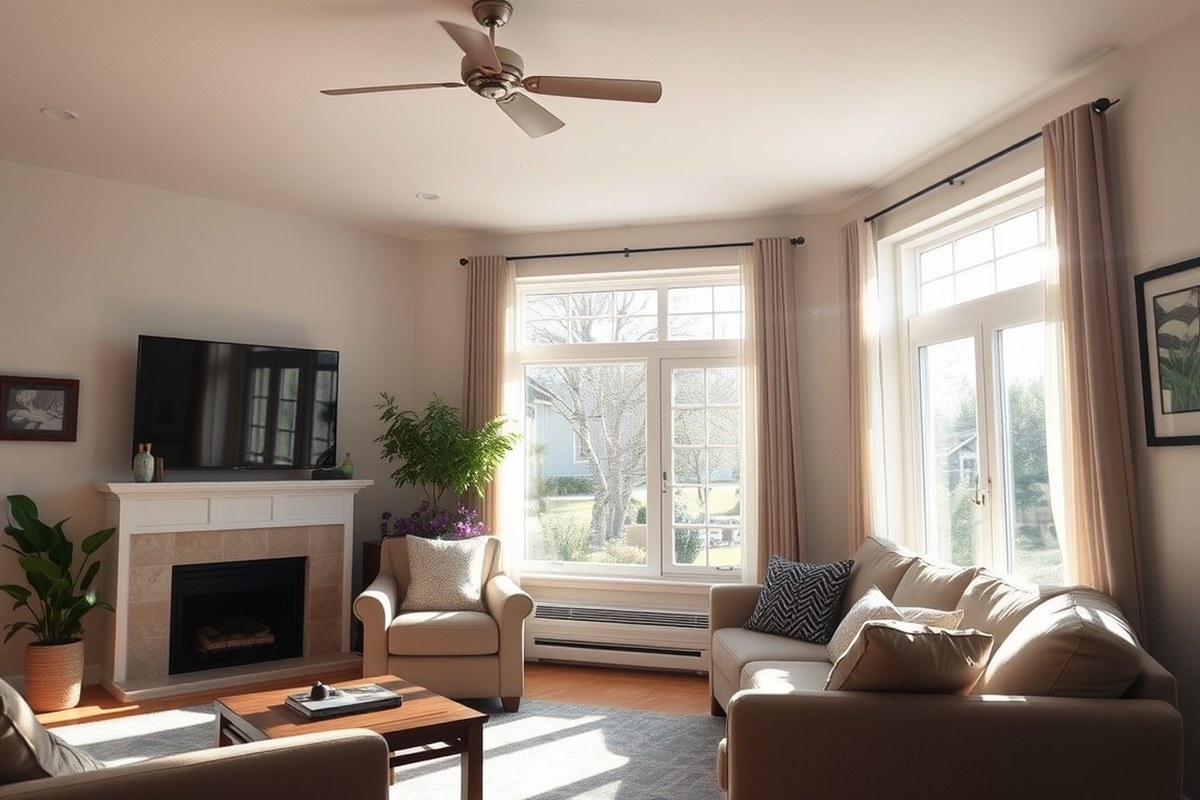
Start ventilating immediately after you are cleared to return indoors. Open all accessible windows and exterior doors wide to create a cross-breeze that flushes out airborne pesticides quickly. Running ceiling fans or portable fans can boost air circulation and speed up the process.
Maintain this airflow for at least 3 to 4 hours in most cases. This timing generally removes most airborne residues, given average home sizes and typical spray volumes. When your home still feels stuffy or chemically scented after this period, extend ventilation an additional 2 to 3 hours. During colder months, you may shorten this period but compensate with frequent airing sessions over 1 or 2 days.
Ventilation costs nothing except time and a bit of heating or cooling energy if the HVAC system runs less because doors and windows are open. The benefit of reduced chemical exposure outweighs these minor costs. Avoid closing windows too soon since trapped vapors can irritate respiratory passages or worsen allergies.
Special Considerations for Different Spray Types
Water-based sprays evaporate faster than oil-based or microencapsulated treatments, which can leave residues on surfaces longer. Water-based treatments may need only 2 to 3 hours of airing before the smell fades and chemicals clear. Oil-based sprays often require prolonged ventilation, up to 6 hours or more, because they release potent odors and vapors slowly.
Organic or botanical sprays like those containing essential oils typically dissipate much quicker and may only need brief airing of 1 to 2 hours. The label on your specific product should indicate required re-entry and ventilation times. When you cannot find this information, ask your pest control provider for advice tailored to the type of chemical used.
One exception is foggers or total release fogger treatments, which saturate the air with insecticides. After fogging, you must keep windows closed during the treatment and only open them fully for at least 4 to 6 hours afterward. This helps flush out the concentrated chemicals safely before returning.
Ventilation Tips for Allergies or Sensitivities
Households with asthma, allergies, or chemical sensitivities need to ventilate longer and more thoroughly. Start by opening multiple windows and doors to maximize fresh air flow. Use a fan pointed outwards in one window to push indoor air outside and a second fan pulling fresh air in at the opposite end of the house.
When outdoor air quality is poor due to pollution or pollen, wait for a clear day to ventilate or open windows only briefly several times per day. Avoid using HVAC ventilation alone since it circulates indoor air without replacing it. For extra precautions, cover floors and furniture before spraying to reduce residues that might aggravate sensitivities if disturbed.
Keep windows open for at least 3 to 4 hours after the wait time given for re-entry; use fans to speed air exchange and reduce indoor chemical levels more effectively.
3. Keeping Pets Safe After Pest Control Sprays
Common Risks Pest Sprays Pose to Pets
Pest control sprays often contain chemicals that can irritate or poison pets through skin contact, inhalation, or ingestion. These substances may cause symptoms like drooling, vomiting, difficulty breathing, or skin rashes in dogs, cats, birds, or small mammals. The risk level depends on the specific pesticide used, the concentration applied, and the pet’s size and health condition. Immediate exposure especially matters because pets tend to groom themselves, increasing the chance of ingesting residues before they fully dry or dissipate.
Another risk comes from pets disturbing treated surfaces too soon, which can result in tracking chemicals onto their fur or paws and spreading contaminants around the house. Young, small, or sensitive animals show more pronounced effects and require stricter precautions. Even though licensed professionals apply approved products at regulated doses, proper procedures must be followed to minimize any harm.
Steps to Protect Pets Before Treatment
You must remove all pets from indoor or outdoor areas scheduled for spraying before the technician arrives. This includes fish tanks, bird cages, and pet bedding, which should be relocated to untreated rooms or temporarily moved outside if safe. Leaving pets in the house during treatment exposes them to airborne particles and residues settling on surfaces. Also, make sure to clean up pet food, water bowls, and toys beforehand so they don’t come into contact with pesticides.
Inform the pest control provider about your pets, including any exotic or small animals, to ensure they choose appropriate products and alert you to specific precautions. Plan for at least the recommended no-entry period for pets, generally spanning 4 to 6 hours, but sometimes longer for heavily treated areas or outdoor applications. Designate a safe waiting area, such as a friend’s home or a boarding facility, if the treatment will last more than a day or covers multiple rooms.
Safe Timeframes for Bringing Pets Back Inside
The general rule is to wait until the sprayed surfaces are dry and any lingering odors fade before allowing pets back inside treated spaces. This drying period commonly takes 4 to 6 hours, but environmental factors like humidity and temperature influence it. Ventilating the home thoroughly speeds up chemical dissipation, reducing risks. Do not let pets lick or walk on damp areas, as pesticides are more likely to transfer to fur or paws during this time.
For outdoor pest control, keep pets away from treated lawns, garden beds, or structural foundations for 24 to 48 hours. Grass and soils retain chemicals longer, and pets can ingest toxins by licking their paws or chewing vegetation. Consult your pest control technician or the product label for precise re-entry times based on the pesticides used. If uncertainty remains, waiting longer is safer, especially for puppies, kittens, or animals with respiratory issues.
What to Do If Pets Show Signs of Exposure
If a pet exhibits symptoms like excessive drooling, vomiting, lethargy, shaking, or breathing difficulty after pest control spraying, act immediately. Remove the animal from the treated area to fresh air and prevent further contact with residues. Avoid bathing or wiping the pet unless advised by a veterinarian, since improper cleaning could spread the toxin or cause additional stress.
Contact your veterinarian without delay and provide them with details about the pest control methods and chemicals used if possible. Keep emergency numbers on hand, including poison control centers. Prompt professional care improves outcomes and reduces the chance of serious illness. In less urgent cases, observe the pet closely for any worsening symptoms and follow any instructions from your vet or pest control provider.
4. Food Safety and Cleaning Guidelines After Pest Control
Food safety after pest control spraying requires immediate attention to avoid chemical contamination. Eating food left exposed during spraying is not safe because residues may have settled on it. Proper cleaning of dishes, utensils, and surfaces is necessary to minimize health risks from insecticide residues.
Which Foods to Remove or Cover Before Spraying
Before pest control spraying, remove all exposed food or cover it tightly to prevent contamination. Uncovered fruits, snacks, cereals, and open containers can absorb airborne chemicals, which makes them unsafe to eat afterward. If you did not prepare in advance, consider discarding any exposed perishable items that cannot be rinsed thoroughly. Packaged, unopened food items stored in sealed containers or inside cabinets usually remain safe. This step prevents residues from settling directly on your food.
Take special care with foods like cut fruits, bread, or leftovers left on countertops. These tend to absorb spray residues more easily, posing a higher risk. Plastic wrap or airtight containers work well to seal food during treatments if removal is not feasible. This precaution reduces your exposure to harmful chemicals and preserves food quality.
Cleaning Protocols for Surfaces and Utensils
After the recommended re-entry time, thoroughly clean all surfaces and utensils that might have come into contact with the spray. Use a mild detergent and warm water to wipe countertops, tabletops, and stovetops. Avoid harsh cleaners that may react with chemicals and complicate removal. Washing dishes, glasses, and cooking utensils in hot, soapy water is essential before using them again, even if they appeared clean before spraying. This process physically removes any pesticide residues.
Do not skip cleaning handles, switches, and knobs in the kitchen, as these surfaces may have airborne particles deposited during spraying. Scrubbing with a sponge or cloth, followed by rinsing with clear water, reduces chemical residue risk. This extra step supports safe food preparation and prevents unintentional ingestion of toxins.
Handling Forgotten Food Items
If you forgot to clear food or utensils from countertops before spraying, treat all exposed items as contaminated. Toss away perishables that soaked up spray residue. For non-perishable but exposed items like sealed jars or cans, wipe them down with a damp cloth before opening. This reduces the chance of transferring chemicals to your food or hands. Be cautious with opened packages, if you doubt their safety, it is better to discard them.
Also check food storage areas such as cupboards and pantries for any residues or overspray. Cleaning these spaces with a mild detergent solution can prevent long-term contamination. When in doubt, err on the side of caution to avoid ingesting pesticide residues. This approach minimizes the risk of chemical exposure from overlooked food items.
Safe Food Practices to Resume After Treatment
Resume normal food handling only after thorough cleaning and once the pest control products have dried completely. Waiting at least a few hours after spraying helps ensure residues become less volatile. Maintain standard hygiene practices, such as washing hands before meal preparation, cleaning cutting boards, and avoiding raw food contact with treated surfaces until fully cleaned.
Keep a mental checklist: all visible residues are gone, utensils are washed, and food storage containers are intact and clean. Avoid eating foods that were exposed to spray without cleaning, even if they look fine. Your goal is to limit ingestion of any chemical residue for your family’s safety. Following these steps reduces health risks and supports a healthy living environment after pest control treatments.
5. When to Resume Household Cleaning and Vacuuming After Treatment
Wait at least 24 hours before cleaning floors or vacuuming after pest control spraying to let the chemicals settle and remain effective. Cleaning too soon can remove or reduce the pesticide residue, which lessens the treatment’s ability to control pests. How long you wait can vary based on the product used and the area treated, but one full day is a common baseline.
How Cleaning Affects Pest Control Residue
The pesticide residue on floors and surfaces acts as a barrier that kills or repels pests when they contact it. Vacuuming or mopping too soon after treatment can physically remove this residue, cutting into its effectiveness. For example, wet mopping can wash away liquid sprays, while vacuuming can pick up insecticide granules placed on carpets or edges.
Maintaining this residue is important because many sprays rely on contact time to work. Premature disturbance of this layer reduces the chance for pests to contact the pesticide sufficiently, resulting in poor control or the need for retreatment. Avoid aggressive cleaning methods that strip or dilute the chemical before it has dried or bonded.
Recommended Wait Times Before Cleaning
The general rule is to wait 24 hours before sweeping, mopping, or vacuuming floors and carpets treated with a pesticide spray. Water-based sprays usually dry within a few hours but need extra time for the chemical to bind to surfaces. Oil-based or longer-lasting formulations may require a longer wait, sometimes 48 hours or more, depending on the label instructions.
High-traffic areas or heavily soiled spots might tempt you to clean sooner, but holding off helps maximize pest control results. Check the product label or ask your pest control professional for specific recommendations. In some cases, spot cleaning non-treated areas can be done cautiously without disturbing the sprayed zones.
Safe Cleaning Techniques Post-Spray
Once the recommended wait time has passed, choose cleaning methods that reduce disruption of the pesticide residue. Instead of using wet mops, opt for dry methods like sweeping or using a vacuum with a brush or crevice tool to avoid soaking treated surfaces. Using a damp mop lightly and only in untreated areas minimizes the risk of removing residue.
Use vacuum cleaners equipped with HEPA filters to capture any airborne particles safely without blowing them back into the room. Avoid vigorous scrubbing or chemical cleaners that might interact with pesticide residues. Maintaining good ventilation during cleaning helps clear any lingering vapors without compromising the residue.
Methods to Help Dry or Settle Chemicals Faster
Speeding up the drying or settling process lets you safely return to cleaning sooner without affecting the treatment. Increased air circulation using fans or opening windows can help evaporate moisture from sprayed surfaces quicker. Avoid using high heat or direct sunlight in ways that might degrade the chemical prematurely.
Lower humidity indoors also speeds drying time; running a dehumidifier on humid days can reduce waiting periods. Gentle airflow with a fan pointed away from sprayed carpets or upholstery encourages settling while preserving the treatment. Avoid vacuuming or touching the sprayed spots until fully dry and settled.
Always follow the pest control product’s label for wait times and cleaning instructions to avoid reducing its effectiveness or risking exposure.
6. Personal Care: Showering and Bathing After Pest Control Sprays
Showering or bathing immediately after pest control spraying generally isn’t recommended because the chemicals used often need time to settle and dry on surfaces. This delay helps reduce your direct skin exposure to wet or fresh residues, which can irritate your skin or cause other health issues. Most pest control products specify a waiting period, commonly between 4 to 12 hours, but this varies based on the type of chemical used and the instructions given by the applicator.
Checking the product label or asking your pest control professional is essential before deciding to shower or bathe. If the spray involved outdoor areas or surfaces far from your bathroom, washing yourself sooner might pose less risk. However, if the treatment was inside your home, particularly close to water sources, waiting longer ensures that residues on surfaces or in the air have dissipated.
When it is safe to bathe, rinse thoroughly with lukewarm water and soap to wash off any particles that may have transferred to your skin or hair during and after the treatment. Avoid hot water, which can open pores and potentially allow chemical residues to penetrate the skin more easily. Pay special attention to areas like hands, neck, and face. Using mild fragrance-free soap reduces skin irritation risks.
Children and sensitive individuals should wait longer and may need to wash with extra care. For example, if children were present during spraying, their smaller body size and delicate skin make them more vulnerable to exposure, so waiting at least 12 hours before bathing is often wise. In some situations, your pest control professional might advise specific timing based on the product formulation used.
Do not wash off pest control chemicals too early by showering right after application, or you might reduce the treatment’s effectiveness in controlling pests, especially for products designed to stay on surfaces and kill insects on contact. On the other hand, delaying baths too long without proper ventilation or cleaning can increase the risk of breathing in lingering chemicals.
Costs or time investment for safe personal care after pest control is minimal, usually just the few hours of waiting and a normal bathing routine. Problems arise mainly when people ignore safety instructions and shower immediately, which can lead to skin irritation, chemical burns, or even more severe reactions depending on the pesticide. Following instructions avoids these issues and maintains the balance between effective pest control and personal health.
7. Recognizing Symptoms of Chemical Exposure and What to Do
Exposure to pest control chemicals can cause various symptoms depending on the chemical type, concentration, and duration of contact. Recognizing early symptoms allows you to act quickly to minimize health effects. Taking specific steps right away can prevent complications and support recovery.
Mild to Moderate Exposure Symptoms
Mild symptoms usually appear as skin irritation, redness, or itching where the chemical touched the body. You might notice watery, irritated eyes or a mild cough and throat irritation if you inhaled any spray residue. Headaches, dizziness, and nausea can also signal moderate exposure, especially if the area was poorly ventilated after treatment. These reactions occur because many pest control chemicals are designed to interfere with pests’ nervous systems but can affect humans in smaller doses. Your first action should be to increase ventilation by opening windows and doors for at least 30 minutes. Remove any contaminated clothing and wash the exposed skin thoroughly with soap and water for 10 to 15 minutes. Drinking water can help ease headaches and clear toxins from your system. Monitor symptoms closely; if they do not improve within an hour or worsen, seek further help immediately.
Serious Signs Warranting Medical Attention
Serious exposure symptoms include difficulty breathing, chest tightness, severe headache, confusion, vomiting, muscle weakness, or loss of consciousness. These signs may indicate significant poisoning or allergic reaction, requiring urgent professional care. Chemicals like organophosphates and carbamates affect the nervous system more severely and can escalate quickly if untreated. When anyone in your household experiences these symptoms, call 911 or your local emergency number immediately. Do not attempt to drive a person showing severe signs. Also, keep the pesticide container or label handy to provide precise information about the product used when medical personnel arrive. Early medical intervention might involve oxygen therapy, activated charcoal, or specific antidotes depending on the chemical involved.
Immediate First Aid Steps
Start first aid by removing the person from the treated area to fresh air to reduce further inhalation exposure. Take off all clothing that could retain chemical residue. Wash any exposed skin with soap and lukewarm water, avoiding harsh scrubbing that can increase absorption. Rinse eyes with clean water for 15 minutes if there was contact with spray mist. Avoid inducing vomiting if the chemical was ingested unless instructed by poison control or emergency staff. Contact the Poison Control Center at 1-800-222-1222 for tailored advice on your specific product until emergency help arrives. Keeping calm and acting promptly while following these steps can prevent symptoms from escalating or spreading.
When and How to Contact Your Pest Control Provider
You should notify your pest control company if you notice unusual symptoms soon after treatment, even if they appear mild initially. The provider can confirm the products used and advise on any specific risks tied to those chemicals. Many companies have protocols for accidental exposure and can guide you on follow-up actions, including whether a cleanup or re-treatment might be necessary to reduce residue. Provide them with a detailed list of symptoms, timing, and locations of exposure. Severe symptoms require contacting emergency services first and then informing the pest control company as part of documentation or insurance claims. Keeping clear communication open helps assess whether a product was applied correctly and how to prevent future risks.
8. Differences in Aftercare Between Chemical and Organic Pest Treatments
Post-treatment steps differ between synthetic chemical sprays and organic pest control due to variations in ingredient persistence, toxicity, and environmental impact. Synthetic chemicals often require stricter safety measures and longer waiting periods before reentry and cleaning, while organic sprays generally allow quicker household activities with fewer risks.
Types of Pest Control Sprays
Synthetic chemical sprays contain man-made compounds designed for fast and strong knockdown of pests. They include pyrethroids, organophosphates, and carbamates, each with specific toxicity levels and residual effects. Organic or natural sprays use plant-based or microbial ingredients such as neem, essential oils, or Bacillus thuringiensis, aiming for a safer environmental profile and lower impact on humans and pets.
The active ingredients in synthetic chemicals can remain on surfaces for days or weeks, which demands careful handling after application to avoid exposure. Organic sprays break down more rapidly, typically reducing the potential for lingering residues. Your choice affects which precautions apply and how long you should keep away from treated areas.
Typical Wait Times by Treatment Type
The time you should wait before reentering your home or resuming chores depends on the treatment applied. Synthetic chemical sprays usually require at least 4 to 6 hours of no entry, sometimes up to 24 hours for high-toxicity products or indoor fogging treatments. Organic sprays often allow reentry within 1 to 2 hours since they contain less harmful ingredients and degrade faster.
Waiting periods also depend on the size of the area treated and ventilation during the process. Larger or poorly ventilated spaces might require longer wait times regardless of product type. Confirm your pest control provider’s specific recommendations, which should cite the product label and local regulations for safety.
Safety Precautions per Spray Category
| Spray Type | Typical Active Ingredients | Entry Wait Time | Recommended Precautions | Common Restrictions |
|---|---|---|---|---|
| Synthetic Chemicals | Pyrethroids, Organophosphates | 4 to 24 hours | Keep children, pets away; avoid touching treated surfaces; ventilate thoroughly | No food contact during application; avoid direct skin exposure |
| Organic/Natural | Neem oil, Essential oils, Microbial agents | 1 to 2 hours | Minimal restrictions; ventilate as a precaution; still avoid sensitive individuals during spray | No restrictions on food surfaces once dry |
Synthetic chemicals often require more stringent post-application controls because of the risk of harmful exposure. Organic sprays are safer for use around vulnerable populations but still demand proper ventilation and care to avoid allergic reactions or irritation.
Do not assume organic means completely safe; always follow product label instructions and keep ventilation strong until surfaces dry.
Recommended Clean-Up and Ventilation
After synthetic chemical treatments, cleaning surfaces that might come into contact with food or skin typically waits until the wait period passes and ventilation is complete. Usually, wiping with a damp cloth and mild detergent after 24 hours reduces residue risks. Vacuuming and sweeping should also be done after waiting to avoid spreading chemicals into the air.
With organic sprays, you can often ventilate during and shortly after application, then clean surfaces within a couple of hours. Household cleaning like vacuuming can resume sooner, as the organic materials break down quickly and pose less exposure risk. Still, washing hands after handling any treated area remains a good practice.
9. Preparing Your Home and Family Before and After Pest Control
Preparing your home before pest control spraying and following specific steps afterward creates a safer environment and improves treatment effectiveness. Remove or cover furniture and plants as directed, gather needed supplies for cleanup and airing out, and follow the pest control professional’s re-entry guidelines strictly.
Pre-Treatment Clearing and Coverage
Clearing and protecting your belongings prior to spraying reduces chemical residue on surfaces where you live, eat, and relax. Most pest control companies recommend moving furniture away from baseboards and walls where sprays are applied. Cover any furniture that cannot be moved with plastic sheets to avoid contamination.
Indoor plants exposed to pesticide sprays may absorb harmful chemicals through leaves or soil. Either relocate plants outdoors if weather allows, or cover them securely with plastic. Do not forget to store or cover children’s toys, pet bedding, and food items.
Preparing these items ahead takes from 30 minutes to a couple of hours depending on your home size and clutter level. Having a clear, designated staging area for covered items helps ensure nothing is missed.
Essential Aftercare Supplies
Having the right supplies on hand after spraying enables you to follow ventilation and cleaning guidelines effectively. Important items include:
- Plastic sheeting and painter’s tape for covering anything you might move back in phases
- Cotton or nitrile gloves for safe handling of covered or sprayed surfaces
- Disposable towels or rags for spot cleaning wipedown areas
- Nontoxic cleaning spray or mild detergent for post-treatment wiping
- Face masks to reduce inhalation of residual dust while airing out
- Fans to promote air circulation and speed drying of residues
Keeping these items ready before and after spraying lets you react quickly and minimize exposure. Be careful not to scrub or vacuum too soon, as pesticides may still be active and cleaning too early can reduce effectiveness.
Instructions Given by Professionals
Most pest control technicians provide written or verbal guidelines on preparation and aftercare. Their advice usually includes how long to stay out of treated rooms, what to do with food and utensils, and when to start cleaning. You should ask specifically about:
- Recommended time to keep windows closed or open, and how long to run ventilation fans
- Whether to wash treated floors or surfaces, and with what type of cleaner
- Steps for reintroducing pets and children safely
- Signs you should call them back if you notice adverse reactions or failures
Follow these instructions carefully, as they are calibrated to the chemicals used and your home environment. Do not decide to speed up re-entry or skip steps based on assumptions.
Special Considerations for Children and Elderly
Homes with small children or elderly residents require extra care because these groups are more sensitive to pesticide residues. Before spraying, remove toys and bedding from affected rooms and after spraying, keep children and elderly away from treated surfaces until fully dry and aired out, this may be 4 to 24 hours depending on chemicals.
Use barriers to prevent access to treated rooms during drying times. Provide clear instructions to caregivers and family members about when it is safe to resume normal use. In cases of respiratory or skin sensitivities, consult your pest control provider about possibly longer avoidance periods or alternative treatment methods.
10. How Soon Will You See Pest Control Results and What to Expect
Most pest control treatments start showing results within a few days, but the full effect can take up to two weeks depending on the pest and product used. Early signs of success include reduced pest sightings and fewer droppings. When pests return quickly or appear unaffected, the treatment may have failed and require reevaluation.
Typical Pest Reduction Timeline
Pest activity often drops noticeably within 3 to 5 days after spraying, especially for insects like ants or cockroaches that come into direct contact with the treatment. Residual chemicals continue to work on hidden pests in walls or crawl spaces for up to two weeks. Larger pests such as rodents might take longer, sometimes two to three weeks, before you see fewer signs of infestation because they can avoid treated areas initially.
Expect most pest control products to have a residual effect lasting from a couple of weeks to a few months, depending on the chemical and environmental conditions. Humidity, cleaning, and exposure to sunlight can shorten how long treatments remain effective. For ongoing infestations, pest control professionals often recommend follow-up visits after two to four weeks to monitor and reinforce treatment.
Indicators of Successful Treatment
You can tell the treatment is working when you observe a steady decline in pest activity. That means fewer live insects or rodents sighted inside or near your home, fewer droppings, damage, or signs of nesting. Dead pests found soon after treatment are expected but don’t rely on them alone because many pests hide away.
Another good sign is no new pest damage to food, furniture, or plants over several days. Note that some pests may become more visible temporarily as they flee treated areas, but this should subside quickly. When your pest control technician left monitoring traps, a drop in trapped pests is also a positive indicator.
Early Signs of Treatment Failure
Persistent or increasing pest sightings within the first week after treatment suggest the insecticide or rodenticide might not be effective against your specific infestation. Frequent droppings, new damage, and regular pest activity in treated areas are warning signs. This could happen if the pests are resistant to the chemical used or if the application missed critical hotspots.
Failing to see any dead pests after several days often means contact was insufficient or pests found untreated refuge areas. Also, heavy cleaning, rain, or ventilation actions executed too soon after spraying may have removed or diluted the treatment, reducing effectiveness. When failure signs appear, keep a detailed log of pest activity and conditions to share with your provider.
Steps to Take If Pests Return
Start by contacting your pest control company to report the issue and schedule a follow-up inspection. Professionals can identify if retreatment or a different product is needed. Continued pest presence may require treatment of adjacent or hidden areas you might not have considered.
In the meantime, reduce pest attractants by sealing food tightly, removing clutter, and fixing leaks that provide water. You can also deploy bait stations or traps recommended for your pest type. Avoid DIY sprays unless advised, as improper products can worsen resistance and complicate professional treatments. Document all pest sightings and treatment dates to maximize the effectiveness of follow-ups and adjustments.
11. Common Mistakes After Pest Control Spraying and How to Fix Them
Many homeowners make avoidable mistakes after pest control spraying that reduce treatment effectiveness or create safety hazards. Recognizing these errors and applying practical fixes can improve health and pest outcomes while saving time and money.
Cleaning Too Soon or Too Vigorously
Cleaning immediately after spraying often removes pesticide residue before it can work. Most treatments require several hours to days for chemicals to settle and act on pests. Excessive scrubbing or vacuuming can disturb treated areas and expose you to residues.
To fix this, follow the pest control provider’s timeline precisely, usually, wait at least 24 to 48 hours before cleaning sprayed surfaces. When you resume cleaning, use gentle methods such as lightly wiping or vacuuming carpets to avoid removing the pesticide prematurely. Delaying cleaning by a day or two results in better pest control and reduces your chemical exposure.
Ignoring Pet and Child Safety Advice
Household pets and children are often more vulnerable to pesticide exposure. Homeowners sometimes bring kids and pets back inside too soon or allow them on treated floors and furniture before it is safe. This increases health risks like skin irritation or worse.
Protect your household by adhering strictly to the safety intervals advised by pest professionals. Typically, keep children and pets out of treated rooms for at least 2 to 4 hours, longer if the spray is wet or if recommended on the pesticide label. Washing pet bedding and toys separately after treatment also prevents repeated exposure.
- Keep pets outdoors or in untreated areas during the full re-entry period
- Keep children away from spray residue on floors and walls
- Wash hands of all family members after entering treated rooms
- Notify caregivers and babysitters about safety timelines
- Follow label instructions for pet-specific products
Do not assume your pet or child can return to treated areas sooner than recommended; their absorption rates and sensitivities differ from adults.
Improper Food Handling
Food safety is frequently compromised when homeowners fail to cover or remove food before spraying or do not clean food prep areas correctly afterward. Sometimes, products contaminate uncovered food or utensils, posing ingestion risks.
Before spraying, remove all food items from countertops and open shelves or seal them in plastic containers. After treatment, wipe down all food-contact surfaces with soap and water, even if the label suggests no immediate cleaning. This limits residues transferring to your food. Avoid eating or preparing food in treated rooms during the waiting period to prevent ingestion of pesticides.
Failure to Ventilate Properly
Proper ventilation removes chemical odors and reduces indoor air concentration of pesticides. Homeowners often neglect opening windows or running fans long enough or skip ventilation altogether, which can prolong exposure to vapors and irritants.
Ventilate for at least 2 to 4 hours post-spraying as recommended, using multiple windows and fans to create airflow. If weather or security limits window use, running HVAC systems with fresh air intake helps. Poor ventilation can cause headaches, nausea, and longer chemical presence indoors.
Not Reporting Issues to Pest Control Provider
Ignoring unusual symptoms, pest persistence, or visible residues after treatment is a common mistake. Some homeowners expect immediate results or assume all issues will resolve without reaching out. This delays corrective action and may require costly retreatments.
Contact your pest control company promptly if you notice worsening pest activity beyond their expected timeline or if you experience adverse reactions. Most providers have protocols for follow-up inspections and complementary service visits. Early communication helps address problem areas efficiently and ensures your safety concerns are documented and managed.
12. Post-Treatment Pest Prevention and Follow-Up Care
Maintaining pest-free conditions after a spray treatment requires ongoing efforts including routine home care, sanitation, and timely follow-ups. Establishing habits that eliminate food sources and hiding spots for pests will reduce the chances they come back, while scheduling treatments based on pest activity helps sustain control over time.
Routine Home Maintenance Tips
Regularly inspect entry points such as window screens, door seals, and foundation cracks to keep pests from returning. Repair gaps or holes promptly using caulking or weather stripping as these openings invite insects and rodents. Keeping your lawn trimmed and removing debris piles near your house removes ideal nesting places. For example, cutting grass to under 3 inches and clearing leaf litter every month disrupts insect habitats. Routine maintenance also includes checking for plumbing leaks since moisture attracts pests like silverfish and cockroaches.
Vacuuming carpets and floors at least twice a week removes crumbs and insect eggs, slowing pest life cycles. Avoid clutter in storage areas and keep boxes or bags off the floor because pests like to hide in dark, undisturbed spaces. Using plastic containers with tight lids helps protect stored food and reduces pest access compared to cardboard boxes.
Sanitation and Habitat Removal
Cleaning up spilled food, wiping counters immediately after meals, and storing food in sealed containers all deny pests the sustenance they need to survive. Don’t leave pet food out overnight, as it attracts pests once the household is quiet. Removing garbage daily and ensuring outdoor trash bins have secure lids greatly cuts down on pest presence. In kitchens, mop floors regularly to eliminate grease residues that attract ants and cockroaches.
Removing sources of standing water such as clogged gutters, birdbaths, or leaky hoses lowers reproduction opportunities for mosquitoes and other insects. Clearing vegetation that touches the house creates a barrier to pests climbing indoors from outside. These sanitation steps typically cost mainly your time and small supplies like bin liners or caulk, but the payoff in pest reduction is significant.
Scheduling and Expectations for Follow-Ups
Follow-up treatments usually take place every 3 to 6 months, depending on the pest species, treatment type, and infestation level. For pests like ants or spiders, quarterly follow-ups are common since they reproduce quickly. Termite treatments often require yearly inspections rather than routine spraying. Your pest control provider can recommend an interval based on their assessment of your situation.
Scheduling your next service before the current treatment’s effects fade helps maintain low pest populations. Delay risks re-infestation and the need for more extensive chemical use. Some providers include follow-ups in their initial contract, but if not, arrange appointments well in advance. Keep records of treatments and pest sightings to share at follow-ups so professionals can adjust strategies as needed.
Communicating with Your Pest Control Provider
Keep an open line of communication with your pest control company to report any pest sightings or concerns between treatments. Explaining where and when you see pests allows technicians to target specific problem areas during follow-up visits. Ask for detailed explanations of the products used, safety precautions, and any changes they suggest to your maintenance routine.
If pests persist despite regular treatments, request a reevaluation as it could indicate resistance or an overlooked infestation source. Your provider might adjust the chemical, treatment method, or recommend additional exclusion work. Clear communication helps avoid misunderstandings and ensures the treatment plan evolves with your home’s needs.
Step-by-Step Action Plan After Pest Control Sprays
Follow these timed steps carefully to protect your family, pets, and home while ensuring the pest control treatment works effectively.
- Immediately After Treatment (First 2 to 4 hours): Stay out of the treated areas for at least 2 to 4 hours as directed by your pest control provider. This prevents exposure to harmful chemicals and lets the spray start working without disturbance.
- Within 24 Hours: Begin ventilating your home by opening windows and doors in rooms that were sprayed. Ventilate for several hours to reduce lingering chemical odors and improve air quality. Avoid using ceiling fans or HVAC systems that can spread chemicals before ventilation.
- After Ventilation (24 to 48 hours): Remove or cover all pet food, toys, and bedding during treatment and for 24 hours afterward. Walk pets outside, away from treated zones, until floors and carpets are dry and aired out. This keeps pets from contact with residues that may irritate or poison them.
- Day 2 to Day 3: Clean only non-treated hard surfaces like countertops with warm soapy water. Avoid vacuuming or mopping carpets and upholstered furniture until at least 48 hours post-treatment to not disturb pests or chemicals. Follow your technician’s advice, as some areas may require waiting longer.
- After 48 Hours: Shower and wash clothing you wore during treatment to remove any chemical residues. This lowers your risk of skin irritation or chemical exposure. Use mild soap and rinse thoroughly.
- First Week: Monitor for any signs of chemical exposure such as headaches, dizziness, nausea, or skin irritation. If symptoms appear, get fresh air, rinse affected areas, and contact your pest control company or healthcare provider immediately.
- One to Two Weeks Post-Treatment: Expect visible pest reductions within 3 to 7 days. Continue practicing pest prevention measures like sealing cracks and storing food properly to keep pests from returning. Schedule any recommended follow-up treatments on time to maintain results.
- Ongoing: Avoid common mistakes such as premature cleaning or letting pets roam in treated areas before it is safe. Adjust cleaning routines based on the type of treatment, organic sprays often allow sooner reentry and cleaning than chemical pesticides.
Frequently Asked Questions
Can I Touch or Move Things Immediately After Pest Control Spraying?
Avoid touching or moving items in treated areas for at least 2 to 4 hours to prevent skin contact with chemicals. This helps ensure the pesticide dries and bonds to surfaces, reducing exposure risks and allowing the treatment to work effectively.
Should I Wash Curtains and Blankets After Pest Control Treatment?
Washing curtains and blankets right after treatment is not necessary unless they were directly sprayed or contaminating pests are visible. Frequent washing may remove some pesticide residue prematurely, decreasing treatment effectiveness, so follow your technician’s advice about laundering.
Is It Safe to Sleep in the Treated Rooms the Night of the Spray?
You can usually sleep in treated rooms once advised re-entry time has passed, often between 2 and 6 hours, depending on the pesticide. Ensure proper ventilation beforehand to reduce inhalation risks and avoid lingering chemical odors.
Can I Eat or Cook in the Kitchen Right After Pest Control Sprays?
Do not use kitchen surfaces or appliances until you have thoroughly cleaned all food contact areas as instructed, usually after the spray dries. This prevents ingesting pesticide residues, ensuring food preparation remains safe.
What Should I Do About Treating Outdoor Plants Near Sprayed Areas?
Avoid watering or touching outdoor plants near treated zones for 24 to 48 hours to prevent pesticide wash-off or contamination. This pause supports effective chemical absorption and minimizes harm to plants or beneficial insects.
How Soon Can I Replace Pet Bedding After Pest Control Spraying?
Replace or wash pet bedding 24 to 48 hours after treatment to remove pesticide residues safely. Keeping pets off treated floors and removing contaminated fabrics reduces them licking or absorbing harmful chemicals.
Before You Go
After a pest control spray, you should wait the recommended time on the product label before re-entering, usually between 2 to 4 hours, to reduce exposure to chemicals. Ventilate your home thoroughly by opening windows and doors to lower indoor chemical levels; focus on rooms where spraying occurred. Today, start by reviewing the specific aftercare instructions provided by your pest control professional, and schedule a thorough airing out of your home as soon as possible to help protect your family and pets effectively.