Does Pest Control Get Rid of Snakes? What Actually Works for Snake Removal
Standard pest control services usually do not include snake removal because snakes require specialized handling and knowledge to remove safely and humanely. Pest control focuses mainly on insects and rodents, so snake removal often calls for a licensed wildlife or snake removal specialist who understands the species, behavior, and risks involved. You’ll learn how professionals remove snakes, what methods work best, and why general pest control may fall short.
This information benefits homeowners, renters, and property managers concerned about snakes on their property. It covers prevention techniques, safe DIY options, common mistakes, timing and costs to expect, and how seasonal and regional factors impact snake activity. This helps you decide when to handle snakes safely yourself or call in an expert for effective, long-term control.
Key Takeaways
- Standard pest control rarely includes snake removal since it requires specialized handling due to snakes’ unique behaviors and risks.
- Professionals use traps, snake tongs, and relocation techniques but face limits with venomous or large snakes needing expert intervention.
- Long-term snake prevention relies on habitat modification: sealing gaps, removing debris, and controlling rodent populations around your property.
- Call a snake removal specialist if dealing with venomous snakes, persistent infestations, or if standard pest control fails to remove snakes.
- DIY snake removal is risky; improper handling can lead to bites or stress to the snake, so follow safety guidelines and use deterrents instead.
- Snake removal costs vary by snake type and location; expect same-day response if urgent, with success indicated by absence over weeks.
Does Standard Pest Control Services Include Snake Removal?

Standard pest control services generally focus on managing insects like ants, roaches, and termites, as well as rodents such as mice and rats. These services use traps, baits, and insecticides tailored to common household pests, which do not address the presence of snakes. Snake removal requires a different approach because snakes are reptiles that can move quickly and hide in different spaces than typical pests.
Pest control companies usually do not include snake removal as part of their routine service package. Snake removal often involves physical capture or deterrence methods that are outside the scope of standard pest control. Specialized equipment like snake tongs, hooks, and secure containers is necessary to handle snakes safely. Regular pest treatments like sprays or traps are ineffective for snakes and do not guarantee removal or prevent return.
You can find pest control companies that offer snake removal as an add-on or through a separate wildlife management division. These specialists know to inspect areas where snakes could hide, such as woodpiles, under decks, and near sheds. They typically work by carefully capturing the snake and relocating it away from residential areas. This can cost more than insect or rodent control because it involves more time, expertise, and safety precautions.
The effectiveness of pest control companies at removing snakes depends on their experience and equipment for handling reptiles. Some companies may subcontract the task to licensed wildlife specialists. A general pest control visit without this focus is unlikely to resolve a snake problem completely, especially if the snake species is venomous or the infestation is significant. Checking whether a company is licensed and insured for wildlife removal ensures safer, lawful handling and better results.
Snake removal requires patience and multiple visits sometimes. Snakes tend to return to areas that provide food and shelter unless these attractants are removed. Pest control services that include snake removal often combine capture with habitat modification, such as clearing debris and sealing entry points. This dual approach lowers the chance of snakes coming back after removal. The cost varies by region, the size of the property, and the number of snakes, but expect pricing above typical pest control fees due to the specialized nature of the service.
How Do Professionals Remove Snakes? Methods and Limitations
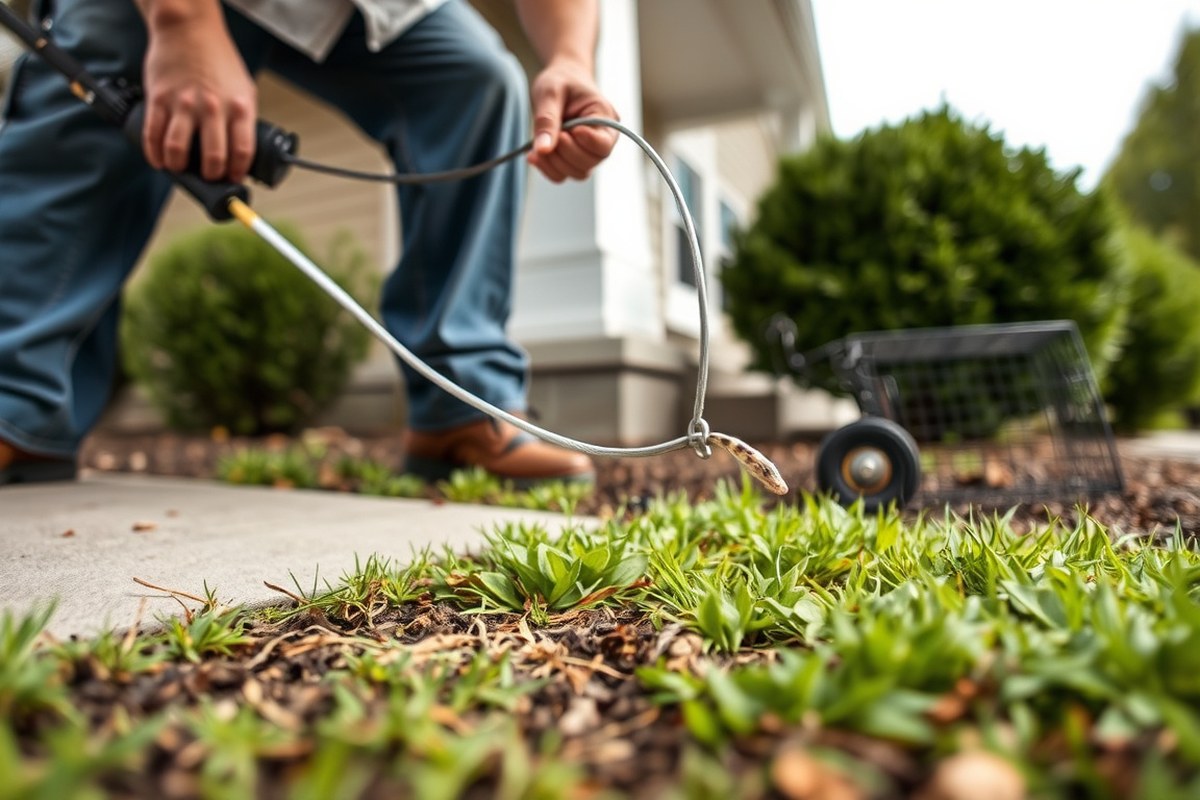
Professionals primarily remove snakes using physical methods like trapping and relocation because chemical pesticides are ineffective and unsafe for this purpose. These physical techniques involve careful identification, capture, and release of snakes away from human habitation. Chemical treatments do not reliably remove snakes and pose risks to other animals and the environment.
Physical Removal Techniques
Trapping is the most common physical method pest control experts use to remove snakes. Professionals place specially designed snake traps or funnel traps along known snake paths, such as near walls, woodpiles, or water sources. The traps capture snakes alive without harming them, allowing for safe relocation. After checking the traps frequently, usually daily to prevent stress or injury, technicians relocate captured snakes several miles away from homes to areas suitable for their survival.
Besides traps, manual capture using snake tongs and hooks is common when a snake is spotted directly. This requires skill to avoid injuring the snake or the handler. Professionals wear protective gear and secure the snake in a ventilated container before transport. The relocation site often is a natural habitat with ample shelter and food sources, minimizing the chance the snake will return.
Limitations of Chemical Treatments
Chemical pesticides generally do not work to remove snakes because snakes are not insects or rodents targeted by typical pest sprays. Most snake species do not respond to repellents or poisons designed for smaller pests. Also, chemicals can harm pets, wildlife, and beneficial insects if misused. Regulations often restrict the use of toxic chemicals near homes and natural areas, limiting their application.
Some commercial snake repellents use natural ingredients like sulfur or naphthalene, but their effectiveness is inconsistent and usually lasts only a few days. Environmental conditions like rain can quickly wash repellents away, requiring frequent reapplication. Due to these limitations and potential hazards, pest control professionals rarely recommend chemical treatments for snakes and prioritize physical removal and habitat modification instead.
Handling Venomous Snakes Safely
Removing venomous snakes demands extra caution and specialized training. Professionals use heavy-duty snake tongs and hooks, thick gloves, and sometimes snake-proof boots to prevent bites during capture. They identify the species carefully to assess the threat level and determine the best capture method. Because venomous snakes can react unpredictably, experienced handlers work with a partner and may carry antivenom or have emergency medical plans ready.
Attempting to trap or relocate venomous snakes without proper equipment and training increases the risk of serious injury or death. Professionals often recommend evacuating the area and calling a licensed snake removal expert immediately. The expert then uses careful restraint and containment techniques to move the snake to a remote location where it poses no threat to people.
Never try to handle a venomous snake yourself; always contact a trained professional to avoid dangerous bites and legal issues.
Effective Prevention Strategies to Keep Snakes Away Long-Term
Preventing snakes from returning after pest control treatment requires a mix of habitat modification, sealing access points, rodent control, and specific landscaping changes. Each step reduces the opportunities snakes have for shelter, food, and entry, which are key to long-term success. Integrating these strategies gives you a better chance of keeping snakes away over time.
Sealing Entry Points and Structural Repairs
Snakes can enter buildings through gaps as small as a quarter of an inch, so identifying and sealing these openings is important. Check around doors, windows, vents, plumbing pipes, and foundation cracks, then use weatherproof caulk, steel mesh, or expandable foam to close gaps. Pay attention to garage doors and pet doors, as these are common entry points.
Repair damaged screens and replace rotted wood in exterior walls or trim. Keep in mind that some materials degrade over time, so inspect your home every six months to ensure seals remain intact. Failure to maintain these barriers can allow snakes to reenter, negating the effects of pest control treatments.
Reducing Rodent Populations and Food Sources
Rodents attract snakes since they are a primary food source. Controlling rodent populations through traps, bait stations, or professional pest management disrupts the food chain snakes rely on. Store pet food and birdseed in sealed containers and clean up fallen fruit or compost regularly to avoid attracting rodents.
Eliminating shelter for rodents reduces their numbers. Clear clutter such as scrap wood piles, unused equipment, and dense brush near buildings. Regularly mow tall grass and trim weeds to remove hiding places. This simultaneously makes the property less attractive to snakes.
Landscaping and Habitat Modifications
Landscaping choices influence snake activity because snakes seek cool, shaded, and moist environments. Remove dense ground cover such as ivy or tall mulch close to your home’s foundation, replacing it with gravel or concrete. Maintain an open lawn with minimal debris.
Plant low, thorny, or dense shrubs away from the home to create a barrier that snakes avoid. Avoid stacking large rocks or wood near your house, as these provide ideal hiding spots. Drain standing water and fix irrigation leaks since snakes are drawn to moisture and prey that congregate there.
When to Call a Snake Removal Specialist Instead of General Pest Control
Call a snake removal specialist instead of a general pest control company when the snake is venomous, when there are multiple snakes, or when the situation threatens people or pets. Specialists have training and equipment to handle dangerous snakes safely, which general pest control technicians usually lack. Knowing when to involve a specialist helps prevent injury and ensures legal and effective removal.
Recognizing Venomous vs Non-Venomous Snakes
Identifying venomous snakes before help arrives requires attention to specific physical traits and regional knowledge. Venomous snakes in the US often have triangular or broad, flat heads compared to the narrower heads of non-venomous species, but relying solely on head shape can be misleading. Patterns such as bright colors, distinct bands, or eye pupil shape, elliptical pupils are common in pit vipers like rattlesnakes, copperheads, and cottonmouths, can offer clues.
You can look up images of local venomous snakes in your area through state wildlife agency websites to familiarize yourself with their appearance. Avoid approaching or trying to handle the snake to get a closer look. When uncertain, treat the snake as potentially dangerous until a professional evaluates it. Providing a clear description or photo to the pest control or removal service helps them prepare properly.
Risks Associated with Venomous Snake Encounters
Venomous snakes can deliver bites that cause severe tissue damage, allergic reactions, or even death if untreated. This risk increases significantly when the snake feels cornered, threatened, or is accidentally stepped on. Children, pets, and adults with limited mobility face higher chances of venomous bites in residential settings if snakes roam freely.
Besides bite risk, venomous snakes introduce complications such as the need for rapid medical intervention, specialized removal methods, and possible state or local wildlife regulations. Illegal or improper handling can lead to legal penalties or worsen the situation. It’s safer and often legally required to call licensed snake removal specialists who can identify the species and use the correct capture and relocation techniques without risk.
Indicators You Need a Specialist
Call a snake removal specialist if you spot venomous snakes like rattlesnakes, copperheads, or coral snakes, especially inside buildings or near play areas. Multiple snakes on the property also suggest a specialist’s intervention is necessary, as general pest control companies usually lack the experience and tools to manage such situations reliably.
Situations involving snakes inside walls, attics, or underground burrows require specialized equipment such as snake traps and knowledge of snake behavior to prevent re-entry and ensure full removal. When someone on site is allergic to snake venom or has mobility issues, rely on specialists for safety.
A sample script to tell the removal service might be: “I have found a snake matching the description of a venomous [rattlesnake/copperhead], it was close to the children’s play area inside the yard, and I see more than one near the shed. I need a licensed snake removal professional who can handle venomous species and ensure they are gone safely.” This information helps the service prepare appropriate gear and personnel.
Safe DIY Approaches and Risks of Handling Snakes Without Help
You can try some safe DIY methods to discourage snakes from lingering around your home, but removing or trapping them yourself carries significant risks. Handling snakes without proper knowledge and equipment may lead to bites, injury, or ineffective results. Keeping pets and children safe during any attempt at snake removal requires extra caution and preventive measures.
Safe Preventive DIY Actions
Reducing snake attractants outside your home is the most effective DIY approach. Clearing away dense vegetation, tall grass, and debris where snakes hide helps limit their shelter options. Seal gaps under doors, cracks in foundations, and spaces around pipes with weatherstripping or caulk to close entry points. Store firewood, lumber, and other materials at least 18 inches off the ground and away from walls to minimize snake harborage.
Insecticides and rodent control can also reduce snake food sources like rodents and bugs, but choose products carefully and follow label directions to avoid harm to non-target animals. Avoid applying chemical repellents advertised for snakes, as many lack proven effectiveness and may pollute the environment.
A focused yard cleanup every few months will discourage snakes by removing hiding spots and food.
Dangers of Improper Trapping or Killing
Attempting to trap or kill snakes yourself can escalate risks. Many snakes are non-venomous but some venomous species look similar; misidentification increases dangers. Trapping with homemade devices or glue traps can injure snakes and other wildlife without ensuring removal, and snaring may harm pets or children inadvertently.
Handling snakes directly without tools and experience exposes you to bites that could require urgent medical treatment. Using chemicals or poisons intended for snakes typically is illegal and dangerous, often harming harmless or protected species instead. Professional removal specialists use safer, targeted methods and know local regulations to prevent harm.
In states with venomous snakes, the risks rise substantially. Even large non-venomous snakes can bite or cause injury if cornered. Improper killing methods also raise animal welfare concerns and can be illegal in some areas.
Never try to kill or handle snakes without proper training and protective gear; call a licensed professional if unsure.
Protecting Pets and Children During Snake Removal
Keep children supervised and pets inside or on a leash in areas where snakes have been spotted. Remove pet food and water bowls from outdoor spaces overnight to reduce attraction. Block access to crawl spaces, sheds, and under decks where snakes might hide.
When applying pest control treatments around the home, choose products labeled safe for pets and children, and follow all safety instructions carefully. Avoid applying any chemicals in areas where pets roam freely. After snake activity is reported, thoroughly clean outdoor areas and inspect yards before letting children or pets play unsupervised again.
For ongoing safety, teach children to recognize snakes and keep a safe distance. Equip yourself with a snakebite first aid kit if you live in a region with venomous species. The most reliable way to protect your household during snake removal is to rely on professionals who can manage the situation without exposing your family to hazards.
Always supervise pets and children closely in snake-prone areas and secure outdoor zones to minimize encounters.
What to Expect: Timing, Costs, and Signs of Successful Snake Removal
Snake removal by professionals generally takes a few hours to complete, depending on the size of the property and complexity of the infestation. Costs vary widely, influenced by location, snake species involved, and treatment methods, but you can expect a range between a couple hundred to several hundred dollars. Success is clear when no snakes are seen returning and habitat conditions that attract snakes are addressed.
Expected Duration of Snake Removal
Professional snake removal usually requires about one to three hours on site to capture and relocate snakes safely. The process includes an initial inspection, setting up traps or capture equipment, and carefully removing any snakes found. Some situations may need follow-up visits over several days or weeks to ensure all snakes are gone, especially if the property has abundant hiding places or food sources attracting them.
The timing depends on the number of snakes present and how accessible these areas are. For example, a small garden with a single snake can be handled quickly, often within an hour. Conversely, a large yard with dense brush or debris might take multiple visits to clear out all snakes effectively.
Typical Cost Factors and Price Range
Costs for professional snake removal typically fall between $150 and $500 per visit, with variations driven by several factors. Urban areas with higher demand or species requiring specialized handling, like venomous snakes, tend to be more expensive. Likewise, larger properties needing multiple traps or follow-up visits push prices higher.
Some companies charge a flat fee for the initial service plus additional fees for removal of each snake captured. Others offer bundled packages for ongoing monitoring and prevention that can cost several hundred dollars. Seasonal demand also affects pricing; snake activity peaks in warmer months, which might increase costs due to higher service requests.
Visible Signs Snake Removal Is Working
You know snake removal efforts are effective when you stop seeing snakes on your property for a sustained period, typically several weeks. Reduction in snake shedding, tracks, or sightings near your home, garden, or pet areas are clear indicators. Also, fewer disturbances in pest rodent populations can confirm snakes have left since snakes often feed on these animals.
Another sign is less evidence of entry points like holes or gaps around foundations and fences if the pest control provider seals vulnerable areas during service. If you notice repeated snake appearances despite removal attempts, it may indicate ongoing attraction due to habitat issues that require correction, such as removing woodpiles, trimming tall grass, or eliminating rodent food sources.
Common Mistakes Homeowners Make and How to Avoid Them
Homeowners often make mistakes when trying to get rid of snakes that can prolong the problem or create safety risks. Common errors include ignoring the snake’s natural habitat and food sources, using unreliable repellents, and failing to prepare the property adequately before professional removal. Avoiding these mistakes improves the chances of effective snake control and prevents repeat encounters.
Ignoring Snake Habitats and Prey
Many homeowners focus only on spotting snakes but overlook the reasons snakes are attracted to their property. Snakes go where there is shelter, like piles of wood, dense shrubbery, or tall grass, and where they can find prey such as rodents and insects. Removing these conditions significantly reduces the chance snakes will settle around your home.
Start by clearing woodpiles, rock piles, and other debris at least 10 feet from your house. Trim grass and bushes regularly to limit cover for snakes. Inspect your home for gaps in foundation walls or doors where snakes might enter. Managing rodent populations is critical since snakes follow their food source. Use bait stations or traps approved for rodents to cut down prey availability.
Trying Unapproved Chemical or Electronic Repellents
Homeowners often buy snake repellent chemicals or plug-in electronic devices that promise quick results. These products typically have little to no scientific proof of effectiveness and can waste money or create a false sense of security. Chemicals might contain irritants that temporarily deter snakes but won’t stop them from returning once the effect fades.
Instead of unverified repellents, focus on physical exclusion methods and habitat modification. If you consider chemical repellents, read labels carefully and use only those registered by the Environmental Protection Agency (EPA) for snake control. Electronic devices claiming to repel snakes by vibration or sound generally lack evidence and should be avoided.
Not Preparing Property for Professional Treatment
Failing to prepare your property before a professional snake removal visit can delay results or require additional visits. Professionals need clear access to likely snake hiding spots and your cooperation to implement exclusion measures. Cluttered yards and blocked pathways limit their ability to remove snakes effectively.
Before calling a pro, remove debris, store firewood orderly, and clear dense vegetation near your foundation. Inform the technician about where you’ve seen snakes and any pet locations to ensure safety. This preparation can reduce service time and costs. Expect most professional snake removal jobs to take multiple visits over weeks, as snakes might hide or return if conditions remain suitable.
Regional and Seasonal Factors Affecting Snake Activity and Control
Snake activity and control depend heavily on climate, geography, and the time of year. These factors shape when snakes are most active and what control techniques will be effective. Paying attention to seasonal patterns and local species helps you plan timely and appropriate interventions.
Snake Activity by Season
Snakes are generally more active during warmer months because their metabolism relies on external temperatures. In temperate zones, snake activity ramps up in spring as temperatures rise above 55°F and peaks during summer months. They often slow down and hibernate once fall temperatures drop consistently below 50°F. This means urgent control efforts are most effective in spring and early summer when snakes search for food, mates, and shelter. Outside this time, snakes may be dormant or less mobile, reducing the chance of encounter or impact.
In colder regions, snakes might only be active for 3 to 4 months a year, while in warmer climates, they can be active nearly year-round, especially in southern U.S. States like Florida or Texas. Control measures planned for cooler months may be less urgent but still useful to prevent overwintering shelters. Monitoring weather changes helps determine the best periods for inspections and removal.
Regional Snake Species and Behaviors
Regional differences affect which species are present and how they behave, influencing control strategies. For instance, rattlesnakes in the Southwest tend to prefer rocky outcrops and dry habitats, while in the Southeast, water moccasins frequent wetlands and water edges. These preferences dictate where you look for signs, traps, or exclusion methods. Knowing your regional snake profiles helps target these efforts more precisely and avoid unnecessary treatments in unlikely areas.
Some regions have more venomous species that require specialized handling approaches, while others mostly host nonvenomous snakes that pose less safety risk. Behavioral traits like nocturnal versus diurnal activity also shape the timing of control steps. For example, nocturnal snakes may require nighttime inspections, which is less common but necessary in areas where those species dominate.
Adjusting Control Strategies Accordingly
Since snake activity aligns with temperature and habitat, adjusting your control strategy means scheduling removal attempts during peak active periods and focusing on habitat modification in off-seasons. Spring and early summer are prime times to remove hiding spots, apply repellents, and set traps safely because snakes will be moving and easier to detect. During colder seasons, prioritize sealing entry points and clearing debris to prevent snakes from settling.
Different regions may require customized approaches based on local snake ecology. In arid regions, control focuses on removing rock piles and rodent food sources. In humid, forested areas, clearing dense vegetation and moisture spots helps. Budget-wise, seasonal control might cost less since concentrated efforts are confined to a few months rather than spread throughout the year. Adapting to these factors helps avoid wasted effort and improves the chance of long-term success.
Plan snake control actions in spring or early summer when snakes are most active; outside these seasons, focus on habitat cleanup and sealing entry points to keep snakes from settling in.
Step-by-Step Action Plan for Managing Snakes on Your Property
Most standard pest control services do not include snake removal, so taking targeted steps is key. Follow this plan to decide when to act yourself, how to prevent snakes, and when to hire specialists.
- Day 1: Assess Your Situation Walk your property and identify signs of snakes such as shed skins or visible snakes. Note factors like nearby water, woodpiles, and rodent presence since they attract snakes. This helps determine if you need professional snake removal or just pest control.
- Within 3 Days: Contact Your Pest Control Provider Ask if their service includes snake removal. Most focus on insects and rodents, not snakes, so clarify to avoid surprises. When their service does not cover snakes, request a referral to a snake removal specialist.
- Week 1: Implement Preventive Measures Remove brush, woodpiles, and debris within 10 feet of your home to eliminate snake shelters. Seal gaps larger than ¼ inch around doors and foundation with mesh or caulk to reduce entry points. You’ll know this is working if snake sightings decline over the next month.
- Week 2: Use Safe DIY Deterrents Carefully Keep your lawn mowed short and eliminate rodent food or burrows. Avoid handling snakes yourself; amateur attempts risk bites and legal issues. When a snake is present, monitor it from a distance and call a specialist for removal. Signs of effectiveness include no new snake appearances after food source removal.
- Week 3: Evaluate Professional Snake Control Needs If snakes persist, hire a licensed snake removal expert who uses humane trapping and relocation. Professionals can handle venomous snakes and use appropriate equipment. Confirm they provide a follow-up to ensure removal success.
- After 1 Month: Monitor and Maintain Prevention Continue removing attractants like rodents and debris regularly, especially during spring and fall when snake activity peaks. Check seals annually since expansion or weather can create new entry points. Ongoing prevention lowers chances of new snake problems.
- Seasonal Check: Adjust Your Approach Recognize that snakes are more active in warmer months and regions near water or forests. Plan extra vigilance during these times and consider scheduling professional inspections biannually if you live in high-risk areas.
Frequently Asked Questions
Can Pest Control Companies Handle Venomous Snakes Effectively?
Yes, many pest control companies can handle venomous snakes, but they require specially trained technicians and proper protective equipment. It’s safer and often legally required to hire certified snake removal specialists for venomous snakes due to the risks involved.
How Do Pest Control Products Affect Snakes Around the Home?
Most pest control products target insects and rodents, not snakes directly. Snake control usually involves habitat modification rather than chemicals since snakes are not pests that respond well to pesticides.
What Signs Indicate a Snake Infestation Versus Occasional Sightings?
Multiple snake sightings along with evidence like sheds, tracks, or burrows suggest an infestation. Occasional snakes usually mean they are passing through or hunting, so focus on exclusion and habitat changes.
Can Traps Used by Pest Control Catch Snakes Safely?
Snake traps exist but require careful placement and knowledge of snake behavior. Pest control companies may use glue boards or funnel traps, but these can harm snakes if handled incorrectly, so expert intervention is needed to ensure safety.
Does Regular Rodent Control Reduce Snake Presence?
Yes, reducing rodents lowers one of the main food sources for snakes, which can decrease snake visits. However, it won’t eliminate snakes entirely, especially if other shelter or food sources are available.
Are Ultrasonic Repellents Effective for Snakes?
Most evidence shows ultrasonic repellents do not reliably deter snakes. Relying on them alone is ineffective; physical barriers and environmental management work better for keeping snakes away.
Final Thoughts
Standard pest control usually doesn’t include snake removal because it requires special skills and equipment to handle risks safely. Contacting a licensed snake removal specialist ensures the snake is relocated without harm to you or the animal, which is critical since many species are protected or venomous. Start by inspecting your property for rodent activity and sealing gaps around foundations, as controlling prey reduces snake visits significantly and is a practical first step you can take today.