

How to Get Rid of Old Refrigerator: Complete Steps and Best Disposal Options
To get rid of an old refrigerator safely and legally, arrange for a certified recycling center pickup, use a professional removal service, or check for local donation and trade-in programs. Proper preparation, such as emptying and defrosting your fridge, ensures smooth pickup. Confirm any fees or requirements with your local waste management to avoid fines and delays. Pricing for professional removal starts around $87 with companies specializing in appliance disposal.
This information is useful if you’re a homeowner, renter, property manager, or small business dealing with one or multiple old refrigerators. You’ll learn how to prepare your fridge, compare disposal options, find nearby certified centers, understand what happens after pickup, and avoid common mistakes and penalties when discarding bulky appliances.
Key Takeaways
- Dispose of old refrigerators through certified recycling centers or professional removal services starting at about $87 to ensure safety and legality.
- Prepare your fridge for pickup by emptying, cleaning, and defrosting it to meet recycling or donation requirements and avoid delays.
- Donation programs accept working refrigerators less than 10 years old, while recycling centers handle units regardless of condition.
- Recycling recovers up to 95% of materials, including steel, copper, and refrigerants, helping reduce environmental impact.
- Trade-in and recycling programs may offer payments up to $50 per appliance, lowering your disposal costs effectively.
- Expect removal costs, timing, and requirements to vary by provider; confirm upfront pricing and pickup policies before scheduling.
Safe and Legal Ways to Dispose of Old Refrigerators

Disposing of an old refrigerator safely and legally requires following specific environmental regulations and handling hazardous materials correctly. Refrigerators contain refrigerants like Freon, compressor oils, and insulation materials that can harm the environment if released improperly. Federal and many state laws mandate that only certified technicians can remove refrigerants before disposal. This reduces the risk of ozone depletion and greenhouse gas emissions, protecting air quality and public health.
Proper refrigerator disposal involves using certified recycling centers or professional removal services that follow legal guidelines. These facilities safely extract refrigerants and oils and then dismantle the appliance. Metals and plastics are recycled, while hazardous components are processed or disposed of according to environmental standards. Moving and dismantling a bulky appliance weighing around 200 pounds requires equipment and expertise, so hiring a reputable service starting around $87 is often safer and more practical than DIY removal. This prevents injury and ensures compliance with regulations.
Environmental risks of improper disposal include contaminating soil and water with chemicals from refrigerants and compressor oils. Dumping fridges in landfills or illegal sites can also lead to fines and legal penalties. For example, California laws specifically regulate how these materials are handled, reflecting federal standards designed to protect natural resources. Attempting to scrap a refrigerator yourself can cause safety hazards and violate these rules.
After refrigerants are removed by a certified technician, the refrigerator is usually sent to a recycling center. There, metals like steel and aluminum are reclaimed. Plastics, wiring, and insulation undergo specialized processing to minimize waste. Some utility companies even offer rebates or payments, sometimes up to $50 per unit, to encourage responsible disposal through approved channels.
To dispose of your fridge responsibly, contact local appliance recycling centers or professional services familiar with your area’s regulations. Avoid tossing any parts into regular trash or scrap yards without ensuring refrigerants and oils have been properly extracted. Choosing certified programs protects the environment, reduces your legal liability, and can save money by avoiding fines and improving energy efficiency through removing old, inefficient units.
How to Prepare Your Fridge for Pickup or Recycling
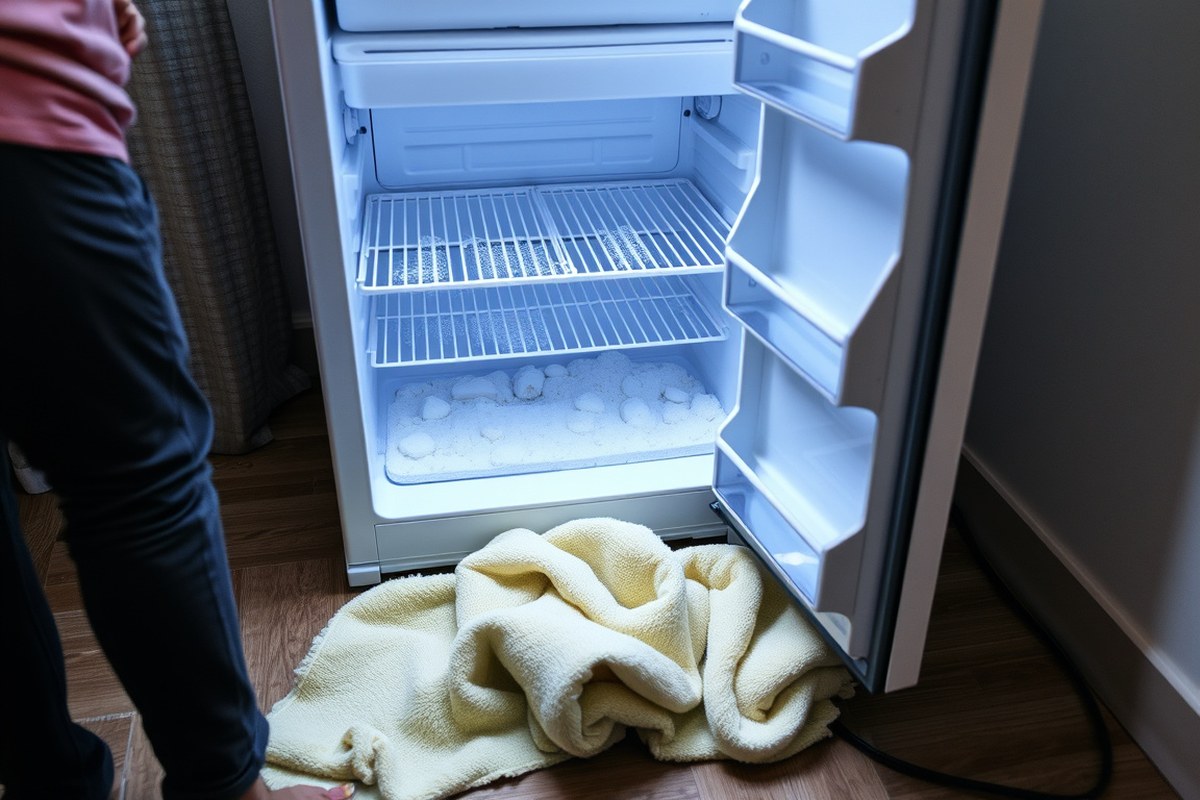
Preparing your old refrigerator properly before scheduling a pickup or recycling ensures safety and compliance. Unplug and defrost the unit, completely empty and clean the interior, and secure or remove the doors. These steps help prevent accidents, protect the appliance handlers, and meet environmental standards.
Unplug and Defrost the Refrigerator
Begin by unplugging the refrigerator at least 24 hours before the scheduled pickup. This gives the freezer and fridge time to fully defrost, avoiding water leakage or damage during transport.
To defrost, leave the doors open and place towels or a shallow pan under the appliance to catch melting ice. Avoid using sharp objects or forced heat to speed up the process because these methods can damage the refrigerator’s components.
Empty and Clean Inside Completely
Remove all food, drinks, and shelves from both the fridge and freezer compartments. Thorough cleaning eliminates odors and leftover debris that might attract pests.
Use warm, soapy water or a mild cleaning solution to wipe down all surfaces, including shelves and door seals. Make sure everything is completely dry before closing or securing the doors. This step also helps prevent mold growth during storage or transport.
Secure Doors and Unplug Power Cables
Safety standards require preventing refrigerator doors from opening during transport and avoiding potential entrapment hazards. Choose to either remove the doors completely or secure them shut.
Removing the doors calls for the proper screwdrivers or tools to detach hinges carefully and set the doors aside safely. Keeping the doors attached requires strong tape or durable rope to fasten them firmly in place. Also, coil the power cord and secure it with a twist tie or zip tie to prevent tripping or cord damage.
Always secure or remove doors completely to prevent children or animals from getting trapped inside the appliance.
Safety Tips for Moving Heavy Appliances
Moving a refrigerator can be physically demanding and risky without the right precautions. Use a dolly designed specifically for heavy appliances to transport the fridge. Make sure the path is free of obstacles and dry.
Wear gloves and sturdy shoes to protect your hands and feet. Arrange help from one or two people to avoid injury, as refrigerators often weigh between 150 to 300 pounds or more. Lift with your legs, not your back, and avoid tilting the fridge excessively backward or forward to protect the cooling system.
- Unplug the refrigerator at least 24 hours before pickup.
- Open doors and fully defrost the unit, collecting water with towels or a pan.
- Remove all food, shelves, and interior drawers.
- Clean all interior surfaces with warm, soapy water and dry thoroughly.
- Remove doors using a screwdriver or secure them shut with strong tape or rope.
- Coil and secure the power cord to prevent tripping hazards.
- Use a dolly and clear a path before moving the appliance.
- Lift with help, wear protective gloves and proper footwear.
Comparison of Refrigerator Disposal Options
Several disposal routes exist for old refrigerators, each differing in cost, speed, eligibility, and environmental impact. Municipal bulky-waste pickup services often accept refrigerators, which can be the most affordable option. However, availability varies by location, and some may charge a small fee. These services typically schedule pickups within one to two weeks, depending on local routes. Certified appliance recycling centers provide an environmentally responsible method by handling refrigerants and components properly; costs and timing depend on the facility, so contacting them directly helps plan disposal.
Retailer take-back programs commonly offer free removal when you purchase a new fridge. This option is convenient and ensures responsible processing but requires buying another appliance. Trade-in offers may reduce the cost of a new refrigerator but vary greatly among retailers. Professional junk removal services provide quick and easy pickup from any location, usually within days, but expect costs to be higher, often 20% to 30% more than municipal services. Some services, however, advertise prices lower than competitors by 20, 30% and may include upfront online quotes.
Free pickup may be available under certain local programs for eligible refrigerators, often older, working models. Detailed qualification depends on municipal or nonprofit programs, which sometimes focus on energy-efficient or still-serviceable units for donation or reuse. The table below compares these key disposal routes across essential factors:
| Disposal Route | Cost | Speed | Eligibility | Environmental Impact |
|---|---|---|---|---|
| Municipal Bulky-Waste Pickup | Often free to small fee | 1-2 weeks scheduling | Varies by location | Moderate; may recycle refrigerants properly |
| Certified Recycling Centers | Varies; contact local centers | Depends on appointment availability | Most fridges accepted | High; professional refrigerant handling |
| Retailer Take-Back Programs | Free with new purchase | Synchronised with delivery | Must buy new appliance | High; proper recycling ensured |
| Trade-In Programs | Discount on new fridge | Same as retail delivery | Depends on retailer rules | High; responsible disposal |
| Professional Junk Removal | $75-$150 or more | Usually within days | Any fridge | Varies; choose certified firms |
| Free Removal Programs | Free | Varies by program | Often working or energy-efficient units | Supports reuse, reducing waste |
Deciding which option fits best depends on your immediate needs and priorities. For low cost, check your local municipal bulky-waste pickup first by calling your city or county waste management. For environmental responsibility and safety regarding refrigerants, certified recycling centers are ideal. Planning to buy a new fridge? Ask the retailer about take-back or trade-in options to avoid extra disposal steps. If you need fast, no-hassle removal and are willing to pay, professional junk removal simplifies the process.
To proceed with a professional service, obtain real-time quotes online to compare prices and booking times. For municipal or nonprofit free pickups, confirm eligibility rules and schedule well ahead. This approach prevents common delays and ensures your old refrigerator is disposed of responsibly with minimal headache.
Where to Find Certified Appliance Recycling Centers Near You
Finding a certified appliance recycling center near you involves using reliable online directories and verifying that the facility follows EPA and local regulations for refrigerant recovery and safe processing. Certified centers make sure your old refrigerator is recycled legally and that hazardous materials are handled correctly. You can also confirm eligibility for recycling based on the size and condition of your fridge to avoid surprises at drop-off.
Using Online Resources to Find Local Centers
Start by searching for certified appliance recycling programs specific to your area, such as “certified appliance recycling near me” or “official refrigerator recycling programs.” State and municipal waste management websites often list approved drop-off points. For example, Quebec offers over 300 GoRecycle drop-off locations, and Northern California requires the use of certified programs with EPA-approved refrigerant recovery.
Utility companies like PG&E, SMUD, SCE, and SDG&E provide recycling rebate programs that include certified recycler lists. Efficiency Works and GreenWaste Recovery in California are other good resources. To confirm a center’s certification, look for these key indicators:
- Use of EPA-certified refrigerant recovery equipment
- Technicians must have Section 608 certification under the Clean Air Act to perform certain refrigeration and air conditioning tasks.
- Registration or recognition by your state environmental agency
- Positive customer reviews mentioning proper refrigerant handling
- Clear information on accepted appliance sizes and conditions
Questions to Ask Before Scheduling a Drop-Off
Contact the recycling center before arrival to confirm they accept your refrigerator based on size (typically 10-30 cubic feet for residential units) and condition. Broken or non-working fridges are often accepted but sometimes handled under separate bulky item programs with different procedures or fees.
Ask if there are any costs for drop-off, as many certified centers offer free recycling but some may charge if your appliance falls outside their typical program guidelines or size limits. Inquire about preparation requirements, centers may need you to defrost or remove doors before arrival. Use this script when calling to make sure you cover all points:
“Hello, I have an old refrigerator I want to recycle. Can you confirm whether you accept refrigerators around [insert cubic feet, e.g., 20 cubic feet]? Is the appliance eligible if it is not working? What steps should I take before bringing it in? Are there any fees I should expect? Also, do you handle proper refrigerant recovery as part of your service?”
Understanding Regional Disposal Restrictions
Disposal rules and seasonal restrictions vary by region. For example, in Northern California, appliances must go through certified recycling programs to meet legal refrigerant recovery standards. Some states or cities impose restrictions against placing refrigerators curbside due to safety and environmental risks.
Commercial or large-volume property clear-outs may require routing appliances through certified programs to comply with laws like California’s SB 1383 organics diversion requirements. Seasonal factors, such as winter freeze or summer heat, can also affect drop-off center availability or collection schedules. Checking your local environmental agency website or calling your waste department helps you stay informed about any bans on landfilling refrigerators or special collection events.
Donation and Trade-In Programs: What Fridges Qualify?
You can use donation or trade-in programs to get rid of your old fridge while helping with recycling or lowering the price of a replacement. These programs typically ask that the fridge is operational and usually under 10 years old. For instance, Habitat for Humanity ReStores in Houston, Dallas, and San Antonio take in working appliances less than a decade old. Minor surface issues like scratches or dents usually don’t exclude a fridge, but major mechanical problems or extensive damage often disqualify it. Retailers and local recycling groups running trade-in deals often accept older or slightly damaged fridges but require proper recovery of refrigerants before disposal.
Trade-in or appliance exchange programs usually work by offering you a rebate or discount on a new refrigerator when you hand over your old one. Some services pay for each appliance picked up; for instance, Town Appliance provides $50 each for up to four refrigerators or freezers per account. These programs handle the refrigerant recovery and recycling process according to environmental standards. Participation normally requires you to schedule a pickup or bring the appliance to a designated location. For businesses or property managers discarding multiple units, contacting the provider for bulk pickup arrangements is necessary, as these often involve more coordination and documentation.
To donate or trade in your fridge, you’ll often need to provide proof of ownership and a form of identification. An adult 18 years or older must usually be present at pickup to sign the release and hand over the refrigerator. Keep receipts if you donate, since you may be able to claim a tax deduction on the donation value. In some states, specific permissions or paperwork may be required especially for appliances containing hazardous materials like mercury switches or certain refrigerants. Make sure to verify local rules or confirm with the program organizer whether you need to prepare any documents.
Programs designed to remove older refrigerators also help reduce energy consumption and avoid potential legal issues related to improper disposal. Many older fridges use chlorofluorocarbons (CFCs), which require certified technicians for safe refrigerant recovery. This makes it important not to attempt dismantling or dumping your fridge on your own. Instead, taking part in a certified donation or trade-in initiative ensures environmental compliance and proper handling of hazardous components.
Always arrange for certified refrigerant removal through a qualified technician before donating or trading in your fridge to comply with environmental regulations and avoid fines.
Understanding What Happens to Your Refrigerator After Pickup
After your old refrigerator is picked up, recycling professionals first remove refrigerants like chlorofluorocarbons (CFCs) or hydrofluorocarbons (HFCs). These substances, contained in the cooling system, require careful handling because they contribute to ozone depletion and global warming if released. Certified technicians use equipment to extract refrigerants in a controlled process before further dismantling starts. This step aligns with environmental regulations to prevent hazardous emissions.
Once the refrigerant is safely recovered, the compressor oil is drained. The compressor contains oil that, if improperly disposed of, could contaminate soil and water. Draining this oil allows it to be treated or recycled according to hazardous waste guidelines. Following oil recovery, the refrigerator’s metal casing, mainly steel, moves into the metals recycling stream. Copper tubing from coils, aluminum parts, and plastic components are sorted and sent to appropriate recyclers as well, maximizing material reuse.
Roughly 30% of old appliances are classified as hazardous waste due to these substances, which demonstrates the importance of using certified recycling programs. They ensure the hazardous parts are removed before shredding or crushing. If a refrigerator is discarded improperly, toxic chemicals inside can leak, polluting the environment and posing health risks over time.
Newer refrigerators often use refrigerants like R-290 (propane), which is a natural refrigerant with low global warming potential but flammable. Disposal procedures differ slightly for these models because technicians must follow safety protocols to prevent fire hazards during refrigerant recovery. Handling R-290 requires training and equipment designed to manage flammable gases, so these refrigerators should always go to specialized recycling centers aware of these materials.
Businesses replacing multiple units benefit from scheduled pickups coordinated through waste management or electronics recycling services. These pickups bundle appliances for efficient transport to certified processing facilities. Commercial cleanouts often use e-waste containers that accept various equipment types, streamlining disposal efforts while meeting environmental rules.
The overall recycling process recovers steel, copper, aluminum, and plastic, reducing the need for virgin materials. Properly managing hazardous refrigerants and oils prevents pollution and supports compliance with local and state laws. Choosing certified recyclers avoids costly fines, protects ecosystems, and ensures your refrigerator is responsibly returned to the material supply chain.
Costs, Timing, and Requirements for Professional Fridge Removal
Expect professional fridge removal to cost between $50 and $150 per unit, depending on your location, the fridge’s size, and whether you need additional services like hauling from a difficult spot. Scheduling often involves booking a pickup date one to two weeks in advance. Some places require you to obtain permits or notify local waste authorities before removal, especially for commercial units or multiple appliances.
Typical Cost Ranges and Factors
Professional fridge removal generally costs from $50 to $150 per refrigerator. Small or compact units often fall at the lower end, while large or commercial refrigerators may reach the higher price range. The fee covers labor, transportation, and proper disposal or recycling.
Add-ons can increase costs. For example, if the appliance is in a basement or needs to be disconnected by a licensed technician, expect extra charges. Discounts may apply if the fridge is still working or if the service includes multiple appliances.
Scheduling and Pickup Timelines
Scheduling pickup typically requires calling or booking online about 7 to 14 days before your preferred removal date. Some services offer on-demand or next-day pickup but may charge a premium for faster service. Pickup usually takes 15 to 30 minutes, depending on access and the number of items.
- Contact local junk removal or appliance recycling services
- Provide appliance details and your address
- Agree on service date and time window
- Confirm payment method and any special requests
- Prepare the appliance for pickup according to instructions
On pickup day, removal crews may ask for your presence to verify the appliance and payment. Some services also offer curbside pickup if you prefer not to have workers inside your home.
Required Documents and Permissions
Residents usually don’t need special permits for a single refrigerator removal, but rules vary by city. Contact your Department of Public Works to check local regulations. Commercial properties often must arrange permits or proof of environmentally responsible disposal, especially for multiple units.
Prepare to share your ID or proof of address with removal providers. For multiple appliances, some jurisdictions require advance notification or bulk waste permits to manage curbside pickups legally. When hiring professionals, confirm they handle all necessary paperwork related to refrigerant removal and EPA compliance.
Disposing Multiple Refrigerators Efficiently
Removing several refrigerators at once can lower overall costs, since many companies give volume discounts or flat-rate pricing. Plan removals in a single appointment if possible to save time and money. Consider this script when calling a removal service for multiple units:
“Hello, I have [number] refrigerators I need removed from [address]. Could you please tell me about your pricing for multiple units and the earliest available pickup date? Also, what documents or permits will you need from me before pickup?”
Confirm whether the service handles proper recycling and refrigerant disposal for all units. Check if they offer discounts for small appliances included in the same pickup, such as mini fridges or air conditioners.
Avoiding Common Disposal Mistakes and Penalties
Discarding an old refrigerator without following proper procedures can lead to serious legal and environmental consequences. One common mistake is illegal dumping or leaving the appliance at the curb without scheduling a pickup or arranging for authorized disposal. These actions can result in fines up to $10,000 per incident, as authorities strictly enforce laws against improper disposal of refrigeration units. The hefty penalties reflect the environmental risks involved, including the release of harmful refrigerants that contribute to ozone depletion and damage to landfills.
Another frequent error is failing to remove refrigerants before disposal. Refrigerants like Freon are hazardous and are regulated under Section 608 of the Clean Air Act, which prohibits releasing them into the atmosphere during servicing or disposal. To avoid violations and environmental harm, only certified technicians should handle refrigerant recovery. This step usually costs between $50 and $150, but is necessary to ensure your refrigerator is safely decommissioned.
To prevent these mistakes, start by checking local rules and contacting certified appliance recycling centers or licensed waste handlers. They have the expertise and equipment to extract refrigerants, dismantle the unit, and recycle steel and other materials properly. Confirm that the pickup service follows all environmental regulations to avoid liability.
If you want to repurpose your fridge instead of disposing of it, make sure it is fully cleaned and the refrigerant system is safely decommissioned by a professional. This precaution helps avoid accidents and complies with environmental laws. Some homeowners convert old refrigerators into outdoor storage or garden cabinets, which can prolong useful life without risking penalties or pollution.
In areas where curbside pickup is allowed, schedule the appliance pickup through your local waste management provider and prepare the fridge by removing food, unplugging it, and securing doors to prevent accidents. Leaving the fridge on the curb without notification might be considered illegal dumping and carry fines.
Always hire a certified technician to remove refrigerants before disposal to comply with federal laws and avoid environmental harm.
Choosing professional services prevents costly penalties and supports recycling efforts that recover about 100 to 150 pounds of steel from a standard full-size refrigerator. Disposing of refrigerators as regular trash not only risks fines but also wastes valuable materials and increases environmental damage. Handling disposal responsibly protects you from legal trouble and helps keep communities safe and clean.
Step-by-Step Action Plan to Safely Dispose of Your Old Refrigerator
Follow these clear steps to remove and dispose of your old fridge responsibly, ensuring you meet legal requirements and avoid penalties.
- Before you start: Check your local laws and utility regulations on refrigerator disposal. Confirm any required certifications or forms to avoid fines, making sure your plan follows the rules.
- Day 1: Choose a disposal option, donation, recycle center, or professional pickup, based on fridge condition and cost. Verify the facility is certified or that the pickup service handles refrigerant recovery safely.
- Day 2: Prepare the fridge for pickup by unplugging it, defrosting completely, and removing food and shelves. Ensure the fridge is dry inside to prevent mold and odors before collection.
- Within 3 days: Schedule fridge removal or drop-off. Confirm timing, fees, and any required preparation with the service or center to ensure smooth processing.
- On pickup day: Place the fridge in an accessible spot for removal. Check that handlers have proper equipment and that refrigerants are safely handled if visible.
- After pickup: Request documentation or confirmation that your fridge was recycled or disposed of per safety standards and local laws to verify responsible handling.
- Within 1 week: If using a donation or trade-in program, follow up to confirm acceptance and pickup, ensuring your fridge meets their condition requirements.
Frequently Asked Questions
How Much Scrap Metal Can I Get from an Old Refrigerator?
An old refrigerator typically contains enough scrap metal to earn around $10 to $50, depending on the market and condition. Scrap value varies with metal prices and the fridge’s size.
Are There Recycling Incentives for Trading in My Old Fridge?
Many states and retailers offer rebates or discounts when you trade in an old fridge for an energy-efficient model. Check local programs to save money and promote recycling.
Can I Put My Old Refrigerator Out with Regular Trash?
Most cities prohibit disposing of refrigerators with regular trash due to environmental regulations and safety concerns. Contact your local waste authority for proper disposal guidelines.
Will Home Depot Take an Old Fridge?
Home Depot offers appliance haul-away services when you purchase a new fridge, but policies vary by location, so confirm with your local store.
Is It Safe to Unplug an Old Fridge and Leave It Outside Temporarily?
Yes, unplugging and leaving a fridge outside for a short time is safe if the doors remain closed to prevent pests and odors. Avoid long-term outdoor storage to protect the appliance and neighborhood.
How Do Professional Removers Handle Fridges in Bulk for Businesses?
Professionals use specialized equipment and follow environmental rules to safely remove and recycle multiple refrigerators, saving businesses time and avoiding penalties.
Wrapping Up
Getting rid of your old refrigerator responsibly helps protect the environment and keeps you within the law. Find a certified appliance recycling center or schedule a professional pickup to ensure safe disposal. You can start today by searching online for the nearest recycling program that accepts old fridges in your area.


One Comment