

Can Pest Control Get Rid of Moles? What Actually Works and How to Decide
Yes, pest control can get rid of moles, but the approach is quite different from insect or rodent treatments. Moles require specific strategies like trapping or repellents that target their underground tunnels, not just surface spraying or baiting. Pest control companies experienced with wildlife management assess the extent of damage and choose methods that suit your property and local regulations.
If you manage a lawn, garden, or commercial property with mole activity, this information can help you decide when to call a professional and which control options are effective. You’ll learn about the pros and cons of DIY solutions versus professional removal, factors that affect cost and success, humane treatment choices, and common mistakes that reduce effectiveness.
Key Takeaways
- Pest control companies can effectively remove moles but require specialized methods distinct from those used for insects or rodents.
- Professional mole control often involves trapping or repellents rather than pesticides, reflecting moles’ unique underground behavior.
- Hiring pest control is advised when mole activity causes significant lawn damage or persistent tunnels, signaling severity beyond DIY solutions.
- DIY mole control may be less effective and more time-consuming compared to professionals who use targeted techniques and knowledge.
- Professional mole removal costs vary widely based on property size, infestation extent, and method complexity, ranging roughly from $200 to $800.
- Mole control success is typically measured over weeks as activity decreases, requiring follow-up visits to confirm eradication.
Can Pest Control Companies Effectively Get Rid of Moles?
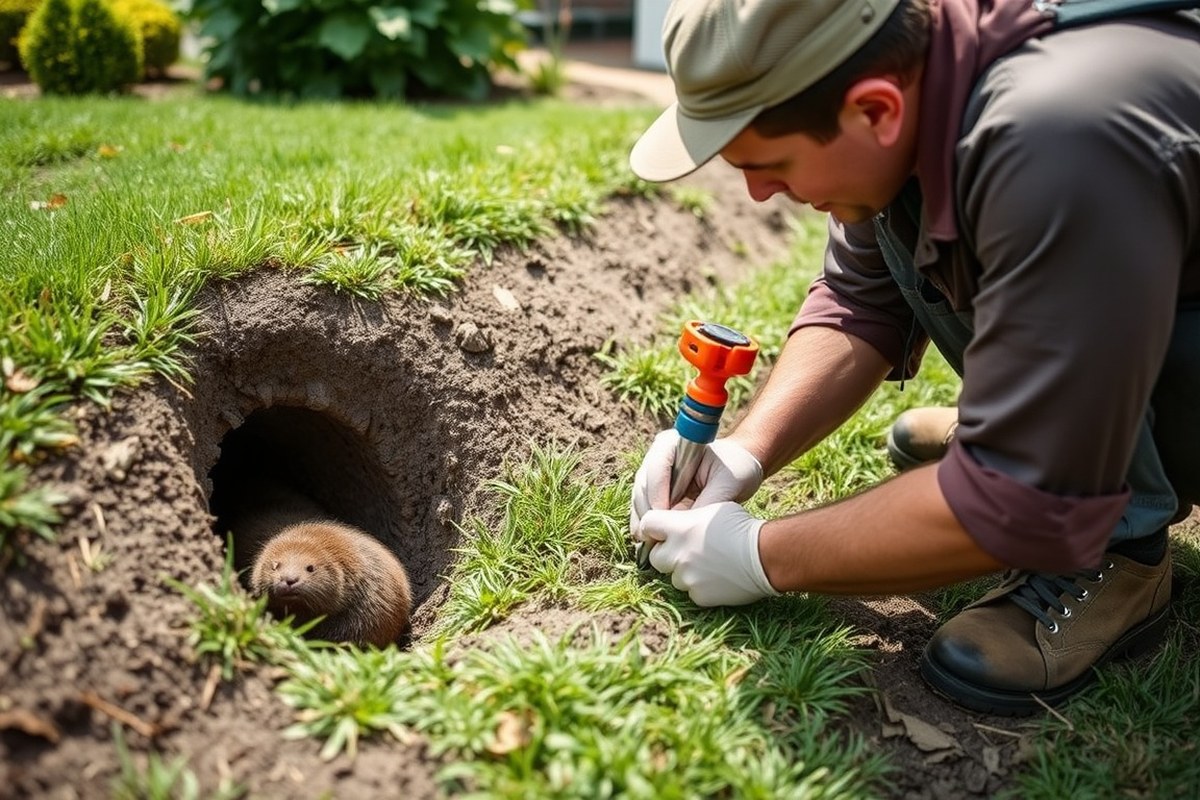
Professional pest control companies can effectively remove moles, but success depends on several factors such as the extent of the mole infestation, the pest control methods employed, and site-specific conditions. Pest control experts use targeted approaches like trapping, habitat modification, and sometimes repellents, which are more reliable than general DIY attempts. Their training and access to specialized tools increase the likelihood of substantially reducing mole activity.
Success rates for professional mole removal vary widely. It’s common for pest control companies to achieve a reduction in visible mole activity within a few weeks after treatment begins. Complete eradication can take several months because moles have extensive tunnel systems and reproduce quickly. Professionals typically schedule follow-up visits to monitor and reset traps or adjust strategies, which improves outcomes. Unlike DIY, professionals adapt methods based on mole behavior and environmental changes in real time.
Effectiveness depends on the size of the affected area, soil type, and availability of food sources like grubs and insects that attract moles. For example, heavy clay soils make trapping more difficult because traps may not be set securely, reducing success. Rural or large wooded properties with abundant food sources require more intensive effort. Pest control companies assess these factors during inspection to choose the most appropriate control methods and estimate likely timelines.
Another factor is the homeowner’s willingness to maintain conditions that discourage moles after treatment. Professionals often recommend reducing irrigation, removing grubs with lawn care treatments, and filling mole tunnels to make the yard less inviting. Without these ongoing steps, moles can return even after professional control. Understanding and following these recommendations is necessary for lasting success.
While professional mole control generally costs more upfront, ranging from $200 to $500 for initial service plus follow-ups depending on property size and severity, it offers higher success rates than most DIY solutions. For example, traps bought at hardware stores may cost $30 to $50 each but require trial and error to set properly. In contrast, companies know how and where to install traps for the best chance of capturing moles quickly. Their experience reduces wasted time and effort on ineffective treatments.
How Pest Control Methods for Moles Differ from Insects or Rodents
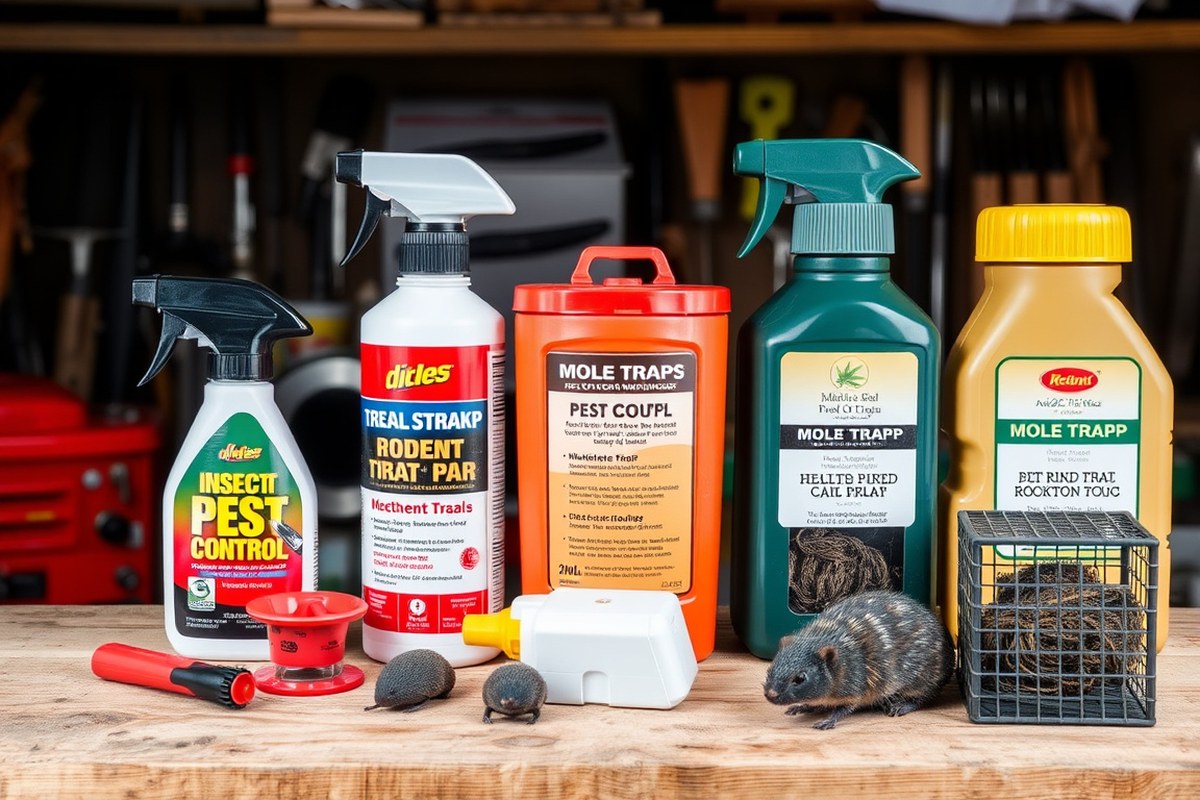
Pest control methods for moles differ significantly from those used for insects or rodents because moles have unique biology and behavior. Moles are insectivores, living mostly underground with specific tunnel systems, so treatments must address their distinct habits and habitats. Traditional insecticides or rodent poisons are ineffective and often unsafe for mole control due to how moles feed and interact with their environment.
Unique Mole Behavioral Patterns
Moles primarily feed on earthworms, grubs, and other soil insects, which means poisons designed for rodents or insects rarely affect them. Their high metabolism requires constant feeding on live prey, so baiting with rodent poisons does not work because moles are not attracted to grain- or seed-based baits. Moles constantly dig shallow tunnels near the surface for food, which shifts daily, making timing and placement critical when applying control methods. Because moles rarely come above ground and do not enter homes or structures, treatments aimed at surface insects or rodents miss the target entirely.
Understanding mole activity involves tracking fresh molehills or raised tunnel ridges, which show where they are searching for food. This behavior contrasts sharply with rodents that forage broadly or insects that inhabit surface areas or wood structures.
Challenges in Mole Habitat Targeting
Moles live underground in loose, aerated soil, creating a complex network of tunnels that can range from just below the surface to 6 to 12 inches deep. Treatments must reach these subterranean spaces, making surface sprays and conventional insecticide applications ineffective. The soil moisture and texture often impact how easy it is to set traps or deliver control agents because compact or overly dry soil reduces tunnel activity or accessibility.
Another challenge is that mole tunnels are not permanent; moles abandon and rebuild segments regularly. This behavior means that any control tool must be placed correctly in active tunnels during peak activity periods, usually early mornings or late evenings. Applying treatments without knowing precise tunnel locations wastes time and materials. Professional pest controllers often spend time mapping active runs before choosing where to apply devices like traps or gassing equipment.
Contrast in Chemical Treatments
Unlike insecticides that kill on contact or rodenticides that disrupt the nervous system through ingestion, there are no registered chemical poisons for mole eradication that work reliably or safely. Rodenticides like anticoagulants target mammals that eat bait, but moles do not consume the typical food forms these poisons come in. Similarly, insecticides sprayed on soil surface do not penetrate mole tunnels or affect their prey effectively.
Some mole control products use fumigants, such as gases that fill tunnels to drive moles out or kill them, but these require careful application. Fumigants need to be sealed inside active tunnels, and soil conditions affect how well the gas spreads. Improper use risks harming non-target animals or wasting product. Because of these factors, many professional services rely less on chemicals and more on mechanical and habitat modification methods for mole control.
Differences in Physical Control Measures
Physical measures for moles focus on targeting their tunnels directly, contrasting with typical rodent traps set indoors or insect traps placed on surfaces. Mole traps, such as scissor or harpoon-style devices, must be installed inside active tunnels with correct alignment and tension. This process requires patience and skill to identify fresh runs and check traps frequently.
For insects and rodents, physical barriers or exclusion methods block access and reduce infestation indoors or in gardens. For moles, these are impractical because tunnels extend underground on a large scale, making fencing or physical exclusion expensive and labor-intensive. Instead, soil treatment or altering the soil profile to reduce food sources helps control mole populations indirectly.
Effectiveness of Baits and Traps
Unlike rodent bait stations that use food attractive to rats or mice, mole baits mimic their invertebrate prey, such as earthworm or grub simulants, using soft polymer pellets or gels designed to pass as live food. Even so, many moles reject baits unless they closely match natural prey in texture and scent, making baiting less reliable than trapping or fumigation.
Trapping is often the most effective mole control method because it physically removes the animal without depending on bait acceptance and poison regulations. Successful trapping requires placing traps in active tunnels, checking daily, and resetting as needed. If set incorrectly, traps fail or are dangerous to pets and children, so professional guidance is advisable.
Always verify tunnel activity by flattening and marking fresh mole ridges before setting traps; this ensures you target active runs and improve trap success rates.
Common Methods Pest Control Uses to Eliminate Moles
Pest control professionals rely on several main methods to eliminate moles: trapping, poison baits, repellents, and physical exclusion tactics. Each method works differently depending on the mole species, property layout, and safety considerations. Trapping directly removes moles from your yard, poison baits target their food supply, repellents discourage activity, and barriers block access to vulnerable areas.
Trapping Techniques and Best Practices
Trapping is the most common and effective method pest control uses to deal with moles. It involves setting traps in active mole tunnels where the animals run regularly. Professionals often use scissor traps or harpoon-style traps that quickly kill the mole when triggered. The precise placement of traps matters: pest controllers locate main tunnels by probing soil with a stick and checking for fresh molehills or ridges before placing traps directly in these paths.
This method offers a chemical-free way to reduce mole populations quickly. However, traps must be checked daily to remove captured moles and reset traps to catch others. It usually takes several nights to capture all moles in a heavily affected yard. Trapping can cost around $50 to $100 per session when done by a pro, depending on the number of traps needed and visits required.
Common mistakes include placing traps in inactive tunnels or failing to reset traps promptly. Homeowners trying trapping on their own should learn to identify active runs and avoid placing traps near areas children or pets frequent. Professionals also focus on timing, spring and early fall are when moles are most active and trapping is most effective.
Use and Risks of Poison Baits
Poison baits are sometimes used by pest control to kill moles by targeting their diet, primarily earthworms and insects. These baits contain toxic substances, like strychnine or zinc phosphide, formulated to be attractive and lethal to moles after ingestion. Pest controllers inject or place these baits into active tunnels to maximize contact. Poison baiting can reduce mole numbers faster than trapping but poses more risks.
Poison baits carry environmental risks because nontarget animals, pets, or children may accidentally ingest them. Their use is more regulated and often restricted in residential areas due to safety concerns. Pest control companies follow strict label directions and local laws to minimize these dangers and may avoid baiting in yards with pets or small children. Always keep bait containers secure and follow professional advice carefully.
Another downside is that poison baits do not stop new moles from moving into treated areas once the poison is gone or moles avoid baited tunnels. Baiting is best combined with other methods to prevent reinfestation. Costs for bait treatments may be similar to trapping sessions but vary with how many tunnels are treated and the poison type used.
Repellents and Physical Barriers
Pest control sometimes uses repellents to discourage moles from occupying lawns without killing them. Repellents include castor oil-based products applied to soil or granular formulations spread over mole runs. These products irritate the mole’s sensitive nose and skin, making the area unpleasant. You can expect repellents to require repeated applications, often every few weeks during the active mole season, to maintain effectiveness.
Physical barriers help keep moles out of specific garden beds or playgrounds by blocking access underground. Pest control installs hardware cloth or wire mesh buried 2 feet deep around sensitive areas, with a few inches extending above the ground. This barrier depth stops moles from tunneling underneath while above-ground portions block them from burrowing over. Barriers need careful installation and regular checks for damage or gaps.
Both repellents and barriers are nonlethal and safer around children and pets but can be less effective alone in areas with large mole populations. Combining repellents with trapping or barriers often leads to better long-term control. Costs for repellents range widely depending on product type and area treated, and barrier installation might run several hundred dollars depending on perimeter size and material quality.
When to Hire Professional Mole Control: Signs and Severity Checklist
You should consider hiring professional mole control when you notice significant ground disturbances, such as multiple molehills clustered within a small area or extensive tunnel networks covering most of your lawn or garden. These signs often indicate an established mole population, which can damage roots, bulbs, and irrigation systems, leading to costly repairs or plant loss. Assess your property by walking the affected areas weekly and marking fresh molehills; finding more than 10 new mounds in about 200 square feet after one week means professional intervention is advisable.
High traffic or use areas showing mole damage need extra attention. Moles disrupt soil structure by creating raised tunnels that can trip children, pets, or workers. When mole tunnels become thick enough to damage lawns or pathways or when the raised ridges extend over several yards, it suggests mole activity level beyond basic DIY control. Professionals have the tools and experience to locate the main tunnels and apply targeted treatments that home methods often miss.
Another sign justifying a call to pest control is continued mole activity despite your own control efforts over 3 to 4 weeks. Mole populations fluctuate but continuous damage despite trapping, repellents, or baiting suggests a larger problem or misidentification of mole species. An expert can correctly identify mole presence compared to other burrowing animals like voles or gophers, then tailor a treatment plan accordingly. Attempting repeated DIY treatments without success leads to wasted time and expense.
Severity assessment can be done using a simple checklist: count new molehills and note tunnel location; inspect damage to plants or irrigation over a 1- or 2-week period; observe whether mole activity affects daily property use; and evaluate if self-applied controls have reduced activity. Checking three or more boxes signals a need for professional help.
Costs for professional mole removal vary widely based on property size, soil type, and severity but expect pricing to reflect the number and placement of active mounds and tunnels, typically from $150 to $400 for initial treatment on a residential lawn. Professionals might schedule follow-ups every two to four weeks over several months, depending on mole behavior and breeding cycles, ensuring that mole activity is eliminated thoroughly rather than temporarily suppressed.
Good results look like noticeably fewer or no fresh molehills for a month after treatment and intact lawn or garden beds without new tunneling damage. Poor outcomes arise when treatments miss active tunnels or when mole control is done only once without follow-up, allowing reinfestation. Since moles can re-colonize quickly, ongoing monitoring even after professional treatment helps prevent recurrence. Properties with seasonal mole activity should plan to reassess and possibly retreat during early spring and late fall when moles are most active below ground.
DIY Mole Control vs Professional Pest Control: Pros, Cons, and Decision Guide
| Factor | DIY Mole Control | Professional Pest Control |
|---|---|---|
| Effectiveness | Varies widely; often inconsistent due to lack of proper tools and knowledge of mole behavior. | Generally more effective; technicians use specialized traps and attractants tailored to the mole species. |
| Cost | Lower initial cost; traps run $20-$50 each; time invested can add indirect costs. | Higher upfront cost, typically $150-$500 depending on property size and infestation severity. |
| Risk | Moderate risk of improper trap placement causing injury or failing to control the mole population. | Lower risk as trained professionals follow safety protocols and local regulations. |
| Time | DIY can take several weeks or longer to see results; ongoing monitoring and adjustment needed. | Usually quicker results within days to a week, with follow-ups scheduled as needed. |
| Ease | Requires research, patience, and physical effort in setting and checking traps. | Easy for the owner; professionals handle all steps, including proper mole identification and treatment. |
DIY mole control may work well for minor infestations and smaller yards, but success depends on your understanding of mole tunnels and correct trap use. Many homeowners find identifying active tunnels and placing traps properly to be challenging, which reduces effectiveness. You’ll also need to check traps daily and reset them often. Expect to spend several hours a week during the control period. Dead or ineffective traps mean wasted effort and slower control.
Professional pest control fits better for larger properties, persistent mole activity, or when damage is extensive. Professionals bring experience in locating main tunnels, using multiple trap types, and applying treatments in combination when necessary. This improves chances of complete removal in less time. The upfront cost covers labor, expertise, and extra visits for follow-up inspections, which can save money in the long run by avoiding repeated DIY mistakes.
Choose DIY if your mole problem is limited to a small area, and you are willing to learn trap placement and invest time checking them. Opt for professional service if you want faster, more reliable results or if your attempts have failed before. Also, hiring experts makes more sense if local laws require licensed handling of certain mole control methods.
Place traps along freshly dug tunnels where soil is loose, as moles frequently use these paths; avoid setting traps in old or inactive tunnels to increase your chances of success.
Use this checklist to decide: Assess the size of the affected area; evaluate how much time you can commit weekly for trap management; consider your budget for initial outlay versus potential ongoing costs; check if local rules restrict certain mole control methods; review previous attempts and their success. If multiple risk factors or large infestations exist, consulting professional pest control is a practical choice.
Costs of Professional Mole Removal and What Influences Pricing
Professional mole removal typically costs between $150 and $500 for initial treatment. The price varies mainly due to the treatment method used, the size of the affected area, and the local market rates for pest control. Some companies charge a flat fee per visit, while others offer a monthly service plan that can range from $40 to $80 per month, often lasting several months until the mole problem is resolved.
Several factors influence the total cost of mole control. The first is the treatment approach. Mechanical methods like trapping tend to cost less upfront but may require multiple visits, increasing the total expense. Chemical treatments or baiting solutions often include longer-term guarantees and can raise the price. The complexity of the infestation plays a significant role, too. Larger lawns or properties with extensive mole damage need more traps or larger baiting spreads, driving up labor and material costs.
| Factor | Impact on Cost | Example |
|---|---|---|
| Treatment Method | Higher for chemical/ baiting, lower for trapping | Trapping: $150 initial; Chemical: up to $400 |
| Property Size | Larger area needs more effort/materials | 500 sq ft yard costs less than 2000 sq ft |
| Severity of Infestation | More moles require more traps/ visits | Single mole: 1, 2 traps; multiple moles: 4+ traps |
| Follow-up Visits | Some treatments need multiple sessions | Monthly for 2-3 months at $50 each |
| Regional Pricing | Urban areas often cost more than rural | City rates 10-20% higher than small towns |
Good results usually require professional providers to evaluate the mole activity thoroughly before recommending a course of action. They will inspect tunnels, count molehills, and determine how many traps or how much baiting material to deploy. Costs can increase if you have underground obstacles, difficult terrain, or if local regulations require more environmentally safe treatments.
Costs may also extend beyond mole elimination. Repairing lawn damage from mole tunnels and hills adds to the overall expense. Some companies bundle lawn restoration into their service packages, which can raise prices by 10% to 30%. Remember that cheaper, one-time treatments rarely solve the problem fully. Effective mole control usually involves monitoring and follow-ups, which are part of the total pricing you need to anticipate.
How Pest Control Measures Success and Timeline for Mole Eradication
Mole control typically takes several weeks to show clear results because these animals are persistent and have complex tunnel systems. Most pest control treatments require monitoring for at least two to four weeks to confirm whether the mole activity is decreasing. Early signs of effectiveness include fewer fresh molehills and a reduction in surface soil disruption where the moles feed and tunnel.
You can tell if mole control methods are working by inspecting your yard carefully every few days. Look for new molehills or ridges on the soil surface. When new signs of activity stop appearing and existing tunnels start collapsing or remain inactive, that indicates success. Using flags or markers to track known tunnels before treatment helps you see changes more clearly. A practical approach is to mark active tunnels once treatment starts, then check weekly to see if those paths have been disturbed or abandoned.
Treatments often need to be repeated depending on the method used and mole behavior. For example, trapping usually involves multiple sessions until no more moles are caught, which might take one to three visits spaced about a week apart. Chemical repellents or baits generally require follow-up applications after one to two weeks to maintain effectiveness because moles can return or new ones may move in. Your pest control provider will recommend the exact schedule based on local conditions and treatment type.
Monitoring is key throughout the process. When mole activity persists beyond four to six weeks after the initial treatment, it may be time to arrange a follow-up. Continuing mole signs suggest the first treatment did not reach all active tunnels or that moles have repopulated. Pest control companies often schedule routine inspections or visits during this period to adjust strategies or apply additional methods.
The time and success of mole eradication also depend on factors like soil type, moisture, and food availability, which influence mole behavior. For example, in moist, rich soil areas, moles may be more active and harder to eliminate quickly. You should expect longer monitoring and possibly repeated treatments in such conditions compared to dry or sandy soils.
For homeowners managing mole issues themselves, consistent observation and record-keeping of mole activity are essential. Note the dates and locations of fresh molehills, then compare those records weekly to assess if your control efforts reduce signs. Communicate these findings clearly to your pest control professional when scheduling follow-ups, ensuring they have accurate information to modify treatment plans effectively.
Humane and Environmentally Friendly Mole Control Options
Humane and environmentally friendly methods exist to manage mole problems effectively without causing harm to pets or beneficial wildlife. These options focus on relocation, natural deterrents, and integrated strategies that balance pest control and ecosystem health. Applying these techniques demands patience and attentiveness to detail but reduces the risks associated with lethal control measures.
Live Trapping and Relocation
Live trapping captures moles safely using specialized traps designed to minimize injury. These traps often use spring-loaded or tunnel-like mechanisms placed in active mole runs. You want to identify fresh tunnels by flattening them and checking the next day; set the trap there. After capture, relocation should occur at least 5 miles away from your property to prevent return and to avoid disrupting another household. Timing matters, conduct trapping during late spring or early fall when moles are less likely to be breeding or raising young. Expect to check traps daily, as moles caught can suffer from stress or starvation if left too long. This method costs around $30 to $60 for traps if you opt for DIY, or pest pros might charge $100 or more including relocation. Live trapping suits properties where moles are few and areas are accessible for release.
Always confirm local wildlife regulations before relocating moles, as some areas limit wildlife transport to prevent ecological risks.
Natural Repellents and Barriers
Natural repellents use substances that irritate moles’ senses or mimic predator presence. Castor oil-based repellents applied regularly over affected mole tunnels discourage digging by making subterranean environments unpleasant. Apply a solution containing at least 10% castor oil mixed with water to a couple of gallons per 1,000 square feet of lawn, repeating every 10 to 14 days through the active season. For physical barriers, install underground fencing made of fine mesh hardware cloth buried 24 inches deep around gardens or small lawns to block mole entry. Barriers protect specific areas rather than eliminating moles from the whole yard. Some gardeners use vibrating stakes powered by solar panels, which create disruptive underground noise and movement. These devices should be repositioned every few weeks for continued effectiveness and placed away from spots frequented by pets to avoid discomfort. Cost for repellents runs under $50 per treatment, while barriers and stakes may require a higher upfront investment but last multiple seasons.
Repeat repellent applications post-rain, as water quickly washes away the treatment and reduces effectiveness.
Integrated Pest Management Approaches
Integrated Pest Management (IPM) combines monitoring, habitat modification, and targeted interventions to control moles responsibly. Begin by assessing soil moisture and insect populations since moles feed mainly on grubs and earthworms. Reducing excessive soil moisture and limiting lawn fertilizer can lower grub numbers, depriving moles of their food source and making your yard less inviting. Mixing aeration and proper drainage helps prevent wet soil conditions that attract moles. Regularly mowing and removing dense vegetation roots reduce cover and nesting spots. In cases of severe mole activity, IPM suggests combining live trapping with repellents and habitat adjustments rather than lethal poisons, reducing chances of collateral damage to pets and wildlife. This method takes longer to show results, often several months, but promotes sustainable control. Working with a pest pro can streamline IPM by providing expert assessment and custom-tailored solutions. Costs vary widely based on techniques chosen but are balanced by lower environmental impact and reduced risk of recurrence.
Monitoring mole activity through surface run counts every 2 weeks helps measure treatment effectiveness and decide if further action is needed.
Common Mistakes Homeowners Make When Controlling Moles and How to Avoid Them
One common mistake homeowners make when trying to control moles is not identifying active tunnels correctly before setting traps. Moles create both surface feeding tunnels and deeper main tunnels, but only the main tunnels are used regularly. Trapping surface tunnels wastes time and effort because moles rarely hit traps placed there. The best practice is to flatten a small section of a raised tunnel and check the next day. If the tunnel is rebuilt, it’s active. Set traps in these active main tunnels for a higher chance of success.
Another frequent error is applying repellents or poisons indiscriminately without understanding mole behavior. Mole repellents often contain castor oil, which irritates but doesn’t kill moles. Using repellents around your yard without pinpointing mole activity can lead to inconsistent results. For repellent use, apply evenly across the affected area following label instructions, and reapply every few weeks. Keep in mind repellents are more of a deterrent than a solution and work best as part of a combined approach including trapping and habitat modification.
Many homeowners neglect to eliminate the mole’s food source. Moles feed primarily on earthworms and insects in the soil. Trying to get rid of moles without addressing soil conditions can prolong the problem. You can reduce food availability by improving lawn drainage to discourage grubs and worms or by adjusting irrigation to avoid overly moist soil. This approach doesn’t remove moles directly but makes your property less attractive, limiting reinfestation risk.
Failing to maintain traps or check them frequently slows control efforts. Moles move quickly through tunnels, and traps left unchecked longer than a day or two can become ineffective because disturbed tunnels alert the mole. Check traps at least once daily and reset them promptly. Use gloves when handling traps to avoid transferring human scents, which may make moles wary.
Some homeowners try to treat entire large areas at once, which usually leads to patchy results. Moles often inhabit specific zones with favorable soil and food conditions. Focus your control in high-activity areas determined by repeated tunnel rebuilding. Splitting treatments into smaller target zones makes trapping and repellent use more manageable and effective. Then expand control outward if new tunnels appear over time.
Moist soil facilitates easier tunneling by moles but can cause some traps to fail if placed incorrectly. After light rain or irrigation, inspect your tunnels and reposition traps if they are buried or waterlogged. Improve trap sections above water level or wait until the soil dries slightly before setting. Traps exposed to saturated soil often malfunction or fail to trigger.
An example troubleshooting approach follows this pattern: first, identify active main tunnels by flattening and monitoring them for 24 hours. Second, set traps in these active tunnels using proper safety techniques and gloves. Third, reduce soil moisture in problem areas and apply repellents evenly on a rotating schedule. Fourth, inspect and reset traps daily, moving them as needed based on signs of mole activity. This structured method helps avoid common errors and increases the chance of successful mole control.
Regional, Seasonal, and Legal Factors Affecting Mole Control Success
Mole control success depends heavily on regional, seasonal, and legal factors, which influence mole activity and the methods you can safely use. Geography affects mole species distribution and soil types, which in turn impact the tunnels moles create and the effectiveness of control techniques. For example, moles in sandy soils of the Southeast US dig shallower tunnels, which might require traps set closer to the surface, while those in the compact soils of the Midwest need deeper trap placement to be effective.
Seasonality determines mole behavior and feeding patterns. Moles are most active during spring and fall when soil moisture and temperature conditions are ideal for their insect prey. Pest control efforts are best timed during these periods, as traps and baits work more effectively when moles are actively foraging near the surface. Attempts to control moles during hot, dry summers or cold winters often fail because moles retreat deeper underground and reduce their surface activity.
Local laws and regulations can limit which mole control methods are allowed. Some states and municipalities prohibit toxic baits or certain trap types to protect non-target wildlife and pets. For instance, California restricts poison use for moles, so pest control companies often rely on trapping instead. Checking state wildlife agency guidelines or local ordinances is critical before implementing a control strategy. Ignoring these rules can lead to fines or ineffective treatments.
You can use a straightforward approach to account for these factors: start by identifying your region’s typical soil and mole species, then choose timing aligned with peak mole activity based on local climate data. Next, review state or county regulations related to mole control tools and substances, you can find this information on state department of agriculture or natural resources websites. Following this method helps avoid wasted effort and legal issues.
For example, if you live in the Pacific Northwest, wait until early spring to set up traps because moist soil and earthworm availability will draw moles closer to the surface. Use tunnel probes daily to locate fresh activity before placing traps. Confirm that your state allows the specific mole trap model you plan to use by consulting local wildlife rules online. This practice ensures higher success with fewer problems.
Poor results happen when traps or bait are set at the wrong depth, during inactive mole periods, or when illegal products cause interruptions or forced retreats. Controlling moles out of season might cost more because you need to redo work later during peak times. Also, using restricted methods risks penalties and may harm other animals. Spending time on regional, seasonal, and legal factors up front reduces wasted money and effort, providing a clearer timeline to see good results.
Step-by-Step Action Plan for Effective Mole Control
You can get rid of moles with the right approach, whether you try a DIY method or hire a pest control professional. Follow these steps to assess your problem and act efficiently.
- Day 1: Inspect and Identify, Walk your yard and note active mole tunnels and mounds, typically fresh if they look moist or recently pushed up. Mark these spots to track mole activity and severity. This helps decide if professional help is needed.
- Day 2: Assess Severity and Decide, Use a severity checklist: more than 20 tunnels or widespread landscape damage suggests high infestation. Choose DIY options for mild cases; for severe infestations, plan to hire professionals who use specific mole traps or fumigants.
- Week 1: Try DIY Methods Carefully, Place mole traps near fresh tunnels following product instructions exactly, checking traps daily. When moles aren’t caught after two weeks, or tunnels keep appearing, DIY control is likely insufficient.
- Within 2 Weeks: Monitor and Adjust, Regularly check tunnels for fresh activity and trap success. Reduce water sources and grub populations, since moles follow food, this complements trapping and improves results.
- Week 3: Consider Professional Services, Contact a licensed pest control company with experience in mole control. They’ll use targeted trapping or approved fumigants unavailable to DIYers and understand legal and regional restrictions.
- After Hiring Pros: Follow Up and Evaluate, Professionals typically need 2 to 4 weeks to significantly reduce mole activity. Inspect your yard weekly to confirm tunnels are disappearing and moles aren’t returning.
- Ongoing: Use Humane and Environmentally Friendly Options, Ask your pest control provider about non-lethal methods like ultrasonic devices or repellents to limit future problems without harming other wildlife or soil health.
- After 1 Month: Prevent Recurrence, Maintain landscaping by removing excessive moisture and soil insects, and repair damaged lawn areas promptly. Avoid common mistakes like leaving traps unchecked or ignoring local regulations.
Frequently Asked Questions
Can Pest Control Services Guarantee Mole Removal?
Pest control companies can significantly reduce mole populations but rarely guarantee complete removal due to moles’ underground habits and territorial behavior. Success depends on property size, mole activity, and chosen methods, so ongoing monitoring often remains necessary to keep moles at bay.
Do Pest Control Treatments for Moles Require Multiple Visits?
Yes, mole control usually needs several visits over weeks or months to break their breeding cycle and catch new tunnel activity. Persistent monitoring and repeated treatments increase success since moles continually re-establish tunnels if conditions stay favorable.
Are Bait Traps Effective Compared to Repellents for Mole Control?
Bait traps generally provide faster mole reduction by targeting individuals directly, while repellents may only discourage moles temporarily. Traps require careful placement in active tunnels and regular checking to be effective; repellents often lose potency after rainfall or soil disturbance.
Can Pest Control Chemicals Harm Pets or Plants When Targeting Moles?
Some mole poisons can pose risks to pets and surrounding vegetation if not applied correctly. Licensed professionals typically use targeted baits or non-chemical means to limit exposure, so homeowners should keep pets away and follow all label instructions to reduce hazards.
What Time of Year Is Best for Professional Mole Removal?
Early spring and fall offer the best chances because moles are most active near the soil surface searching for food then. Seasonal activity affects how deeply moles tunnel, influencing trap placement and treatment effectiveness during these periods.
Is Trapping a Humane Method for Mole Control?
Trapping is considered humane if done with quick-kill traps designed to minimize suffering and checked frequently. Live traps require releasing moles far from the property, but relocating moles often fails since they try to return or disrupt new areas.
The Bottom Line
Pest control can effectively get rid of moles, but success depends on choosing the right methods tailored to your property and mole activity. You should start by assessing your yard for fresh molehill activity over several days to confirm the problem and its extent. Contacting a licensed professional for a targeted treatment plan within the next week helps avoid common mistakes like using insecticides or unapproved traps, which often fail or cause environmental harm.



2 Comments