What Company Handles Mystery Pest Identification? Complete Guide to Services, Costs & Steps
Companies that handle mystery pest identification typically include local pest control services, specialized diagnostic labs, and increasingly, online identification platforms. These providers use a mix of expert analysis, microscopic examination, and digital tools to determine exactly what pest you’re facing. Knowing which company to contact depends on the pest type, severity of the problem, and how quickly you need a definitive answer.
You might be a homeowner dealing with unknown bites or property managers needing fast, accurate pest control plans. This article explains the services these companies offer, how the identification process works, costs involved, and how to avoid common mistakes that could delay treatment. It also breaks down when to rely on local experts versus specialized labs or online options, so you can choose the best route for your situation.
Key Takeaways
- Local pest control companies provide quick initial identification, while specialized labs offer detailed analysis for unusual or hard-to-identify pests.
- Identification involves collecting specimens, microscopic examination, and sometimes DNA testing, which increases accuracy compared to visual assessment alone.
- Turnaround time ranges from 24 hours to two weeks, influenced by specimen complexity, lab workload, and shipping distance.
- Costs vary widely from $30 for basic services to $150 or more for extensive laboratory testing and DNA analysis.
- Microscopes, genetic sequencing, and digital imaging are common tools used to improve the precision of pest identification.
- Use local services for common pests and labs for rare or damaging species that require expert confirmation to guide treatment decisions.
Which Companies Handle Mystery Pest Identification Services?

Companies that handle mystery pest identification typically fall into four categories: national pest identification labs, local pest control firms, online or app-based services, and independent entomologists or specialists. Each type offers different expertise, service areas, and costs, so your choice depends on the complexity of the pest, your location, and speed required.
National Pest Identification Laboratories
National pest identification laboratories provide expert analysis performed by entomologists using advanced scientific methods. These labs often serve requests nationwide, handling difficult cases that local companies cannot resolve. They accept samples by mail or in person and specialize in rare or unknown pests.
For example, institutions affiliated with universities or government agriculture departments offer these services. They analyze specimens under microscopes and cross-reference pest databases to deliver accurate identifications, often within a few days to a week. These labs typically charge fees for processing and testing, which vary by lab and pest type but generally range from $30 to $100 per sample. Using a national lab is ideal if you encounter a pest causing significant property damage or health concerns and local options have not helped.
Local Pest Control Companies
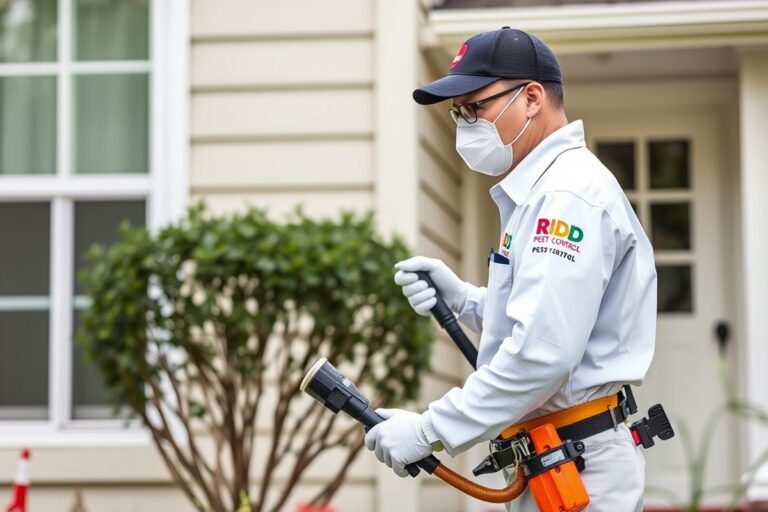
Most local pest control companies provide mystery pest identification as part of their service offerings, especially for common regional pests. These firms usually inspect your property in person, collect samples if necessary, and offer treatment recommendations based on their identification. This on-site service saves you the trouble of shipping specimens and often speeds up diagnosis.
Local companies usually have experience with pests prevalent in your area, which helps them recognize species typical to your region. However, their resources for identifying unusual or very small pests may be limited compared to specialized labs. Local providers often include identification in their inspection fees or charge a modest separate fee, typically between $50 and $150. Choosing local companies can be effective if you want quick answers and treatment on the same visit, particularly for common pests like ants, cockroaches, spiders, or rodents.
Online and App-Based Identification Services
Several apps and online services now offer pest identification by analyzing photos or brief descriptions you submit. These platforms use a mix of automated image recognition software and human experts to identify insects or rodents. They provide fast results, often within minutes to a couple of hours, making them convenient for initial identification.
One limitation of these services is the quality of photos you can provide, blurry or unclear images reduce accuracy. Also, complex or damaged specimens may be impossible to identify remotely. While many apps offer free basic identification, detailed reports or follow-up consultations can cost between $10 and $50.
Online tools suit homeowners or renters seeking quick guidance. You won’t get physical inspections or treatments, but getting a name for the pest may help you communicate clearly with local exterminators or decide on DIY control methods.
Independent Entomologists and Specialists
Independent entomologists or pest specialists work as consultants for complex pest problems that need scientific expertise. These professionals often have backgrounds in biology or agriculture and can perform both visual identification and laboratory analysis. They provide detailed reports, including pest biology, behavior, and control options.
This route can be expensive, with fees ranging from $100 up to several hundred dollars depending on complexity and the time involved. Independent experts usually serve clients in wider geographic areas but may require shipping of specimens. They are well suited for academic inquiries, commercial agricultural issues, or unusual pests not covered by other companies. If your pest problem involves rare or invasive species or has potential regulatory implications, consulting an independent specialist improves chances of correct diagnosis and compliance with local laws. The following table summarizes the main company types, their strengths and limitations, and typical service areas.
| Company Type | Pros | Cons | Service Area |
|---|---|---|---|
| National Pest Identification Laboratories | Highly accurate, handles rare species, scientific resources | Requires sample mailing, turnaround is days to a week, fees vary | Nationwide |
| Local Pest Control Companies | Quick on-site service, knows regional pests, treatment offered | Limited tools for unknown pests, varies by company | City or regional area |
| Online and App-Based Identification Services | Fast results, convenient, low-cost or free basic ID | Accuracy depends on photo quality, no physical inspection | Anywhere with internet access |
| Independent Entomologists and Specialists | Scientific expertise, detailed reports, handles complex cases | Higher cost, may require specimen shipment | Regional to nationwide |
Your choice depends on factors like the urgency of identification, budget, and pest complexity. A quick photo ID app might suffice for a harmless insect unknown to you but common elsewhere. A severe infestation of a damaging or possibly invasive pest may require the thorough analysis national labs or specialists provide. Local pest control companies often strike a balance by offering convenience and regional knowledge while addressing routine unknown pest problems.
How Does the Mystery Pest Identification Process Work?
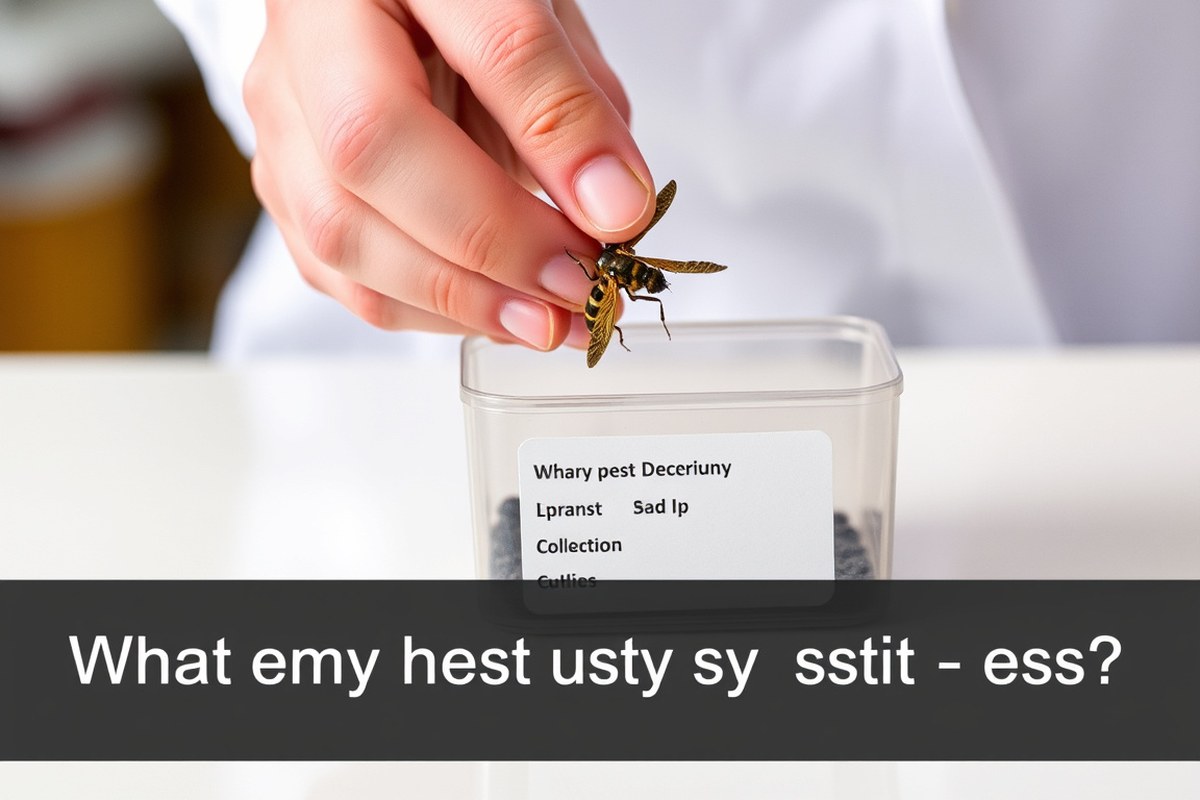
The mystery pest identification process begins with collecting a sample, then properly packaging and submitting it for expert analysis. Once the company receives the sample, they examine it with specialized techniques before providing you with the identification results. Understanding each step ensures you provide the best evidence for accurate identification.
Collecting a Suitable Pest Sample
Gathering the right type of sample is important because the quality of the evidence directly affects the accuracy of identification. You want to collect a whole specimen if possible, or at least several parts that clearly show the pest’s distinctive features such as legs, wings, antennae, or color patterns.
Capture the pest in a container or on clear tape to avoid damage. Avoid using liquids unless specifically instructed, as some preservatives can alter the specimen’s appearance. When the pest is still alive, gently immobilize it by freezing or refrigeration until you can secure it safely.
- Use tweezers or a small brush to handle the pest carefully.
- Place the pest inside a clean, sealable container (like a small plastic vial or a pill bottle) or between two pieces of clear tape.
- Collect multiple individuals if the pest is very small or if you have several specimens from the same infestation.
- Record the location and date where you found the pest, including any visible damage it caused or the environment it was in.
A live or freshly killed specimen provides the most useful details for identification, so try to avoid crushed or overly dried samples.
Packaging and Labeling Samples Correctly
Proper packaging prevents specimen damage and contamination during transit. Use sturdy containers that protect the pest from shifting and moisture. Adding a small piece of moist paper can help keep the sample from drying out but be careful as excess moisture can cause mold.
Label the container clearly with your contact information and the details of the sample location. Including habitat notes, such as indoor versus outdoor or the host plant if relevant, helps analysts understand the context of the infestation.
- Place the specimen container in a padded envelope or small box for shipping.
- Include a documented description of the pest’s habitat and where it was found.
- Write your name, phone number, and email clearly on the packaging and any forms.
- Follow any specific packaging guidelines provided by the identification company, such as limits on size or types of materials allowed in the mail.
Label your sample material distinctly to avoid mix-ups, especially if sending multiple pests or samples from different locations.
Submitting Samples to the Company
After preparation, sending the sample promptly prevents deterioration. Choose a reliable shipping option that delivers within a few days. Some services accept drop-offs, which can speed up the process and reduce specimen stress.
Confirm the company’s submission details before shipping, including address, payment method, and any required submission forms. Some companies require an online registration or a phone call to announce the shipment.
- Confirm the company’s submission instructions and hours of operation.
- Fill out any forms for specimen identification, including pest description and symptoms observed.
- Package the specimen securely with all documentation inside.
- Send the package via a trackable service or deliver it in person if possible.
Do not use regular mail if the pest sample is perishable or fragile; expedited shipping reduces the risk of spoilage.
Analysis Techniques Employed
The identification company uses various methods depending on the pest type and sample quality. Visual microscopic examination is standard to observe fine details like body segments, mouthparts, and wing structure. Experts compare these features with known species to narrow down possibilities.
Advanced labs might use DNA analysis, especially for closely related species that look alike. This genetic approach requires a small tissue sample and provides precise identification but typically costs more and takes longer. Alongside physical traits, analysts consider geographic data and damage patterns you provide to support their determination.
Receiving Identification Results
The company typically sends you a written report via email or mail within a timeframe they specify, often ranging from a few days to a few weeks. The report includes the pest’s scientific name, common names if available, important biological information, and control recommendations, if offered.
Good reports include clear images or diagrams that show key features used for identification. When the sample quality was poor or incomplete, the company might request a resubmission to improve accuracy. Some firms provide follow-up consultations or connect you to pest control professionals specialized in the identified species for treatment advice.
How Long Does Mystery Pest Identification Take and What Affects Timing?
Getting a mystery pest identified usually takes anywhere from a few days to a couple of weeks. The exact timing depends on the complexity of the specimen and the service you use. Simple identification requests through local pest control companies can often return results in 1 to 3 days if they have on-site experts. Specialized labs or online services might need 5 to 10 business days or more because they often rely on expert entomologists or send specimens to multiple specialists for confirmation.
The identification process often goes through several stages, each affecting the overall timing. You start by collecting and submitting pest samples, which can take a day or two depending on how easy it is to catch the pest. Then, experts examine these samples visually and possibly under microscopes, which usually happens within a few days after the sample arrives. When the pest appears unusual or closely resembles many species, they might perform additional analysis or consult reference collections, which adds a few extra days or even weeks. Finally, you receive a full report or phone call explaining the identification results.
- Sample quality and preservation affect inspection speed and accuracy
- Type of pest and how common or complex it is to identify
- Workload and staffing levels of the identification service
- Distance and shipping time when mailing physical specimens to labs
- Need for additional lab tests, like DNA analysis, which can extend time
- You providing clear, usable information and samples with submission
- Seasonal variations, since some pests are easier to find or identify in certain months
Lower-quality samples or poorly preserved pests delay identification as experts may request better specimens or more photos. Some pests look very similar to others, requiring microscopic or molecular work, which adds days or weeks to the timeframe. Mail-in services also depend on shipping speed; overnight shipping gets results faster but costs more. Local companies with in-house identification provide quicker turnarounds but might be limited in expertise compared to university or government labs.
Good results come from sending intact pests with several photos showing different angles and context, plus details about where and when you found them. Avoid sending crushed or partial specimens. Some services provide a preliminary identification quickly and then follow up with a full detailed report later. This staged approach helps you act sooner, even if the full process takes longer. Be cautious if identification takes more than two weeks without updates; this might mean the sample was inadequate or the pest is rare and requires extended study.
What Are the Costs for Mystery Pest Identification Services?
The cost of mystery pest identification can vary widely depending on the service provider, the complexity of the case, and whether treatment is included alongside identification. Identification alone typically involves a lower fee because it primarily requires expert analysis, sometimes combined with lab testing. Treatment costs depend on the pest type, infestation size, and method used, often significantly increasing the total expense.
Many companies charge separately for identification and treatment. Some pest control firms include initial identification in a package deal when you agree to their treatment plan. Others charge a flat fee for sending samples to specialized labs or for on-site inspection solely to identify the pest. It’s important to clarify this before committing so you understand if you are paying just to know what the pest is or for actual control services as well. The table below outlines typical pricing ranges for different mystery pest identification services. These figures are approximate and can vary by region and service provider:
| Service Type | Typical Cost Range | What’s Included |
|---|---|---|
| Online identification via photo submission | $10 – $50 | Expert review and ID without treatment |
| Lab identification from physical samples | $40 – $150 | Advanced analysis for precise species ID |
| Local pest control company inspection fee | $50 – $200 | On-site inspection; often credited toward treatment |
| Treatment after identification | $100 – $500+ | Eradication of identified pest; cost varies by infestation size |
| Specialized entomologist consultation | $150 – $300 per hour | Detailed consultation and reporting |
Choosing a simple photo-based identification service may be enough if you just need to know what pest you’re dealing with. Sending physical samples to a lab costs more but offers greater accuracy, especially for small or unusual species. On-site inspections often come with fees that can turn into treatment credits if you proceed with that company. Treatment costs depend heavily on pest type and infestation extent, so expect larger expenses if infestation requires multiple visits or specialized pesticides.
Confirming which fees cover identification only versus treatment is critical to avoid surprise charges. In some cases, you may want to pay just for identification first to understand your pest. If treatment is necessary, getting multiple quotes helps you compare costs and services fairly. Avoid companies that do not clearly separate or disclose these fees upfront, as transparency helps you make an informed choice.
What Tools and Technologies Are Used to Identify Mystery Pests?
Companies handling mystery pest identification rely on a mix of visual tools, genetic tests, and expert knowledge to accurately classify pests. These methods vary in complexity and cost but help pinpoint species especially when dealing with uncommon or damaged specimens.
Microscopy and Visual Analysis
Microscopy remains a primary tool for identifying pests by their physical traits. Specialists use high-powered microscopes to examine body parts like antennae, wings, legs, and mouth structures all of which can indicate family or genus. Digital microscopes can capture detailed images for further analysis or consultation. This approach works best with intact specimens and is often the first step in identification.
Examining key features under magnification typically requires training to distinguish subtle differences, common in insect families or among similar species. Visual keys and comparison against large image databases help confirm matches. This process usually takes minutes to hours depending on specimen condition and complexity. While affordable, relying on this alone can cause misidentification if the pest is damaged or closely related to others.
Genetic and DNA Testing
DNA testing offers a more precise method by analyzing genetic material extracted from the pest. Labs use techniques like polymerase chain reaction (PCR) to amplify DNA segments unique to species or groups. This can confirm species when visual traits overlap or where pests are juveniles or incomplete.
Collecting a sample involves carefully placing the specimen or tissue in a sterile container and sending it to a lab specializing in pest DNA. Testing takes from days to a few weeks depending on lab capacity and workload. It costs more than microscopy, typically several hundred dollars, but improves accuracy, especially for rare or morphologically similar pests. DNA databases must be current for true identification; gaps exist for less studied species, affecting reliability.
Expert Consultations and Databases
Expert consultations bring experience into the identification process. Professionals with extensive knowledge in entomology or pest control review samples alongside diagnostic tools. They interpret results from microscopes or DNA and apply context like geographic location and pest behavior to refine IDs. Experts often access complete databases and published literature unavailable to non-specialists.
This human element can catch errors machines might miss and suggest likely species that fit observed clues. Consulting experts involves coordination and may happen via in-person reviews, photo submissions, or through professional networks. Fees vary widely. The accuracy depends on the expert’s speciality and access to updated resources, making it essential to use recognized professionals for complex cases.
Limitations and Accuracy Considerations
Each identification method has strengths and weaknesses that affect accuracy. Visual analysis depends on specimen condition and expert skill but can be misleading with damaged or juvenile pests. DNA testing reduces visual bias but depends on sample quality and database completeness.
Expert consultations improve overall reliability but depend on the expert’s experience and data access. Combining these approaches typically yields the best results. Some pest species remain difficult to identify due to cryptic appearances or lack of reference materials, so results may sometimes remain tentative. Always use a reputable service that explains its methods and uncertainty plainly.
Collect and send complete, well-preserved specimens for testing to improve accuracy; partial or crushed pests often lead to inconclusive results.
When to Use Local Pest Control Versus Specialized Labs or Online Services
Local pest control companies can handle many mystery pest identifications, especially when the pest is common and immediate treatment is necessary. Specialized labs are better for unusual or hard-to-identify pests requiring detailed analysis. Online or app-based identifications are suitable when you need a quick, preliminary idea but not a definitive diagnosis. Choosing the right option depends on pest type, urgency, location, and your available resources.
Situations Suited for Local Pest Control
Local pest control companies are a practical first stop for mystery pest identification when the pest is common or typical for your region. This includes insects like ants, spiders, cockroaches, rodents, or termites. These companies usually have technicians with experience handling local pest species and can often identify the pest on-site through visual inspection. They are also able to take immediate action for removal or treatment, which often matters if the pest poses health or structural risks.
Local companies also make sense if you need a quick response and prefer face-to-face service. They typically charge a service fee or consultation fee ranging from $50 to $150 for inspection, which may apply toward treatment if you proceed. Choosing local providers matters most when location-specific knowledge influences identification accuracy and treatment options. For pests that appear out of the ordinary or after multiple failed attempts at control, local companies might refer you to specialists.
When to Contact Specialized Labs
Specialized laboratories handle identification for pests that are unfamiliar, rare, or difficult to distinguish visually, such as exotic insects, ticks carrying disease, or pests that resemble harmless species. Labs use advanced methods like microscopy, DNA analysis, or entomological expertise to provide a precise ID, which is important when accurate identification impacts treatment decisions or regulatory compliance.
Sending specimens to a lab usually involves collecting and preserving the pest properly (for example, in alcohol or on a sticky surface), then mailing it with detailed location and context information. Processing times can vary from a few days to a few weeks, depending on the lab and pest complexity. Cost typically ranges from $25 to $100 per specimen, sometimes more for specialized testing. Labs are your best option when local specialists cannot identify the pest or your property is part of a research or public health effort requiring documented proof.
Using Online or App-Based Identification
Online services and smartphone apps offer rapid, often free or low-cost initial identification based on photos and descriptions you provide. This method works well for casual curiosity or when you want to narrow down possibilities before deciding the next step. Most apps use databases and image recognition algorithms but may not capture subtle differences, so their IDs should be treated as preliminary.
This option suits situations where the pest is not causing immediate harm and you have some time to monitor or confirm the ID. Keep in mind that poor photo quality, pest movement, or similar lookalikes can lead to errors. Using online services is helpful if you live in a remote area without easy access to specialists or labs. Always be prepared to follow up with a professional if the pest risk is significant or treatment requires precision.
Benefits and Drawbacks of Each Option
Local pest control offers convenience and immediate action but may struggle with rare pests or those requiring laboratory tools for confident identification. The cost is typically upfront, and you might pay more if the pest is misidentified and the treatment is ineffective. However, local knowledge often leads to effective control in common cases.
Specialized labs provide the highest accuracy and can identify pests too small, rare, or complex for field inspection. The drawbacks include longer turnaround times, the need to properly collect and ship specimens, and additional costs. Their results are important when treatment depends on precise information or when documentation is required by authorities or insurance.
Online identification is fast and convenient but less reliable. It is a useful starting point or tool for low-risk pests but should not replace professional confirmation for pests that threaten health, safety, or property. Relying solely on apps or online guesses can lead to incorrect treatment choices or overlooked risks.
How to Avoid Common Mistakes When Seeking Pest Identification
Many people seeking pest identification make mistakes that delay results or lead to incorrect conclusions. A frequent error is submitting samples that are damaged, incomplete, or unsuitable for analysis. Damaged specimens can obscure distinguishing features needed for accurate ID, so it’s essential to collect intact samples. Avoid touching pests directly with bare hands, which may destroy delicate parts or contaminate them.
Proper sample preparation varies depending on the type of pest. For insects, try to capture the whole specimen without squashing. Place it in a sealed container like a small jar or plastic vial to prevent drying and preserve key features. For rodents or larger pests, a clear photo often helps if capturing the animal isn’t feasible. Include multiple photos from different angles, ideally against a plain background with a ruler or coin for scale.
- Collect a sample with all parts intact; avoid crushing or dismembering it.
- Use sealed containers or zip-top bags to prevent drying or contamination.
- Label the container with the date, location, and brief notes on where you found the pest.
- Include clear, close-up photos when a physical sample is not possible, showing scale and multiple angles.
- Do not rely on poor-quality images from a distance; that reduces accuracy.
- Send or deliver samples promptly to avoid decomposition or mold growth.
- Consult the identification service for specific sample requirements before submitting.
Failing to provide accurate information about where and when you found the pest can also hinder identification. Pests common in certain regions or seasons differ, so share details like indoor vs outdoor, sightings during day or night, and any associated damage. Incomplete context makes it harder for experts to narrow down options. Also, trying to identify pests yourself before consulting a professional can lead to misidentification unless you have experience and good-quality images or specimens.
Taking time to prepare and submit a proper sample helps speed up the process and improves accuracy. Good samples allow experts to look at critical traits without guessing, which cuts down on back-and-forth questions. It may cost nothing extra to mail a proper specimen, but poor samples can increase time and fees if resubmission or on-site visits become necessary. Always follow instructions from the pest identification service carefully and ask questions if anything is unclear.
What Happens After the Pest Is Identified? Treatment and Follow-Up Options
Once a mystery pest has been identified, professional pest control companies usually offer a range of treatment options designed to address the specific pest detected. These services often include follow-up inspections, recommendations to prevent future infestations, and some form of guarantee or warranty for the work performed. Understanding what to expect after identification can help you manage your pest problem effectively and avoid recurring issues.
Immediate Pest Treatment Options
After identifying the pest, companies typically recommend or perform treatments tailored to the pest’s biology and behavior. Common treatments include chemical applications, baiting, trapping, physical removal, or changes to the environment to remove pest attractants. For example, termite treatments might involve localized liquid barriers or bait stations, while rodent issues may require traps combined with sealing entry points.
The specific treatment type and cost vary widely depending on the pest and property size. Chemical treatments can range from $200 to over $1,000, depending on the complexity and the number of visits needed. Some companies apply treatments on-site immediately after identification, while others schedule it separately to allow for preparation or multiple treatment phases. Always ask for a detailed treatment plan and cost estimate upfront.
Follow-Up Inspections and Prevention
Good pest control companies typically schedule one or more follow-up inspections after the initial treatment to confirm it was effective. These inspections can occur weeks or months later, depending on the pest’s life cycle and treatment used. Follow-up visits allow the technician to reapply treatments if necessary and check for signs of reinfestation.
Alongside inspections, companies often provide advice on pest prevention tailored to your situation. This might include recommendations to reduce moisture, seal cracks, store food properly, or remove pest harborage. Some companies offer ongoing maintenance plans, charging monthly or quarterly fees for regular visits and monitoring, which can be cost-effective if your property faces frequent pest pressure.
Service Guarantees and Warranties
Most pest control companies back their services with some form of guarantee, often lasting 30 to 90 days. These guarantees typically promise that if pest activity resumes within that period, the company will return for additional treatments at no extra charge. Some companies extend warranties for longer periods, especially for structural pests like termites, but these usually come with terms such as signing up for regular inspections or service plans.
Guarantees and warranties reduce the risk of paying for ineffective treatment. However, their limits and conditions can vary. For example, guarantees may not cover pest issues caused by poor client maintenance or new pest introductions unrelated to the original problem. Be sure to carefully read the service agreement to understand what is covered and what actions you may need to take to keep the guarantee valid.
Keep records of treatments and inspections and report recurring pest sightings promptly to ensure your service guarantee remains effective.
Risks of Misidentification and How to Minimize Them
There is a real chance of misidentifying pests during the mystery pest identification process, especially when dealing with unfamiliar species or poor-quality samples. Misidentification can lead to ineffective treatment plans, wasted resources, and potential safety hazards. Companies use several layers of verification and correction protocols to reduce these risks and protect customers.
Causes of Misidentification
One common cause of misidentification is the similarity between pest species. Many insects or rodents look alike at a glance, particularly in immature stages or when only partial remains are available. For instance, some beetles resemble cockroaches, but their control methods differ significantly. Another factor is poor sample quality. Submitting a damaged or incomplete specimen means it lacks the key features experts rely on for accurate classification.
Errors may also arise from human judgment, as the experience level of the identifier matters. Less experienced technicians might confuse related species or miss subtle distinguishing traits. Lastly, environmental factors like seasonal variations or local pest populations can complicate identification, since pest species change appearance or behavior depending on region or time of year.
Effects on Treatment and Safety
Misidentifying a pest can lead to inappropriate treatment choices. For example, using a pesticide targeted at a common household ant when the actual pest is a carpenter ant could fail to resolve the problem and allow damage to worsen. In some cases, incorrect identification might result in using chemicals that pose unnecessary health risks to people or pets.
Beyond treatment failures, delayed or wrong responses may allow pests to multiply or spread, increasing property damage or health threats. In commercial settings, such missteps can affect compliance with health regulations or cause financial losses. Misidentification can also cause undue worry or lead to unnecessary expenditures on ineffective control methods.
How Companies Rectify Errors
Professional pest identification services usually apply multiple verification steps. First, they thoroughly examine the specimen with microscopes and compare it to reference collections or databases. Many labs have peer review systems where a second expert checks the identification before finalizing the report.
When results are uncertain, companies request additional samples or photographs to confirm the pest’s identity. Customers are advised to provide clear images from different angles, or a live specimen if safe. Some labs use molecular methods, like DNA barcoding, to achieve higher accuracy when traditional methods hit limits. These advanced techniques take extra time and cost more but reduce error risk substantially.
When an error is identified post-report, reputable services offer follow-up identification at no extra cost. They update treatment recommendations accordingly, helping you avoid problems from the initial mistake.
Tips for Consumers to Minimize Risk
Providing a complete and undamaged specimen increases the chance of accurate identification. Capture a whole pest or at least intact body parts, including legs, wings, and antennae, which show key features. Store specimens in a sealable container or plastic bag, and keep them cool to prevent decomposition before delivery or shipment.
Take good-quality photos showing different angles and in good lighting if you cannot catch the pest. Include objects for scale, like a coin or ruler, so identifiers can judge size accurately. Avoid guessing or assuming the pest species based on appearance alone; rely on professional services for certainty.
Choose companies that explain their identification process clearly and offer follow-up support in case of uncertainty. Check if they provide details about their verification steps or use molecular testing, which can provide extra assurance. Timely submission of samples also matters; delays allow pests to change or degrade and increase identification difficulty.
Seasonal and Regional Variations in Mystery Pest Identification Services
Pest identification needs and the services available vary significantly by season and region because different pests emerge under specific climatic conditions and geographical habitats. Companies adjust their approaches to reflect these variations, tailoring identification focus and resources to match local pest activity peaks and regional species diversity. Understanding these patterns helps you get timely and accurate identification that fits your location and time of year.
Common Seasonal Pests and Identification Trends
Many pests appear or become more active during specific seasons, affecting what types of mystery pests you might encounter. For instance, in spring and summer, insects like ants, termites, and mosquitoes are more common due to warmer temperatures and increased moisture, making identification requests for these pests more frequent. Fall often brings an increase in rodent activity as animals seek shelter from dropping temperatures, while winter may shift focus to indoor pests such as cockroaches and spiders that survive inside heated buildings.
Service providers track these seasonal trends and often prioritize the identification of pests associated with that time of year to meet customer demands efficiently. For example, a lab or local service might receive many mosquito samples during summer and shift to rodent droppings or nests in late fall. Knowing when certain pests are active helps you anticipate what might be causing damage or nuisance and ensures the company is ready with expertise or testing protocols tailored to those specific species.
Regional Differences in Pest Types
The types of pests you encounter depend heavily on your state’s climate and local environment. Southern states typically deal with termites year-round, especially subterranean species, while northern states may see more seasonal termite activity limited to warmer months. Arid regions report more scorpion and spider-related issues, whereas humid coastal areas might confront more cockroach and mosquito species. This regional variety affects not just which pests are identified but also which identification services use specialized knowledge or tools.
Companies often maintain a regional focus by employing experts familiar with local pests and maintaining regional databases of pest images and DNA markers. They might also partner with state agricultural extensions or entomology departments to improve identification accuracy. If you live near state borders or in transitional zones, pest identification services may combine approaches or confirm findings with multiple regional standards to ensure precise results. This variation means a one-size-fits-all approach rarely works well for mystery pest identification across regions.
Service Availability Variations Throughout the Year
Many mystery pest identification companies adjust their service hours, staffing, and types of tests available based on seasonal demand and regional pest cycles. For instance, labs may offer faster turnaround times in peak pest seasons, such as summer for mosquitoes or fall for rodents, but slower or reduced services during off-peak months when pest activity declines. Mobile or field services might be more limited in winter in colder regions to avoid hazardous conditions.
Price and turnaround time may also fluctuate seasonally. Some companies charge higher fees for rush identifications during peak seasons or for specialized testing on pests active only part of the year. Understanding these changes helps you plan your pest identification requests better, possibly submitting samples early in peak season to avoid delays or extra costs. Contacting your local or chosen identification service beforehand to confirm seasonal availability and pricing can prevent frustration and ensure faster, more accurate results aligned with your pest problem’s urgency and nature.
Step-by-Step Action Plan for Mystery Pest Identification
Identify your unknown pest promptly by choosing the right service and following a clear process. This plan helps you find the right company, understand costs and timing, and take next steps effectively.
- Before you start: Collect clear photos or physical samples of the pest, noting where and when you found it. This improves identification accuracy and speeds up the process when you contact a service.
- Day 1-2: Contact local pest control companies and specialized labs or online services that offer mystery pest identification. Use your region and pest type to choose appropriately, local pros handle common pests faster; labs are better for rare or uncertain pests.
- Within 3-5 days: Submit your sample or photos following the instructions from the company, some require live specimens, others accept images. Confirm the identification method they use, such as microscopic analysis or DNA testing, since that affects results and timing.
- Week 1: Review the company’s estimate of time and cost based on your pest and service type. Expect costs to vary from $50 to over $200 depending on complexity. Avoid low-cost options that fail to guarantee expert review to reduce misidentification risk.
- After identification (usually 1-2 weeks): Evaluate the identification report you receive. Check if it includes pest biology and recommended treatment options. This information guides your next steps and helps avoid ineffective or unnecessary treatments.
- Week 2 and beyond: Choose a treatment plan based on the pest type and severity. Use the same company or a trusted pest control provider for follow-up service to ensure the issue is properly addressed. Confirm follow-up protocols are included, especially for species that require ongoing management.
- Ongoing: Monitor your property for seasonal changes and pest activity that might require re-identification. Regional pest populations change, so maintaining contact with your pest service or lab can prevent future issues and avoid costly mistakes.
Frequently Asked Questions
What Types of Companies Usually Handle Mystery Pest Identification?
Pest control companies, entomology labs, and online identification services typically handle mystery pest identification; each offers different expertise, with labs providing scientific analysis and pest control companies offering onsite inspection and treatment recommendations.
Can Small Pest Control Businesses Provide Mystery Pest Identification?
Yes, many small pest control businesses offer identification services, often relying on local experience and reference materials; they might collaborate with labs for complex cases but can handle common pest IDs effectively.
Do University or Government Labs Offer Mysterious Pest Identification to the Public?
Some university and government labs provide pest identification services, usually for research or public health; access might be limited, and they may charge fees or require sample submissions following specific protocols.
How Do Online Mystery Pest Identification Services Verify Accuracy?
These services use photographs or samples analyzed by experts or AI; accuracy depends on image quality and expert review, so sending clear photos or physical samples as instructed improves results.
Are There Pest Identification Apps Useful for Mystery Pests?
Pest ID apps exist but often provide preliminary guesses based on photos; they can guide you but are not substitutes for professional identification, especially for dangerous or unfamiliar pests.
Can Property Managers Use Mystery Pest Identification Services for Multi-Unit Buildings?
Yes, property managers commonly use these services to identify pests affecting several units quickly; accurate ID helps coordinate treatment and prevents spreading between units effectively.
Final Thoughts
Contact your local pest control company to see if they offer mystery pest identification or can recommend a specialized lab, since timing and cost vary widely based on your location and the suspected pest. Sending clear photos or samples today helps speed up the process and reduces risks of misidentification. Keep records of your pest sightings and treatments to provide helpful context during inspection or lab analysis. Scheduling a consultation now sets you on the right path to solving the pest problem efficiently and safely.