
How to Get Rid of Pink Eye: A Complete Guide for Fast, Safe Relief
To get rid of pink eye quickly and safely, you need to identify the type causing your symptoms and treat it accordingly. Viral pink eye usually clears on its own with rest and hygiene, while bacterial pink eye often requires antibiotics for effective relief. Managing eye hygiene and avoiding contact lens use are key steps to reduce discomfort and prevent spreading the infection.
This information is for anyone facing pink eye symptoms, from adults to children and caregivers. You’ll learn how to recognize different types, when to use home remedies, and when to seek medical care for fast, safe relief and to protect those around you.
Key Takeaways
- Viral pink eye causes about 80% of cases and usually clears within 5-7 days alongside cold or flu symptoms.
- Bacterial pink eye requires antibiotics and you should stay home until symptoms improve after 24 hours of treatment.
- Prevent pink eye spread by avoiding touching eyes, frequent hand washing, and not sharing towels or pillows.
- Use cool cucumber slices to reduce eye swelling and irritation safely as a home remedy.
- Maintain eye hygiene by cleaning discharge gently and avoid wearing contact lenses during infection.
- See a doctor promptly if redness lasts over 24 hours or symptoms worsen despite treatment.
What Is Pink Eye and How Can You Identify It?
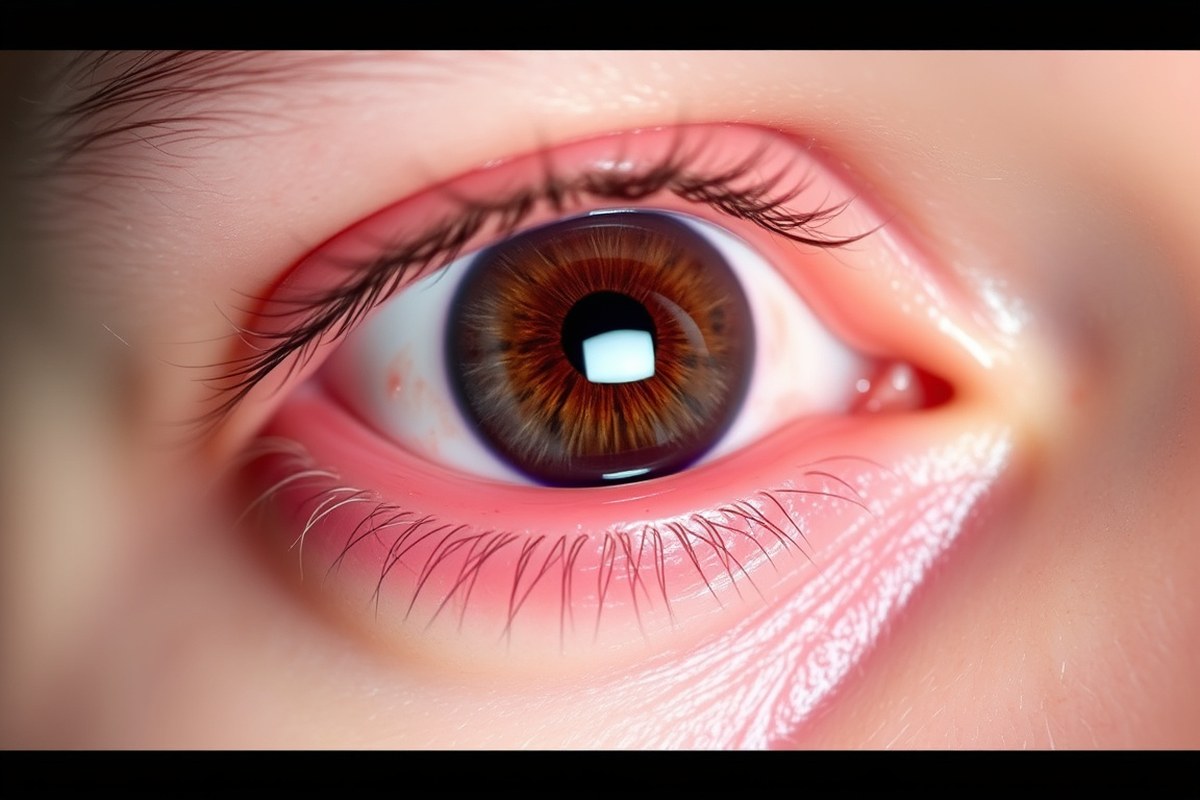
Pink eye, medically known as conjunctivitis, is an infection or inflammation of the thin, transparent layer covering the white part of your eye and the inner surface of your eyelids. It causes your eye to look red or pink, which is why it’s commonly called pink eye. This condition often results from viral or bacterial infections and sometimes allergies, each leading to slightly different symptoms.
The most noticeable sign of pink eye is a red or pink hue in the white of your eye, along with swelling around the eyelid. You may also experience increased tearing or watery eyes, making your vision appear blurry. Itching, burning, or a gritty feeling in your eye is common, which can make your eyes uncomfortable throughout the day. Another key symptom is discharge: with bacterial pink eye, you often see a thick yellow or greenish discharge that can cause your eyelashes to stick together, especially after sleeping. Viral pink eye, the most common type, usually produces a watery discharge along with cold-like symptoms such as a runny nose or sore throat.
Distinguishing pink eye from more serious eye issues is essential. Most cases of pink eye don’t cause severe pain or changes in vision beyond mild blurriness. Watch for symptoms like intense eye pain, sensitivity to light, sharp vision changes, or a dark spot on your eye, which could indicate a more serious condition requiring immediate medical attention. Another helpful rule is the “24-hour red eye rule”: if your eye stays red for more than 24 hours without improvement or worsens, you should seek same-day medical evaluation to rule out other causes.
Pink eye symptoms usually develop quickly and may last between 5 to 10 days. Viral pink eye typically clears up in about a week as the cold or flu symptoms do, while bacterial cases might last longer unless treated with prescribed antibiotics. Recognizing whether discharge is thick and crusty or watery, along with your overall symptoms, helps you and your healthcare provider confirm if you have pink eye or a different eye problem. Prompt identification can ease discomfort and reduce the risk of spreading the infection to others.
Types of Pink Eye: Viral, Bacterial, or Allergic?

Pink eye, medically known as conjunctivitis, most often comes from three sources: viruses, bacteria, or allergies. Knowing which type you’re dealing with helps guide treatment and gives an idea of how long recovery might take. Viral conjunctivitis is the most frequent type and usually follows a cold or respiratory illness. Bacterial conjunctivitis is caused by harmful bacteria and tends to spread quickly, especially among children in group settings like schools or daycares. Allergic conjunctivitis occurs when your eyes react to triggers like pollen or pet dander, commonly affecting those with asthma or seasonal allergies.
Each type shows different symptoms and lasts for varying lengths of time. Viral and bacterial types often cause redness, irritation, and discharge, but bacterial pink eye tends to produce thicker discharge. Allergic pink eye mainly causes itching, watering, and swollen eyes without thick discharge. Treatment varies: viral infections typically clear on their own, bacterial cases often need antibiotics, and allergic pink eye responds to allergy medications. Understanding symptom patterns and duration helps you manage care properly.
| Type | Common Causes | Key Symptoms | Average Duration | Contagious? |
|---|---|---|---|---|
| Viral | Cold or respiratory virus | Redness, watery discharge, irritation | 1 to 3 weeks | Yes |
| Bacterial | Bacterial infection | Redness, thick yellow/green discharge, stickiness | 2 to 5 days with antibiotics, possibly longer without | Yes |
| Allergic | Exposure to allergens (pollen, pet dander) | Itchy, watery eyes, swelling, redness | Days to weeks, depending on allergen exposure | No |
Compare your symptoms to the table to help determine the kind of pink eye you may have. Both viral and bacterial conjunctivitis are easily contagious. Maintaining proper hygiene, such as washing hands often and avoiding sharing towels, reduces the chance of spreading infection. Bacterial conjunctivitis typically starts to improve within a day of antibiotic treatment, but if symptoms persist, consult a healthcare professional. Allergic conjunctivitis lasts as long as you’ve contact with the allergen, so limiting exposure or taking allergy medicine can ease your symptoms.
Wash your hands often and avoid touching your face to prevent spreading viral or bacterial pink eye.
How Contagious Is Pink Eye and How to Prevent Spread
Both bacterial and viral pink eye are contagious and can spread easily through direct contact with an infected person or contaminated objects. Viral pink eye can be contagious before symptoms appear and remains so until symptoms like tearing and discharge stop, which may take one to two weeks. Bacterial pink eye is also contagious but often shortens in duration with prompt antibiotic treatment, allowing you or your child to return to normal activities sooner.
Unlike viral and bacterial types, allergic pink eye is not contagious, so no isolation is necessary. Because bacterial and viral infections can spread quickly in households, schools, and workplaces, taking clear precautions is important to protect others. Preventing the spread starts with strong hygiene practices, especially since pink eye spreads through hand-to-eye contact and touching shared surfaces. Follow these steps consistently to reduce transmission:
- Frequently wash your hands with soap and water for at least 20 seconds, especially after touching your eyes.
- Avoid touching or rubbing your eyes to prevent transferring the infection.
- Use clean towels, washcloths, and pillowcases daily and avoid sharing them with others.
- Disinfect commonly touched surfaces such as doorknobs, light switches, and phones regularly.
- Dispose of or clean any eye makeup and avoid using contact lenses until fully recovered.
- Cover your mouth and nose with a tissue or elbow when coughing or sneezing.
Staying home from work, school, or daycare is often advised with bacterial or viral pink eye to limit exposure to others. Children, in particular, should remain home until symptoms improve and discharge stops, as many schools and daycares require this before allowing return. Adults should check their workplace policies but generally avoid close contact and crowded places until symptoms subside.
Returning to work or school too early can risk spreading the infection further and causing reinfection. Proper treatment combined with these precautions helps reduce the contagious period. In bacterial cases, antibiotic drops may shorten the infectious phase to as little as 24 to 48 hours after starting medication, but viral pink eye requires waiting for natural symptom resolution.
Safe and Effective Treatments for Different Pink Eye Types
You should match the treatment for pink eye to its type to get the best results while avoiding unnecessary medications. Antibiotics are effective only for bacterial conjunctivitis. Your doctor will prescribe antibiotic eye drops or ointments that typically cost between $20 and $50 and are applied several times daily for about one week. Using over-the-counter antibiotic ointments isn’t advised because prescription versions are usually stronger and better tested for eye infections.
Artificial tears, also called lubricating eye drops, help all types of pink eye by flushing irritants and moisturizing the eyes. These are available over the counter for around $5 to $15 per bottle and can be used multiple times a day. Using saline solutions or eye wash without preservatives also helps rinse the eye, easing symptoms such as dryness and discomfort.
Home remedies can help relieve symptoms and support healing for viral and allergic pink eye. Viral pink eye often resolves on its own within one to two weeks. During this time, cold compresses applied for 5 to 10 minutes several times daily can reduce redness and itching. Antihistamine eye drops may ease allergic cases more effectively than vasoconstrictors like “get the red out” drops, which do not treat the underlying allergy.
Only viral pink eye caused by specific viruses like herpes simplex or shingles might need prescription antiviral eye drops or ointments. Antibiotics won’t help viral infections and should not be used unnecessarily, as this can lead to resistance or side effects.
- Use prescription antibiotic drops for bacterial pink eye as directed, usually for 7 days
- Apply artificial tears or preservative-free saline to soothe all pink eye types multiple times daily
- Try cold compresses 3 to 4 times a day for viral or allergic pink eye symptom relief
- Use antihistamine eye drops for allergic pink eye rather than redness-reducing vasoconstrictors
- Avoid over-the-counter antibiotics; opt for prescribed medications if bacterial infection is confirmed
- Consult a healthcare provider if symptoms worsen, last more than 10 days, or if you experience vision changes
Follow the treatment checklist tailored for your pink eye type. For bacterial pink eye, completing the full course of antibiotics prevents recurrence and complications. For viral and allergic cases, managing symptoms with home care and over-the-counter artificial tears lets your eyes heal safely. Avoid rubbing your eyes, practice good hand hygiene, and wash pillowcases and towels to support recovery and reduce spread. If uncertain about the cause or your symptoms do not improve, seeing a healthcare professional is important to get the appropriate treatment.
Home Remedies That Relieve Pink Eye Symptoms Safely
Cold and warm compresses, along with artificial tears, are safe and effective home remedies to relieve pink eye symptoms. These methods can reduce inflammation, soothe irritation, and help your eyes feel more comfortable. Avoid natural remedies like apple cider vinegar, as they may cause further irritation or damage.
Using Cold Compresses Correctly
Cold compresses help reduce swelling, redness, and itching associated with pink eye by constricting blood vessels and calming inflammation. You can also use cucumber slices chilled in the fridge as a gentle alternative. Use a clean cloth every time to avoid spreading infection.
- Wash your hands thoroughly with soap and water before touching your eyes or compress.
- Soak a clean washcloth in cold water, then wring it out to remove excess water.
- Place the damp washcloth over your closed eyelids for 5 to 10 minutes.
- Repeat this procedure 3 to 4 times daily to ease discomfort.
- Use a fresh washcloth for each application and wash them after use.
- Store cucumber slices in the refrigerator and place them on your eyes for 5 to 10 minutes if preferred.
Never share compresses or towels with others to prevent spreading the infection.
Applying Warm Compresses Safely
Warm compresses help loosen crust and discharge on the eyelids and improve blood circulation. They are especially helpful if your pink eye is associated with blocked glands or crustiness. Apply warmth carefully to avoid burning your skin or eye.
- Wash your hands well to prevent contamination.
- Soak a clean washcloth in warm water (around 98 to 105°F), then wring out excess moisture.
- Place the warm, damp cloth gently over your closed eyelids for 5 to 10 minutes.
- Repeat the warm compress 3 to 4 times daily for best results.
- Clean the cloth after each use and avoid applying heat if you have skin conditions or broken eyelid skin.
Avoid hot water temperatures to reduce the risk of burns or worsening inflammation.
Natural Remedies to Avoid
Many popular natural remedies like apple cider vinegar, lemon juice, or essential oils are not safe for use in or around the eyes. These substances may cause irritation, allergic reactions, or chemical burns. Stick to proven treatments like artificial tears and avoid putting any unapproved liquids in your eyes.
Herbal remedies like chamomile or calendula may provide mild soothing effects as compresses, but you should only use them if you have no allergies and after consulting a healthcare provider. Do not apply undiluted herbal extracts or essential oils directly to the eyes.
Do not put apple cider vinegar or other acidic substances in your eyes, as they can harm the delicate tissues and worsen symptoms.
Managing Eye Hygiene and Contact Lens Use During Pink Eye
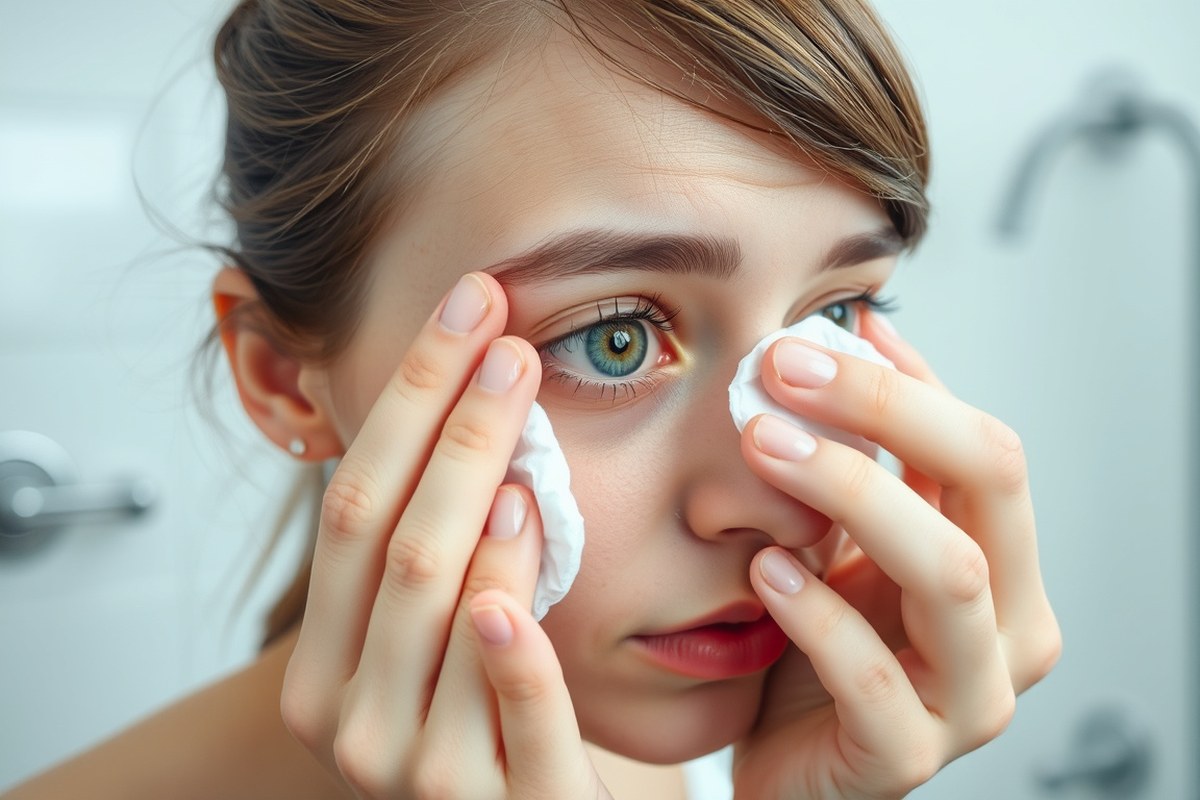
Proper eye hygiene is essential to managing pink eye effectively and preventing the infection from worsening or spreading. First, gently clean any discharge from your eyes using a clean, damp cloth or sterile cotton ball moistened with warm water. Wipe from the inner corner of the eye outward to avoid recontaminating the eye. Wash your hands thoroughly with soap and water before and after touching your eyes, especially after cleaning discharge, to stop bacteria or viruses from spreading to your other eye or to other people.
Contact lenses should be avoided entirely while you have symptoms of pink eye. Wearing lenses can worsen the infection and increase the risk of damaging your cornea. Switch to glasses until all redness and discharge clear up, which usually takes one to two weeks. Disinfect your lenses or get a new pair if you suspect contamination to reduce the risk of reinfection once healing begins.
Several practical steps help prevent aggravating your pink eye condition or transmitting it. Avoid touching, rubbing, or applying any eye makeup during the infection. Refrain from using over-the-counter “redness relief” eye drops, as they can irritate inflamed eyes further. Also, do not share towels, pillows, or washcloths with others until the infection resolves.
- Use a clean cloth or cotton ball with warm water to wipe discharge away, moving from inner to outer corner
- Wash hands before and after cleaning your eyes and after touching your face
- Stop wearing contact lenses and switch to glasses until symptoms fully resolve
- Disinfect or replace contact lenses and cases before resuming use
- Avoid eye makeup and discharge-contaminated objects during infection
- Do not share towels, pillowcases, or washcloths to limit spread
- Do not use redness-relief eye drops while infected
Keeping these hygiene practices helps reduce discomfort and speeds recovery. Maintaining a clean environment around your eyes reduces the chance of re-infecting yourself or others. Be gentle during cleaning to avoid irritating your conjunctiva further, and replace anything that could harbor infectious agents. If symptoms worsen or do not improve within two weeks, see a healthcare professional for evaluation and possible treatment adjustments.
When to See a Doctor and What to Expect from Medical Care
You should see a healthcare provider for pink eye if your symptoms worsen, do not improve after a few days, or if you experience urgent signs like severe pain or vision changes. Medical care can confirm the cause and guide effective treatment. The cost of a typical pink eye medical visit is about $39, but this may vary by provider or state. Tracking your symptoms daily helps you know when treatment works or if you should seek further care.
Signs That Require Urgent Care
Seek immediate medical attention if you notice any of these red flags. Prompt treatment helps avoid complications such as vision loss or infection spreading.
- Eye pain that feels sharp or intense
- Light sensitivity or discomfort in bright environments
- Blurred vision that does not improve after wiping discharge
- Severe or worsening redness in the eye
- Discharge that thickens or changes color
- Symptoms that persist longer than a week without improvement
- Newborn babies exhibiting signs of conjunctivitis during the first two weeks of life should receive medical evaluation promptly.
Adults with weakened immune systems should be more cautious and seek treatment earlier. Babies younger than three months require prompt in-person evaluation to prevent complications.
What to Expect During a Medical Visit
A healthcare provider will examine your eyes and review your symptoms to identify the type of pink eye. They may ask about recent exposures, contacts, or potential allergy triggers.
For bacterial conjunctivitis, your provider will likely prescribe antibiotic eye drops or ointments. Viral pink eye often resolves without antibiotics but may require supportive care. Allergic conjunctivitis treatment focuses on avoiding allergens and using antihistamine drops.
| Cost Factor | Typical Amount (USD) |
|---|---|
| Medical visit for pink eye | $39 |
| Prescription eye drops (antibiotics) | $10, $50 depending on insurance and medication |
| Specialist referral (ophthalmologist) | $100 and up for consultation |
| Virtual or telehealth visit | Often $30, $60 |
If symptoms worsen despite treatment, your provider may refer you to an ophthalmologist to rule out more serious issues.
Tracking Progress and Warning Signs
Monitor your eye symptoms daily and note changes to evaluate whether treatment is effective. Improvement usually starts within 2 to 3 days of starting antibiotic drops for bacterial cases. Keep a symptom log with the following details:
- Level of redness and swelling
- Amount and color of discharge
- Degree of eye discomfort or pain
- Vision clarity and light sensitivity
- Any new symptoms appearing
If symptoms worsen after initial improvement or fail to improve within a week, contact your healthcare provider again. Persistent symptoms might indicate bacterial resistance, a viral infection, or complications requiring specialist care.
Special Considerations for Children, Newborns, and Recurring Pink Eye
Pink eye in babies and young children requires careful attention because their immune systems are still developing, and the infection can sometimes cause complications. Treating newborns and toddlers safely involves prompt medical evaluation and following specific care instructions. Preventing repeat infections focuses on hygiene practices and removing bacteria or viruses from their environment.
Treating Pink Eye in Newborns
Newborns under one month with any signs of pink eye need to see a doctor immediately. Their risk for severe eye infections is higher, which can lead to lasting damage if untreated. Hospitals usually provide anti-infective eye drops or ointment shortly after birth to prevent pink eye caused by bacteria during delivery. If pink eye develops later, medical professionals will prescribe safe antibiotics or other treatments suitable for their age.
Parents should avoid any home remedies for newborns and never use leftover medications. Follow the healthcare provider’s instructions precisely, including applying prescribed eye drops as directed. Monitoring for worsening symptoms, such as increased redness, swelling, or discharge, is critical and should prompt urgent medical attention.
Guidance for Young Children
For toddlers and school-aged children, most pink eye cases are viral and resolve on their own without antibiotics. You can help your child manage discomfort by cleaning discharge with a warm, damp cloth and encouraging frequent hand washing to avoid spreading the infection. Use over-the-counter artificial tears to relieve irritation if recommended by a pediatrician.
Bacterial pink eye in kids often needs antibiotic eye drops or ointments prescribed by a doctor. Finish the full course even if symptoms improve. Notify your child’s school or daycare so they can take steps to prevent outbreaks. Avoid sharing towels, pillows, or other personal items during the infection.
Persistent or worsening symptoms beyond 7 to 10 days require reevaluation by a healthcare provider.
Preventing Repeat Pink Eye Episodes
Pink eye can recur if bacteria or viruses remain in the environment or the eyes are exposed repeatedly to irritants. Prevent repeat infections by washing hands thoroughly and frequently, especially after touching the eyes or face. Clean surfaces and objects your child touches daily, such as toys and door handles, using regular household disinfectants.
Replace eye makeup, contact lenses, and eye care products that may harbor bacteria if recurrent infections happen in older children or teen contact lens users. Avoid rubbing the eyes, and keep nails trimmed short to reduce irritation and bacterial transfer. Consult your doctor about supplements like omega-3 fatty acids and vitamins that may support overall eye health, though these don’t replace proper treatment.
Do not reuse tissues or washcloths used to clean your child’s eyes; discard or wash them separately in hot water after each use.
Action Plan to Identify, Treat, and Manage Pink Eye
Follow these clear steps to quickly recognize pink eye, apply the right treatment, prevent spreading, and know when to get medical help.
- At First Signs: Check symptoms like redness, discharge, and itching to identify pink eye type, clear watery discharge usually means viral or allergic, thick yellow-green suggests bacterial. Correct identification helps choose treatment.
- Immediately: Start basic hygiene, wash hands frequently, avoid touching eyes, and do not share towels or pillows. This reduces the chance of spreading infection to others.
- Within 24 Hours: Use safe home remedies such as warm compresses for bacterial or viral pink eye and cool compresses for allergic types. Notice if redness and discomfort improve after a day.
- Day 1 to 3: For bacterial pink eye, consider applying antibiotic eye drops if prescribed or recommended by a healthcare provider. Improvement in redness and discharge within three days indicates effective treatment.
- During First Week: Avoid contact lens use and follow eye hygiene practices like cleaning eyelids gently. Symptom relief and no worsening signs mean management is working.
- If Symptoms Persist Beyond 7 Days: Schedule a visit with a doctor, especially if pain, vision changes, or intense redness occurs. Medical care may be required to rule out complications or get stronger treatment.
- For Children and Newborns: Seek a medical evaluation promptly after first symptoms. Special care ensures proper diagnosis and treatment to prevent complications.
- After Recovery: Maintain good hygiene and monitor for recurring symptoms. Quick action on new signs helps prevent future outbreaks.
Frequently Asked Questions
How Did I Get Pink Eye Overnight?
Pink eye can develop quickly due to viral or bacterial infection from touching your eyes with contaminated hands or through close contact with an infected person. Good hygiene can reduce the risk of sudden infection.
Will Pink Eye Go Away on Its Own?
Viral and allergic pink eye often clear up without treatment in about one to two weeks. Bacterial pink eye usually needs antibiotics to fully resolve and avoid complications.
Can You Buy Pink Eye Drops Over-The-Counter?
Yes, over-the-counter lubricating eye drops can help relieve symptoms but won’t cure bacterial infections. Prescription antibiotics might be necessary if symptoms persist.
What Causes Pink Eye?
Pink eye is caused by viruses, bacteria, allergens, or irritants that inflame the conjunctiva. Identifying the cause guides effective treatment.
How Long Is Pink Eye Contagious?
Viral and bacterial pink eye can be contagious for several days, especially before symptoms improve. Stay home and practice hygiene until symptoms subside or 24 hours after starting antibiotics for bacterial cases.
Can Pink Eye Cause Vision Loss?
Pink eye rarely causes vision loss if treated properly. Severe or untreated infections can lead to complications, so getting medical care is important.
Before You Go
Getting rid of pink eye starts with identifying the type you have and treating it appropriately to avoid spreading infection. You can take a practical step today by practicing strict handwashing and cleaning any surfaces you touch frequently. This simple action helps protect you and others while your eyes heal.





One Comment