How to Get Rid of Moles: A Complete Guide for Lawn and Skin Removal
To get rid of moles effectively, start by identifying them and choosing the right control method based on your situation. Kill traps offer the most reliable permanent solution, while reducing their food sources and using repellents can help deter their presence. Safe removal techniques also exist for facial and body moles, so you can address both lawn pests and skin concerns safely.
This guide is for homeowners and gardeners dealing with unwanted moles in their yards or on their skin. You’ll learn how to tell moles apart from similar pests, set traps for the best results, explore home remedies and yard care, and avoid common mistakes in mole removal.
Key Takeaways
- Identify moles by their 4, 8 inch size, pointed snouts, shovel-shaped front paws, and raised soil ridges over deep tunnels.
- Choose professional trapping for over 95% success, as it targets moles directly and works better than repellents or poisons.
- Set mole traps in active tunnels and check them daily for two weeks to maximize capture rates and eliminate mole presence.
- Avoid ineffective poison pellets since moles eat insects, not seeds; focus on traps or insect control instead.
- Reduce mole food by managing grubs and insects in your yard to make it less attractive for burrowing.
- Remove facial and body moles safely with professional care, avoiding acidic home remedies beyond 10-15 minutes to prevent irritation.
How to Identify Moles and Differentiate Them from Similar Pests

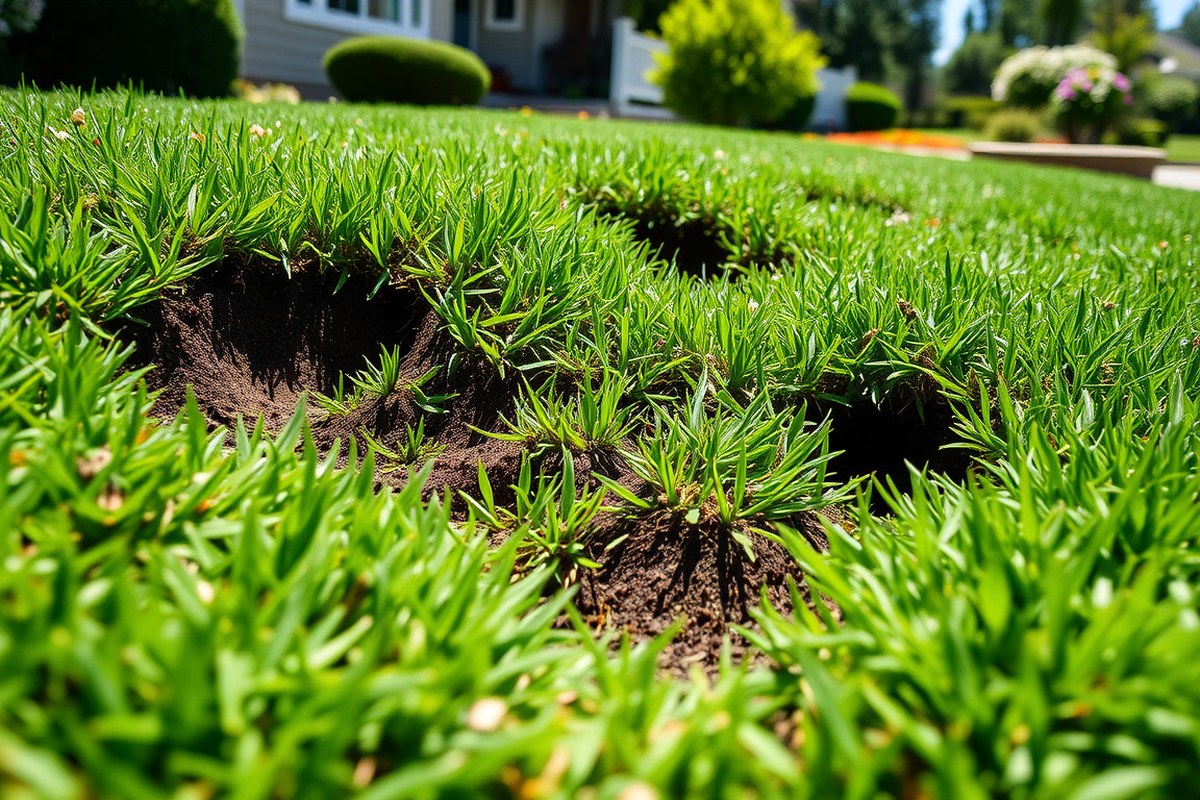
Moles are small, burrowing mammals that feed primarily on earthworms and grubs. They create extensive tunnel systems, typically 5 inches or more below the surface. A single mole can dig over 100 feet of tunnels per day, which may weaken your lawn’s structure and cause raised ridges of soil to appear on the surface. These ridges and molehills are the most obvious signs of mole activity in your yard.
Distinguishing moles from similar pests like voles and gophers matters because each requires a different control approach. Voles are rodents that feed on grass and plant roots and leave more shallow surface runways without raised ridges. Gophers create volcano-shaped mounds of excavated soil but do not produce the raised surface ridges typical of moles since they tunnel deeper underground. Knowing these differences can guide your management plan. To identify active mole tunnels and confirm the presence of moles in your yard, follow this checklist:
- Look for raised ridges of soil along the lawn surface that measure around 1 to 2 inches high and can stretch for feet.
- Observe for fresh molehills, which are loose earth pushed to the surface, often in irregular piles.
- Probe suspected ridges gently with a stick or screwdriver. Active tunnels will usually collapse under light pressure.
- Note the location and pattern of tunnels; moles often forge and maintain a network extending into neighboring yards.
- Check for absence of surface runways or holes, which indicates the damage is from moles rather than voles.
- Confirm by timing: mole activity is mostly from spring to early fall, coinciding with high earthworm availability.
Mole tunnels typically run 5 to 8 inches deep but may extend deeper for nesting or food storage. The network can cover hundreds of square feet, depending on soil type and food availability. Because moles feed underground, baiting or poisoning is often ineffective; understanding their behavior helps focus your efforts on identifying where tunneling is most active. Active tunnels are fresh, with moist and loose soil on the surface, and show no signs of plant roots being eaten close to the surface, unlike vole damage.
Knowing the pest type is the first step toward effective removal and choosing appropriate control methods tailored for moles, voles, or gophers. Regular yard inspections during warm months can alert you to early mole presence before extensive tunnel systems develop.
Comparing Mole Control Methods: Which One Works Best for Your Situation?
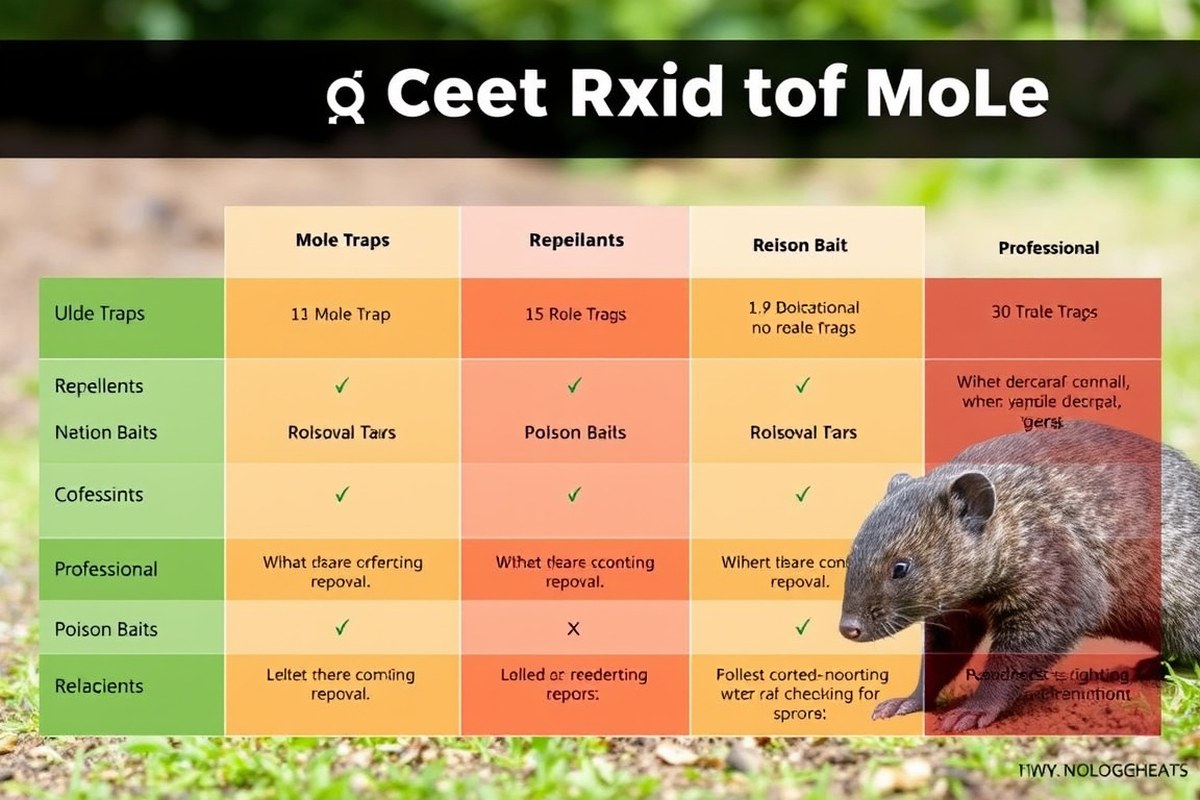
The fastest and most effective way to get rid of moles in your lawn is professional trapping. Professionals achieve success rates above 95% because they can accurately identify the main mole tunnels and place traps in the right spots. In contrast, DIY mole traps have a success rate between 40% and 60%, mainly due to incorrectly choosing tunnel locations. Using mole poison pellets is generally not recommended as a first option because they carry risks to other wildlife and plants, and are reserved for cases where other methods fail.
All mole traps are lethal, but this method is considered humane since it dispatches the mole quickly and painlessly. Live trapping that aims to relocate moles tends to be ineffective and can cause them stress without solving the problem. If you want to avoid killing moles, repellents or modifying your yard to reduce mole food sources are safer options but typically slower to yield results.
| Method | Effectiveness | Cost | Timeline | Safety |
|---|---|---|---|---|
| Professional Trapping | 95%+ | $150 – $300 per visit | Within days to weeks | Humane if done properly |
| DIY Trapping | 40% – 60% | $20 – $50 for traps | Several weeks, multiple attempts | Humane if done correctly |
| Mole Poison Pellets | Varies; generally less effective | $10 – $30 | Several days | Risk to pets, wildlife, and plants |
| Home Remedies (creams, garlic, etc.) | Low to moderate | $5 – $25 | Weeks to months | Safe if used correctly, but risk skin irritation |
| Live Trapping and Relocation | Low | $30 – $100 for traps | Variable; often ineffective | Causes stress to moles; often fails |
Choosing the method depends on your priorities. For the quickest removal with high success and humane dispatch, professional trapping is best. You can try DIY trapping if your budget is limited and you’re willing to learn how to select main tunnels, but expect to check traps daily and reset them for weeks. Avoid poison pellets unless other options fail; they risk harming non-target animals and your pets. Home remedies might reduce mole activity but rarely remove moles entirely and need consistent application over weeks.
Placing traps correctly means identifying the main active tunnel, set the trap where you see fresh mole dirt mound signs to improve your DIY success rate.
Setting and Monitoring Mole Traps for Maximum Success
To maximize your chances of catching moles, set traps only in consistently active tunnels and check them daily. Proper placement and routine monitoring are key because moles tunnel underground and rarely surface. The trapping process often takes several weeks, depending on mole activity and trap positioning.
Preparing the Tunnel for Trap Placement
Focus on tunnels that show regular mole activity, identified by freshly raised soil or flattened runs that reappear within 24 hours. Pressure-test the tunnel by stepping on it gently and marking it with a stake or flag. Confirm the tunnel is a main travel path by checking if the mole reopens it quickly. Avoid tunnels that stay flat for days, as these are likely feeding runs the mole rarely uses.
- Find a mole tunnel with fresh raised dirt or flattened sections.
- Press down the tunnel soil firmly until it’s compacted.
- Mark the spot visibly with a stake or flag for easy checking.
- Wait 24 hours, then inspect the tunnel to see if it has been re-raised.
- Repeat this process in several locations to identify active routes.
- Choose the tunnel spot that is reliably re-raised for trap installation.
Setting Different Types of Mole Traps
There are various trap styles, including scissor-type, harpoon, and choker traps. The effectiveness depends on correct placement inside the active tunnel and proper orientation based on mole travel direction. Check that the soil inside the tunnel is loose enough to trigger the trap but firm enough to hold it steady. Ensure you understand the specific instructions for your trap model to avoid false triggers or damage.
For mechanical scissor traps, open the jaws and set them across the tunnel where the mole usually passes. Harpoon traps work by snapping down on the mole when triggered, so place them in a tunnel that’s at least 2 to 3 inches wide. Choker traps tighten around the mole’s body, so position carefully and avoid disturbing the tunnel too much. Each trap requires patience and correct handling to increase success.
Routine Trap Monitoring and Maintenance
Checking traps daily is important to prevent missed catches and ensure fresh bait or triggering mechanisms work properly. Reset traps after each catch and inspect the tunnel for new activity to decide if relocation is necessary. If no catches occur after two weeks, try setting traps in a different active tunnel. Persistence and frequent assessment improve your chances of eventual mole elimination.
Moles spend nearly all their time underground, so success won’t be immediate. Trapping can take weeks, and results vary by soil conditions, season, and mole behavior. Early spring trapping is helpful to catch pregnant females, which reduces future population growth. Always wear gloves when handling traps and captured moles to reduce disease risk and ensure safety.
Home Remedies and Repellents: What Really Works and What Doesn’t
Common home remedies and repellents like castor oil and ultrasonic devices often show mixed results for mole control. Castor oil can irritate moles and sometimes keep them away, but it rarely eliminates them completely. Ultrasonic devices aim to repel moles by emitting sound waves, but scientific support for their effectiveness is limited. Many remedies only affect moles superficially, allowing them to return.
Popular Natural Substances Used as Repellents
Castor oil is among the most popular natural repellents used to discourage moles. It irritates the mole’s skin and digestive system, making the treated area unpleasant. To apply, dilute castor oil with water and spray it evenly across your lawn, repeating every 10 to 14 days for a sustained period. Despite minor effectiveness, it often requires consistent effort over weeks and may not completely drive moles away.
Other substances like garlic, apple cider vinegar, and honey sometimes appear as mole treatments. Honey is mainly used for skin healing, not mole removal, and remedies involving acidic substances can burn skin and cause scarring. Applying these substances two to three times daily increases risks of irritation. Home-based use of such products should proceed cautiously due to possible skin damage.
Effectiveness of Ultrasonic Mole Repellers
Ultrasonic mole repellers claim to create an uncomfortable environment by sending vibrations or sound waves through soil. Some solar-powered models on the market broadcast these signals continuously. However, moles’ sensitivity to these frequencies varies, and many have adapted to ignore them over time. Several users report little to no reduction in mole activity after weeks or months of use.
The cost of these devices can range from $20 to over $100 depending on brand and power source. While non-toxic and easy to install, the lack of consistent effectiveness makes them unreliable as a sole control method. Using ultrasonic repellers alongside other control strategies may improve chances but does not guarantee success.
Safety Concerns with Home Treatment Methods
Attempting to remove or repel moles at home carries risks. Abrasive substances like apple cider vinegar or garlic can cause chemical burns, resulting in irritation, rash, or permanent scarring. These effects may delay professional evaluation if a mole is potentially cancerous. Applying home remedies excessively or incorrectly increases skin damage risks.
Some home treatments promote breaking down mole tissue gradually, but this approach rarely addresses the deeper cells fully, leading to mole regrowth. Consulting a medical professional is advisable for mole removal to prevent infection and ensure proper care. Home remedies should be used cautiously and never on facial or suspicious moles.
Scientific Studies on Common Remedies
Research on home remedies for moles shows limited evidence supporting their long-term effectiveness. According to dermatology experts, most topical applications only impact surface tissue without affecting the mole’s root structure beneath the skin. This explains why moles often return after home treatment.
Studies also confirm that repellents based on smell or irritants, including castor oil, may help reduce mole activity temporarily by making the environment less hospitable. However, these effects tend to be minor and require reapplication every one to two weeks. Ultrasonic devices have inconsistent results in controlled tests, often failing to significantly alter mole behavior.
Reducing Mole Food Sources and Making Your Yard Less Attractive
Moles are drawn to your yard mainly by the availability of food like grubs and earthworms. Reducing these food sources can discourage them from settling in. Controlling grubs involves using insecticides labeled for lawn grub control or employing beneficial nematodes, tiny worms that feed on grubs naturally. Applying treatments in early summer when grubs are small yields the best results. Removing adult beetles, such as Japanese beetles or June bugs, helps prevent next year’s grub population, reducing the mole’s attraction over time.
Healthy soil conditions also impact mole presence. Overwatering or watering unevenly can saturate soil, increasing worm and grub activity and inviting moles. Adjust irrigation to keep soil moist but not waterlogged. Aerating the lawn helps improve drainage and prevents compacted soil that moles prefer to tunnel through. Vigorous, well-maintained grass reduces bare spots where grubs might thrive.
Changing yard landscaping to make it less mole-friendly can discourage their return. This includes removing excess organic matter, like thick mulch layers or piles of leaves, that harbor insects. Planting less worm-attracting vegetation and avoiding excessive fertilizer applications that boost grub populations help as well.
- Apply grub control insecticides or beneficial nematodes in early summer.
- Target and reduce adult beetle populations feeding on your plants.
- Limit excessive watering and improve lawn drainage with aeration.
- Keep lawns healthy and dense to reduce grub-friendly bare patches.
- Remove thick mulch or leaf piles where insects can shelter.
- Adjust fertilization to avoid boosting grub populations.
Overwatering can unintentionally attract moles by increasing worm and grub activity, so monitor soil moisture carefully rather than watering on a fixed schedule.Despite removing grubs effectively, earthworms still constitute a large part of a mole’s diet, so you may not eliminate tunneling entirely. However, reducing grub populations lowers the yard’s overall appeal, which can encourage moles to move on. Tackling both grub control and soil management offers the best chance to make your yard less attractive to these animals. Cost for grub treatments varies but expect to spend between $15 and $50 per application depending on product choice, and aerators rent for about $50 a day or less for smaller units. Regular lawn maintenance and careful watering are ongoing tasks that help keep mole activity to a minimum.
Safe Methods for Removing Facial and Body Moles
Body and facial moles can carry health risks, especially if they change in size, shape, color, or texture. Such changes may signal melanoma, a dangerous type of skin cancer. It’s important to see a doctor for any new or changing moles, or if a mole looks different from others on your skin. A healthcare professional can perform a proper examination and determine if removal is necessary for health reasons.
Safe mole removal methods usually involve professional treatment. Common options include shave excision, where the mole is shaved off just below skin level; scissor excision for raised moles; cryotherapy, which freezes the mole; and full excisional removal, where the mole is cut out along with a small margin of surrounding skin. These procedures are done under local anesthesia and ensure the mole is completely removed, reducing the risk of regrowth. More advanced clinical methods such as radiosurgery and laser treatments are also available but require professional administration.
Home remedies for mole removal, like applying pineapple juice mixed with sea salt as a scrub, are not proven safe or effective. Many home treatments can irritate sensitive skin or cause infections and scarring. The FDA and dermatology experts advise against using acidic or harsh substances on moles because these can damage healthy skin and might not fully remove the mole. Before trying any home treatment, consult a healthcare provider to avoid complications.
Moles can sometimes regrow if removed incompletely, especially when non-surgical methods are used that only treat the surface. Professional removal methods that include a margin of surrounding skin decrease this risk. Regular follow-up after removal helps monitor for any signs of regrowth or skin changes.
Regarding hair growing on or around a mole, it is safe to clip or pluck these hairs without harming the mole itself. Hair grows from follicles beneath the mole, so removing the hair does not affect mole health. Avoid shaving too closely or irritating the skin around the mole to prevent injury.
- See a doctor first to assess mole health and get treatment recommendations
- Use professional mole removal methods like shave excision or cryotherapy for safety and complete removal
- Avoid home remedies and acidic treatments due to risks of skin damage
- Understand moles can regrow if only surface treatments are applied
- Clip or pluck hair from moles safely if needed, but do not shave closely
- Follow all postoperative care instructions to reduce scarring and promote healing
Checking your moles regularly and consulting a dermatologist helps you catch any suspicious changes early. If your mole is benign but bothersome, a healthcare provider can guide you on removal options that balance cosmetic results with safety. Following medical advice reduces risks and ensures better healing compared to do-it-yourself attempts.
Preventing Moles from Returning with Yard Care and Barriers
Moles tend to return to yards that provide them with abundant food and shelter. Preventing their return requires ongoing soil and lawn care combined with physical barriers when necessary. In regions like Southwest Ohio, mole problems worsen during early spring and fall when freeze-thaw cycles push earthworms to the surface, attracting moles. Moist soil and thriving earthworm populations make it difficult to eliminate them entirely, so adjusting habitat conditions can deter moles over time.
Proper yard maintenance reduces mole activity by limiting access to their preferred food, such as grubs and earthworms. Monitoring and treating for lawn pests only when confirmed is important, as overuse of insecticides can harm beneficial soil life and encourage moles to move elsewhere. Maintaining a well-drained lawn without excessive moisture helps since damp soil supports more insects. Removing mole-preferred insects gradually decreases your yard’s appeal to moles.
Physical barriers made from hardware cloth buried 12 to 24 inches deep can protect high-value areas like flower beds or vegetable gardens. These barriers should extend a few inches above ground to prevent moles from tunneling underneath. Barriers work best when combined with good lawn care since moles will avoid areas where food is scarce and tunnels are blocked.
- Inspect soil moisture regularly and avoid overwatering to reduce insect populations.
- Confirm grub or insect presence before treating with pesticides; spot treat only problem areas.
- Use buried hardware cloth fences around gardens, reaching 12-24 inches deep.
- Fill visible mole tunnels promptly to discourage repeated digging.
- Rake or roll mounds flat to remove mole markers and discourage territory marking.
- Consider professional soil and pest analysis if mole damage persists despite control efforts.
- Time treatments to mole activity peaks in early spring and fall for best effectiveness.
Consistent mole activity after treatment usually indicates yard conditions remain favorable to them. In that case, consult a pest control specialist to evaluate soil composition, moisture, and insect populations. They may recommend targeted insect control or additional barrier installation. High mole pressure in humid, worm-rich soils means total elimination is unlikely, but combining these strategies can keep damage manageable and reduce their presence over time.
Common Mole Removal Mistakes and How to Fix Them
Common mistakes in mole removal often involve incorrect trap placement, relying too much on home remedies, and misunderstanding signs that treatment isn’t working. Recognizing these errors early can save time and reduce frustration. You can fix most issues by focusing on active tunnels, using proven methods, and tracking mole activity carefully.
Misplacing Traps and Ignoring Active Tunnels
One of the biggest mistakes happens when traps are set randomly instead of targeting active mole tunnels. Moles spend nearly their entire lives underground in tunnels that can be just beneath the surface or as deep as 25 inches. Setting traps off these active paths means you’ll likely catch nothing.
To properly place traps, you need to identify fresh tunnels. Fresh tunnels are usually smooth and appear recently disturbed, with no grass or soil growing over them. Traps must be positioned directly in these areas where moles travel.
- Look for raised or sunken tunnels that show recent activity within a day or two.
- Use a stick or probe to gently poke tunnels to confirm they are hollow and active.
- Place traps at tunnel intersections or near fresh molehills where dirt is loose and soft.
- Reset traps every 24 to 48 hours to target shifting mole paths.
- Focus trapping efforts during periods of peak mole activity for your region, often in spring and fall.
Failing to focus on active tunnels means wasting effort and equipment. Properly locating and regularly checking trap sites can dramatically improve removal success.
Overusing Ineffective Home Remedies
Many homeowners turn to home remedies like apple cider vinegar, castor oil, or certain chemicals without understanding their limitations. These treatments often don’t reach underground tunnels where moles live and offer little proven effectiveness.
Apple cider vinegar, for example, may irritate skin but cannot eliminate moles in their deep burrows. Overusing these remedies can lead to wasted time, money, and irritation of your lawn or skin without solving the problem.
- Use home remedies only as a supplement, not a replacement, for trapping or professional control.
- Avoid applying vinegar or harsh substances directly to your lawn to prevent damage to grass and soil life.
- Contact pest control specialists if non-chemical methods fail after several weeks.
- Remember, home remedies won’t prevent moles returning unless turf health and food sources are addressed.
Using more effective control methods alongside yard care is necessary for lasting results.
Don’t rely solely on home remedies; trapping remains the most direct way to reduce moles in your yard effectively.
Recognizing Persistent Mole Activity
Knowing when mole control isn’t working saves you from prolonged problems. Seeing fresh tunnels or new molehills every few days despite your efforts signals an issue. Moles can be very persistent, especially in mature, well-irrigated lawns that provide abundant food. Signs of treatment failure include:
- New molehills appearing within a week of trapping attempts
- Tunnels remaining raised or fresh after repeated trap setting
- Unusual or shifting mole activity patterns late in the season
- Multiple moles active simultaneously in large yards or neighborhoods
- Visible damage or mole activity persisting beyond two to three weeks
Document mole activity by marking tunnels and molehill dates on a calendar or yard map. Persistent activity after two weeks means you should reassess your trap placement or consider professional help. In some cases, waiting to trap during ideal activity windows can improve outcomes dramatically, reducing your total effort and cost.
Step-by-Step Action Plan to Get Rid of Moles
Follow this plan to identify moles, choose the best removal method, and prevent them from coming back in your yard or on your skin.
- Day 1: Identify the Problem, Carefully check your yard or body for moles, distinguishing them from similar pests or skin spots. Success means you clearly know which moles need control or medical attention.
- Day 2: Choose Your Removal Method, Select a mole control method appropriate for your situation: traps for yard moles, repellents if you want a non-lethal approach, or consult a doctor for safe skin mole removal. You’ll know it worked if the chosen plan feels doable and safe.
- Day 3: Set Up Mole Traps or Start Skin Care, For yard moles, install and monitor traps according to package instructions. For skin moles, begin any recommended removal steps or schedule a doctor’s visit. You’ll see results when mole activity decreases or skin improvement begins.
- Week 1: Use Home Remedies and Assess Their Effectiveness, Apply any safe repellents or yard treatments, avoiding unproven solutions. Measure success if mole signs decrease without harming your lawn or skin.
- Week 2: Reduce Food Sources in Yard, Remove grubs, worms, and insects that attract moles; keep your lawn healthy and less inviting. This works if mole tunnels become less frequent.
- Week 3: Implement Barriers and Preventive Yard Care, Install underground fences or wire mesh barriers and maintain regular lawn care. You’ll know it’s effective if new mole activity stops.
- Week 4: Review and Adjust, Check traps, yard condition, and skin mole changes. Fix any common mistakes like misplaced traps or improper skin treatment. Success means fewer moles and healthier skin or lawn.
- After 1 Month: Consider Professional Help, If moles persist or skin moles show unusual changes, consult pest control experts or dermatologists. A positive outcome means safe, lasting mole removal.
Frequently Asked Questions
Can Moles Damage My Lawn Plants?
Moles do not eat plants; they feed on insects and grubs underground. Their tunnels may disrupt roots, but the animals are not directly harmful to plants.
Are Mole Traps Safe to Use Around Pets and Children?
Some mole traps can be dangerous if triggered unexpectedly, so keep them away from kids and pets. Proper placement and supervision reduce risks significantly.
How Long Does It Usually Take to Get Rid of Moles Using Traps?
Using traps consistently for about two weeks often controls mole activity effectively. Frequent checks and resets speed up removal.
Can Home Remedies Permanently Eliminate Moles from My Yard?
Many home remedies provide temporary relief, but they rarely remove moles permanently. Combining methods and removing food sources works better.
Why Do Moles Return After Initial Removal Attempts?
Moles return due to underground food availability and existing tunnels. Proper yard care and barriers help prevent their return.
Is It Necessary to Kill Moles to Get Rid of Them?
Killing moles with traps is the most reliable solution, but some prefer humane exclusion techniques. Effectiveness depends on persistence and yard conditions.
Before You Go
Getting rid of moles takes a careful approach tailored to your yard and health needs. Start by checking your lawn for signs of mole activity today and decide if traps or repellents fit your situation best. Taking swift, informed action helps protect your yard and skin without unnecessary risks.