What Does a Pest Control Supervisor Do? A Complete Guide to Responsibilities and Skills
A pest control supervisor coordinates daily pest management operations, ensuring effective treatments while maintaining safety and regulatory compliance. This role involves scheduling teams, training technicians, monitoring treatment outcomes, and adjusting plans according to site-specific pest activity. You also manage budgets, tools, and customer interactions to keep services efficient and reliable.
You’ll find clear descriptions of key responsibilities like overseeing control methods, handling emergencies, and meeting certification requirements. The article suits job seekers aiming for pest control supervision and facility managers wanting to understand supervisory duties better. Expect practical insights on skills needed and the challenges supervisors typically face in this field.
Key Takeaways
- Pest control supervisors oversee daily operations, ensuring effective pest management and team coordination on multiple job sites.
- They manage schedules, budgets, and supply procurement to maintain smooth service delivery and operational efficiency.
- Supervisors train staff on pest identification, treatment techniques, safety protocols, and proper equipment usage to meet standards.
- They enforce safety regulations and ensure compliance with environmental and health laws governing pesticide application.
- Monitoring treatment results allows supervisors to adjust pest control plans for improved effectiveness and client satisfaction.
- Handling emergencies and common challenges requires prompt decision-making and problem-solving to protect clients and properties.
What Does a Pest Control Supervisor Do Day to Day?
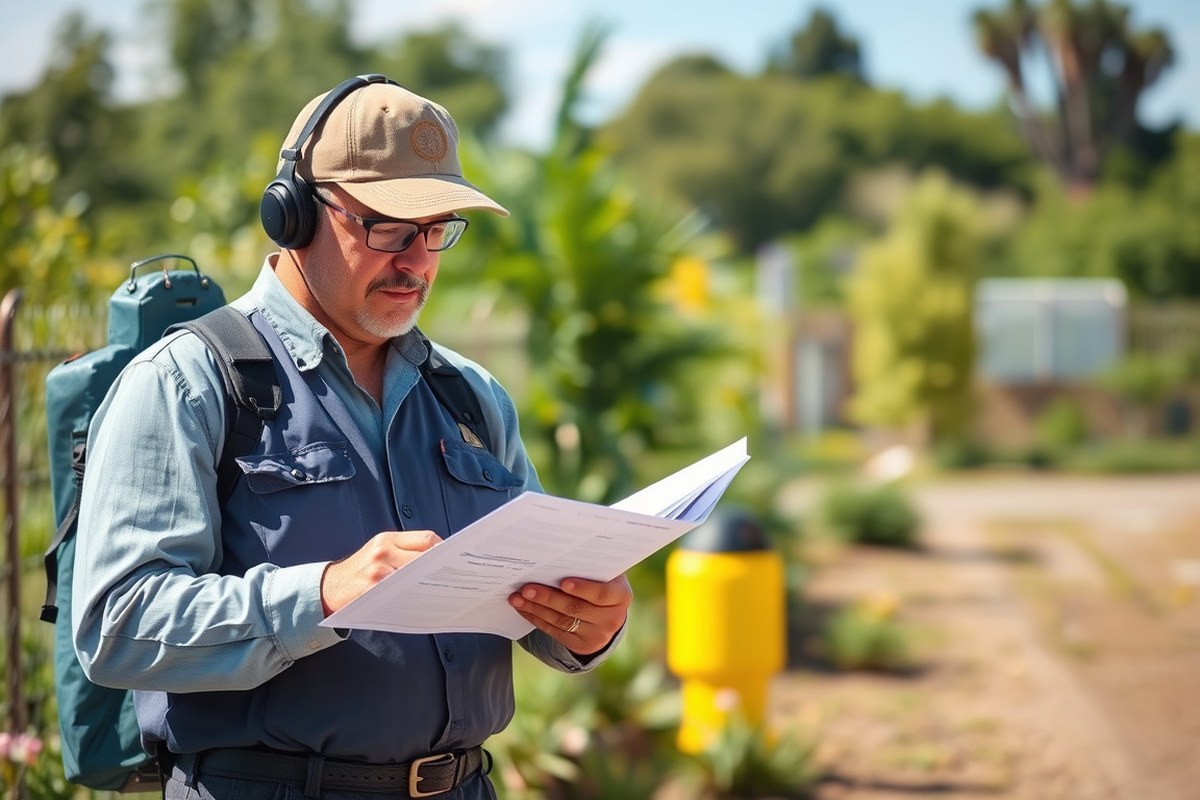
A pest control supervisor’s daily routine centers on managing ongoing operations, coordinating teams, and ensuring quality service. This involves organizing schedules, inspecting sites, and reviewing treatment reports to maintain efficiency and customer satisfaction. By structuring workflow clearly, supervisors prevent delays and maintain consistent pest control standards.
To organize their workflow effectively, supervisors use daily and weekly checklists that break down activities by priority and location. Each morning usually starts with reviewing the previous day’s reports, assigning technicians to jobs based on expertise and urgency, and confirming that trucks and equipment are ready. Afternoon tasks include conducting site inspections and verifying that treatments follow prescribed protocols. Closing the day involves documenting any issues and preparing reports for management or clients.
Routine inspections play a important role in spotting treatment gaps or new pest activity. Supervisors inspect a variety of locations, such as warehouses, commercial kitchens, and residential sites, checking bait stations, traps, and application records. These inspections help detect problems early, reducing the likelihood of escalation and costly re-treatments. After inspections, supervisors complete standardized reports noting pest activity, treatment effectiveness, and any deviations from the treatment plan.
- Review previous day’s reports and client feedback first thing every morning
- Assign technicians to specific jobs, balancing workload and skill sets
- Confirm equipment readiness and stock levels before fieldwork
- Conduct site inspections focused on high-risk or problem areas weekly
- Complete detailed treatment and inspection reports daily
- Hold brief team meetings to communicate daily goals and safety reminders
- Update pest management plans based on inspection findings and client needs
Checklists typically include verifying pesticide inventories to ensure timely reorders. Keeping track of technician certifications and tool maintenance schedules is also important, so compliance doesn’t falter. A common issue is underestimating time needed for paperwork, which can cause report delays and poor records. Using digital forms or software reduces this risk and speeds communication with clients and upper management.
Supervisors in larger operations might adjust this routine to include daily site visits or more frequent inventory audits. Meanwhile, in smaller teams, supervisors often take on technician duties, requiring careful time management between fieldwork and administration. Efficiency here depends on clear priorities and adapting the checklist to match current workload and client demands.
Key Responsibilities of Pest Control Supervisors Explained

Pest control supervisors primarily manage the overall pest management operations on site, ensuring treatments are planned, executed, and monitored efficiently. They coordinate team activities by assigning daily jobs, reviewing service reports, and supporting technicians with complex pest issues. Unlike technicians who handle direct pest elimination tasks, supervisors oversee these operations to maintain quality and compliance with local regulations.
Planning treatment strategies involves assessing pest problems, selecting appropriate control methods, and scheduling repeat visits based on pest life cycles and environmental factors. Supervisors evaluate data from inspections and treatment outcomes to adjust plans, which helps prevent recurring infestations. This analytical approach reduces wasted materials and time, ultimately saving costs.
Customer communication is another core responsibility. Supervisors handle escalation calls, explain treatment processes, and address client concerns. Having direct supervisor involvement usually improves customer satisfaction because they provide authoritative answers on treatment safety and effectiveness. Written communication often includes detailed service reports and follow-up recommendations, ensuring transparency.
Equipment oversight requires supervisors to maintain treatment tools and chemical inventories. They schedule regular equipment maintenance and verify proper storage of pesticides to avoid accidents and ensure compliance with safety standards. This task helps prevent equipment failures that could delay service and incur additional costs.
| Role | Primary Focus | Key Responsibilities |
|---|---|---|
| Technician | Field operations | Inspect premises, apply pest treatments, report findings |
| Supervisor | Team management and quality control | Assign tasks, plan treatment strategies, communicate with customers, maintain equipment |
| Manager | Business and strategic oversight | Budgeting, hiring, compliance with regulations, business growth planning |
Supervisors bridge the gap between technicians’ fieldwork and managerial directives. They often need to interpret company policies and local pest control laws to ensure their team acts within legal boundaries. This includes enforcing the correct use of protective gear and safe chemical handling as improper application can lead to liability and health risks.
Good results appear as consistent client retention, fewer pest complaints, and efficient use of resources. Problems arise when supervisors fail to provide clear instructions or neglect equipment maintenance, leading to treatment delays and increased pest activity. Supervisors working in larger commercial environments may face more complex pest issues and tighter regulatory demands, requiring them to develop more detailed treatment plans and conduct more frequent training sessions for their teams.
Always document customer interactions and treatment details immediately to prevent miscommunication and protect your business from disputes.
Essential Skills and Certifications Needed to Supervise Pest Control
Supervising pest control operations requires a solid foundation of skills and specific certifications to ensure compliance with laws and effective team management. You must have technical expertise in pest management while holding the appropriate state licenses to legally oversee pesticide application. Developing leadership and organizational skills complements these technical qualifications for success in the supervisory role.
Skills Essential for Supervisory Success
You need strong knowledge of pest identification, treatment methods, and pesticide safety to make informed decisions and train your team properly. Understanding integrated pest management (IPM) strategies helps reduce chemical use and promotes safer, more effective solutions. Supervisors must manage schedules, budgets, and customer interactions, so solid organizational and communication skills are important.
Problem-solving and critical thinking skills enable you to adjust treatment plans quickly if initial methods don’t work or if new pest challenges arise. Being detail-oriented matters because you review documentation and ensure safety protocols are followed precisely. Leadership skills matter because you guide technicians and handle conflicts or emergencies calmly and efficiently.
Common Industry Certifications and Licenses
Most states require pest control supervisors to hold a commercial pesticide applicator license or a similar supervisory license. This license typically requires passing an exam covering pesticide laws, safety, and pest biology. Some states separate licenses by pest types, such as structural pests, agricultural pests, or fumigation, so you must check what applies locally.
Additional certifications can boost your credentials and knowledge. For example, the National Pest Management Association (NPMA) offers certifications in sanitation, fumigation, and integrated pest management that improve expertise and credibility. Continuing education credits are often needed to maintain licenses as regulations and chemicals evolve.
- Commercial pesticide applicator or supervisor license (state-specific)
- NPMA certifications related to pest control specialties
- OSHA safety training courses relevant to pesticide use
- First aid and CPR certification for emergency preparedness
- Continuing education credits for license renewal
Meeting local licensing requirements ensures legal compliance and access to restricted pesticides. The cost to obtain a license varies by state but often includes exam fees ($50-$200) and classroom training or study materials. Budgeting time to study and prepare at least 2 to 4 weeks before testing improves your passing chances.
Training Recommendations for Aspiring Supervisors
Start by gaining field experience as a technician to understand the practical challenges of pest control work. This experience builds technical competence and prepares you for leadership tasks. Pursue formal pesticide applicator training offered by extension services, vocational schools, or industry associations to prepare for licensing exams.
It helps to participate in leadership workshops or courses in management, communication, and customer service to develop the soft skills supervisors need. Employers often prefer candidates with both technical certifications and demonstrated team management abilities. Shadowing an experienced supervisor while learning on the job can provide valuable insight into balancing operational and administrative duties.
Plan for ongoing education through workshops and industry seminars. Set aside time monthly or quarterly for updates on pest control innovations and regulatory changes. This approach keeps techniques current and support continued career growth. Preparing with a study schedule and connecting with local licensing authorities well before exam dates reduces stress and helps smooth your path into supervision.
How Pest Control Supervisors Manage Teams and Training
Pest control supervisors manage teams by systematically onboarding new technicians, providing ongoing safety training, delegating daily tasks, and monitoring staff performance. These steps ensure effective service delivery, compliance with regulations, and a skilled workforce that can handle challenges in pest control operations.
Onboarding and Initial Training
New hires require a structured introduction to pest control methods, company policies, and safety procedures. Onboarding that includes a clear checklist helps supervisors organize the training content and track the trainee’s progress. This reduces errors and speeds up the time until new staff can work independently. Here is a step-by-step guide to onboarding new technicians with a checklist focus:
- Introduce Company Standards: Review the company handbook, code of conduct, and pest control protocols to set expectations.
- Complete Paperwork and Certifications: Ensure all licensing, certifications, and employment forms are collected and verified before work begins.
- Conduct Safety Orientation: Explain use of personal protective equipment (PPE), chemical handling rules, and emergency procedures.
- Demonstrate Equipment and Tools: Show proper use and maintenance of sprayers, traps, and inspection devices with hands-on examples.
- Shadow Experienced Technicians: Schedule supervised field visits so the trainee can observe service techniques and customer interaction.
- Assign Initial Tasks: Give basic assignments like site inspections, guided by a checklist to confirm understanding.
- Test Knowledge and Skills: Evaluate the trainee through quizzes or practical tests before authorizing independent work.
Following this checklist allows supervisors to ensure all initial requirements are covered and identify any gaps early. Time spent on thorough onboarding can range from one to two weeks depending on the trainee’s background.
Ongoing Safety and Skills Development
Safety training continues beyond onboarding because pest control involves handling hazardous substances and operating machinery. Supervisors schedule regular training sessions to update the team on new regulations, chemical products, and best practices. This reduces accidents and regulatory violations.
Skills development typically includes refresher courses on integrated pest management, new pest species, and customer service techniques. Online modules, in-person workshops, and practical drills are common methods. Keeping training records helps supervisors track compliance and schedule future sessions.
Delegation is a key part of managing day-to-day operations. Supervisors assign tasks based on technicians’ certifications and experience levels. Clear communication includes daily briefings to explain priority sites, specific pest concerns, and any safety alerts. Using a task management app or written schedule improves coordination and accountability.
Performance Monitoring and Feedback
Regular performance reviews help supervisors maintain team quality and address issues quickly. Monitoring includes reviewing service reports, customer feedback, and on-site observations. Supervisors should compare actual results to defined standards such as treatment effectiveness, timeliness, and adherence to safety procedures. A typical performance monitoring cycle involves these steps:
- Collect Data: Use service logs, GPS tracking, and customer surveys to gather objective information.
- Analyze Results: Identify trends such as missed appointments, recurrent pest problems, or safety infractions.
- Conduct One-on-One Reviews: Discuss strengths and areas needing improvement with each technician.
- Set Improvement Goals: Agree on measurable targets like reducing call-backs by 10% or improving paperwork accuracy.
- Provide Additional Training: Arrange coaching or refresher sessions if needed to address skill gaps.
- Reward Good Performance: Recognize achievements through bonuses or simple acknowledgments to motivate staff.
- Document Outcomes: Keep records of reviews and action plans for accountability and future reference.
Frequent, constructive feedback prevents minor issues from becoming larger problems and helps maintain high customer satisfaction. Supervisors managing larger teams might delegate some performance checks to senior technicians while maintaining overall oversight.
Tools, Equipment, and Control Methods Overseen by Supervisors
Pest control supervisors manage a range of tools, equipment, and treatment methods essential for effective pest management. They oversee proper use, maintenance, and record-keeping to ensure safety and consistent results. A thorough checklist and an illustrated guide help supervisors track inventory and control methods accurately.
Common Tools and Application Equipment
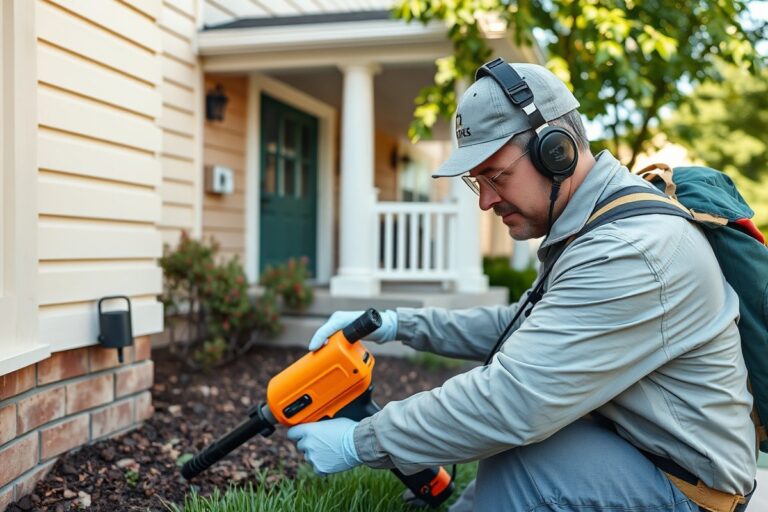
Supervisors oversee tools such as sprayers, bait stations, traps, and detection devices. Each piece of equipment serves a specific purpose, requiring proper maintenance and calibration to operate effectively. For example, pump sprayers must provide consistent pressure and nozzle spray patterns to apply pesticides evenly.
Equipment inspections are part of a supervisor’s routine, ensuring nothing is damaged or contaminated. Inventory management includes checking for worn hoses, clogged nozzles, or expiring chemicals. Maintaining an inventory checklist helps track what’s on hand, what needs replacement, and what requires calibration or repair.
- Handheld and backpack sprayers for liquid pesticides
- Automatic bait dispensers and bait stations
- Glue traps and snap traps for rodents and insects
- Infrared cameras or electronic monitors for pest detection
- Protective gear such as gloves, respirators, and coveralls
- Calibration tools including pressure gauges and flow meters
- Hand tools like inspection mirrors, flashlights, and screwdrivers
Tracking usage and cleaning procedures for these tools helps prevent equipment failure and cross-contamination that could compromise treatments or safety.
Typical Pest Control Treatment Techniques
Supervisors direct treatment methods tailored to the pest type and environmental conditions. Common techniques include chemical application, baiting, trapping, exclusion, and biological controls. Each method requires specific steps and equipment, detailed in an illustrated guide that helps field technicians apply treatments correctly.
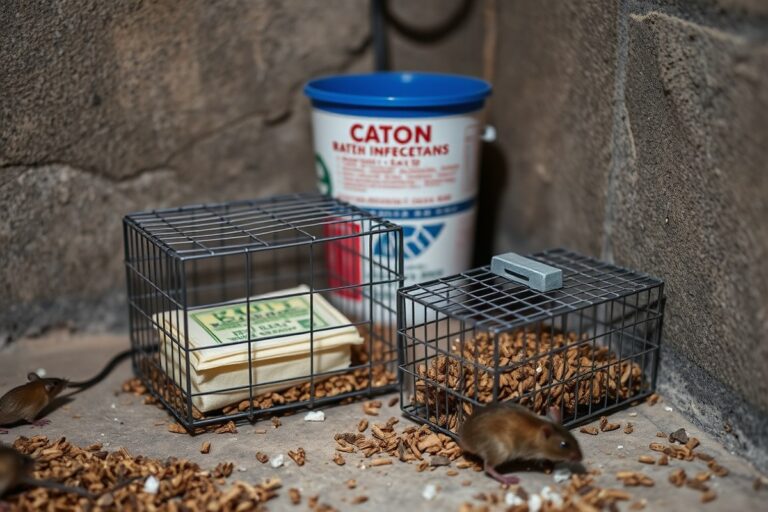
Chemical applications might involve crack-and-crevice spraying indoors, perimeter sprays outdoors, or aerosol fogging for insect control. Baiting focuses on placing rodent or insect baits in secure, monitored stations to reduce non-target risks. Trapping relies on setting and regularly checking traps to quickly identify and remove pests.
Exclusion techniques like sealing entry points and installing door sweeps are supervised to prevent pest re-entry after treatments. Biological controls use natural predators or parasites as part of integrated pest management, which supervisors monitor for effectiveness alongside chemical or mechanical methods.
Keep detailed treatment records, including product names, application rates, and locations to verify proper technique and guide future adjustments.
Safety Checks for Equipment and Chemicals
Supervisors ensure all equipment and chemicals meet safety standards from storage through disposal. They enforce regular safety checks to catch issues like leaks in tanks or deterioration of protective gear before work begins. Proper labeling, secure storage, and compliance with local regulations reduce hazards to workers and customers.
The safety checklist for equipment includes verifying pressure settings, inspecting seals and hoses, and confirming that nozzles provide the recommended flow rates. Chemical inventory checks focus on expiration dates, container integrity, and compatibility to prevent dangerous reactions. Training field staff on correct mixing, application, and cleanup procedures is key to preventing overexposure or spills.
Regular audits using the checklist and spot inspections help maintain safety. Supervisors also manage Material Safety Data Sheets for all products used and ensure easy access on-site. Prompt reporting and corrective action for equipment faults or chemical incidents prevent accidents and maintain regulatory compliance.
Ensuring Safety and Regulatory Compliance in Pest Control
Pest control supervisors enforce strict safety procedures and adhere to regulatory requirements to reduce health risks and legal problems on the job. They focus on following official rules for handling chemicals and workplace safety, conducting regular inspections, and keeping detailed records. This approach helps prevent accidents and ensures all pest control activities meet local and federal regulations.
Workplace and Chemical Safety
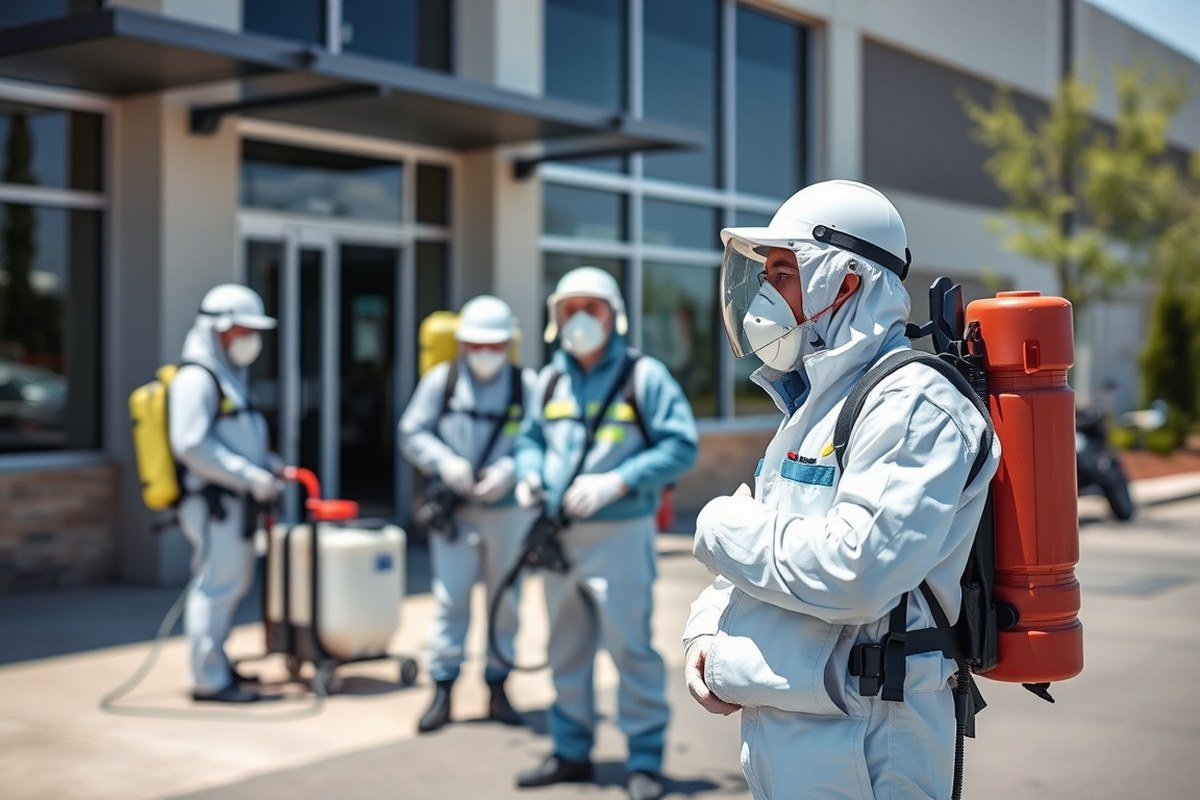
Pest control supervisors ensure safety by implementing a detailed safety protocol template that covers how to handle pesticides, avoid exposure, and manage equipment safely. This template typically includes steps like wearing appropriate personal protective equipment (PPE), following label directions exactly, and storing chemicals in secure, ventilated areas. Supervisors train their teams on these protocols before work starts and repeat training annually to keep everyone informed.
They also perform regular safety audits of vehicles, application tools, and storage lockers to catch potential hazards early. The costs for maintaining safety include PPE supplies, training sessions, and inspection time, but these expenses reduce costly accidents or regulatory fines. Good safety results look like zero chemical spills, no personnel injuries, and no safety violations during state inspections. Common problems occur when protocols are rushed, PPE is ignored, or chemicals are improvised during application.
Regulatory Standards and Permits
Supervisors follow several regulatory requirements, including EPA pesticide regulations and local state agencies’ licenses and permits. Every state has specific pesticide application laws, and supervisors verify that their company holds the correct permits for each pesticide type used. They also check that all technicians have valid applicator licenses matching the scope of their work. Failure to comply can cause heavy fines or license suspension.
To maintain compliance, supervisors maintain a compliance checklist that includes licensing status, permit renewals, pesticide storage requirements, and proper disposal methods. This checklist helps ensure that regulatory deadlines are met and that any regulatory changes are tracked promptly. The process requires setting reminders for license expiration dates and staying updated on local pest control law amendments, which can vary between states.
Inspection and Documentation Procedures
Daily inspections are standard practice for supervisors to maintain both safety and compliance. They use checklists during site visits to verify safe chemical use, proper PPE, and adherence to application guidelines. Supervisors also inspect customer properties to confirm that treatments meet label instructions and local rules. These documented inspections serve as evidence during regulatory audits.
Record keeping is important. Supervisors document chemical purchase logs, application details including date, location, chemical used, and personnel involved. This documentation is required by law and helps identify patterns if treatment adjustments are needed later. Software tools designed for pest management can streamline record keeping, reducing paperwork errors and saving time during audits. Lapses in documentation often lead to regulatory penalties and challenges defending safety practices.
Monitoring Effectiveness and Adjusting Pest Management Plans
Evaluating treatment effectiveness involves tracking pest activity before and after control measures to see if pest numbers have declined. Pest control supervisors use tools like traps, visual inspections, and monitoring devices to collect data systematically. Regular data analysis guides adjustments to the pest management plan, ensuring ongoing improvements and tailored responses.
Collecting and Analyzing Pest Data
Collecting pest activity data starts with establishing baseline numbers before treatment. This allows you to compare how much pest presence changes over time. Tools such as sticky traps for insects, bait stations, or digital monitors can record pest counts and locations.
Use a monitoring checklist that includes dates, locations, pest species identified, trap counts, and signs like droppings or damage. Check these indicators weekly or biweekly depending on pest type and infestation severity. This frequent monitoring helps detect trends and spot emerging problems.
After gathering data, organize it in a spreadsheet or pest management software. Analyze trends by comparing current counts to previous results and baseline numbers. Significant drops in pest counts indicate treatment success, while stable or rising counts suggest the need for plan revisions.
Adjusting Control Measures Based on Results
Adjust your pest management plan by reviewing monitoring data and treatment outcomes regularly. Update the plan outline to reflect successful tactics and remove or modify ineffective ones. For example, if rodent bait stations show low captures but rodent damage persists, increase bait density or try a different bait formulation. It helps to follow a clear step-by-step approach for revisions:
- Review the current pest activity data and treatment records.
- Identify which control methods are working and which are not.
- Consult product labels and safety guidelines for any new or adjusted treatments.
- Revise the pest management plan’s sections on treatment frequency, product choices, and monitoring locations.
- Communicate changes to your team with updated instructions and training if needed.
- Continue intensified monitoring after changes to assess their impact.
- Document all plan adjustments and results for compliance and future reference.
This cycle of data collection, analysis, and adjustment leads to continuous improvement. In commercial settings, revisions might happen quarterly, while high-risk locations like food plants may require monthly plan reviews.
Reporting and Documentation Best Practices
Clear documentation ensures that treatment effectiveness and plan changes are transparent to customers, regulators, and your team. Use written reports that summarize: pest identification, monitoring results, treatments applied, and any adjustments made. These reports provide a snapshot of progress and support regulatory compliance. Include a monitoring checklist template detailing pest types, control points and dates checked, trap counts or observations, and notes on treatment effects. For example:
| Date | Location | Pest Type | Trap Count/Observations | Action Taken |
|---|---|---|---|---|
| 3/15/24 | Warehouse A – Dock 3 | German cockroach | 15 cockroaches in sticky traps | Sprayed residual insecticide on cracks |
| 3/22/24 | Warehouse A – Dock 3 | German cockroach | 5 cockroaches in sticky traps | Monitored, no additional treatment |
Regularly updating reports and sharing with stakeholders keeps pest management transparent and accountable. This practice also helps you identify patterns early and adapt treatment plans effectively.
Handling Common Challenges and Pest Control Emergencies
Pest control supervisors frequently face challenges such as unexpected infestations, rapid pest population surges linked to seasons, and the need to coordinate quickly across teams and departments. They must apply problem-solving strategies that include clear emergency response protocols, preventive actions, and communication plans to handle these disruptions effectively.
Top Challenges in Pest Control Supervision
Common difficulties include handling infestations that appear resistant to standard treatments and managing spikes in pest activity due to environmental changes. Supervisors often encounter problems with inadequate client cooperation, which can delay treatment and worsen infestations. Another frequent obstacle is scheduling conflicts among technicians, which affects response time and coverage.
Dealing with these challenges requires prioritizing thorough inspections and adapting treatment plans promptly. Supervisors should teach teams to recognize early signs of resistance and monitor treatment effectiveness daily. This approach helps catch issues before they escalate. Poor communication with clients often leads to failed interventions, so supervisors must establish clear expectations from the start regarding preparation and follow-up.
Steps for Emergency Response
Handling pest emergencies begins with a ready-to-go emergency response plan. The plan must include immediate assessment, containment measures, treatment selection, and follow-up inspections. It starts when a technician reports an infestation that threatens health or structural integrity, such as bed bugs in a hotel or termites in a commercial property.
Here’s an emergency response plan template you can use: First, verify the problem on-site within 24 hours. Next, isolate the affected area to prevent spread while notifying all relevant parties. Then, implement a targeted treatment tailored to the identified pest and infestation severity. Finally, schedule follow-ups at one week and one month intervals to ensure eradication.
Costs involve expedited service fees, specialized chemicals, and possibly overtime labor. Good results show rapid pest reduction and client satisfaction, while poor outcomes often stem from delayed action or incorrect treatment choices. Frequent mistakes include underestimating infestation size or neglecting environmental sanitation, so prevention advice focuses on thorough-cleaning education and routine inspections.
Prepare and rehearse your emergency response plan regularly; hesitation or confusion during a real infestation can double containment time and costs.
Adapting to Seasonal Pest Variations
Pest activity rises and falls with the seasons, influenced by temperature, humidity, and breeding cycles. Common seasonal pests include ants and termites in spring, mosquitoes in summer, rodents seeking warmth in fall, and spiders in winter. Supervisors need to anticipate these surges by adjusting inspection frequency and treatment schedules.
For example, increasing inspections in early spring can prevent termite damage later in the season. Planning pre-emptive treatments before mosquito season begins reduces client complaints and public health risks. This proactive scheduling requires analyzing historical pest patterns and local climate data.
Adapting also means training teams on seasonal pest identification and control methods specific to those periods. Good results come from reducing outbreak incidents and maintaining steady workload distribution throughout the year, avoiding technician burnout during peak months. Ignoring seasonal changes often leads to emergency spikes that strain resources and customer trust.
Scheduling, Budgeting, and Customer Communication for Supervisors
Pest control supervisors ensure daily operations run smoothly by carefully planning technician schedules, managing budgets to control costs, and keeping clear, consistent communication with customers and internal teams. These tasks require balancing workforce availability, financial constraints, and customer needs to maintain service quality and profitability.
Resource and Workforce Scheduling
Scheduling is a fundamental responsibility for pest control supervisors because it directly impacts service delivery and employee productivity. You create a weekly schedule by matching available technicians with assigned jobs based on customer appointments and the complexity of each pest issue. For example, a typical weekly schedule template might include columns for the technician’s name, appointment times, job locations, pest type, and required equipment. This helps prevent overlapping assignments and idle time.
Good scheduling requires awareness of technician skill levels and travel time. You prioritize urgent jobs like commercial property treatments for rodents differently from routine residential inspections. Avoid overbooking one technician to reduce burnout and late arrivals. Software like ServiceTitan or PestRoutes can auto-schedule based on territories and skill sets, but supervisors must still adjust for absences or equipment maintenance. Poor scheduling leads to missed appointments, dissatisfied customers, and excessive overtime costs.
Budget Management and Cost Control
Supervisors oversee budgets to keep service expenses within limits and maintain profitability. You start by tracking labor costs, chemical and equipment usage, vehicle maintenance, and overhead expenses. Using a budget tracking worksheet, record projected versus actual expenses weekly to spot overruns early. For example, if chemical use spikes unexpectedly, you investigate whether this is due to pest resurgence or wastage.
Managing budgets means deciding when to approve overtime, replace costly equipment, or adjust service pricing. You balance cost controls without compromising treatment effectiveness. Monthly budget reviews should compare current spending against past months and forecast upcoming costs based on seasonality, pest activity often increases in spring and summer, increasing chemical and labor expenses. Failure to control budget items can lead to service delays, financial losses, or reduced scope of work that frustrates customers.
Effective Customer and Stakeholder Communication
Clear communication with customers ensures service expectations align with what is delivered. Supervisors typically handle inquiries about treatment plans, schedules, costs, and follow-up procedures. You keep clients informed with regular updates, such as confirming appointment dates 24 to 48 hours in advance by phone or email, and reporting treatment results promptly. A sample communication script might start with, “Hello, this is [Name], your pest control supervisor. I wanted to confirm your appointment on Wednesday at 9 a.m. And answer any questions you have about the upcoming treatment.”
Communication also includes internal stakeholders like technicians and account managers. You relay customer feedback, changes in regulations, or equipment updates during morning briefings or through group messaging apps. Miscommunication often causes missed bookings, customer frustration, and internal inefficiencies. Maintaining an accessible communication channel and documenting key customer interactions help prevent misunderstandings and build trust.
Career Path, Salary, and Growth Opportunities in Pest Control Supervision
A pest control supervisor’s salary varies widely depending on location, company size, and experience, ranging roughly from $40,000 to $70,000 annually. Career advancement steps include gaining certifications, moving into management, or specializing in areas like commercial pest control. Regional demand and company scale influence pay and job responsibilities significantly.
Average Salary Expectations
The typical salary range for pest control supervisors in the United States falls between $40,000 and $70,000 per year. Entry-level supervisors, often those new to leadership or without specialized certifications, tend to start near the $40,000 mark. Supervisors with more experience or advanced pest management licenses frequently reach salaries closer to $60,000 or $70,000. Bonuses or commissions can supplement this, especially in regions with high pest control demand.
Smaller companies may offer salaries on the lower end but provide opportunities for supervisors to wear multiple hats, which can build diverse skills. Conversely, large national pest control firms usually pay higher due to structured pay scales and offer more strong benefits. Supervisors working in urban areas with higher costs of living tend to earn more than those in rural regions.
Some states and metropolitan areas, such as California, New York, or Texas, show salary increases by 10% to 20% compared to less populated states. Also, companies with a stronger focus on commercial pest control contracts may pay supervisors more due to the complexity and scale of service demands.
Advancing Beyond Supervisor Roles
Career progression typically starts with hands-on experience as a pest control technician, moving to a supervisory role after demonstrating leadership and pest management skills. Earning certifications like the Certified Pest Control Operator (CPCO) or state-required licenses can accelerate promotion and salary growth. Supervisors should focus on mastering regulatory compliance, customer relations, and team management to prepare for higher responsibility.
After serving as a supervisor, the next steps often include roles such as operations manager, regional manager, or safety and training coordinator. Advancing requires soft skills like effective communication and strategic planning, along with expertise in budgeting or contract negotiation. Some supervisors choose to specialize in niche markets, such as termite control or integrated pest management, to become consultants or technical advisors, increasing their earning potential.
Training and continuous education remain important since pest control techniques, products, and regulations change over time. Supervisors who regularly attend industry workshops or renew certifications will maintain an advantage when applying for promotions or new jobs.
Regional and Company Size Variations
Salary and job scope can shift drastically depending on where you work. In states with warmer climates, such as Florida or Arizona, the pest control season is longer, creating more work and sometimes higher pay for supervisors. In contrast, northern states may have shorter infested periods, which might limit hours and earnings. Supervisors in these locations often diversify responsibilities during off-peak months.
Company size influences not just salary but also work complexity. Smaller companies may require supervisors to perform fieldwork alongside managing teams, while larger companies typically separate these tasks. Large firms may also require stricter adherence to corporate policies and more detailed reporting, increasing administrative duties. Regional offices might offer more autonomy to supervisors based on company structure, which affects job satisfaction and career growth.
Understanding these differences helps you decide where to apply and negotiate salaries. For instance, opting for a large firm in a major city might offer higher pay but more rigid schedules, whereas smaller firms could provide flexible work with slower pay growth. Research local cost of living and company reviews before making decisions.
Your First Two Weeks: A Quick-Start Action Plan for Pest Control Supervisors
Start by grounding yourself in the daily responsibilities and build from there toward managing teams, tools, and compliance. This plan helps you move steadily from understanding tasks to controlling operations confidently.
- Before you start: Review local regulations and safety standards for pest control. Knowing these ensures compliance and sets the baseline for all activities. Use official state or EPA resources and confirm certification requirements for your region.
- Day 1: Observe daily field operations to understand the pest control methods and equipment your team uses. You’ll know you’re successful when you can explain why specific tools or chemicals are used in each scenario.
- Week 1: Meet your team members individually to assess their skills and training needs. Create a simple skills matrix noting certifications and experience. Success is clear when you identify gaps for targeted training.
- Within first week: Start organizing work schedules and customer appointments using software or manual logs. Check that no technician is overbooked or left idle to balance workload effectively.
- Week 2: Lead a safety briefing focused on personal protective equipment (PPE) and handling emergencies based on past incidents. Confirm understanding by having technicians demonstrate correct PPE use and emergency responses.
- After 10 days: Begin reviewing pest management plans and monitoring effectiveness through customer feedback and service records. Adjust plans only if recurring issues appear or treatment results fall short.
- End of Week 2: Compile a basic budget overview covering labor, chemicals, and equipment expenses versus revenue. Accurate tracking here lets you spot overspending early and balance finances responsibly.
- After two weeks: Set regular communication routines with customers and technicians for updates on services and any issues. Confirm this works by tracking customer satisfaction notes and timely job completions.
Frequently Asked Questions
What Are the Main Leadership Duties of a Pest Control Supervisor?
A pest control supervisor leads and supports field technicians, ensuring job quality and safety. They assign daily tasks, conduct performance reviews, and provide guidance to improve pest management service outcomes. Effective leadership helps maintain team efficiency and customer satisfaction.
How Do Pest Control Supervisors Ensure Regulatory Compliance?
Supervisors regularly review federal and state pesticide regulations and company policies. They train staff on legal application methods and proper record keeping to avoid violations. Staying current with rules prevents fines and protects both workers and clients from chemical hazards.
What Types of Training Do Pest Control Supervisors Provide to Their Teams?
Supervisors organize hands-on training on pest identification, safe pesticide use, and equipment handling. They also conduct refresher courses and update technicians on new control techniques. Regular training ensures technicians apply treatments correctly and safely, reducing mistakes and re-treatments.
How Do Pest Control Supervisors Handle Customer Complaints?
Supervisors respond to issues by investigating treatment effectiveness and service records. They communicate with customers to explain findings and plan follow-up actions when needed. Addressing complaints promptly preserves business reputation and can prevent negative reviews or lost contracts.
What Software Tools Do Pest Control Supervisors Use for Scheduling and Reporting?
Supervisors commonly use pest control management software to schedule jobs, track technician routes, and document treatments. These programs streamline time management and ensure all regulatory data is recorded accurately. Using digital tools reduces paperwork and improves communication across teams.
How Does a Pest Control Supervisor Decide When to Change Pest Management Methods?
They review monitoring data and field reports to evaluate treatment success. If pests persist or conditions change, supervisors recommend alternative chemicals, baits, or integrated pest management strategies. Adjusting plans prevents ongoing infestations and cuts down on pesticide overuse.
Key Points to Remember
A pest control supervisor makes decisions that keep teams efficient, customers satisfied, and pest issues under control. To gain practical insight, you can review local pest management regulations today and compare them with your company’s policies to spot any compliance gaps. This action helps you understand the regulatory side of supervision and prepares you to handle safety and documentation tasks more confidently. Taking this step grounds your role in the necessary rules and shows where you might focus training or updates for your staff.