How to Get Rid of Pink Eye Fast at Home: 8 Safe Remedies & When to See a Doctor
To get rid of pink eye fast at home, use cold compresses to reduce redness and swelling, try cucumber slices for their cooling effect, and consider homeopathic remedies like Eyebright. Keep the eye clean and avoid touching it to prevent spreading. Proper diagnosis of pink eye type matters because bacterial cases require antibiotics, while viral and allergic types often improve with home care.
This advice is for anyone dealing with pink eye symptoms and seeking safe, effective relief without immediate medical visits. You’ll learn to identify your pink eye type, compare home remedies, prevent spreading, and know when to see a doctor for faster healing and proper treatment.
Key Takeaways
- Identify pink eye type by symptoms: viral (most common), bacterial (thick discharge), or allergic (itchy, watery eyes) to guide treatment.
- Use cool cucumber slices for swelling relief as a simple, soothing home remedy due to their high water content and cooling effect.
- Stay home for bacterial pink eye until 24 hours after starting antibiotics to prevent spreading the infection to others.
- Practice frequent handwashing and avoid touching your eyes to prevent pink eye from spreading within your household.
- Stop home remedies and seek medical care if redness lasts over 24 hours, discharge worsens, or symptoms don’t improve after treatment.
- For children and babies, keep them from rubbing eyes and maintain hygiene to minimize irritation and the chance of spreading infection.
1. Can You Get Rid of Pink Eye Quickly at Home?

Treating pink eye at home won’t eliminate it within a day. Conjunctivitis symptoms need time to improve, varying with the infection type and treatment approach. Viral conjunctivitis typically resolves by itself in one to two weeks. Bacterial conjunctivitis can continue for 5 to 7 days, yet using antibiotics usually speeds up recovery and lowers the risk of spreading after 24 hours of medication.
The timeline for relief depends on whether the pink eye is viral or bacterial. Viral conjunctivitis tends to improve gradually without medication, so symptoms like redness, itching, and discharge may persist up to 14 days. Some home remedies can ease discomfort in the meantime, such as cold compresses to reduce swelling and inflammation or placing cool cucumber slices over closed eyes, using their high water content and cooling properties. However, these methods do not cure the infection and mainly provide symptom relief.
Your healthcare provider must prescribe antibiotics when pink eye is bacterial to speed recovery and prevent spreading the infection. After 24 hours on antibiotics, you’re typically less contagious, and symptoms often improve. However, thick discharge or persistent redness beyond a few days may require a follow-up with your doctor. Using home treatments like warm compresses can help loosen crusty discharge, but relying solely on home remedies without medical treatment for bacterial pink eye risks prolonging the infection.
The speed of recovery also depends on your immune system’s response and adherence to hygiene practices. Keeping your hands clean, avoiding touching your eyes, and not sharing towels or pillows reduces reinfection and spreading to others. Good nutrition, including foods high in lutein like leafy greens, might support eye health during recovery but will not act as a quick cure.
Home remedies provide comfort and support healing but do not replace professional care for severe or bacterial conjunctivitis. You should expect symptom relief to begin within a few days, but clearing the infection can take up to two weeks without antibiotics. Symptoms that worsen or persist beyond a week of home treatment indicate the need to see a healthcare provider. Starting antibiotics promptly, following all hygiene precautions, and using safe home remedies together helps you manage pink eye more effectively and reduces the overall duration.
2. How to Identify the Type of Pink Eye You Have
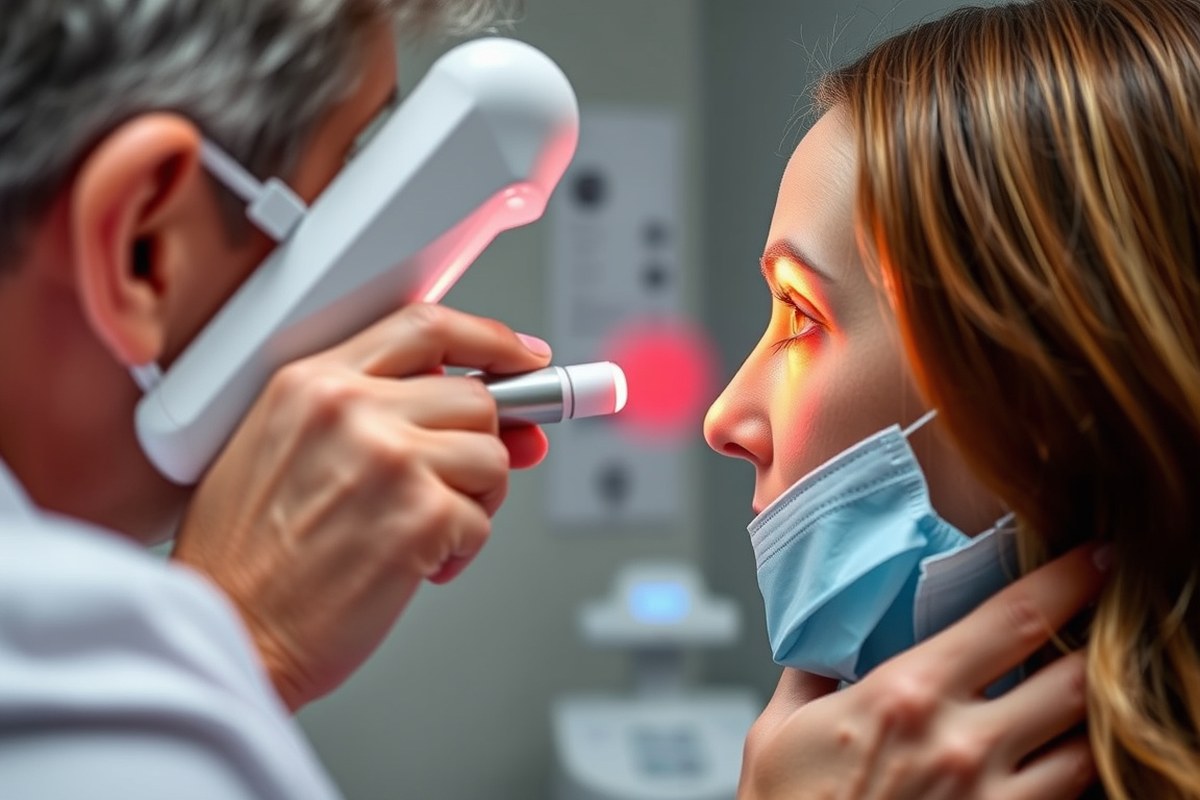
Determining the type of pink eye you have helps guide the right treatment. Viral, bacterial, allergic, and chemical pink eye display overlapping symptoms but also have key differences in redness, discharge, itching, and triggers. Identifying these can help you manage symptoms correctly and prevent spreading infections.
Viral Pink Eye Signs
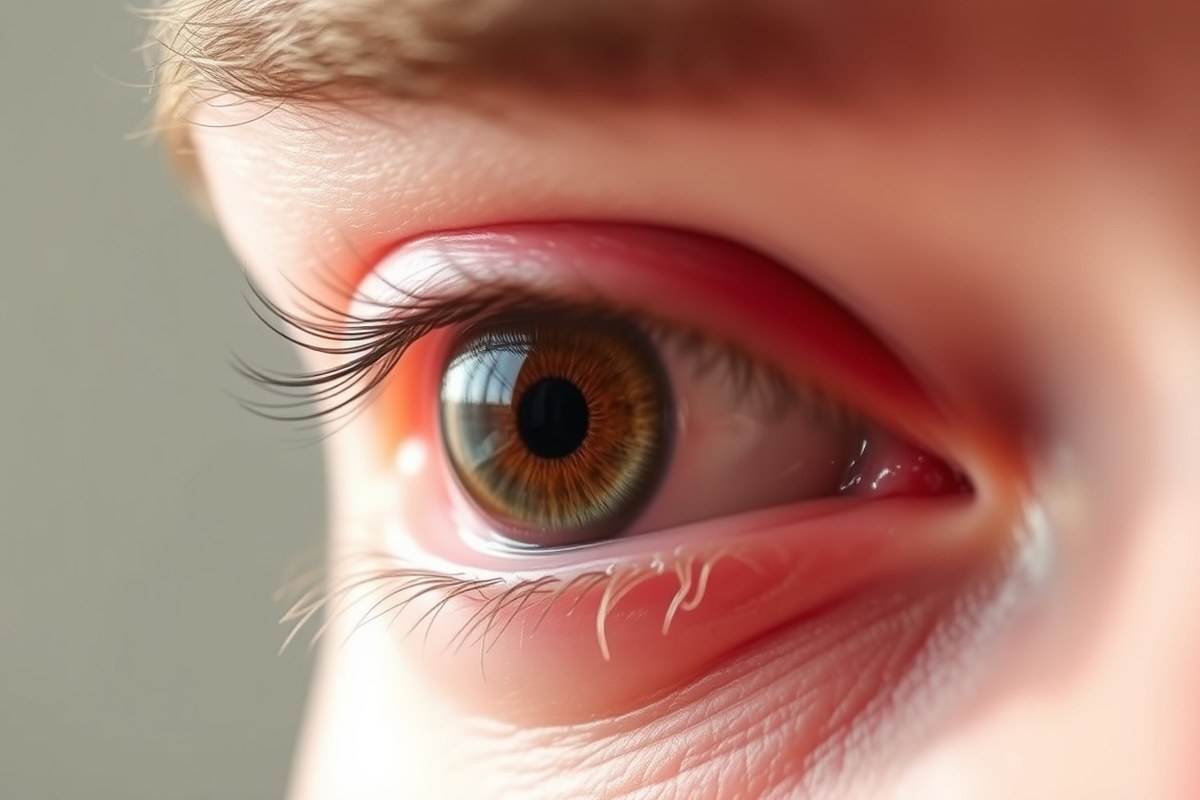
Viral conjunctivitis is the most common form, causing about 80% of pink eye cases. It often develops alongside cold or flu symptoms. You may notice watery eyes with redness and a clear, thin discharge. The condition is contagious and can last from 5 to 21 days. Typical viral pink eye symptoms include:
- Redness in the white of the eye
- Watery or clear discharge
- Sensitivity to light
- Gritty feeling or mild eye irritation
- Often affects both eyes but may start in one
- Associated cold or respiratory symptoms
- Lasts 1 to 3 weeks
Because viral pink eye is highly contagious, it’s important to stay home until tearing and discharge have stopped to avoid spreading it to others.
Bacterial Pink Eye Symptoms
Bacterial pink eye usually causes a thicker, yellow or green discharge that can crust over your eyelashes, especially after sleep. This type may affect one or both eyes and is also contagious. Symptoms can clear with antibiotic treatment but might last 1 to 2 weeks without it. Signs that suggest bacterial conjunctivitis include:
- Intense redness in the eye
- Thick yellow, green, or white discharge
- Crust formation on eyelashes, especially in the morning
- Mild to moderate pain or discomfort
- Swelling of the eyelids
- Blurred vision due to discharge
- Usually starts in one eye and may spread to the other
Antibiotics can shorten the infection and reduce spreading risk. Stay home from work or school until 24 hours after starting antibiotics to prevent transmission.
Allergic Conjunctivitis Features
Allergic pink eye happens when your eyes react to allergens such as pollen, dust, or pet dander. It is not contagious and usually affects both eyes symmetrically. Histamine release causes itching, swelling, and excessive tearing without thick discharge. Look for these characteristics of allergic conjunctivitis:
- Itchy, watery, and red eyes
- Swollen or puffy eyelids
- No yellow or green discharge
- Often accompanied by sneezing, runny nose, or other allergy symptoms
- Both eyes affected at the same time
- Symptoms worsen with exposure to triggers
Managing allergens and using antihistamine eye drops or oral allergy medications can relieve symptoms.
Chemical Eye Irritation Clues
Chemical conjunctivitis results from irritants like smoke, chlorine, or household cleaners coming into contact with your eyes. It causes redness and discomfort but is not infectious. Symptoms usually start soon after exposure and improve once the irritant is removed. Typical chemical irritation signs include:
- Red, burning, or stinging eyes
- Excessive tearing without discharge
- Sensation of something in the eye
- No crusting or thick discharge
- Improvement with thorough eye rinsing
- Usually only one eye affected but can be both if exposed
Flushing your eyes with clean water for 10 to 15 minutes immediately after exposure helps remove irritants and reduce damage.
Clean your hands thoroughly before touching your eyes or applying any treatment to avoid worsening infection or irritation.
3. Effective Home Remedies for Pink Eye Compared
Using home remedies can help ease the discomfort of pink eye, but choosing the right one depends on your symptoms and cause. Cold compresses and cucumber slices reduce inflammation and soothe irritation. Warm compresses work better if your pink eye comes with crusty eyelids or blocked glands. Green tea bags add mild antibacterial benefits and calmness when applied as a compress. Artificial tears and saline rinses keep your eyes moist and help flush out irritants. Here’s a comparison of these common remedies, covering how to use them, why they help, and tips for safety and frequency:
| Remedy | Purpose | How to Use | Frequency | Safety Tips |
|---|---|---|---|---|
| Cold Compress | Reduces inflammation, soothes irritation | Wrap ice or a cold pack in a clean cloth. Apply gently on closed eye for 10, 15 minutes. | 3, 4 times daily | Never place ice directly on skin. Use clean cloths to avoid contamination. |
| Warm Compress | Relieves crusts and unblock glands | Soak a clean cloth in warm water (not hot), wring out, and place on eye for 5, 10 minutes. | 2, 3 times daily | Test water temperature to avoid burns. Use fresh cloth each time. |
| Cucumber Slices | Hydrates skin, reduces swelling | Chill cucumber slices in fridge. Place chilled slices on each closed eye for 10, 15 minutes. | 1, 2 times daily | Use washed, fresh cucumber. Discard after use to avoid bacteria. |
| Green Tea Bags | Soothes eye, mild antibacterial effect | Steep 2 tea bags in hot water for 5, 10 minutes. Chill fully, then place on closed eyes 10, 15 minutes. | 2, 3 times daily | Use fresh tea bags. Avoid reuse to prevent infection. |
| Artificial Tears | Moisturizes, flushes irritants | Apply 1, 2 drops in affected eye(s) as directed on bottle. | Up to 4 times daily (or as needed) | Use preservative-free if sensitivity occurs. Do not share bottles. |
| Saline Rinse | Clears allergens, debris, and discharge | Flush eyes gently with sterile saline or eye wash solution using a clean dropper or compress. | 1, 3 times daily | Use sterile, store-bought saline. Avoid homemade saline to prevent contamination. |
Cold compresses are generally better for viral pink eye, reducing redness and irritation quickly. Warm compresses work well if you have crusting or sticky eyelids since heat helps loosen debris. Cucumber slices offer mild cooling and hydration but should be used only after thorough washing to avoid introducing germs. Green tea bags, steeped and chilled, provide extra soothing with low antibacterial properties. Using artificial tears and saline rinses regularly is helpful for all types by maintaining moisture and rinsing away irritants.
Apply cold or warm compresses by placing the cloth or pack gently on closed eyes. Keep the duration between 5 to 15 minutes to avoid skin damage. Artificial tears should be used as directed on the label, avoiding overuse because excessive drops can worsen dryness. Saline rinses are best applied carefully to avoid pushing bacteria inside the eye. Always use clean materials to prevent spreading infection or worsening symptoms.
4. How to Prevent Pink Eye from Spreading at Home
Pink eye, or conjunctivitis, spreads quickly because contagious bacteria or viruses live on your hands and household items. You remain contagious as long as your eyes look red, tear up, and produce discharge. That usually lasts from a few days up to two weeks. Stopping the spread starts with strict hygiene to break the chain of infection.
Wash your hands every time after touching your eyes or face. Use warm water and soap, scrub for at least 20 seconds, and dry with a clean towel. Avoid rubbing or touching your eyes unless your hands are freshly cleaned. When cleaning your eyes, use clean, disposable cotton pads or fresh cloths soaked in warm water. Wipe gently from the inner corner outward, never rubbing both eyes with the same wipe. Always use a new cloth or pad for each eye.
Sharing personal and household items can transmit pink eye easily. Towels, washcloths, pillows, cosmetics, or eye drops should never be shared. Launder soiled items separately using the hottest water setting available, usually at least 130°F (54°C), and dry them thoroughly. Disinfect surfaces like countertops, doorknobs, and faucet handles daily with household disinfectants to reduce germs.
- Wash hands often with soap and water for 20 seconds
- Use a fresh cloth or cotton pad for each eye when cleaning
- Do not share towels, pillows, or washcloths with others
- Launder bedding and towels in hot water and dry completely
- Avoid touching or rubbing your eyes
- Disinfect frequently touched surfaces daily
- Dispose of or clean any eye cosmetics and avoid using “red out” eye drops
Children in the household need reminders and assistance to follow these rules. Isolation of the infected person for a few days helps limit the spread, especially in shared bedrooms or bathrooms. Being careful about contact with others’ eyes and face prevents indirect transmission. Taking these steps can minimize the chance your whole family catches pink eye and shortens how long the infection sticks around. Each action costs only a small amount of time or effort but adds up to significant protection for everyone’s eyes.
5. When to Stop Home Remedies and See a Doctor
You should stop home remedies and visit a doctor when your symptoms worsen, do not improve within a few days, or any serious signs appear. Prompt medical care ensures proper treatment, prevents complications, and can reduce the risk of spreading infection. Knowing the warning signs helps you act quickly and avoid delays that could make pink eye worse.
Red Flags for Urgent Care
Seek urgent medical attention upon noticing intense pain, vision changes, or swelling around the eye. These indicate possible complications beyond standard pink eye. Also watch for fever or if your eye is very sensitive to light.
- Severe eye pain or discomfort
- Sudden vision loss or blurry vision
- Swelling around the eye or eyelids
- Redness spreading beyond the eye
- High fever accompanying eye symptoms
- Extreme light sensitivity
- Inability to open the eye fully
These signs suggest conditions needing immediate assessment and often prescription treatments, rather than home remedies alone.
Never delay medical care if you experience severe pain or vision changes with pink eye; these may signal serious infections.
Signs of Bacterial Infection Needing Antibiotics
Bacterial pink eye typically requires antibiotic eye drops or ointments prescribed by a healthcare provider to clear the infection. Signs that antibiotics are likely necessary include thick yellow or green discharge, worsening redness, and symptoms lasting longer than a week despite home care.
You can try home remedies first, but monitor closely. When discharge increases or the eye becomes more irritated or swollen after 2-3 days, consult a doctor. Without antibiotics, bacterial infections can worsen or spread.
Deciding When to Visit a Doctor
Evaluate your symptoms daily while using home care. No improvement within 3 to 5 days or worsening symptoms at any point mean it’s time to schedule an appointment. Virtual visits are often available and can cost around $39, making timely access to treatment affordable and convenient. Use this checklist to decide:
- No symptom improvement after 3-5 days of home remedies
- Increasing redness, discharge, or swelling
- Any pain or vision problems
- Fever higher than 100.4°F (38°C) with eye symptoms
- New symptoms in a baby or young child
- Concern about sexually transmitted infections causing conjunctivitis
Following these guidelines helps you get timely treatment and avoid unnecessary use of antibiotics if the infection is viral or allergic.
6. Special Care Tips for Children and Babies with Pink Eye
Managing pink eye in children and babies requires extra caution to avoid irritation and prevent the infection from spreading. You can safely use gentle cleaning methods and approved remedies but avoid home treatments like breast milk, which are not supported by medical experts. Prompt pediatric care is key if symptoms worsen or do not improve within a few days.
Safe Cleaning and Eye Care for Babies
Babies have delicate eyes and cannot wipe or avoid touching their face, so cleaning their eyes gently is important. Use a clean, soft cloth soaked in lukewarm water to wipe away any discharge. Always use a new section of the cloth for each wipe to prevent reinfection. Avoid using any soaps, lotions, or substances not specifically made for eye use. Keeping the baby’s hands clean and trimmed fingernails short will help reduce the chance of eye rubbing and spreading the infection.
Home Remedies Suitable for Children
Applying cool compresses to the eyes can soothe irritation and reduce swelling. Avoid warm compresses for kids unless a doctor advises otherwise, as too much heat may worsen symptoms. Over-the-counter lubricating eye drops (artificial tears) can relieve dryness but do not use redness-reducing drops. Keep children from sharing towels, pillows, or toys that touch the eyes. Do not use breast milk as a treatment since there is no reliable evidence it helps and it could introduce bacteria.
- Wash your hands thoroughly before and after touching your child’s eyes.
- Use a clean, damp cloth to gently wipe from the inner corner outward to remove discharge.
- Apply a cool compress on closed eyelids for 5 to 10 minutes several times a day.
- Use only pediatrician-approved lubricating eye drops if dryness or irritation persists.
- Keep your child’s hands clean and nails trimmed short to reduce eye rubbing.
- Disinfect any items or surfaces your child frequently touches to prevent spreading.
- Encourage your child not to touch or rub their eyes to avoid irritation or spread.
When to Contact a Pediatrician
Call a pediatrician if your child’s pink eye does not improve after 3 to 5 days of home care or if symptoms worsen quickly. Seek medical advice if you notice increased redness, swelling, pain when blinking, sensitivity to light, or vision changes. Babies under one year old with any signs of pink eye should get prompt evaluation, as they may need prescription treatment. Also, if your child has a weakened immune system or other health conditions, professional guidance is important.
7. Handling Contact Lenses and Eye Care During Pink Eye
Wearing contact lenses while you have pink eye increases the risk of worsening the infection or developing a more serious eye problem. It’s best to stop using your contacts as soon as you notice symptoms like redness, irritation, or discharge. Instead, switch to glasses to avoid putting additional stress or contamination into your eyes. This is especially important for children who wear contacts, as their eyes are more sensitive and prone to complications.
Once you decide to pause contact lens use, throw away the lenses worn when symptoms began. These lenses may harbor bacteria or viruses causing the infection. Disinfect related contact lens cases thoroughly by rinsing them with fresh, multipurpose disinfecting solution, never water, and letting them air dry completely before reuse or replacing the case entirely. Avoid using tap water or homemade cleaning solutions because they can introduce harmful microorganisms. Spend about 5 minutes rubbing the lenses gently with solution before storing them to ensure proper cleaning.
Reintroduce contact lenses only after your symptoms have fully cleared and your eyes feel normal. The Centers for Disease Control and Prevention (CDC) advises waiting at least 24 to 48 hours after all signs of pink eye disappear before wearing lenses again. Your eye doctor may recommend a longer break depending on the severity of the infection. Using lenses too soon can cause reinfection or prolong healing. During the recovery period, rely on glasses and daily eye hygiene to support healing.
Contact lens wearers should closely monitor symptoms of pain, blurry vision, or increased discharge during recovery. These signs may require professional evaluation. Avoid virtual eye care visits if you wear contacts and experience sudden vision changes or severe eye pain; an in-person exam is safer to rule out complications. Following these steps protects your eyes and helps ensure that pink eye resolves without additional issues related to contact lens use.
8. Nutritional and Lifestyle Supports to Speed Eye Healing
Eating a diet rich in anti-inflammatory nutrients can support eye healing during pink eye recovery. Omega-3 fatty acids, found in fatty fish like salmon and sardines, reduce inflammation and may help ease swelling in the eyes. Vitamins such as C and E also play a role by promoting immune function and tissue repair. Leafy greens like spinach and kale provide lutein, which supports overall eye health and might assist the conjunctiva’s recovery.
- Fatty fish (salmon, sardines) for omega-3 fatty acids
- Citrus fruits (oranges, strawberries) for vitamin C
- Nuts and seeds (almonds, sunflower seeds) for vitamin E
- Leafy greens (spinach, kale) for lutein and antioxidants
- Carrots and sweet potatoes for beta-carotene
- Hydrating fluids, like water and herbal tea, to support tissue health
Supplements like omega-3 capsules or vitamin C tablets can be considered if you struggle to include these foods regularly. Typical dosages range from 500 to 1,000 mg of omega-3 daily and 500 to 1,000 mg of vitamin C, but it’s best to check with a healthcare provider before starting any supplement. Foods are usually preferred first because they offer additional nutrients and antioxidants that work together to aid healing.
Lifestyle habits play a key role in speeding recovery from pink eye. Avoid rubbing your eyes, keep your hands clean, and get adequate rest to help your immune system fight infection. Applying a cold compress for 10 to 15 minutes can reduce discomfort and inflammation. Maintaining good sleep hygiene and staying hydrated supports your body’s natural repair processes.
Always avoid sharing towels or pillows to prevent spreading pink eye to others.
Step-by-Step Action Plan for Managing Pink Eye at Home
Follow this plan to relieve your pink eye symptoms safely, prevent spreading, and know when to get medical help.
- Before You Start: Identify symptoms to confirm pink eye, redness, itching, discharge, or swelling. Note if you have pain or vision changes, which need urgent care.
- Day 1: Begin gentle eye hygiene by rinsing with clean water or saline and applying a cool compress for 10 minutes. Improvement means reduced redness or discomfort.
- Day 2, 3: Try appropriate home remedies based on your pink eye type, artificial tears for viral, warm compress for bacterial. Watch for less discharge and irritation.
- Days 1, 7: Prevent spread by washing hands frequently, avoiding touching your eyes, and not sharing towels or pillows. No new infections after a week signals success.
- During the First Week: Stop wearing contact lenses; use glasses instead. Confirm comfort returns and no increased redness or pain.
- Throughout Recovery: Support healing with a balanced diet rich in vitamins A and C, stay hydrated, and get enough sleep. Feeling better overall indicates progress.
- After 3, 5 Days: If symptoms worsen, include severe pain, vision changes, or no improvement, contact your healthcare provider promptly.
- Special Care for Children and Babies: Keep their eyes clean, avoid irritants, and seek pediatric care immediately if symptoms are severe or persistent beyond a few days.
Frequently Asked Questions
What Kills Pink Eye Germs?
Pink eye germs can be killed by proper hygiene and using antibiotic eye drops for bacterial cases. Cleaning your hands often and avoiding touching your eyes help stop the spread of infection.
Can Salt Water Get Rid of Pink Eye?
Salt water rinses may soothe irritation but won’t cure pink eye. They can help remove crusts and keep the eye clean while waiting for the infection to clear.
Can Pink Eye Get Better in 24 Hours?
Pink eye rarely clears up in 24 hours; most cases take several days to a week. Bacterial pink eye may improve after 24 hours of antibiotics, but full recovery takes longer.
How to Clear an Eye Infection Without Antibiotics?
Viral pink eye often clears on its own with rest and hygiene, while bacterial types need antibiotics. Using cool compresses and avoiding irritants can relieve symptoms during healing.
Is Pink Eye Contagious Before Symptoms Appear?
Pink eye can be contagious just before and as symptoms begin. Practice good hygiene to prevent spreading it early.
Can Wearing Glasses Prevent Pink Eye Spread?
Glasses can reduce eye touching and block some droplets but don’t fully prevent pink eye spread. Clean hands and avoid sharing personal items for best protection.
Before You Go
Getting rid of pink eye quickly at home is possible by identifying the type you have and using the right remedies without delay. Start by washing your hands thoroughly and applying a warm compress several times a day to ease discomfort. Taking this simple action today can help reduce symptoms and lower the risk of spreading the infection to others.