How to Get Rid of White Tongue Permanently: A Complete, Safe Guide
To get rid of white tongue permanently, you need to identify its cause and consistently maintain good oral hygiene, including regular tongue scraping and brushing. Simple home remedies and lifestyle changes can provide quick relief, but addressing underlying issues like dehydration, diet, or infections is essential for lasting results. Avoid relying on fast fixes that don’t tackle the root cause.
This advice is for anyone seeking a safe and effective way to eliminate white tongue without guesswork. You’ll find clear explanations of common causes, practical cleaning techniques, natural remedies, and tips on when to see a medical professional to ensure you keep your tongue healthy long term.
Key Takeaways
- Brush and scrape your tongue daily for 5 minutes to effectively remove white tongue deposits and improve oral hygiene.
- Use coconut oil for oil pulling by swishing a teaspoon in your mouth for 10 to 15 minutes to reduce white tongue symptoms.
- Incorporate garlic and curcumin into your diet as natural remedies with proven anti-inflammatory and antifungal benefits for oral health.
- Maintain hydration and adjust your diet and lifestyle to prevent dry mouth, a common factor in recurring white tongue cases.
- Contact your healthcare provider if white tongue lasts over 2-3 weeks or is accompanied by pain, fever, or dehydration.
- Understand that persistent white tongue could indicate conditions like leukoplakia, requiring professional diagnosis and treatment.
What Is White Tongue and Is It Always Harmful?

A white tongue appears as a coating or patches of white on your tongue’s surface. It occurs when dead cells, food debris, and bacteria accumulate, trapping moisture that creates the whitish film you see. This condition is common and often harmless, especially when it goes away after brushing or scraping your tongue. It typically signals poor oral hygiene, dehydration, dry mouth, or irritation from tobacco or certain medications.
While ordinary white tongue is not usually a cause for concern, it can sometimes indicate more serious issues. Oral thrush, a yeast infection caused by a Candida fungus overgrowth, is a frequent cause of persistent white patches. These patches look thicker and creamier and may resemble cottage cheese. They tend to cause discomfort such as soreness, burning, or a cottony feeling. Unlike harmless white coating, thrush patches may bleed or leave red, raw areas if wiped off. This condition requires antifungal treatment, often prescribed as lozenges, pills, or mouthwashes.
Leukoplakia, another less common cause, presents as persistent white plaques that cannot be scraped off and may develop due to chronic irritation, tobacco use, or other factors. It is important because leukoplakia can sometimes progress to oral cancer, making consistent monitoring and professional evaluation critical. Signs that your white tongue might be a sign of a more serious condition include persistent white patches, pain or discomfort, bleeding when scraped, and accompanying symptoms like swollen lymph nodes or difficulty swallowing.
White tongue is not typically contagious. Oral thrush can spread in rare cases through direct contact or sharing utensils, especially in individuals with weakened immune systems. Most causes of white tongue, such as poor oral hygiene or dry mouth, are localized issues and unrelated to systemic diseases. However, on rare occasions, white tongue can signal systemic health problems such as heart disease or syphilis, highlighting the importance of a thorough assessment if symptoms persist.
To distinguish between harmless white tongue and more serious conditions, use this checklist for self-assessment: check if the coating can be easily scraped off without pain; note if patches are thick, creamy, or persist longer than two weeks; evaluate if you have discomfort like pain or burning; consider risk factors such as tobacco use, a weakened immune system, diabetes, or recent use of antibiotics. Also, look for additional symptoms like enlarged lymph nodes or difficulty swallowing. Persistent white patches or discomfort warrant a visit to a healthcare professional for diagnosis and treatment.
This approach helps you identify when white tongue is a temporary, benign issue and when it might signal an underlying infection or pathology. Paying attention to the appearance and accompanying symptoms will guide your next steps. Maintaining good oral hygiene, staying hydrated, and monitoring changes daily reduce the risk of recurring white tongue and help you decide when professional care is necessary.
Common Causes and Risk Factors of White Tongue
A white tongue occurs when dead cells, bacteria, and food debris collect between the papillae, the tiny bumps on your tongue’s surface. This buildup can cause a white coating that usually signals issues such as dehydration, poor oral hygiene, or fungal infections.
Poor oral hygiene is a primary cause. When you don’t brush your tongue or clean your mouth properly, bacteria multiply and dead cells aren’t removed, leading to a white, fuzzy appearance. Cleaning your tongue during daily brushing helps prevent this buildup and reduces the risk of developing white tongue.
Dehydration reduces saliva production, causing dry mouth. Saliva keeps your mouth moist and naturally cleanses debris. Without enough fluid intake, dead cells and bacteria can accumulate faster, creating a white coating. Drinking at least eight 8-ounce glasses of water daily aids saliva flow and helps clear your tongue.
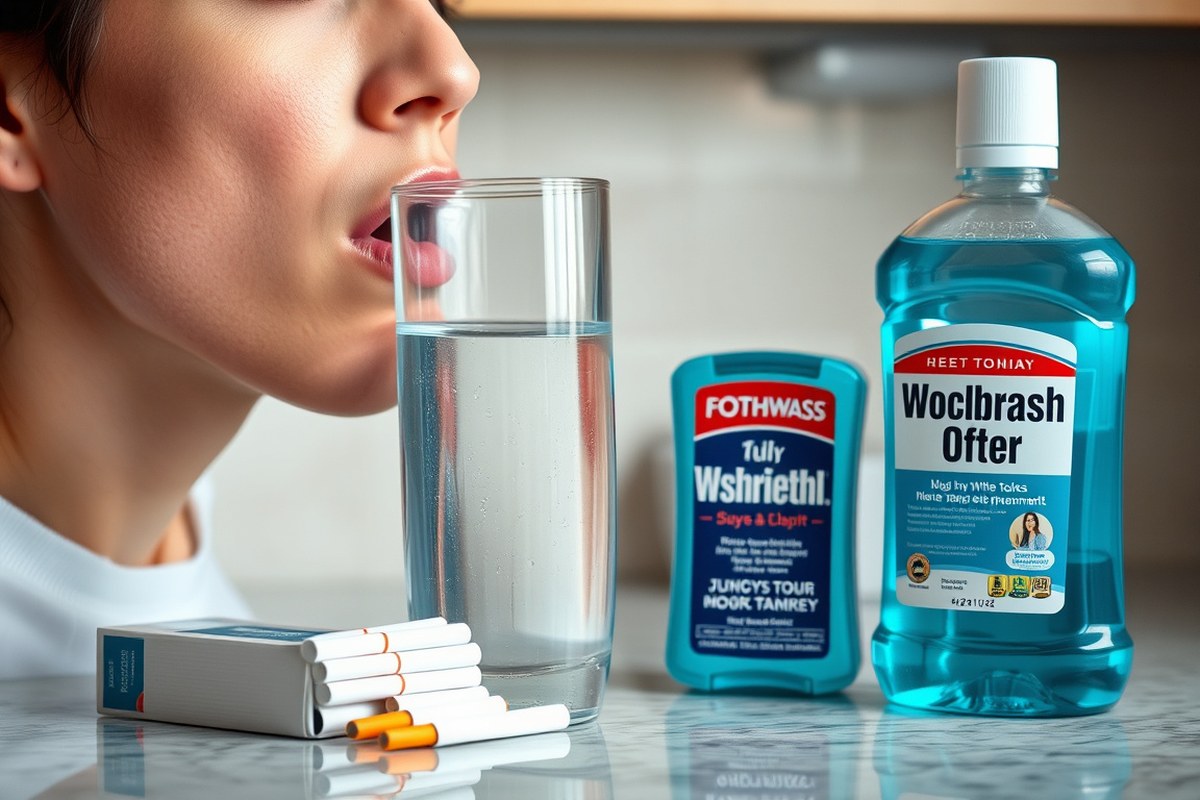
Smoking and alcohol consumption contribute significantly to white tongue. Smoking irritates the oral tissues and disrupts the natural balance of bacteria. Alcohol also dehydrates the body and dries out the mouth, further encouraging bacterial growth and dead cell accumulation. Reducing or quitting these habits can greatly improve tongue appearance and overall oral health.
Certain medications can cause dry mouth or alter oral flora, making white tongue more likely. Antibiotics, for example, may disrupt normal bacteria, allowing fungal infections like oral thrush to take hold. Immunosuppressants and cancer treatments can also impair your immune defenses, increasing susceptibility to tongue coating.
Underlying medical conditions play a role as well. Diabetes can impair your immune system and cause dry mouth. Digestive disorders may affect nutrient absorption, weakening oral tissues. Infections such as oral lichen planus and fungal infections directly lead to white patches or coatings on the tongue.
- Poor oral hygiene: allows bacteria and dead cells to build up on the tongue
- Dehydration and dry mouth: reduce saliva that naturally cleanses the tongue
- Smoking and alcohol use: irritates oral tissues and dehydrates the mouth
- Medications: antibiotics and others that cause dry mouth or imbalance oral bacteria
- Medical conditions: diabetes, immune disorders, oral infections like thrush
Regularly drinking water throughout the day can prevent dry mouth and reduce white tongue development.
Addressing these causes usually involves improving oral hygiene, staying hydrated, reducing tobacco and alcohol use, and managing any medical issues. Identifying your specific risk factors can guide you to the best way of preventing white tongue from recurring or becoming a long-term problem.
Effective Tongue Cleaning: Brushing and Scraping Techniques
Daily cleaning of your tongue by brushing or scraping helps remove the white coating caused by bacteria, debris, and dead cells. Tongue scraping often removes more buildup and bad breath molecules than brushing alone, making it a preferred method for many people. Using the right tools and following a consistent routine ensures the best results without irritation.
Proper Tongue Brushing Technique
Brushing your tongue gently with a soft-bristle toothbrush after you finish brushing your teeth can significantly reduce the white coating. Using a toothbrush with soft bristles avoids damaging the delicate surface of the tongue while removing bacteria and debris. Rushing or using too much pressure may cause gag reflex or irritation. Here is a step-by-step routine to brush your tongue effectively and safely:
- After brushing your teeth, rinse your mouth with water.
- Extend your tongue out comfortably so you can reach the surface.
- Use a soft-bristle toothbrush with no or a small amount of toothpaste.
- Gently brush the top surface of your tongue from the back to the tip using light strokes.
- Spend about 30 seconds brushing to cover the whole surface.
- Rinse the toothbrush and your mouth thoroughly with water.
- Repeat daily as part of your oral hygiene routine.
Choosing and Using a Tongue Scraper Safely
Tongue scrapers are often more effective than toothbrushes at removing the white coating and odor-causing bacteria from your tongue. Many people find them easier to use without triggering gag reflex.
Select a scraper made of flexible stainless steel or food-grade plastic for safety and durability. Avoid scrapers with sharp edges or rough surfaces that can cause irritation or tiny cuts on the tongue. To use a tongue scraper correctly:
- Stand in front of a mirror and extend your tongue out.
- Position the scraper gently at the rear of your tongue, taking care not to push too hard to prevent gag reflex.
- Gently pull the scraper forward to the tip of your tongue, applying light pressure.
- Rinse the scraper under running water to remove debris.
- Repeat 3 to 5 times or until you see the scraped coating diminish.
- Wash the scraper thoroughly after use and store it in a clean, dry place.
Timing and Frequency of Tongue Cleaning
Cleaning your tongue once daily is typically enough to keep the white coating under control if you maintain regular tooth brushing twice a day. Incorporating tongue cleaning either in your morning or bedtime routine works well.
Perform tongue cleaning right after brushing your teeth to remove the loosened bacteria and debris from the mouth. Spending about 30 seconds brushing or several scrapes with a tongue scraper is sufficient.
People prone to white tongue from factors like dry mouth, smoking, or certain medications may benefit from cleaning twice daily. However, always be gentle to avoid irritation and stop if you notice persistent soreness or discomfort. Consult a healthcare professional if symptoms persist despite proper cleaning.
Comparing Home Remedies for White Tongue: What Works Best?
Several popular natural remedies can help reduce or eliminate white tongue by targeting the bacterial buildup or inflammation causing the coating. These home solutions vary in preparation, ease of use, and how quickly you might see results. Knowing exactly how to apply each method and what to expect can guide you to the best choice for your situation.
| Remedy | What It Is | How to Use | Efficacy | Safety Notes |
|---|---|---|---|---|
| Baking Soda | Natural abrasive and acid neutralizer | Mix 1 tsp with water to form a paste. Gently brush or scrape tongue once daily. | Helps scrub away white coating and reduces bacterial growth. Results visible within 1-2 weeks. | Should not be swallowed. Excessive use may irritate mucous membranes. |
| Turmeric | Spice with antibacterial and anti-inflammatory properties | Make a paste with turmeric powder and water, apply directly to tongue, leave for a few minutes, then rinse. | May reduce inflammation and bacterial presence; effectiveness varies. Needs consistent use. | Can stain teeth and tongue temporarily. Avoid if allergic. |
| Aloe Vera | Natural juice with healing and soothing effects | Rinse mouth with aloe vera juice daily or drink a small amount (1-2 oz) to reduce patches. | Soothes irritation and may promote healing of white patches over weeks. | Use pure aloe vera juice meant for oral use. Avoid products with additives or latex. |
| Garlic | Natural antimicrobial agent | Chew a small piece of fresh garlic or apply crushed garlic to tongue for a short time, then rinse. | May reduce microbes; some people find benefit in mild infections. Effect takes days. | Can irritate oral tissues. Not for sensitive mouths or large amounts. |
| Oil Pulling | Swishing oil (usually coconut) to cleanse the mouth | Swish 1 tsp of coconut oil around mouth for 10-15 minutes, then spit out and rinse mouth. | Reduces bacteria and oral thrush-related symptoms; may improve white tongue with regular use. | Do not swallow oil. Can be time-consuming; avoid if jaw problems. |
Baking soda works by gently scrubbing the tongue’s surface and neutralizing acids, which slows bacterial growth causing the white patches. Applying a baking soda paste once a day is simple and effective, but it should be done cautiously to avoid irritation. Turmeric’s antibacterial effects are promising, though it might stain your mouth temporarily, so consistent use and proper rinsing are important. Aloe vera juice provides soothing relief and can be used as a rinse or a small daily drink for best results, but make sure you use products safe for oral use only.
Garlic’s antimicrobial properties can help tackle mild infections on the tongue but are best used in small amounts because of its potential to irritate the mouth. Oil pulling, especially with coconut oil, is a cleansing method supported by some studies to reduce oral bacteria and conditions like thrush that often cause white tongue. Spending 10 to 15 minutes daily swishing oil may seem lengthy, but it gives benefits beyond just reducing the white coating. Regular use and combining these remedies with proper oral hygiene offer the best chance for a lasting improvement.
Hydration, Diet, and Lifestyle Adjustments to Prevent White Tongue
Dehydration and dry mouth play a significant role in causing or worsening white tongue. When your mouth lacks enough saliva due to not drinking sufficient water or from conditions causing dryness, bacteria and fungi can multiply on your tongue’s surface, forming the white coating. To prevent this, drink at least 8 cups (about 64 ounces) of water daily, spacing it evenly throughout the day to maintain saliva flow. If you notice dry mouth symptoms, such as constant thirst or sticky saliva, increase water intake and consider sipping water regularly, especially in dry or air-conditioned environments. Using vegetable glycerin-based mouth sprays can also help maintain moisture when dry mouth persists.
Your diet heavily influences your oral health and the appearance of white tongue. Spicy, acidic, or highly processed foods tend to irritate your tongue and promote buildup of the white film. Reducing intake of hot sauces, citrus fruits, fried items, and sugary snacks can lower irritation and inflammation. Incorporate fresh vegetables, whole fruits (avoiding excess acidity), and foods rich in probiotics like yogurt to help nourish the good bacteria in your mouth. These dietary changes may take a few weeks to affect the tongue’s condition positively, so be patient and consistent with your choices.
Smoking and alcohol consumption irritate the lining of your mouth and reduce saliva production, worsening dry mouth and promoting white tongue formation. Quitting smoking and avoiding chewing tobacco are critical steps for permanent prevention. Reducing or eliminating alcohol intake, particularly spirits and wines that dry out the mouth, also aids in restoring a healthy oral environment. These changes not only prevent white tongue but improve overall oral health and reduce risks of more severe conditions. Support for quitting smoking can come from counseling, nicotine replacement products, or medical advice, which typically requires some commitment and time but yields lasting benefits.
Other lifestyle adjustments that contribute to preventing white tongue include managing stress and avoiding mouth breathing. Stress weakens the immune system and can increase dry mouth episodes. Practicing relaxation techniques or regular exercise helps your body fight off infections that might cause oral thrush or other issues leading to white coating. Mouth breathing dries the tongue and can be addressed by using nasal strips or consulting a healthcare professional if nasal congestion is a problem. Together, these hydration, diet, and lifestyle strategies help establish a balance of healthy bacteria, keeping your tongue’s surface clean naturally over time.
Drink water regularly throughout your waking hours and avoid tobacco to keep saliva flowing and prevent white tongue formation effectively.
When to Seek Medical Advice and Professional Treatments
If your white tongue doesn’t clear up after improving oral hygiene or lasts more than two weeks, it’s time to see a healthcare professional or dentist. Also, a dentist should evaluate your tongue if you experience pain, bleeding, or other troubling symptoms. Knowing when to shift from home care to professional help helps ensure proper diagnosis and effective treatment.
Red Flag Symptoms Warranting Medical Attention
Most white tongue cases improve with regular brushing and scraping over a few days. Persistent white coating beyond 14 days should raise concern. Seek medical advice if the white tongue is linked with discomfort or other signs. These symptoms could indicate an underlying infection or more serious condition requiring prompt care.
- Pain or burning sensation on the tongue
- Visible sores, ulcers, or bleeding on the tongue or inside the mouth
- Difficulty swallowing or persistent dry mouth
- Changes in taste or loss of taste
- White patches that bleed when scraped
- Recurrent episodes of white tongue despite good oral hygiene
- Systemic symptoms like fever, unexplained weight loss, or swollen lymph nodes
These signs require professional evaluation to rule out infections, immune-related disorders, or other medical issues. Delay could lead to worsening symptoms or complications.
Professional Treatments Available
A dentist may perform a thorough oral examination to identify causes beyond simple poor hygiene. For white tongue linked to buildup of dead cells or bacteria, professional cleaning, including tongue debridement, can break down thick coatings.
Common dental or medical treatments include prescription antifungal medications for infections like oral thrush, or topical treatments to reduce inflammation and irritation. In some cases, dentists recommend antimicrobial mouth rinses or specialized oral gels to support healing.
Treatment cost varies based on location and scope. Basic professional cleaning may range from $75 to $200 in the United States, while antifungal prescriptions vary by insurance and pharmacy. Timely intervention often shortens treatment duration, lowering costs over time.
Recognizing and Managing Oral Thrush
Oral thrush is a fungal infection caused by overgrowth of Candida species. It commonly appears as white patches or a thick white coating on the tongue and inner cheeks. Unlike simple tongue coating, these patches often scrape off, sometimes revealing red or bleeding areas underneath.
If you notice persistent white patches with soreness or burning, oral thrush could be the cause. Thrush is more common if you have weakened immunity, diabetes, recent antibiotic or steroid use, or wear dentures.
Managing oral thrush involves antifungal medications, prescribed by a healthcare provider, typically in the form of oral lozenges, mouth rinses, or topical gels. Maintaining excellent oral hygiene and controlling risk factors like blood sugar levels helps prevent recurrence.
Why Does White Tongue Keep Returning and How to Troubleshoot
White tongue can keep coming back even after you maintain good hygiene for several reasons. One common cause is that a thick buildup of bacteria, dead cells, and debris lodges deep between the small projections on your tongue’s surface. This buildup sometimes survives simple brushing or scraping, especially if you don’t clean your tongue thoroughly or regularly. Thick, painful white patches that last more than 2 to 3 weeks despite good oral care may indicate thrush, a fungal infection requiring antifungal treatment.
Dehydration and dry mouth contribute to recurrence because your saliva plays an important role in naturally cleaning your mouth. When your mouth is dry, bacteria multiply faster, and white coating forms more easily. Sleeping with your mouth open or breathing through it can worsen this. Also, some medical conditions or medications reduce saliva flow or weaken your immune system, making it easier for white tongue to return.
Common mistakes made while treating white tongue prevent permanent improvement. These errors often relate to inconsistent cleaning, using harsh products, or overlooking hydration. Here’s a list of frequent missteps along with practical fixes:
- Only brushing teeth, not the tongue, Clean your tongue daily with a soft-bristle toothbrush or a tongue scraper for at least 30 seconds.
- Scraping or brushing too hard, Use gentle pressure to avoid irritating your tongue and causing more buildup.
- Using alcohol-based mouthwashes frequently, These can dry out your mouth, so choose alcohol-free, antibacterial rinses instead.
- Ignoring hydration, Drink at least 8 cups (64 ounces) of water per day to keep your mouth moist and flush bacteria.
- Skipping regular tongue cleaning, Establish a consistent routine every morning and night.
- Not addressing potential infections, Visit a healthcare professional if white patches persist over 2 weeks or cause pain.
- Overusing sugar or tobacco products, Reduce or quit these to minimize irritation and bacterial growth.
Follow these steps consistently, and you should notice your tongue returns to its healthy pink color. Good results mean your tongue no longer has a thick white coating by the end of the day, stays pink after sleep, and feels comfortable without irritation. Visit a healthcare provider to check for infections or conditions requiring treatment beyond hygiene and home care if your symptoms don’t improve within three weeks.
Permanent Prevention: Daily Routine and Monitoring Progress
Maintaining a consistent daily oral hygiene routine combined with attentive monitoring helps prevent the return of white tongue. Clear habits targeting tongue cleanliness and hydration form the foundation of permanent prevention. Tracking progress by observing changes in tongue appearance and related symptoms allows timely adjustments before issues worsen.
Daily Oral Hygiene Routine for Prevention
Effective prevention of white tongue largely depends on thorough oral hygiene that includes the tongue itself. Focus on removing debris and bacteria daily while protecting your mouth’s natural balance.
- Brush your teeth and gums. Use a soft-bristled toothbrush and fluoride toothpaste twice daily for two minutes each time to reduce bacterial buildup.
- Clean your tongue. Use a tongue scraper or the back of your toothbrush gently every morning to remove the white film caused by bacteria, dead cells, and food residue.
- Rinse your mouth. Use an alcohol-free antimicrobial mouthwash once or twice daily to reduce oral bacteria without drying out your mouth.
- Floss daily. Removing plaque and food particles between teeth reduces overall bacterial growth that can affect the tongue.
- Replace toothbrush regularly. Every three months to ensure effective cleaning and avoid bacterial contamination.
Do not scrape your tongue too hard as it can irritate or damage the tissue, potentially worsening the white coating.
Incorporating Natural Remedies and Hydration
Supporting oral hygiene with natural remedies and proper hydration improve prevention. Hydrated oral tissues do not collect bacteria easily and are healthier overall.
Drink at least 64 ounces (about two liters) of water daily to keep saliva flow optimal, which naturally cleanses the tongue. Include probiotics, such as yogurt or supplements, to promote healthy oral flora balance. Avoid excessive alcohol, tobacco, and sugary foods as they encourage bacterial growth and dryness, contributing to white tongue.
Tracking and Adjusting Your Treatment Plan
Regularly observing your tongue can help you evaluate if your prevention routine is effective or needs modification. Check your tongue’s color, texture, and moisture level each morning under good lighting.
- Note changes. Use your phone or a small mirror to document the tongue’s appearance weekly by taking pictures or writing brief descriptions.
- Track symptoms. Record other oral symptoms like bad breath, dryness, or discomfort to spot any recurring issues early.
- Adjust care accordingly. If the white coating persists beyond several days despite good hygiene, increase water intake, revisit your cleaning techniques, or consult a dentist for further evaluation.
Seasonal allergies or dry indoor air during winter may temporarily worsen white tongue, so maintain extra hydration and cleaning during these times.
Step-by-Step Action Plan to Get Rid of White Tongue Permanently
Follow this practical plan to identify causes, treat your white tongue, and prevent it from returning. Track your progress and adjust habits to keep your tongue healthy.
- Before you start: Assess your symptoms and possible causes by checking for dryness, medication use, diet, or oral hygiene habits. Note if you have pain or other symptoms that might need a doctor’s evaluation.
- Day 1: Begin a daily tongue cleaning routine using a soft toothbrush or tongue scraper twice a day after brushing teeth. You’ll know it’s working when the white coating starts to lessen within a few days.
- Week 1: Increase your water intake to at least 8 cups per day to prevent dryness and help flush bacteria. Monitor if your tongue feels less dry and the white coating diminishes.
- Week 2: Adjust your diet by reducing sugary, acidic, or dairy foods and adding more fresh fruits and vegetables. Watch for reduced tongue discoloration and improved oral comfort as a result.
- Week 3: Avoid tobacco and alcohol, as they can worsen white tongue. Check if this reduces flare-ups or prevents the white coating from returning after cleaning.
- After 3 weeks: Reassess your tongue’s appearance. If the white coating persists or worsens, schedule a visit with a healthcare professional to rule out infections or other conditions.
- Ongoing: Maintain your tongue cleaning, hydration, and healthy habits daily. Keep a simple log of any changes or recurrences to identify triggers quickly and prevent white tongue from coming back.
Frequently Asked Questions
Can Dehydration Cause a White Tongue?
Yes, dehydration can lead to a white tongue by reducing saliva flow, which normally helps clean the tongue and keep bacteria in check. Staying well-hydrated supports oral health and reduces the risk of white tongue.
Can Certain Medications Cause White Tongue?
Some medications, like antibiotics or steroids, can disrupt your mouth’s natural balance and cause a white tongue. When this occurs, talk to your doctor about alternatives or additional oral care to manage the side effect.
Is White Tongue Contagious?
White tongue itself is not contagious, but some underlying causes like oral thrush can spread. Maintaining good oral hygiene reduces any infection risk and prevents transmission.
Can Stress Cause a White Tongue?
Stress can contribute indirectly by weakening your immune system and causing dry mouth, which may result in white tongue. Managing stress helps maintain oral and overall health.
Will Mouthwash Help Get Rid of White Tongue Permanently?
Mouthwash might temporarily reduce bacteria, but it won’t fix the root cause of white tongue. Choose alcohol-free mouthwash to avoid drying out your mouth further.
Can Dietary Supplements Clear White Tongue?
Some supplements, like probiotics, may support mouth health but won’t replace good hygiene or address underlying causes. Use supplements alongside other treatments for best results.
Key Points to Remember
Getting rid of white tongue for good depends on consistent care combined with attention to your overall health. Start today by adding a gentle tongue scraping session to your daily oral hygiene routine, especially after brushing. This simple step can remove buildup before it leads to persistent white coating, helping you maintain a healthy, clean tongue and prevent future issues.