How to Get Rid of a Cyst: Safe and Effective Methods Explained
Avoid squeezing or popping a cyst yourself to remove it safely and effectively. Applying warm compresses several times a day can thin the fluid inside, but the quickest and most dependable method to eliminate a cyst permanently is to see a doctor for professional drainage or removal. Most procedures take about 20 to 30 minutes and have a low chance of cysts returning if the entire cyst wall is removed.
This guide is designed for anyone who has found a cyst and wants safe home remedies, clear advice on when to consult a doctor, and information about professional treatment methods. You’ll understand how to recognize a cyst, effective treatments, risks involved with self-treatment, and how your cyst’s specific type and location may affect treatment choices. Call 972-704-2400 today to set up an appointment and remove your cyst for good.
Key Takeaways
- Place a warm, moist cloth on the cyst for 20 to 30 minutes, repeating this 3 to 4 times daily. This helps to thin the fluid inside and promotes natural drainage.
- Avoid popping or squeezing a cyst at home to prevent infection, scarring, or worsening inflammation.
- Seek medical care if your cyst becomes painful, red, swollen, or does not improve after 4 weeks of home treatment.
- Professional cyst removal typically takes 20 to 30 minutes under local anesthetic, with stitches removed within 7 to 14 days.
- Complete surgical removal of the cyst wall lowers recurrence rates to about 3%, compared to higher rates with aspiration or drainage.
- The type and location of your cyst influence treatment choice and healing time, which can range from 1 to 2 weeks post-removal.
How to Get Rid of a Cyst Safely and Effectively

Trying to remove or pop a cyst on your own is not recommended because it can lead to infection, scarring, and might leave parts of the cyst wall behind, causing the cyst to return. Handle the cyst gently at first and arrange for professional assessment and removal. While you can ease discomfort, avoid squeezing or cutting the cyst yourself. Here are the safest first steps you can take if you find a cyst on your body:
- Clean the area gently. Use mild soap and water to keep the cyst and surrounding skin clean. Avoid harsh scrubbing.
- Apply a warm compress. Use a clean cloth soaked in warm water (about 104°F or 40°C) for 10 to 15 minutes, three to four times a day. This can reduce pain and swelling but will not remove the cyst.
- Do not squeeze, pop, or dig into the cyst. Compressing the cyst can push bacteria deeper, cause bleeding, infection, and result in a worse scar.
- Wear loose clothing over the cyst. Tight clothing can irritate the cyst and increase discomfort.
- Avoid using over-the-counter cyst popping tools or sharp objects. These increase risks of infection and may worsen the cyst.
- Monitor the cyst for changes. Note any increase in size, redness, pain, warmth, or discharge, which could indicate infection.
- Schedule a medical appointment. Contact a healthcare professional to confirm the diagnosis. A doctor can recommend whether professional drainage or surgical removal is appropriate.
Following these steps helps manage symptoms safely while reducing the risk of complications. Professional removal, often done by making a small incision or using a laser to remove the cyst completely, offers the lowest chance of recurrence, about 3%, because the cyst wall is fully removed. Home attempts to remove a cyst cannot guarantee this and often make the situation worse.
What Is a Cyst and How to Identify It
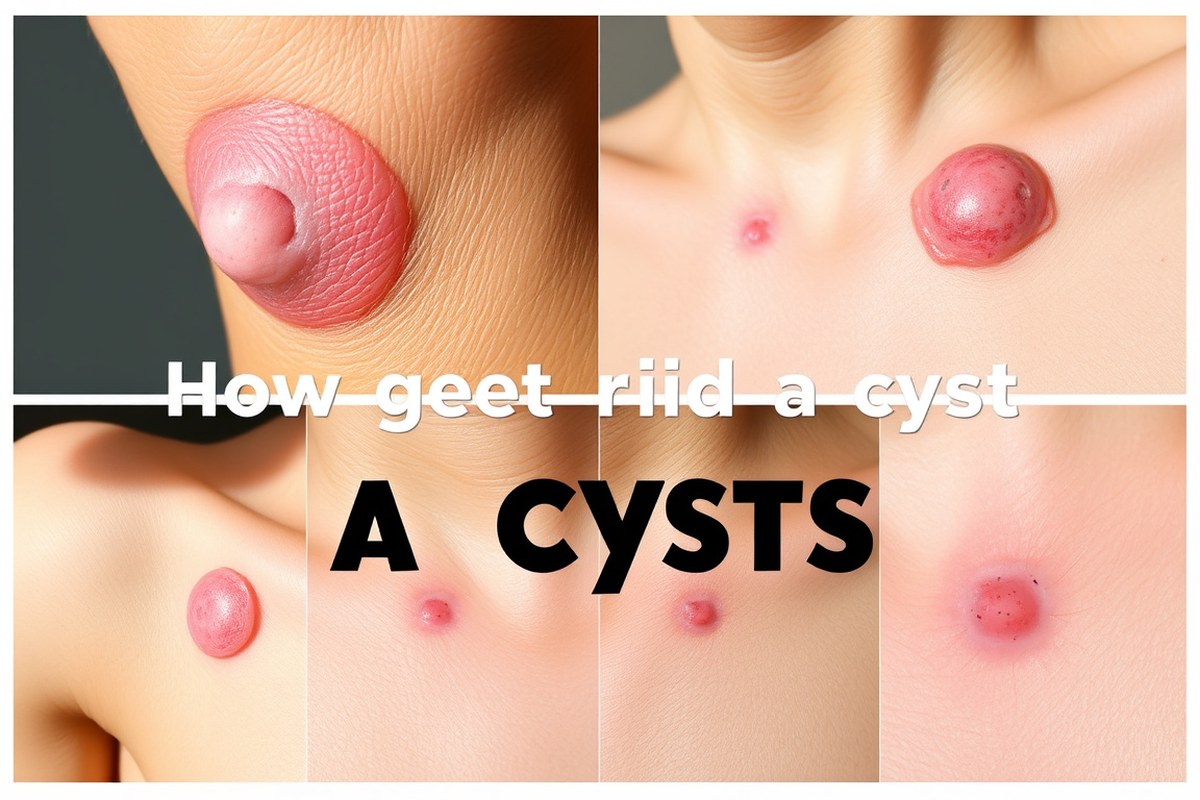
A cyst is a closed sac-like pocket of tissue that can form anywhere on your body. It often contains fluid, pus, or other material and appears as a lump under the skin. Knowing how to tell a cyst apart from other lumps helps you decide if you need medical evaluation or treatment.
Definition and Causes of Cysts
A cyst is a benign, usually slow-growing lump formed by the accumulation of cells, fluids, or other substances within a membrane that separates it from surrounding tissue. Skin cysts occur when cells or oily secretions become trapped under the surface, creating a pocket that fills with keratin or sebum. This blockage can happen due to clogged hair follicles, damaged skin, or infections. Cysts often develop in areas where sebaceous glands or hair follicles exist, such as the scalp, face, neck, or back.
Cysts do not generally cause serious problems but can become uncomfortable if large or infected. Understanding their cause can help you prevent them or recognize when intervention is needed.
Common Types of Skin Cysts
Three common types of skin cysts include epidermoid cysts, sebaceous cysts, and pilar cysts. Epidermoid cysts form just under the skin’s surface due to trapped skin cells and are often filled with keratin, a protein found in skin cells. Despite the term sebaceous cyst sometimes being used for epidermoid cysts, true sebaceous cysts are less common and arise from blocked oil-producing sebaceous glands, leading to lumps filled with oily material called sebum.
Pilar cysts develop in hair follicles, typically on the scalp, and are similar to epidermoid cysts but have a different origin. Besides these, other cyst types like ganglion cysts and Baker’s cysts occur near joints or tendons, but those are less common as skin lumps.
Symptoms and Identification Tips
A typical cyst feels like a small, round lump that moves slightly under your skin when pressed. Size varies widely, but epidermoid cysts commonly range from 1 to 3 cm in diameter. They are usually painless unless inflamed or infected, which might produce redness, tenderness, warmth, or discharge of thick, foul-smelling material. Sebaceous cysts also form smooth, slow-growing lumps and tend to have a small central opening or “punctum” where oily material can drain.
Checking for key symptoms helps distinguish cysts from other lumps, such as lipomas, which are soft, fatty lumps, or swollen lymph nodes, which are tender and linked to infection. Cysts typically have a defined boundary, firm consistency, and a slow growth pattern, unlike more irregular or fast-growing lumps that require prompt medical evaluation.
Never try to squeeze or pop a cyst as this can cause infection and worsen the lump.
Safe Home Remedies and Warm Compress Use for Cysts
Home remedies can help ease discomfort and support the healing of cysts, but they usually don’t get rid of cysts completely. Using a warm compress regularly is one of the safest and most effective ways to help a cyst drain and heal on its own. Natural ingredients like tea tree oil or castor oil may soothe symptoms for some, but none dissolve the cyst itself or replace medical treatment when needed.
How to Apply a Warm Compress Safely
Use a clean washcloth soaked in warm water, around 104°F to 113°F, and wring out the excess. Fold the cloth and place it gently over the cyst area for 20 minutes. Do this three to four times daily. The warmth helps increase blood flow and encourages fluid in the cyst to drain into the lymphatic system. Avoid adding any oils or substances to the compress unless directed by a healthcare provider.
Make sure the compress is warm, not hot, to prevent skin burns. Replace the washcloth with a fresh one if it cools down before the full 20 minutes have passed. This method soothes soreness and may prevent the cyst from growing or becoming infected, but it won’t guarantee the cyst disappears entirely. Consistency over several days is key for seeing results with warm compresses.
Popular Natural Remedies and Their Effectiveness
Many people try natural products alongside warm compresses to reduce irritation and support healing. Tea tree oil offers antimicrobial benefits, which might help if bacterial infection is present due to ingrown hairs. Use it diluted in warm water or mixed with a carrier oil; never apply undiluted tea tree oil directly on the skin, especially on sensitive areas like the eyes or groin.
Castor oil can be applied by putting one drop directly on the cyst with a clean finger. It’s believed to soothe and reduce inflammation but doesn’t break down the cyst’s capsule. Other common remedies include aloe vera, honey, apple cider vinegar, and witch hazel. These may calm skin irritation or mildly reduce swelling but lack scientific evidence to eliminate cysts.
| Natural Remedy | Pros | Cons |
|---|---|---|
| Warm Compress | Safe, promotes drainage, reduces soreness | Needs regular application, slow process |
| Tea Tree Oil (diluted) | Antimicrobial, may reduce infection risk | Can irritate skin if undiluted, limited effect on cyst itself |
| Castor Oil | Soothes inflammation, easy application | No evidence it cures cysts, may cause mild irritation |
| Aloe Vera | Soothes skin, reduces inflammation | Minimal effect on cyst, possible allergic reactions |
| Apple Cider Vinegar | Antimicrobial properties | Can irritate skin, no evidence it dissolves cysts |
| Honey | Natural antibacterial properties | Messy to apply, limited cyst impact |
Common Home Care Mistakes to Avoid
Applying essential oils like tea tree oil directly without dilution can cause skin irritation or burns, especially in sensitive areas. Avoid popping, squeezing, or forcefully pressing on the cyst, as that can lead to infection, scarring, or worsened inflammation. Also, don’t rely only on home remedies if the cyst grows, becomes painful, or shows signs of infection like redness, warmth, or pus.
Skipping hygiene or reusing compresses without washing them can introduce bacteria and delay healing. Use fresh warm cloths each time and keep the area clean. Home remedies may help symptoms, but persistent or problematic cysts require professional diagnosis and treatment to prevent complications.
When to Stop Home Treatment and See a Doctor
Stop home treatment and consult a healthcare professional if your cyst shows signs of infection, growth, or persistent discomfort. An infected cyst typically exhibits redness, swelling, tenderness, warmth, or pus discharge. These symptoms indicate a bacterial infection that requires medical treatment, often including antibiotics. Left untreated, infections can worsen or spread, causing more serious complications.
Home remedies like warm compresses can reduce inflammation and encourage drainage, but if the cyst grows larger, becomes increasingly painful, or does not improve after four weeks, professional evaluation is necessary. Persistent or recurrent cysts may need medical or surgical removal to avoid further issues and reduce the risk of scarring.
Urgent medical care is essential if you notice rapidly worsening symptoms such as intense pain, spreading redness around the cyst, fever, or if the cyst bursts spontaneously. These signs suggest a serious infection or abscess forming underneath the skin that can require prompt medical intervention. Use the following checklist to help decide when to see a healthcare provider about your cyst:
- Redness or swelling extending beyond the cyst area
- Increasing pain or tenderness over several days
- Discharge of pus or foul-smelling fluid from the cyst
- Warmth or heat around the cyst site
- The cyst grows in size or does not shrink after applying home remedies for 3 to 4 weeks
- Repeated cyst formation in the same location
- Fever or other signs of systemic illness
Visiting a dermatologist means you get the safest removal options with low risk of scarring and infection. The only proven permanent way to get rid of a cyst is professional treatment, which may involve drainage or surgical removal. Avoid squeezing or popping cysts yourself, as this can cause infection or worsen the condition.
Costs for professional cyst removal vary based on location and treatment complexity but typically range from $150 to $500 without insurance. Many dermatologists offer consultation to diagnose the cyst type and recommend the best treatment. Timely professional care helps prevent complications and improves healing outcomes.
Professional Treatment Options for Cyst Removal
Professional treatments for cyst removal include steroid injections, drainage, surgical excision, and laser removal. Each option varies in effectiveness, risk of recurrence, and healing time. Selecting the right procedure depends on your cyst’s type, size, location, and your goals for healing and cosmetic outcome.
Steroid Injections and Their Role
Steroid injections involve injecting a corticosteroid directly into the cyst to reduce inflammation and swelling. This treatment can shrink the cyst and relieve tenderness but does not remove the cyst itself. It is most effective for cysts causing discomfort or inflammation rather than those needing complete removal.
Steroid injections are sometimes used before other treatments to prepare the cyst or to reduce symptoms in cases where surgery is not immediately possible. Results can be temporary, and cysts may return if the underlying sac remains. The procedure typically takes a few minutes and is performed in a clinic setting with minimal discomfort.
Drainage vs. Surgical Removal
Drainage or aspiration involves puncturing the cyst and draining its contents with a needle or small incision. This method offers rapid relief and is less invasive, usually done in an office under local anesthesia. However, drainage doesn’t remove the cyst capsule, so the cyst often recurs. Recurrence rates range from about 58% to 74% depending on cyst type, notably with ganglion cysts.
Surgical excision removes the entire cyst along with its capsule, which substantially reduces the risk of it coming back. Recurrence after excision drops to between 8% and 21%. Surgery is considered the most effective treatment, especially for epidermoid cysts where intact capsule removal is critical. Excision requires minor surgery, local anesthesia, and may leave a small scar, with healing time from one to three weeks depending on cyst size and removal area.
Cost-wise, surgical removal is a medical procedure often covered by insurance after deductible, unlike purely cosmetic treatments. The choice between drainage and surgical removal balances fast symptom relief against long-term cure.
Do not let a healthcare provider drain a cyst without removing the sac if you want to avoid recurrence and repeat procedures.
Laser Removal: Is It Better?
Laser removal uses focused light energy to vaporize cyst tissue and may be an option when traditional excision is unsuitable or previous treatments have failed. It can offer better cosmetic results and less scarring compared to surgery, particularly for cysts in delicate or visible areas. Healing after laser treatment is usually quicker with reduced bruising and swelling.
Despite these benefits, laser removal may not fully eliminate the cyst capsule in every case, so recurrence risk remains higher than with complete surgical excision. It’s often considered a minimally invasive alternative or adjunct when other options don’t provide lasting relief. Cost and availability vary widely depending on the specialist and technology. Discussing laser treatment with a dermatologist experienced in cyst care can help determine whether it suits your cyst’s characteristics and your treatment goals.
| Treatment | Pros | Cons | Recurrence Risk | Healing Time |
|---|---|---|---|---|
| Steroid Injection | Reduces inflammation; quick office procedure; minimal discomfort | Does not remove cyst; temporary effect; does not prevent recurrence | High if capsule remains | 1-3 days |
| Drainage (Aspiration) | Immediate symptom relief; minimally invasive; office procedure | Does not remove cyst capsule; high recurrence; possible infection risk | 58-74% | 1-2 weeks |
| Surgical Excision | Complete removal; low recurrence; permanent solution | Minor surgery; scar risk; longer healing | 8-21% | 1-3 weeks |
| Laser Removal | Minimally invasive; better cosmetic results; shorter healing | May leave capsule; recurrence possible; less widely available | Moderate (varies) | 1-2 weeks |
What to Expect During and After Cyst Removal Surgery
Surgical removal of a cyst typically takes about 20 to 30 minutes depending on the cyst’s size and location. The procedure starts with local anesthesia, commonly lidocaine 1% with epinephrine, injected around the cyst to numb the area. This ensures you won’t feel pain during the operation. In rare cases, such as very young children or difficult cysts, a short general anesthesia may be used to keep the patient still and comfortable.
The surgeon makes a small incision over the cyst and carefully removes it entirely, including the cyst sac, to prevent recurrence. After removal, the incision is usually closed with stitches that can be either dissolvable or require removal in a follow-up appointment. A sterile dressing covers the site to protect it from infection.
Though cyst removal is generally straightforward, there are some risks involved, such as infection, bleeding, scarring, or cyst regrowth if not fully removed. Pain is usually minimal during the procedure due to anesthesia but expect some soreness afterward. You might experience mild discomfort and swelling for a few days. Over-the-counter pain relievers usually manage this well.
Recovery generally takes one to two weeks, varying based on cyst size and location. During this time, keep the wound clean and dry. Follow your healthcare provider’s instructions for wound care carefully. This often includes changing dressings daily with sterile gauze and washing hands before touching the area. Avoid strenuous activities that could stretch or irritate the skin around the incision.
Stitches usually help the wound heal well, but occasionally, healing issues like delayed closure or mild scarring can occur. Watch for signs of infection such as increased redness, swelling, warmth, or pus, and contact a healthcare provider if these appear. Stitches removal typically occurs about 7 to 10 days after surgery unless absorbable sutures were used.
Good post-operative care supports the best outcome. Keep the dressing dry and avoid soaking the wound until your provider says it is safe to do so. Applying a clean, damp cloth can soothe mild inflammation, but avoid applying ice packs directly without a towel to prevent skin damage. If the area becomes painful, applying a cold compress for 10 minutes can reduce swelling.
Costs for cyst removal vary widely. Some procedures are covered by insurance if medically necessary, particularly for large or painful cysts. Options like minimally invasive surgery aim to reduce discomfort and speed healing but may come at a higher price. Discuss with your provider to understand the recommended approach for your situation.
Risks of Popping or Squeezing a Cyst at Home
Popping or squeezing a cyst at home can lead to several serious problems you want to avoid. When you try to burst a cyst yourself, you risk causing an infection by introducing bacteria into the open sac. The cyst contains fluid or semi-solid material that, once exposed, creates a perfect environment for bacteria to grow. This can turn a simple cyst into a painful, swollen infection that requires antibiotic treatment. Infection not only makes the cyst more uncomfortable but may also cause fever and spreading redness around the area.
In addition to infection, squeezing a cyst can cause scarring. Repeated inflammation or attempts to drain the cyst while it is infected increase the chances of thick, raised scars forming. Scars from cysts can be difficult to treat and may be permanent. The risk of scarring is higher if the cyst ruptures into the surrounding skin tissue, which often happens when it is squeezed forcefully. This rupture can complicate later treatments because the cyst becomes more inflamed and the tissue around it more damaged.
Common mistakes when dealing with a cyst at home include using unclean hands or tools, trying to lance it yourself with a sharp object, or applying excessive pressure to force drainage. These actions not only increase the infection risk but can push cyst contents deeper into the skin, causing more inflammation and bleeding. Applying heat incorrectly or too often can also irritate the cyst further and worsen symptoms rather than relieve them.
Instead of popping or squeezing, you should keep the area clean and use a warm compress several times a day. A warm compress helps the cyst drain naturally by increasing blood flow and softening the skin without causing trauma. Use a clean cloth soaked in warm water at about 100 to 110 degrees Fahrenheit and hold it on the cyst for 10 to 15 minutes at a time. Be sure to wash your hands before and after touching the cyst, and never try to extract the fluid yourself.
If the cyst becomes painful, shows signs of infection such as redness, swelling, or pus, or does not improve after a few days of home care, medical treatment is necessary. A healthcare provider can safely drain or remove the cyst using sterile tools and techniques, minimizing risks of scarring and infection. They may perform a minor procedure making a small incision to release the cyst contents, often providing relief within hours and reducing complications.
Preventing harm starts with knowing that cysts typically result from blocked hair follicles or ducts due to skin trauma or irritation. Therefore, avoid scratching or irritating the cyst further. Do not use sharp instruments or homemade puncturing methods; these increase the chance of rupturing the cyst and spreading infection. Dressing the area with sterile gauze after any manipulation done by a professional also helps reduce contamination risk.
Taking these precautions lets the cyst heal more safely, whether it resolves on its own or after medical treatment. Attempting to drain or pop a cyst at home often leads to setbacks, including worsened inflammation, more extensive scarring, and longer recovery times. Proper care and timely professional evaluation provide the best chance of clearing the cyst without complications.
How Cyst Type and Location Affect Treatment Choices
Treatment for cysts varies significantly depending on their type and body location. For example, ganglion cysts, which often form on wrists or ankles near joints and tendons, may disappear on their own in about 42% to 44% of cases with simple observation. However, if they cause pain or restrict movement, a medical procedure under local anesthetic that takes 20 to 30 minutes can remove them effectively. In contrast, Bartholin’s cysts appear near the vaginal opening and usually require a different approach. Because this sensitive area has a higher risk of infection and discomfort, doctors might recommend a minor surgical drainage or marsupialization rather than just observation, to prevent complications and provide relief.
Location shapes treatment choices not only because of infection risk but also due to the skin type and surrounding structures. Cysts on the face, such as epidermoid cysts, often require removal by a dermatologist to reduce scarring and ensure complete extraction of the cyst sac. On the scalp or back, sebaceous cysts are more accessible, and removal tends to be straightforward. However, cysts in delicate regions, like the eyelids, genitals, or near major nerves and joints, need expert care to avoid functional or cosmetic issues. For difficult areas, removal can be more involved, sometimes requiring referral to a specialist to minimize risk and manage healing.
Comparing cyst types and their suggested treatments by location offers a clear view: ganglion cysts on joints benefit from watchful waiting initially or aspiration, while Bartholin’s cysts near the vulva often call for surgical intervention when symptomatic. Epidermoid cysts across the body usually need excision to prevent recurrence, and sebaceous cysts can be removed safely by dermatologists using local anesthesia. Some ovarian cysts under 5 cm, especially functional ones, resolve within two or three menstrual cycles without surgery but need monitoring to track changes.
Special care is essential for cysts in sensitive areas. Keep the area clean and avoid squeezing or popping cysts to reduce infection risk. Follow your healthcare provider’s advice about keeping the area dry and watching for signs of infection such as redness, increasing pain, or discharge. If a cyst blocks movement, causes significant discomfort, or shows signs of infection, seek medical evaluation promptly for appropriate treatment.
Never try to pop or squeeze a cyst on sensitive skin or near joints, as this can cause infection or damage to surrounding tissue.
Step-by-Step Action Plan to Safely Get Rid of a Cyst
Follow this plan to identify, treat, and decide when to seek professional help for your cyst safely and effectively.
- Before you start: Identify your cyst by checking for a small, round lump under the skin, often painless and slow-growing. Confirm it looks like a cyst and not another skin issue before proceeding.
- Day 1 to Day 7: Apply a warm compress to the cyst 3 to 4 times daily for 10 to 15 minutes each time. This helps reduce swelling and encourages natural drainage; you’ll know it’s working if the cyst feels softer and less tender.
- Day 8 to Day 14: Continue warm compresses but stop any home treatment if the cyst grows larger, becomes very painful, shows redness, or leaks pus. These signs mean you should contact a healthcare professional.
- Week 2 to Week 4: Monitor the cyst closely; if it doesn’t shrink or goes away within 2 to 4 weeks, schedule a visit with a dermatologist. Professional treatment is often needed for persistent or problematic cysts.
- During your medical visit: Discuss removal options like drainage, steroid injection, or surgical excision based on cyst type and location. Your doctor will explain the risks and recovery process to help you decide.
- After professional treatment: Follow all care instructions to prevent infection and promote healing. Look for signs of improvement such as reduced size, pain, and redness within days to weeks.
- Ongoing: Avoid squeezing, popping, or attempting to cut the cyst yourself, as this can cause infection or scarring. Contact your doctor immediately if you notice worsening symptoms or unusual changes.
Frequently Asked Questions
What Helps a Cyst Go Away Faster?
Applying a warm, wet washcloth for 20 minutes several times a day can soothe a cyst and encourage natural drainage. This method reduces discomfort and may speed healing but does not guarantee the cyst will fully disappear without professional help.
Will a Cyst Go Away by Itself?
Some cysts reduce in size or disappear on their own, but many remain or grow without treatment. Monitoring the cyst and using warm compresses can help, but persistent cysts often need medical removal for complete resolution.
Can I Remove a Cyst Myself?
You should not attempt to remove a cyst yourself because squeezing or popping can cause infection or scarring. Contacting a doctor for professional drainage or removal is much safer and more effective.
How Do You Tell If a Lump Is a Cyst?
A cyst typically feels like a smooth, round lump beneath the skin and may move slightly when pressed. Sometimes a healthcare provider will need to evaluate the lump to rule out other growths or types of cysts.
Does Antibiotics Treatment Remove a Cyst?
Antibiotics can clear an infected cyst’s infection but do not remove the cyst itself or prevent it from returning. Medical removal is necessary to fully eliminate the cyst.
Can Cysts Return After Removal?
Cysts may return if the entire cyst wall isn’t removed, but complete surgical removal lowers recurrence to about 3%. Follow your provider’s advice to reduce chances of regrowth.
Key Points to Remember
Getting rid of a cyst safely often means avoiding home popping and considering professional removal, especially if the cyst causes pain or changes in size. Applying warm compresses can help reduce discomfort, but consulting a healthcare provider ensures the right treatment based on your cyst’s type and location. Today, you can start tracking the cyst’s size and any symptoms to share with your doctor during your next visit, which can guide timely and effective care.