How to Get Rid of Radiation After CT Scan: What Actually Works
Many people wonder if they need to eliminate radiation from their body after a CT scan. The reassuring fact is that this isn’t necessary because the X-rays in a CT scan do not stay inside your body once the scan is over. Unlike radioactive substances, the radiation simply passes through during the imaging process without lingering afterwards.
This information is for patients and caregivers concerned about the effects of radiation exposure from CT scans. You’ll learn about the actual health risks, how much radiation typical scans deliver, safe practices to minimize any effects, the role of antioxidants, and common myths about radiation detox. Understanding these points can help you feel more confident about your scan and what happens afterward.
Key Takeaways
- Radiation from a CT scan does not stay in your body and dissipates immediately after the procedure.
- A typical abdominal CT scan can expose you to about 10 to 20 mSv of radiation, comparable to 2 to 3 years of natural background radiation.
- The lifetime cancer risk from a 10 mSv CT scan exposure is approximately 0.05%, or 1 in 20,000 people.
- Taking antioxidants before a CT scan may reduce DNA damage from radiation exposure by up to 50%, according to research by radiologist Kieran Murphy.
- Contrast dye used in CT scans is processed differently and leaves your body through normal kidney function, unlike radiation which does not linger.
- Common myths about “radiation detox” after CT scans are unfounded; your body repairs radiation damage over time without special treatments.
Does Radiation Stay in Your Body After a CT Scan?

Radiation from a CT scan does not stay inside your body after the procedure. The X-rays used in CT scans are a form of ionizing radiation, which means they carry enough energy to pass through your body and produce an image of your internal structures. However, these X-rays do not make you radioactive, nor do they linger in your tissues. Once the scan is complete, the radiation exposure ends immediately, leaving no residual radiation inside you.
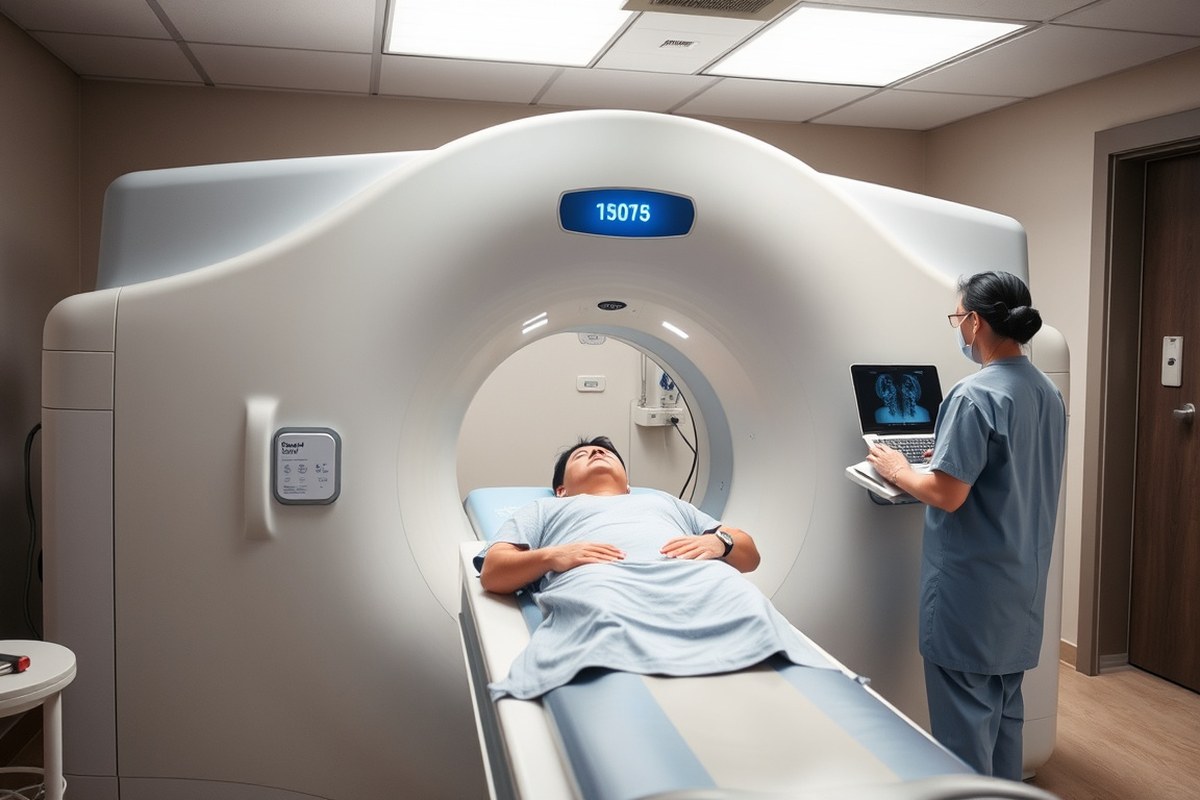
During a CT scan, a machine emits carefully measured beams of X-ray radiation that pass through your body from multiple angles. A computer collects the data from these beams, constructing detailed cross-sectional images of the area being examined. This process involves external radiation passing through and interacting with your tissues temporarily but does not implant any radioactive material or energy inside. Think of it as a flash of light that illuminates but does not stay behind.
You don’t have to worry about removing radiation after a CT scan since your body doesn’t hold onto any radiation after the procedure. The exposure only happens during the scan itself, and it doesn’t make you radioactive or a risk to others afterward. Radiation concerns generally focus on the total exposure from multiple scans over time, not leftover radiation from a single CT.
A simple way to remember this is that ionizing radiation like X-rays is similar to sunlight or a camera flash, it affects you during exposure but does not cling or accumulate inside your body. Unlike radioactive substances that might require special handling, CT scan radiation does not contaminate your body or surroundings. This fact debunks common myths that you might need special treatments or measures to “detox” after a scan.
The amount of radiation in a CT scan is carefully controlled to be as low as possible while still providing high-quality images. For example, a pediatric abdominal CT scan might expose you to a dose comparable to about 20 months’ worth of natural background radiation. Medical professionals constantly balance the benefits of accurate imaging with minimizing any unnecessary exposure. Because the radiation from CT scans does not stay in your body, the focus stays on limiting the number and dose of scans rather than trying to remove radiation afterward.
Radiation safety for CT scans focuses on protecting patients during the procedure and avoiding unnecessary repeats. If you have concerns about radiation, discussing the need for the scan and possible alternatives with your healthcare provider is the best course of action. After the scan, there is nothing special you need to do to remove or reduce radiation because your body no longer carries it.
How Much Radiation Does a Typical CT Scan Deliver?
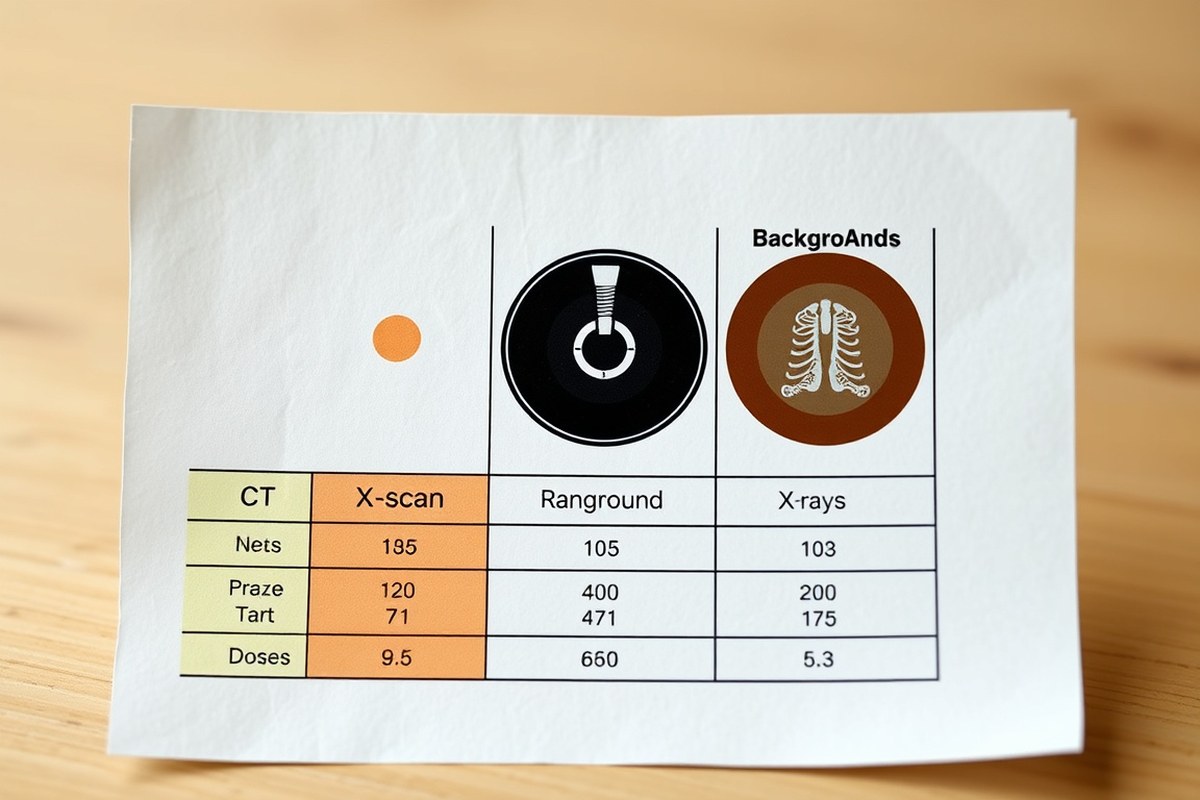
Radiation amounts from CT scans can vary based on the scan type and the body area examined. On average, a CT scan delivers radiation similar to what you’d receive from natural background sources over several years. For instance, a typical abdominal CT without contrast usually exposes you to 5 to 8 millisieverts (mSv), which matches about three years’ worth of natural environmental radiation. The typical American gets about 3 mSv annually from sources like cosmic rays and the earth.
Different CT scans use different doses because they require varying levels of detail. Chest CT scans expose you to roughly 6.6 mSv, while a head CT scan involves about 2 mSv. These doses are much higher than those from standard X-rays. For instance, a chest X-ray usually exposes you to about 0.014 mSv, which is just a tiny fraction of a CT scan. This difference matters because higher radiation doses can carry increased risks and why doctors adjust the CT scanner’s settings to your size and the scanned area to keep doses as low as possible.
| Imaging Procedure | Average Effective Dose (mSv) | Range Reported (mSv) |
|---|---|---|
| Bone Density Test | 0.001 | 0.00, 0.035 |
| Chest X-ray | 0.1 | 0.05, 0.24 |
| Abdominal X-ray | 0.7 | 0.04, 1.1 |
| Head CT Scan | 2 | 0.9, 4 |
| Chest CT Scan | 6.6 (approx.) | , |
| Abdominal CT Scan (no contrast) | 5, 8 | , |
The difference between CT scans and other imaging methods lies in their purpose and detail level. CT scans generate highly detailed images to diagnose complex conditions but at the cost of higher radiation. Simpler imaging techniques like X-rays or bone density tests expose you to much less radiation. Your medical history and condition guide your doctor in recommending appropriate imaging while trying to minimize your radiation exposure.
Always share your full medical history before a CT scan so your doctor can tailor the radiation dose to your needs or suggest lower-radiation alternatives when possible.
What Are the Actual Health Risks from CT Scan Radiation?
The radiation from a single CT scan poses a very small but real risk of increasing your chance of developing cancer later in life. Repeated scans add to this risk, and your overall exposure depends on factors like your age, health condition, and why the scans are done. Monitoring how often you get CT scans and discussing risks with your doctor can help balance the benefits of diagnosis with minimizing radiation exposure.
Types of Radiation Exposure in CT Scans
CT scans expose you to ionizing radiation, which uses X-rays to create detailed images of the inside of the body. This radiation ionizes atoms in your cells, which can cause DNA damage that might lead to mutations. Unlike radioactive material inside your body, this radiation does not linger after the scan; it passes through your body during imaging.
The typical radiation dose for a CT scan varies but generally ranges from about 2 to 10 millisieverts (mSv). This is significantly higher than a regular chest X-ray but still considered low-dose compared to harmful radiation levels from nuclear accidents or certain industrial sources. This exposure must be justified by clinical need since the scan inherently carries some radiation risk.
Potential Cancer Risks Linked to CT Radiation
The estimated lifetime risk of cancer from a 10 mSv dose of radiation, the upper range of some CT scans, is about 0.05%, or 1 in 20,000 people, according to health research. For an average CT scan, the risk of developing cancer due to radiation is possibly less than 0.05%, which means fewer than 1 in 2,000 might be affected.
This small risk exists because radiation can damage DNA, sometimes causing mutations that may lead to cancer over time. However, cancer linked directly to a single CT scan is very rare. Medical experts weigh these small risks against the benefits of accurate diagnosis that CT scans provide, which can more effectively guide treatment and improve outcomes.
Cumulative Radiation Effects over Time
Repeated exposure to radiation from multiple CT scans adds up, increasing your cumulative dose and corresponding cancer risk. The more scans you undergo, the more your DNA accumulates damage that your body might not fully repair. Studies track this by estimating cumulative lifetime exposure and link higher totals to a small but increased chance of secondary cancers.
The exact number of safe scans varies by individual, depending on clinical context and health status. Doctors often follow guidelines to limit unnecessary scans. A decision flowchart used by clinicians can help decide when additional scans are warranted: for example, scanning once to diagnose and then only repeating if symptoms change or treatment progress must be monitored.
Individual Risk Factors Influencing Radiation Impact
Age is a significant factor: younger patients, especially children, are more sensitive to radiation because their cells divide more rapidly and they have more years ahead for potential damage to develop into cancer. Older adults have a lower risk from the same dose of radiation, as their remaining lifetime risk is shorter.
Your overall health and genetic predisposition also influence how radiation affects you. People with certain genetic disorders that impair DNA repair might be at higher risk. Doctors consider this when recommending scans, opting for alternatives or protective measures when possible.
Non-Cancer Health Concerns from Radiation
Aside from the small cancer risk, adverse effects from CT scan radiation are rare. High doses of radiation can cause tissue damage, but CT scans use doses far below these levels. Short-term side effects related directly to radiation exposure from CT scans are not common under standard clinical practice.
Some worry about radiation triggering other health issues, but such conditions have not been clearly linked to typical diagnostic CT radiation levels. Following recommended scan protocols and limiting exposure remains the best way to address any potential harm.
Safe Practices to Minimize Radiation Effects After a CT Scan
After a CT scan, your body continues natural processes to repair any cellular stress caused by radiation exposure. While the radiation itself does not linger in your tissues, supporting your body’s recovery through hydration, balanced nutrition, and rest helps reduce oxidative stress and promotes healing. Focusing on these healthy habits is the safest and most effective way to help your body handle the scan’s low-level radiation without attempting ineffective “detox” measures.
Hydration is critical because fluids help maintain cellular function and support the removal of metabolic waste. Drinking plenty of water flushes your system and keeps your organs functioning optimally. Eating antioxidant-rich foods supplies your body with compounds that neutralize free radicals, which radiation can increase. Getting quality sleep allows your cells to repair DNA damage and restore balance. Avoiding excessive alcohol, smoking, and unnecessary stress supports these recovery processes. Follow these practical steps after your CT scan to support your body’s recovery safely and effectively:
- Drink at least 8 to 10 cups (64 to 80 ounces) of water daily for the first 48 hours. Hydration helps flush waste generated by radiation exposure and keeps your kidneys functioning well. Adjust fluid intake higher if you live in a hot climate or are physically active.
- Include antioxidant-rich foods in your meals, such as berries (blueberries, strawberries), leafy greens (spinach, kale), nuts (walnuts, almonds), and colorful vegetables (carrots, bell peppers). These foods provide vitamins C and E, selenium, and flavonoids that support cellular repair.
- Prioritize 7 to 9 hours of quality sleep each night for at least two days after the scan. Deep sleep improve DNA repair mechanisms and overall immune function.
- Limit caffeine and alcohol intake for 24 to 48 hours as they can dehydrate you and interfere with restorative sleep and cellular repair.
- Avoid smoking and exposure to secondhand smoke to reduce added oxidative stress on your body.
- Engage in light physical activity such as walking to promote circulation without causing additional fatigue. Avoid intense exercise for 24 hours post-scan to allow your body to focus resources on recovery.
- Manage stress through relaxation techniques like deep breathing or meditation, which support your body’s natural healing pathways and reduce inflammation.
These steps take minimal effort and cost but help your body respond optimally after radiation exposure from a CT scan. If you have particular health concerns or conditions, discuss with your provider how best to support recovery based on your individual situation.
How Antioxidants and Supplements Can Support Radiation Repair
Certain antioxidants and supplements may help your body repair the oxidative damage caused by radiation from a CT scan. Although no supplement can remove radiation itself because no radioactive material remains after the scan, these nutrients support cellular repair and reduce the effects of free radicals produced by radiation exposure.
Top Antioxidant Nutrients for Radiation Support
Antioxidants counteract free radicals generated by radiation, which can damage your DNA and cells. Key antioxidant nutrients associated with improved repair of radiation damage include vitamins C and E, selenium, and polyphenols found in fruits and vegetables. These nutrients help reduce oxidative stress and support DNA repair mechanisms.
Foods rich in these antioxidants provide a natural way to boost your body’s defenses. Examples include citrus fruits and berries for vitamin C, nuts and seeds for vitamin E, Brazil nuts for selenium, and green tea or dark chocolate for polyphenols. Maintaining a diet abundant in these compounds optimizes your body’s natural healing after radiation exposure.
Effective Supplement Dosages Based on Studies
Studies involving animals exposed to radiation showed that supplementing with antioxidant combinations helped maintain total plasma antioxidant status and reduced cellular damage. While human-specific dosage trials are limited, the following daily dosages align with general antioxidant supplementation for supporting cellular health:
- Vitamin C: 500 to 1,000 mg
- Vitamin E (mixed tocopherols): 100 to 400 IU
- Selenium: 55 to 100 mcg
- Curcumin (from turmeric): 500 to 1,000 mg
- Green tea extract (EGCG): 250 to 500 mg
Taking a combination of these supplements can offer synergistic effects against oxidative stress. Avoid megadoses beyond these ranges without medical supervision, as excessive intake can sometimes interfere with natural cellular processes.
Consult your healthcare provider before starting supplements to ensure safety and appropriateness for your situation.
Best Timing for Antioxidant Intake Around Scans
The timing of antioxidant intake influences their effectiveness in mitigating radiation damage. Evidence suggests consuming antioxidants before a CT scan can prepare your body by neutralizing free radicals generated during exposure. Continuing supplementation for about one to two weeks after the scan may support ongoing repair processes in your cells.
Ideally, start antioxidant-rich foods and supplements at least 24 hours before your CT scan and maintain consistent intake for several days afterward. This approach helps reduce oxidative stress and supports DNA repair during critical phases of the cell cycle.
Staying well-hydrated alongside antioxidant intake further aids your body’s natural processes. Drinking 8 to 10 cups of water daily helps maintain optimal cellular function but does not remove radiation itself.
What Happens to Contrast Dye After a CT Scan Compared to Radiation?
Contrast dye used in CT scans is not radioactive and does not expose you to radiation. Unlike the ionizing radiation you experience during the scan, contrast materials are chemical substances that help improve the image quality by highlighting blood vessels or organs. After the scan, your body clears the contrast dye through the kidneys, usually within 24 hours. This clearance process is entirely different from radiation exposure because no radioactive particles remain inside your body.
The radiation you receive during a CT scan is an external exposure that ends when the scan stops. The ionizing radiation passes through your body to create images, but it does not leave any radiation behind. Therefore, there is nothing for your body to eliminate after the scan. In contrast, the contrast agent stays inside your body temporarily and is gradually flushed out in your urine. For most people, the contrast dye fully leaves the system within one day, depending on kidney function. When your kidneys work well, the dye clears faster; when kidney problems exist, it might take longer and require your doctor’s attention.
Understanding these differences matters because some people confuse the two and worry about “radiation” staying in the body like the contrast material. Radiation exposure is immediate and transient, unlike the physical substance of the contrast agent that must be processed. You cannot accelerate the removal of radiation from your body, but you can help your body eliminate contrast dye by staying hydrated after the scan. Drinking plenty of fluids helps your kidneys filter out the contrast dye more efficiently, reducing the time it remains in your system and minimizing any potential side effects like mild dehydration or kidney irritation.
Contrast dye is typically iodine-based, and your healthcare provider screens for allergies or kidney issues before administering it. Make sure to inform your provider about any specific health concerns, especially if you have diabetes, kidney disease, or are taking medications that affect kidney function. Your provider may order blood tests to check kidney health before and after the scan to ensure the dye is safely cleared. Contrast dye can cause side effects in rare patients, but these are unrelated to radiation and usually resolve quickly once the dye has cleared.
To summarize, contrast dye and radiation exposure are two separate aspects of CT scans with distinct timelines in the body. Radiation does not remain after your scan, while the contrast dye lingers briefly until filtered out by your kidneys. Keeping hydrated supports faster clearance of the contrast agent but has no effect on radiation, which cannot be “removed” because it is not stored inside the body after imaging.
Common Myths and Misconceptions About Radiation Detox After CT Scans
CT scan radiation does not linger in your body like a toxin or contaminant that needs to be flushed out. The energy from the scan passes through your tissues and does not leave residual radiation behind. Detox diets, supplements, and special treatments marketed to remove radiation after a CT scan do not have any scientific basis or effectiveness.
Some people worry that radiation accumulates in the body with each imaging test, but the type of radiation exposure in a CT scan does not behave like contamination. It does not build up or remain inside your body over time. The exposure is brief and the effects depend on the dose received, not ongoing accumulation of radiation particles.
Drinking water is often suggested as a way to “flush out” radiation. While water does not literally remove radiation from your body, staying hydrated is important. Water supports your body’s natural repair processes and helps eliminate metabolic waste after exposure to the radiation used in CT scans. Aim for at least 8 to 10 glasses of water a day to support these functions.
- Radiation energy passes through, leaves no residue in the body
- No scientific evidence supports detox diets or supplements for radiation clearance
- Radiation from CT scans does not accumulate in the body over time
- Drinking water supports natural repair but does not “flush” radiation
- Healthy lifestyle supports recovery; avoid excessive supplements marketed as radiation detox
Believing that detox routines or products can remove radiation may lead to unnecessary expenses or delay following expert medical advice. Instead, focus on hydration, nutrition, and rest to help your body recover naturally. If you are considering supplements or other treatments, consult your healthcare provider to avoid interactions or side effects.
When to Seek Medical Advice After Radiation Exposure from CT Scans
Medical advice should be sought if you experience unusual symptoms following a CT scan involving radiation, or if you have had multiple scans that increase your cumulative exposure. These steps help ensure early detection of any issues related to radiation and manage ongoing risks effectively.
Signs and Symptoms Warranting Medical Attention
Most individuals do not experience immediate symptoms from radiation exposure during a CT scan. However, if you notice unexplained redness, swelling, or blistering of the skin in the scanned area within days to weeks, consult your healthcare provider. Persistent fatigue, unexplained nausea, or other unusual symptoms that develop after multiple scans may also warrant evaluation. These symptoms are uncommon but can signal an adverse reaction that needs professional assessment.
Radiation from CT scans doesn’t usually cause acute symptoms like those from radiation sickness, which requires higher doses than diagnostic imaging provides. Still, if you feel anxious or uncertain about your symptoms, your doctor can help rule out other causes or provide reassurance based on your scan history and overall health.
Managing Cumulative Radiation Exposure
Repeated CT scans can increase your lifetime cumulative radiation dose, raising health risks incrementally. Studies indicate that patients receiving more than five scans face higher statistical risks, with some cases showing increased cancer risks between 2.7% and 12%. Because of this, your healthcare team should carefully justify each scan, balancing the diagnostic benefits against radiation exposure. You have the right to discuss alternative imaging methods that do not involve radiation, such as MRI or ultrasound, when appropriate.
It is important to maintain records of all your imaging procedures, including dates, types, and doses, to help your providers assess cumulative exposure during follow-up visits. If you require multiple scans over time, ask your doctor about spacing them out and whether lower-dose protocols can be used based on your condition.
Questions to Ask Your Doctor Post-Scan
Prepare for your medical consultation with questions that address your concerns directly. For example, ask: “What was the radiation dose I received in this scan?” or “Are there lower-radiation alternatives for future imaging?” Another useful question is: “How does my medical condition affect the safety of repeated scans?” This encourages your provider to explain the risk-benefit balance tailored to your case.
You can use a simple script like this in a conversation: “Can you tell me the radiation exposure from this CT scan and if it affects my future imaging options? Also, how will you monitor my cumulative radiation if I need multiple scans?” Clear communication empowers you to participate actively in decisions about your care and radiation exposure.
Keep a detailed record of every imaging test with radiation to help your healthcare providers track your cumulative exposure accurately.
Step-by-Step Action Plan to Manage Radiation After Your CT Scan
Radiation from a CT scan does not stay in your body, but supporting your health afterward can help your natural repair processes. Follow these steps to minimize any potential effects and feel confident in your recovery.
- Immediately after your CT scan: Drink plenty of water to help your body flush out any contrast dye used. You’ll know it worked if you notice increased urination over the next few hours.
- Day 1 to Day 3: Focus on a balanced diet with foods rich in antioxidants, such as berries, leafy greens, and nuts. This supports your cells against oxidative stress. You should feel generally well without new symptoms.
- Week 1: Avoid unnecessary additional radiation exposure, such as skipping X-rays unless medically urgent. Avoiding further scans or imaging lowers your cumulative radiation risk.
- Week 1 to Week 2: Consider discussing with your healthcare provider about supplements like vitamin C or E if you want additional antioxidant support. Only add supplements after consulting a professional, and check for any side effects or improvements in overall energy.
- After 2 weeks: Assess how you feel physically; most mild radiation effects resolve quickly. Unusual fatigue, skin changes, or other symptoms should prompt you to contact your doctor for personalized advice.
- Ongoing: Maintain a healthy lifestyle with regular hydration, balanced nutrition, and avoiding smoking or toxins that increase oxidative stress. This ongoing care promotes your body’s natural repair mechanisms.
Frequently Asked Questions
How Risky Is the Radiation from a CT Scan?
The radiation risk from a CT scan is low because doses are controlled and kept small. Doctors use careful settings to minimize your exposure based on your body and the scanned area.
How Long Does Dye Stay in Your Body After a CT Scan?
Contrast dye used in CT scans usually leaves your body within 24 hours, mainly through your kidneys. Drinking plenty of water helps flush it out faster.
Is 3 CT Scans in 2 Years Bad?
Three CT scans in two years can increase cumulative radiation exposure, but risks remain low if scans are medically necessary. Discuss any concerns with your doctor.
Is There Anything You Shouldn’t Do After a CT Scan?
You can resume normal activities normally; no special restrictions are needed after a CT scan. Follow any specific advice if contrast dye was used.
Can Drinking Water Help Reduce Radiation Effects After a CT Scan?
Drinking water does not remove radiation since no radiation stays in your body after a scan, but it helps flush out contrast dye if used.
Are Antioxidants Effective After a CT Scan to Repair Radiation Damage?
Antioxidants may help reduce DNA damage if taken before a CT scan, but taking them afterward has limited proven benefits. Consult your doctor before starting supplements.
Wrapping Up
Radiation from a CT scan does not stay in your body, it’s the energy absorbed by your tissues at the time of the scan, not a lingering substance. You can focus on healthy habits like staying hydrated and eating antioxidant-rich foods to support your body’s natural repair processes. Today, make a simple step by drinking plenty of water, which helps your body recover and flush out any contrast dye used during your scan.