How to Get Rid of Hickeys Fast: 8 Proven Methods That Work
Getting rid of hickeys quickly involves a combination of immediate care and effective remedies. Cold compresses can reduce swelling and discoloration right after the hickey appears, while warm compresses and gentle massage after 48 hours help increase blood flow and speed healing. Topical creams, home remedies, and makeup offer additional options to reduce visibility and aid recovery. There’s no instant fix, but following proven steps can significantly shorten a hickey’s lifespan.
This information is for anyone who wants to learn how to get rid of hickeys, whether you’re in a new relationship or just want to clear up your skin fast. You’ll find clear, safe methods backed by practical advice, plus tips on what to avoid to prevent making the mark worse.
Key Takeaways
- A hickey is a bruise caused by broken blood vessels due to suction on the skin, resulting in discoloration and swelling.
- Hickeys usually last between 3 days and 2 weeks, fading from dark red to light yellow before disappearing completely.
- During the first two days after getting a hickey, use a cold compress wrapped in a cloth for 10 to 15 minutes several times daily to help reduce swelling and bruising.
- After 48 hours, use a warm damp cloth and gentle massage to help disperse clotted blood and speed healing.
- Topical creams and home remedies have limited effects; no method can erase a hickey overnight or within minutes.
- Laser treatments like the Lutronic Ultra can break up pigmentation within 12 hours to visibly reduce hickey appearance.
1. What Is a Hickey and How Does It Form?
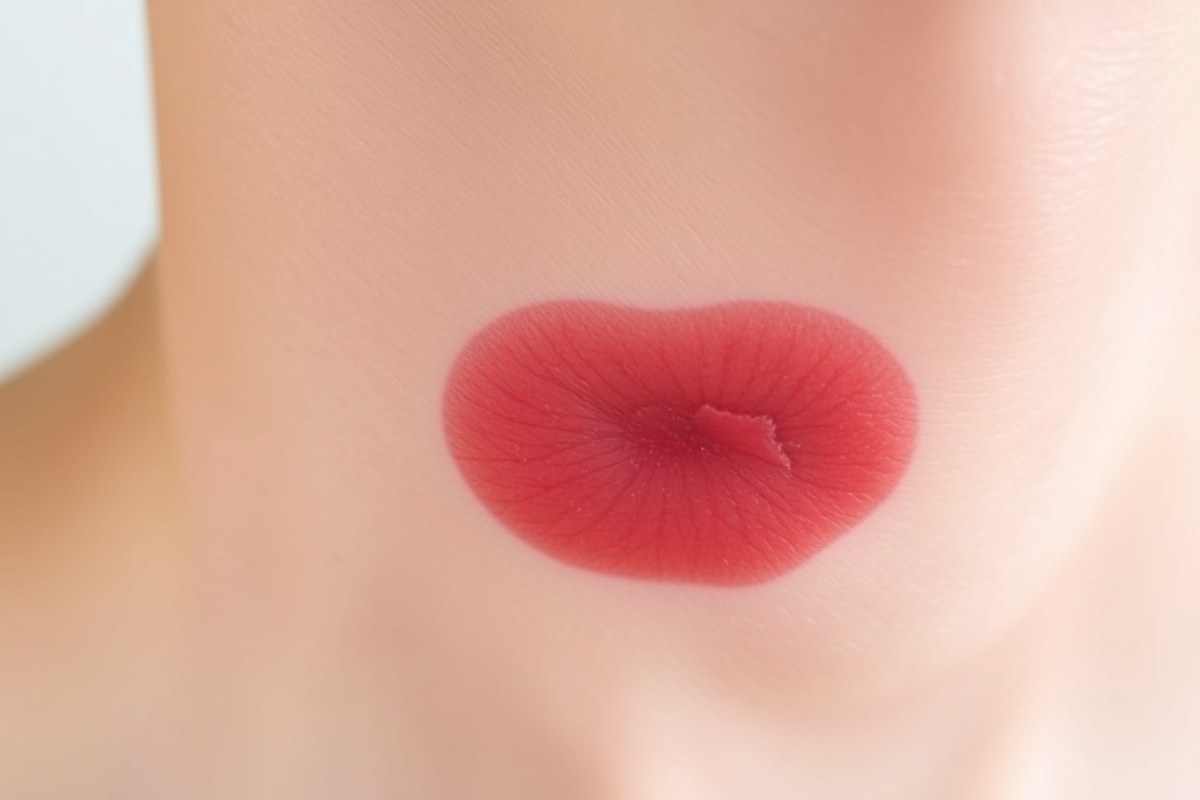
A hickey is a type of bruise formed when small blood vessels, called capillaries, break under the skin due to intense suction or biting. This pressure causes blood to leak out of these vessels and pool just beneath the skin’s surface. The trapped blood creates the familiar reddish or purplish mark known as a hickey or love bite.
Skin in areas where hickeys usually appear tends to be thinner with many tiny blood vessels close to the surface. When someone sucks hard enough on these spots, the capillaries rupture, allowing blood to escape into the surrounding tissue. This is the same basic process that causes regular bruises on other parts of your body after bumps or impacts.
The discoloration you see is the result of blood trapped below the skin, which initially appears red or purple because fresh blood contains oxygen-rich hemoglobin. As your body begins to break down and reabsorb this blood, the hickey changes colors, often to blue, green, or yellow, before fading away completely. This natural healing process takes several days to over a week, depending on factors like the size of the hickey and your body’s rate of healing.
Understanding that a hickey is essentially a bruise is important because it shows why no method can erase it instantly. Blood needs time to clear away once the vessels are broken. The first step to helping speed up healing involves reducing swelling and preventing more blood from leaking out by applying a cold compress soon after the hickey forms. Later, improving blood flow helps the body absorb the blood faster.
Pressure strong enough to rupture capillaries under the skin usually comes from hard suction, but light biting can also cause this damage if it breaks the vessels. Since hickeys are not surface skin injuries, but rather damage beneath the skin, treatments work by managing inflammation and circulation rather than just addressing surface marks.
In summary, a hickey results from broken tiny blood vessels caused by prolonged suction or biting, leading to a bruise beneath the skin that changes color before disappearing. Recognizing this helps explain why it takes days or longer for a hickey to heal naturally and why early care aims to limit blood pooling and swelling to reduce visible discoloration.
2. How Long Do Hickeys Usually Last and What to Expect

Hickeys typically last between 5 and 12 days before they fade completely, though some bruises might take up to two weeks to heal fully. The healing process follows a predictable timeline based on the breakdown of blood trapped under the skin. Initially, the spot appears red or pinkish during the first one to two days, sometimes slightly raised. This early stage reflects fresh blood leaking from broken capillaries.
After that, from around days two to five, the hickey darkens to shades of purple, blue, or dark red. This is when the blood under your skin begins to pool and clot, causing the more intense coloration people commonly associate with hickeys. The depth of color usually indicates how much blood has leaked. Darker, deeper-purple marks suggest a more significant injury beneath the skin.
Between days five and ten, you can expect the bruise to shift to green or yellow tones. This color change happens because your body breaks down hemoglobin in the blood into other pigments that cause these greenish or yellowish hues. Finally, as the bruise nears the end of its healing, between days ten and fourteen, it lightens further to a pale yellow or brown before fading back to your normal skin tone. This progression reflects the gradual clearing away of the trapped blood and the repair of the damaged tissue.
The time it takes for a hickey to heal can also vary depending on factors like your skin type and the location of the mark. For example, people who use blood-thinning medications or have thinner skin due to aging often experience darker bruises that linger longer. Areas of the body with thinner or more sensitive skin may show more pronounced coloration and take extra time to recover, while thicker-skinned locations might heal a bit quicker. Your overall health, circulation, and how well you care for the bruise also impact healing speed.
Knowing this timeline matters because it sets realistic expectations. Many popular remedies aim to speed up healing or fade the mark faster, but no method will make a hickey disappear instantly. A cold compress applied within the first day or two can reduce blood flow and swelling, while warm compresses later can promote circulation to help clear away the bruise. However, patience is essential since the body typically handles this process naturally over about one to two weeks.
To lessen how bad a hickey looks and how long it lasts, place an ice pack covered with cloth on the spot for around 15 minutes multiple times a day for the first 48 hours.
3. Immediate Aftercare: When and How to Use Cold Compresses
Applying a cold compress within the first 24 to 48 hours of getting a hickey is the best way to reduce swelling and limit the size of the bruise. Although a cold compress won’t make the hickey disappear overnight, it helps control inflammation and prevents more blood from leaking under the skin. Using an ice pack or cold cloth for 10 to 15 minutes every hour or every few hours during this early stage boosts the healing process.
Why Cold Works First
A hickey is a bruise caused by broken blood vessels under the skin. Applying cold compresses quickly after the injury slows blood flow to the area, reducing swelling and further blood leakage. This limits the size of the bruise and helps keep the mark from getting worse. According to healthcare advice, cold treatments within the first 12 hours can even clear a bruise earlier than usual. Cold also numbs the area, reducing tenderness and discomfort during those first painful hours.
Cold compresses work best right after the hickey forms because they help constrict the tiny blood vessels that have burst. Without cold treatment, blood can spread farther under the skin, making the hickey larger and more noticeable. Limiting this spread improves the speed of healing and lessens how dark the mark gets in the next few days.
How to Safely Apply Ice
Using ice or a cold pack safely is important to avoid damaging your skin further. Never apply ice directly onto the skin without a protective barrier. Instead, wrap an ice pack or a few ice cubes in a clean cloth or use a cloth soaked in cold water. You can also use a cold metal spoon, chilled in the freezer, pressed gently on the skin if you have no ice pack handy.
Cold treatment should be gentle. Press lightly and keep it moving slightly to avoid frostbite or skin irritation. If you feel any increased pain, numbness, or pinching sensations, remove the ice immediately. The goal is to cool the skin to reduce blood flow, not to freeze or harm the area. Here’s a simple checklist to apply a cold compress safely:
- Gather a cold pack, ice cubes wrapped in a cloth, or a chilled metal spoon.
- Wrap the cold object in a thin cloth to protect your skin.
- Hold it gently on the hickey without pressing hard.
- Apply for 10 to 15 minutes each time.
- Remove the compress and let your skin rest for about 10 to 15 minutes.
- Repeat the cycle every hour or every few hours as needed.
- Stop if your skin becomes redder or painful.
Cold Compress Timing and Frequency
For best results, apply a cold compress as soon as you notice the hickey, ideally within the first hour but no later than 24 to 48 hours after it appears. The UK’s National Health Service recommends using a covered ice pack or cold cloth for 10 to 15 minutes at a time. Then, give the skin an equal break before reapplying. This pattern can continue every hour or every few hours depending on your comfort level, up to about 48 hours after the injury.
The total treatment duration per session is typically 10 to 15 minutes to avoid skin damage. You can repeat the cycles throughout the day, aiming for at least 4 to 5 applications. After 48 hours, switching to warm compresses becomes more effective to promote blood flow and speed healing.
Applying a cold compress won’t erase a hickey overnight. It can reduce its size and discomfort while helping the bruise fade faster over several days. Persistent or very dark hickeys might benefit from other treatments like topical creams or, in some cases, medical options that your doctor can discuss.
4. Switching to Warm Compresses and Gentle Massage After 48 Hours
Start using warm compresses about 48 hours after getting a hickey. Heat helps increase blood flow to the area, which encourages your body to clear away the trapped blood causing the discoloration. Gentle massage combined with warmth can safely disperse blood clots without worsening the bruise.
Benefits of Warm Compresses
Warm compresses dilate blood vessels, promoting better circulation around the hickey. This improved blood flow helps your body break down and absorb the clotted blood beneath the skin, reducing the visible purple or red mark faster. Heat also relaxes the area and reduces stiffness.
Switching to warmth after two days complements the initial cold treatment by preventing blood vessels from remaining constricted, which then allows your body to clean up the pooled blood more efficiently. Using a warm compress several times a day can ease discomfort and support healing.
Timing for Heat Application
Using heat too soon can cause more blood vessels to leak and worsen the hickey. For the first 48 hours, cold compresses are better to minimize swelling and slow blood flow. After this, start applying a warm compress for 10 to 15 minutes, 2 to 3 times daily.
Make a warm compress by soaking a clean cloth in water heated to around 104 to 113°F (40 to 45°C). Wring out excess water so it’s damp but not dripping. Always test the temperature on your wrist to avoid burns. Applying warmth past the 48-hour mark helps your skin recover by accelerating blood circulation in the affected area.
How to Massage Gently and Safely
Once warmth is applied, gentle massage can help break up the blood that has pooled under your skin. Avoid hard or aggressive rubbing that might irritate the skin or worsen bruising. Instead, use light pressure and small circular motions starting from the center of the hickey moving outward.
Safe massage encourages lymphatic drainage, which assists in dispersing blood cells trapped beneath the surface. Do not massage if the skin feels too tender or swollen. If you notice pain or worsening redness, stop immediately and give the skin more time to heal. Here are simple steps to follow for effective warm compress and massage treatment:
- Heat clean water to about 104, 113°F (40, 45°C), then soak a soft cloth in it.
- Wring the cloth so it is damp but not dripping.
- Apply the warm cloth gently to the hickey for 10 to 15 minutes.
- Repeat this process 2 to 3 times daily to improve blood flow.
- After each warm compress, use your fingertips to massage the area softly in small circles.
- Start massaging from the center of the bruise and work outward toward the unaffected skin.
- Keep massage pressure light enough to avoid pain or increased redness.
- Stop massaging if discomfort occurs and resume later or skip until the skin feels better.
5. Topical Creams and Popular Home Remedies Compared
Different creams and home remedies have mixed effectiveness in reducing hickey visibility. Products with arnica, vitamin K, aloe vera, or vitamin C are often suggested since they assist healing in various ways. Arnica can speed up bruise healing by decreasing swelling and improving blood flow. Vitamin K supports blood clotting and might help fade bruises, although scientific evidence for hickeys is limited. Aloe vera can soothe skin and reduce inflammation, easing any pain. Vitamin C promotes skin repair, potentially helping the skin heal faster if applied regularly.
Some popular home remedies, like rubbing a banana peel on the skin or applying bromelain enzyme (found in pineapple), seem harmless and might feel soothing, but their effectiveness is not well documented. Using toothpaste on a hickey is common on social media but should be avoided because it can irritate sensitive skin, causing redness and even worsening the mark.
| Remedy | How it Works | Application | Effectiveness | Safety |
|---|---|---|---|---|
| Arnica Cream | Reduces swelling, aids bruise healing | Apply 2-3 times daily, gently massage | Moderate, speeds fading | Safe for most skin types |
| Vitamin K Cream | Promotes blood clotting, reduces bruising | Apply twice daily to affected area | Moderate, effects vary | Generally safe, check for allergies |
| Aloe Vera Gel | Soothes inflammation, reduces discomfort | Apply 2-3 times daily, no rubbing needed | Mild, supportive care | Very safe, suitable for sensitive skin |
| Vitamin C Cream | Supports skin repair and collagen | Apply once or twice daily | Moderate, best with consistent use | Safe, but patch test recommended |
| Banana Peel | Moisturizes, possible mild antioxidants | Rub peel on skin up to 30 minutes | Unproven, anecdotal only | Safe, but sticky and inconvenient |
| Bromelain Enzyme | May reduce swelling, mild anti-inflammatory | Consume pineapple or supplements | No direct evidence for hickeys | Safe in food amounts, supplements need caution |
| Toothpaste | Claimed to dry or fade bruising | Apply and rub on hickey briefly | Ineffective, may irritate skin | Not recommended, risk of skin damage |
Using arnica or vitamin K creams regularly and gently massaging the hickey can promote blood reabsorption and reduce swelling over several days. Aloe vera works well to ease pain or itching but won’t erase the hickey alone. Banana peel treatment is a harmless home trick but lacks scientific support, so expect no quick results. Never use toothpaste due to the risk of causing more redness and irritation in a sensitive area.
Always test a small skin patch before applying any cream to avoid allergic reactions, especially with vitamin K or vitamin C products.
6. Professional Treatments: Laser Therapy and Medical Options
Professional treatments like laser therapy can help reduce the appearance of hickeys faster than natural fading. These options are not widely used for small bruises like hickeys but may be available in some dermatology or cosmetic clinics. Their effectiveness depends on the severity and age of the hickey, and they usually come with higher costs and require consideration of safety factors.
How Laser Therapy Works
Laser therapy targets the broken blood vessels under the skin that cause a hickey’s discoloration. The laser emits short pulses of light that break down the blood cells, speeding up the body’s natural healing process. This treatment is similar to what’s used for spider veins or bruises, and it can reduce redness and purple tones within days to a week. The procedure typically takes about 15 to 30 minutes and may require multiple sessions depending on the size and depth of the hickey.
Because laser therapy works by accelerating the breakdown of blood cells and stimulating collagen production, it’s most effective when the hickey is a few days old but not completely healed yet. Early treatment can shorten recovery time compared to no intervention. However, laser treatment will not make a hickey disappear instantly, and results can vary based on skin type and individual healing.
Cost and Accessibility
Laser treatment for hickeys is not commonly covered by insurance because it is considered a cosmetic issue rather than a medical necessity. Prices for a single session can range from $150 to $400 or more, depending on the clinic’s location and reputation. Multiple sessions may be recommended, which adds to the total cost. Availability also varies; larger cities with dermatology or cosmetic surgery offices are more likely to offer this service, while smaller towns may not have this option.
More affordable alternatives include topical creams with vitamin K or arnica, but these tend to work more slowly. Laser therapy may appeal if you want faster results and don’t mind paying for professional care. Always research the clinic’s experience and ensure the procedure is performed by a licensed medical professional to reduce risks.
Medical Advice and When to Seek Help
You should see a doctor if a hickey does not improve after two weeks, shows signs of infection like excessive pain, swelling, or pus, or if the bruise appears without a clear cause. A professional can assess for underlying issues such as blood clotting disorders or other skin conditions, which require different treatments. If the appearance of the hickey causes significant distress, a dermatologist can discuss laser therapy or other medical options.
Consult your healthcare provider before deciding on laser therapy, especially if you have sensitive skin, bleeding disorders, or take medications that affect blood clotting. A licensed professional will provide a full assessment, recommend safe treatments, and explain potential risks such as skin discoloration or scarring. Following medical advice is essential to avoid complications from unregulated or DIY attempts to erase hickeys.
7. How to Quickly Hide a Hickey with Makeup and Clothing
To quickly hide a hickey with makeup, use thick, highly pigmented concealers because they are effective for covering tattoos and can similarly conceal the discoloration. Starting with a green-tinted concealer neutralizes red or purple tones, then applying a foundation that matches your skin tone blends everything smoothly. If makeup isn’t an option, wearing scarves, turtlenecks, or shirts with high collars can cover the mark, especially in cooler weather.
In social or work settings, balance is key. Wearing makeup to conceal a hickey allows you to maintain your usual style and blend the coverage naturally into your skin. For settings where makeup may be inappropriate or inconvenient, opt for clothing accessories that don’t call attention to the area. For example, a lightweight scarf can be a stylish and discreet solution in many environments.
- Clean the area: Start by gently washing the skin with a mild cleanser to remove oils and dirt. Pat dry to create a smooth base for makeup application.
- Apply a green concealer: Use a sponge or fingertip to dab a small amount of green-tinted concealer over the hickey. The green counteracts the red or purple tones of the bruise. Blend the edges carefully without wiping off coverage.
- Use a skin-tone foundation: After the green concealer sets, apply a foundation matching your skin color over it. Use a brush or sponge in a light patting motion to avoid disturbing the green layer.
- Blend thoroughly: Feather the foundation and concealer edges into surrounding skin for a natural look. Avoid layering too heavily, which can draw attention.
- Set with powder: Lightly dust translucent setting powder on the area to lock the makeup in place for several hours, reducing smudging or fading.
- Choose clothing strategically: If makeup coverage is insufficient or you want extra concealment, wear clothing that covers the area fully. Collared shirts, scarves, turtlenecks, or higher-neck tops work well depending on the season and situation.
- Adapt to setting: For professional environments, keep makeup subtle and opt for neutral clothing colors. In social settings, you can experiment with bolder accessories or layering to draw attention away from the neck or chest.
Here’s a simple script to explain your use of a scarf in a casual or work setting: “I’m loving this scarf today, it’s my new cool-weather staple.” This approach keeps the focus away from the hickey and avoids uncomfortable questions.
8. Common Mistakes and Myths to Avoid When Treating Hickeys
Many common tips for treating hickeys are based on myths or carry risks that can do more harm than good. Toothpaste, for example, is often suggested as a quick fix because it creates a cooling sensation that might seem to reduce redness. In reality, toothpaste contains ingredients like menthol or fluoride that can irritate your skin, cause burns, or worsen inflammation. It is neither safe nor effective for healing hickeys and should be avoided.
Aggressive massage or vigorous rubbing is another frequent mistake. While gentle massage after 48 hours can help improve circulation and promote healing, pressing too hard or massaging the area too soon may increase bruising or damage delicate blood vessels. This can delay healing and intensify the discoloration.
Applying harmful substances such as alcohol, hydrogen peroxide, or ammonia-based cleaners directly on the hickey is dangerous. These can irritate the skin, cause chemical burns, or introduce infections. Stick to approved topical creams or gentle warm compresses after the initial cold treatment phase. Harsh chemicals disrupt the skin’s natural healing process and increase discomfort.
Hickeys are superficial bruises caused by broken capillaries under the skin and do not cause cancer or serious health complications. However, excessive sucking or aggressive biting can increase the risk of skin damage, swelling, or even infection if bacteria enter broken skin. Watch for signs of infection such as increased pain, warmth, pus, or fever and seek medical advice if they appear. Here is a brief guide to common myths versus facts about treating hickeys:
| Myth | Fact |
|---|---|
| Toothpaste speeds up healing | Toothpaste irritates skin and can cause burns; it does not heal bruises faster |
| Massaging aggressively reduces the hickey quickly | Gentle massage after 48 hours can help, but aggressive rubbing worsens bruising |
| Applying alcohol or harsh chemicals disinfects and heals hickeys | These substances irritate skin and delay healing; use mild creams or warm compresses instead |
| Hickeys can cause cancer or serious diseases | Hickeys are just bruises and do not cause cancer or long-term health risks |
Resist the urge to interfere too aggressively with the healing process. Keep the area clean, avoid picking or scratching, and protect it from direct sunlight while it fades. Over-the-counter arnica creams or vitamin K creams may help reduce bruising without harmful effects. Always follow product instructions precisely.
Never apply toothpaste or harsh chemicals to a hickey, and avoid pressing or rubbing the area forcefully to prevent making it worse.
Step-by-Step Action Plan to Get Rid of a Hickey
Follow these clear steps based on timing to reduce the appearance and encourage healing of your hickey as quickly as possible.
- Right after you notice the hickey: Apply a cold compress wrapped in a cloth to the area for 10 to 15 minutes every hour. This reduces swelling and early discoloration. You’ll know it’s working if the skin feels less tender and the redness starts to fade.
- Within the first 48 hours: Continue cold compresses but reduce frequency to 3 to 4 times a day. Avoid heat and rubbing to prevent worsening the bruise. Improvement shows as less pain and color beginning to lighten.
- After 48 hours: Switch to warm compresses for 10 to 20 minutes 3 to 4 times a day. Follow with gentle circular massage using your fingers to increase blood flow and speed healing. The bruise should soften and spread out, indicating progress.
- Days 3 to 7: Apply a topical cream containing arnica or vitamin K twice daily if you have one available. This supports healing and reduces discoloration. Look for fading colors and less swelling as signs the treatment helps.
- Throughout healing: Use makeup designed for bruises or green-tinted concealers to camouflage the hickey. Choose clothing that covers the area if you need quick concealment. Effective camouflage appears natural and covers the discoloration fully.
- If the hickey remains after 2 weeks: Consider professional options like laser therapy, especially if it affects your confidence or work appearance. Consult a licensed dermatologist to evaluate this option safely.
- Avoid common mistakes: Don’t try to prick or scrape the hickey, and avoid excessive rubbing or heat in the first 48 hours as these can worsen it. Sticking to these guidelines reduces risk of prolonged bruising or skin damage.
Frequently Asked Questions
How to Hide a Hickey in 2 Minutes?
Use a green-tinted concealer to neutralize redness, then apply foundation or a color-matching concealer. Add clothing that covers the area for quick concealment.
How Long Do Hickeys Go Away?
Hickeys usually fade within 5 to 12 days as the body reabsorbs the blood under the skin.
Can Ice Lighten a Hickey?
Applying ice wrapped in a cloth for 10-15 minutes during the first 48 hours helps reduce swelling and limits color intensity.
Will Toothpaste Remove a Hickey?
Toothpaste is not effective and may irritate your skin, so it’s best to avoid using it on hickeys.
Does Caffeine Help Speed Up Hickey Healing?
Caffeine topically may help reduce swelling but has no strong evidence for quick hickey healing.
Can Massaging a Hickey Make It Disappear Faster?
Gentle massage after 48 hours may improve blood flow and speed recovery but avoid early or harsh rubbing.
Final Thoughts
Getting rid of a hickey takes time, but using cold and warm compresses at the right stages can speed up healing. Today, try applying a cold compress for 10 to 15 minutes to reduce swelling and minimize the mark’s appearance. Stick to gentle care and avoid harsh treatments to help your skin recover without irritation.