Do Ultrasonic Pest Repellers Work on Bed Bugs? What Actually Works for Control
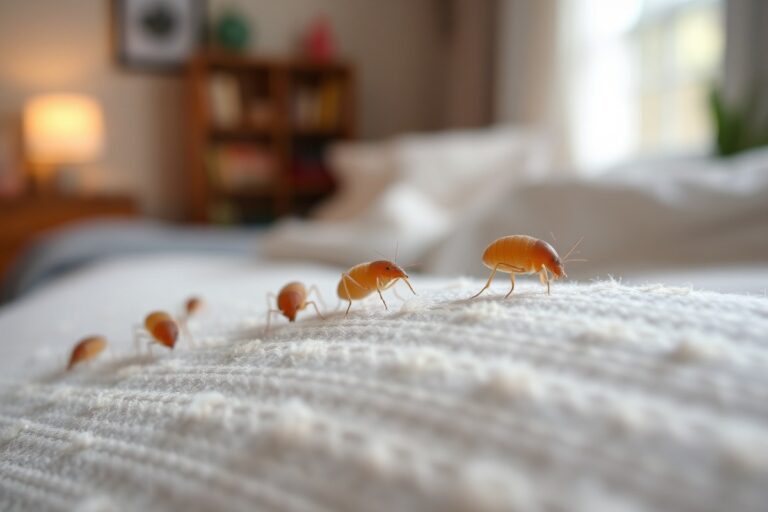
Ultrasonic pest repellers do not work on bed bugs. Research, including multiple independent studies and Federal Trade Commission, funded tests, shows these devices have no measurable effect on bed bugs, which rely on pheromones rather than sound for communication. These repellers might slightly alter bed bug behavior while active, but they fail to control or eliminate infestations effectively.
You might be considering ultrasonic devices because they seem easy and quiet compared to sprays or powders, especially in apartments. This article explains why ultrasonic repellers fail against bed bugs, how to accurately detect infestations, proven treatment methods, and when hiring professional pest control is necessary for lasting results and preventing reinfestation.
Key Takeaways
- Ultrasonic pest repellers emit high-frequency sound waves but fail against bed bugs because these insects rely on pheromones, not sound, for communication.
- Multiple scientific studies have found no evidence that ultrasonic pest repellers effectively repel or eliminate bed bugs in home environments.
- Accurate bed bug detection requires physical inspection using traps and monitoring for signs like shed skins or live bugs every 1, 2 weeks.
- Proven bed bug control involves integrated methods including heat treatment, chemical insecticides, and professional pest control specialists, outperforming ultrasonic devices.
- DIY treatment should combine thorough cleaning, vacuuming, encasing mattresses, and using authorized insecticides designed for bed bug control for best results.
- Hiring licensed pest control professionals becomes necessary for severe infestations to ensure complete elimination and prevent insecticide misuse.
Do Ultrasonic Pest Repellers Actually Repel Bed Bugs?
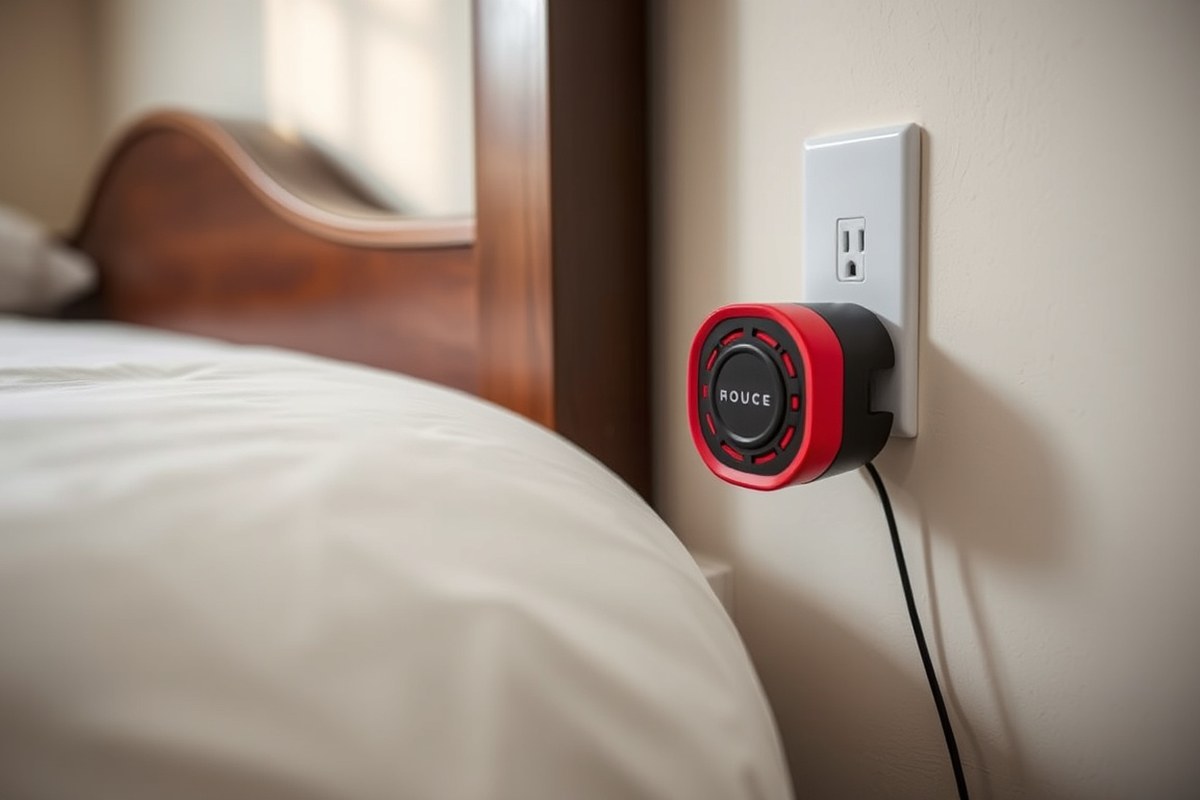
Ultrasonic pest repellers do not work on bed bugs according to scientific studies. Researchers have tested these devices over several decades, and no controlled study has shown that ultrasonic waves repel or eliminate bed bugs. The technology claims to drive pests away with high-frequency sound, but bed bugs do not rely on sound for communication or navigation. Instead, they use chemical signals called pheromones, which ultrasonic devices do not affect.
Multiple independent investigations, such as those supported by the Federal Trade Commission (FTC) and Rutgers University, detected no significant impact of ultrasonic repellers on bed bug behavior or population counts. A particular study noted a minor shift in bed bug activity during the device’s operation, yet this effect vanished after the sound ceased. Research from the University of Arizona and a 2007 Journal of Economic Entomology review echoed these conclusions, showing ultrasonic devices do not effectively manage or prevent bed bug infestations.
The FTC has warned consumers for years against relying on ultrasonic pest control devices because manufacturers often make claims that lack scientific support. Some companies have even faced regulatory action for advertising effectiveness without evidence. In practical terms, this means spending money on an ultrasonic repeller will likely not reduce or prevent a bed bug infestation. These devices do not replace physical control measures like heat treatments, pesticides, or professional pest control services, which target bed bugs more reliably.
For apartment dwellers and homeowners seeking low-maintenance options, the appeal of ultrasonic devices is understandable, but the research shows they provide no real benefit. The marginal effects observed in studies do not translate into meaningful pest control. Bed bug infestations require targeted approaches based on proven biology and behavior knowledge, rather than sound waves.
You should focus your efforts and budget on methods supported by evidence, such as thorough inspection, heat treatment, vacuuming, and EPA-registered insecticides applied by trained professionals. These approaches have demonstrated consistent effectiveness where ultrasonic repellers have failed repeatedly. Expecting an ultrasonic device to control bed bugs risks prolonging the infestation and increasing treatment costs down the line.
Why Ultrasonic Devices Fail Against Bed Bugs’ Biology and Behavior
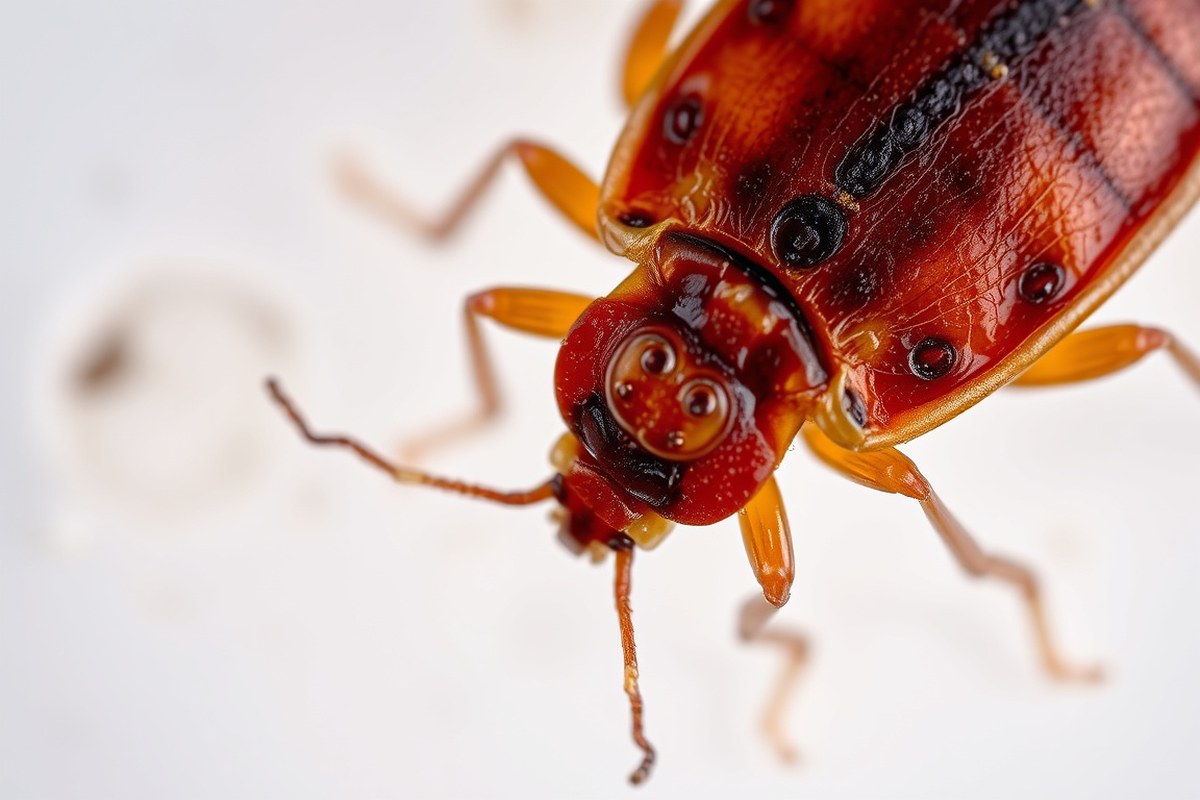
Ultrasonic devices fail against bed bugs because these insects lack the sensory structures to detect or respond to high-frequency sound waves. Unlike rodents or some insects that rely on hearing or vibration detection for communication and survival, bed bugs mainly use chemical signals to find mates and hosts. Their sensory organs are adapted to sense carbon dioxide, body heat, and specific pheromones rather than sound waves above 20 kHz, which ultrasonic repellents produce.
Bed bugs communicate primarily through pheromones, which are chemical substances emitted by individuals to influence others’ behavior. This method is effective for bed bugs because it works in complete darkness and within confined spaces like mattresses, furniture cracks, and wall crevices. Ultrasonic waves, on the other hand, dissipate quickly and are unlikely to penetrate hiding places where bed bugs thrive. Studies from Northern Arizona University tested commercially available ultrasonic devices and found no significant change in bed bug behavior or location when sound was present compared to silent controls.
In contrast, many ultrasonic pest repellers target rodents and flying insects that rely on sound or vibration signals. Rodents have ears tuned to ultrasonic frequencies, causing discomfort or avoidance that, in theory, discourages infestation. However, even rodents tend to habituate to continuous ultrasonic noise within days or weeks, reducing long-term effectiveness. Insects like mosquitoes or cockroaches have different sensory systems and often do not respond reliably to ultrasonic sounds either, according to multiple scientific reviews.
Bed bugs’ biology presents further challenges to ultrasonic technology. These pests are flat and can hide within millimeters of crevices, making sound waves from devices ineffective at reaching them. Their life cycle is tied closely to hosts’ presence at night, driven by warmth and carbon dioxide instead of auditory cues. Chemical detection triggers their feeding and mating behaviors, so disrupting sound provides no biological signal to alter their actions or keep them away.
Do not rely on ultrasonic devices as a standalone method for bed bug control; focusing on chemical traps, heat treatments, and professional inspections is more effective.
Tests using female bed bugs in arenas showed they readily remained in ultrasonic-treated zones just as they did in untreated areas, sometimes even showing no significant tendency to leave. This indicates that ultrasonic waves neither repel nor confuse them. The technical emission range, typically 20 to 65 kHz, does not align with bed bugs’ sensory capabilities. Bed bugs register environmental cues chemically through specialized receptors on their antennae and legs, which are unaffected by sound.
The failure lies in targeting the wrong sensory channel. Ultrasonic devices emit signals that bed bugs cannot detect or interpret as threats. Attempts to use electromagnetic pulses combined with ultrasonic waves also lack convincing evidence for practical control. Homeowners spending money on these devices may find no reduction in bed bug activity and waste valuable time that could be spent on proven treatments. Evidence from consumer watchdogs and university research consistently warns consumers that ultrasonic pest repellers are ineffective against bed bugs and may contribute to false security.
How to Detect and Identify Bed Bugs Accurately at Home
Confirming the presence of bed bugs requires a careful and systematic inspection. You must look for physical signs of the bugs themselves and the indirect evidence they leave behind. Early detection matters because small infestations are easier and less costly to control.
Common Visual Signs of Bed Bugs
Bed bugs are small, reddish-brown insects about 1/4 inch long, roughly the size of an apple seed. They become visible on bedding or furniture when the infestation grows beyond a few bugs. One of the more obvious signs is spotting live bed bugs during the day, often along mattress seams.
You should also look for dark, rusty spots on sheets or mattresses. These spots are bed bug feces, which can smear if touched. In addition, freshly shed skins from bed bug nymphs and tiny white eggshells near hiding spots can reveal their presence. Another sign is a sweet, musty odor from larger infestations, although this is harder to detect.
Using Tools for Inspection
Visual inspection alone is often insufficient. You need to use detection tools placed strategically to improve your chances of finding bed bugs early. Bed bug monitors or traps, specifically pitfall style traps, can catch bugs attempting to move between hiding spots and feeding locations. These traps are affordable and help confirm an infestation.
Place monitors under furniture legs and along bed frames to detect movement. The traps work by capturing bugs as they travel, providing physical evidence without disturbing the environment. For best results, use a combination of visual inspection and traps, as traps alone may miss bugs that stay hidden during monitoring periods.
- Purchase pitfall traps designed for bed bugs from reputable suppliers
- Position traps near bed legs and other furniture where bed bugs hide
- Check traps regularly, at least every 3-4 days
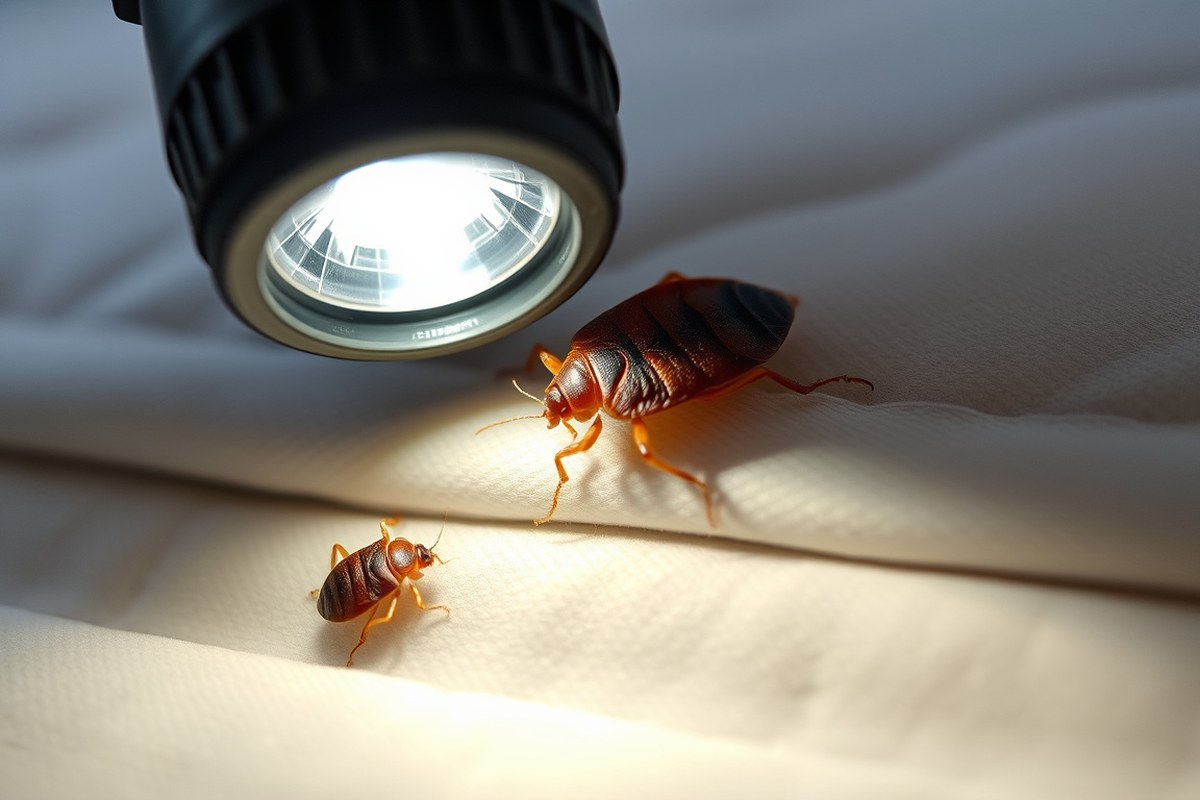
- Use a flashlight and magnifying glass for detailed visual inspections
- Reapply inspection and traps over several weeks to detect all bugs
Relying solely on electronic repellers or quick scans increases the risk of missing infestations or stopping treatment too early.
Where to Look for Bed Bugs
Bed bugs hide close to where you sleep or rest, primarily in mattress seams, box springs, and bed frames. Their flat bodies allow them to squeeze into thin cracks along headboards and bed slats. Checking these precise locations improves your detection accuracy.
Expand your inspection to nearby furniture such as nightstands, upholstered chairs, and baseboards. Bed bugs may also hide in electrical outlets, behind wallpaper, or in picture frames, especially if the infestation has spread. Carefully remove items and inspect their crevices with a flashlight.
- Examine mattress seams, under tags, and in folds
- Remove and inspect box springs and bed frames, including screw holes and joints
- Check cracks and crevices in nightstands and headboards
- Look behind baseboards and electrical outlets with caution
- Use a thin card or plastic scraper to probe tight spaces without damaging surfaces
Start inspections early before moving sleeping locations, as bed bugs can spread throughout the home increasing treatment complexity and cost.
Proven Bed Bug Control Methods Compared with Ultrasonic Repellers
Ultrasonic pest repellers are far less effective for eliminating bed bugs compared to established methods like heat treatment, chemical sprays, and physical removal techniques. Reliable bed bug control requires approaches that kill or trap the bugs directly, rather than relying on repellent technologies that lack scientific support. Cost, speed, and safety also vary widely between these options, making some better suited for quick action and others for long-term prevention.
Heat Treatments and Steam Cleaners
Heat treatments use high temperatures to kill bed bugs at all life stages instantly. Washing bedding and clothing at 140°F (60°C) or higher followed by drying on the hottest setting for at least 30 minutes is easily done at home and kills all bugs and eggs on fabrics. Steam cleaning is a professional or rental option good for mattress seams and furniture crevices, where bugs hide. Steam cleaners produce heat above 200°F, which eliminates bed bugs on contact but requires careful technique to avoid damage to surfaces.
Both methods offer immediate results and are safe when used properly but can miss bugs hidden deep inside walls or furniture. Mattress encasements complement heat and steam by trapping any surviving bugs inside for weeks. These options are low risk but require thorough application to cover all hiding places.
Chemical Sprays and Insecticides
Chemical treatments target bed bugs with pesticides formulated for indoor use. Licensed pest control professionals apply these products during inspections and treatments, using chemicals proven to be effective against different bed bug stages. Many chemicals require multiple treatments spaced weeks apart to reach all bugs and eggs. They involve higher costs due to materials and technician fees but can penetrate cracks and crevices inaccessible to heat or steam.
You should always follow label instructions closely and consider professional services for chemical use to avoid health risks and ineffective applications. Overuse or improper use can cause pesticide resistance, making bed bugs harder to eliminate.
Vacuuming, Freezing, and Washing
Vacuuming reduces bed bug numbers by physically removing bugs and eggs from surfaces, especially mattress seams, bed frames, and carpets. Using a vacuum with a HEPA filter helps capture microscopic eggs. Vacuuming should be repeated regularly during treatment to maintain control. Freezing small infested items at 0°F or below for several days kills bed bugs but is impractical for large infested furniture.
Washing at high heat complements vacuuming by killing bugs in clothing and bedding. These methods usually take longer to eradicate infestations as they work by gradual removal rather than instant kill. Cost is often low, but success depends on thoroughness and repetition.
| Remedy | Effectiveness | Cost | Speed | Best For |
|---|---|---|---|---|
| Heat (washing/drying) | High | Free (existing appliances) | Immediate kill | Bedding, clothes, soft items |
| Steam cleaning | High | $40-$150 (rental/purchase) | Immediate kill | Mattress seams, furniture crevices |
| Mattress encasement | High (containment) | $30-$80 | Traps bugs over weeks | Protecting mattress, trapping bugs inside |
| Diatomaceous earth (food-grade) | Moderate | $10-$20 | 7-17 days | Cracks, baseboards, bed frame joints |
The table provides a snapshot of common bed bug control products by their effectiveness, cost, speed of action, and target uses. Fast-acting heat and steam treatments offer immediate kill but do not cover all hiding spots alone. Encasements and powders work over time controlling bugs in cracks or trapping them.
Ultrasonic Pest Repellers
Ultrasonic devices emit high-frequency sound waves claimed to repel pests including bed bugs. However, research and expert reviews find no consistent evidence that these devices affect bed bug behavior or reduce infestations. Bed bugs hide inside walls and mattresses where ultrasonic waves may not penetrate effectively, and their biology does not respond to this stimulus.
These devices are usually inexpensive but offer little to no practical bed bug control. Costly professional pest treatments provide trained technicians and targeted methods proven for eradication. Ultrasonic repellers are unregulated for efficacy by the EPA, meaning their claims are unverified through rigorous testing.
Using ultrasonic repellers alone risks prolonging infestations and increasing costs over time. Homeowners should rely on proven treatments and see ultrasonic products as unreliable for controlling bed bugs.
Effective DIY Bed Bug Treatment Steps for Homeowners
DIY treatment for bed bugs requires a combination of thorough inspection, cleaning, heat application, vacuuming, and targeted chemical use. Each step works toward removing bed bugs at all life stages and preventing reinfestation. The key is persistence and careful execution to avoid missed bugs and ineffective products.
Preparing the Infested Area
Begin by identifying all the areas where bed bugs hide, including mattress seams, furniture joints, baseboards, and cracks in walls. Remove clutter from bedrooms and living areas to expose hiding spots and make treatment easier. Launder all bedding, curtains, and clothing in the hottest water the fabric can tolerate.
Get ready with the right tools: plastic bags for infested items, a flashlight, magnifying glass, and a stiff brush to dislodge bugs from crevices. Sealing cracks and crevices with caulk reduces their hiding places and aids later chemical treatments.
- Empty drawers and closets near the bed and inspect for live bugs or dark spots of droppings.
- Seal items that can’t be washed in plastic bags to isolate bed bugs.
- Vacuum floors and furniture thoroughly before beginning chemical or heat treatments.
- Remove linens and wash all washable fabrics in water at least 120°F.
- Dry laundry at the highest heat setting for 30 minutes or longer to kill eggs and nymphs.
Proper preparation exposes bed bug hiding spots, making subsequent treatments more effective.
Using Heat and Steam Safely
Heat kills bed bugs at all life stages, including eggs, which resist many other treatments. Use a clothes dryer on high heat for at least 30 minutes for washable items. For non-washables and furniture, a steam cleaner that delivers steam at 200°F or higher is useful to treat cracks, edges, and upholstery.
Be cautious not to damage sensitive items with steam or heat. Avoid overly wetting materials or applying steam to electrical components. Heat treatments can be repeated weekly to catch newly hatched bugs. Professional-grade heat treatments use whole-room heating but are expensive and require special equipment.
- Set your dryer to the hottest setting and run infested clothes, bedding, and soft toys for at least 30 minutes.
- Use a handheld steam cleaner on hard-to-launder items, focusing on mattress seams, bed frames, and furniture crevices.
- Keep the steam nozzle close, but not touching, surfaces to ensure the heat penetrates without damage.
- Repeat steam treatments weekly for 2 to 3 cycles to eliminate bugs that hatch after the initial heat application.
Heat must reach at least 120°F for 20 minutes in contact with bed bugs to be reliably lethal.
Vacuuming Best Practices
Vacuuming removes bed bugs, eggs, and shed skins from surfaces where they rest. Use a vacuum with strong suction and a brush attachment to reach mattress seams, baseboards, and cracks. Empty the vacuum bag or canister into a sealed plastic bag and dispose of it outside immediately to avoid recontamination.
Regular vacuuming during and after treatment reduces bed bug populations and helps detect reinfestations early. Avoid spray insecticides directly into the vacuum, as this can damage the equipment and reduce effectiveness.
- Vacuum all mattress surfaces, paying close attention to seams and tags.
- Run the vacuum slowly along bed frames, headboards, baseboards, and carpets.
- Empty the vacuum contents into a sealed bag outside your home right after vacuuming.
- Replace or clean vacuum filters regularly to maintain suction power.
Vacuuming alone rarely eliminates infestations but is a critical component of a multi-step control process.
Applying Chemical Treatments
Select insecticides labeled for bed bug control and follow product directions carefully. Residual sprays and dusts can be applied to baseboards, cracks, and crevices where bed bugs hide. Use dusts like diatomaceous earth or silica gel sparingly and only in dry areas to avoid clumping and reduced effectiveness.
Do not treat mattresses directly with sprays unless the product specifically states it is safe for that use. Instead, consider mattress encasements to trap bugs inside. Reapply insecticides as directed, often requiring two treatments spaced 10 to 14 days apart to target newly hatched bugs.
- Choose approved insecticides for indoor use targeting bed bugs.
- Apply sprays to baseboards, cracks, electrical outlets (with power off), and furniture joints.
- Use dust formulations in wall voids or under carpets where moisture won’t reduce effectiveness.
- Install mattress encasements after treatment to prevent bed bugs from escaping or entering.
- Repeat treatments in 10 to 14 days to catch any hatchlings missed the first time.
Insecticides should supplement, not replace, thorough cleaning and heat to control bed bugs effectively.
Evaluating Home Remedies
Common home remedies like baking soda and essential oils have little scientific support for killing bed bugs. Baking soda’s alleged dehydration effect has not been confirmed by research. Essential oils like tea tree or lavender may repel some insects but typically fail to control infestations.
Products such as diatomaceous earth or silica gel have some proven efficacy by physically damaging bed bug exoskeletons, causing slow dehydration. These need to be applied carefully to dry cracks and crevices and require consistent reapplication to maintain effectiveness.
Home remedies alone rarely solve bed bug problems. Combining physical removal, heat, vacuuming, and chemical treatments gives the best chance of success. If infestations persist or spread, professional pest control may be necessary.
When and Why to Hire Professional Pest Control Services
You should hire professional pest control services when bed bug infestations go beyond minor signs or when initial DIY treatments fail to reduce the problem significantly. Professionals bring specialized tools and techniques that improve the chance of complete eradication, especially for widespread or persistent infestations.
Signs a DIY Approach Is Not Enough
Small infestations with limited bites or a few visible bugs can sometimes be managed at home using intensive cleaning and DIY treatments. However, if you notice recurring bites after weeks of treatment, see bed bugs spreading to multiple rooms, or find large numbers in furniture seams and mattresses, it’s time to call a professional. DIY efforts can miss eggs and clustered bugs inside cracks, causing the infestation to rebound and sometimes spread further if disturbed incorrectly.
Heavy infestations often require professional intervention because typical over-the-counter products and ultrasonic devices do not reach the bugs hiding deep in wall voids, electrical outlets, or behind headboards. Professionals prevent spreading by using targeted methods and proper containment, reducing the chance of you accidentally transporting bed bugs to other areas.
Professional Treatment Techniques
Licensed pest control companies use a combination of strategies tailored to your infestation’s severity and location. Common treatments include heat application, where the entire room or apartment is heated to a lethal temperature for bed bugs, killing all life stages within hours. This method works well because bed bugs cannot survive high heat, but requires vacating the premises for the treatment duration.
They also use targeted insecticides applied as crack-and-crevice treatments, focusing on hiding places rather than broad spraying. These insecticides have active ingredients approved for indoor use and are applied by trained technicians who understand bed bug habits. Integrated pest management may combine both heat and chemicals to increase effectiveness and reduce resistance issues.
In some cases, companies use mattress encasements and interceptors on bed legs to trap bugs and prevent re-infestation after treatment. They will often revisit your home one or two more times over 4 to 6 weeks, checking for remaining bugs and treating again if necessary to ensure thorough control.
Cost Considerations and What to Expect
Professional bed bug control typically costs between $500 and $2,500, primarily influenced by the infestation size, treatment methods used, and dwelling size. Apartments tend to be less expensive than entire houses but may require repeated visits to handle reinfestation risks. Avoid relying on ultrasonic devices because they provide no reliable control, leading to wasted money and prolonged infestations.
Expect a treatment timeline of 1 to 3 visits spaced over a month or more. Professionals usually give you detailed instructions on preparing your home, such as laundering bedding and reducing clutter, to maximize treatment success. Following their directions reduces the risk of bugs hiding or surviving treatment.
Effective professional treatment often results in a 90 to 99 percent reduction of bed bugs after treatment, compared to 20 to 80 percent for DIY approaches depending on infestation severity. Although professional services cost more upfront, they reduce the risk of spreading the infestation and the need for ongoing, time-consuming self-treatment.
Preventing Bed Bug Reinfestation After Treatment
Preventing bed bug reinfestation after treatment involves regular inspections, using protective barriers like mattress encasements, managing clutter to reduce hiding spots, and practicing caution during travel to avoid bringing new bugs home. Tailoring these strategies to your living situation increases the chances of keeping bed bugs away for good.
Routine Home Inspections
Checking your living space regularly helps catch bed bugs before they multiply. Focus inspections on mattress seams, bed frames, headboards, and nearby furniture where bed bugs often hide. Look for signs like tiny reddish-brown spots, shed skins, or live bugs.
Develop a maintenance checklist to inspect these areas every two weeks, increasing frequency during warmer months or if you live in a multi-unit building. Use a flashlight and a magnifying glass for better visibility. Skipping inspections or doing them superficially often leads to missed early infestations, making control more difficult and costly.
Using Mattress Encasements and Interceptors
Covering your mattress and box spring with commercial-grade encasements at least 0.08 mm thick and equipped with zippers traps any bugs inside and prevents new ones from hiding there. These are inexpensive, typically costing between $30 and $70, depending on size and brand.
Bed bug interceptors placed under each bed leg catch bugs trying to climb up, enabling easy monitoring. Check these traps weekly and clean or replace them as needed. Consistent use reduces the risk of spread and helps detect potential reinfestations early.
Avoid encasements without a zipper or those that are thin, as bed bugs can escape or enter. Make sure to cover the entire mattress and box spring; partial coverage leaves vulnerabilities.
Clutter Management Strategies
Reducing clutter limits the places where bed bugs can hide and breed, making inspections more effective. Clear the floor space around beds and furniture, and store personal items in sealed plastic bins or bags.
Maintain a clutter reduction routine, such as tidying up weekly, discarding unusable items, and avoiding piling clothes or other belongings that stay untouched for weeks. For apartments or shared housing, coordinate with roommates or building managers to manage communal areas.
- Keep clothing in sealed containers or drawers
- Use shelves or hooks to improve belongings from the floor
- Regularly vacuum carpets and upholstery, focusing on edges and under furniture
- Dispose of unnecessary papers, boxes, and fabrics promptly
- Limit stuffed furniture that provides hiding spots
Ignoring clutter allows bed bugs to spread and delays their discovery, increasing the difficulty of eradication.
Safe Practices During Travel
Bed bugs commonly spread through luggage and clothing brought from infested locations. Inspect hotel room mattresses, headboards, and furniture visually before settling in. Keep luggage on racks away from beds and floors.
After travel, immediately wash and dry all clothing on high heat (above 120°F) to kill any hitchhiking bed bugs or eggs. Vacuum luggage thoroughly and store it in sealed plastic bags if possible.
Following these steps reduces the risk of introducing bed bugs into your home. Failure to do so is a frequent cause of new infestations after successful treatment.
Safety Considerations and Regulatory Warnings About Ultrasonic Repellers
Ultrasonic pest repellers emit high-frequency sound waves intended to repel pests, but these frequencies are mostly inaudible to humans, which generally makes the devices safe to use around people. However, certain pets, especially dogs and cats, can hear these ultrasonic frequencies. Some devices may produce sounds within their hearing range, potentially causing stress or discomfort. Pet owners should observe their animals closely after installing any ultrasonic device and discontinue use if signs of distress appear.
The Federal Trade Commission (FTC) has taken an active stance against ultrasonic pest repellers by issuing warnings and pursuing enforcement actions against companies that make unsupported claims about these devices. The FTC states that no device on the market is scientifically proven to repel all pests, including bed bugs. This reflects decades of independent research that contradicts manufacturers’ marketing messages. These regulatory actions show that relying on ultrasonic repellers for bed bug control may not only waste money but also delay effective treatment.
Choosing to depend on ultrasonic pest repellers involves significant risk. Many consumers experience no reduction in pest activity because the sound waves cannot penetrate walls, furniture, or soft materials where bed bugs typically hide. Claims that pests will disappear within 2 to 3 weeks are likely due to natural pest movement or unrelated factors rather than the device’s effectiveness. Using these devices as the sole method of control can lead to outbreaks worsening over time, requiring more intensive and costly intervention later.
Keep in mind that ultrasonic waves rarely reach where bed bugs hide, so don’t count on these devices as your primary control method.
To protect you and your family, regulatory bodies recommend verifying the claims of any pest control product before use. Manufacturers often claim their devices cover large areas, but ultrasound waves lose strength quickly and do not pass through walls or heavy furniture. Costly devices that promise broad and speedy results may not perform as expected, leading to frustration and extra expenses. The best approach to bed bug problems involves proven methods like heat treatment, professional insecticides, or thorough mechanical cleaning rather than unproven ultrasonic technologies.
Monitoring pet behavior after installation is important, and if pets show signs of anxiety or avoidance, you might consider alternative pest control methods to avoid creating a stressful environment. Always follow product labels and local regulations when dealing with bed bugs, and consult licensed professionals for persistent infestations to ensure treatments are both safe and effective.
Step-by-Step Action Plan for Bed Bug Detection and Control
Ultrasonic pest repellers do not work effectively against bed bugs due to how these insects behave and detect threats. Rely on proven detection and treatment methods for managing bed bugs safely and successfully.
- Day 1: Inspect and Identify, Carefully examine common hiding spots like mattress seams, box springs, and behind headboards. Use a flashlight and magnifying glass to look for live bugs, shed skins, eggs, or rust-colored stains. Confirm identification with photos or a local extension office to avoid confusing bed bugs with similar pests.
- Day 2: Start Cleaning and Decluttering, Vacuum thoroughly around the bed, furniture, and floor edges, then immediately seal and dispose of the vacuum bag or contents outside. Wash and dry bed linens, curtains, and clothing on the hottest setting safe for the fabric to kill any bed bugs and eggs.
- Day 3, 4: Apply DIY Treatment, Use bed bug-approved insecticides labeled for indoor use, focusing on cracks, crevices, and bed frames. Follow all label instructions carefully, wear protective gloves, and ventilate the area. Complete at least two treatments spaced 7, 10 days apart to catch newly hatched bugs.
- Week 2: Monitor for Activity, Place bed bug interceptors under furniture legs to trap bugs trying to climb up or down. Check traps regularly. Fewer catches after two weeks indicate treatment progress; continued catches suggest the infestation persists.
- Week 3: Assess Need for Professional Help, If infestation signs continue after two DIY treatments or spread beyond bedroom areas, contact a licensed pest control professional. Professionals use integrated methods including heat treatments and stronger insecticides that are not available to consumers.
- After Treatment Completion: Prevent Reinfestation, Encase mattresses and box springs in bed bug-proof covers; reduce clutter and regularly vacuum. Be cautious with secondhand furniture and inspect luggage after travel. Preventative actions help avoid costly future infestations.
- Ongoing: Avoid Ultrasonic Repellers, Do not rely on ultrasonic devices for bed bug control, as scientific reviews show they neither kill nor repel bed bugs effectively. Saved expense and effort are better spent on proven methods and prevention.
- Throughout: Safety First, Always read and follow label directions for any pesticide. Use personal protective equipment as recommended. Handle chemicals carefully, especially around children and pets, and consider professional services when risks or infestation size exceed safe DIY limits.
Frequently Asked Questions
What Is the Best Deterrent for Bed Bugs?
The best deterrent is to maintain cleanliness and reduce clutter where bed bugs hide. Regularly inspect bedding and furniture, and use mattress encasements designed to trap bed bugs to prevent infestations. Early detection helps avoid widespread problems.
What Will 100% Kill Bed Bugs?
Exposing bed bugs to temperatures above 113°F for several minutes or using specialized chemical treatments will kill them completely. Professional pest control services use heat treatments and approved insecticides to ensure total elimination.
Do Ultrasonic Bed Bug Repellers Actually Work?
Ultrasonic pest repellers do not reliably work against bed bugs. Studies have shown only minor behavioral changes while devices are active, with no evidence of significant repellency or killing effect on bed bugs.
Is There an Electronic Device That Gets Rid of Bed Bugs?
No electronic device has been proven to eliminate bed bugs effectively. Ultrasonic, electromagnetic, or vibration devices have failed controlled tests and should not replace proven treatment methods like heat or chemical treatments.
Can Ultrasonic Repellers Prevent Bed Bugs from Spreading in Apartments?
Ultrasonic repellers alone cannot prevent bed bug spread in apartments. Bed bugs crawl between units and hide in cracks, unaffected by sound; integrated cleaning and prompt treatment remain essential.
Are Ultrasonic Pest Repellers Safe to Use Around Pets and Children?
Ultrasonic pest repellers are generally safe because their sound frequency is above human and pet hearing range. However, they do not pose risks but also do not control bed bugs, so rely on safer, proven methods for pest control.
The Bottom Line
Ultrasonic pest repellers do not effectively control bed bugs because these insects do not respond to ultrasonic frequencies the way some other pests might. You should focus on finding bed bugs through thorough inspections and treat infestations with proven methods like heat or pesticide treatments recommended by experts. Start today by examining common hiding spots such as mattress seams and furniture joints, then decide if a professional evaluation is needed based on the severity of your findings. Accurate detection is key to avoiding wasted time and money on ineffective solutions.