Do I Need a Pest Inspection When Buying a House? A Complete Guide to Protect Your Investment
Yes, you need a pest inspection when buying a house to avoid costly repairs and ensure the property is free of infestations that could damage its structure or affect your health. This inspection helps identify issues caused by termites, rodents, and other pests, giving you a clearer picture before finalizing your purchase. Skipping this step can lead to unexpected expenses and complications after closing.
This information is for homebuyers aiming to protect their investment and make informed decisions. You’ll learn what a pest inspection covers, how much it costs, the right time to schedule it, and how to choose a qualified inspector. Understanding these details can also help with negotiations and address regional pest risks for more accurate inspections.
Key Takeaways
- You should get a pest inspection to identify hidden infestations before finalizing a house purchase and protect your investment.
- A standard pest inspection checks for termites, carpenter ants, rodents, and other common pests in structural and visible areas.
- Pest inspections typically cost between $100 and $300, with buyers usually responsible unless negotiated otherwise.
- Schedule the pest inspection after your offer is accepted but before closing to allow time for negotiations if issues arise.
- Choose a licensed, experienced pest inspector and review their detailed report for damage, infestation signs, and treatment recommendations.
- Pest inspections differ from general home inspections by focusing on active or potential pest damage rather than overall structural or system conditions.
Do I Need a Pest Inspection When Buying a House?
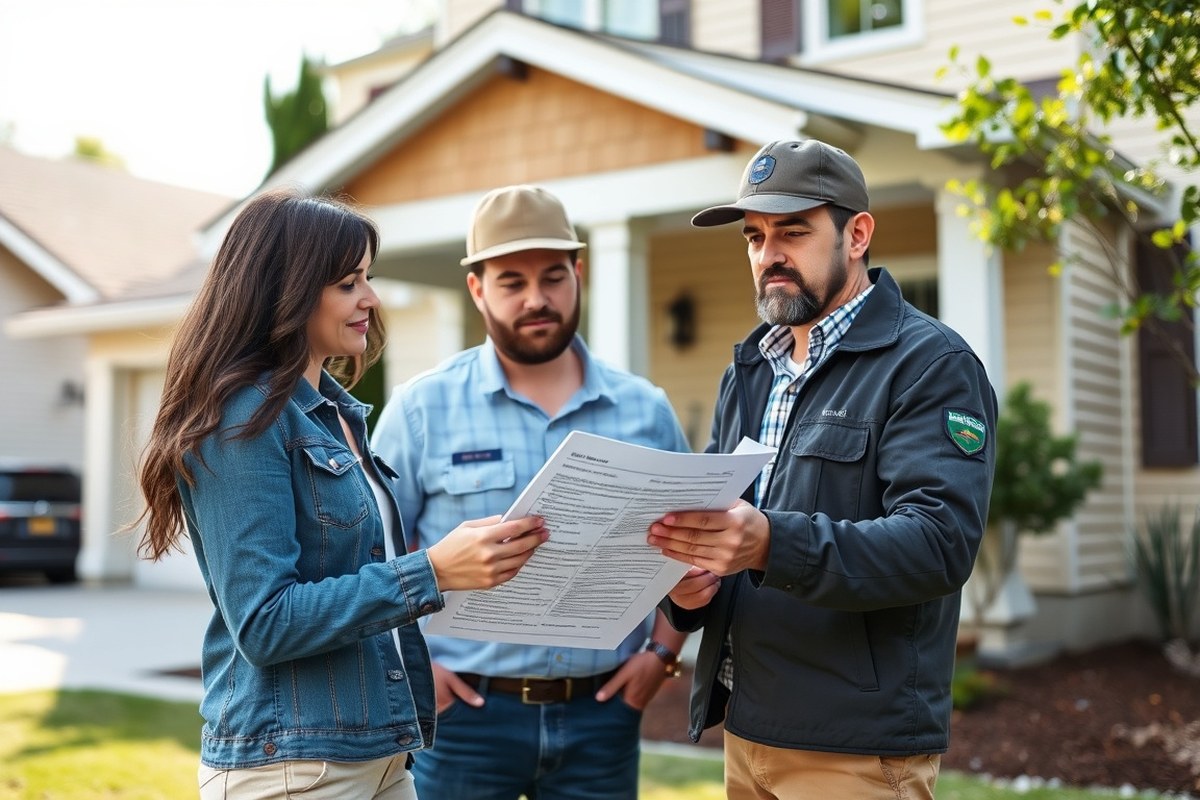
A pest inspection is not mandatory by law when buying a house, but it is strongly recommended depending on the property’s risk factors and your priorities as a buyer. You should consider a pest inspection if the home is older, located in an area prone to termite activity or other wood-destroying insects, or if you notice signs of pest damage. Even if the house looks well-maintained, pests like termites, carpenter ants, or rodents can cause hidden damage that leads to costly repairs later.
Deciding whether to get a pest inspection boils down to evaluating the type of property and your comfort level with potential risks. Newer homes built with treated wood or concrete foundations generally have a lower risk, though no building is entirely immune. Homes in humid climates or near wooded areas face higher pest pressure. Also, planning to live in the home long-term makes an upfront inspection a good way to save money and stress down the road. Use this simple checklist to guide your decision:
- The home is more than 5 years old or has visible wood damage.
- The property is in a region known for termites, carpenter ants, or other pests.
- The foundation or crawl space shows signs of moisture or leaks.
- You see pest droppings, mud tubes, or damaged wood around windows, doors, or framing.
- You want peace of mind before committing to purchase.
- Your mortgage lender or insurance company requires a pest report.
- The seller does not provide a recent pest inspection report.
Tallying several of these points means scheduling a professional pest inspection is a smart step. The inspection typically takes one to two hours and provides a written report detailing the presence or absence of pests and any evidence of damage. Good inspection results mean no active infestations or damage found, lowering your risk and adding confidence in the purchase. When pests or damage are identified, you can negotiate repairs, treatment, or price adjustments.
Not getting a pest inspection might save money upfront, but it could expose you to expensive repairs. The cost of an inspection ranges from about $100 to $300, varying by location and property size, small compared to potential repair bills. Skipping the inspection is more reasonable when buying a brand-new home with builder warranties and low local pest risk, but otherwise, it is a worthwhile investment.
What Does a Pest Inspection Include and Which Pests Are Checked?

A pest inspection identifies signs of infestations or damage caused by various pests that can affect the integrity of a home. Inspectors focus on specific pests known for causing structural or health problems. They also look for visible and hidden damages that may require costly repairs.
Common Pests Covered in Inspections
Most pest inspections target wood-destroying organisms and common household pests that buyers should be aware of. Termites are the primary concern because they feed on wood and can weaken a home’s structure. Carpenter ants and wood-boring beetles are also frequently inspected for because they damage wood similarly.
Other pests include rodents, which can chew through wiring and insulation, and occasionally pests like cockroaches and spiders are checked for, especially if signs suggest an infestation. In some regions, inspections might also cover pests unique to the area, such as drywood termites in dryer climates or subterranean termites in humid ones.
Typical Areas Inspected for Pest Activity
Inspectors examine areas where pests are most likely to enter or cause damage. Common inspection spots include the foundation, crawl spaces, and basements for signs of termite or ant nests. Attics and roof spaces get checked for bird or rodent activity and any entry points. Exterior wooden structures like decks, fences, and porches are also scrutinized, as well as interior wood framing around windows and doors.
Bathrooms and kitchens receive attention for signs of moisture, which can attract pests like carpenter ants and promote wood decay. Plumbing lines and ducts receive a close look because pests use these corridors to travel unnoticed.
Signs of Infestation and Structural Damage
Inspectors look for a variety of evidence that points to pest problems. This includes mud tubes or tunnels made by subterranean termites, frass (wood dust or pellets left by drywood termites and beetles), and hollow-sounding wood that indicates internal damage. Chewed wiring, droppings, gnaw marks, and dead insects or pests themselves are common signs found during an inspection.
Swollen or sagging wood surfaces, paint damage, or blistering can indicate moisture problems linked to pest activity. Loose or damaged door and window frames may also suggest carpenter ant or termite damage. It’s important to identify these signs early because untreated infestations can compromise a home’s safety and value. Here are the key steps a pest inspector typically follows during a home inspection:
- Survey the exterior perimeter for soil conditions, wood-to-soil contact, and visible pest entry points.
- Check crawl spaces and foundations for termite tubes, mud trails, and signs of wood damage.
- Inspect all accessible wood structures including framing, decks, and porches for defects or pest activity.
- Examine interior walls, baseboards, and cabinetry for signs of infestation or moisture intrusion.
- Look into attics and roof spaces for evidence of infestations or animal nests.
- Evaluate plumbing, HVAC ducts, and wiring for pest damage or entry points.
- Document findings with photos and detailed notes for the buyer’s review.
Do not rely solely on visible signs; many pests like termites create hidden damage that requires probing or moisture testing to detect properly.
How Much Does a Pest Inspection Cost and Who Pays for It?
The average cost of a pest inspection when buying a house ranges between $75 and $200. This price depends on several factors like the size of the property, its age, its location, and the thoroughness of the inspection. Larger homes or properties with known pest issues may require more time and detail, which can increase the cost.
Typically, the buyer pays for the pest inspection as part of their due diligence before finalizing the purchase. Sellers occasionally cover this cost if they want to provide a recent inspection report to attract buyers, but this is less common. Real estate agents sometimes advise buyers to arrange and pay for this inspection to ensure the report fully meets the buyer’s concerns.
Additional factors that affect inspection costs include the type of pests checked for, such as termites, rodents, or wood-boring beetles. Inspections that include multiple pest types or require special tools like moisture meters or thermal imaging cameras may cost more. Travel time to remote locations and urgent scheduling can also add to the fee. Below is a comparison table summarizing typical pest inspection costs and who usually pays:
| Inspection Aspect | Typical Cost Range | Who Usually Pays |
|---|---|---|
| Standard pest inspection (up to 2,000 sq ft) | $75 – $150 | Buyer |
| Larger homes (over 2,000 sq ft) | $150 – $200+ | Buyer |
| Additional pest types tested (rodents, beetles) | +$50 – $100 | Buyer |
| Seller-provided inspection report | Varies (usually same as buyer inspections) | Seller (if opting to provide) |
| Rush or emergency inspections | +20% – 50% of base cost | Buyer |
To keep costs reasonable, schedule the inspection during the early stages of buying. Compare local inspectors and ask for clear quotes covering all fees. Double-check whether termite bonds or future treatment estimates are included in the inspection fee. Confirm who pays before scheduling to avoid surprises during closing.
When to Schedule a Pest Inspection During the Home Buying Process
You should schedule a pest inspection shortly after your offer on a house is accepted but before you finalize the purchase contract. This timing gives you the most use to address any pest issues uncovered without delaying the closing. Typically, buyers have about 7 to 10 days after acceptance to complete inspections, and arranging your pest inspection early in that window ensures you receive the report in time to negotiate repairs or walk away if serious infestations emerge.
A pest inspection usually takes anywhere from 1 to 3 hours depending on the size and condition of the property. Inspectors examine areas like the foundation, crawl spaces, attic, and any wood structures for termites, ants, rodents, and other common pests. Larger or older homes may require more time for a thorough check. The detailed report, delivered within a few days, highlights any current infestations, damage, or conditions that could invite pests in the future.
You can and should attend the inspection if possible. Being present allows you to ask questions in real time, see problem areas firsthand, and better understand what repairs or treatments might be necessary. Inspectors often appreciate buyers attending because it helps set realistic expectations and reduces surprises later. Make sure to coordinate with the inspector and seller for access, and plan your schedule to accommodate the inspection without rushing.
Scheduling the pest inspection early during the due diligence phase of your home purchase provides you time to assess results and take appropriate action. Waiting until just before closing risks missing your window to negotiate repairs or credit. Some lenders and loan types require a pest inspection, so factoring it into your overall home buying timeline is essential to avoid delays. You might want to confirm any deadlines in your purchase agreement or with your real estate agent.
How to Choose a Qualified Pest Inspector and Understand Their Report
Choosing a qualified pest inspector and understanding their report helps you avoid costly surprises after purchasing a home. Look for certified professionals and know how to read key terms in the inspection to grasp the scope of any pest issues found.
Certifications and Credentials to Verify
A reliable pest inspector should hold state-approved licenses or certifications specific to your area. National certifications, such as those from the National Pest Management Association (NPMA) or state licensing boards, signal professional training and adherence to industry standards. Verify credentials before hiring by checking official state websites or industry directories.
You can also ask for proof of insurance and membership in professional organizations. Insurance protects you if damage occurs during the inspection, while professional memberships indicate a commitment to continued education and ethical practices.
Key Sections and Terms in a Pest Report
Pest inspection reports commonly include sections on visible infestations, damage, evidence of past treatments, and recommendations. Key terms to understand include “active infestation,” which means live pests are currently present, and “evidence of infestation,” indicating past or hidden activity such as termite tubes or droppings.
Look for detailed descriptions and photos supporting findings, especially where damage compromises structural wood or wiring. Reports often conclude with repair advice and urgency ratings such as “urgent,” “monitor,” or “no action needed.” Understanding these terms helps you assess risk and negotiate repairs or price adjustments.
Keep a copy of the pest report to compare future inspections or if you decide to sell the home later.
Limitations of Pest Inspection Accuracy
Pest inspections rely on visible signs and tester expertise, so hidden infestations in walls, ceilings, or underground can be missed. Some pests are seasonal or nocturnal, making detection harder during a single daytime inspection. Wood-destroying insects like termites may elude discovery if they have not yet caused visible damage.
For older homes or properties in high-risk areas, you might consider multiple inspections or specialized tests such as moisture meters or thermal imaging to detect hidden infestations. Keep in mind that no inspection guarantees complete accuracy due to these natural limits. Use the following steps to find and verify a qualified pest inspector before you schedule an inspection:
- Research state or local requirements for pest inspector licensing and certifications.
- Search for inspectors with credentials from recognized organizations like NPMA or local certification boards.
- Verify the inspector’s license status on official state websites or directories.
- Request references or online reviews from previous clients to assess reliability.
- Confirm the inspector carries liability insurance and professional membership where applicable.
- Ask to see a sample pest inspection report to understand their reporting style and detail.
- Schedule your inspection at a time that maximizes detection chances, for example avoiding rainy or extremely hot days.
- Read through the report carefully, noting terms like “active” or “evidence of” infestations and the recommended next steps.
Differences Between Pest Inspections and General Home Inspections
Pest inspections and general home inspections serve two distinct purposes, but both are important when buying a house. A home inspection covers the overall condition of the property, including structural elements, roofing, plumbing, electrical systems, and HVAC. In contrast, a pest inspection specifically looks for signs of infestation or damage caused by wood-destroying organisms like termites, carpenter ants, and wood-boring beetles.
Home inspectors check for things that could affect safety and functionality, such as foundation cracks, faulty wiring, or leaking pipes. Pest inspectors focus on damage and evidence of pests that can cause significant structural harm if left untreated. Both inspections can be scheduled separately or together, depending on your state’s requirements and your risk concerns.
Most lenders and real estate transactions require a general home inspection to assess the property’s overall condition. However, a pest inspection may not always be mandatory but is highly recommended in areas prone to termite or pest problems. Scheduling both inspections provides a fuller picture of the home’s condition and potential repair costs.
| Feature | Home Inspection | Pest Inspection |
|---|---|---|
| Main Focus | Structural integrity, systems, safety | Presence of wood-destroying pests and damage |
| What Is Checked | Roof, foundation, electrical, plumbing, HVAC, walls | Termites, carpenter ants, beetles, signs of infestation, moisture-related damage |
| Inspection Time | 2-4 hours for an average home | 1-2 hours depending on house size and pest risk |
| Report Content | Condition overview, repair recommendations | Infestation evidence, damage extent, treatment options |
| When It’s Needed | Standard part of most real estate transactions | Recommended or required in high-risk areas or upon buyer request |
| Cost Range | $300-$500 on average | $75-$150 on average |
You can hire both inspectors at the same time but they typically work independently, so expect separate reports. Scheduling a pest inspection after the home inspection allows you to address any visible damage concerns noted by the home inspector. This sequencing can help you negotiate repairs or price adjustments based on more complete information.
Some states require a pest inspection as part of the loan approval process, especially in regions where termite activity is common. In areas with low pest risk or newer construction using pest-resistant materials, a pest inspection may not be necessary. Ask your real estate agent or lender about local requirements to decide if both inspections make sense for your purchase.
How Pest Inspection Findings Affect Negotiations and Closing Process
Finding evidence of pest infestation or damage during a home inspection can significantly affect your negotiations and the closing process. You can use the inspection results to request repairs, reduce the purchase price, or add contingencies protecting you from future pest problems. This approach helps you avoid unexpected costs and protects your investment.
When pests or damage are discovered, start by asking the seller for a full repair before closing. For example, you might say, “The inspection report shows termite damage in the basement framing. Would you be willing to have a licensed pest control company treat the infestation and repair the damage before we proceed?” When the seller resists repairs, negotiate a price reduction to cover treatment and repairs. Try this script: “Given the termites and estimated repair cost of $3,500, could we reduce the sale price by that amount to address it after closing?” Documentation from the inspection report helps support your request and signals you are serious.
Adding pest-related contingencies to the sales contract gives you legal protection. You can include language requiring a pest inspection before closing with terms allowing you to back out or renegotiate if issues appear. A typical clause might state, “Buyer’s offer is contingent upon a pest inspection report showing no active infestation or structural damage. When active pests are found, Buyer may cancel or renegotiate based on repair estimates.” A real estate agent or attorney can help draft these clauses properly based on local laws.
The timing of inspections matters. Scheduling the pest inspection early enough gives you use to negotiate while the sale is still flexible. Trying to address pest issues at the last minute before closing leaves little room for repair or price adjustments and can delay the sale.
Costs to consider include the price of repairs, pest treatment, and possible price reductions. Repairs vary widely by damage severity, such as a few hundred dollars for isolated carpenter ant damage versus thousands for termite treatment and repair. Negotiating a price reduction shifts the burden to you but decreases upfront seller commitment. Repairs before closing ensure the home is in sound condition when you take ownership.
Good negotiation results mean pest problems are fixed or financial concessions are made before closing, preventing unexpected post-purchase expenses. Poor outcomes occur if sellers refuse cooperation, especially without contingencies protecting your position. In such cases, you must decide if the home’s price and condition remain acceptable despite the pest risks.
Keep a checklist to cover legal considerations: verify state laws on pest disclosures; confirm your contract includes pest contingencies; document all findings with photos and reports; get repair or treatment bids from licensed professionals; keep records of all communications with the seller regarding pest issues. This organized approach strengthens your case and protects your rights during the negotiation and closing process.
Regional Pest Risks and Timing Strategies to Improve Inspection Accuracy
Pest inspection needs vary depending on where you live and the time of year you schedule it. Local pests often have seasonal patterns that affect their activity, making some times better for detecting infestations. Also, inspections for new homes focus on different risks than those for older homes due to construction differences and potential pest history.
Common Regional Pests by Area
Pests commonly found in one region may be rare or absent in another. For example, termite problems are frequent in southern states like Texas and Florida but less common in the northern parts of the country. Rodents such as roof rats are more prevalent in coastal and warm climates, while carpenter ants thrive in cooler, wooded regions. Knowing which pests are typical in your area helps target inspections effectively. A basic regional pest risk chart can help prioritize what the inspector should focus on:
| Region | Common Pests | Inspection Focus |
|---|---|---|
| South/Southeast | Termites, fire ants, rodents | Wood damage, bait stations, rodent entry points |
| Midwest | Carpenter ants, mice, ticks | Moisture issues, nests, perimeter exclusion |
| West Coast | Subterranean termites, rodents, spiders | Soil inspections, structural cracks, clutter removal |
| North/Northeast | Carpenter bees, mice, silverfish | Wood inspection, attic checks, moisture control |
Sharing your location and any pest history with the inspector will help them customize their evaluation to the regional risks where you plan to buy.
Seasonal Effects on Pest Activity
Pests have activity cycles tied to temperature and humidity, which can influence inspection outcomes. Scheduling your pest inspection during peak activity improves the chance of detecting active infestations. For example, termites and ants are most active from late spring through summer, while rodents may seek shelter indoors as temperatures drop in fall and winter. Seasonal timing tips for pest inspections include:
- Conduct termite inspections during warmer months (April to September) when colonies are active.
- Schedule rodent inspections in fall or early winter to catch indoor infestations.
- Inspect for carpenter ants in late spring and summer when they swarm and nest.
- Avoid inspections immediately after heavy rains, which can hide signs of pests.
- Plan pest inspections before closing so findings can influence negotiations.
Performing pest inspections during high activity seasons increases detection accuracy, reducing the chance of missing hidden infestations.
Keep in mind that pests can still be present year-round but may be less visible or active during off-peak months, making follow-up checks or seasonal treatments necessary.
Inspection Differences for New Construction vs Older Homes
New homes usually have fewer pest risks but are not immune to issues. Inspections focus on identifying construction flaws that could allow pest entry, such as gaps around plumbing, missed sealing of foundation joints, or untreated wood exposed to moisture. Pest proofing is a common recommendation before or shortly after occupancy in new builds.
Older homes often have a history of pest problems and may show structural damage or hidden infestation signs. Inspectors spend more time checking for dry rot, termite damage, rodent nests, and evidence of previous treatments or repairs. Detecting active or past damage is critical as it can be costly to fix and affect the home’s value. Key differences in inspections include:
- New homes: Focus on potential entry points and preventive treatments.
- Older homes: Look for active infestations, damage, and compromised structures.
- Older homes may require specialized inspections like fumigation history review.
- New homes often come with builder warranties that can impact pest responsibilities.
- Both require detailed reports highlighting immediate and potential future risks.
Be sure the pest inspector has experience with the type of property you’re buying to tailor their approach for the best results.
Step-by-Step Action Plan for Pest Inspection When Buying a House
Use this plan to decide if you need a pest inspection, schedule it at the right time, and handle findings wisely during your home purchase.
- Before Making an Offer: Research common regional pests and assess if your target home’s location has known issues. Knowing local risks helps you decide if a pest inspection is necessary; confirm by checking local pest control or housing authority resources.
- Immediately After Offer Acceptance: Arrange for a qualified pest inspector, look for licensed professionals with good reviews and clear certifications. You’ll know you chose well when the inspector provides a detailed list of inspected pests and clear report criteria.
- Within the Inspection Window: Conduct the pest inspection before your contingency deadline. Choose a good time of day or season for accuracy based on pest activity in your region; verification comes when the inspector completes a thorough report with photos or evidence.
- Shortly After Inspection: Review the pest inspection report carefully. Confirm you understand which pests were found, damage extent, and recommended treatments by asking the inspector questions or consulting a real estate agent experienced with pest issues.
- During Negotiation Phase: Use the inspection results to negotiate repairs, treatment costs, or price adjustments with the seller. Success is when both sides agree on the pest-related terms before closing.
- Before Closing: Verify any agreed-upon pest treatments or repairs have been completed satisfactorily. Confirm with invoices or a follow-up inspection so you avoid unexpected problems after move-in.
- After Moving In: Monitor for any pest signs in the first few months. Prompt action means your pest inspection and negotiations worked and your new home is safe from infestation risks.
Frequently Asked Questions
Can a Pest Inspection Reveal Structural Damage?
Yes, inspectors often find damage caused by pests like termites, which affects the home’s integrity. Knowing this helps you negotiate repairs or price adjustments.
Is Pest Inspection Legally Required When Buying a House?
Laws vary by location, but most places don’t legally require it. However, lenders may sometimes ask for one before approving a mortgage.
Do Pest Inspections Cover Potential Future Pest Problems?
Inspections assess current signs of infestation but can’t guarantee future pest issues won’t arise. Preventive maintenance and regular checks are recommended.
Can I Attend the Pest Inspection?
Yes, attending the inspection lets you see problems firsthand and ask questions about treatment options and prevention.
Are Pest Inspection Reports Confidential?
The report is typically shared with the buyer and may be provided to the seller or lender with permission. It’s essential to confirm who receives the report.
How Long Does a Pest Inspection Take?
Inspections usually last one to two hours depending on the home’s size and complexity. Allow time for the inspector to explain findings.
Final Thoughts
Getting a pest inspection when buying a house is a smart step to protect your investment and avoid costly surprises. You can start by researching qualified local pest inspectors and scheduling the inspection soon after your offer is accepted. This early action helps you address any pest issues well before closing, giving you time to negotiate repairs or treatments if needed.