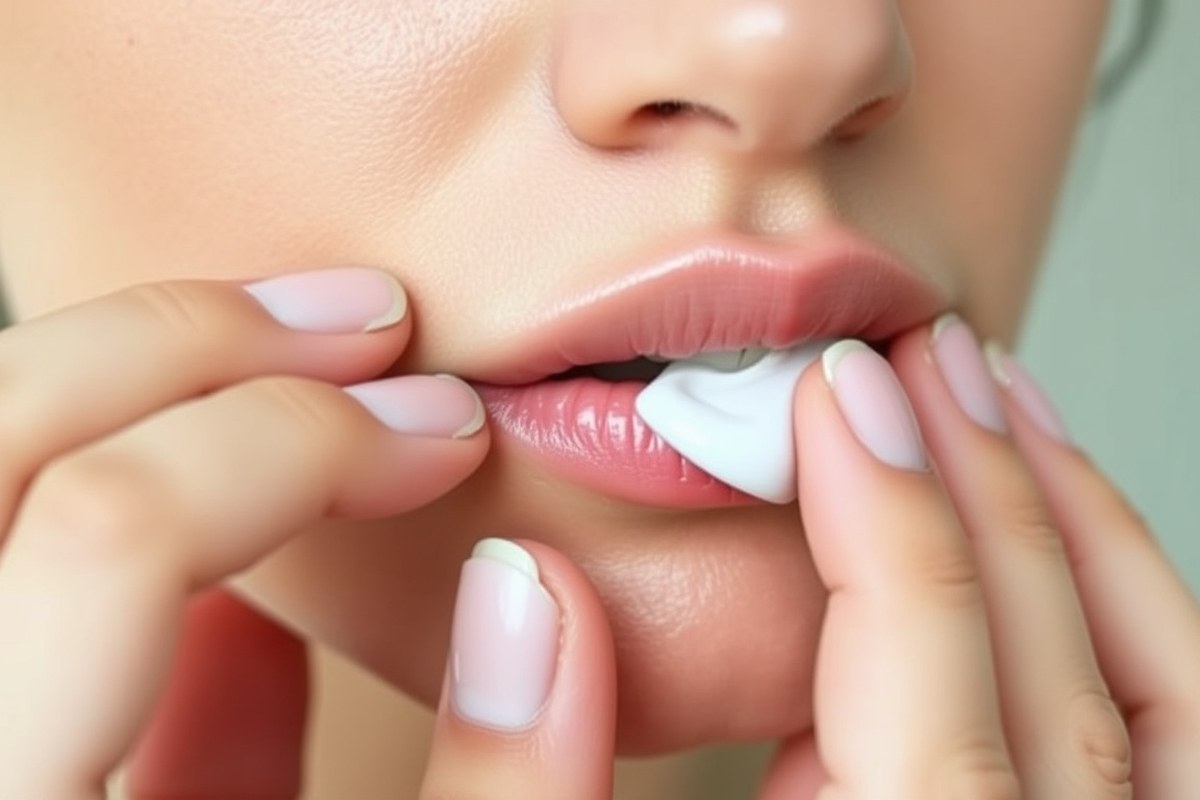
How to Get Rid of a Fever Blister in 24 Hours: What Actually Works
You cannot get rid of a fever blister in 24 hours, but starting treatment early can significantly reduce pain and speed up healing. Fever blisters, or cold sores, typically last 10 to 14 days, with the blister forming within the first day. Knowing how to get rid of a fever blister in 24 hours means learning which steps provide the fastest relief and help your body heal more efficiently.
This information is for anyone dealing with a cold sore who wants actionable treatments to ease discomfort and limit the outbreak’s length. You’ll find guidance on recognizing early symptoms, effective antiviral creams, useful home remedies, and tips to prevent spreading the infection during the first day of an outbreak.
Key Takeaways
- You can’t fully heal a fever blister in 24 hours, but early treatment can make it less noticeable within a day.
- Start antiviral creams or oral medications as soon as you feel tingling or itching, ideally within 24 to 48 hours of symptoms.
- Apply topical antiviral creams every 2 to 3 hours during the first day to reduce swelling and speed healing.
- Home remedies like cold compresses and pain relief can ease discomfort but won’t cure the sore instantly.
- Practice strict hygiene and avoid close contact to minimize viral spread during the first contagious day.
- Avoid picking or irritating the sore, and protect your lips from sun exposure to prevent delayed healing.
Can a Fever Blister Be Healed in 24 Hours? What to Expect
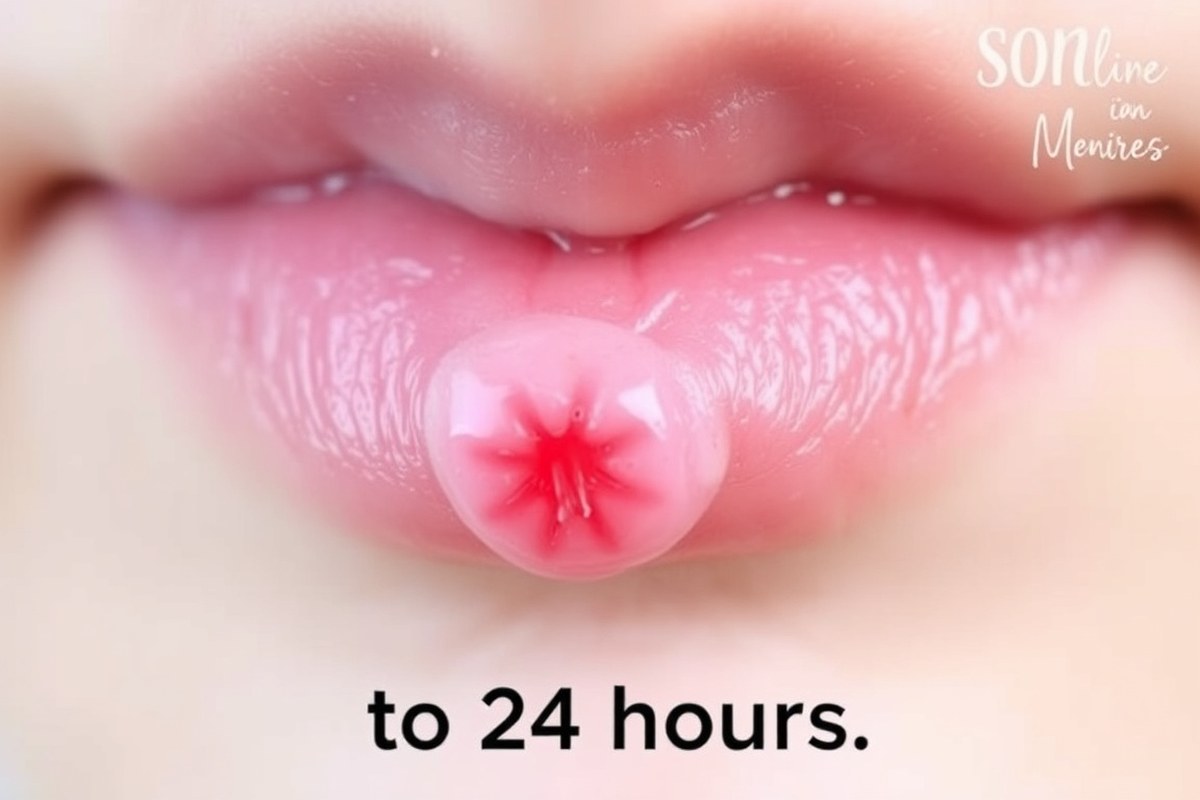
Complete healing of a fever blister in 24 hours is not medically possible. The herpes simplex virus that causes cold sores triggers a process in your skin that typically lasts 10 to 14 days from the initial tingling sensation to full healing. Even with prompt and effective treatment, a fever blister needs time to go through its natural stages of blister formation, crusting, and skin regeneration.
If you respond quickly, you can see clear signs of improvement within the first 24 hours. The first indication often includes sensations like tingling, itching, or burning near the lips, which typically occur 6 to 24 hours before the cold sore fully develops. Antiviral creams or oral drugs work best if used within this initial 24 to 48-hour period after tingling begins. Starting treatment early can lessen the blister’s intensity and reduce healing time from roughly two weeks to just three to five days.
The blister itself normally forms within the first 24 hours after symptoms begin. At this point, swelling, redness, and fluid-filled blisters are typical. You can manage discomfort and swelling by applying ice for 10 to 15 minutes several times daily. While these measures won’t make the blister disappear, they will improve your comfort and reduce the sore’s noticeability.
After beginning treatment promptly and maintaining good hygiene, the sore should gradually become less painful and inflamed over several days. Avoid actions that can extend irritation, such as touching the blister or exposing it to strong sunlight without protection. Remember that cold sores can spread from the first symptom’s onset until the sore has completely healed, so limiting close contact with others is essential.
Some variation in healing time depends on your immune system and the treatment used. Those who begin antiviral therapy within 24 hours of onset are most likely to see the fastest improvement in symptoms. Without early intervention, the cold sore will usually peak in pain and size within two to three days before crusting and healing naturally over the next one to two weeks. This natural progression means no product or remedy can remove a fever blister entirely within a single day.
Recognize that rapid reduction of symptoms is achievable with timely care, but expect at least several days for full recovery. This realistic approach helps you focus on controlling discomfort and avoiding spread, rather than pursuing an impossible complete cure in 24 hours.
Recognizing Early Signs: When to Start Treatment for Best Results
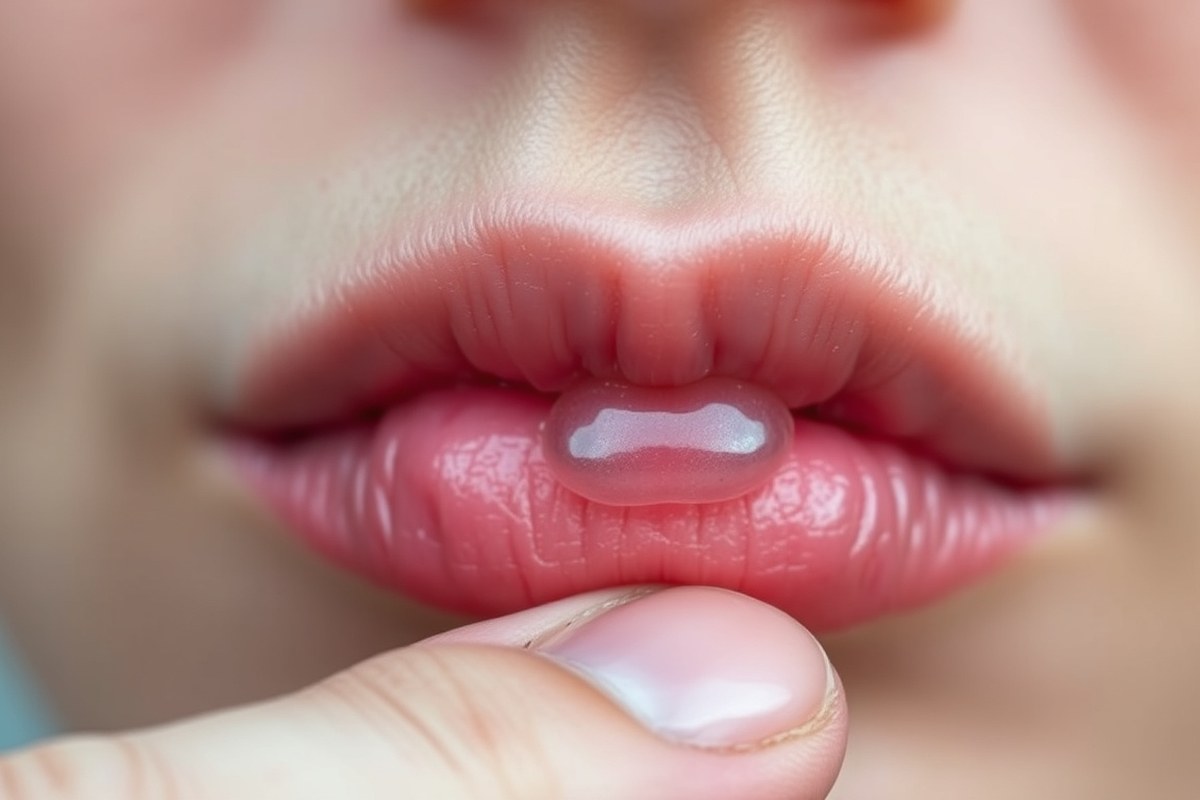
Starting treatment at the earliest signs of a cold sore, such as tingling or itching, can significantly reduce healing time and severity. Acting within hours when you notice these signals, before blisters appear, improves your chance of faster relief and less discomfort. Prompt treatment helps limit the outbreak’s duration and reduces swelling.
Recognizing Tingling and Itching Sensations
A cold sore often begins with a burning, tingling, or itching sensation on the lips or surrounding skin one to two days before a blister emerges. This prodrome phase signals the herpes simplex virus is becoming active, allowing you to anticipate the outbreak. Paying close attention to these feelings helps you start treatment before visible symptoms appear.
These early sensations can feel like a mild itch or a sharp, localized burning that lasts a few hours to a day. Noticing this warning gives you a critical window to apply antiviral creams like Aciclovir or Abreva, which work best when the skin isn’t yet broken. Early intervention at this stage can shorten the healing process by several days.
Identifying Redness Before Blister Formation
Another early sign is redness or inflammation of the skin in the area where the cold sore will develop. This redness may be subtle but is typically paired with the tingling or itching sensation. It indicates the body’s initial inflammatory response to the virus and marks the spot to focus your treatment.
Checking your lips regularly when you feel the early sensations is important. Applying treatment during this redness phase helps reduce swelling and prevents the cold sore from becoming more severe. Without treatment, the lesion can progress rapidly into painful blisters that take up to two weeks to heal.
Importance of Immediate Action
Starting treatment immediately when you feel a tingling, itching, burning, or see redness is key to managing cold sores effectively. Antiviral creams or oral medications work best before blisters form, helping to reduce pain and shorten the outbreak’s duration. Delaying treatment allows the virus to multiply and the sore to worsen.
Immediate action can lower your chance of severe symptoms and reduce the risk of spreading the virus to others. OTC products like Abreva have been clinically shown to speed up healing if used within the first 24 hours of symptoms. For frequent or severe outbreaks, a healthcare provider can recommend prescription antivirals that may be more potent. Use the following checklist to guide your quick response to early symptoms:
- Notice any tingling, itching, or burning on your lips or face.
- Examine the area for emerging redness or swelling.
- Clean your hands and the affected area gently before applying treatment.
- Apply an antiviral cream like Aciclovir or an OTC option such as Abreva right at the first sign.
- Repeat application as directed, usually 5 times daily for 4 days.
- Avoid touching or picking at the area to prevent irritation or spreading.
- Use lip balm with sunscreen if going outdoors, as sun exposure can worsen symptoms.
- Consider contacting a healthcare provider for oral antivirals if outbreaks are frequent or severe.
Start antiviral treatment within the first few hours of feeling tingling or itching to reduce healing time and severity effectively.
Best Antiviral Creams and Oral Medications for Fast Relief
For rapid relief from fever blisters, antiviral creams and oral medications are the primary options. Antiviral creams start working within 30 minutes of application and need to be used every 2-3 hours, beginning within 24 hours of the first symptoms. Oral antiviral medications, taken as prescribed by a healthcare provider, tackle the herpes simplex virus (HSV-1) from inside the body, often leading to faster healing and less noticeable outbreaks within 24 hours.
Popular antiviral creams like penciclovir provide targeted action on sore areas but require frequent applications over several days. Oral medications, including acyclovir, valacyclovir, and famciclovir, are prescription drugs that work best if started within 48 hours of the outbreak. They are more effective in shortening the duration and intensity of symptoms because they limit the virus replication systemically. Combining these with topical treatments and pain relievers can offer both immediate and longer-lasting comfort.
| Medication | Form | Start Timing | Frequency | Pros | Cons | Approximate Cost |
|---|---|---|---|---|---|---|
| Penciclovir | Cream | Within 24 hours | Every 2-3 hours, 5 days | Acts quickly on sores, topical | Frequent application, less effective alone | $30 – $50 per tube |
| Acyclovir | Oral tablet | Within 48 hours | Typically 5 times daily for 5 days | Effective systemically, reduces healing time | Requires prescription, possible side effects | $20 – $60 for course |
| Valacyclovir | Oral tablet | Within 48 hours | Usually 2 times daily for 1-5 days | More convenient dosing, strong efficacy | Prescription only, costlier | $40 – $100 for course |
| Famciclovir | Oral tablet | Within 48 hours | 2-3 times daily for 1-5 days | Good viral suppression, shorter treatment | Prescription required, side effects possible | $50 – $90 per treatment |
Starting treatment as soon as you notice the first tingling or redness significantly improves the chances of reducing pain and how long the blister lasts. Oral antiviral drugs are the fastest method to halt virus replication and shorten the outbreak, especially when combined with topical creams applied every 2 to 3 hours. Over-the-counter creams can help with discomfort early on but won’t speed healing alone.
Using oral medication requires a prescription from a healthcare provider. An online appointment can provide quick access to a prescription, allowing you to start treatment the same day symptoms appear. Cost varies based on the drug and insurance coverage, but quicker healing can mean less time off work and reduced pain.
Home Remedies That Quickly Reduce Pain, Swelling, and Discomfort
To quickly reduce the pain, swelling, and discomfort from a fever blister, using cold compresses or ice packs is effective. Natural remedies like lemon balm and licorice extract may also ease symptoms when applied early. These home treatments help numb the area, decrease inflammation, and create an environment less friendly to the virus, which can shorten healing time.
Using Cold Compresses and Ice Safely
Cold compresses help numb pain, reduce swelling, and calm redness on the fever blister. Applying a cold, damp washcloth offers gentle relief by cooling the skin without risking frostbite. Some people use wrapped ice packs for longer durations, but care must be taken to avoid damaging the skin with excessive cold.
Applying ice or a cold compress should be done in short intervals to prevent skin damage. Avoid direct ice contact against the skin by wrapping it in a thin cloth or paper towel. The goal is to reduce inflammation and pain quickly, not to cause discomfort from cold exposure. Steps to apply a cold compress safely:
- Take a clean washcloth and soak it in cold water.
- Wring out excess water so it’s damp, not dripping.
- Fold the washcloth and place it gently on the fever blister.
- Leave it on for 10 to 15 minutes to numb pain and reduce swelling.
- Remove the compress and wait at least 30 minutes before reapplying.
- If using ice, wrap a small amount in a cloth and apply for no longer than 5 minutes.
- Repeat these steps up to 3 or 4 times daily as needed for discomfort.
Applying Natural Extracts: Lemon Balm, Licorice, Tea Tree Oil
Some natural extracts show promise in easing fever blister symptoms and supporting faster healing. Lemon balm extract contains compounds that may interfere with the virus entering skin cells, thus reducing blister severity. Applying lemon balm gel or diluted essential oil to your cold sore up to 3 times daily can soothe irritation and possibly shorten healing time.
Licorice extract, such as the one from Nature’s Answer, also has antiviral properties that may reduce inflammation and pain when gently dabbed onto the sore with a cotton swab or fingertip. Tea tree oil is another option known for its antiviral and healing benefits; however, it must be diluted properly to avoid skin irritation. Follow these steps to apply natural remedies safely:
- Choose a reputable lemon balm gel, licorice extract, or diluted tea tree oil product.
- Wash your hands before touching the fever blister.
- Use a cotton swab or clean fingertip to apply a small amount of the extract directly on the sore.
- Allow it to air dry without rubbing or smearing.
- Repeat application 2 to 3 times per day, especially at the first signs of a cold sore.
- Avoid overusing to prevent skin irritation or sensitivity.
Why Toothpaste and Salt Are Not Recommended
Although some people suggest using toothpaste or salt on fever blisters, these remedies can irritate the skin and delay healing. Toothpaste often contains ingredients like baking soda, fluoride, or fragrances that can cause dryness and worsen pain. Salt, when applied directly, can cause a strong burning sensation and damage sensitive skin around the blister.
Using toothpaste or salt risks increasing redness, swelling, and overall discomfort. It is better to use cold compresses or proven natural extracts as these options soothe and protect the area rather than aggravate it. Gentle care helps avoid complications and supports faster recovery.
Contagiousness and Hygiene: Minimizing Spread Within the First Day
Cold sores caused by the herpes simplex virus (HSV-1) are most contagious during the first 24 hours after the blister appears. This period includes the initial tingling stage and the time when the blister starts to ooze fluid. The virus spreads easily from the sore to other people and even to other parts of your body. For example, touching the sore and then your eyes or fingers can cause infection there, which may lead to painful complications like a red, irritated eye. The risk remains high until the cold sore fully heals, which is why careful hygiene is essential right away.
Minimizing the spread requires clear steps. Avoiding direct contact with the sore and limiting activities that involve close physical contact are key. The virus can transfer through kissing, sharing drinks, or oral sex. Even after the sore heals, viral shedding can still occur, so ongoing caution is necessary. Using cold sore patches can lower the risk by covering the sore and reducing friction, while hand washing helps prevent accidentally transferring the virus. Picking or popping the blister increases the chance of spreading the virus elsewhere on your body or to others.
- Do not touch or pick at the cold sore; use a cotton swab if treatment application is needed.
- Wash your hands frequently, especially after touching your face.
- Avoid kissing and sharing eating utensils, straws, or towels with others.
- Refrain from oral sex until the sore is fully healed to prevent genital infection.
- Use cold sore patches to cover the blister and lower transmission risk.
- Keep the affected area clean and avoid applying irritants.
- Maintain personal items like lip balm or razors separate from others.
Avoid touching the cold sore to protect yourself and others from spreading the virus to new body areas or contacts.
Strict adherence to these hygiene measures during the first day, when contagiousness peaks, helps contain the virus’s spread. These habits reduce the chances of creating new infections on your own body or passing HSV-1 to partners, family members, or friends. They also give your immune system a better opportunity to fight the virus and promote faster healing without complications.
Common Mistakes That Delay Healing and How to Avoid Them
Avoiding certain habits during the first day of a cold sore outbreak plays a major role in speeding up healing and reducing discomfort. Touching or picking at your fever blister can introduce bacteria and delay recovery, as well as increase the risk of spreading the herpes simplex virus to other areas or people. Always wash your hands thoroughly with soap and water after any contact with the sore, which helps prevent extra irritation or infection.
Applying makeup or lip balm directly on an open cold sore is a common mistake. These products can trap moisture and bacteria, slowing down healing and potentially causing more irritation or a secondary infection. Wait until the sore has fully crusted over and dried before using such products to avoid prolonging the outbreak. When you do apply lip balm, use a clean applicator or your finger washed with soap to avoid contamination.
Cold sores often get worse if left untreated or if treatment is delayed. Starting antiviral creams or oral medications within the first 24 hours of symptoms reduces healing time by about one to two days, according to medical guidelines. Skipping or postponing this step allows the virus to replicate more, worsening the soreness and swelling. Use antiviral treatments as directed by the product instructions or your doctor.
- Don’t touch or pick at the cold sore to prevent bacteria and delay in healing
- Wash hands immediately after any contact with the sore
- Avoid applying makeup or lip balm on an open sore to prevent irritation
- Only apply lip balm or medicated products with a clean applicator or finger
- Begin antiviral treatment within 24 hours of first symptoms to reduce healing time
- Don’t share towels, utensils, lip balm, or makeup while the sore is active
Sharing items like towels, cups, or lip balm spreads the herpes simplex virus easily during an outbreak. This can lead to new sores on yourself or someone else and make current sores last longer. Even small touches can transfer the virus, so use personal items carefully and disinfect any surfaces you touch frequently.
Cold sores also respond poorly to excessive dryness or sun exposure on the first day. Keep the area moisturized with a recommended antiviral lip balm or ointment and avoid direct sun exposure to reduce irritation and blister formation. Staying mindful of these factors during the initial 24 hours gives your cold sore the best chance to heal faster and cause less pain.
Stress, Sun Exposure, and Lifestyle Tips to Support Rapid Healing
Stress and sun exposure are common triggers that can worsen an active fever blister and potentially prolong its healing time. Stress lowers your immune system’s ability to fight the herpes simplex virus that causes cold sores, making outbreaks more frequent and severe. To manage stress, try relaxation techniques like deep breathing or meditation for at least 10 to 15 minutes daily. Limiting caffeine and getting 7 to 9 hours of sleep each night also helps stabilize your body’s defenses.
Sunlight and ultraviolet (UV) rays can trigger cold sore outbreaks by damaging skin cells and activating the dormant virus. Applying a lip balm or sunscreen with SPF 30 or higher before going outdoors protects sensitive areas. Reapply sunscreen every two hours when outside, or more often if you are sweating or swimming. Wearing a wide-brimmed hat offers extra shade and reduces UV exposure significantly.
Improving your diet can also support faster cold sore recovery by strengthening your immune system. Focus on eating vitamin-rich foods like leafy greens, citrus fruits, nuts, and lean proteins. Taking lysine supplements has shown to help prevent outbreaks and speed healing. A typical dose is 1,000 mg of lysine daily, divided into two doses; however, check with your healthcare provider before starting supplements, especially if you take other medications.
Hydration plays a role too. Drinking at least 8 cups (64 ounces) of water a day keeps your skin moisturized and aids your body’s natural healing processes. Avoid excessive alcohol or tobacco use during an outbreak, as these can stress your immune system further and slow down recovery.
For people who spend extended time outdoors or live in sunny climates, combining topical antiviral treatment with physical sun protection is critical. Herbal salves containing lemon balm extract and SPF can reduce virus activation and protect skin simultaneously. Using these consistently helps to break the cycle of recurring outbreaks triggered by sun exposure.
Managing stress and sun exposure effectively can shorten the active phase of a cold sore and reduce discomfort. If stress is hard to control or outbreaks occur frequently, a healthcare provider may recommend a prescription antiviral medication to use at the first sign of a cold sore. With quick action and consistent lifestyle adjustments, you can reduce the severity and healing time of fever blisters.
When to See a Doctor and What Prescription Treatments Might Help
You should see a doctor when your fever blister does not improve within six days, when outbreaks happen frequently, or when you experience severe symptoms or side effects. Prescription antiviral medications like famciclovir or valacyclovir can shorten symptoms by one to two days when started quickly. Careful monitoring of your cold sore and any medication side effects helps you know when to seek follow-up care.
Signs You Need Professional Help
Seek a visit with your healthcare provider if your cold sore lasts longer than six days without healing or keeps recurring often. Frequent outbreaks may require prescription antiviral treatment to reduce severity and frequency. Medical advice is necessary if you experience serious side effects such as intense pain, spreading sores, fever, or swollen lymph nodes, which could indicate complications.
Also, stop any home treatments like propolis if you notice redness, itching, or irritation, and contact your healthcare professional promptly. When over-the-counter options fail to control symptoms or sores worsen, these are additional reasons to get evaluated by a doctor.
Prescription Antiviral Options Explained
Doctors may prescribe oral antivirals such as famciclovir (Famvir) or valacyclovir (Valtrex) to help speed healing, typically with a one-day treatment course. Starting these medications at the earliest signs of an outbreak can prevent blisters from fully developing or significantly reduce healing time by one to two days. These antivirals inhibit virus replication, allowing your immune system to clear the infection faster.
Your doctor might also recommend topical antiviral creams to apply directly to the cold sore. These creams can reduce healing time by about one day and potentially prevent blisters and scabs from forming, especially when combined with oral medication. Combining antiviral drugs with supplements and cold therapy may improve relief speed but always follow professional advice on dosage and timing.
Monitoring Healing Progress and Side Effects
Track how your cold sore changes daily. Good progress looks like fading redness, reduced pain, and scab formation starting within several days. No noticeable improvement after six days or worsening symptoms require a return visit to your healthcare provider for further evaluation or alternative treatment plans.
Watch carefully for side effects when using antivirals. Oral medications can cause headaches, nausea, or dizziness in some cases. Topical antivirals or herbal extracts like propolis may cause skin irritation or allergic reactions. Stop using these products immediately if you develop new redness, swelling, or itching, and consult your doctor. Always disclose other medications and health conditions to your provider to avoid interactions or complications.
Begin antiviral treatment at the very first sign of a cold sore to maximize effectiveness and prevent full blister development.
Quick-Start Action Plan to Reduce a Fever Blister in 24 Hours
Follow these steps promptly to ease your fever blister’s pain and appearance, speed healing, and prevent spreading the virus.
- At the first tingle or itch: Apply an FDA-approved antiviral cream immediately, such as docosanol. You’ll know it’s working if the blister does not worsen or spread over the next several hours.
- Within the first few hours: Take an oral antiviral medication if recommended by your healthcare provider. Watch for reduced pain or swelling as a sign the medication is effective.
- Within the first 6 hours: Use cold compresses on the sore to reduce swelling and discomfort. Improvement means less redness and tenderness around the blister.
- Day 1 hygiene practices: Wash your hands often, avoid touching the blister, and do not share items like towels or utensils. When no new blisters appear, these steps indicate the spread is being prevented.
- Throughout Day 1: Avoid excessive sun exposure and manage stress with relaxation techniques. Reduced flare-up intensity signals you’re supporting your body’s healing properly.
- Day 1 evening: Avoid picking or trying to pop the blister to prevent delays in healing and scarring. Notice if the blister remains intact and without infection.
- If symptoms worsen or do not improve: Reach out to your doctor for prescription options such as stronger antiviral pills. Improvement after prescription indicates effective treatment.
Frequently Asked Questions
How to Shrink a Fever Blister Fast?
Use antiviral creams or oral medications started within 24, 48 hours of symptoms for best results. Applying ice or a cold compress can also reduce swelling quickly and soothe pain.
What Triggers Cold Sores on Lips?
Common triggers include stress, illness, sun exposure, hormonal changes, and dry or cracked lips. Avoid these can help prevent outbreaks or reduce their severity.
Will Salt Dry Out a Cold Sore?
Salt may irritate the cold sore and surrounding skin, but it does not effectively dry it out. Stick to antiviral treatments and soothing remedies instead to aid healing.
Does Toothpaste Dry Out Cold Sores?
Toothpaste can cause dryness and irritation, which might worsen a cold sore rather than help it heal. Use products designed for cold sores to reduce discomfort safely.
Can I Use Makeup on a Fever Blister to Cover It?
Avoid makeup on cold sores as it may irritate the blister and increase infection risk. Wait until fully healed before applying cosmetics around the area.
Is It Safe to Kiss Someone with a Fever Blister?
No, cold sores are highly contagious especially in the first 24 hours. Avoid kissing or close contact until sores heal to prevent spreading the virus.
The Bottom Line
Getting rid of a fever blister completely in 24 hours is unlikely, but starting treatment at the earliest sign can significantly reduce its severity and duration. Apply an antiviral cream as soon as you notice tingling or itching to slow the outbreak. Today, focus on spot-cleaning your hands frequently and avoid touching your lip to prevent spreading the virus to others while you treat the blister.