How to Get Rid of Bamboo: Complete Guide for Permanent Removal
Getting rid of bamboo requires persistence because it spreads through deep and extensive rhizomes. To remove bamboo permanently, you need to excavate the entire root system, cut and remove the culms, and use barriers or herbicides to stop regrowth. Knowing how to get rid of bamboo effectively combines physical removal with chemical treatments and ongoing monitoring.
This advice is for gardeners, landscapers, and property owners facing invasive bamboo challenges. You’ll learn which types of bamboo cause the most trouble, how to remove rhizomes and culms properly, install rhizome barriers, apply herbicides safely, handle bamboo waste, anticipate costs and timelines, and prevent it from coming back.
Key Takeaways
- Running bamboo spreads with rhizomes extending up to 20 feet, making removal challenging without excavating at least 12 to 18 inches deep.
- Physically remove bamboo by cutting culms to ground level and excavating the entire clump, including rhizomes within the top 12 inches of soil.
- Install a rhizome barrier at least 2 feet deep around bamboo to contain spreading and allow controlled outward growth.
- Apply herbicides with 20-25% glyphosate or triclopyr to freshly cut bamboo tops within one minute for effective chemical control.
- Combine repeated mowing beyond the original bamboo area with herbicide application for better long-term eradication results.
- Dispose of bamboo cuttings in sections no longer than 6 feet to prevent regrowth, following local guidelines for invasive plant waste.
What Types of Bamboo Are Invasive and Why They’re Hard to Remove
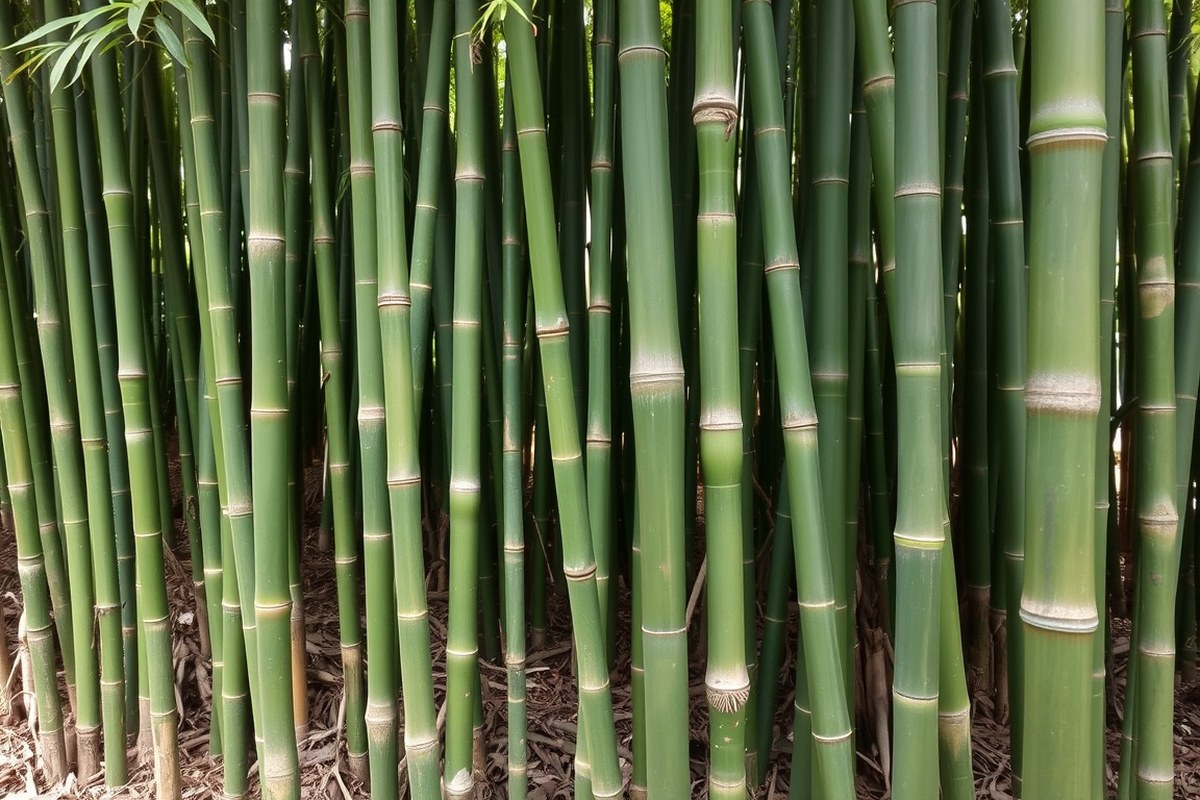
Invasive bamboo species in the United States are primarily running types, such as Phyllostachys bissetii (Bisset Bamboo) and Pseudosasa japonica (Arrow Bamboo). These bamboos spread aggressively through underground rhizomes, making them difficult to control and remove. Running bamboo grows quickly and can cover large areas if left unchecked, often behaving like a weed due to its vigorous expansion. The removal process may take three to five years of consistent effort because established rhizomes store energy and regenerate even after above-ground shoots are cut.
Bamboo generally falls into two categories: running and clumping. Clumping bamboo grows in tight clusters and expands slowly, making it easier to manage and remove because its underground stems, or rhizomes, do not spread far from the main plant. Running bamboo, on the other hand, sends out long rhizomes that grow horizontally just below the soil surface, often within the top 12 inches. These rhizomes can extend several feet from the parent plant, sending up new shoots and creating dense thickets. This growth pattern is why running bamboo is harder to eradicate since rhizomes can sprout new culms even if the visible stalks are removed.
The underground growth of running bamboo complicates removal. The rhizomes act like a network storing nutrients gathered from surface growth. Cutting or digging out the visible stalks isn’t enough, as rhizomes will regenerate shoots repeatedly. To fully eliminate running bamboo, all rhizomes must be consistently removed or killed over multiple growing seasons. The rhizomes’ high resilience means herbicide treatments targeting the leaves must be repeated for two to five years to deplete the underground energy reserves.
Running bamboo’s growing culms can reach heights of 30 feet or more within one year, rapidly shading out other plants and making manual removal challenging. The rhizomes’ horizontal reach can also extend outside the visible patch, so containment trenches or barriers at least 2 feet deep around the planting area are recommended when managing running bamboo. This underground spread makes controlling the plant a long-term project requiring patience and persistence.
Costs for bamboo removal reflect this complexity. Professional removal services typically range between $450 and $1,300, depending on the bamboo stand size and density. The investment is necessary to remove rhizomes effectively and prevent re-sprouting. Homeowners tackling a decades-old stand of running bamboo can expect to spend multiple years monitoring and retreating new growth to shut down this invasive species completely.
How to Physically Remove Bamboo Rhizomes and Culms Effectively

To remove bamboo physically, cut down all the bamboo stalks and then dig out the rhizomes thoroughly. Bamboo rhizomes can spread 15 to 20 feet from the original planting, so dig at least 12 to 18 inches deep and 30 to 50 centimeters wide around the area. Combining cutting and digging removes bamboo effectively by targeting both above and below ground growth.
Cutting Bamboo Culms Properly
Start by cutting the bamboo stalks, or culms, as close to the ground as possible. Use a sharp saw or pruning shears for clean cuts that reduce the chance of regrowth. Removing the culms removes the energy source for the rhizomes and makes digging easier.
Cut the bamboo during dormant periods to limit sap flow and reduce shooting. Dispose of cut culms away from your garden to prevent accidental spreading. Cutting alone won’t kill bamboo, but it is the necessary first step before digging out the rhizomes.
Digging Out Bamboo Rhizomes Fully
Bamboo rhizomes grow horizontally and can extend 15 to 20 feet from the main clump. Dig a trench about 12 to 18 inches deep and 12 to 20 inches wide around the bamboo patch. The width depends on how far the rhizomes have spread; aim for at least 30 to 50 centimeters away from visible culms.
Use a spade, mattock, or digging fork to loosen soil. Remove all rhizomes and root fragments you find, since even small pieces can sprout again. For mature clumps, rhizomes could extend deeper than 18 inches, so dig deeper if the ground is loose or soil profiles allow.
Removing rhizomes takes patience and repetition. Monitor the site and remove new shoots as they appear during the growing season to prevent regrowth. Dig thoroughly after cutting to maximize bamboo removal.
- Cut bamboo culms as close to the ground as possible using a saw or pruning shears.
- Clear cut debris from the area to access soil more easily.
- Mark the outer edge of visible culms to estimate rhizome spread.
- Dig a trench 12 to 18 inches deep and 12 to 20 inches wide around the marked area.
- Use spade or mattock to pry out rhizomes and root fragments.
- Inspect the soil for small rhizomes and remove all fragments.
- Dispose of removed rhizomes and roots carefully to avoid spreading.
- Repeat digging and monitoring through the shooting season to catch new growth.
Digging must be thorough; even tiny rhizome pieces left behind can cause bamboo to regrow.
Essential Tools and Safety Gear
You will need a sturdy spade or shovel, a mattock for breaking compact soil, and pruning shears or a bow saw to cut bamboo. Gloves protect against cuts, and long sleeves help prevent scratches from sharp bamboo edges. Knee pads or a garden mat provide comfort during extended digging sessions.
Wear eye protection when cutting bamboo to guard against flying debris. Use durable boots to prevent injuries from sharp root fragments in the soil. For large or established bamboo stands, consider renting or buying heavy-duty equipment, or hire professionals if the job is too big or risky.
Installing Rhizome Barriers to Contain Running Bamboo
To stop running bamboo from spreading beyond its designated area, install a rhizome barrier made of durable materials that reach at least 2 feet deep. These barriers give you control over invasive bamboo growth and reduce future costs and effort. Proper installation without gaps is key to ensuring the barrier fully contains the underground rhizomes.
Choosing Durable Barrier Materials
Look for barriers made from high-density polyethylene (HDPE), polypropylene, or metal, as these materials resist damage from bamboo rhizomes. A barrier thickness of at least 60 mil (0.06 inches) offers the best balance between durability and flexibility for residential use. These plastics prevent rhizomes from penetrating and lasting many years underground without degrading. The barrier should also be UV-resistant if any section remains above ground to prevent sunlight deterioration. Commercial suppliers specializing in bamboo containment sell HDPE products designed specifically for this purpose, often labeled “rhizome barriers.”
Installing Barriers Without Gaps
Install your barrier by digging a trench around the bamboo patch that is at least 24 to 36 inches deep. The barrier must fully surround the bamboo, with the top edge extending 2 to 3 inches above soil level to prevent rhizomes from growing over the top. A tight seal in corners and overlaps is essential because even small openings allow rhizomes to escape and spread. Below is a simple installation process:
- Mark the perimeter around your bamboo patch where the barrier will be placed.
- Dig a trench 24 to 36 inches deep and 4 to 6 inches wide to accommodate the barrier material vertically.
- Clear roots and rocks from the trench to allow the barrier to sit flat.
- Unroll the barrier material and place it vertically into the trench ensuring it overlaps at least 6 inches where ends meet.
- Use heavy-duty staples or clamps to secure overlaps and keep the barrier upright.
- Backfill the trench carefully with soil, compacting it to hold the barrier in place without creating gaps.
- Leave 2 to 3 inches of the barrier above ground as a visible alert and protective edge.
- Trim excess barrier material as needed but keep all connections tight.
Concrete-filled trenches can also be installed where digging is difficult or permanent barriers are desired. They cost more and require more labor but are effective as a physical rhizome barrier.
Maintaining and Inspecting Barriers
After installation, check the barrier twice yearly for any breaches, holes, or rhizomes growing above or around the top edge. Bamboo can slowly work its way over or through weak points if the barrier is damaged or compromised.
Keep the soil on both sides of the barrier even and avoid piling mulch or soil over the exposed top edge, which can mask growth and encourage escape. Remove any shoots that appear outside the barrier immediately by digging them up or cutting them at ground level.
Regular maintenance typically takes 10 to 15 minutes per inspection. Well-installed and maintained HDPE barriers can last 10 years or more, making them a cost-effective bamboo containment solution that avoids repeated removal or chemical treatments.
Chemical Methods: Best Herbicides and Application Techniques
Glyphosate and imazapyr are the most effective herbicides for killing bamboo permanently, mainly because they are systemic. They work by being absorbed into the plant and moving down to the roots. Using these chemicals at the right concentration and timing is critical to success. Glyphosate should be applied as a high-concentration brush killer (20-25%) directly onto freshly cut bamboo stumps within 60 seconds of cutting. This cut stump method is the most reliable way to kill the plant because surface spraying on soil or foliage rarely kills the extensive rhizome network.
Imazapyr is a more potent herbicide and can kill bamboo roots more thoroughly. However, it poses a higher risk of damaging surrounding plants due to its soil activity, so it requires extra care to avoid contact with non-target vegetation. Applying herbicide treatments for bamboo typically requires 2 to 3 growing seasons to ensure complete eradication given the bamboo’s resilience and underground energy reserves.
| Herbicide | Concentration | Application Method | Timing | Risks and Notes |
|---|---|---|---|---|
| Glyphosate | 20-25% | Brush onto freshly cut stumps within 60 seconds | Immediately after cutting; also to new shoots ~4 ft tall | Non-selective; will kill surrounding plants if contacted |
| Imazapyr | Labeled concentration (follow label) | Similar cut stump or foliar spray on shoots | During active growth; repeat over several seasons | Highly effective but risks soil contamination; avoid nearby roots |
| Surface soil application | Any | Spraying soil | Not recommended | Ineffective; damages soil and plants, does not kill rhizomes |
Applying herbicides by spraying soil or foliage without cutting will not kill the underground rhizomes. This leads to regrowth, meaning repeated treatments and more work. Cutting the bamboo close to the ground first and then brushing a concentrated glyphosate or imazapyr solution onto the cut stumps within one minute prevents the plant from sealing off the wound and improves herbicide uptake. Use protective gloves and avoid herbicide contact with other plants, since both chemicals are non-selective and can damage desirable vegetation.
Expect to repeat treatments for 2 to 3 growing seasons. Newly sprouted bamboo shoots can be controlled by spraying them with glyphosate or imazapyr when they reach about 4 feet tall, which helps break the bamboo’s life cycle. Chemical control is a labor-intensive process that must be done carefully and consistently for success. Using herbicides responsibly by following label directions preserves soil health and helps protect surrounding landscape plants from unintended harm.
Combining Physical and Chemical Methods for Maximum Bamboo Control
Combining physical removal with targeted herbicide use offers the best chance to control bamboo completely. Cutting and mowing weakens new growth, digging exposes rhizomes for treatment, and herbicides kill regenerating roots. Using these methods in sequence can stop bamboo’s spread over several growing seasons.
Repeated Cutting and Mowing Strategy
Cutting bamboo repeatedly at ground level denies the rhizome network the energy it needs to survive. Mowing new shoots weekly during the growing season, extending 15 to 20 feet beyond the main patch, prevents reinfestation spread. This ongoing removal, done over 3 to 5 years, gradually starves the underground system.
For thick or tall bamboo that risks damaging mower blades, use loppers or a hand saw to prune stalks carefully. Be consistent each spring as new shoots emerge to keep the plant from reaching maturity and replenishing its roots.
Sequential Digging and Herbicide Applications
Digging up bamboo rhizomes physically removes much of the root system but rarely catches it all. Follow digging with systemic herbicide applications to kill remaining underground parts. Products with imazapyr, like Arsenal, require multiple applications across several years for mature bamboo.
Applying herbicides immediately after cutting stalks or digging helps active plant parts absorb the chemicals faster. Glyphosate (Roundup) can work but demands repeated treatments and precise timing. Always wait for dry weather and calm wind to spray, preventing drift to non-target plants.
- Cut bamboo stalks flush to ground level in late spring or early summer.
- Dig around the base to expose rhizomes without spreading roots further.
- Apply a systemic herbicide to freshly cut stalks and exposed roots.
- Repeat herbicide applications every 4 to 6 weeks during active growth periods.
- Mow or cut new shoots weekly, extending the treatment area beyond visible bamboo.
- Continue methods until no new shoots appear for at least two growing seasons.
- Dispose of cut bamboo properly to avoid accidental spread.
Never apply herbicides in windy conditions to avoid damaging nearby desirable plants.
Evaluating Alternative Non-Chemical Methods
Tarping or shading bamboo can starve it by blocking sunlight but is most effective when combined with cutting and mowing. Cover the bamboo area with a thick, dark tarp, securing edges well. This should remain for at least 6 months, but results take longer than chemical treatments.
Boiling water poured onto freshly cut roots may kill some rhizomes but will not eradicate established bamboo alone. Household remedies like vinegar, salt, bleach, or diesel lack consistent effectiveness and may harm soil health or nearby plants.
Overall, persistence matters most. Physical and chemical methods together speed control, while alternative treatments serve best as supplementary strategies in sensitive areas where herbicides aren’t an option.
Proper Disposal and Legal Considerations for Bamboo Waste
Proper disposal of bamboo culms and rhizomes is essential to prevent regrowth and avoid legal issues related to invasive plant management. Bamboo spreads through its underground rhizomes, so leftover roots and stems discarded carelessly can sprout new growth. It’s important to handle these materials with care to stop the plant from returning and to comply with local waste disposal regulations.
Start by cutting bamboo culms into sections no longer than 6 feet. This size is manageable for disposal services and helps reduce the chance of live fragments taking root again. Both the bamboo culms and rhizomes should be treated as regular trash, not yard waste, because many municipalities do not accept invasive plants in compost or green waste programs. Check with your local waste authority to confirm specific rules.
- Place cut bamboo pieces and rhizomes in heavy-duty trash bags or containers to prevent spreading during transport.
- Do not leave bamboo debris on your property’s edge or throw it into natural areas where it can establish new growth.
- Consider chipping or shredding bamboo to reduce size before disposal, this makes it less likely to sprout but still requires proper trash pickup.
- For large quantities, some municipalities offer bulky waste collection or special hazardous plant disposal services, contact them for guidelines and costs.
- Avoid burning bamboo waste yourself, as it can be regulated or prohibited due to fire risk and invasive species rules in many areas.
- If you have a garden waste program that does accept invasive plants, confirm that bamboo is allowed and follow size limits and bagging instructions.
- Wear gloves and protective clothing when handling rhizomes to avoid skin irritation and accidental planting.
In some regions, invasive bamboo is subject to state or local ordinances that require landowners to control its spread. Failure to properly dispose of bamboo waste may result in fines or orders to remove regrowth. Therefore, documenting your disposal efforts, such as keeping receipts from waste services or photos of removal, can be helpful if enforcement agencies inquire. While disposing of bamboo this way might increase costs by several dollars per bag or container, the expense is justified by the potential prevention of costly regrowth.
Good results come from consistent removal and disposal, preventing any pieces capable of sprouting from returning to soil or nearby natural areas. Problems arise when bamboo fragments are left in compost, dumped, or inadequately secured during disposal transport, as they can root quickly, undoing removal efforts. Guidance from local government or extension services is valuable in understanding any specialized local rules that affect bamboo waste management in your area.
Realistic Timeline and Costs for Complete Bamboo Eradication
Completely removing bamboo generally takes one to two growing seasons, but the process can extend over multiple years depending on the bamboo species and site conditions. Bamboo stores a lot of energy in its underground rhizomes, so cutting visible stalks alone won’t stop regrowth. Consistent effort through spring to early summer is critical, as bamboo does most of its growing within a six-week to three-month window during that time.
You’ll need to plan weekly work sessions of 15 minutes up to one hour, adding to 2 to 8 total hours per year for a small residential patch. DIY efforts can scale up if the bamboo covers a larger area or is denser. Professionals generally charge more but may reduce your total time and risk of regrowth by applying proven herbicides and careful mechanical removal. Here’s a breakdown comparing estimated time, labor, and costs for DIY versus professional bamboo eradication:
| Aspect | DIY Bamboo Removal | Professional Bamboo Removal |
|---|---|---|
| Expected Timeframe | 1 to 2 growing seasons (6 to 9 months) | Same or slightly faster with herbicide use and experience |
| Labor Hours | 2 to 8 hours per year for small patches | Varies, usually less personal time but more intensive sessions |
| Cost Range | $0 to $150 (mainly tools or herbicides) | $500 to $2000+ depending on area size and method |
| Best Season to Work | Spring through early summer | Spring through early summer |
| Skill Level | Beginner to intermediate | Professional expertise recommended |
Starting as early in the growing season as possible helps you target new shoots to prevent them from strengthening their rhizomes. For best results, plan to work weekly throughout spring, cutting or herbicide-treating new stems and digging out rhizomes as they appear. Follow-up monitoring in late summer and fall is necessary to catch any survivors before winter.
Skipping follow-up treatments or working only sporadically often leads to stubborn regrowth. Bamboo’s persistent underground growth can rebound within months if not thoroughly eradicated. Budgeting time, effort, and costs according to your site’s size and bamboo density will help avoid frustration and cut your removal timeline down to a manageable one to two seasons.
Preventing Bamboo Resurgence and Choosing Replacement Plants
To prevent bamboo from resurging after removal, continuous monitoring is essential. Check the treated area at least once a month for new shoots or rhizome growth. Bamboo can spread underground from neighboring properties, so even if your land is clear, sprouts may appear unexpectedly. When you spot new growth, cut or pull it immediately before it matures, which prevents the plant from storing energy in its rhizomes and spreading further. This ongoing vigilance should continue for several years because bamboo rhizomes store energy and may produce new shoots long after initial treatment.
Common mistakes that lead to bamboo removal failure include inadequate removal of rhizomes, neglecting to monitor neighbors’ bamboo sources, and using herbicides improperly. Many people assume cutting back bamboo shoots or aboveground stems is enough, but this only weakens the top growth temporarily while rhizomes continue to thrive underground. Applying herbicides like those containing imazapyr without following safety instructions can harm desirable plants and cause environmental damage. Also, directly spraying herbicides near your neighbor’s bamboo risks cross-contamination and conflicts, so communication and boundary awareness are important. Avoid giving up too soon; bamboo may appear gone but can rebound if rhizomes remain alive.
After bamboo removal, selecting sustainable replacement plants helps prevent future invasions and maintains landscape stability. Non-invasive clumping bamboos, such as Fountain Bamboo (Fargesia species), are a popular choice for temperate climates like Maryland since they do not spread aggressively underground. Native grasses and other deep-rooted plants adapted to your region often offer good alternatives that stabilize soil and deter erosion without the risks of running bamboo. When choosing replacements, consider local hardiness zones, soil type, and water needs. Consulting a local nursery or cooperative extension service can help identify native plants suited to your yard’s conditions.
Bamboo is notorious for causing structural damage to homes and infrastructure. Its strong rhizomes can penetrate foundations, disrupt paving stones, damage underground pipes, and cross into neighboring properties unnoticed. Repairing such damage can cost thousands of dollars, with some reports indicating damages could reach upward of $100,000 for severe cases. Early detection through regular inspection of your property’s boundaries and underground utility lines saves money and stress.
Seasonal and regional factors affect bamboo eradication success. Cooler temperatures slow bamboo growth, so late fall and winter when the plant is dormant may be the best time to apply control methods. However, herbicide applications usually work best during active growth periods in late spring and summer when the plant translocates chemicals to its rhizomes. In wet regions, rapid shoot emergence requires more frequent monitoring, while drought conditions may stress bamboo and reduce its spread. Tailoring your removal timeline to your local climate and growth cycles improves long-term control.
Monitor your treated bamboo area monthly for new shoots, and remove them promptly to stop underground rhizomes from regenerating.
Step-by-Step Action Plan to Get Rid of Bamboo
Follow this plan to remove invasive bamboo completely, contain its spread, and keep your garden bamboo-free in the future.
- Before You Start: Identify if your bamboo is a running (invasive) species. Purchase tools like a sharp spade, pruning saw, rhizome barrier material, and a suitable glyphosate herbicide. Knowing the type guides removal techniques.
- Day 1 to 3: Cut all bamboo culms near ground level and remove clippings carefully to avoid spreading. Watch for new shoots as a sign the rhizomes are still alive.
- Week 1: Dig around the bamboo patch, cutting and removing visible rhizomes at least 12 inches beyond the last culm. Recheck for missed pieces; leftover rhizomes mean regrowth.
- Week 2: Install a rhizome barrier at least 30 inches deep around the cleared area to prevent new spread. Test barrier stability by gently pushing soil near it; it should block rhizome penetration.
- Week 3 to 6: Apply herbicide to new shoots and cut stems, following label instructions precisely. Successful treatment will show blackened and wilting bamboo within 2 weeks.
- After 6 Weeks: Monitor the area monthly for new bamboo growth. Repeat physical removal and herbicide treatments on any new shoots. No new shoots after 3 consecutive months indicates control success.
- Ongoing: Dispose of bamboo clippings by burning where allowed, or in sealed bags per local rules to avoid spreading. Choose slow-growing, noninvasive plants for replanting to prevent reinfestation.
Frequently Asked Questions
What Kills Bamboo Permanently?
Pulling out the entire root system is the only permanent solution. It requires consistent effort over several years and may need repeated treatments with herbicides like glyphosate or triclopyr for complete eradication.
Will Putting a Tarp over Bamboo Kill It?
Covering bamboo with a thick black plastic tarp can weaken it by blocking sunlight and water. However, this method alone rarely kills bamboo permanently and works best combined with other removal efforts.
What Is the Best Root Killer for Bamboo?
Herbicides with a high concentration of glyphosate or triclopyr are the best root killers. Apply promptly to cut bamboo tops and repeat as needed over multiple seasons for effective control.
Will Pouring Boiling Water on Bamboo Kill It?
Pouring boiling water can kill bamboo leaves on contact but won’t destroy the root system. This method is insufficient for permanent removal and should be part of a broader control strategy.
Can Bamboo Grow Back After Cutting It Down?
Yes, bamboo often regrows from underground rhizomes after cutting, so removing roots is necessary to prevent resurgence.
Is Bamboo Illegal to Plant in Some Areas?
Some regions regulate or ban invasive bamboo species due to their aggressive growth and environmental impact. Check local laws before planting.
The Bottom Line
Getting rid of bamboo requires a consistent, multi-step approach using both physical removal and targeted herbicide applications. Start by cutting down all visible bamboo stalks and digging out as many rhizomes as possible to weaken the root system. Then plan your next treatment round within a few weeks to prevent regrowth and keep monitoring for any new shoots.