
How to Get Rid of Wrinkles Around Mouth: 8 Proven Ways That Work
To get rid of wrinkles around the mouth, use a combination of proven methods including proper skincare, targeted topical products, and professional treatments like fillers or laser therapy. Natural remedies, makeup techniques, and avoiding common mistakes also play important roles in reducing fine lines and achieving a smoother appearance. This approach helps address both the causes and visible effects of mouth wrinkles effectively.
This article is designed for adults concerned about smile lines and wrinkles around their mouth who want clear, practical ways to improve their skin’s appearance. You will find insights on why these wrinkles form, the best products to use, professional treatment comparisons, and tips on maintenance and concealing wrinkles for a more youthful look.
Key Takeaways
- Collagen loss around the mouth begins after age 20, causing sagging and fine lines known as perioral wrinkles.
- Massaging olive or other oils into the skin for 10 minutes nightly helps reduce fine lines naturally by moisturizing and stimulating circulation.
- Choose topical products with glycolic acid over 10% concentration and pH around 4 to improve skin texture and diminish wrinkles.
- Professional treatments like fillers and Botox offer quick results but require regular maintenance, typically every 4 months for Botox.
- Silicone-based wrinkle patches prevent skin movement to reduce crease formation and improve skin tone within weeks.
- Avoid common mistakes like skipping consistent skincare or overusing harsh products, which can worsen wrinkles and skin sensitivity.
1. Why Wrinkles Form Around the Mouth and How They Differ
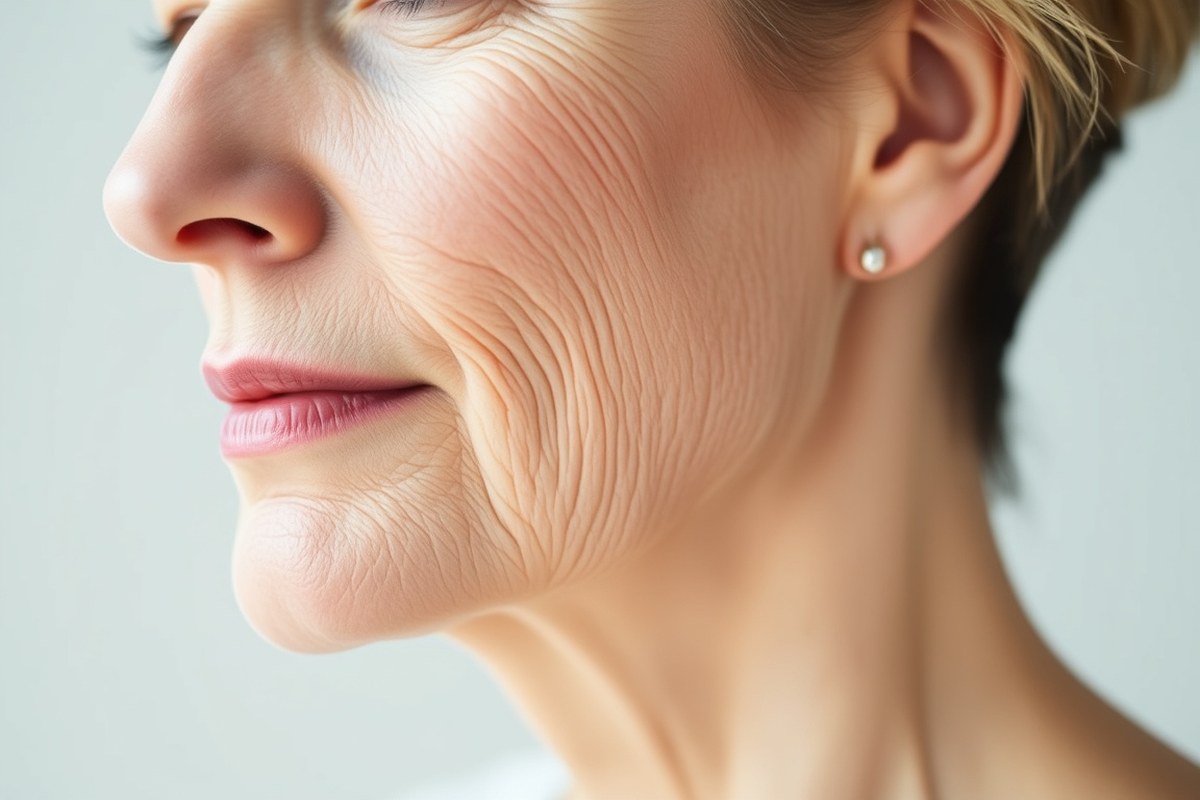
Wrinkles around the mouth form primarily due to a combination of natural aging, repeated facial movements, and environmental factors. Skin in this area tends to show signs of aging earlier than other parts of the face because it is thinner and experiences constant motion from talking, smiling, and lip movements. Over time, these repeated expressions create fine lines that deepen as the skin loses elasticity and collagen, the protein responsible for skin firmness and suppleness.
Collagen production begins to decline gradually starting in your mid-20s, dropping by about 1% per year according to scientific studies. This process results in less support beneath the skin’s surface, leading to the development of wrinkles and sagging. Around the mouth, this loss of collagen shows up first as fine vertical lines, often called perioral lines or smoker’s lines. These lines become more noticeable as collagen levels continue to fall, contributing to the formation of more pronounced wrinkles.
Wrinkles forming around the mouth come in different forms, each with its own causes and treatment methods. Perioral lines, often called lipstick lines, are thin vertical wrinkles that appear around the lips. These mainly result from aging and frequent lip pursing. Smile lines, or nasolabial folds, stretch from the nose down to the mouth’s corners and deepen over time due to loss of volume and loosened skin, particularly with more muscle movement during smiling or laughing. Marionette lines run down from the mouth’s corners to the chin, caused by a combination of volume loss and skin sagging due to gravity.
Treatments differ based on these wrinkle types. Vertical lip lines often respond well to collagen-stimulating therapies like microneedling or topical retinol products that promote collagen regeneration. In contrast, smile lines and marionette lines often require dermal fillers to restore volume and smooth deeper folds. Understanding these differences helps tailor treatments for more effective, longer-lasting results.
Environmental factors such as sun exposure and smoking accelerate collagen breakdown, making mouth wrinkles more apparent earlier. The skin around the mouth is also prone to dryness, which can worsen wrinkle appearance. Applying sunscreen consistently and avoiding smoking can slow this process. Using products specifically designed to boost collagen, such as retinol creams or clinically tested collagen serums, supports skin’s natural repair mechanisms and improves the elasticity around your lips.
2. Natural Ways to Reduce Fine Lines Around Your Mouth at Home
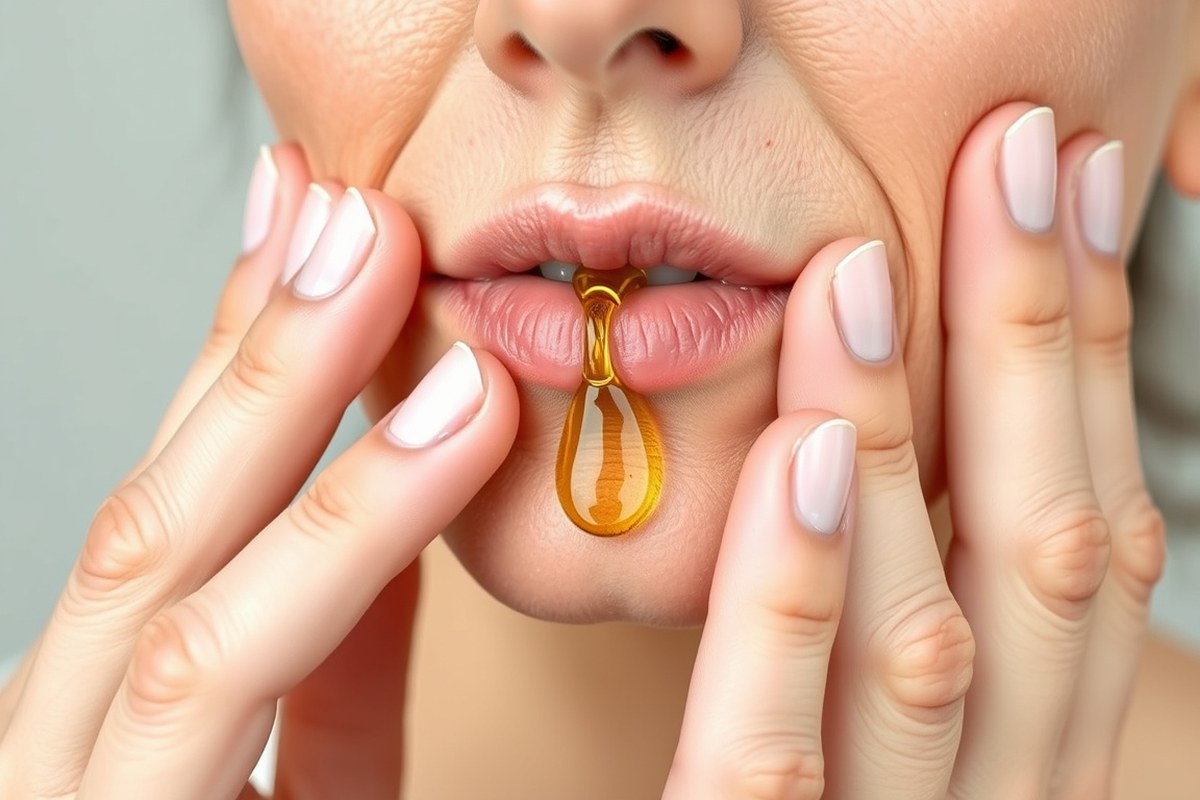
Reducing fine lines around your mouth naturally involves consistent care focused on strengthening skin elasticity, maintaining moisture, and protecting skin from further damage. Facial exercises, natural oils, massage, hydration, and sun protection work together to improve skin texture and slow wrinkle formation. Lifestyle changes, such as quitting smoking, also help minimize existing lines and prevent new ones from forming.
Effective Facial Exercises for Mouth Area
Facial exercises can tone muscles and improve circulation in the mouth area, softening the appearance of fine lines. These exercises focus on opening and stretching the lips and surrounding muscles to boost collagen production and keep skin firm. Try doing these facial exercises daily for about 5 minutes to see gradual improvements in skin tightness and smoothness around the mouth.
- Close your lips and smile widely without showing your teeth, hold for 5 seconds.
- Press your lips together tightly, then pucker as if blowing a kiss, hold for 5 seconds.
- Place your index fingers on each corner of your mouth, gently pull outward while resisting the stretch with your lips for 5 seconds.
- Open your mouth wide in an “O” shape and hold for 5 seconds, then relax.
- Repeat the sequence 8 to 10 times daily.
Benefits of Natural Oils and Their Application
Natural oils like olive, jojoba, and rosehip are rich in antioxidants and vitamins that support skin hydration and repair. Applying diluted essential oils around the mouth twice a day can help reduce the visibility of fine lines by nourishing the skin and improving elasticity.
To use oils safely, always dilute 1-2 drops of essential oil in a teaspoon of carrier oil before applying. Olive oil on its own also works well to moisturize and soothe skin.
Perform a patch test before regular use of essential oils to avoid skin irritation around the delicate mouth area.
Techniques for Facial Massage to Smooth Skin
Massaging the area around your mouth increases blood flow and promotes lymphatic drainage, which can help reduce puffiness and smooth out fine lines. Massaging with oil adds slip and nourishes the skin deeply. Follow these steps for a simple, effective facial massage every night before bed to relax muscles and improve oil absorption.
- Apply a small amount (a few drops) of your chosen oil around your mouth.
- Using your fingertips, gently massage in small circular motions along the smile lines and upper lip for 10 minutes.
- Use upward strokes from the chin towards the cheeks to lift and firm the skin.
- Finish by gently tapping the area with your fingertips to stimulate circulation.
Importance of Staying Hydrated Daily
Hydration is critical for maintaining skin elasticity and reducing wrinkle formation. Drinking 8 to 10 cups of water daily helps keep your skin plump and smooth. Proper hydration supports collagen levels and prevents dryness that can make wrinkles appear worse.
You can boost hydration by eating water-rich fruits and vegetables like cucumbers and watermelon alongside your water intake. Avoid dehydrating habits such as excessive caffeine or alcohol consumption.
Role of Sun Protection in Wrinkle Prevention
Sun exposure breaks down collagen and accelerates skin aging, making fine lines around the mouth more noticeable. Applying a broad-spectrum mineral SPF 30 or higher lip balm and sunscreen daily shields your skin from UV damage and slows wrinkle progression. Here is a daily checklist to keep sun protection consistent:
- Apply lip balm with SPF before going outdoors every morning.
- Use a broad-spectrum sunscreen on the skin around your mouth, reapplying every two hours when outside.
- Wear a wide-brimmed hat or use an umbrella when exposed to direct sunlight for extended periods.
- Seek shade during peak sun hours (10 a.m. To 4 p.m.).
Regular sun protection can prevent new wrinkles, but it may not reverse deep, existing lines without additional treatments.
3. Choosing the Right Topical Products for Mouth Wrinkles
To reduce wrinkles around your mouth effectively with topical products, look for creams or serums containing retinol, peptides, hyaluronic acid, and antioxidants. These ingredients help smooth fine lines and improve skin hydration. Use them carefully around the delicate mouth area, applying a thin layer to avoid irritation, and expect to see noticeable improvement within two to eight weeks.
Key Anti-Aging Ingredients to Seek Out
Retinol is a powerful ingredient proven to boost collagen production and cell turnover, which improves skin texture and reduces wrinkles. Products containing pure retinol combined with soothing agents like shea butter often provide visible smoothing of mouth wrinkles in as little as two weeks. Peptides are smaller proteins that help stimulate collagen and elastin synthesis, making skin firmer and more resilient. Hyaluronic acid is essential for retaining moisture, giving the skin around your lips a plumper, hydrated look and decreasing the appearance of fine lines. Antioxidants such as vitamin C and vitamin E help neutralize free radicals, preventing further skin damage and encouraging repair. Choosing formulas that combine these ingredients offers a balanced approach to fighting wrinkles effectively.
How to Properly Apply Products Near Lips
The skin around the mouth is thin and more sensitive than other areas. To prevent irritation, apply topical treatments sparingly, using a pea-sized amount and gently patting the product into the skin rather than rubbing. Avoid direct contact with your lips to prevent dryness or peeling. Apply creams or serums after cleansing and before moisturizing, preferably at night if the product contains retinol or alpha hydroxy acids (AHAs) since they can increase photosensitivity. Using a fragrance-free, gentle lip balm on your lips can protect from drying effects. Protect your skin daily with a broad-spectrum sunscreen of SPF 30 or higher, especially after treatments that encourage cell turnover.
Combining Actives for Improve Wrinkle Improvement
Using more than one active ingredient can improve wrinkle reduction by targeting different aging factors. For example, pairing retinol with hyaluronic acid helps boost collagen while maintaining hydration, minimizing irritation risks from retinol alone. Combining antioxidants like vitamin C with peptides offers protection from environmental damage and supports skin repair processes. Introduce new products gradually, starting with lower concentrations to monitor your skin’s tolerance. Avoid layering multiple strong acids or retinoids simultaneously, which can cause excessive dryness or redness, especially in sensitive areas around the mouth.
Avoiding Irritants and Allergens in Formulas
Wrinkles near your lips can worsen if the skin becomes inflamed or irritated. Avoid topical products containing alcohol, harsh fragrances, or strong exfoliating agents near your mouth. These ingredients can disrupt the skin barrier, causing dryness and flaking that make wrinkles more visible. Patch-testing new products before full application reduces the chance of allergic reactions. Choosing products labeled as hypoallergenic or formulated for sensitive skin can also help reduce irritation risks, especially if you have a history of skin sensitivity.
Frequency and Timing for Best Results
For retinol and similar actives, apply the product 2 to 3 times per week at first, gradually increasing to daily use as your skin adjusts. Consistent use over at least four to eight weeks is necessary to see measurable improvements in wrinkle depth and skin texture. Moisturizers and serums with peptides and hyaluronic acid can be used daily, morning and night, supporting ongoing hydration and skin firmness. Avoid using strong alpha hydroxy acids, like glycolic acid, more than once or twice a week near the mouth to prevent irritation. Patience is key, topical treatments improve skin over time but do not erase deep wrinkles instantly.
4. Comparing Professional Treatments: Fillers, Botox, Lasers, and More
Professional treatments for wrinkles around the mouth vary by how they work, the depth of wrinkles they best target, and the recovery involved. Dermal fillers, Botox, laser resurfacing, and combinations of these treatments each play a role depending on the specific wrinkle type and your skin’s condition.
Dermal fillers use a needle to inject hyaluronic acid beneath the skin, adding volume to smooth deep wrinkles and support sagging areas. They work well for pronounced smile lines and “purse-string” wrinkles that need plumping to fill in grooves. Results tend to last around 6 to 12 months, and the procedure is relatively quick with minimal downtime. You might notice some redness or swelling but pain levels are generally low because of small needles and possible numbing creams.
Botox and similar neurotoxins temporarily relax muscles that cause dynamic vertical wrinkles around the mouth. These wrinkles appear with movement such as smiling or puckering. Botox addresses these lines by reducing muscle activity, softening the appearance while not filling the skin. Effects typically last 3 to 4 months, with slight discomfort from injections and no real downtime. It suits fine to moderate dynamic lines rather than static, deep folds.
Laser resurfacing involves directing concentrated light to remove damaged skin layers and stimulate new collagen growth. This treatment improves skin texture and tightens the area, effectively reducing fine lines and some moderate wrinkles around the mouth. It can produce a refreshed and smoother skin surface but usually requires multiple sessions spaced 6 weeks apart. Expect redness and peeling that can last about a week, with moderate discomfort during and shortly after treatments.
| Treatment | Best For | Pros | Cons | Cost Range | Downtime | Expected Results Duration |
|---|---|---|---|---|---|---|
| Dermal Fillers (e.g., Juvederm) | Deep wrinkles, volume loss | Immediate smoothing; adds volume; low pain | Temporary; some swelling; requires repeat treatments | $600, $1,200 per syringe | Minimal, 1, 2 days mild swelling | 6, 12 months |
| Botox | Dynamic vertical wrinkles | Softens muscle movement wrinkles; quick treatment; no downtime | Temporary; not for deep static wrinkles | $300, $600 per area | None | 3, 4 months |
| Laser Resurfacing | Fine lines, overall skin texture | Stimulates collagen; skin tightening; long-lasting improvement | Requires multiple sessions; peeling; moderate discomfort | $1,000, $3,000 per session | 5, 7 days redness and peeling | Months to years with proper care |
Combining treatments can give more complete rejuvenation of the perioral area. For example, starting with two laser resurfacing sessions about 6 weeks apart, followed by a dermal filler treatment, often improve both skin quality and volume. Since Botox controls dynamic lines, it can be added to soften vertical wrinkles alongside these treatments for deeper wrinkles. Understanding your wrinkle type helps select the right professional approach to target the underlying causes effectively.
5. Understanding Costs, Pain, and Maintenance for Mouth Wrinkle Treatments
Typical costs of treatments for wrinkles around the mouth vary depending on the procedure and location. Botox injections usually range from $200 to $500 per session, targeting muscle relaxation to smooth wrinkles. Dermal fillers, which restore volume and fill deep lines, often cost between $500 and $1,000 per treatment. Laser therapies or chemical peels tend to be more expensive, with prices from $700 up to several thousand dollars per session, factoring in the need for multiple appointments.
Pain levels differ by treatment type and personal sensitivity. Botox and fillers are administered with fine needles and generally cause only mild discomfort, often described as tiny pinches. Most people tolerate these procedures without anesthesia. Lasers and chemical peels can cause more significant discomfort during and after the session, including redness, swelling, or peeling skin. Recovery time also depends on the treatment chosen. Botox and fillers usually have minimal downtime, with most people resuming normal activities immediately. Laser treatments may require several days to a week of healing, and downtime includes avoiding sun exposure and using gentle skin care.
Maintaining results requires regular sessions. Botox typically lasts three to four months, so repeated injections every three to four months keep wrinkles subdued. Fillers last longer, usually six to twelve months, depending on the kind of filler and treatment area. For best long-term results, schedule touch-ups before the effects fully disappear rather than waiting for wrinkles to deepen again. Skipping treatments can allow wrinkle recurrence or worsening. Laser and peel results may last several months to over a year, but maintenance treatments are often recommended yearly or biannually to sustain skin texture and wrinkle improvement.
Because these treatments involve breaking the skin or injecting substances, follow aftercare instructions carefully to reduce risks of infection or bruising. Avoid strenuous exercise or sun exposure immediately after procedures. Results can vary based on your skin type, age, and lifestyle habits, so discuss your needs and expectations with a licensed dermatologist or cosmetic professional before starting.
Plan your budget and schedule by booking treatments at regular intervals, usually every 3 to 12 months, to maintain wrinkle reduction and avoid sudden changes in appearance.
6. Common Mistakes and How to Avoid Them When Treating Mouth Wrinkles
Many people make avoidable mistakes when trying to treat wrinkles around the mouth, which can prolong or worsen the issue. One common error is skipping sunscreen. The skin around the mouth is thin and vulnerable to UV damage. UV rays contribute to the vertical wrinkles near the lips, often called smoker’s lines. Applying a broad-spectrum sunscreen daily with at least SPF 30 can block these damaging rays. Even if you wear sunglasses, UV radiation can sneak past and affect this delicate area.
Incorrect retinol use is another frequent mistake. Over-the-counter retinol products are usually strong enough to slow down wrinkle formation around the mouth without causing irritation. Using too much retinol or applying it improperly may lead to dryness, redness, or peeling, which can make wrinkles look worse. Start by applying a pea-sized amount every other night, then increase to nightly use as your skin adjusts. Always follow with a moisturizer and avoid applying retinol on cracked or irritated skin.
- Skipping sunscreen daily, apply SPF 30 or higher every morning.
- Overusing retinol, start with small amounts every other night and increase gradually.
- Ignoring exfoliation, use gentle exfoliation once or twice a week to remove dry skin and smooth wrinkles.
- Relying only on quick fixes like fillers without addressing skin health and habits.
- Using unproven natural remedies without consistency or proper technique.
Avoid relying solely on quick cosmetic fixes without improving skin health. Healthy skin resists wrinkles better, so drink enough water, eat a balanced diet with antioxidants, and limit alcohol to prevent dryness. Regular exfoliation helps by removing dead skin cells, making fine lines less visible. Use a gentle exfoliant around the mouth once or twice weekly, avoiding harsh scrubs that can damage thin skin.
Many natural remedies lack strong evidence and sometimes cause irritation if not applied correctly. If you try natural oils or masks, patch test first and use them consistently for at least a few weeks. Remember, removing or reducing wrinkles around the mouth takes time and proper care. Rushing treatments or skipping basic steps often leads to disappointing results or skin problems. Follow each step carefully to see gradual, lasting improvement.
7. Makeup Tips and Tricks to Conceal Wrinkles Around the Mouth
Makeup serves as an effective method to conceal wrinkles around the mouth, especially when you prefer to avoid cosmetic procedures or seek a temporary fix. Choosing lightweight, hydrating products that don’t settle into lines and applying them with techniques that smooth the skin’s surface can reduce the appearance of wrinkles. Matte and heavy foundations tend to emphasize wrinkles, so select formulas with a natural or dewy finish to keep your skin looking fresh. Avoid thick concealers and powders that can cake or crease around fine lines.
The best products include tinted moisturizers, lightweight liquid foundations, hydrating concealers, and cream blushes. Ingredients like hyaluronic acid or glycerin help keep the skin plump and moisturized. A primer designed to fill in fine lines also creates a smoother base. Avoid shimmer or glitter near the mouth, as reflective particles tend to highlight wrinkles. Follow this step-by-step makeup application process to minimize the appearance of wrinkles around your mouth:
- Prep your skin. Begin by cleansing and applying a moisturizer that nourishes and plumps. Use a hydrating lip balm to soften lips and the surrounding skin.
- Apply a silicone-based primer. Dab a small amount onto wrinkle-prone areas around your mouth. This fills in fine lines and creates a smooth base.
- Use a lightweight, dewy foundation. Apply thin layers with a damp makeup sponge, gently pressing the product into skin rather than rubbing. This avoids disturbing the primer and reduces streaks.
- Spot-conceal only where needed. Choose a creamy concealer with hydrating ingredients to lightly cover deeper lines or discoloration, blending edges softly with a finger or brush.
- Skip heavy powders near mouth wrinkles. Lightly set makeup with a translucent powder applied by a fluffy brush to avoid caking only when necessary.
- Apply cream blush on the apples of cheeks. Blend upward and outward to lift your face, directing focus away from mouth wrinkles.
- Outline lips with a moisturizing lip liner. Fill in lips with a hydrating lipstick or tinted balm, steering clear of matte or drying formulas.
- Refresh throughout the day as needed. Use a mist or dab more balm to maintain smoothness without caking.
Makeup can effectively hide many wrinkles, but very deep furrows or pronounced lines may still be visible. Applying too much product or heavily using powders can accentuate wrinkles by settling into grooves. Combining makeup with skincare treatments like exfoliation or moisturizing serums delivers longer-lasting wrinkle concealment. Budget approximately $15 to $40 for each product type, depending on brand and ingredients.
8. Deciding Between Natural Remedies and Professional Treatments
You can reduce wrinkles around the mouth but rarely fully reverse them to a youthful state. Natural remedies suit mild lines and preventive care, while professional treatments address deeper wrinkles or rapid improvement desires. Choosing the best approach depends on wrinkle depth, age, budget, and skin type through a clear decision flow.
Factors Influencing Treatment Choice
The first step in deciding is to assess your wrinkle severity and skin condition. Since the skin around your mouth is thinner than other facial areas, wrinkles here can appear more prominent and may require targeted care. You should consult a board-certified dermatologist or cosmetic surgeon who can evaluate your skin type, wrinkle depth, and any extrinsic factors like sun exposure or smoking that accelerate aging.
Natural remedies, such as using creams with resveratrol or deep hydration formulas, help restore firmness and reduce fine lines when wrinkles are mild. These take consistent daily use for several months and cost less than professional procedures. Professionals offer fillers, Botox, and laser treatments that provide quicker, more dramatic results by smoothing deeper lines, tightening skin, or stimulating collagen production.
Severity Levels Explained
Mild wrinkles appear as fine lines that become visible primarily during facial movements. For these, natural remedies and high-quality moisturizers containing ingredients that thicken and hydrate the skin may suffice, with results improving gradually over 3 to 6 months. Moderate wrinkles that are visible even at rest and slightly etched into the skin benefit from a combination of topical products and minimally invasive treatments like light chemical peels or micro-needling.
Severe wrinkles are deep, long-lasting creases and folds around the mouth that usually require professional intervention. Treatments such as dermal fillers or laser resurfacing address these by replenishing volume lost to aging and stimulating collagen. While these provide more immediate results, they come with higher costs, ranging from hundreds to thousands of dollars, require some downtime, and need periodic maintenance every 6 to 12 months.
Budget and Skin Type Considerations
Your budget strongly influences whether natural or professional treatments make sense. Effective creams and serums generally range from $30 to $150 for a month’s supply. Professional treatments, depending on the procedure, can cost from $500 to over $3000 per session, not including follow-up visits or maintenance. Consider also your willingness to invest time daily or multiple visits to a clinic versus one-time or annual professional appointments.
Skin type affects treatment compatibility and results. Sensitive skin may react poorly to some chemical peels or lasers, making hydration-focused natural products safer. Oily or combination skin might tolerate professional treatments better but still needs tailored skincare. A licensed provider can recommend protocols suited to your skin’s reactiveness and healing capacity, reducing risks of irritation or scarring.
Document your goals and budget before starting treatments to avoid spending on ineffective or unsuitable options.
Step-by-Step Action Plan to Reduce Wrinkles Around Your Mouth
Follow these practical steps to start addressing wrinkles around your mouth using a mix of natural care, topical products, and informed treatment choices.
- Before you start: Examine your skin around the mouth to identify fine lines and deeper wrinkles, noting your skin type and lifestyle habits to tailor your approach.
- Week 1: Begin a daily skincare routine with gentle cleansing and moisturizing, including applying a topical product containing retinoids or peptides. Notice softer, hydrated skin after one week.
- Week 2: Introduce targeted natural remedies such as using a homemade honey and olive oil mask twice a week. Observe for any skin irritation and a subtle improvement in skin texture.
- Week 3: Add consistent sun protection every morning, applying a broad-spectrum SPF 30 or higher. Reduced redness or less sun damage over time indicates effectiveness.
- Week 4: Evaluate makeup techniques by using a lightweight, hydrating concealer to minimize wrinkle visibility. See if fine lines appear less noticeable throughout the day.
- After 1 month: Assess your wrinkle appearance and skin response. If wrinkles remain prominent, schedule a consultation with a licensed dermatologist to discuss professional treatments like fillers or laser therapy.
- After 6 weeks: Maintain daily skincare and sun protection, monitor improvements or side effects, and adjust topical products or treatments as advised by your dermatologist.
- Ongoing: Avoid common mistakes such as overwashing, skipping sunscreen, or using harsh products. Keep a photo journal monthly to track progress and decide when to continue with natural care or explore professional options.
Frequently Asked Questions
How Can I Get Rid of Lines Around My Mouth Naturally?
Natural methods to reduce lines around your mouth include regular moisturizing, using serums with collagen-boosting ingredients, and protecting your skin from sun exposure. These steps help maintain skin elasticity and slow down wrinkle formation.
Can Mouth Wrinkles Be Reversed?
Mouth wrinkles can be reduced but not completely reversed. Treatments like dermal fillers can smooth out deep lines effectively, while topical products and lifestyle changes improve appearance and prevent further wrinkles.
What Causes Wrinkles Around the Mouth?
Wrinkles around the mouth are caused by aging, loss of collagen, repetitive facial movements, and lifestyle factors like sun exposure and smoking. These reduce skin elasticity and cause fine lines to deepen over time.
How to Remove Deep Wrinkles from Face Quickly?
Quick reduction of deep facial wrinkles can be achieved with professional treatments like dermal fillers or Botox. These provide immediate smoothing effects, but results vary and require maintenance.
Are Mouth Exercises Helpful to Reduce Wrinkles?
Mouth exercises have limited impact on reducing wrinkles and are not proven to smooth deep lines effectively. Focusing on skin care and professional treatments yields better results.
Does Drinking Water Help Prevent Wrinkles Around the Mouth?
Staying hydrated supports overall skin health but does not prevent wrinkles by itself. Combined with skincare and sun protection, drinking water helps maintain skin’s plumpness.
The Bottom Line
Reducing wrinkles around your mouth takes a combination of consistent care and realistic expectations about results. Start by choosing a skincare product with proven ingredients like retinol or peptides and apply it daily to see gradual improvement. Tracking your skin’s response for a few weeks will help you decide if you should explore professional treatments next.